

The Story
Plant Bio
Andropogon gerardii, big bluestem, is the defining grass of the North American tallgrass prairie, forming erect clumps four to eight feet tall. Blue-green summer foliage turns orange to copper-red in autumn and holds that colour well into winter. The forked seed heads, opening red and darkening with age, give it its other name of turkeyfoot.
Its root system runs deep enough to make it genuinely drought-tolerant once settled and useful for holding soil, though it is slow to establish and worth the patience. In too much shade it flops, so an open position matters more than rich ground.
Uses & Benefits:
Essentials
At a Glance
Plant Type
Grass
Height
72"
Width
30"
Light
Full Sun
Zones
4, 5, 6, 7, 8, 9
Water
Low
Humidity
Low
Lifespan
Perennial
Native To
Central and North America
Toxicity
Non-toxic
Marketplace
Where to Buy
Shipping costs Year-round shipping Free shipping
Planting
How to Grow
- Plant in spring in full sun and average, well-drained soil.
- Space clumps two to three feet apart to allow for mature width.
- Water regularly through the first season while roots go down.
- Expect slow establishment; full height often comes in year two or three.
- Leave the foliage standing over winter for colour and cover.
- Cut back to a few inches in late winter before new growth begins.
Pro Tip
Give it full sun and lean soil; in shade or rich ground the stems grow soft and flop by late summer.
Keep It Thriving
Care Guide
Do
- Plant in full sun for upright stems ☀️
- Leave stems standing through winter for colour and habitat 🌾
- Cut back in late winter before growth resumes ✂️
- Allow two to three years for full size 🌱
Don't
- Plant in shade, where it flops ❌
- Feed it richly; lush growth is weak growth ❌
- Cut it back in autumn and lose the winter display ❌
Seasonal Care Calendar
| Task | Jan | Feb | Mar | Apr | May | Jun | Jul | Aug | Sep | Oct | Nov | Dec |
|---|---|---|---|---|---|---|---|---|---|---|---|---|
| Divide | ||||||||||||
| Prune |
Watch Out For
Pests & Diseases
Common Pests
Common Diseases
In the Garden
Landscape Uses & Companions
Landscape Uses
Multiply
Propagation Methods
Good to Know
Common Questions
Big Bluestem questions
What zones can Big Bluestem grow in?
Big Bluestem is hardy in USDA Zones 4–9. Inside that range it survives winter in the ground; outside it, grow it as an annual or a container plant you protect.
Is Big Bluestem deer resistant?
Yes — Big Bluestem is rated deer-resistant. Deer typically pass it over, though extreme hunger can override any plant's defenses.
When does Big Bluestem bloom?
Big Bluestem typically blooms in mid-summer to fall through late fall. Exact timing shifts a week or two with your zone — Sow's bloom calendar maps it to your garden.
Does Big Bluestem need full sun?
Big Bluestem does best in full sun (6+ hours).
Is Big Bluestem drought tolerant?
Yes — once established (usually after the first full season), Big Bluestem handles dry spells with minimal watering. Water deeply its first year to build the root system that makes that possible.
More Andropogon to compare
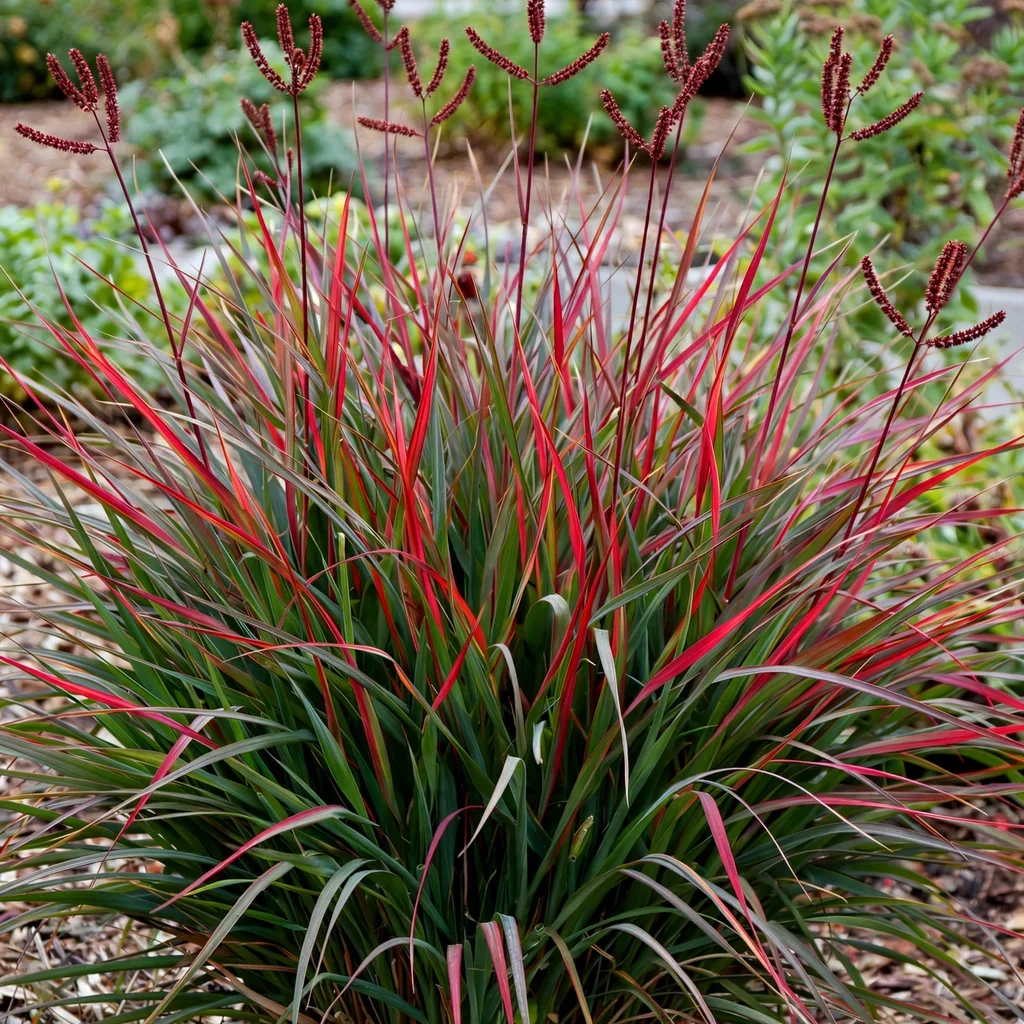
Red October Big Bluestem
Andropogon gerardi 'Red October'
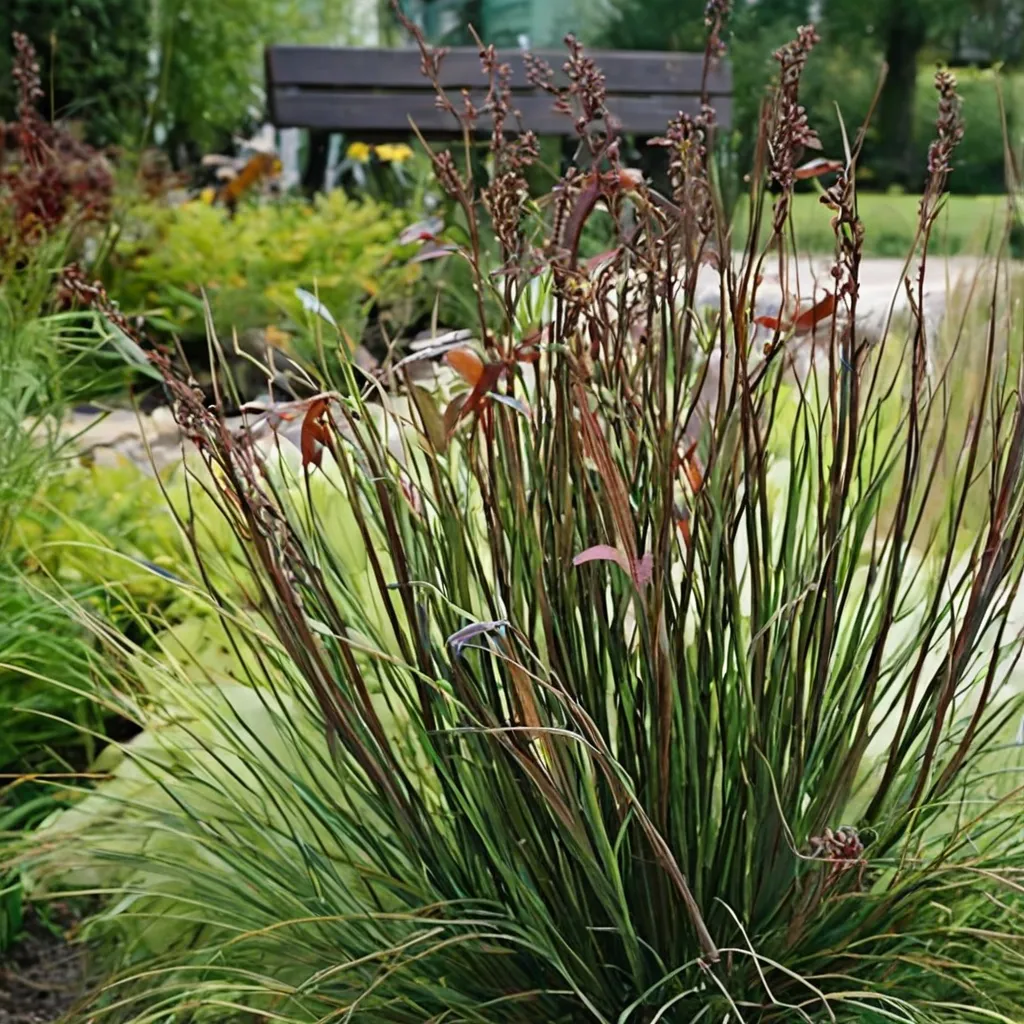
'Rain Dance' Big Bluestem
Andropogon gerardii 'Rain Dance'
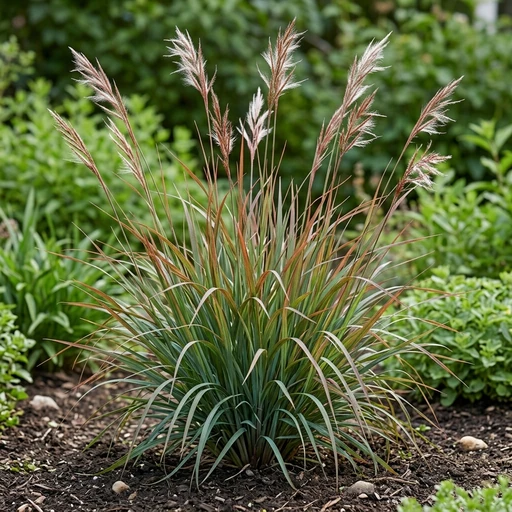
Splitbeard Bluestem
Andropogon ternarius
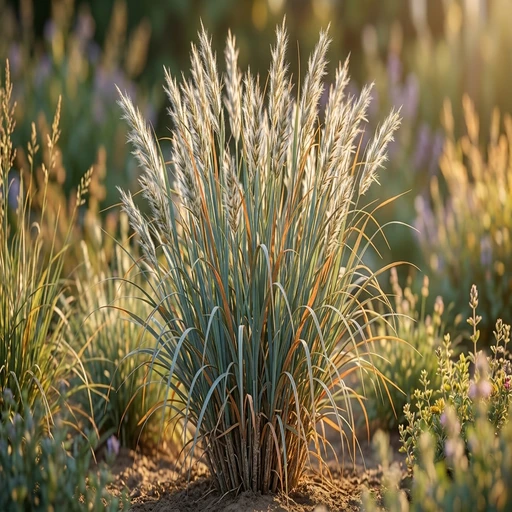
Broomsedge Bluestem
Andropogon virginicus

Big Bluestem Holy Smoke
Andropogon gerardii 'Holy Smoke'
Bushy Bluestem
Andropogon glomeratus
Keep exploring
Explore the genus
Grow Big Bluestem with confidence
See it in a design of your actual yard, get zone-matched care reminders, and track it season by season in your garden journal.