

The Story
Plant Bio
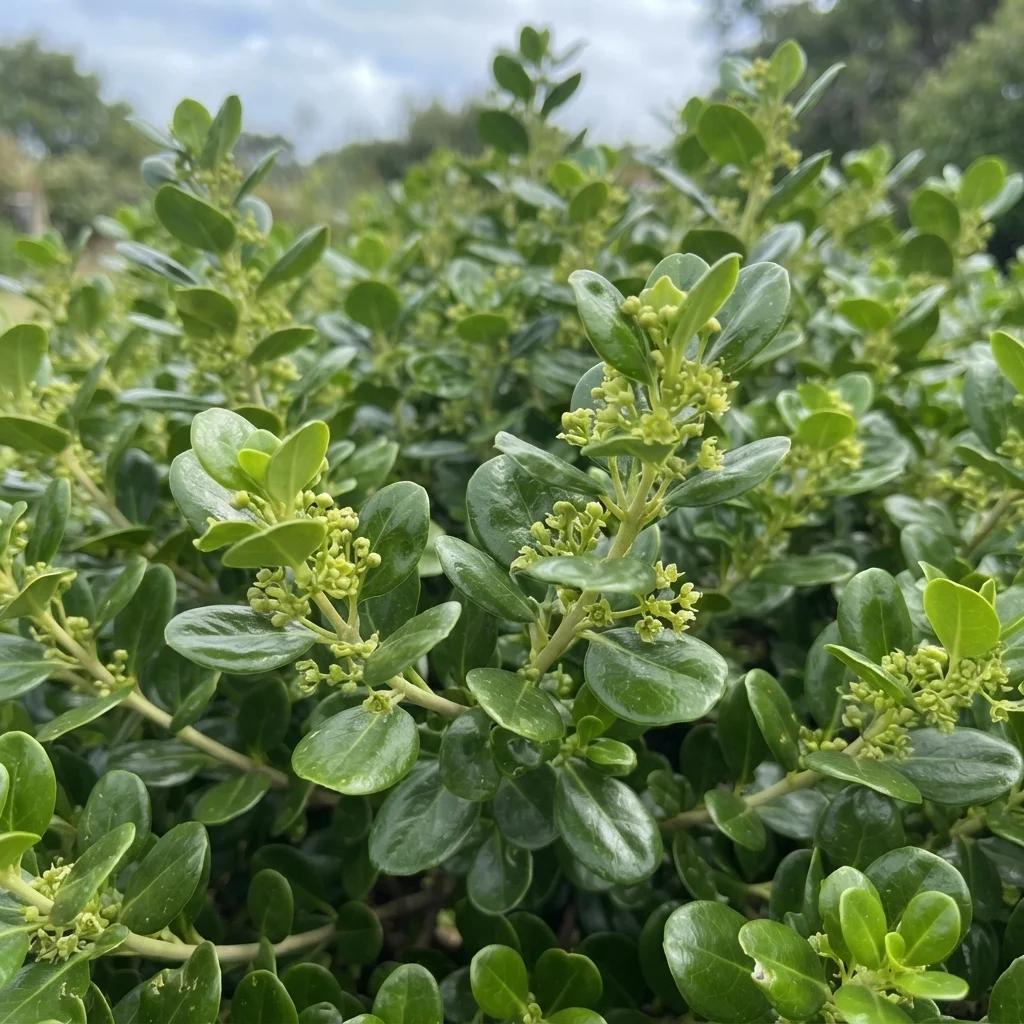
Coprosma repens is a coastal evergreen shrub native to New Zealand, recognized for its exceptionally glossy, leathery leaves that tolerate harsh salt spray and wind. The species produces inconspicuous, wind-pollinated greenish flowers in spring that hold little ornamental or wildlife value.
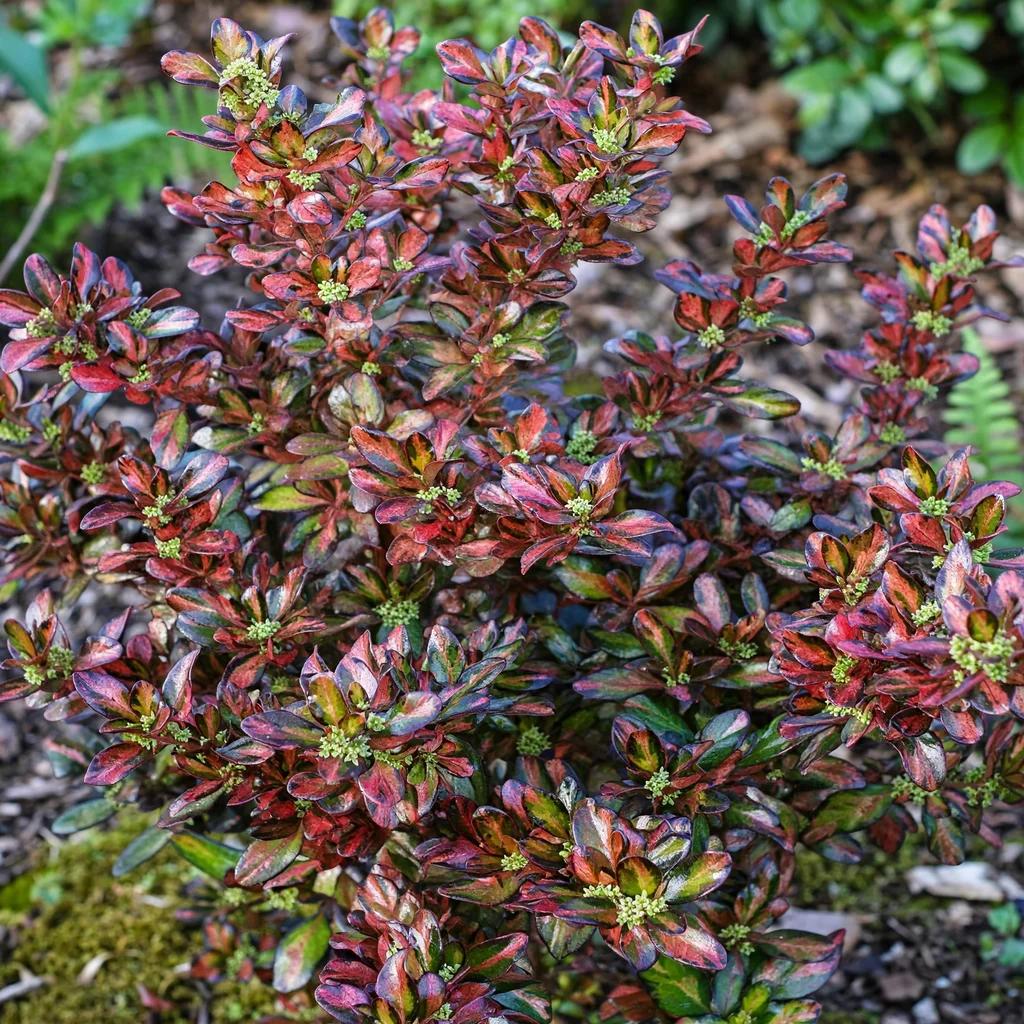
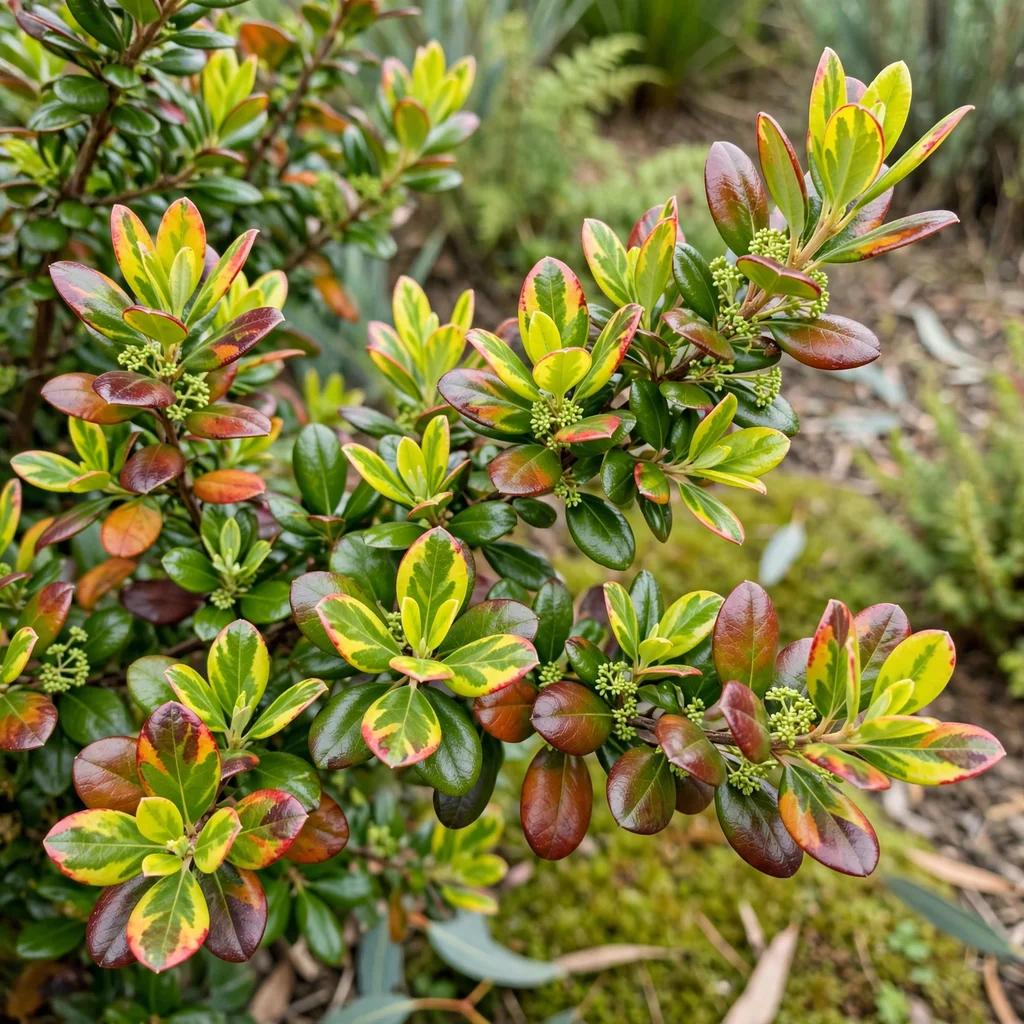
'Pacific Sunset' is a compact, upright-mounding cultivar distinguished by wave-shaped leaves featuring a vivid red center and a deep burgundy to chocolate-brown margin. The foliage colors deepen and intensify significantly during cooler fall and winter temperatures.
Uses & Benefits:
Essentials
At a Glance
Plant Type
Shrub
Height
60"
Width
40"
Light
Full Sun, Partial Sun
Zones
9, 10
Water
Low to moderate
Humidity
Moderate
Lifespan
Long-lived
Native To
New Zealand
Toxicity
Non-toxic
Bloom period
Spring
In flower about 3 months of the year
Planting
How to Grow
- Select a planting site in full sun to partial shade, noting that full sun exposure maximizes the intensity of the red and burgundy leaf coloration.
- Amend the planting area with organic matter to ensure rapid drainage, especially if planting in heavier clay soils.
- Dig a hole twice as wide as the root ball and of equal depth, then set the plant so the crown sits level with the surrounding soil.
- Water thoroughly at planting and maintain regular moisture during the first growing season, allowing the soil to dry slightly between waterings once established.
Pro Tip
Plant in highly permeable soil to prevent root rot, and avoid shearing into old, leafless wood which fails to regenerate.
Keep It Thriving
Care Guide
Do
- Grow in full sun to achieve the most vivid foliage coloration.
- Ensure the soil drains rapidly to prevent root rot.
- Prune lightly in late winter to maintain a compact, bushy shape.
Don't
- Do not allow the roots to sit in waterlogged or chronically wet soil.
- Avoid heavy shearing into old, leafless interior wood.
- Do not plant in deep shade, which causes the foliage colors to fade.
Seasonal Care Calendar
| Task | Jan | Feb | Mar | Apr | May | Jun | Jul | Aug | Sep | Oct | Nov | Dec |
|---|---|---|---|---|---|---|---|---|---|---|---|---|
| Fertilize | ||||||||||||
| Pest Check | ||||||||||||
| Propagate | ||||||||||||
| Prune |
Watch Out For
Pests & Diseases
Common Pests
Common Diseases
In the Garden
Landscape Uses & Companions
Landscape Uses
Companion Plants
Multiply
Propagation Methods
Good to Know
Common Questions
Mirror Plant questions
What zones can Mirror Plant grow in?
Mirror Plant is hardy in USDA Zones 9–10. Inside that range it survives winter in the ground; outside it, grow it as an annual or a container plant you protect.
Is Mirror Plant deer resistant?
Yes — Mirror Plant is rated deer-resistant. Deer typically pass it over, though extreme hunger can override any plant's defenses.
When does Mirror Plant bloom?
Mirror Plant typically blooms in spring through spring. Exact timing shifts a week or two with your zone — Sow's bloom calendar maps it to your garden.
Does Mirror Plant need full sun?
Mirror Plant does best in full sun to part shade. In hot climates, afternoon shade keeps blooms fresher longer.
Is Mirror Plant drought tolerant?
Yes — once established (usually after the first full season), Mirror Plant handles dry spells with minimal watering. Water deeply its first year to build the root system that makes that possible.
More Coprosma to compare
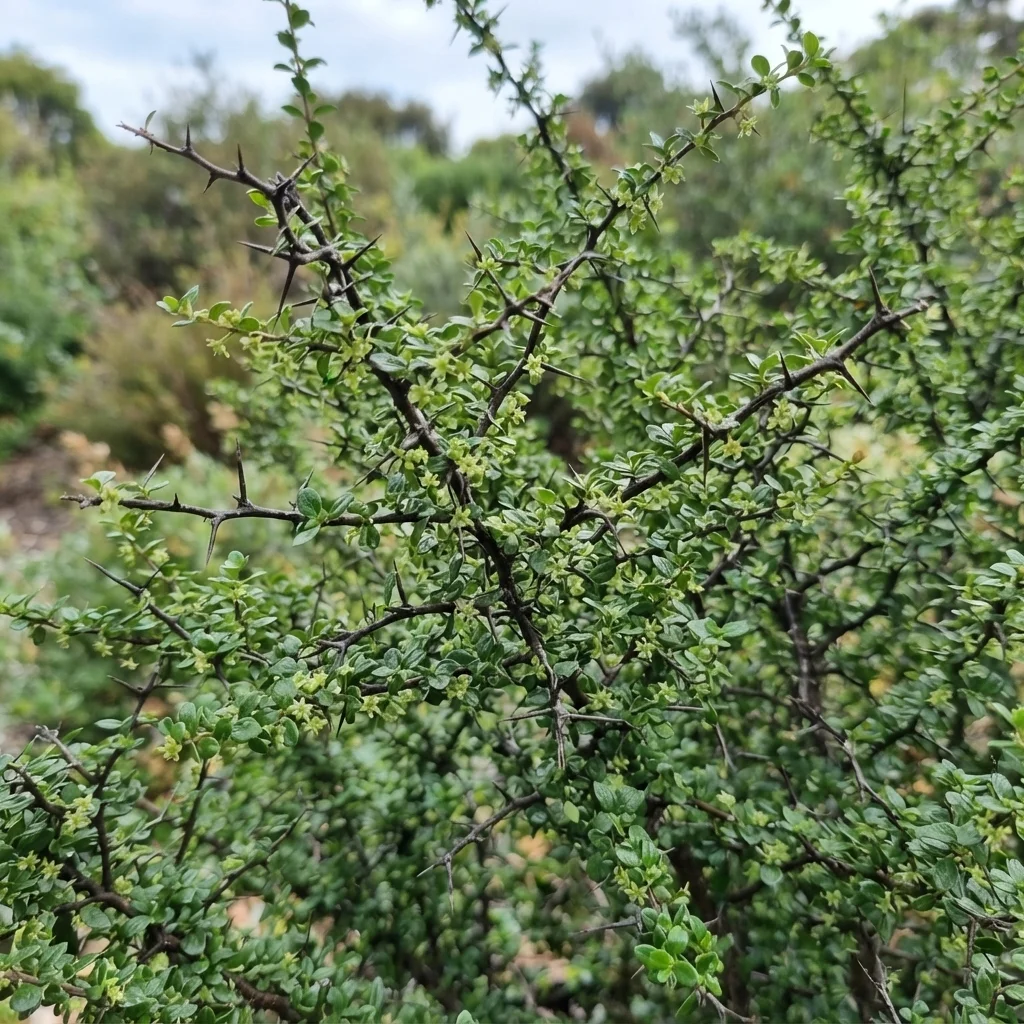
Prickly Currant-bush
Coprosma quadrifida
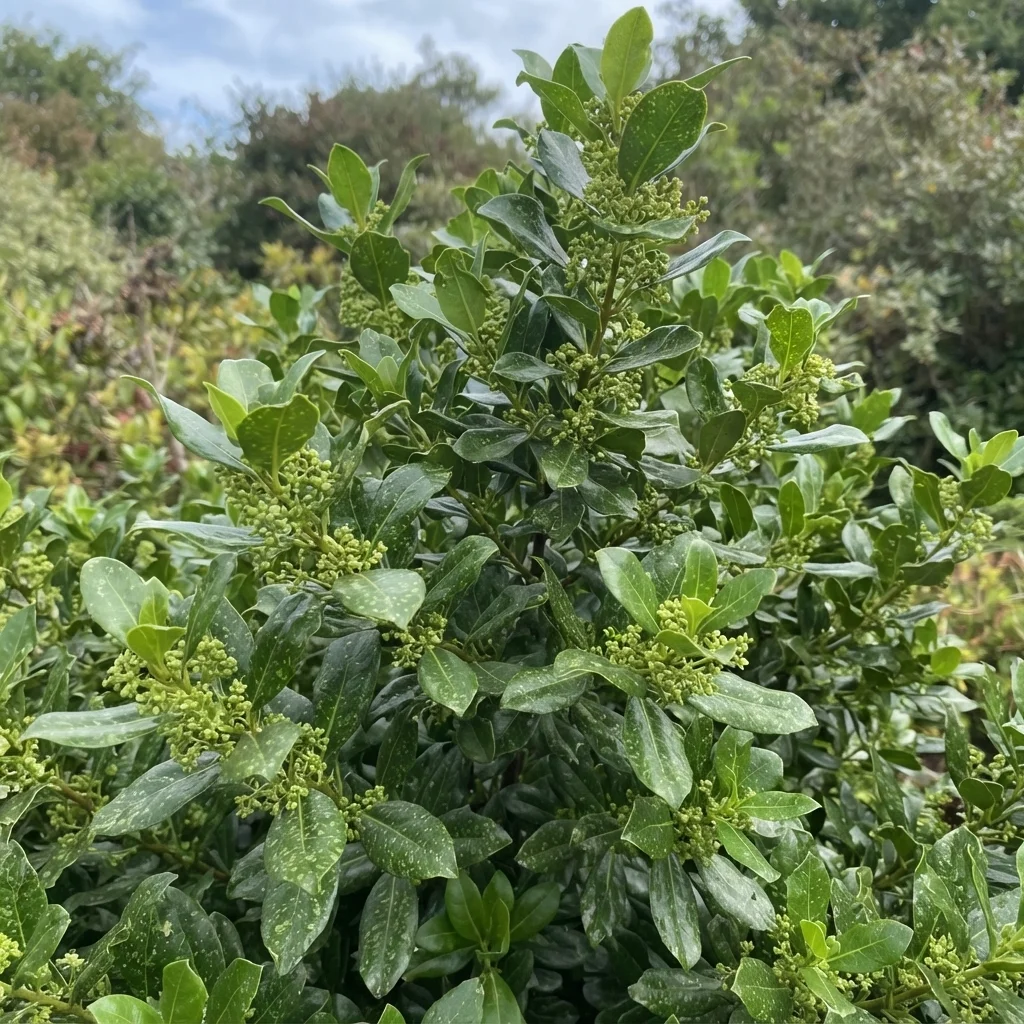
Karamu
Coprosma robusta
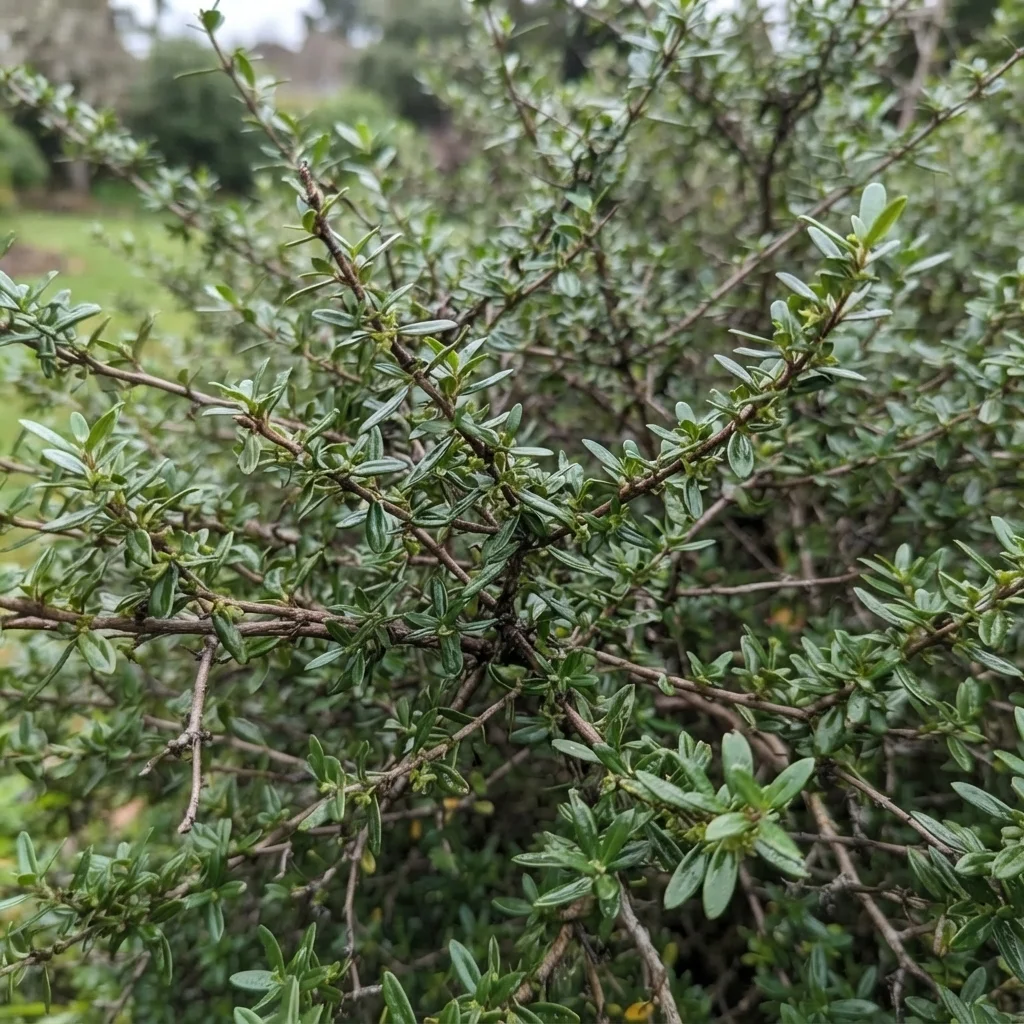
Mingimingi
Coprosma propinqua
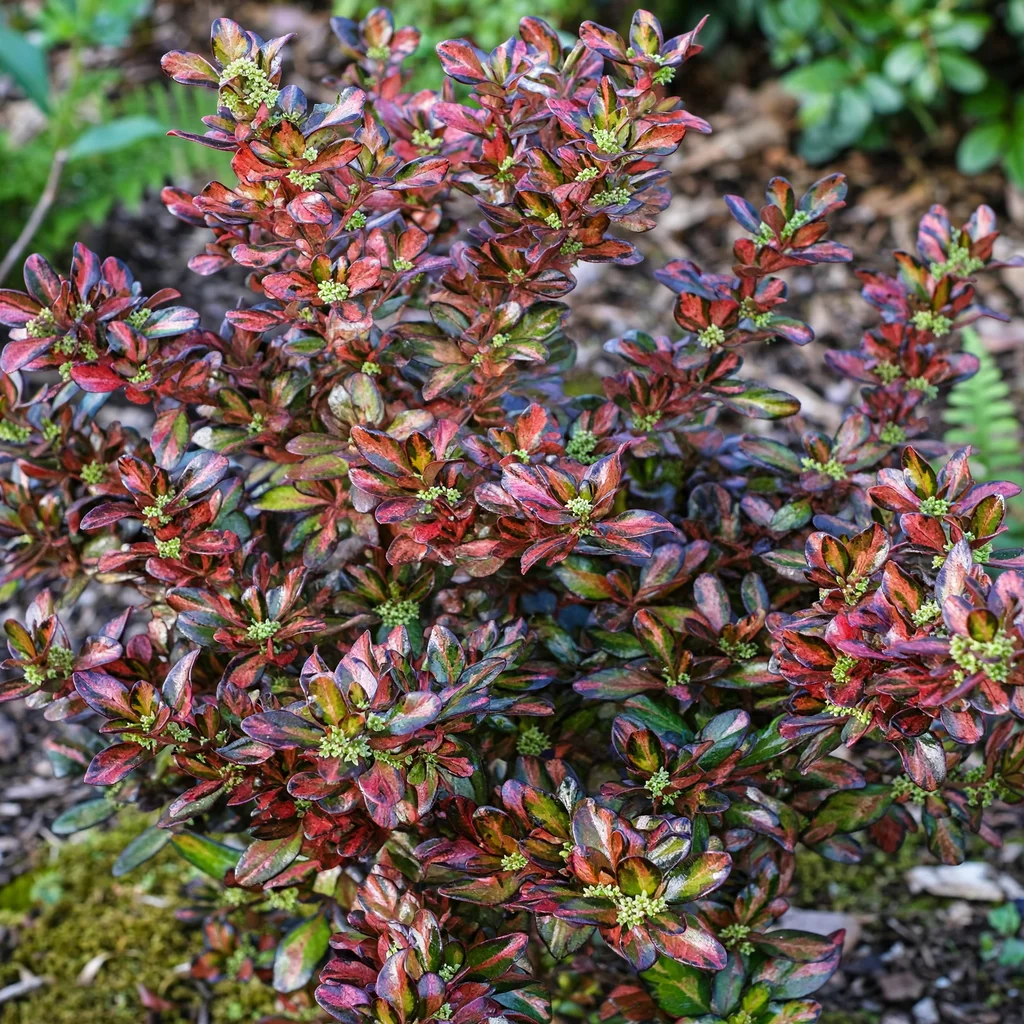
Evening Glow Mirror Plant
Coprosma repens 'Evening Glow'
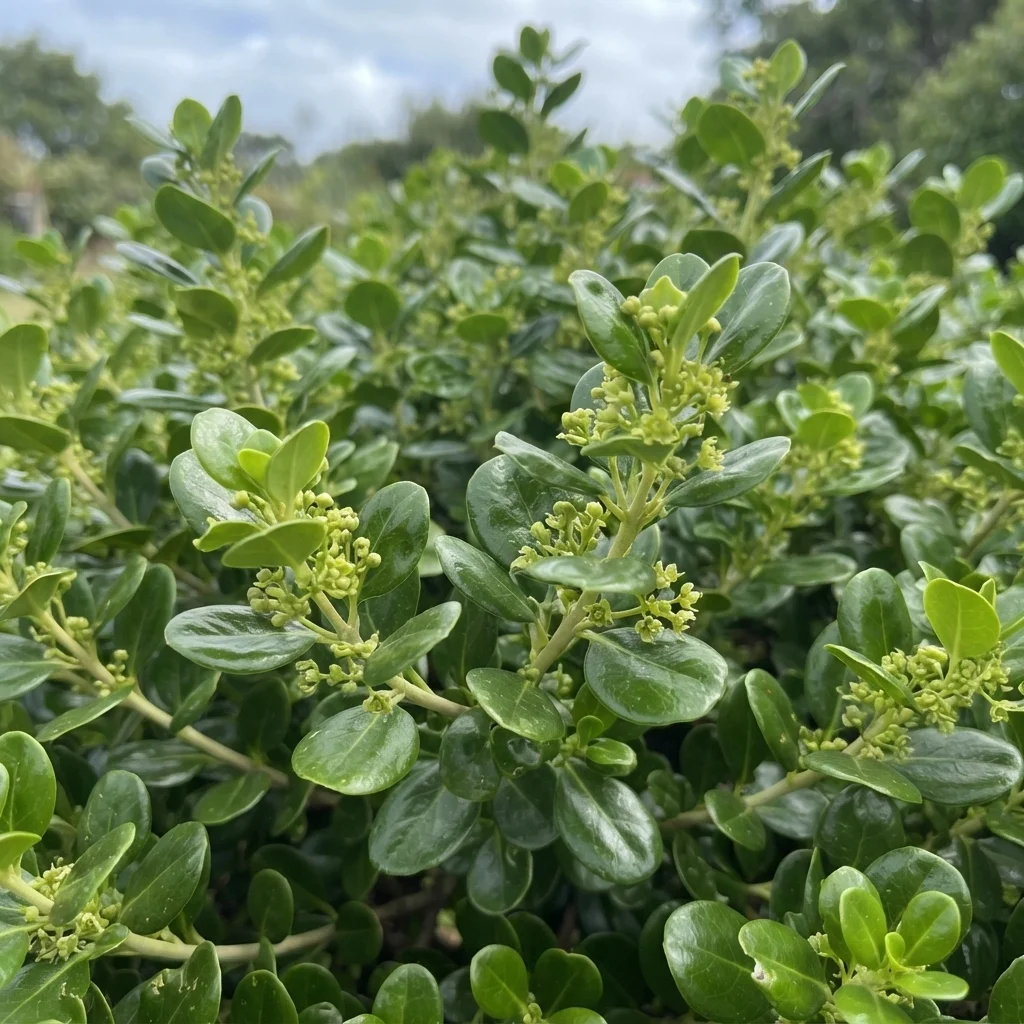
Mirror Bush
Coprosma repens
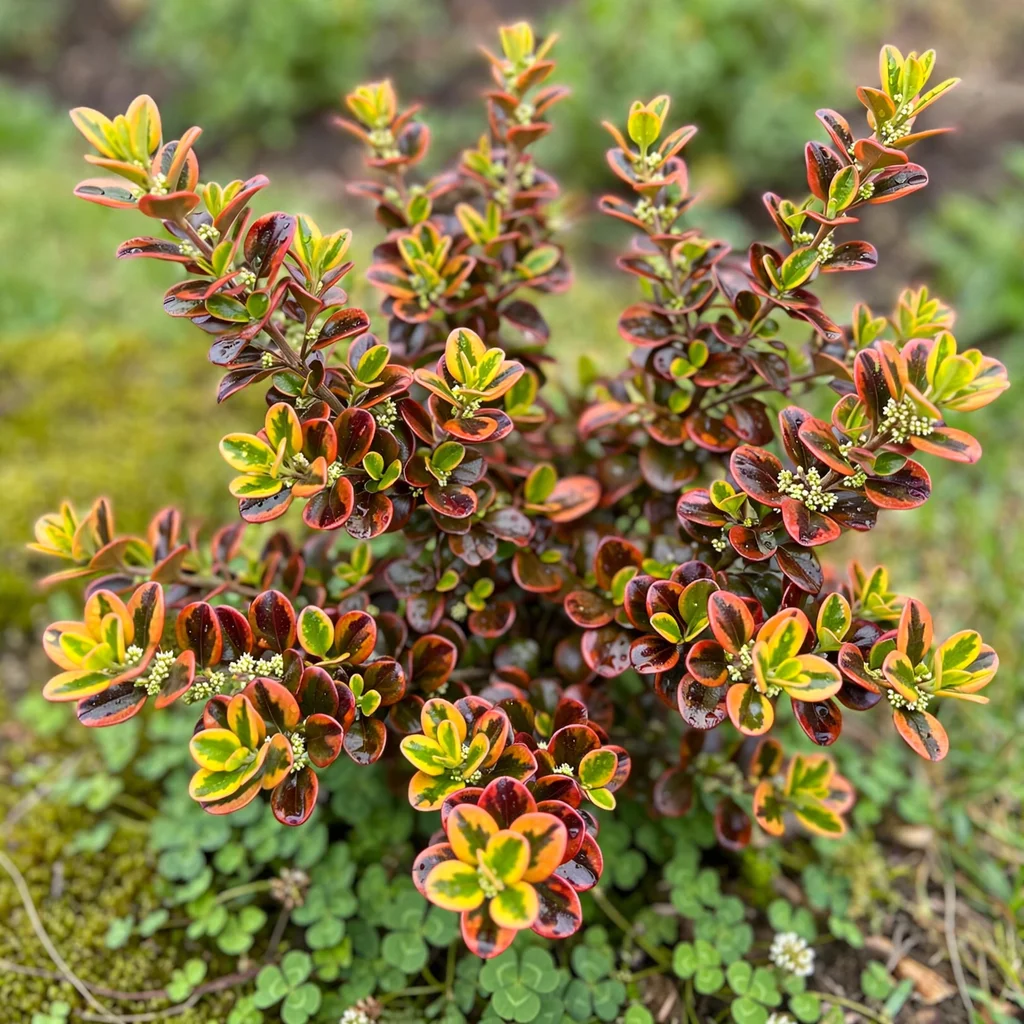
Tequila Sunrise Mirror Plant
Coprosma repens 'Tequila Sunrise'
Keep exploring
Explore the genus
Hardy in your zone?
Grow Mirror Plant with confidence
See it in a design of your actual yard, get zone-matched care reminders, and track it season by season in your garden journal.