The Story
Plant Bio
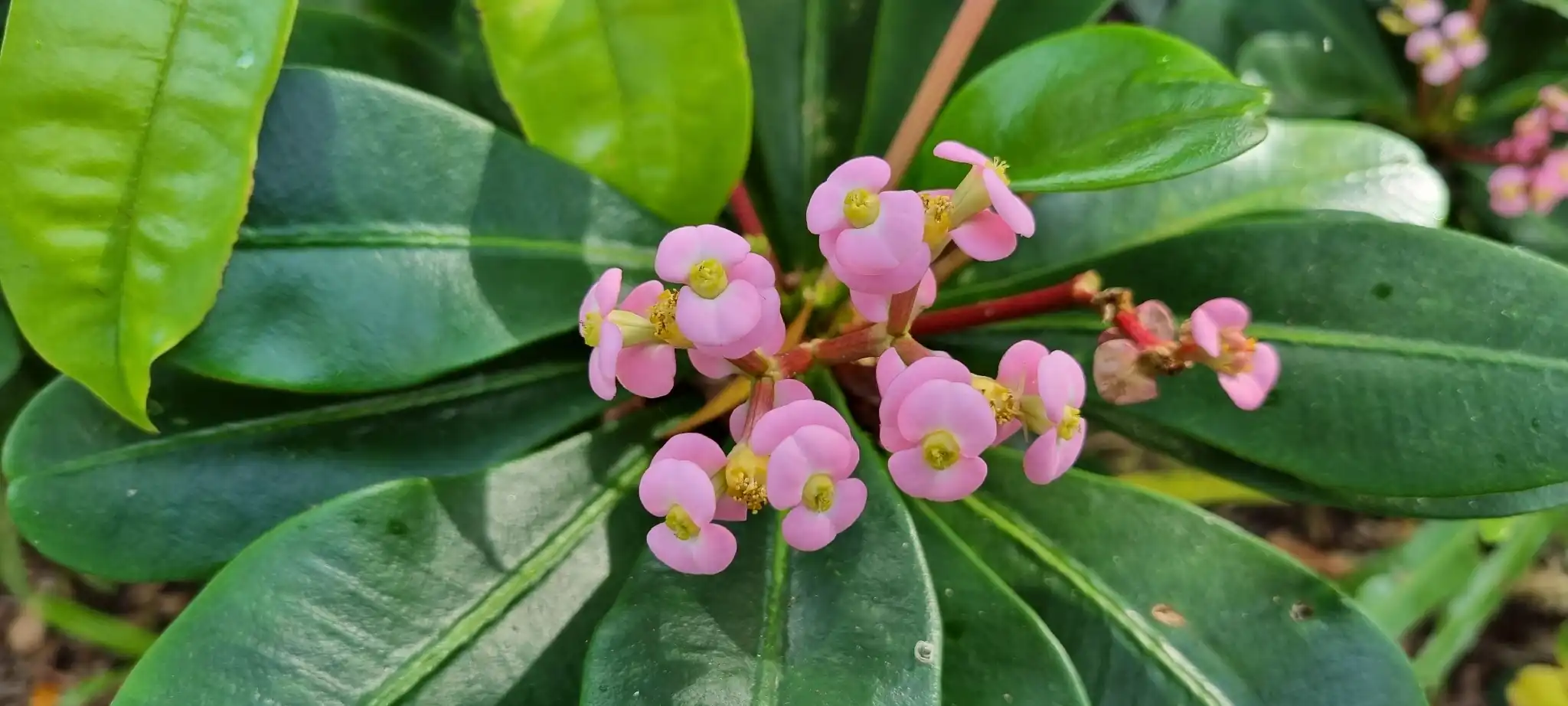
Euphorbia lophogona is an evergreen succulent shrub native to Madagascar, characterized by an upright, sparingly branched habit with prominent raised ridges along its stems. The glossy green, fleshy leaves cluster at the branch tips, providing a backdrop for the small true flowers enclosed in showy, petal-like pink or white bracts.
This species is distinguished by its highly structured, architectural growth form and its ability to bloom intermittently year-round under warm, bright conditions. New foliage emerges as bright green, soft succulent growth before maturing into leathery, oblong-obovate leaves.
Uses & Benefits:
Essentials
At a Glance
Plant Type
Cactus Succulent
Height
20"
Width
12"
Light
Full Sun, Partial Sun
Zones
9, 10
Water
Low
Humidity
Dry to moderate
Lifespan
Perennial
Native To
Madagascar
Toxicity
Toxic milky sap causes skin and eye irritation
Bloom period
Spring – Summer
In flower about 6 months of the year
Planting
How to Grow
- Select a container with multiple drainage holes and fill it with a gritty, sharp cactus or succulent potting mix.
- Position the container in a location receiving full sun to bright indirect light, providing light afternoon shade in extremely hot climates.
- Water thoroughly only when the potting medium has dried out completely, then allow all excess water to drain away immediately.
- Withhold fertilizer and reduce watering drastically during the fall and winter months to accommodate the plant's natural dormancy.
Pro Tip
Never cut back into old, leafless woody stems when pruning, as these older branches fail to re-sprout.
Keep It Thriving
Care Guide
Do
- Wear gloves and eye protection whenever handling or pruning to protect against the toxic milky sap.
- Ensure the potting mix is extremely fast-draining to prevent root rot.
- Bring the plant indoors or into a heated conservatory well before temperatures drop near freezing.
Don't
- Do not allow the plant to sit in standing water or wet, heavy soils.
- Do not cut into old, leafless, woody stems when pruning, as they fail to re-sprout.
- Do not fertilize during the autumn and winter dormancy periods.
Seasonal Care Calendar
| Task | Jan | Feb | Mar | Apr | May | Jun | Jul | Aug | Sep | Oct | Nov | Dec |
|---|---|---|---|---|---|---|---|---|---|---|---|---|
| Fertilize | ||||||||||||
| Pest Check | ||||||||||||
| Propagate | ||||||||||||
| Winter Prep |
Watch Out For
Pests & Diseases
Common Pests
Common Diseases
In the Garden
Landscape Uses & Companions
Landscape Uses
Companion Plants
Multiply
Propagation Methods
Good to Know
Common Questions
Madagascar Crown questions
What zones can Madagascar Crown grow in?
Madagascar Crown is hardy in USDA Zones 9–10. Inside that range it survives winter in the ground; outside it, grow it as an annual or a container plant you protect.
When does Madagascar Crown bloom?
Madagascar Crown typically blooms in spring through summer. Exact timing shifts a week or two with your zone — Sow's bloom calendar maps it to your garden.
Does Madagascar Crown need full sun?
Madagascar Crown does best in full sun to part shade. In hot climates, afternoon shade keeps blooms fresher longer.
Is Madagascar Crown drought tolerant?
Yes — once established (usually after the first full season), Madagascar Crown handles dry spells with minimal watering. Water deeply its first year to build the root system that makes that possible.
More Euphorbia to compare
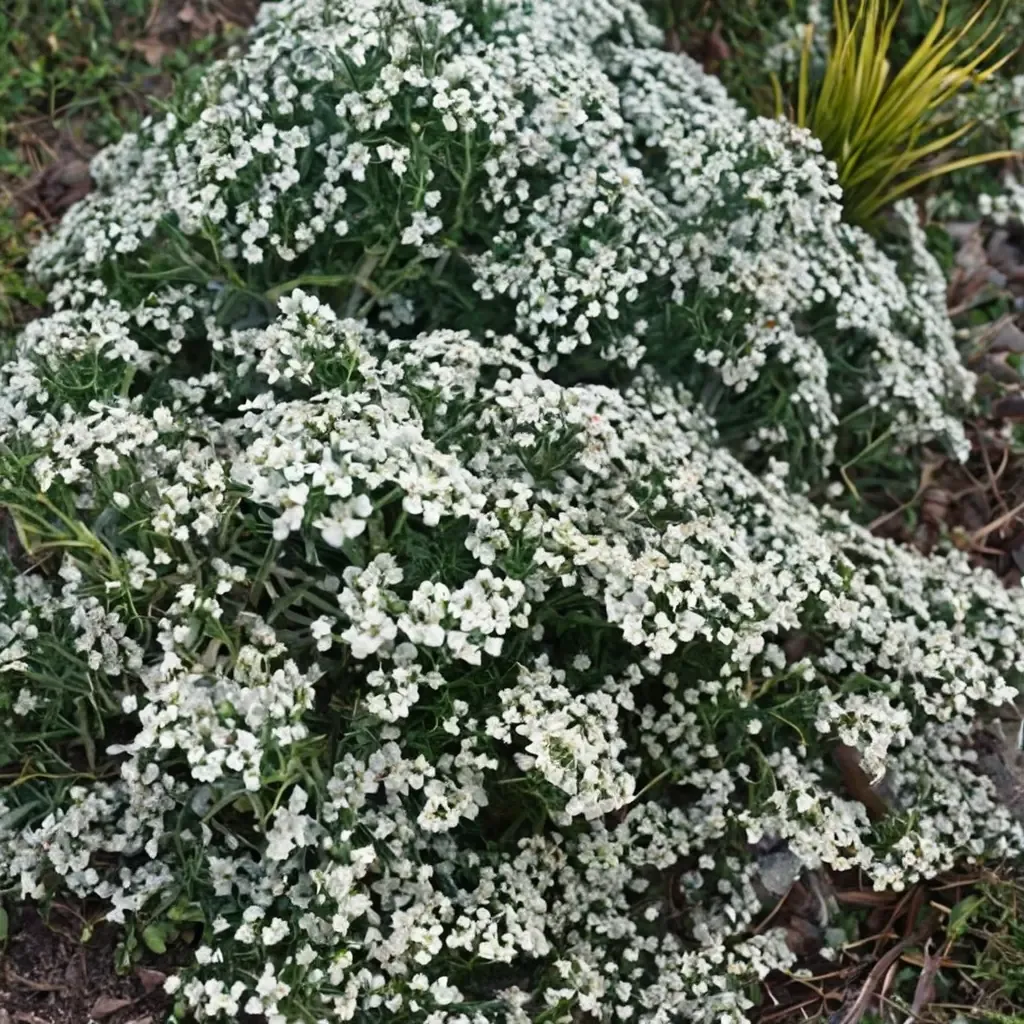
Flowering Spurge
Euphorbia corollata 'Carolina Snow'
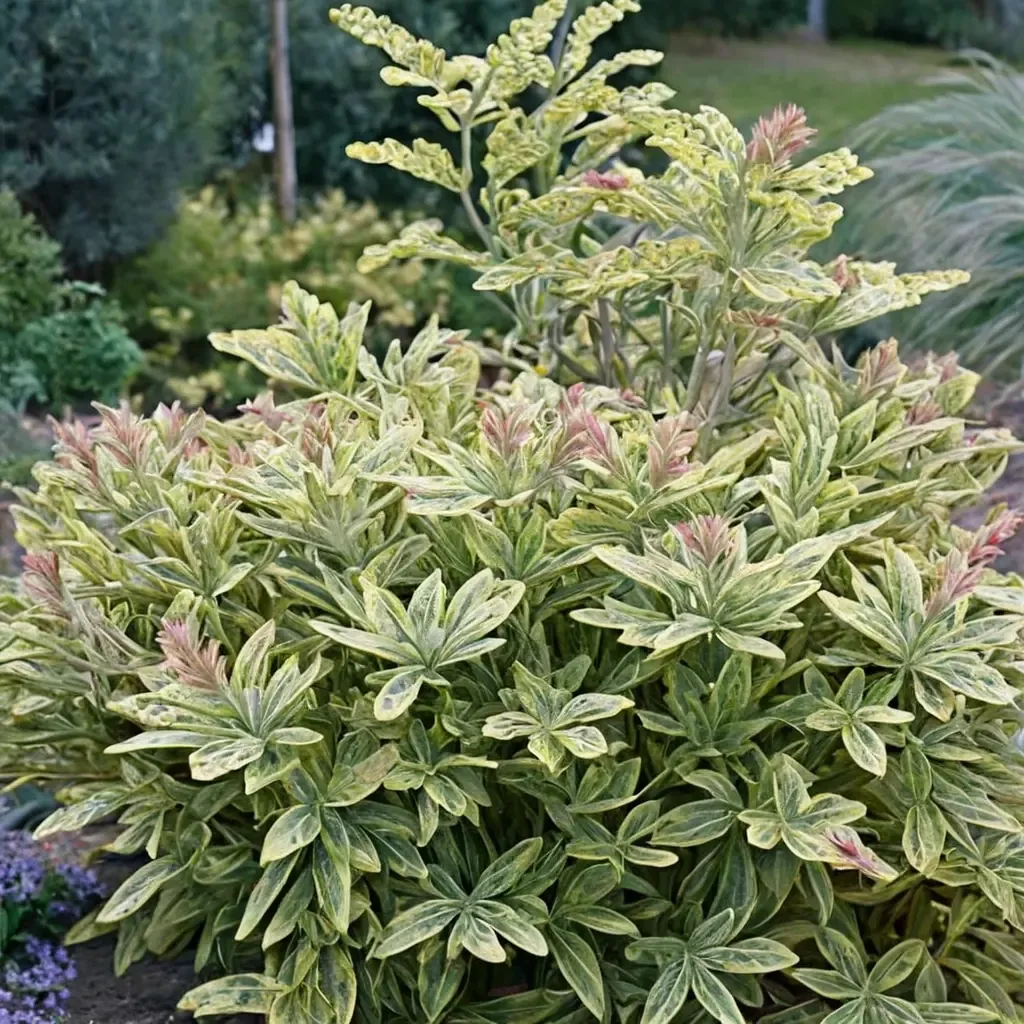
Ascot Rainbow Spurge
Euphorbia x hybrida 'Ascot Rainbow'
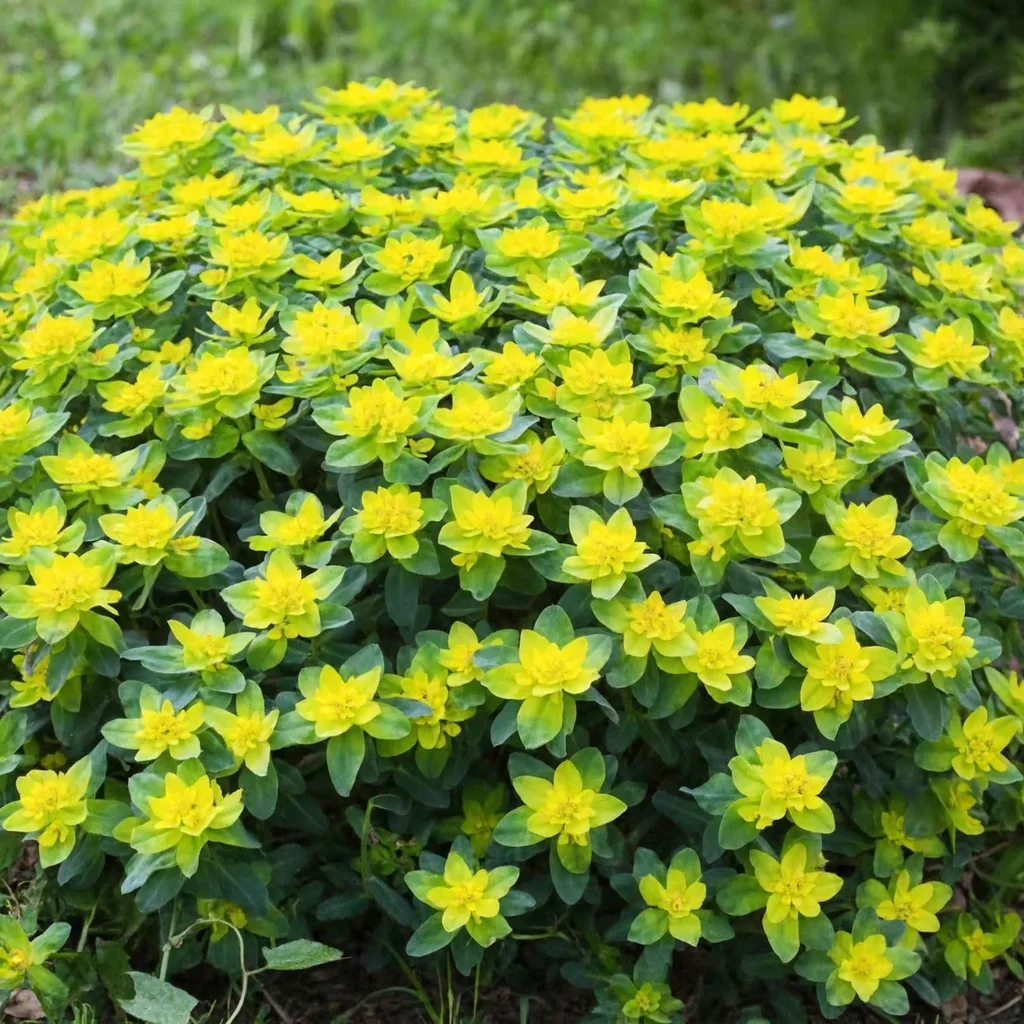
Mediterranean Spurge
Euphorbia polychroma
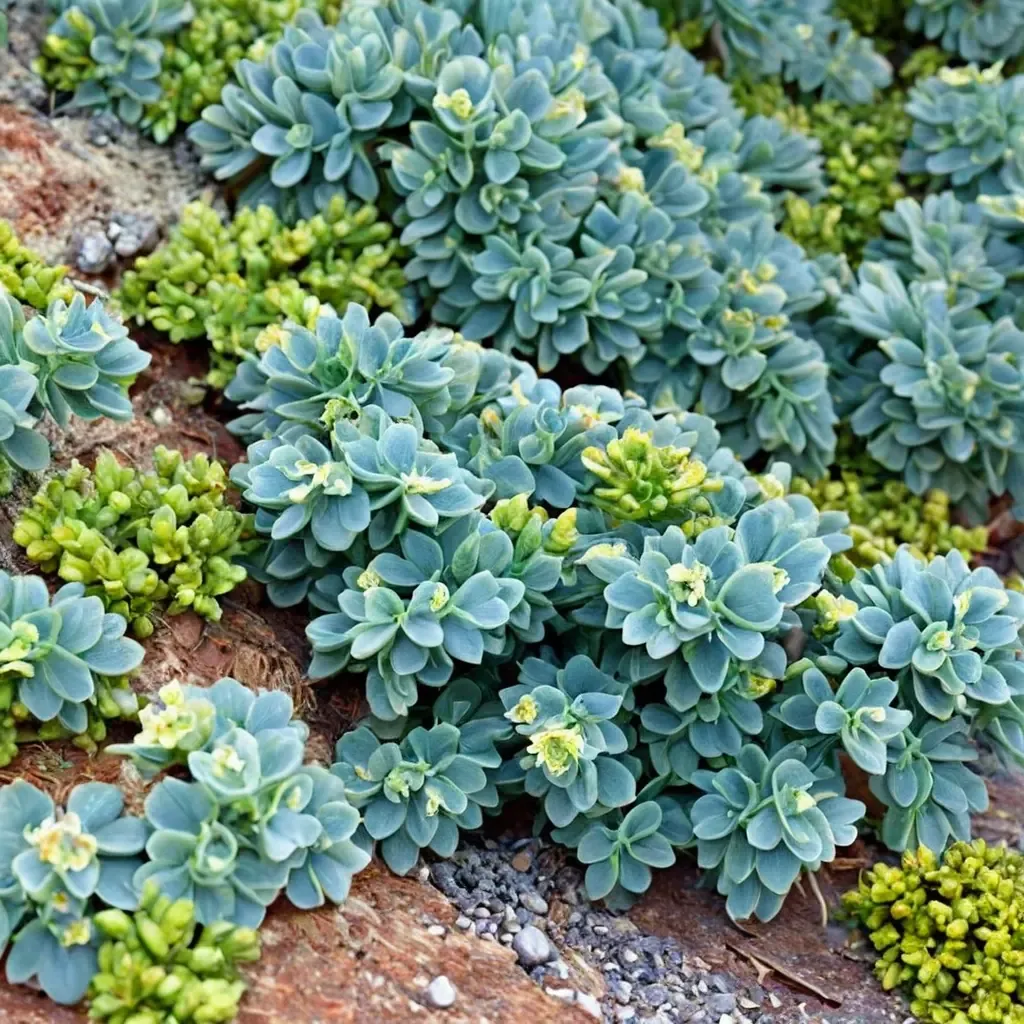
Myrtle Spurge
Euphorbia myrsinites
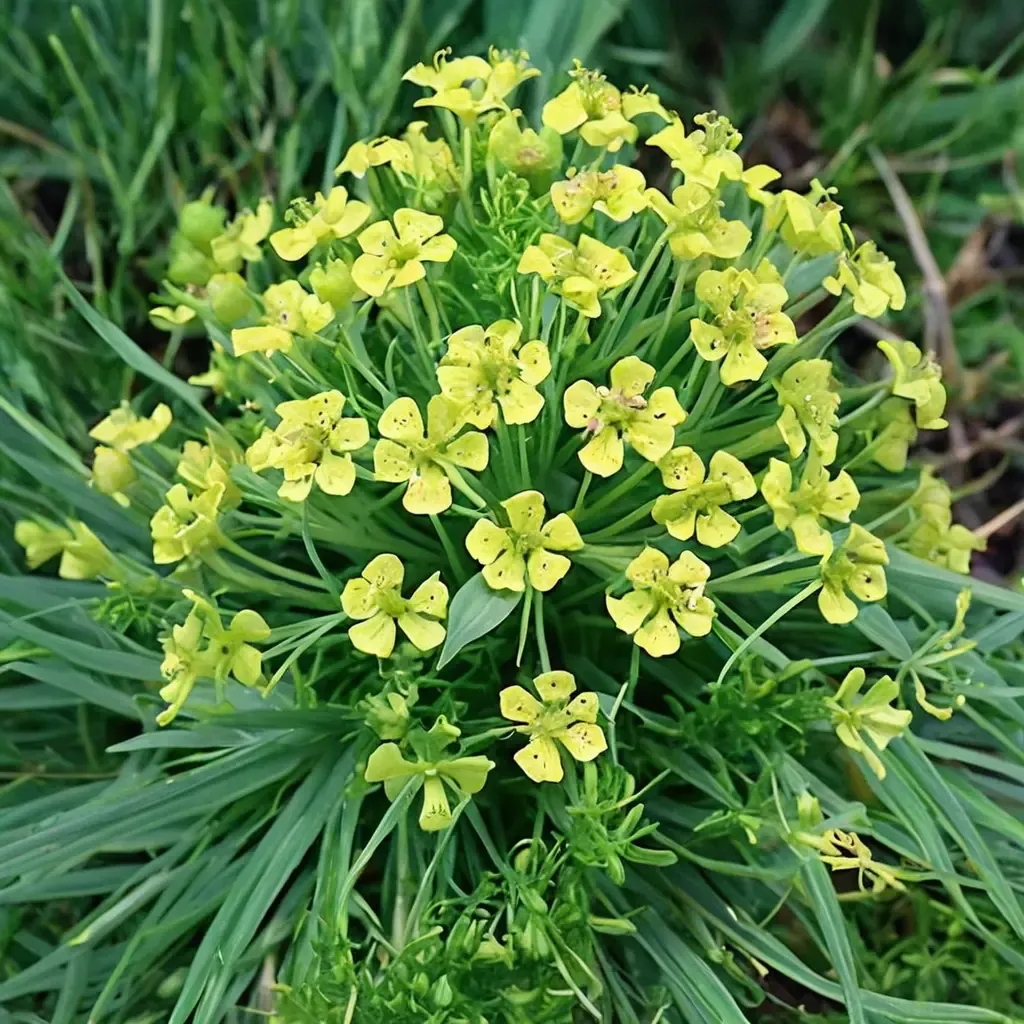
Cypress Spurge
Euphorbia cyparissias
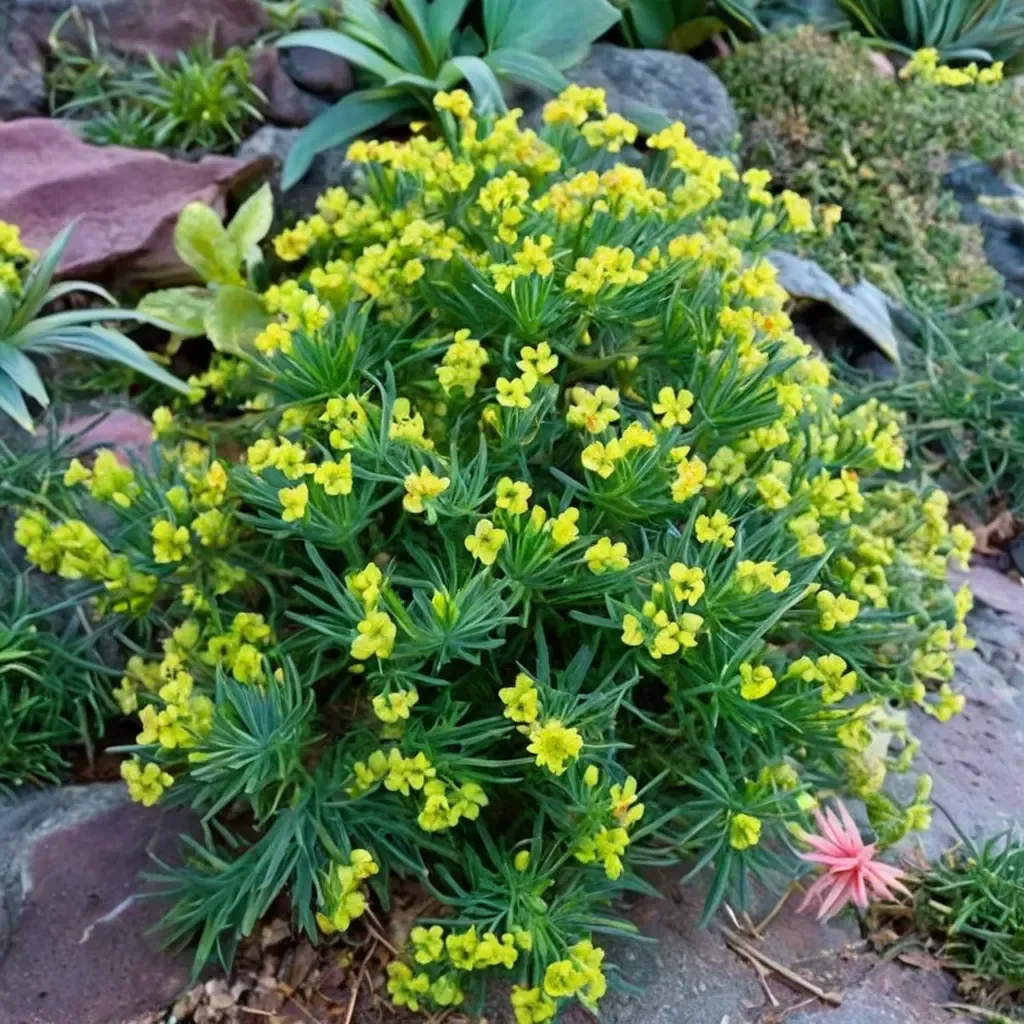
Ruby Spurge
Euphorbia cyparissias 'Fens Ruby'
Keep exploring
Explore the genus
Hardy in your zone?
Grow Madagascar Crown with confidence
See it in a design of your actual yard, get zone-matched care reminders, and track it season by season in your garden journal.