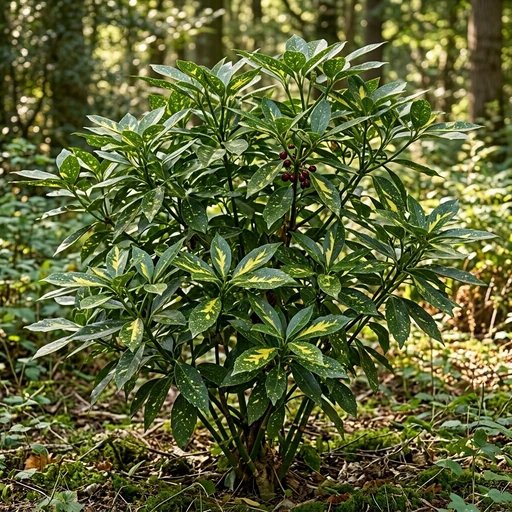
Species
 Aucuba japonicaJapanese Aucuba
17 other cultivars
 ‘Lemon Flare’Lemon Flare Aucuba
 ‘Limbata’Gold-edged Japanese Laurel
 ‘Male Man’Male Man Japanese Laurel
 ‘Subaru’Japanese Aucuba Subaru
 ‘Bored Female’Bored Female Japanese Laurel
 ‘Sagama’Japanese Aucuba Sagama
 ‘Marmorata’Marmorata Japanese Laurel
 ‘Tatsumaki’Tatsumaki Japanese Laurel
 ‘Variegata’Gold Dust Plant
 ‘Rozannie’Rozannie Japanese Aucuba
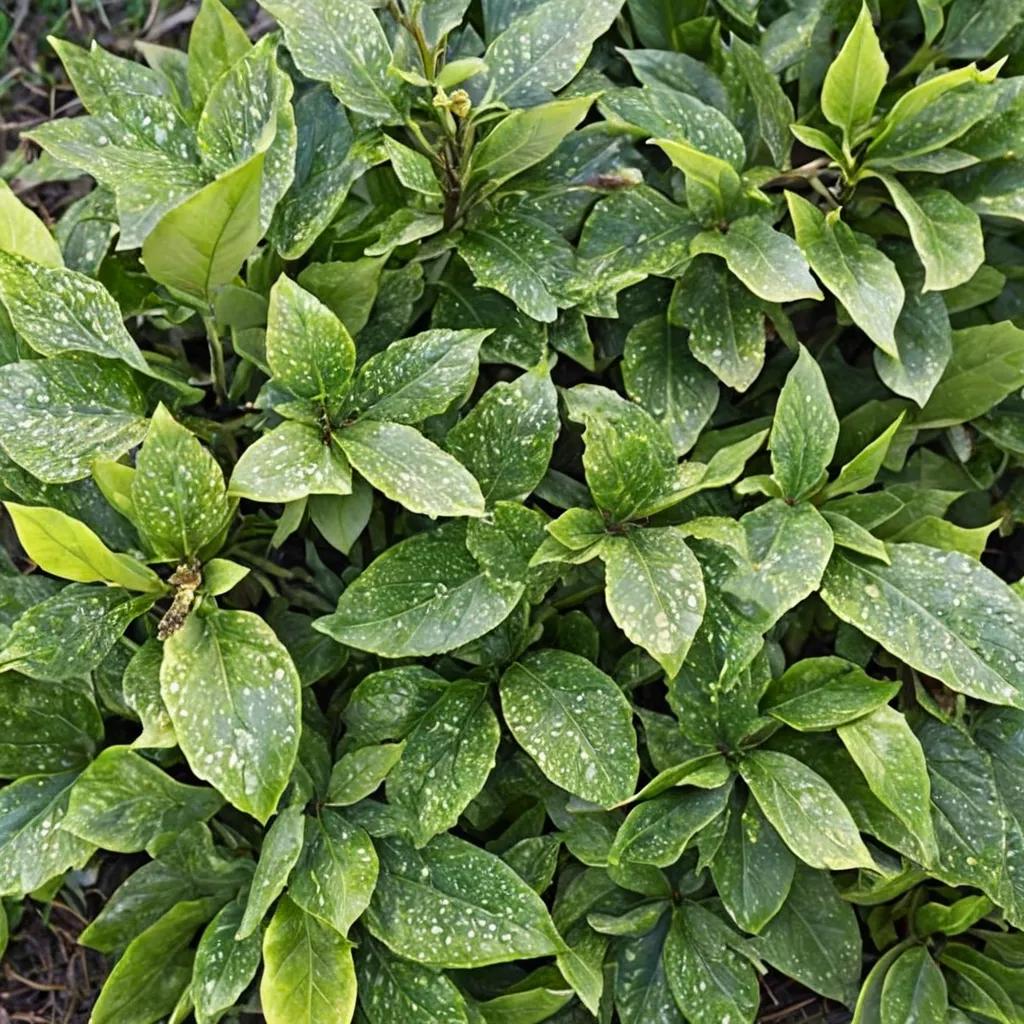 ‘Shilpot’Japanese Aucuba
 ‘Mr Gold Strike’Mr. Gold Strike Spotted Laurel
 ‘Arashiyama’
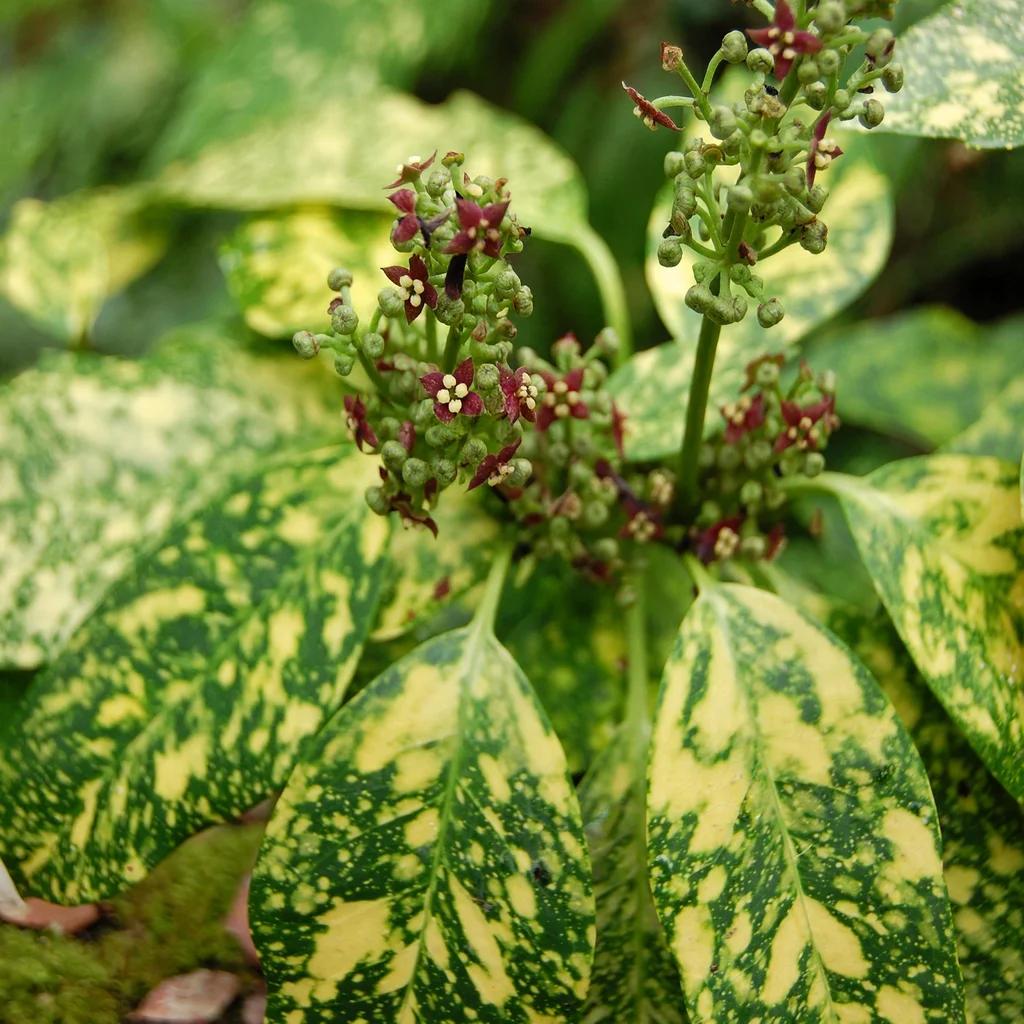 ‘Crotonifolia’Japanese Aucuba
 ‘Variegata Nana’Dwarf Gold Dust Plant
 ‘Hosoba Hoshifu’Japanese Laurel
 ‘Green’Japanese Laurel
The Story
Plant Bio
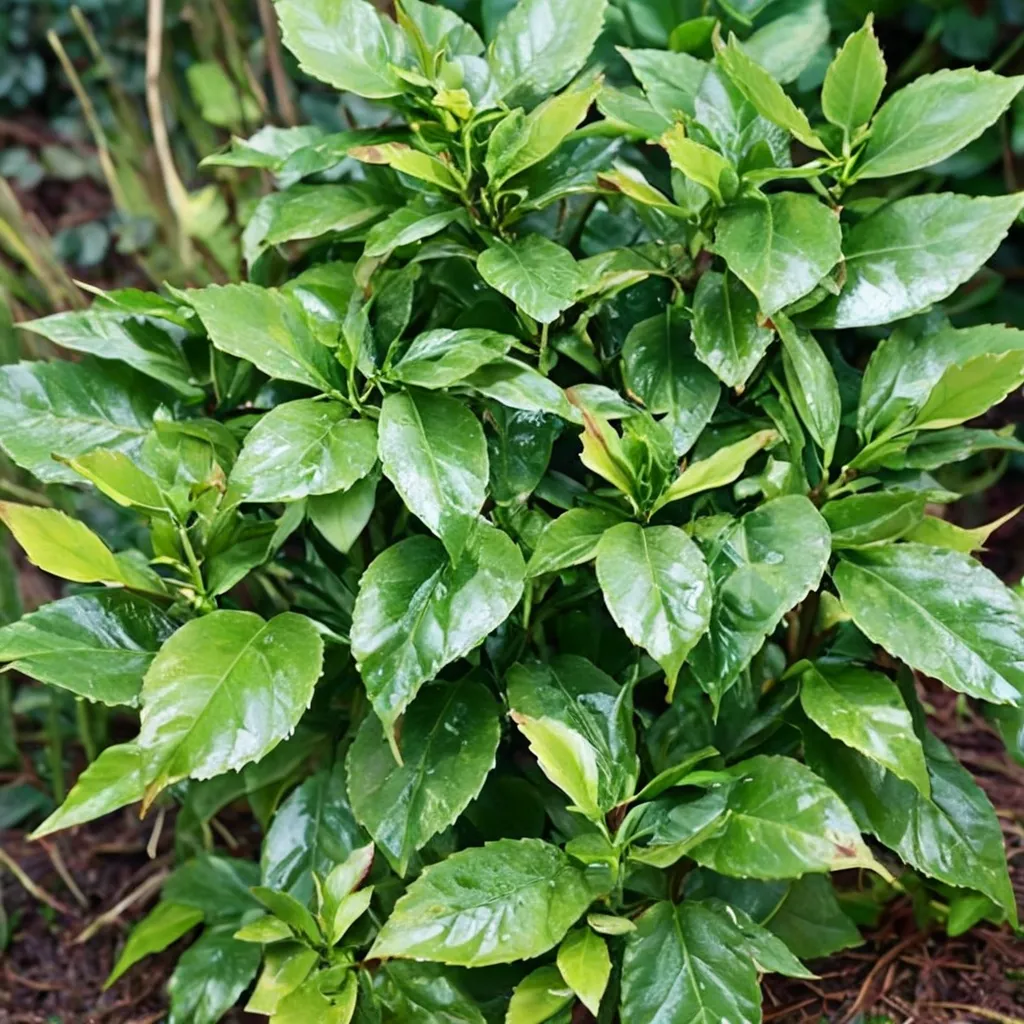
Aucuba japonica, commonly known as Japanese Laurel, is a tough, adaptable evergreen shrub highly valued for its ability to thrive in deep shade. It typically has large, glossy leaves, and some varieties are prized for their variegation.
'Picturata' is a dramatic female cultivar featuring large, glossy leaves with a bold, golden-yellow center and a narrow, irregular green margin. This striking variegation provides a splash of bright color and a tropical feel to the darkest corners of the garden.
Uses & Benefits:
Essentials
At a Glance
Plant Type
Shrub
Height
96"
Width
84"
Light
Partial Sun, Shade
Zones
7, 8, 9, 10
Water
Low to Medium
Humidity
Average
Lifespan
20+ years
Native To
Japan, China
Toxicity
Mildly toxic if ingested
Bloom period
Early spring – Mid-spring
In flower about 2 months of the year
Planting
How to Grow
- Choose a location in partial to full shade with good drainage.
- Dig a hole twice as wide as the container.
- Gently remove the plant and loosen the roots.
- Set the plant in the hole, ensuring the root flare is at soil level.
- Backfill with soil and water thoroughly.
- Mulch to conserve moisture, but keep it away from the stems.
Pro Tip
To prevent the leaves from turning black and dying, avoid direct sun exposure at all costs; this is a true shade lover.
Keep It Thriving
Care Guide
Do
- Plant in a shady spot.
- Water regularly until established, then it becomes very drought tolerant.
- Prune to shape and remove any plain green shoots that may appear.
- Provide well-drained soil.
Don't
- Don't plant in direct sun, which will scorch the leaves.
- Avoid waterlogged soil, which can lead to root rot.
- Don't over-fertilize; it's not a heavy feeder.
- Don't worry about deer; they usually leave it alone.
Seasonal Care Calendar
| Task | Jan | Feb | Mar | Apr | May | Jun | Jul | Aug | Sep | Oct | Nov | Dec |
|---|---|---|---|---|---|---|---|---|---|---|---|---|
| Fertilize | ||||||||||||
| Pest Check | ||||||||||||
| Plant | ||||||||||||
| Prune |
Watch Out For
Pests & Diseases
Common Pests
Common Diseases
In the Garden
Landscape Uses & Companions
Landscape Uses
Companion Plants
Multiply
Propagation Methods
Good to Know
Common Questions
Picturata Aucuba questions
What zones can Picturata Aucuba grow in?
Picturata Aucuba is hardy in USDA Zones 7–10. Inside that range it survives winter in the ground; outside it, grow it as an annual or a container plant you protect.
Is Picturata Aucuba deer resistant?
Yes — Picturata Aucuba is rated deer-resistant. Deer typically pass it over, though extreme hunger can override any plant's defenses.
When does Picturata Aucuba bloom?
Picturata Aucuba typically blooms in early spring through mid-spring. Exact timing shifts a week or two with your zone — Sow's bloom calendar maps it to your garden.
Does Picturata Aucuba need full sun?
Picturata Aucuba does best in part shade.
Is Picturata Aucuba drought tolerant?
Yes — once established (usually after the first full season), Picturata Aucuba handles dry spells with minimal watering. Water deeply its first year to build the root system that makes that possible.
More Aucuba to compare
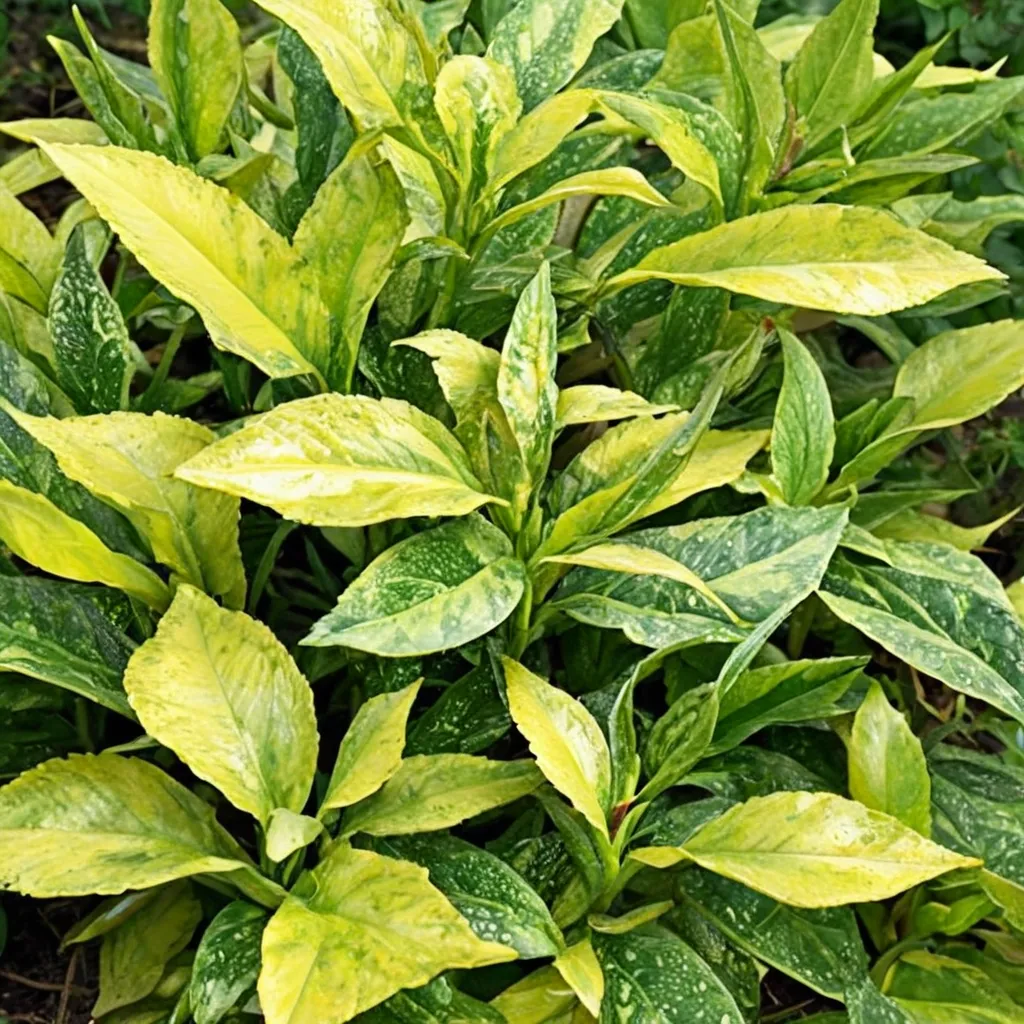
Lemon Flare Aucuba
Aucuba japonica 'Lemon Flare'
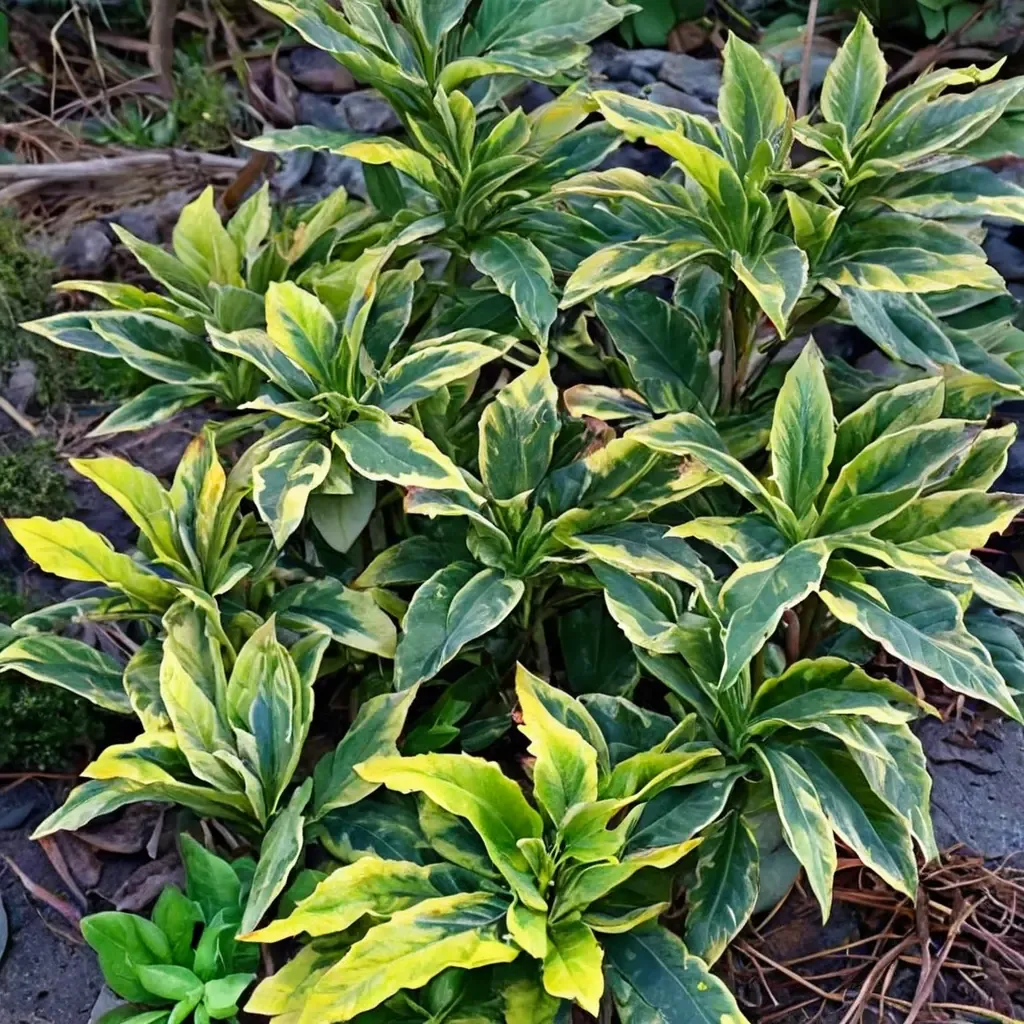
Gold-edged Japanese Laurel
Aucuba japonica 'Limbata'
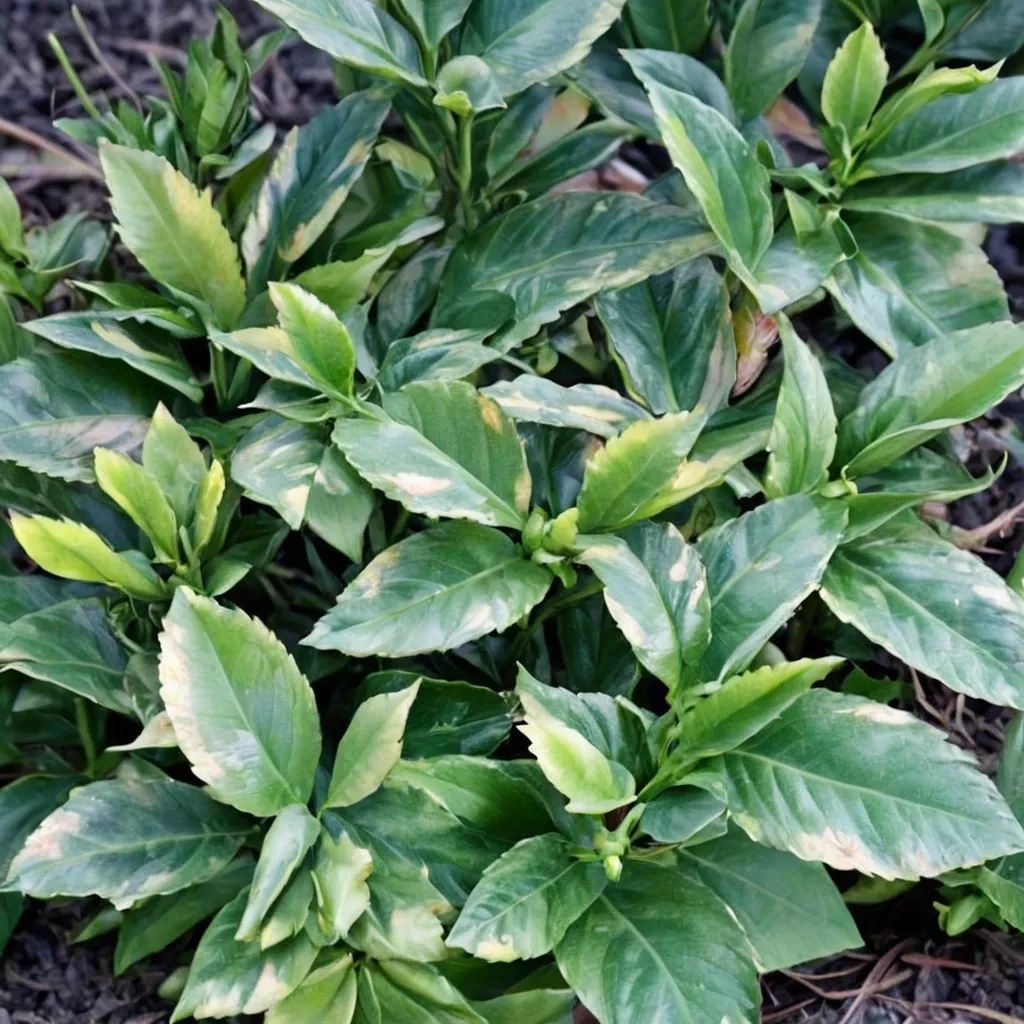
Male Man Japanese Laurel
Aucuba japonica 'Male Man'
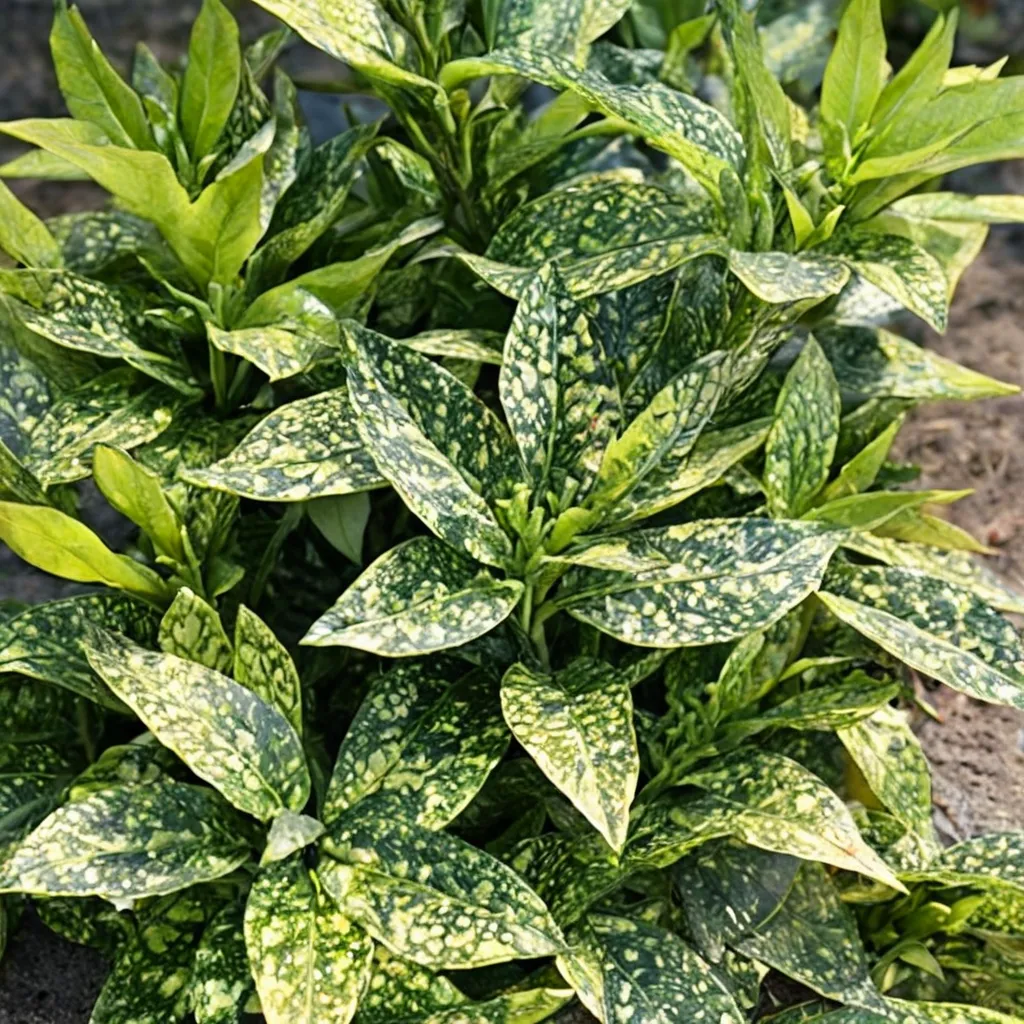
Japanese Aucuba Subaru
Aucuba japonica 'Subaru'
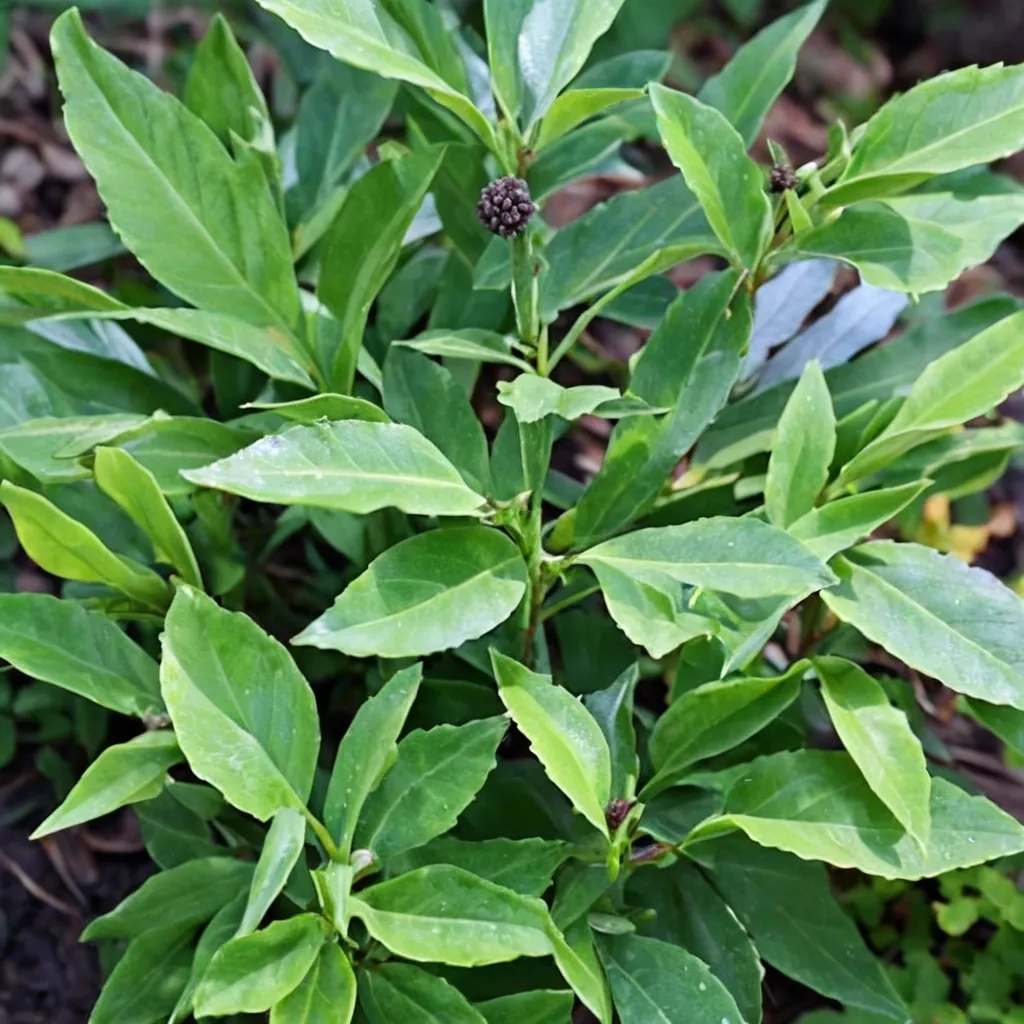
Bored Female Japanese Laurel
Aucuba japonica 'Bored Female'
Japanese Aucuba Sagama
Aucuba japonica 'Sagama'
Keep exploring
Explore the genus
Hardy in your zone?
Grow Picturata Aucuba with confidence
See it in a design of your actual yard, get zone-matched care reminders, and track it season by season in your garden journal.