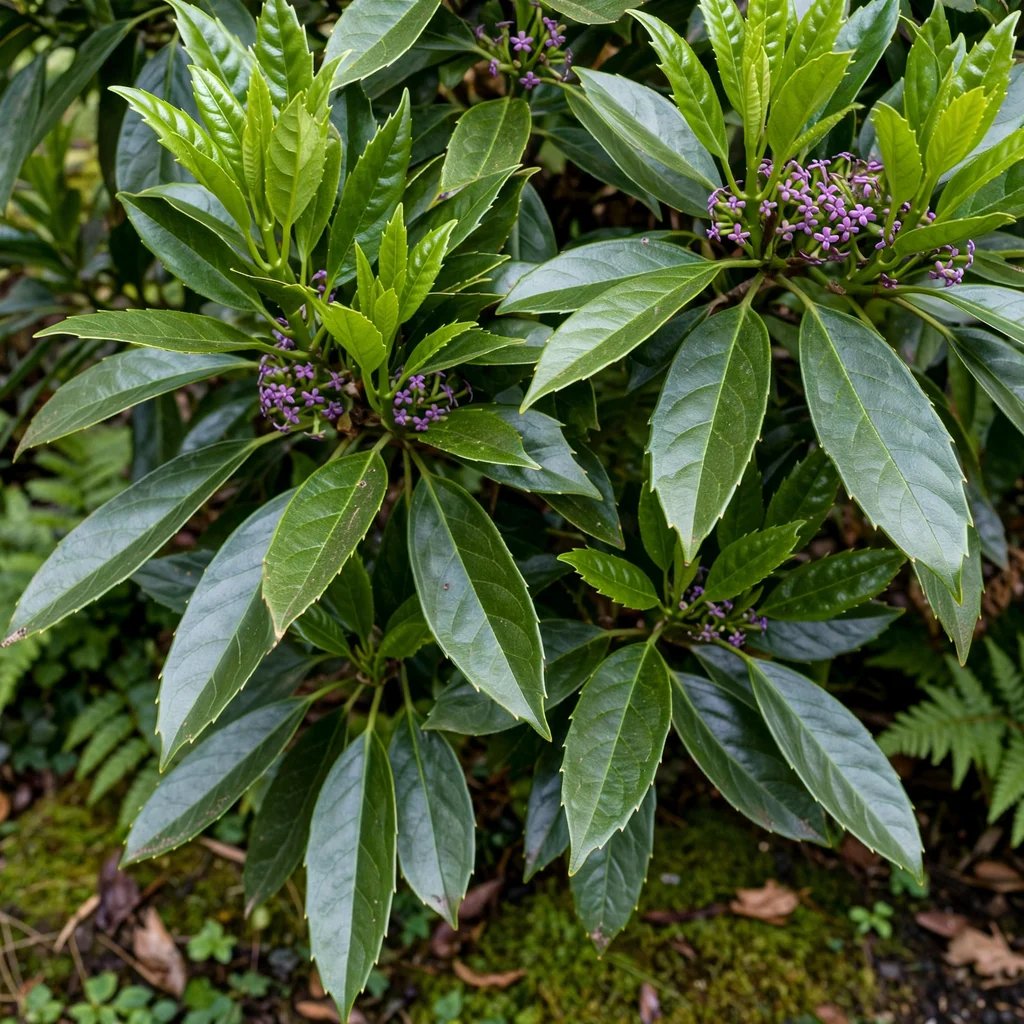
Species
 Aucuba japonicaJapanese Aucuba
17 other cultivars
 ‘Lemon Flare’Lemon Flare Aucuba
 ‘Limbata’Gold-edged Japanese Laurel
 ‘Male Man’Male Man Japanese Laurel
 ‘Subaru’Japanese Aucuba Subaru
 ‘Bored Female’Bored Female Japanese Laurel
 ‘Sagama’Japanese Aucuba Sagama
 ‘Marmorata’Marmorata Japanese Laurel
 ‘Tatsumaki’Tatsumaki Japanese Laurel
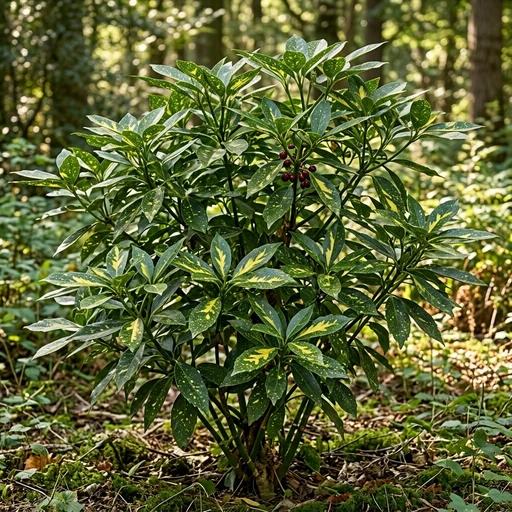 ‘Picturata’Picturata Aucuba
 ‘Variegata’Gold Dust Plant
 ‘Rozannie’Rozannie Japanese Aucuba
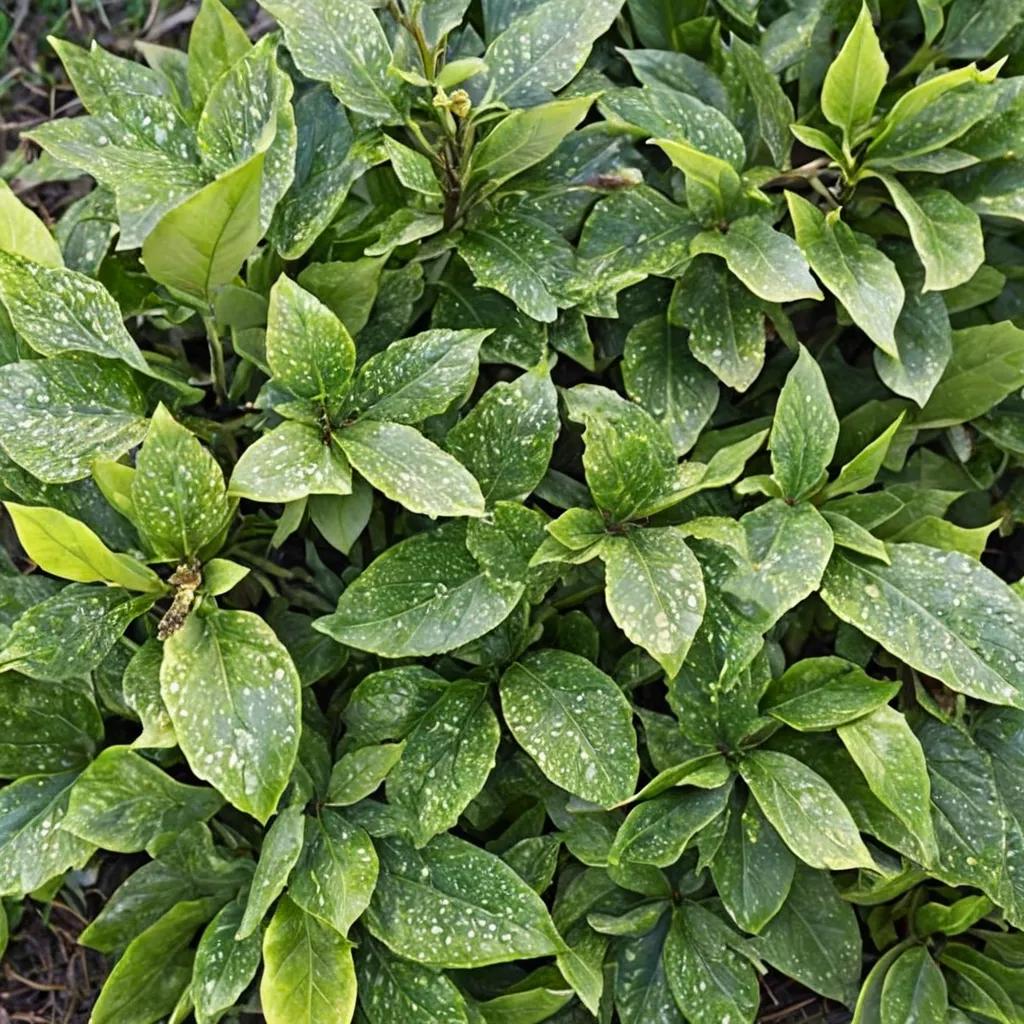 ‘Shilpot’Japanese Aucuba
 ‘Mr Gold Strike’Mr. Gold Strike Spotted Laurel
 ‘Arashiyama’
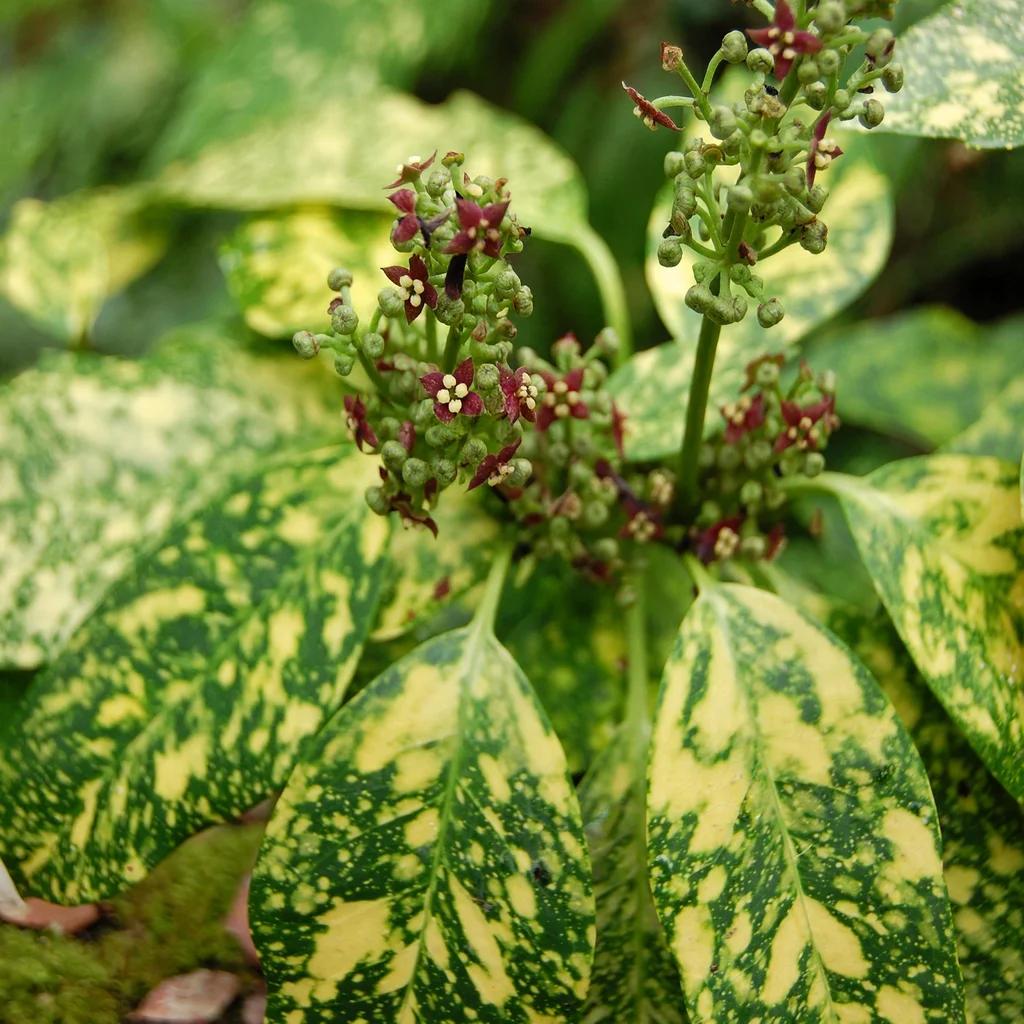 ‘Crotonifolia’Japanese Aucuba
 ‘Variegata Nana’Dwarf Gold Dust Plant
 ‘Hosoba Hoshifu’Japanese Laurel
The Story
Plant Bio
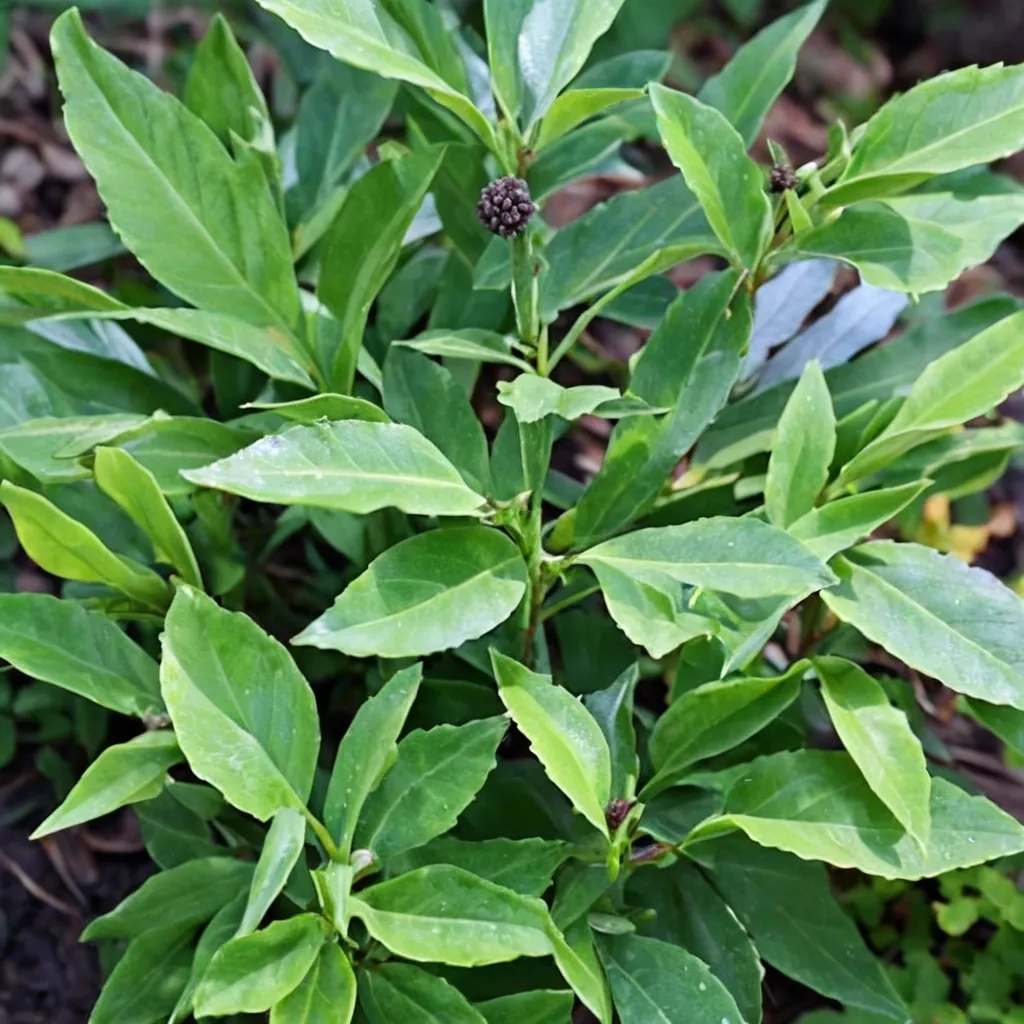
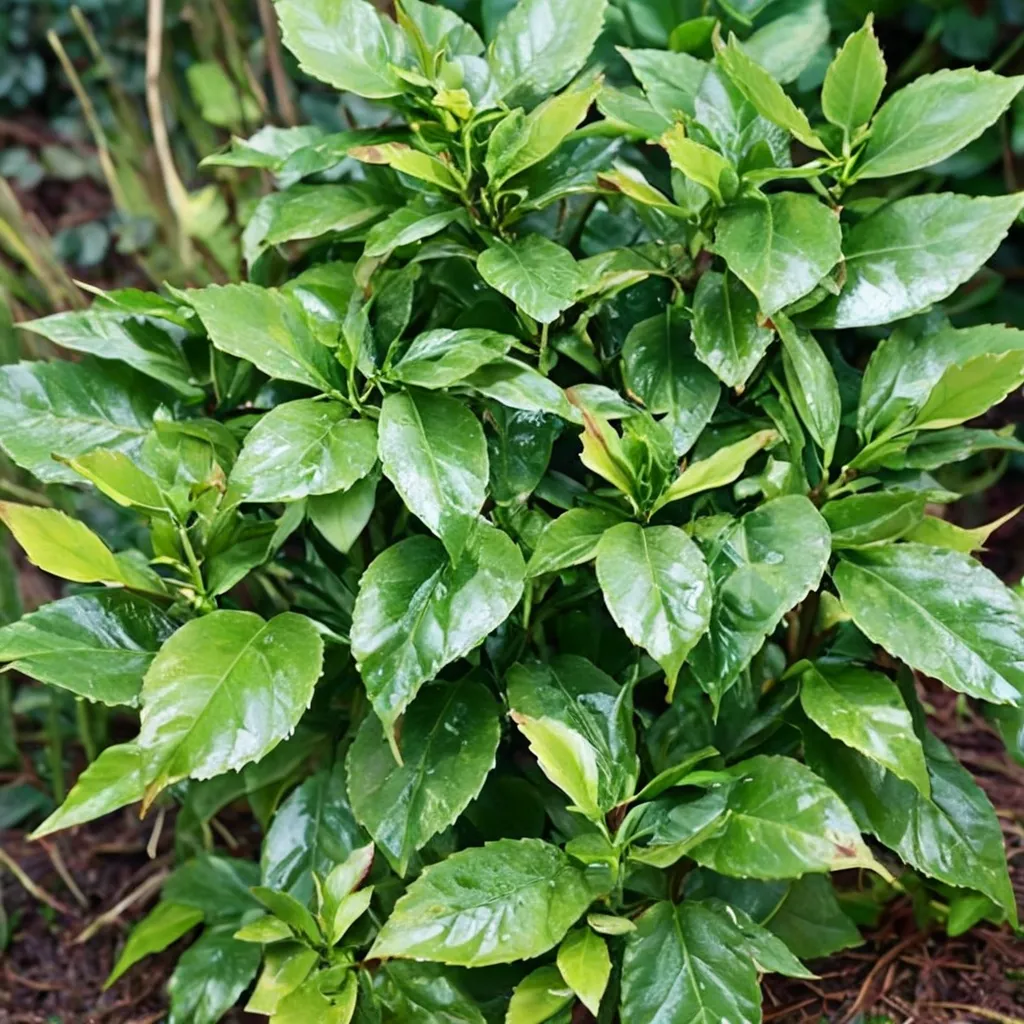
Aucuba japonica is a slow-growing, multi-stemmed evergreen shrub native from southeastern China to East Asia and the Himalayas, where it inhabits shaded forest floors. It forms a dense, rounded framework of stout, waxy green stems bearing thick, leathery leaves with coarsely serrated upper margins and inconspicuous maroon spring flowers.
'Green' produces solid, rich medium to dark green foliage entirely lacking the yellow speckling or variegation typical of other selection types. New growth flushes bright glossy green before maturing to a deep, uniform shade that holds its color reliably throughout the winter.
Uses & Benefits:
Essentials
At a Glance
Plant Type
Shrub
Height
94"
Width
94"
Light
Partial Sun, Shade
Zones
7, 8, 9, 10
Water
Moderate
Humidity
Moderate to High
Lifespan
Perennial
Native To
Asia
Toxicity
Mildly toxic if ingested
Bloom period
Early spring – Mid spring
In flower about 2 months of the year
Planting
How to Grow
- Select a planting site in partial to full shade with moist, organically rich, well-draining soil.
- Dig a hole twice as wide as the root ball and set the plant so the top of the root crown sits flush with the surrounding soil level.
- Backfill with native soil amended with compost, firming gently to remove air pockets before watering thoroughly.
- Apply a 2- to 3-inch layer of organic mulch around the base, keeping it clear of the main stems to prevent crown decay.
Pro Tip
Plant in full to partial shade and protect from direct afternoon sun, which permanently scorches and blackens the broad leaves.
Keep It Thriving
Care Guide
Do
- Plant in deep or partial shade protected from harsh midday sun.
- Ensure soil drains freely to prevent root rot.
- Prune lightly in late winter or early spring before the new growth flushes.
Don't
- Don't plant in full sun or hot western exposures.
- Don't allow the roots to sit in soggy or waterlogged soil.
- Don't hard-prune back into old, bare, leafless wood.
Seasonal Care Calendar
| Task | Jan | Feb | Mar | Apr | May | Jun | Jul | Aug | Sep | Oct | Nov | Dec |
|---|---|---|---|---|---|---|---|---|---|---|---|---|
| Fertilize | ||||||||||||
| Mulch | ||||||||||||
| Pest Check | ||||||||||||
| Propagate | ||||||||||||
| Prune |
Watch Out For
Pests & Diseases
Common Pests
Common Diseases
In the Garden
Landscape Uses & Companions
Landscape Uses
Companion Plants
Multiply
Propagation Methods
Good to Know
Common Questions
Japanese Laurel questions
What zones can Japanese Laurel grow in?
Japanese Laurel is hardy in USDA Zones 7–10. Inside that range it survives winter in the ground; outside it, grow it as an annual or a container plant you protect.
Is Japanese Laurel deer resistant?
Not reliably. Deer may browse Japanese Laurel, especially tender spring growth — plan on repellents or fencing where pressure is high.
When does Japanese Laurel bloom?
Japanese Laurel typically blooms in early spring through mid spring. Exact timing shifts a week or two with your zone — Sow's bloom calendar maps it to your garden.
Does Japanese Laurel need full sun?
Japanese Laurel does best in part shade.
Is Japanese Laurel drought tolerant?
Yes — once established (usually after the first full season), Japanese Laurel handles dry spells with minimal watering. Water deeply its first year to build the root system that makes that possible.
More Aucuba to compare
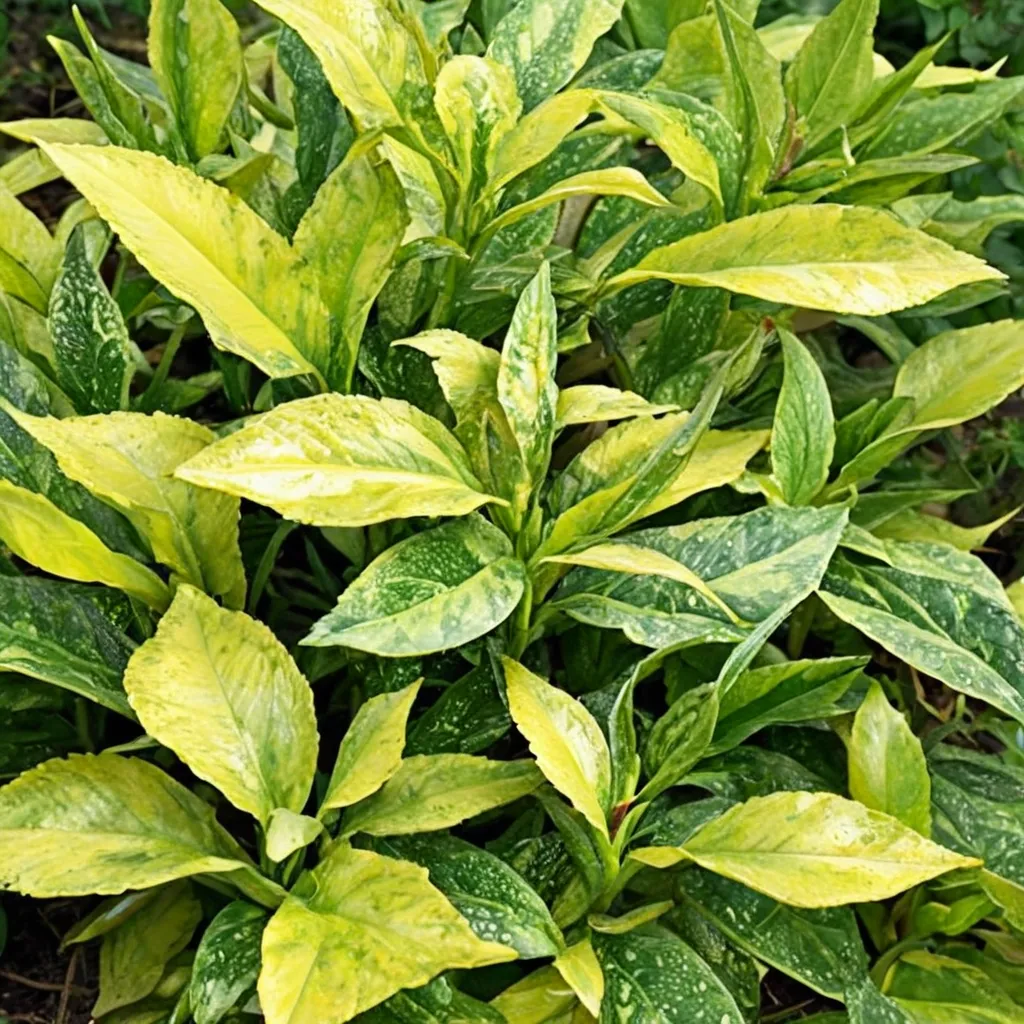
Lemon Flare Aucuba
Aucuba japonica 'Lemon Flare'
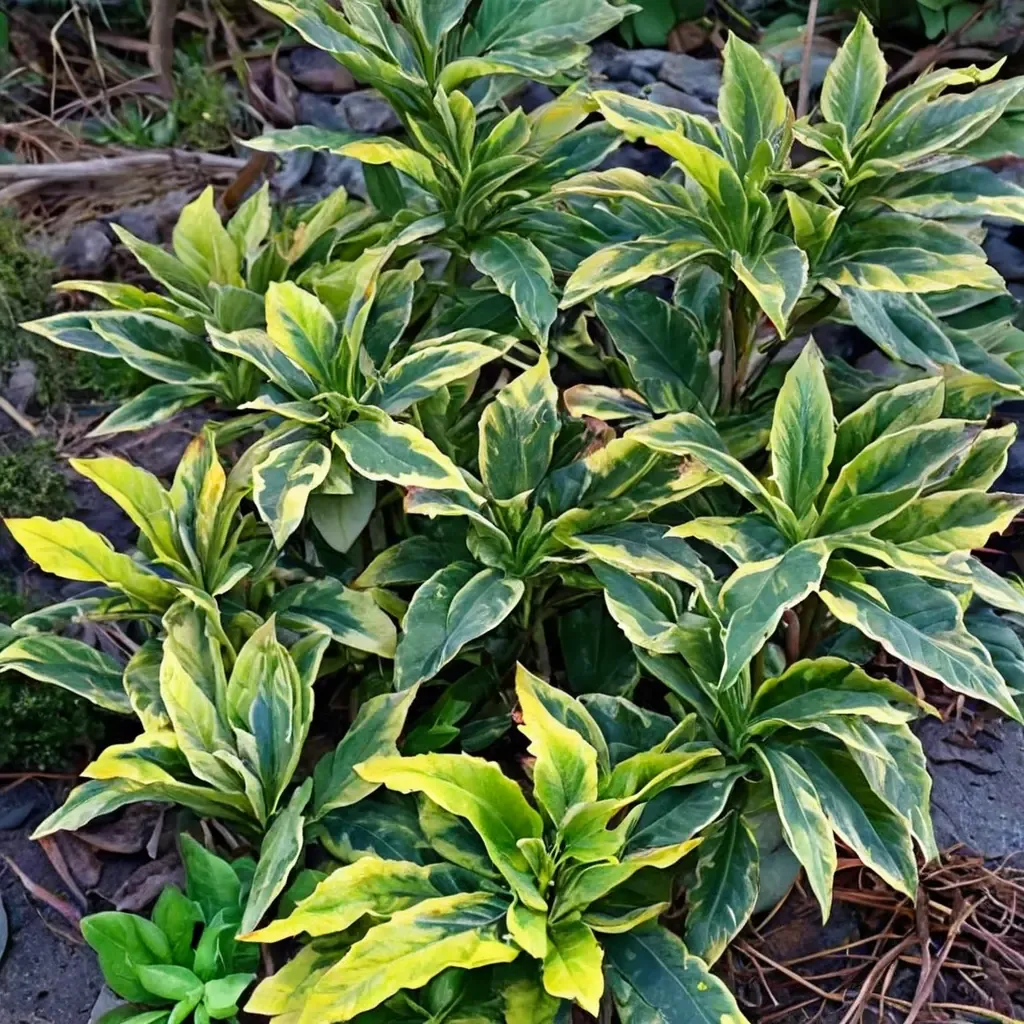
Gold-edged Japanese Laurel
Aucuba japonica 'Limbata'
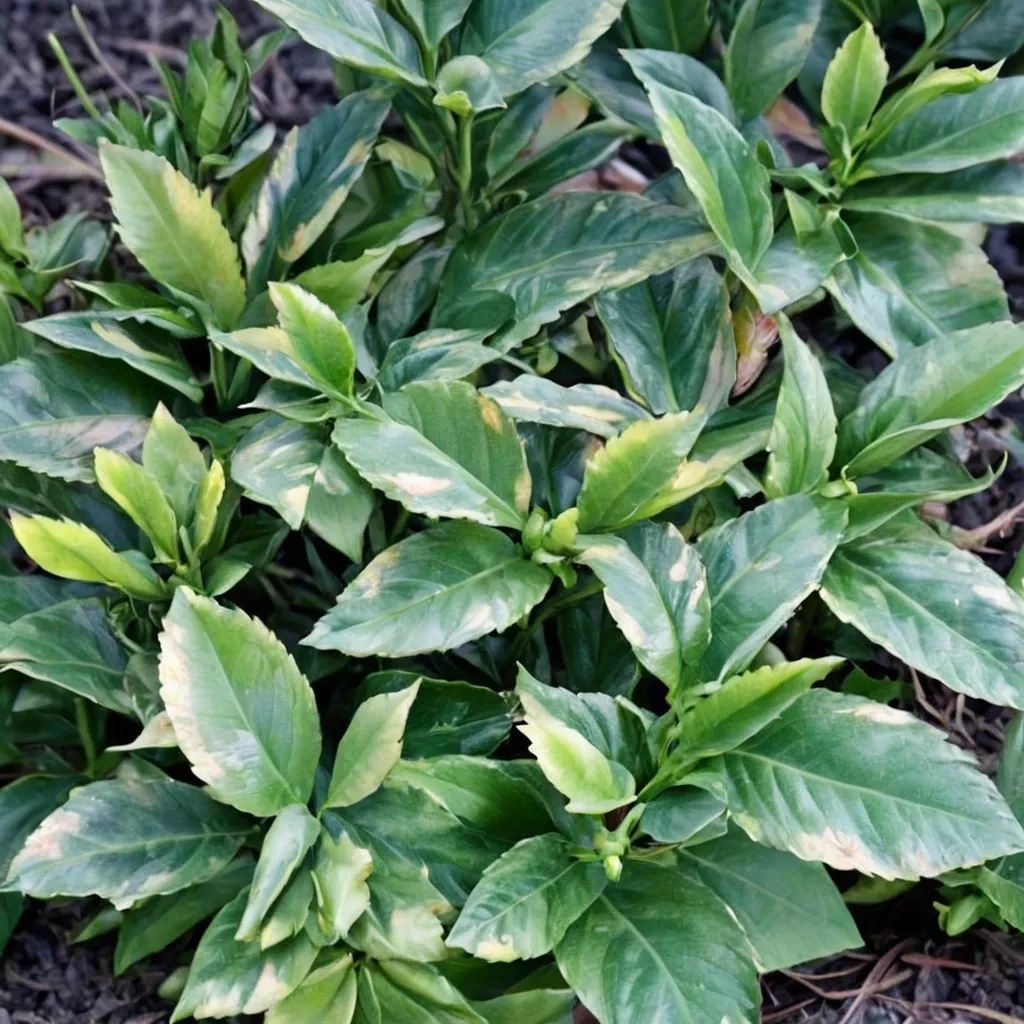
Male Man Japanese Laurel
Aucuba japonica 'Male Man'
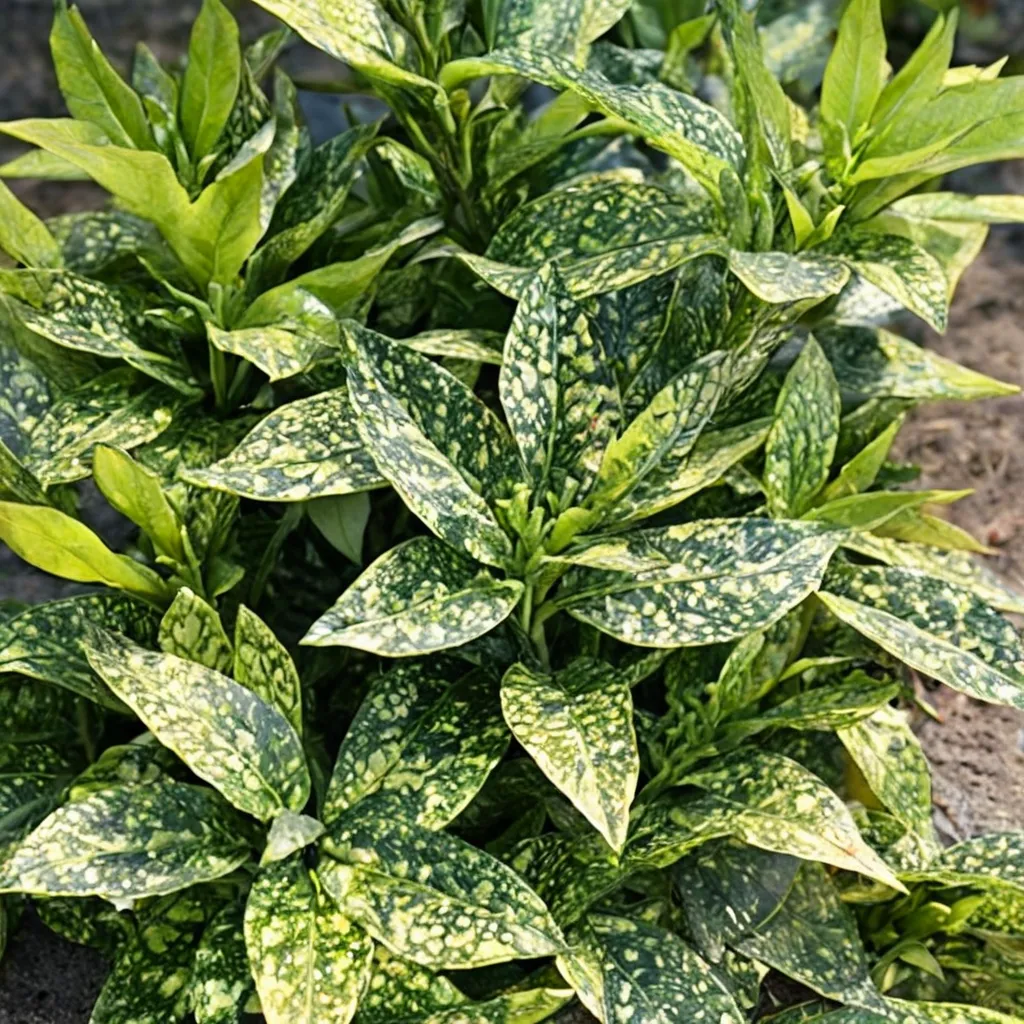
Japanese Aucuba Subaru
Aucuba japonica 'Subaru'
Bored Female Japanese Laurel
Aucuba japonica 'Bored Female'
Japanese Aucuba Sagama
Aucuba japonica 'Sagama'
Keep exploring
Explore the genus
Hardy in your zone?
Grow Japanese Laurel with confidence
See it in a design of your actual yard, get zone-matched care reminders, and track it season by season in your garden journal.