
17 named cultivars
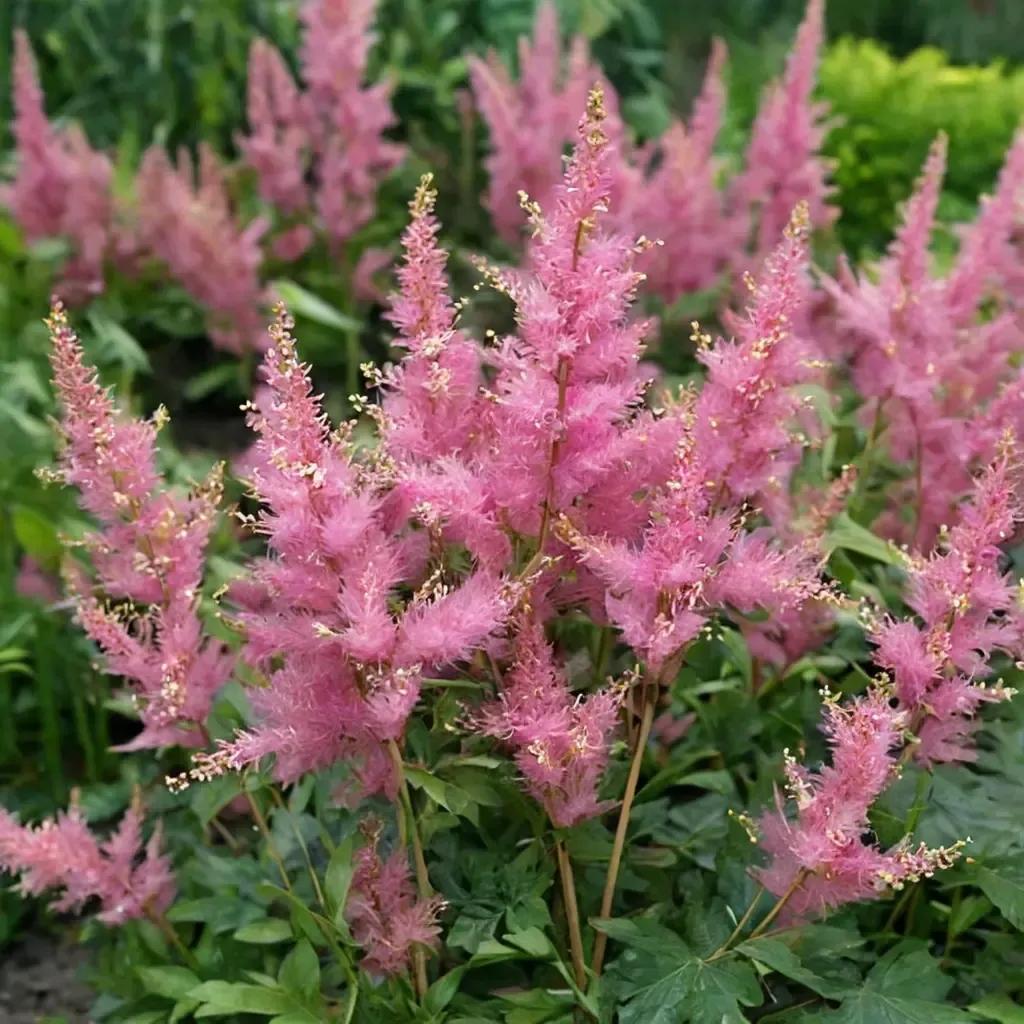 ‘Rheinland’Rheinland Astilbe
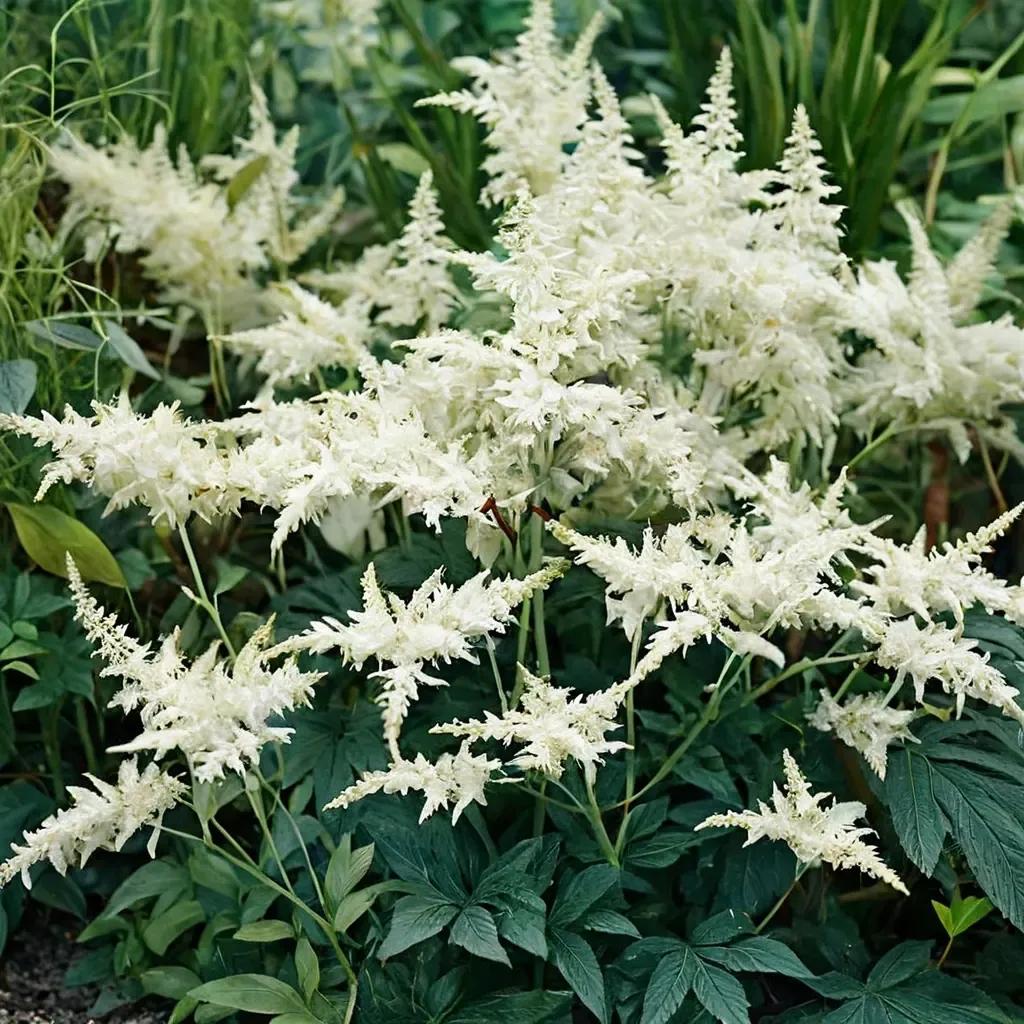 ‘Bridal Veil’Bridal Veil Astilbe
 ‘Delft Lace’Astilbe Delft Lace
 ‘Purple Candles’Purple Candles Astilbe
 ‘Maggie Daley’Maggie Daley Astilbe
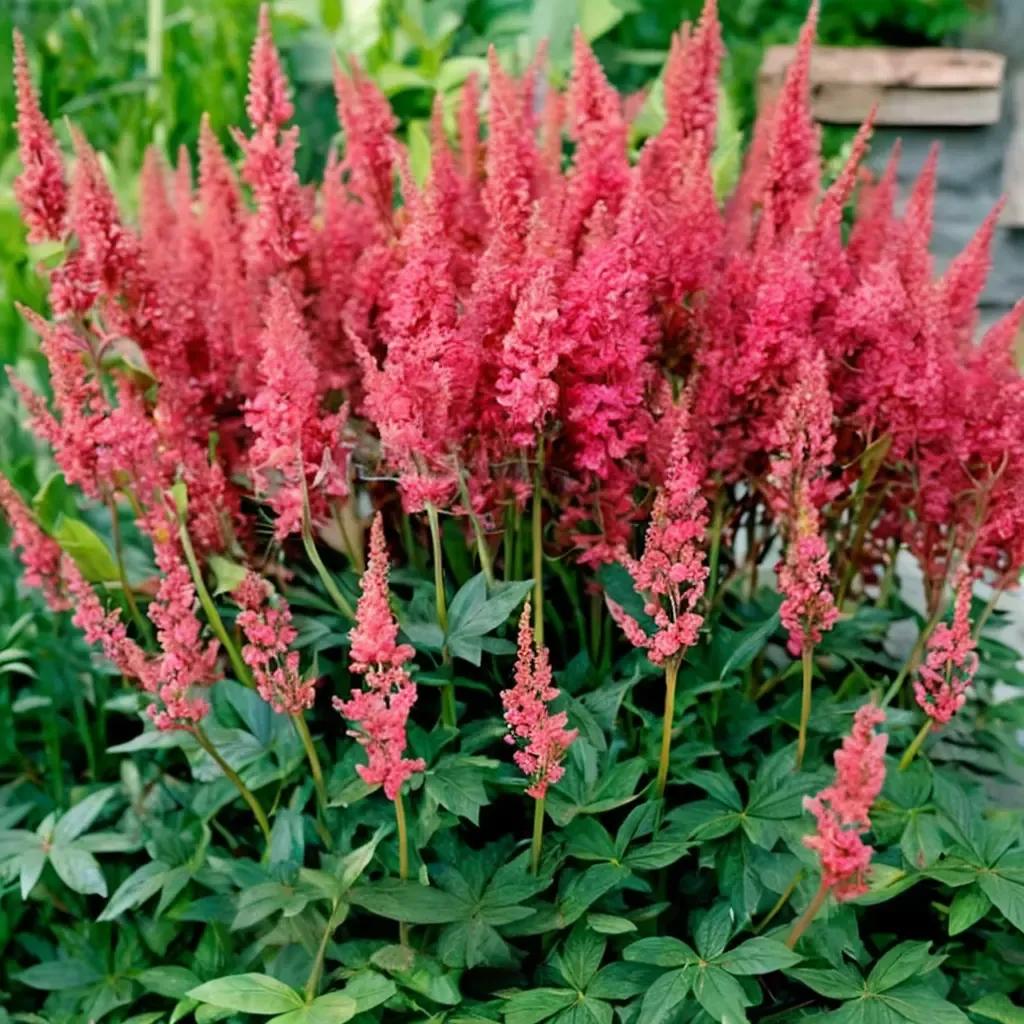 ‘Montgomery’Montgomery Astilbe Astilbe Montgomery
 ‘Milk and Honey’Milk and Honey Astilbe
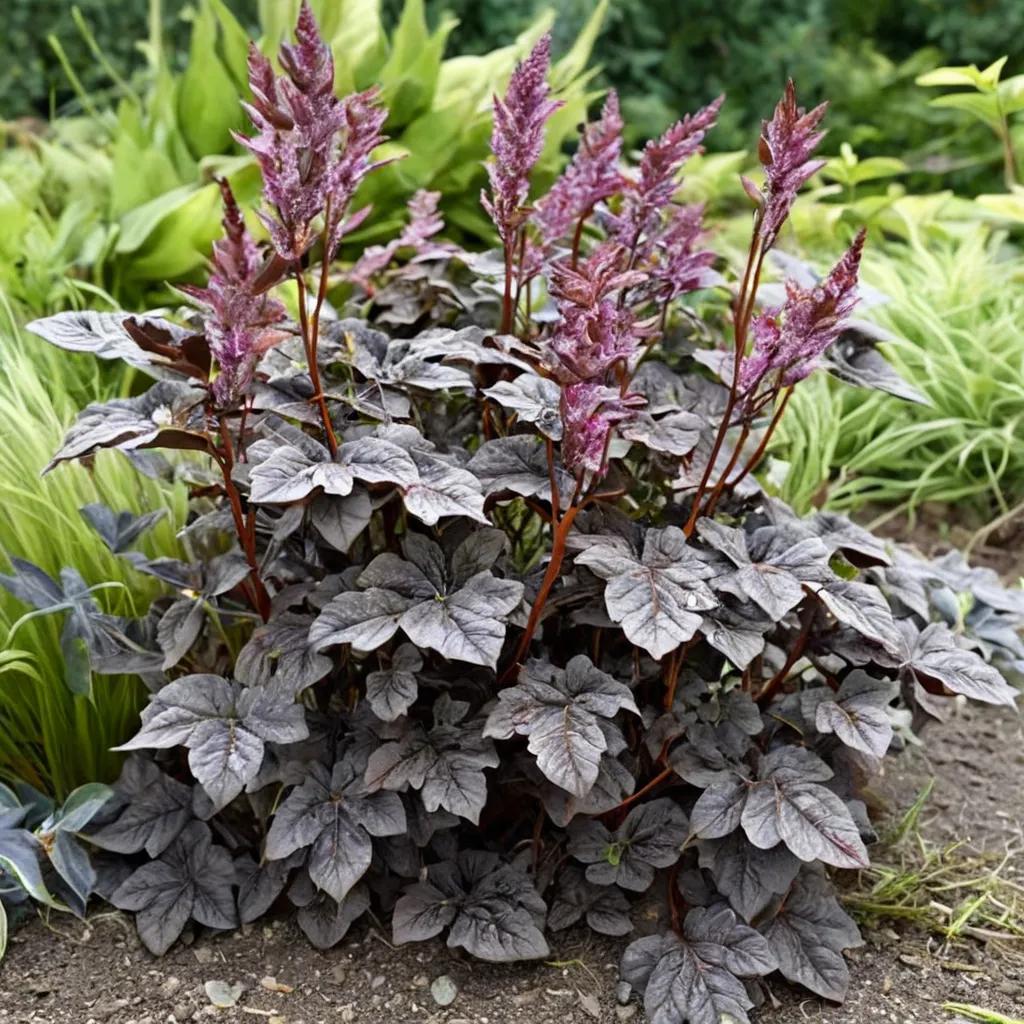 ‘Dark Side of the Moon’Astilbe Dark Side of the Moon
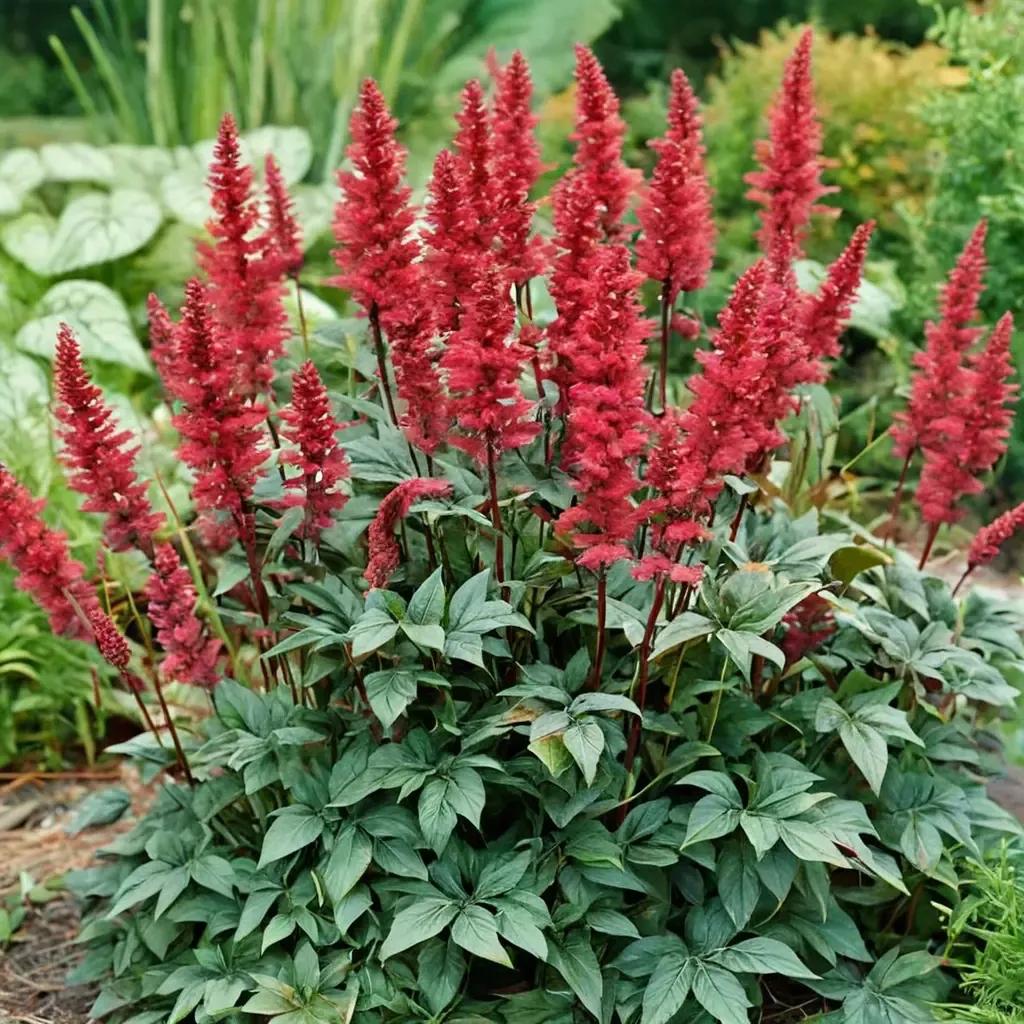 ‘Fanal’Fanal Astilbe
 ‘Visions in White’Visions in White Astilbe
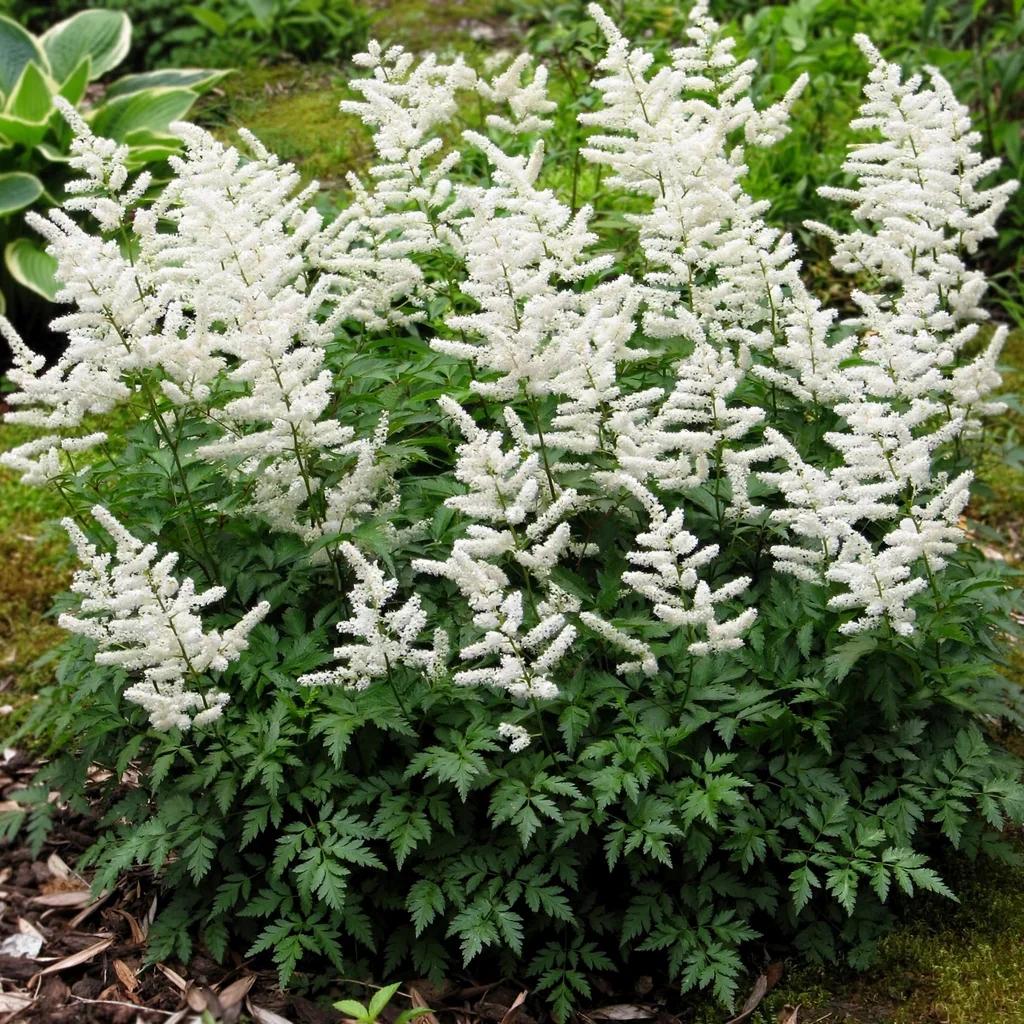 ‘Deutschland’Deutschland Astilbe
 ‘Amethyst’Amethyst Astilbe
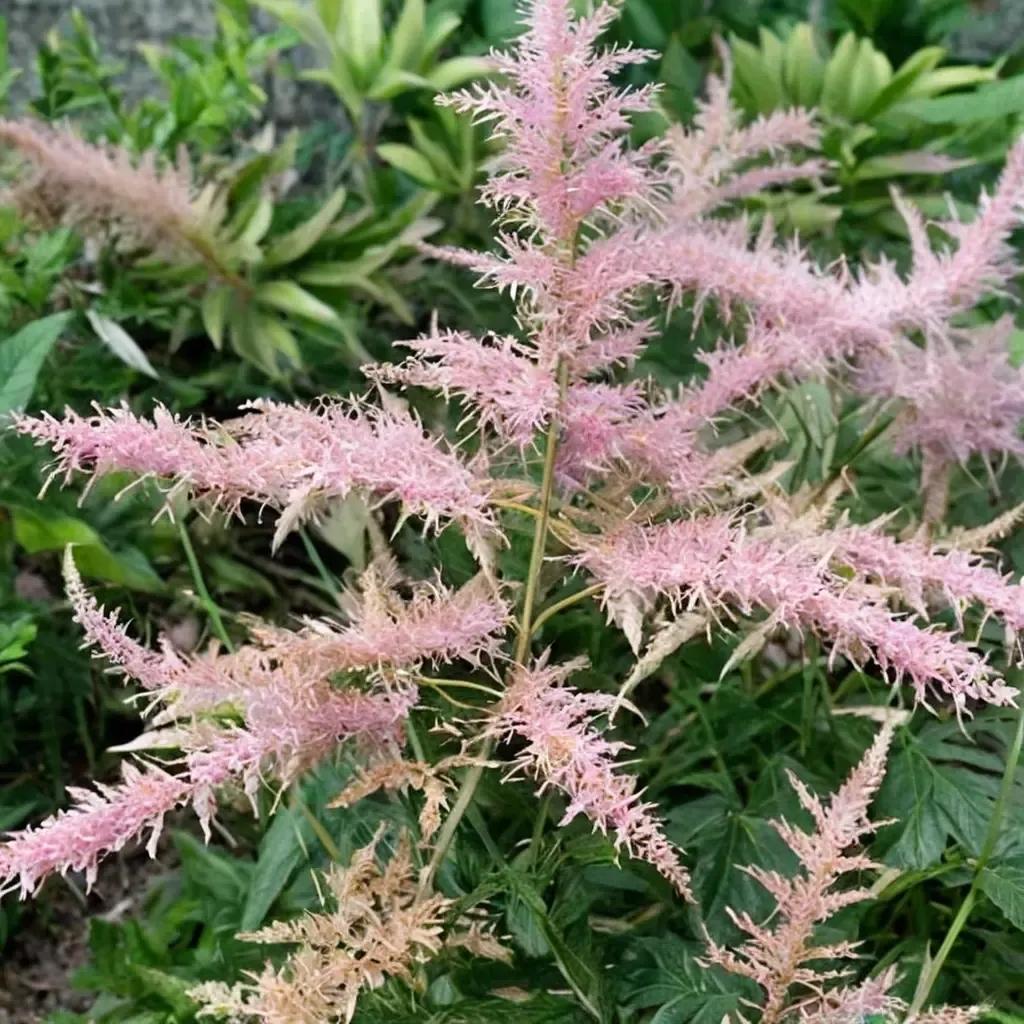 ‘Sprite’Sprite Astilbe Dwarf Astilbe
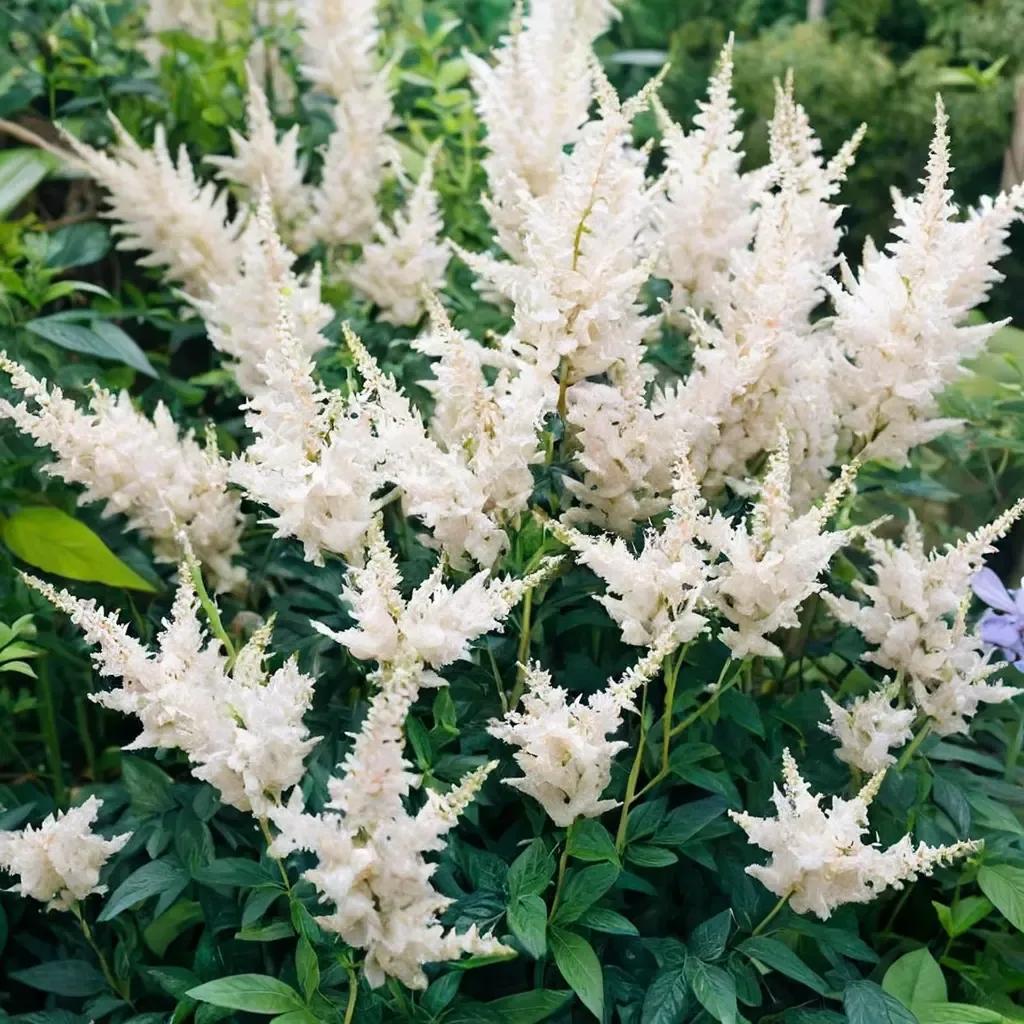 ‘Diamond’Diamond Astilbe
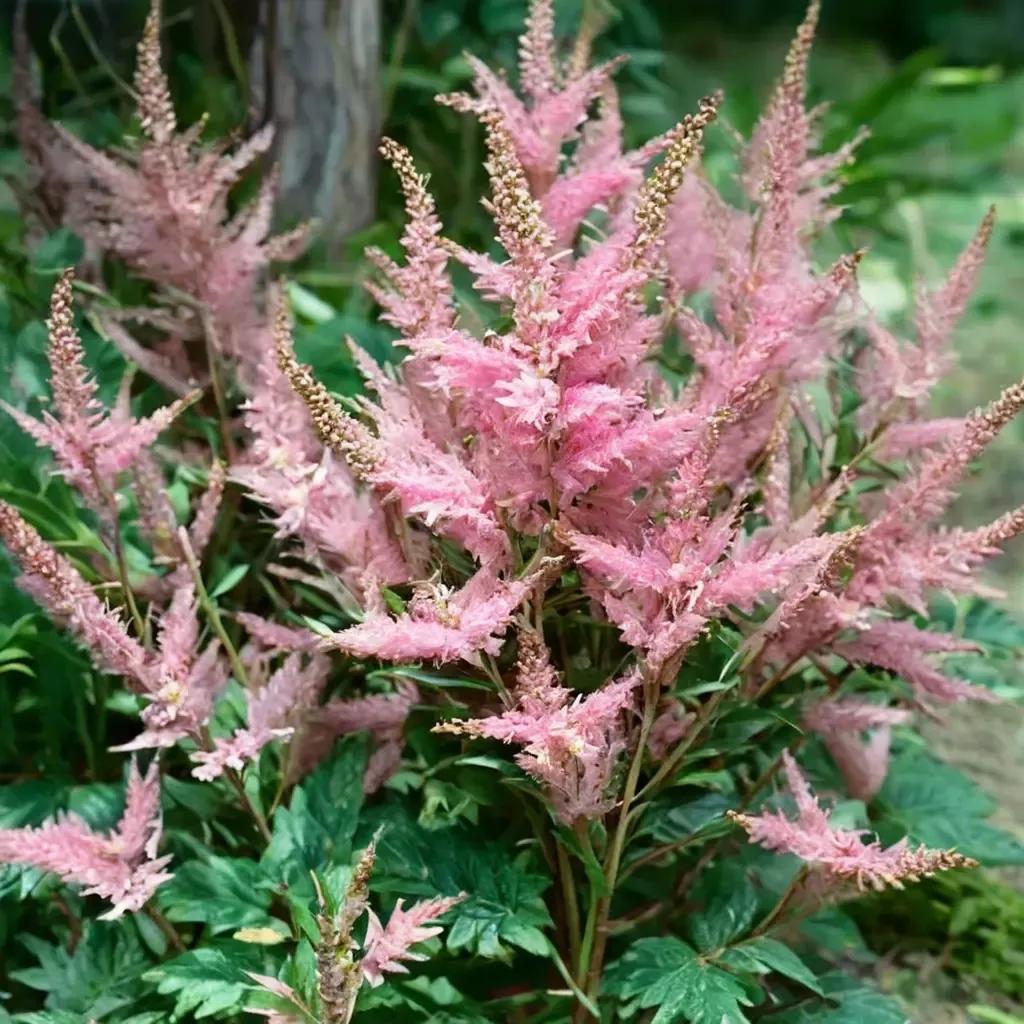 ‘Hyacinth’Hyacinth Astilbe
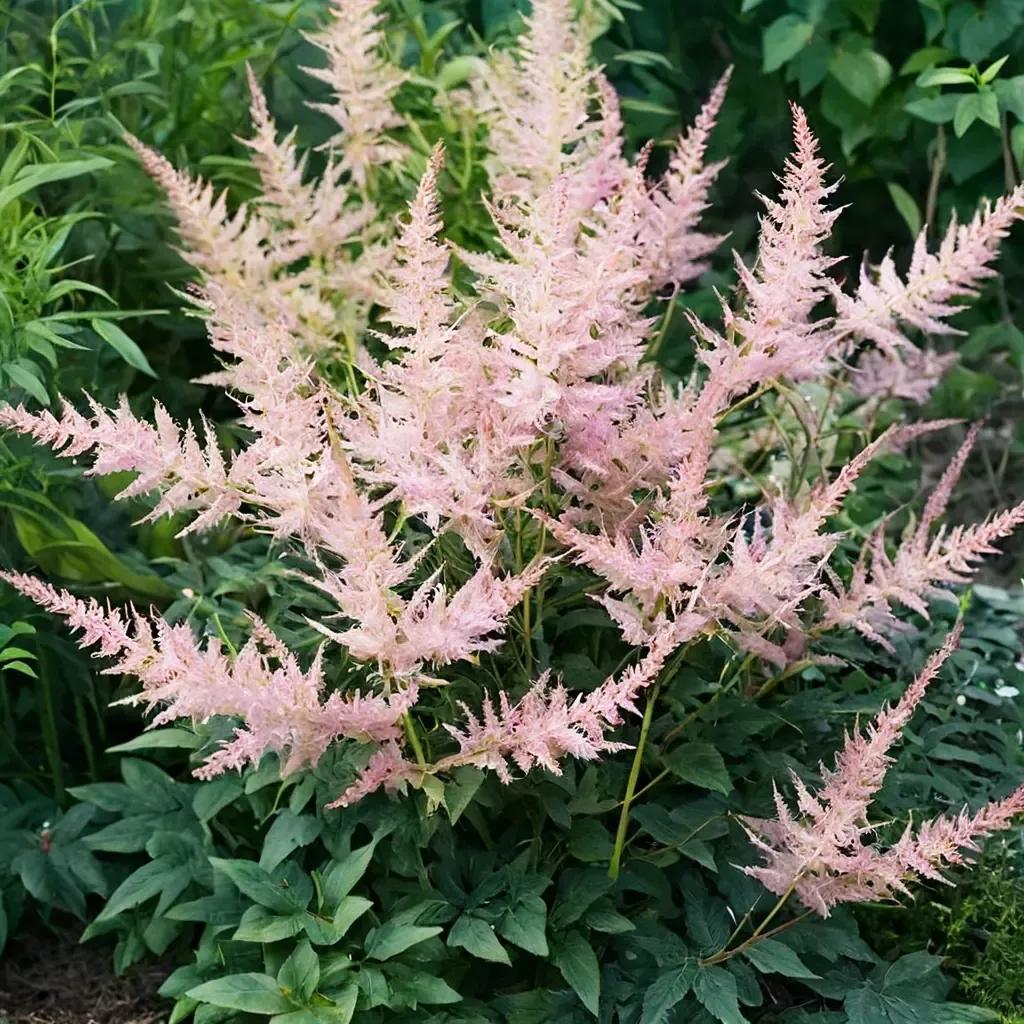 ‘Hennie Graafland’Hennie Graafland Astilbe
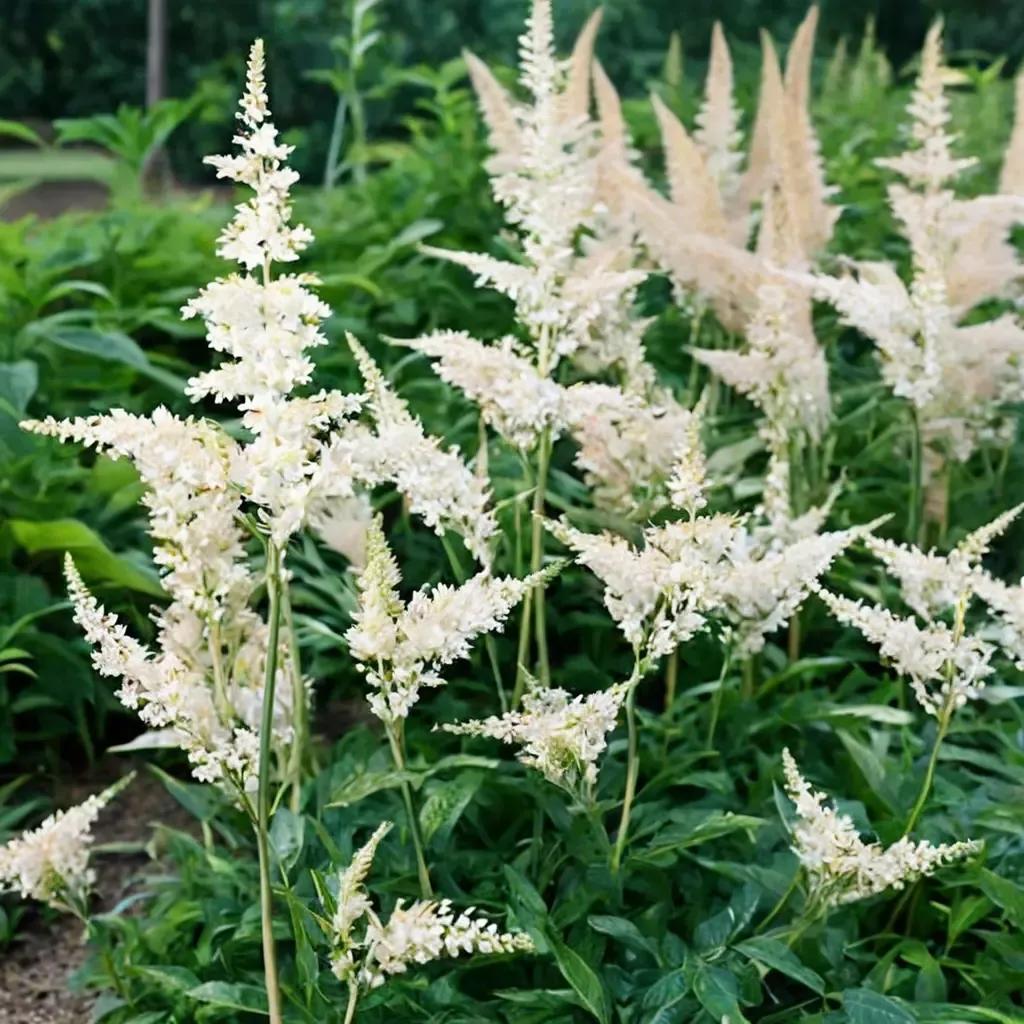 ‘Snowdrift’Snowdrift Astilbe
The Story
Plant Bio
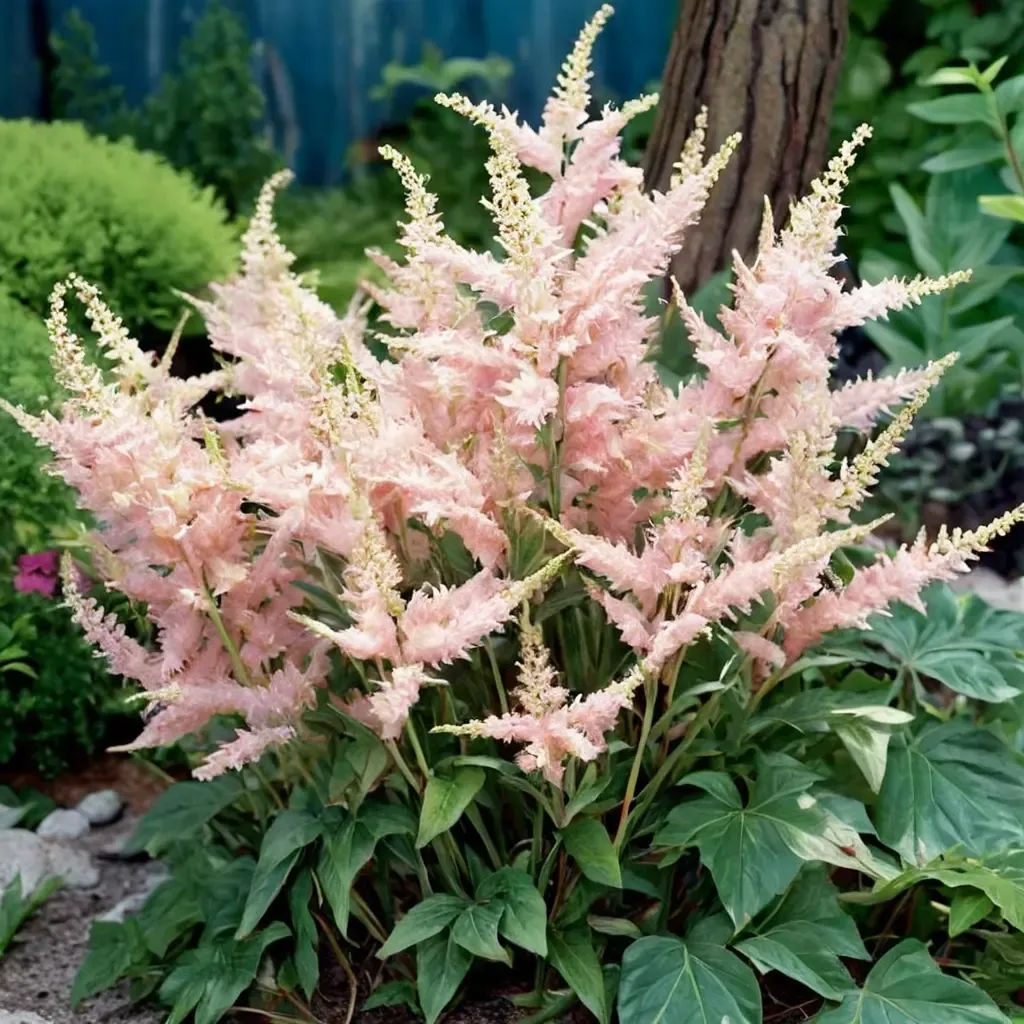
Astilbe x arendsii is a hybrid that features feathery plumes of flowers and glossy, fern-like foliage.
Popular for its long-lasting blooms and ability to thrive in moist, shaded areas.
Uses & Benefits:
Essentials
At a Glance
Plant Type
Perennial
Height
24"
Width
18"
Light
Partial Sun, Shade
Zones
4, 5, 6, 7, 8
Water
Consistently moist soil
Humidity
Prefers high humidity
Lifespan
Perennial
Native To
Cultivated hybrid
Toxicity
Non-toxic to humans and pets
Planting
How to Grow
- Choose a shaded location with rich, moist soil.
- Tuck seedlings or divisions into the prepared soil, spacing 12-18 inches apart.
- Water deeply to establish roots, keeping soil consistently moist.
- Mulch around plants to retain moisture and suppress weeds.
- Fertilize in early spring with a balanced, slow-release fertilizer.
- Divide clumps every 3-4 years in early spring or late fall.
Pro Tip
Plant in early spring for best growth, and keep soil consistently moist for vibrant foliage and blooms.
Keep It Thriving
Care Guide
Do
- Water regularly to keep soil moist 🌱
- Apply mulch to conserve moisture and regulate soil temperature
- Fertilize annually with a balanced fertilizer
Don't
- Avoid letting soil dry out completely ❌
- Don’t expose plants to full sun, especially in hot climates ❌
- Refrain from over-fertilizing to prevent weak stems
Seasonal Care Calendar
| Task | Jan | Feb | Mar | Apr | May | Jun | Jul | Aug | Sep | Oct | Nov | Dec |
|---|---|---|---|---|---|---|---|---|---|---|---|---|
| Deadhead | ||||||||||||
| Divide | ||||||||||||
| Mulch | ||||||||||||
| Spring Cleanup |
Watch Out For
Pests & Diseases
Common Pests
Common Diseases
In the Garden
Landscape Uses & Companions
Landscape Uses
Companion Plants
Multiply
Propagation Methods
Good to Know
Common Questions
Arends' Astilbe questions
What zones can Arends' Astilbe grow in?
Arends' Astilbe is hardy in USDA Zones 4–8. Inside that range it survives winter in the ground; outside it, grow it as an annual or a container plant you protect.
Is Arends' Astilbe deer resistant?
Yes — Arends' Astilbe is rated deer-resistant. Deer typically pass it over, though extreme hunger can override any plant's defenses.
When does Arends' Astilbe bloom?
Arends' Astilbe typically blooms in late spring to mid-summer through early summer. Exact timing shifts a week or two with your zone — Sow's bloom calendar maps it to your garden.
Does Arends' Astilbe need full sun?
Arends' Astilbe does best in part shade.
More Astilbe to compare
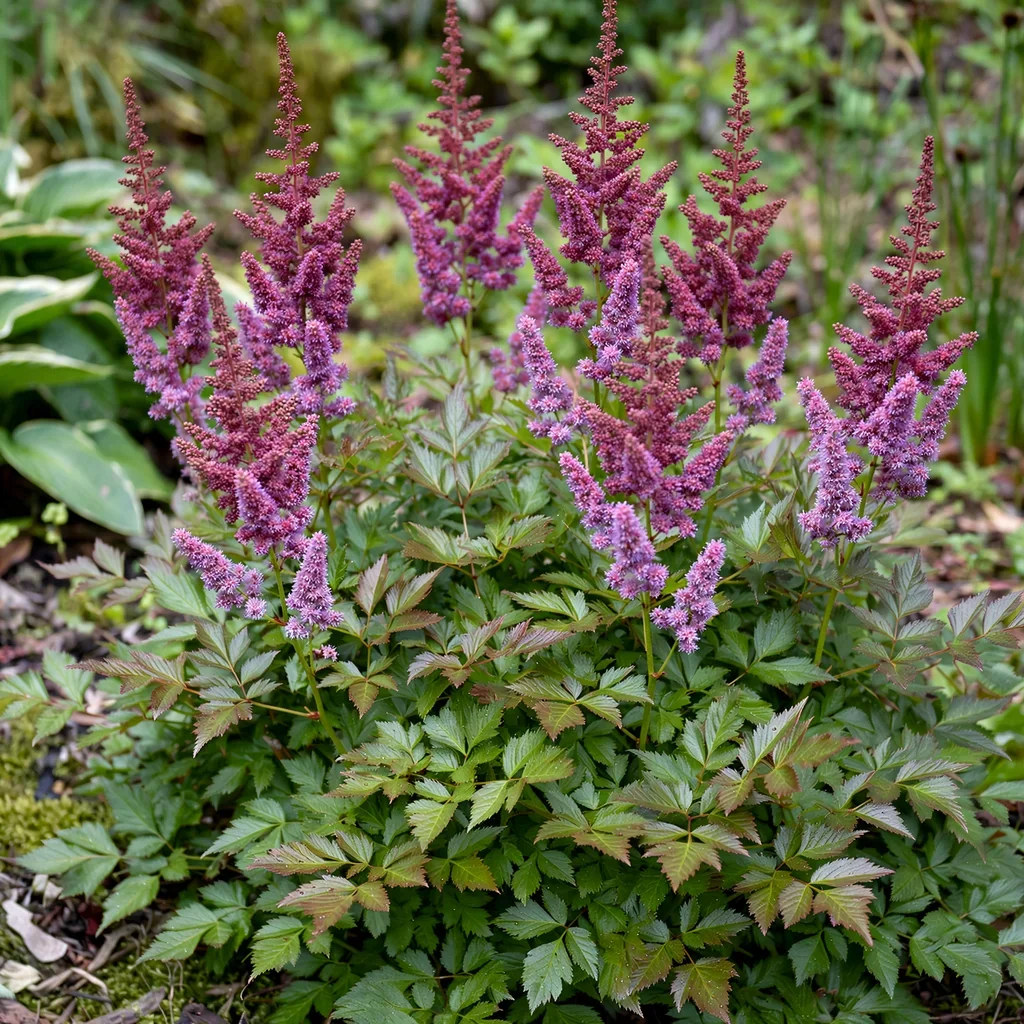
Visions Astilbe
Astilbe chinensis 'Visions'
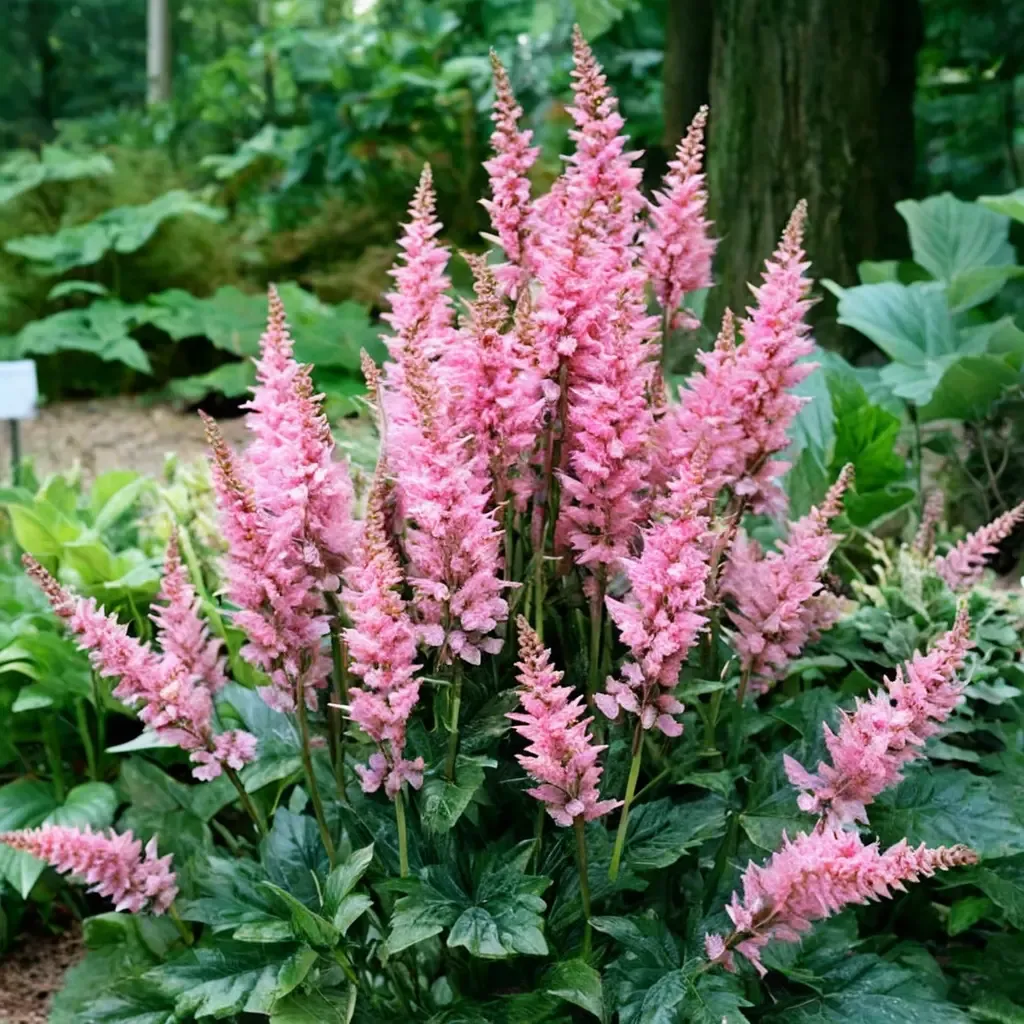
'Visions in Pink' Chinese Astilbe
Astilbe chinensis 'Visions in Pink'
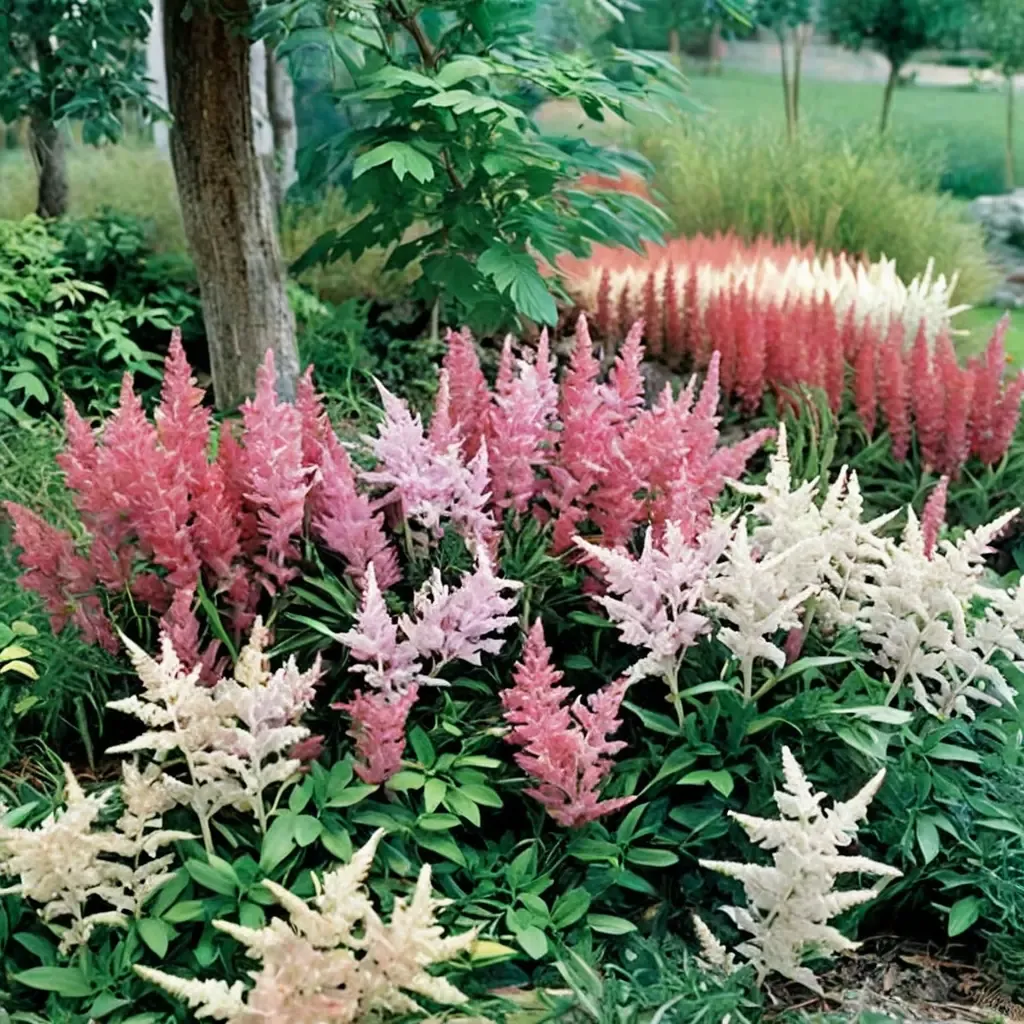
Garden Astilbe
Astilbe astilboides 'Garden Mix'
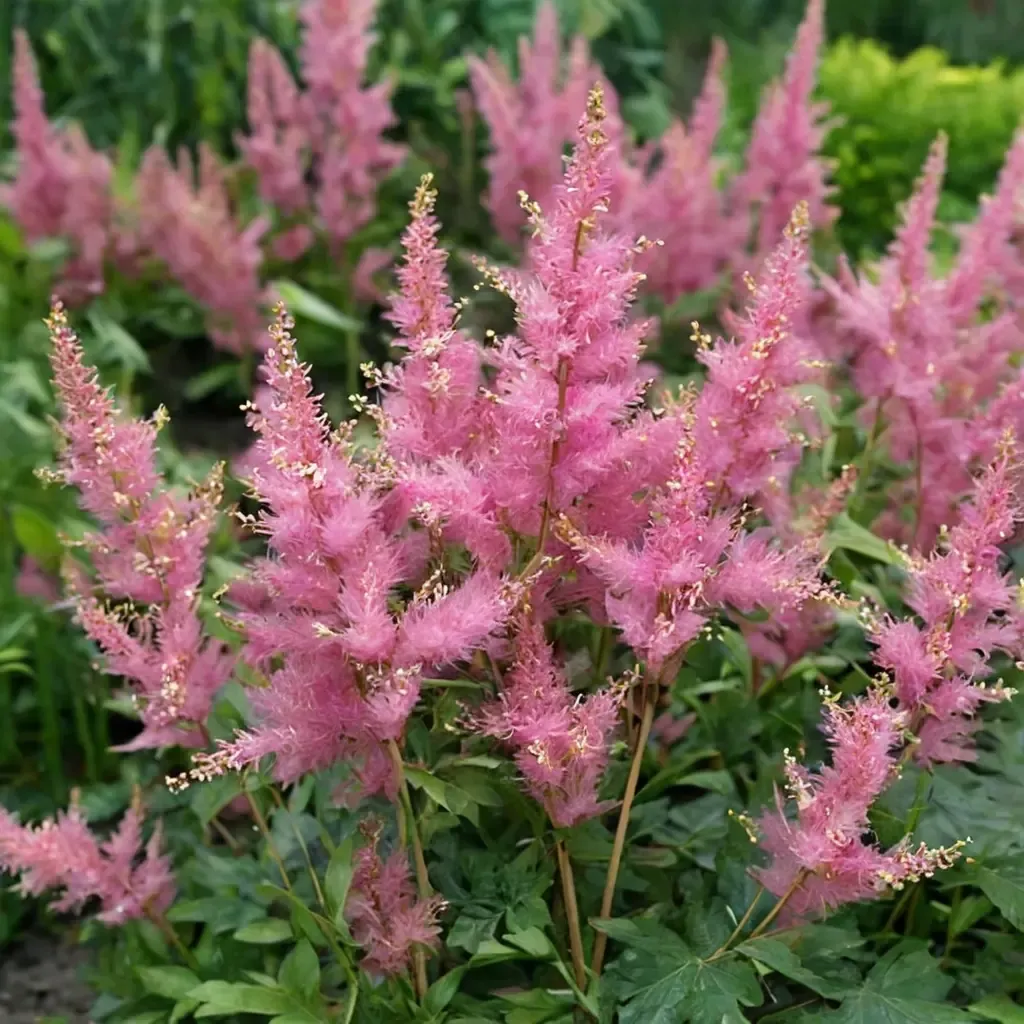
Rheinland Astilbe
Astilbe x arendsii 'Rheinland'
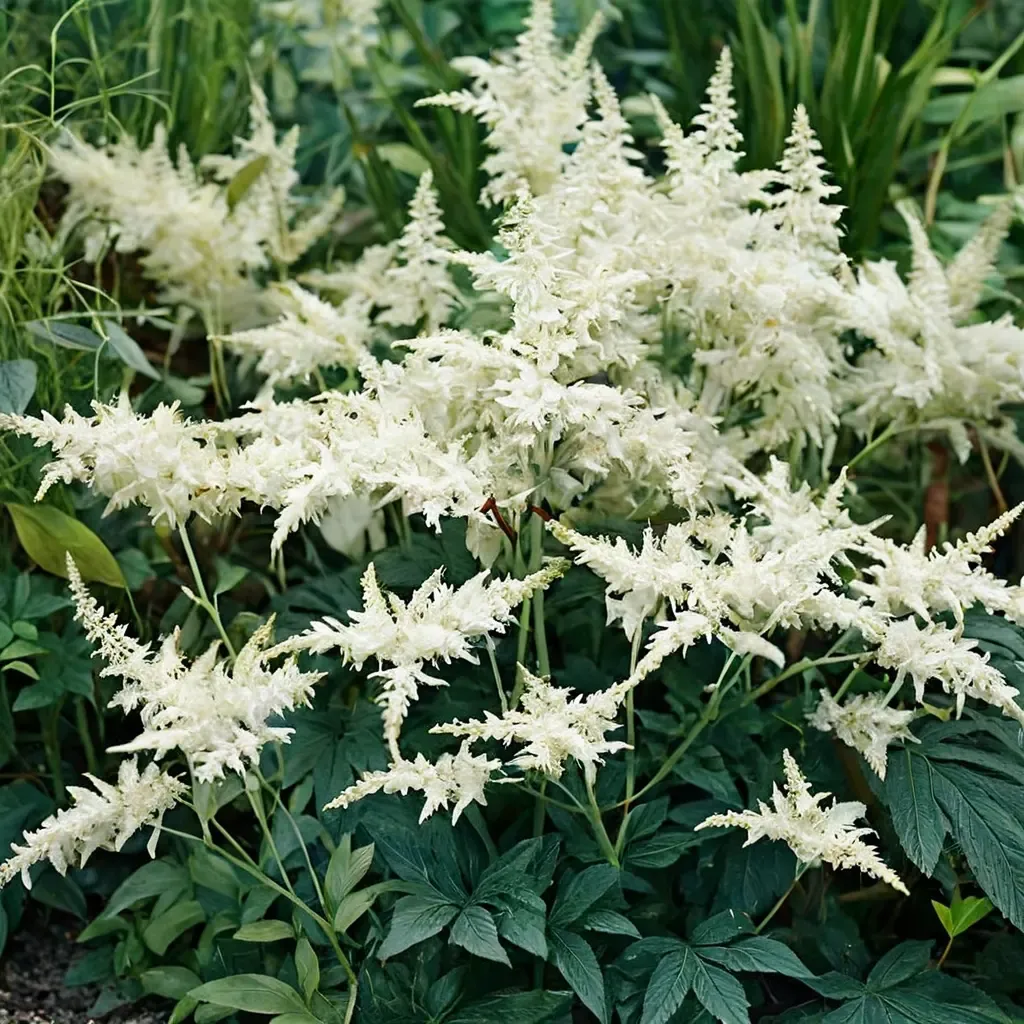
Bridal Veil Astilbe
Astilbe x arendsii 'Bridal Veil'
Peach Blossom Astilbe
Astilbe x rosea 'Peach Blossom'
Keep exploring
Explore the genus
Hardy in your zone?
Grow Arends' Astilbe with confidence
See it in a design of your actual yard, get zone-matched care reminders, and track it season by season in your garden journal.