The Story
Plant Bio
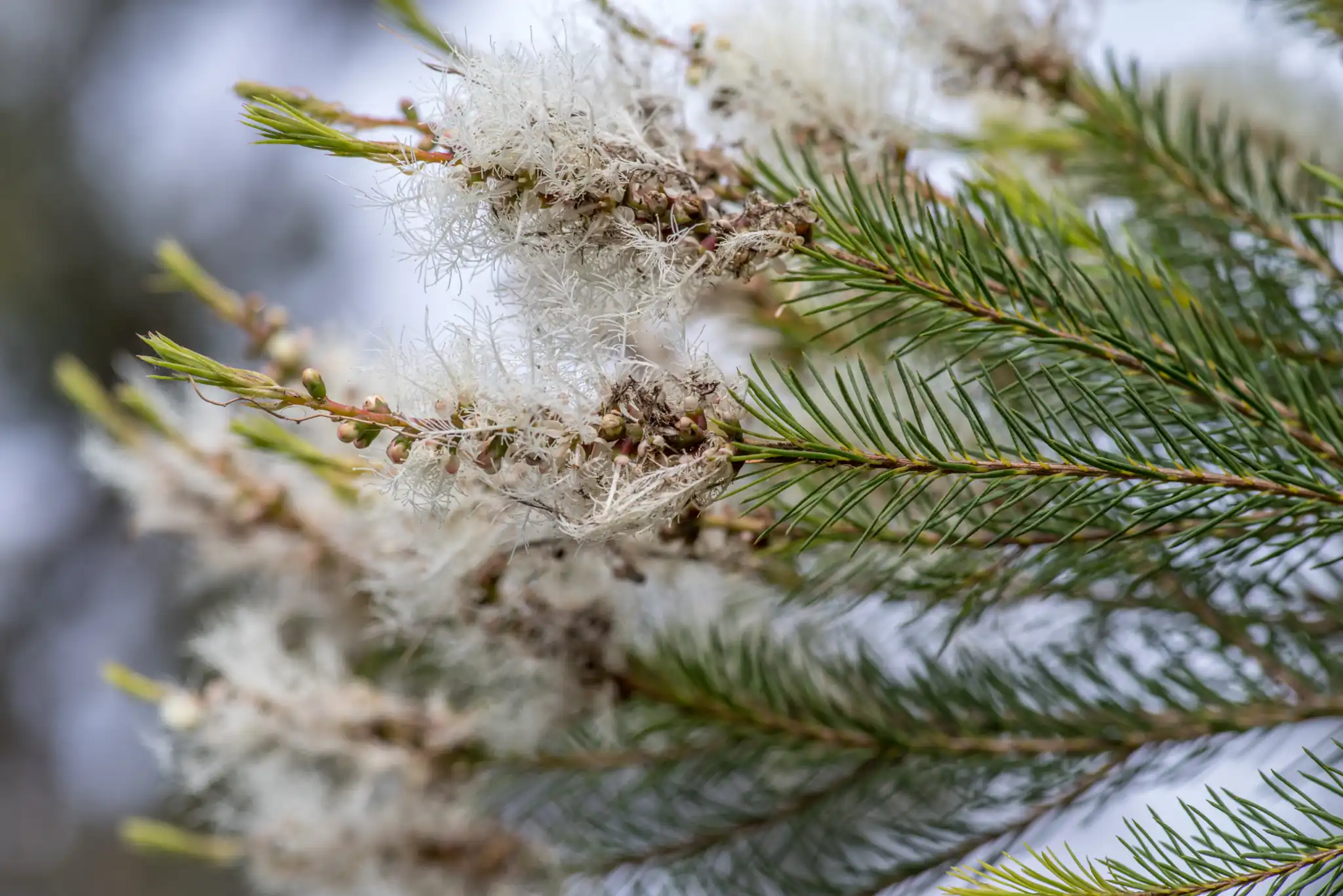
Melaleuca alternifolia, the tea tree, is an upright, multi-stemmed evergreen shrub or small tree native to Australia, growing ten to twenty-three feet tall with weeping branchlets. The soft, linear leaves are highly aromatic when crushed, and the plant produces white, bottlebrush-like flower spikes along the stems from spring into summer.
This species is the primary commercial source of tea tree oil, which is concentrated in prominent glands throughout the narrow foliage. The pale green new growth often emerges with a bronze tint, contrasting against the papery bark of the mature stems.
Uses & Benefits:
Essentials
At a Glance
Plant Type
Shrub
Height
275"
Width
118"
Light
Full Sun, Partial Sun
Zones
8, 9, 10
Water
Moderate to high
Humidity
High
Lifespan
Perennial
Native To
Australia
Toxicity
Toxic if ingested; skin irritant
Bloom period
Spring – Summer
In flower about 6 months of the year
Planting
How to Grow
- Select a planting site in full sun to partial shade with moist, loam or sandy soil.
- Dig a hole twice as wide as the root ball and set the plant at the same depth as its container.
- Water deeply and regularly during the first growing season to establish a deep root system.
- Apply a balanced, low-phosphorus fertilizer in early spring to support new growth.
Pro Tip
Never prune back into old, leafless wood, as the stems lack the ability to regenerate from bare timber. While often treated as a bog plant, it requires reasonable subsurface drainage to prevent root rot when grown in garden soils.
Keep It Thriving
Care Guide
Do
- Water regularly to maintain consistent soil moisture, especially during active summer growth.
- Prune lightly immediately after flowering to maintain a dense, bushy habit.
- Protect young plants from frost when temperatures drop below freezing.
Don't
- Do not cut back into old, brown, leafless wood, as it will fail to shoot back.
- Do not allow container-grown plants to dry out completely between waterings.
- Do not over-fertilize, particularly with high-phosphorus formulations.
Seasonal Care Calendar
| Task | Jan | Feb | Mar | Apr | May | Jun | Jul | Aug | Sep | Oct | Nov | Dec |
|---|---|---|---|---|---|---|---|---|---|---|---|---|
| Fertilize | ||||||||||||
| Mulch | ||||||||||||
| Pest Check | ||||||||||||
| Prune |
Watch Out For
Pests & Diseases
Common Pests
Common Diseases
In the Garden
Landscape Uses & Companions
Landscape Uses
Companion Plants
Multiply
Propagation Methods
Good to Know
Common Questions
Tea Tree questions
What zones can Tea Tree grow in?
Tea Tree is hardy in USDA Zones 8–10. Inside that range it survives winter in the ground; outside it, grow it as an annual or a container plant you protect.
When does Tea Tree bloom?
Tea Tree typically blooms in spring through summer. Exact timing shifts a week or two with your zone — Sow's bloom calendar maps it to your garden.
Does Tea Tree need full sun?
Tea Tree does best in full sun to part shade. In hot climates, afternoon shade keeps blooms fresher longer.
Is Tea Tree drought tolerant?
Yes — once established (usually after the first full season), Tea Tree handles dry spells with minimal watering. Water deeply its first year to build the root system that makes that possible.
More Melaleuca to compare
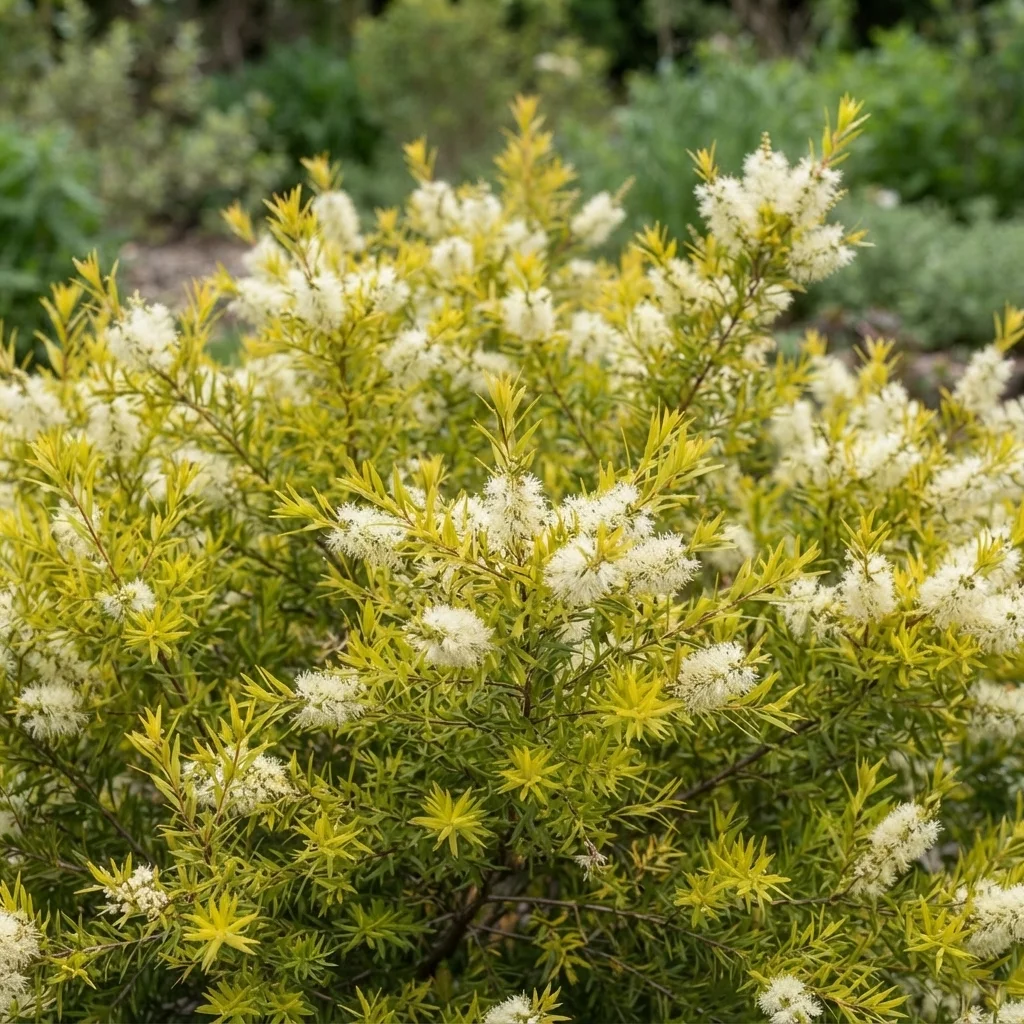
Golden Melaleuca
Melaleuca bracteata 'Golden Gem'
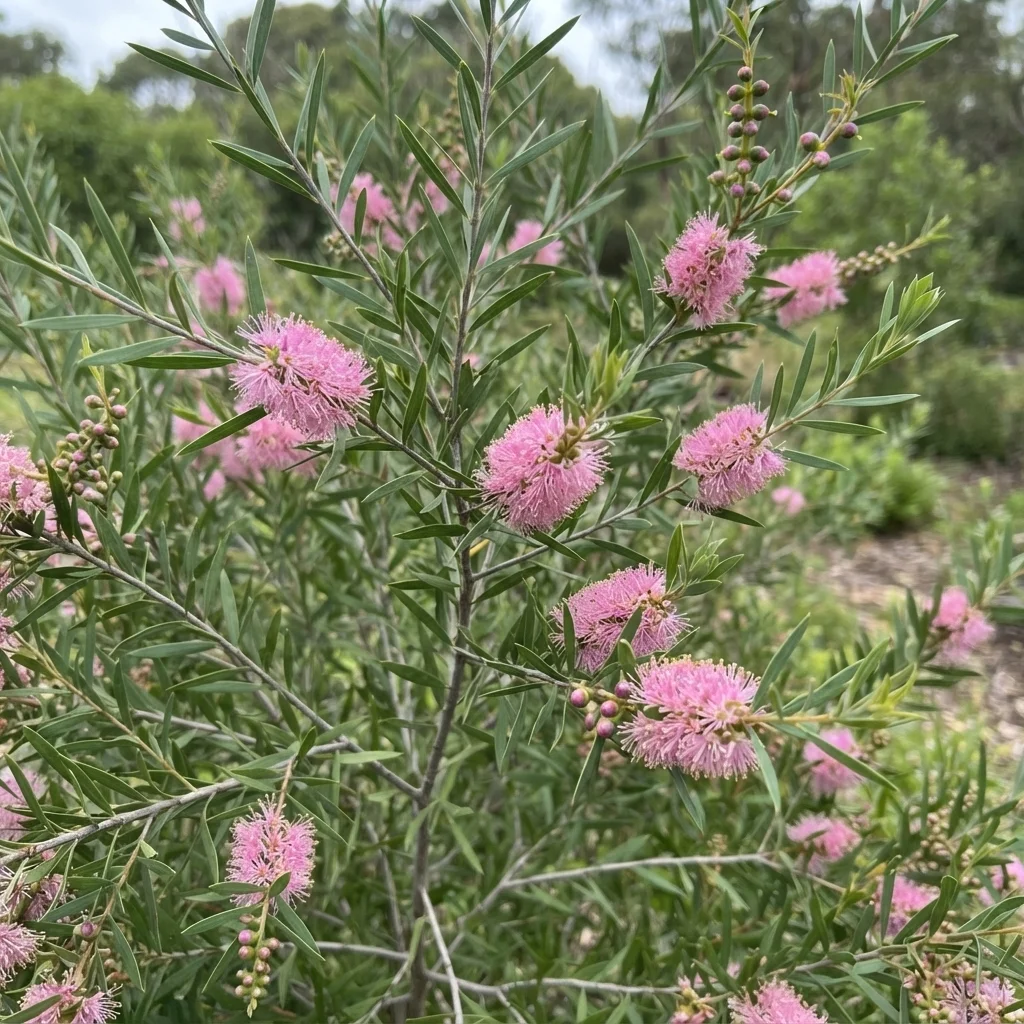
Graceful Honey-myrtle
Melaleuca radula
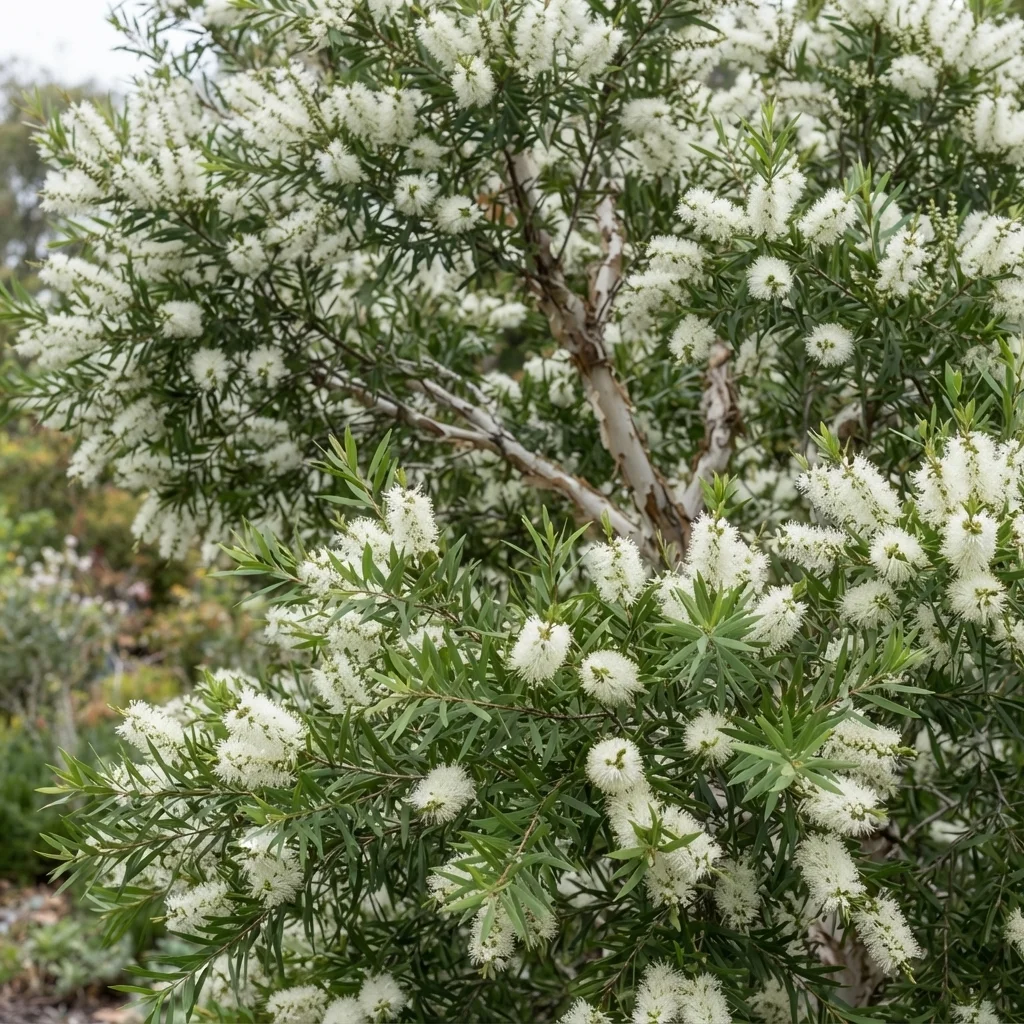
Snow-in-summer
Melaleuca linariifolia
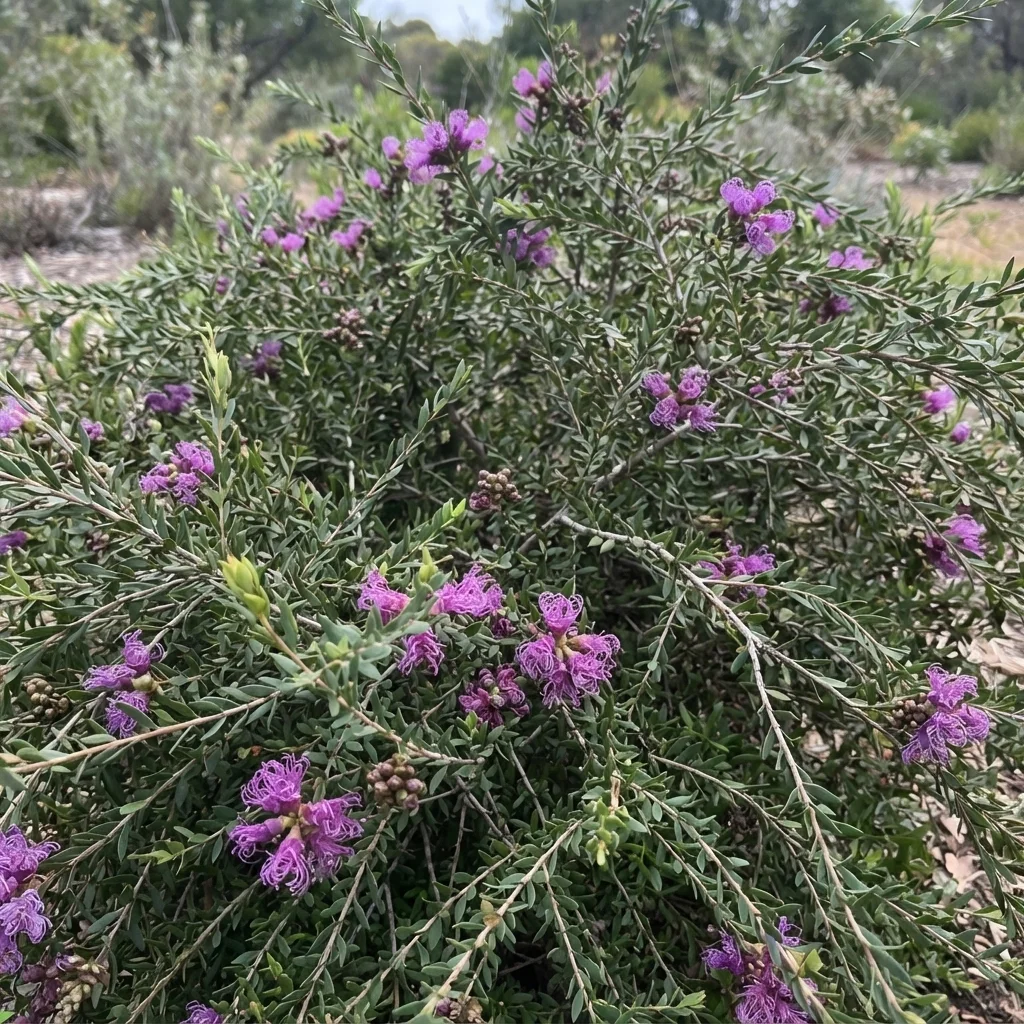
Thymeleaf Melaleuca
Melaleuca thymifolia
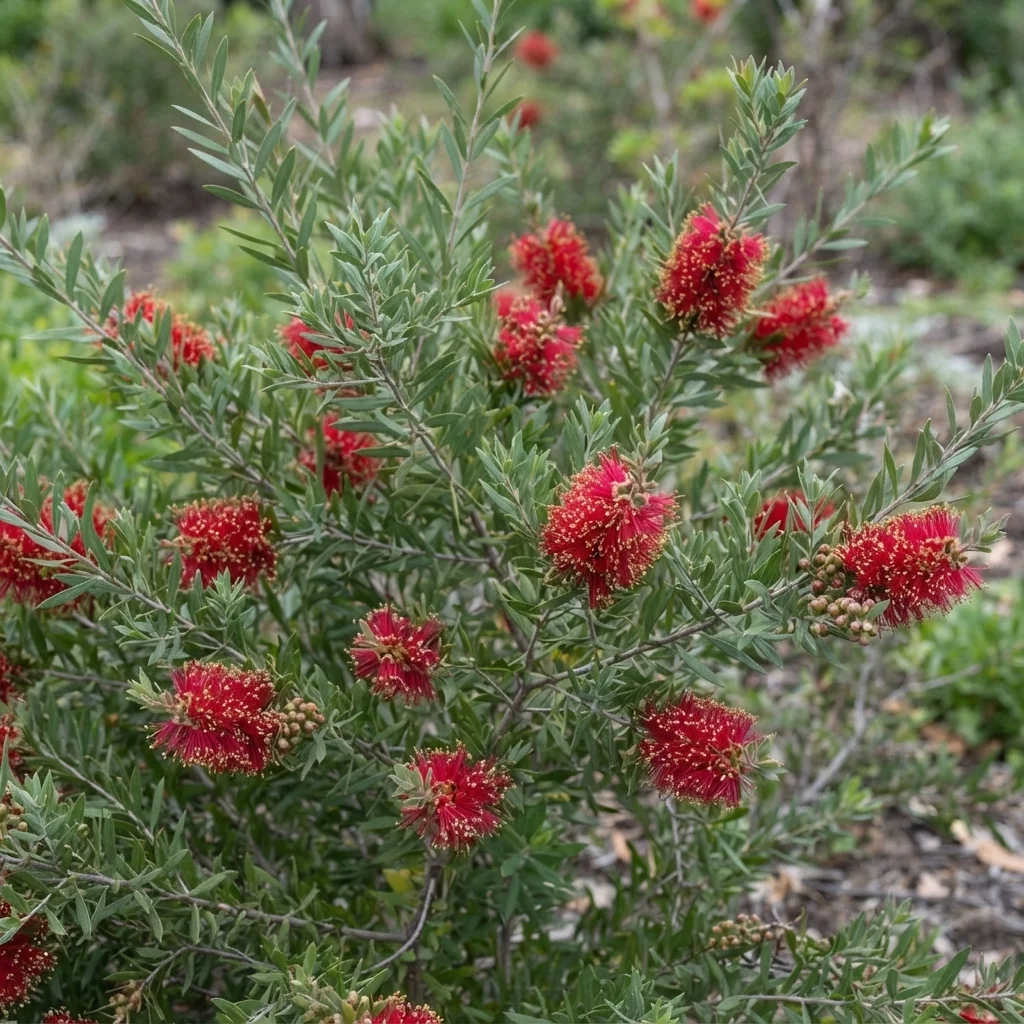
Scarlet Honey Myrtle
Melaleuca fulgens
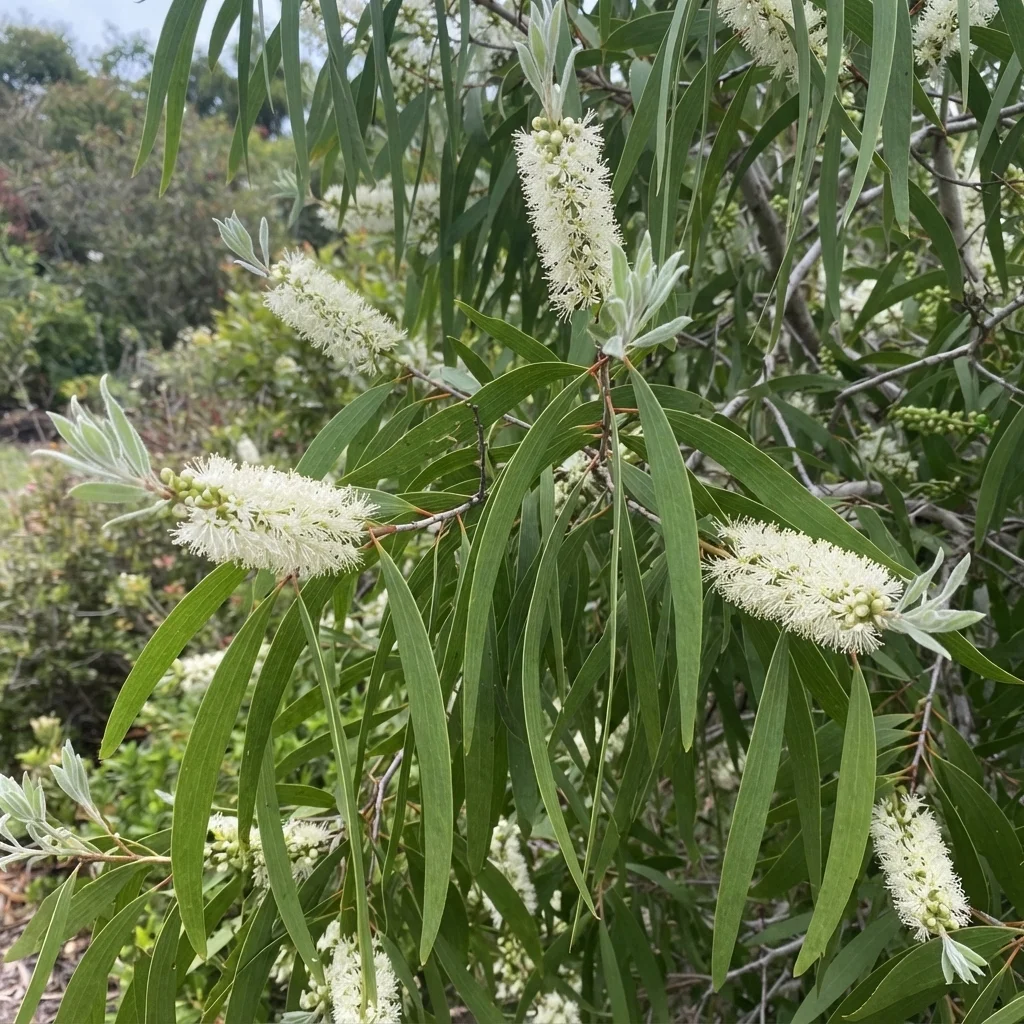
Weeping Paperbark
Melaleuca leucadendra
Keep exploring
Explore the genus
Hardy in your zone?
Grow Tea Tree with confidence
See it in a design of your actual yard, get zone-matched care reminders, and track it season by season in your garden journal.