
Species
 Brassica oleraceaWild Cabbage
14 other cultivars
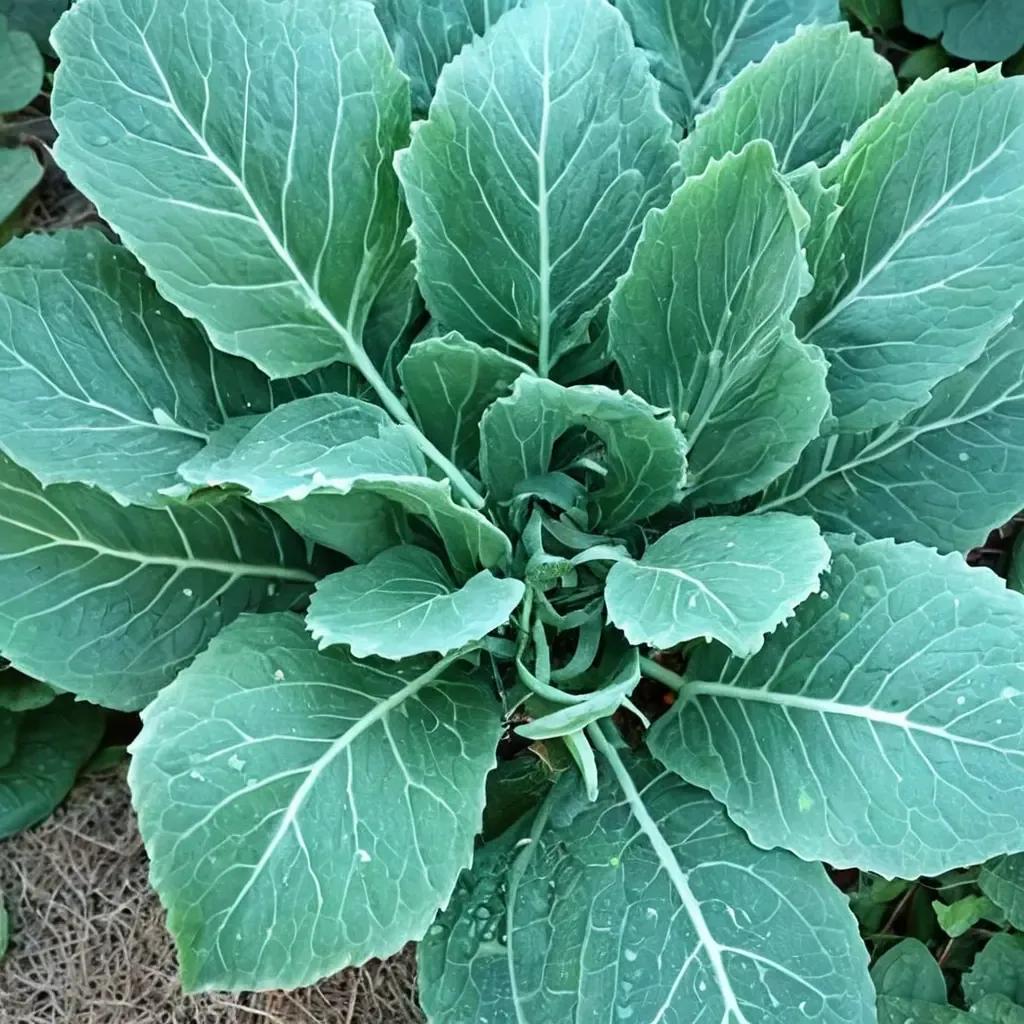 ‘Vates Champion’Vates Champion Collard Greens
 ‘Darkibor’Darkibor Kale
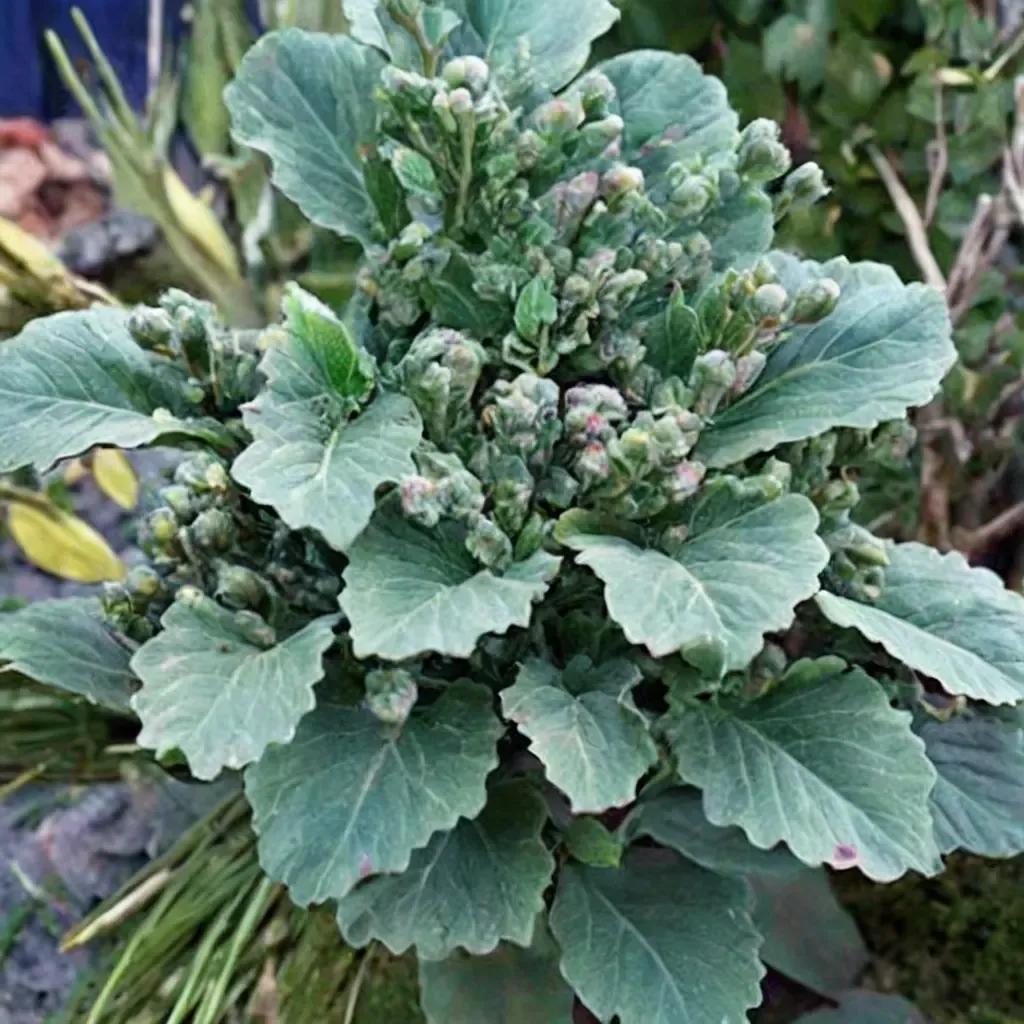 ‘Richmond's Pride’Ornamental Kale
 ‘Veronica’Romanesco Cauliflower 'Veronica'
 ‘Caraflex’Caraflex cabbage
 ‘Mix’Ornamental Kale Mix
 ‘Terek’Terek Kale
 ‘Pixie’Pixie Cabbage
 ‘Snow Crown’Snow Crown Cauliflower
 ‘Fioretto’Fioretto Sprouting Cauliflower
 ‘Dinosaur’Lacinato Kale
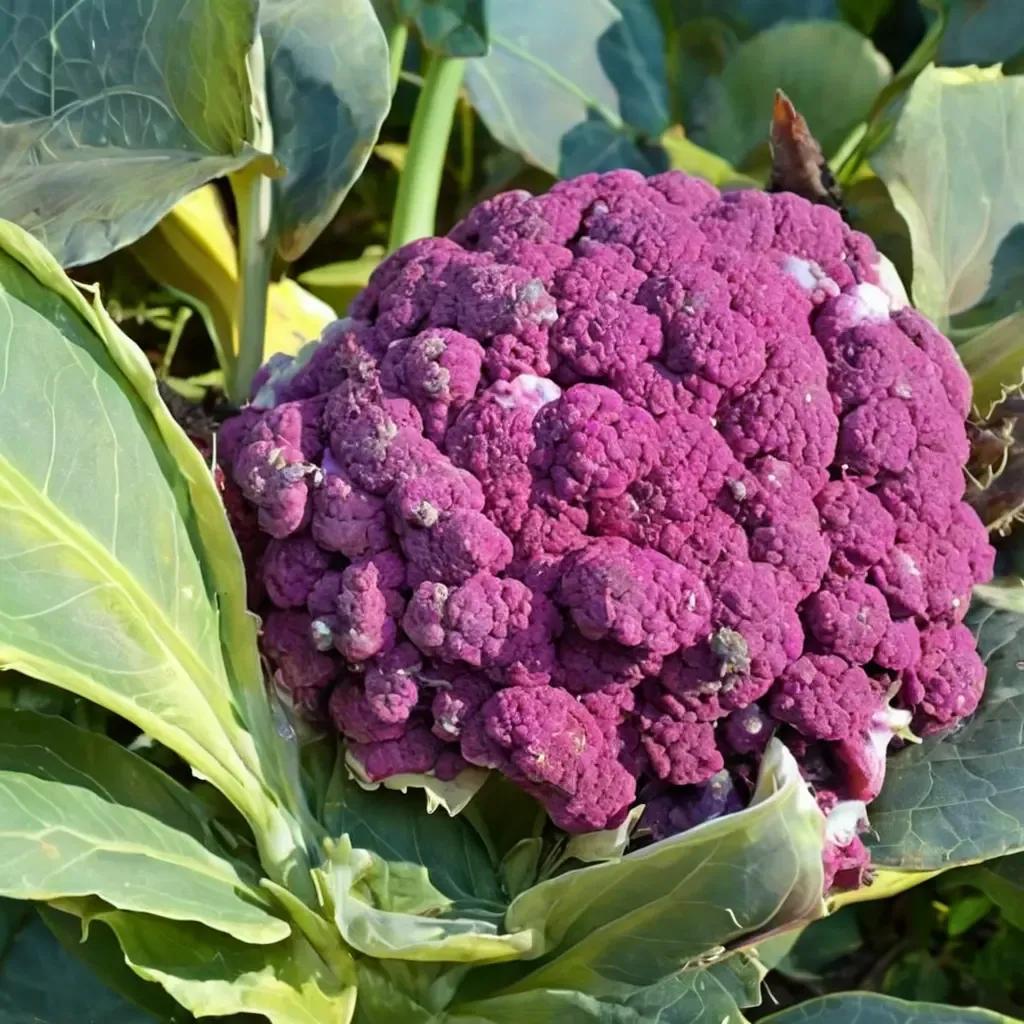 ‘Graffiti’Purple Cauliflower
 ‘Ruby Ball’Ruby Ball Cabbage
 ‘Red Russian’Red Russian Kale
The Story
Plant Bio
Brassica oleracea is a highly diverse European maritime species that has given rise to numerous familiar cool-season crops. These biennial plants develop thick, fleshy stems and glaucous, blue-green foliage with wavy margins before producing terminal flowering structures.
'Italica' is distinguished by its upright, branching habit and the production of a dense, edible central head composed of immature, green flower buds. Following the harvest of this primary terminal cluster, the plant frequently develops smaller secondary lateral shoots from the leaf axils.
Uses & Benefits:
Essentials
At a Glance
Plant Type
Fruit Vegetable
Height
35"
Width
24"
Light
Full Sun, Partial Sun
Zones
4, 5, 6, 7, 8, 9, 10
Water
Medium
Humidity
Moderate
Lifespan
Annual
Native To
Europe
Toxicity
Non-toxic
Bloom period
Spring – Summer
In flower about 6 months of the year
Planting
How to Grow
- Sow seeds indoors six to eight weeks before the last spring frost, or direct-sow in late summer for a fall crop.
- Transplant seedlings into rich, organic loam with a pH between 6.0 and 7.0, spacing them 18 inches apart.
- Maintain consistent soil moisture and side-dress with a nitrogen-rich organic fertilizer every three to four weeks.
- Harvest the central head while the buds are tight and green by cutting the stem at a slant five to six inches below the head.
Pro Tip
Planting too late in spring exposes the crop to summer temperatures above 80°F, which triggers premature bolting and ruins head formation; always rotate crops on a three-to-four-year cycle to prevent the buildup of soil-borne pathogens like clubroot.
Keep It Thriving
Care Guide
Do
- Keep soil consistently moist to prevent drought stress and premature buttoning.
- Apply a thick layer of organic mulch to cool the soil and retain moisture.
- Rotate brassica crops to a new garden plot every three to four years.
Don't
- Do not allow the soil to dry out completely, as water stress permanently damages crop quality.
- Do not plant into waterlogged soils that promote rapid root rot.
- Do not prune back into old, woody stems expecting new vegetative growth.
Seasonal Care Calendar
| Task | Jan | Feb | Mar | Apr | May | Jun | Jul | Aug | Sep | Oct | Nov | Dec |
|---|---|---|---|---|---|---|---|---|---|---|---|---|
| Fertilize | ||||||||||||
| Harvest | ||||||||||||
| Pest Check | ||||||||||||
| Plant |
Watch Out For
Pests & Diseases
Common Pests
Common Diseases
In the Garden
Landscape Uses & Companions
Landscape Uses
Companion Plants
Multiply
Propagation Methods
Good to Know
Common Questions
Broccoli questions
What zones can Broccoli grow in?
Broccoli is hardy in USDA Zones 4–10. Inside that range it survives winter in the ground; outside it, grow it as an annual or a container plant you protect.
Is Broccoli deer resistant?
Not reliably. Deer may browse Broccoli, especially tender spring growth — plan on repellents or fencing where pressure is high.
When does Broccoli bloom?
Broccoli typically blooms in spring through summer. Exact timing shifts a week or two with your zone — Sow's bloom calendar maps it to your garden.
Does Broccoli need full sun?
Broccoli does best in full sun to part shade. In hot climates, afternoon shade keeps blooms fresher longer.
More Brassica to compare
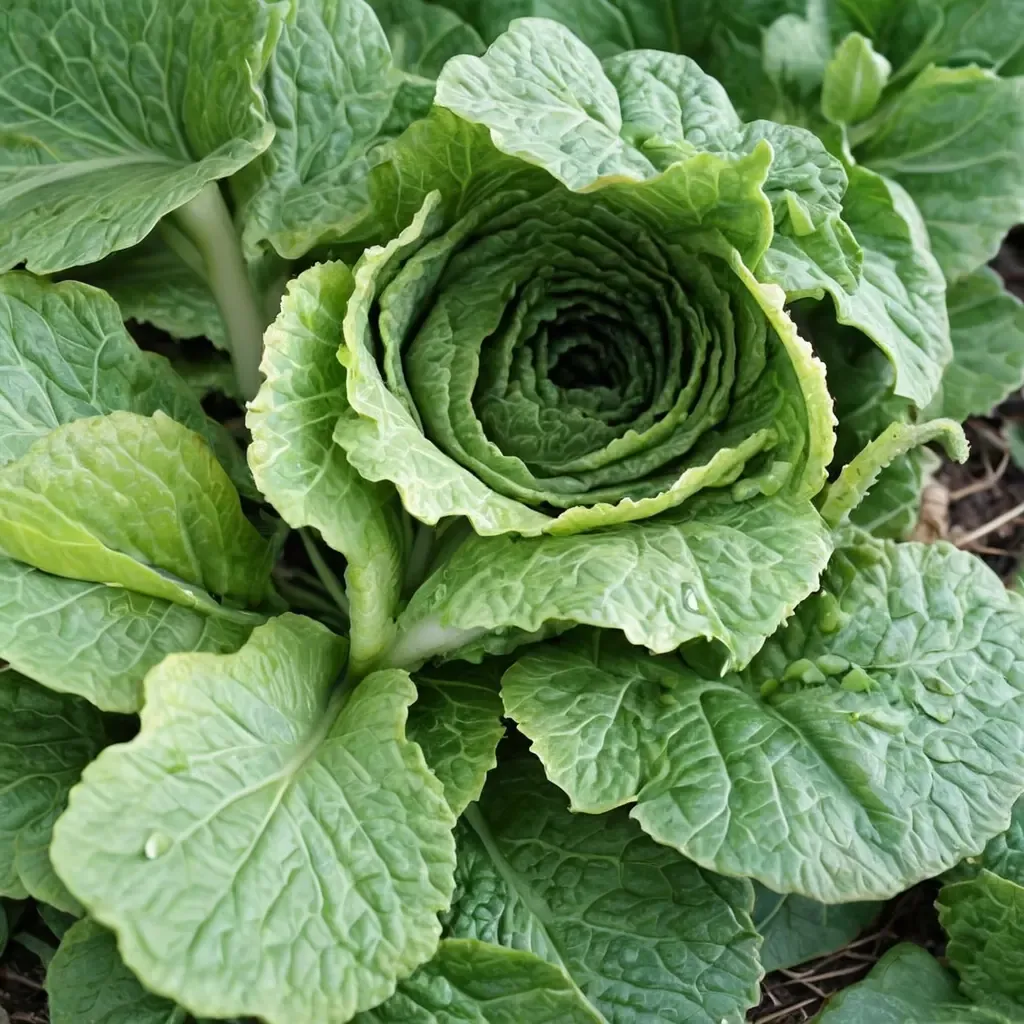
Chinese Cabbage
Brassica rapa 'Chinese Cabbage'
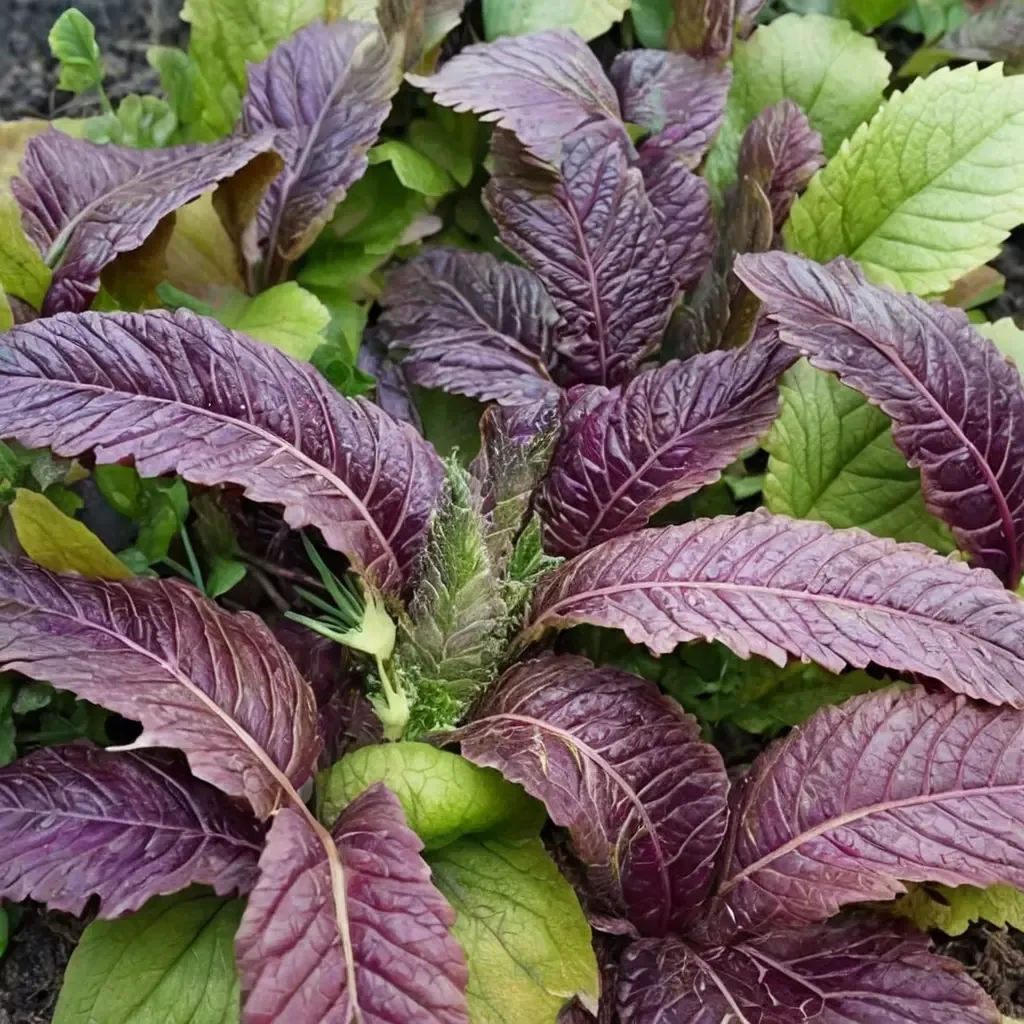
Osaka Purple Mustard
Brassica juncea 'Osaka Purple'
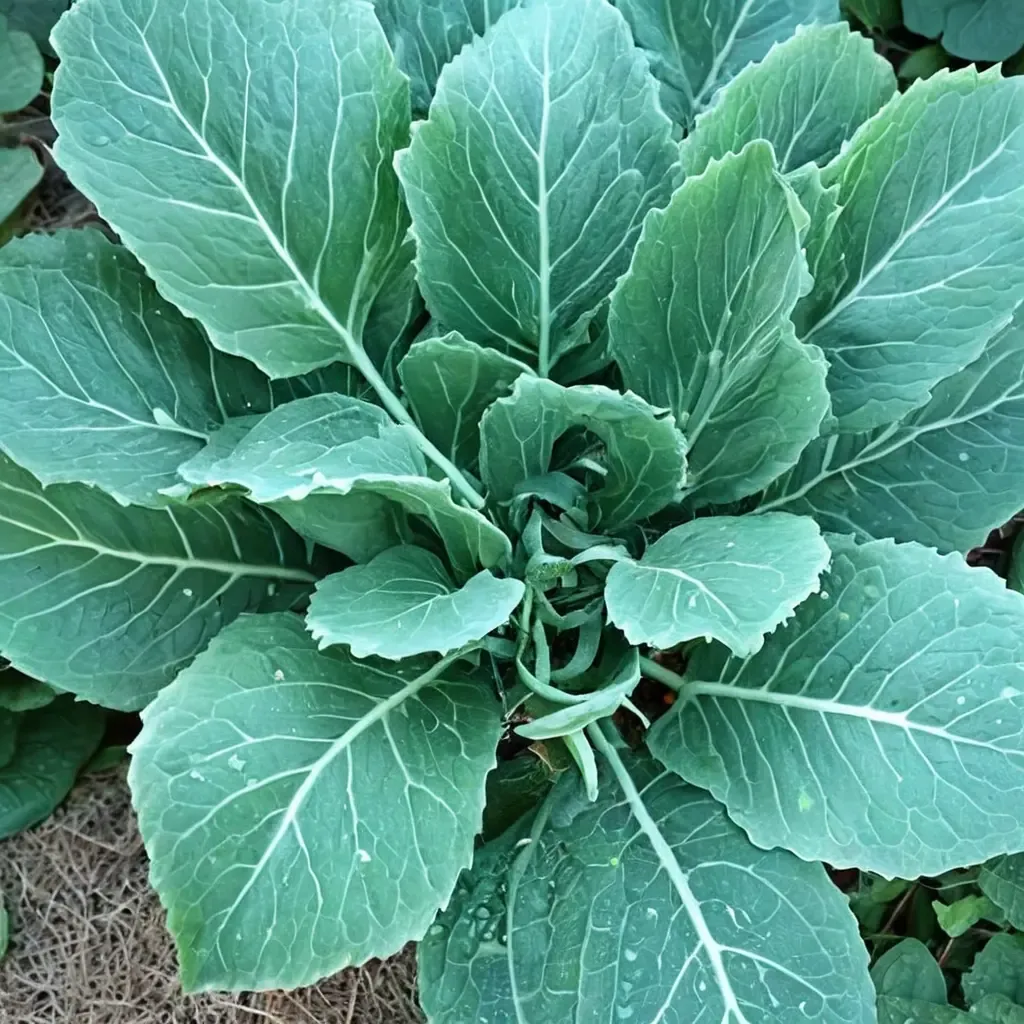
Vates Champion Collard Greens
Brassica oleracea 'Vates Champion'
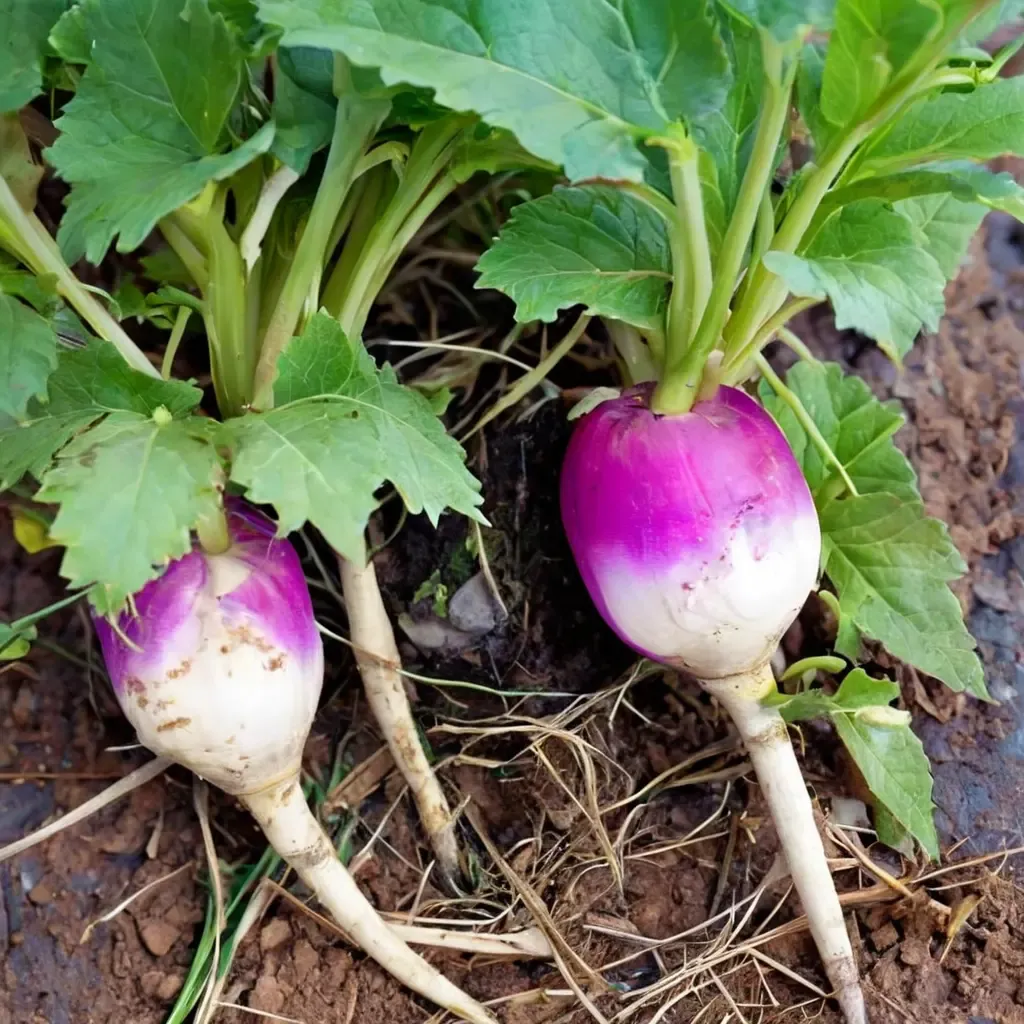
Purple Top Turnip
Brassica rapa 'Purple Top'
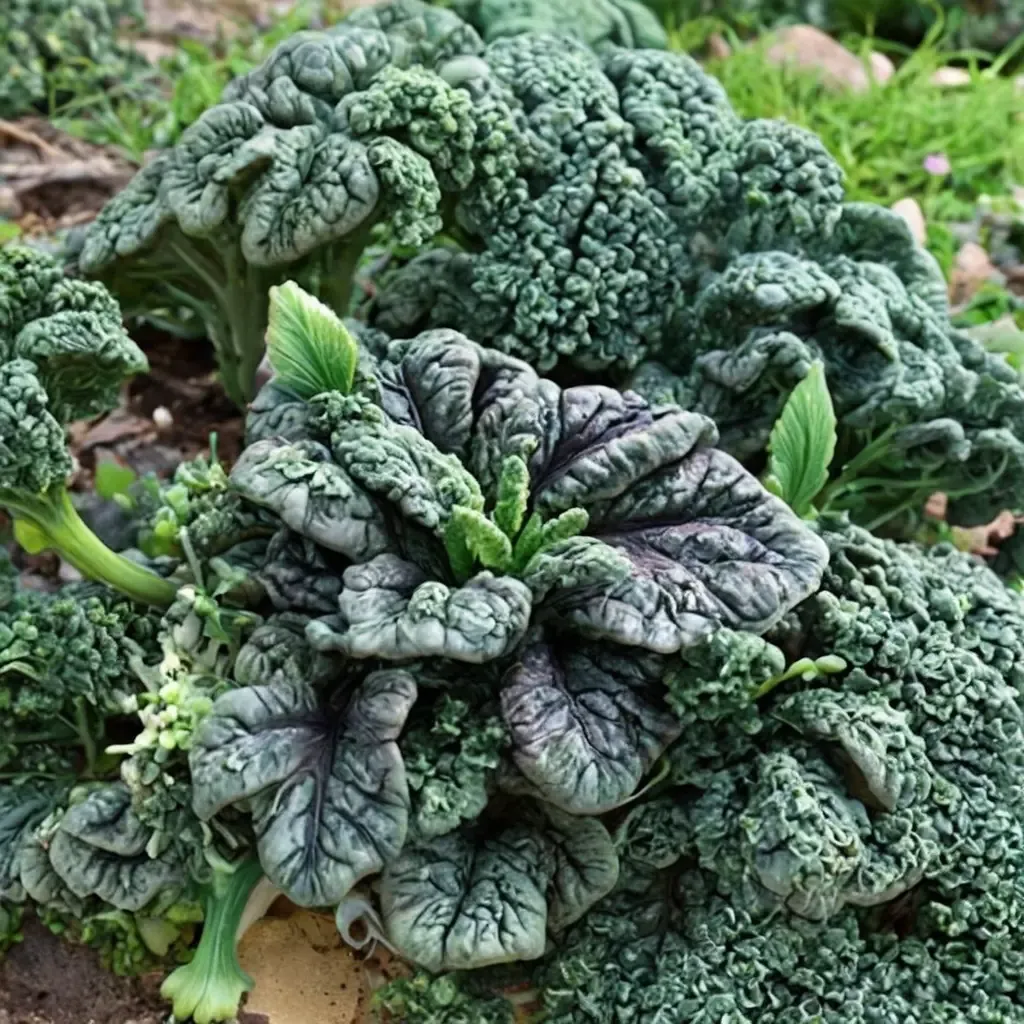
Darkibor Kale
Brassica oleracea 'Darkibor'
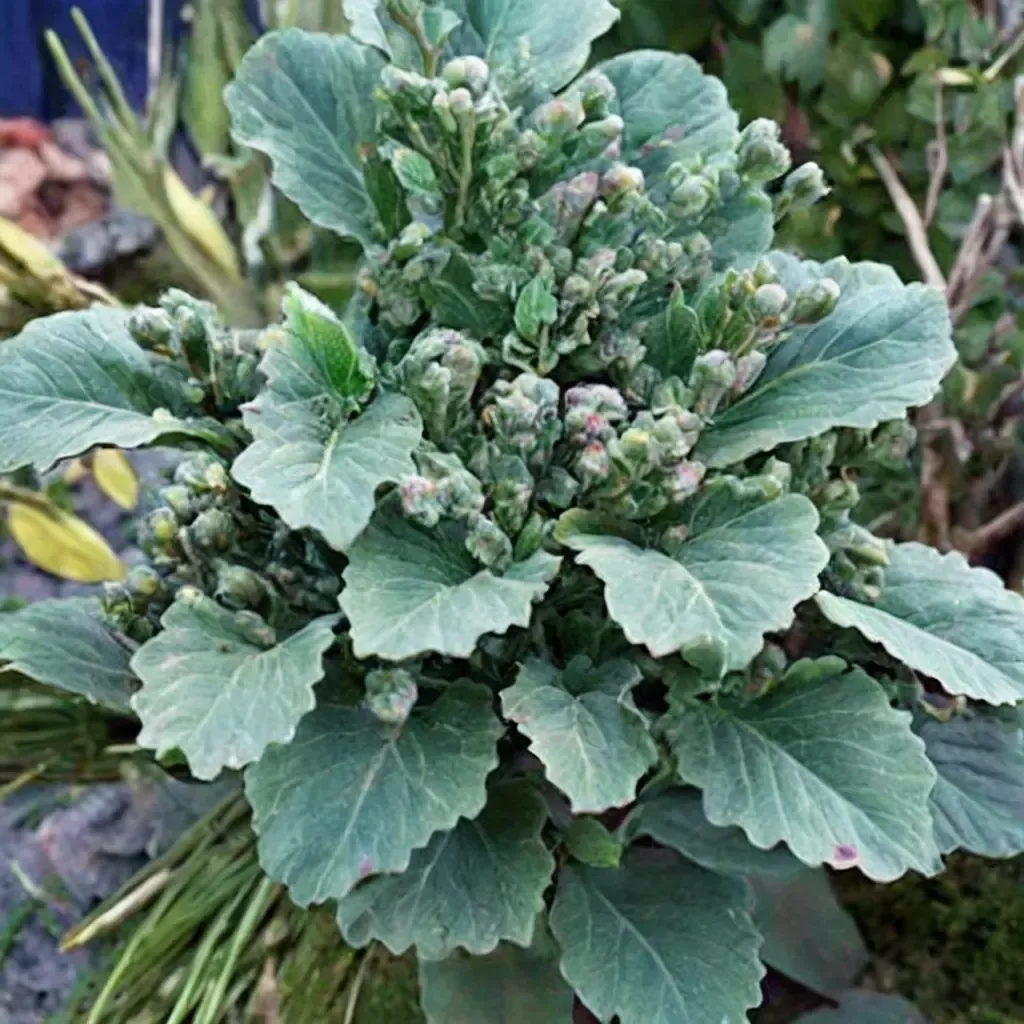
Ornamental Kale
Brassica oleracea 'Richmond's Pride'
Keep exploring
Explore the genus
Grow Broccoli with confidence
See it in a design of your actual yard, get zone-matched care reminders, and track it season by season in your garden journal.