The Story
Plant Bio
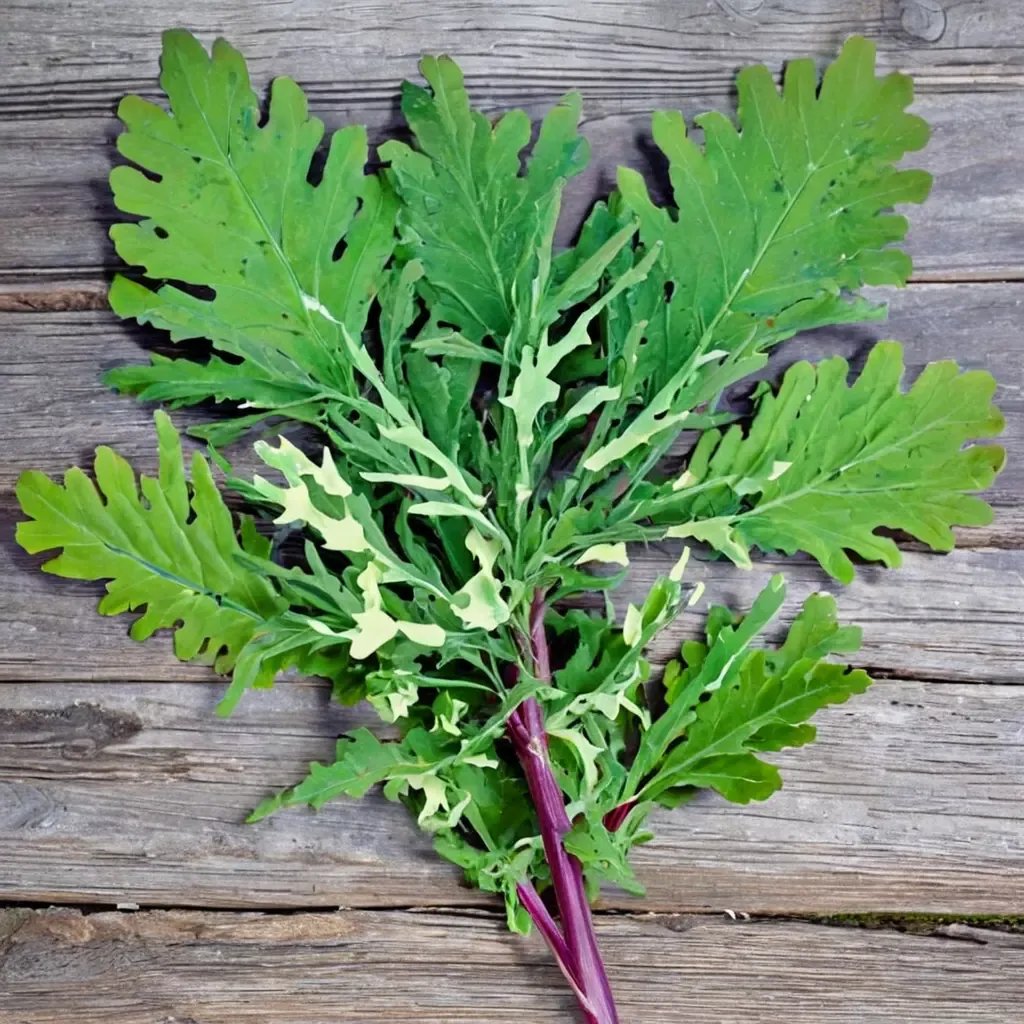
Red Russian Kale is known for its ornamental leaves that add color to gardens, as well as its culinary uses.
This cultivar, a type of Siberian kale (Brassica napus), has tender, flat, oak-leaf shaped, blue-green leaves with attractive purple stems and veins. It is known for its sweet flavor, especially after a frost.
Uses & Benefits:
Red Russian kale offers vibrant color and ornamental appeal in vegetable gardens and flower beds.
Rich in vitamins A, C, and K, it provides nutritious greens for salads and cooking.
Supports pollinators and beneficial insects when flowering.
Essentials
At a Glance
Plant Type
Annual
Height
36"
Width
24"
Light
Full Sun, Partial Sun
Zones
4, 5, 6, 7, 8, 9, 10
Water
Medium
Humidity
Moderate
Lifespan
Biennial, grown as an annual
Native To
Siberia (cultivar)
Toxicity
Non-toxic
Bloom period
Spring – Early fall
J
F
M
A
M
J
J
A
S
O
N
D
In flower about 7 months of the year
Planting
How to Grow
- Tuck seeds ¼ inch deep into well-draining soil in early spring.
- Keep soil consistently moist for optimal germination, approximately 7-10 days.
- Thin seedlings to 12 inches apart once seedlings are established.
- Water regularly, especially during dry spells, to maintain even moisture.
- Apply a balanced fertilizer every 4-6 weeks during the growing season.
- Harvest leaves when young and tender, typically 60-80 days after planting.
Pro Tip
Mulch around plants to retain moisture and suppress weeds for healthier growth.
Keep It Thriving
Care Guide
Do
- Water consistently to keep soil moist but not waterlogged 🌱
- Use organic compost to enrich soil before planting
- Thin seedlings to prevent overcrowding
Don't
- Avoid letting soil dry out completely
- Do not over-fertilize, which can cause excessive leafy growth
- Refrain from planting in poorly drained areas
Seasonal Care Calendar
| Task | Jan | Feb | Mar | Apr | May | Jun | Jul | Aug | Sep | Oct | Nov | Dec |
|---|---|---|---|---|---|---|---|---|---|---|---|---|
| Fertilize | ||||||||||||
| Harvest | ||||||||||||
| Pest Check | ||||||||||||
| Plant |
Watch Out For
Pests & Diseases
Common Pests
Common Diseases
In the Garden
Landscape Uses & Companions
Landscape Uses
Edible leafy borderVegetable garden centerpieceColorful kitchen garden patch
Multiply
Propagation Methods
Good to Know