1 named cultivar

The Story
Plant Bio
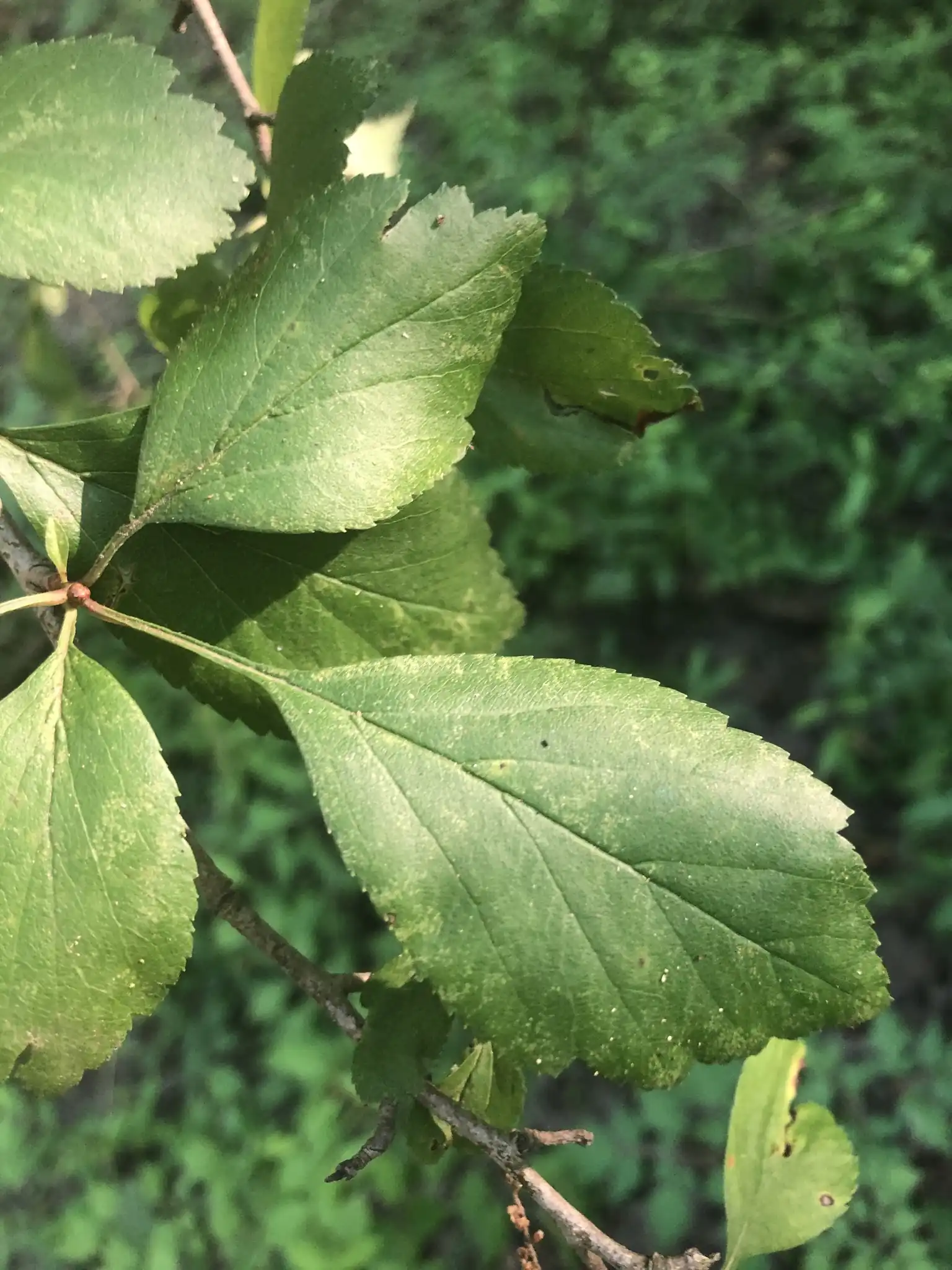
Crataegus viridis, green hawthorn, is a small deciduous tree native to the eastern United States, reaching twenty to thirty-five feet with a dense rounded crown. Clusters of white flowers open in late spring, glossy dark green leaves are shallowly lobed toward the tip, and small red fruits ripen in September and hang on the bare branches well into winter.
Its bark is the distinguishing feature: light grey and exfoliating to expose orange and cinnamon underbark, which gives real winter interest beyond the persistent fruit. Like most hawthorns it is thorny, which makes it superb nesting cover for songbirds and a poor choice beside a path or play area.
Uses & Benefits:
Essentials
At a Glance
Plant Type
Tree
Height
330"
Width
330"
Light
Full Sun
Zones
4, 5, 6, 7
Water
Moderate
Humidity
Moderate
Lifespan
Perennial
Native To
Eastern United States
Toxicity
Non-toxic
Planting
How to Grow
- Plant in autumn or early spring in well-drained soil.
- Choose full sun for the best flowering and fruit.
- Allow twenty to thirty-five feet of spread.
- Water through the first two seasons.
- Site it away from paths; the thorns are substantial.
- Prune in late winter to remove crossing or dead wood.
Pro Tip
Keep it away from junipers where you can — hawthorns are an alternate host for cedar-hawthorn rust and will be reinfected each year.
Keep It Thriving
Care Guide
Do
- Plant in full sun for fruit and flower ☀️
- Site it clear of paths and play areas 🌳
- Prune in late winter ✂️
- Use it for songbird nesting cover 🐦
Don't
- Plant close to eastern redcedar or junipers ❌
- Site it where thorns will catch people ❌
- Expect it to tolerate deep shade ❌
Seasonal Care Calendar
| Task | Jan | Feb | Mar | Apr | May | Jun | Jul | Aug | Sep | Oct | Nov | Dec |
|---|---|---|---|---|---|---|---|---|---|---|---|---|
| Monitor | ||||||||||||
| Prune |
Watch Out For
Pests & Diseases
Common Pests
Common Diseases
In the Garden
Landscape Uses & Companions
Landscape Uses
Multiply
Propagation Methods
Good to Know
Common Questions
Hawthorn questions
What zones can Hawthorn grow in?
Hawthorn is hardy in USDA Zones 4–7. Inside that range it survives winter in the ground; outside it, grow it as an annual or a container plant you protect.
Is Hawthorn deer resistant?
Yes — Hawthorn is rated deer-resistant. Deer typically pass it over, though extreme hunger can override any plant's defenses.
When does Hawthorn bloom?
Hawthorn typically blooms in late spring through early summer. Exact timing shifts a week or two with your zone — Sow's bloom calendar maps it to your garden.
Does Hawthorn need full sun?
Hawthorn does best in full sun (6+ hours).
Is Hawthorn drought tolerant?
Yes — once established (usually after the first full season), Hawthorn handles dry spells with minimal watering. Water deeply its first year to build the root system that makes that possible.
More Crataegus to compare
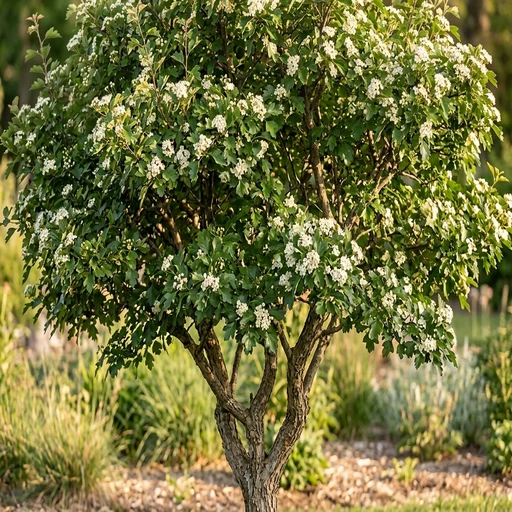
Washington Hawthorn
Crataegus phaenopyrum
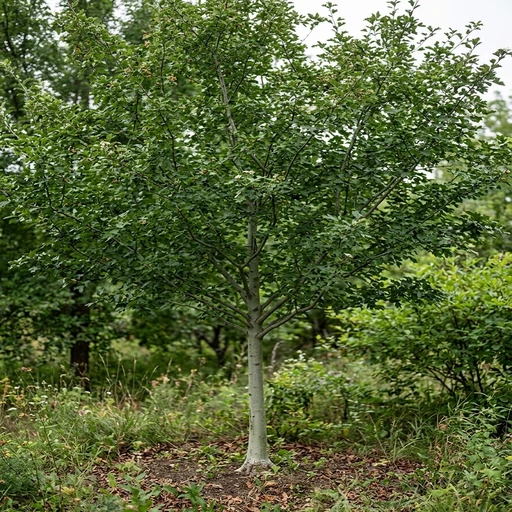
Winter King Hawthorn
Crataegus viridis 'Winter King'
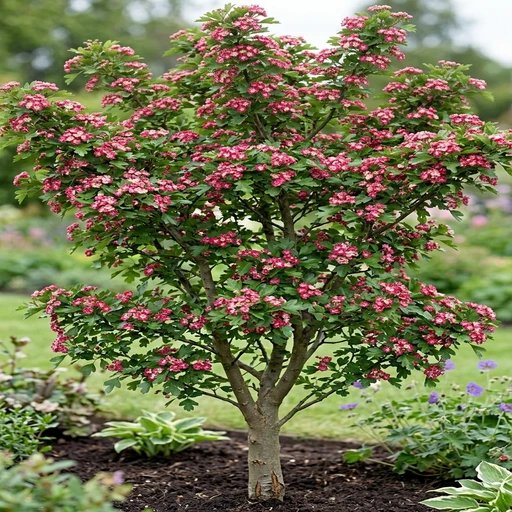
Crimson Cloud English Hawthorn
Crataegus laevigata 'Crimson Cloud'
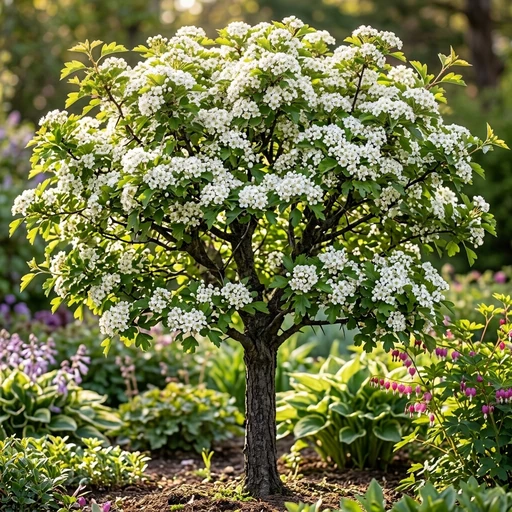
Crusader Hawthorn
Crataegus crus-galli 'Cruzam'
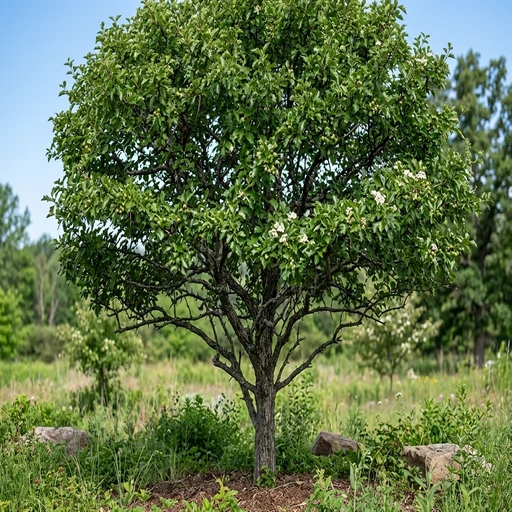
Cockspur Hawthorn
Crataegus crus-galli
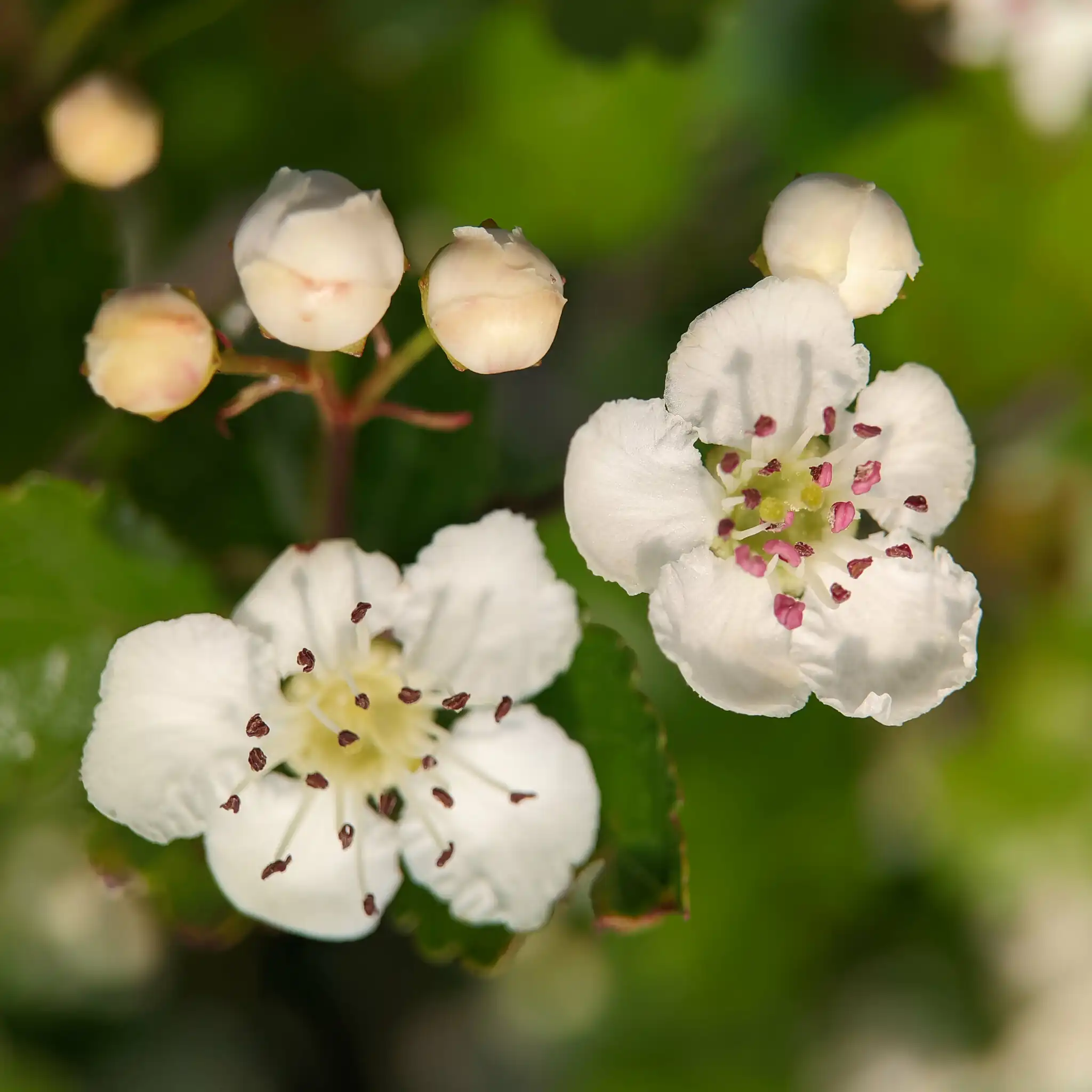
English Hawthorn
Crataegus laevigata
Keep exploring
Explore the genus
Hardy in your zone?
Grow Hawthorn with confidence
See it in a design of your actual yard, get zone-matched care reminders, and track it season by season in your garden journal.