
Species
 Iris ensataJapanese Iris
18 other cultivars
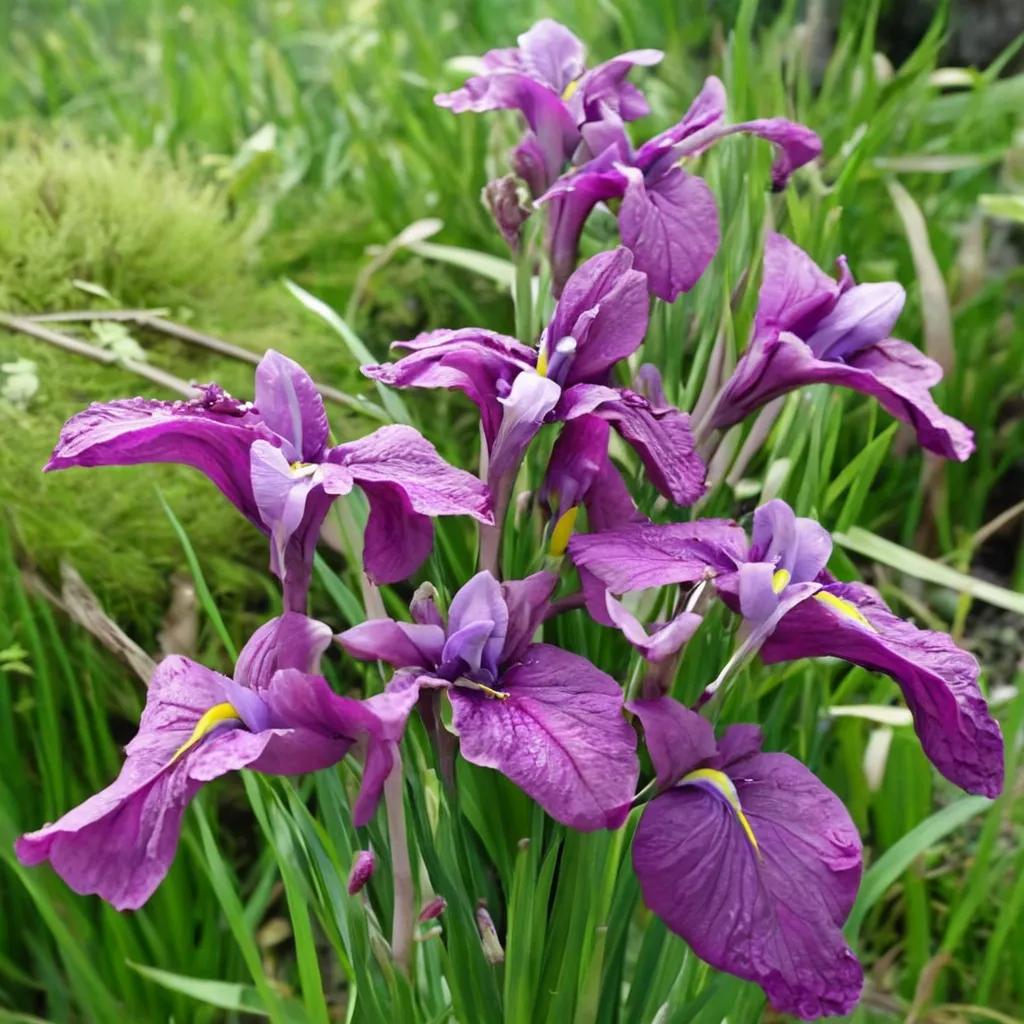 ‘Ruby King’Japanese Iris Ruby King
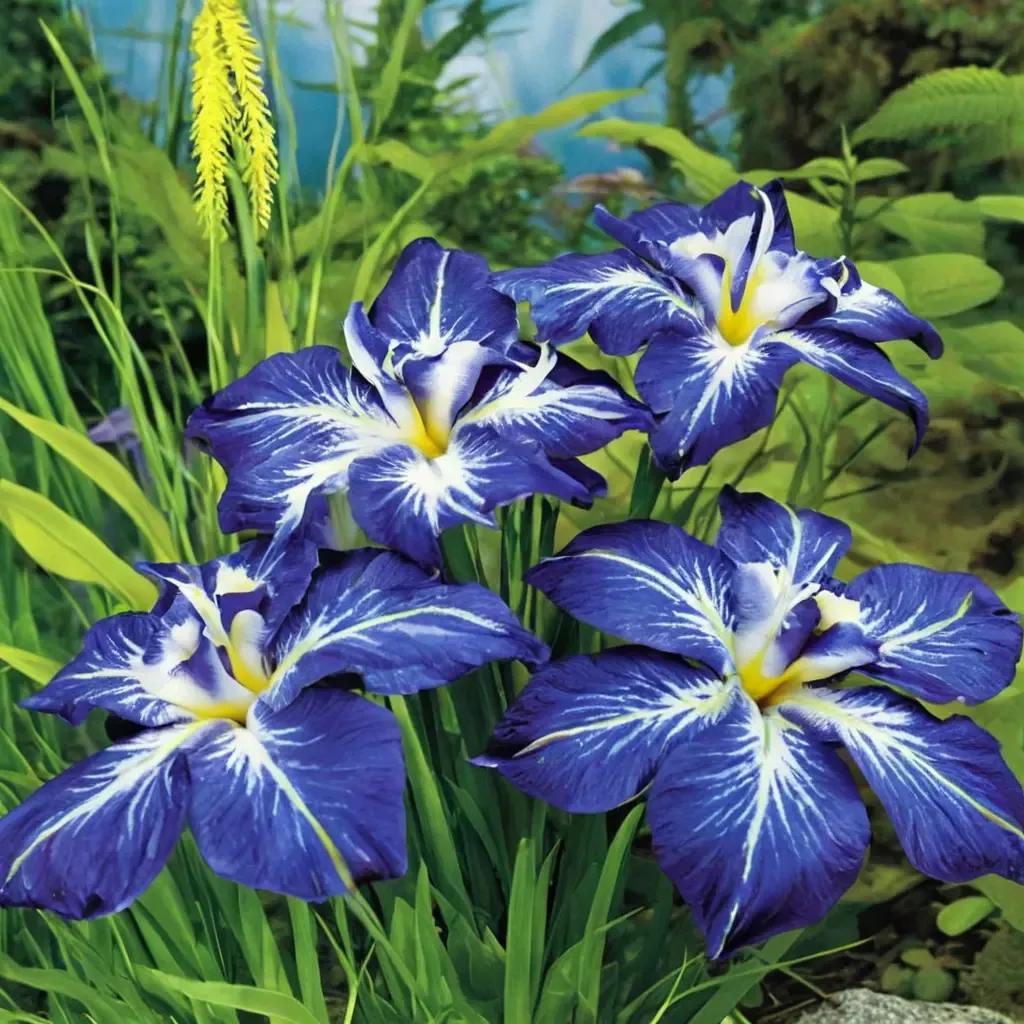 ‘Gusto’Gusto Japanese Iris
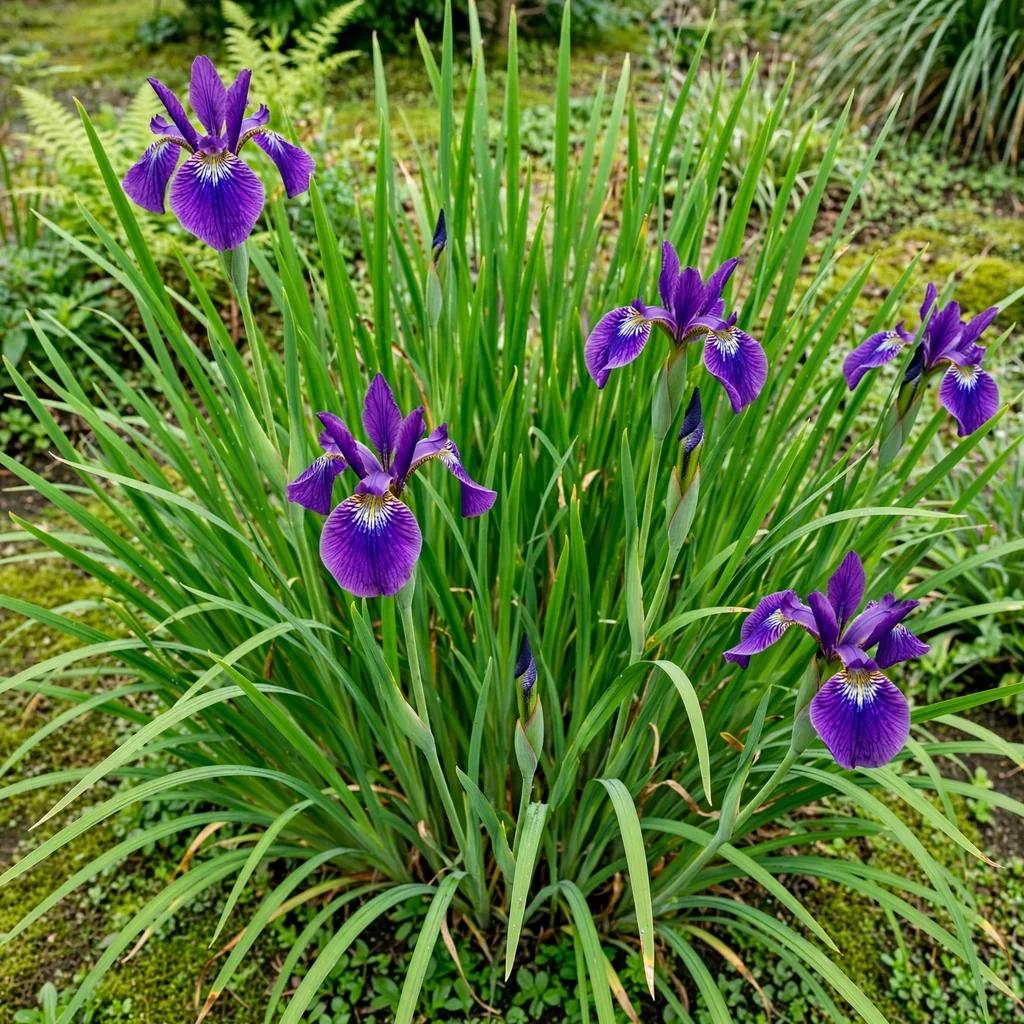 ‘Favorite’Japanese Iris Favorite
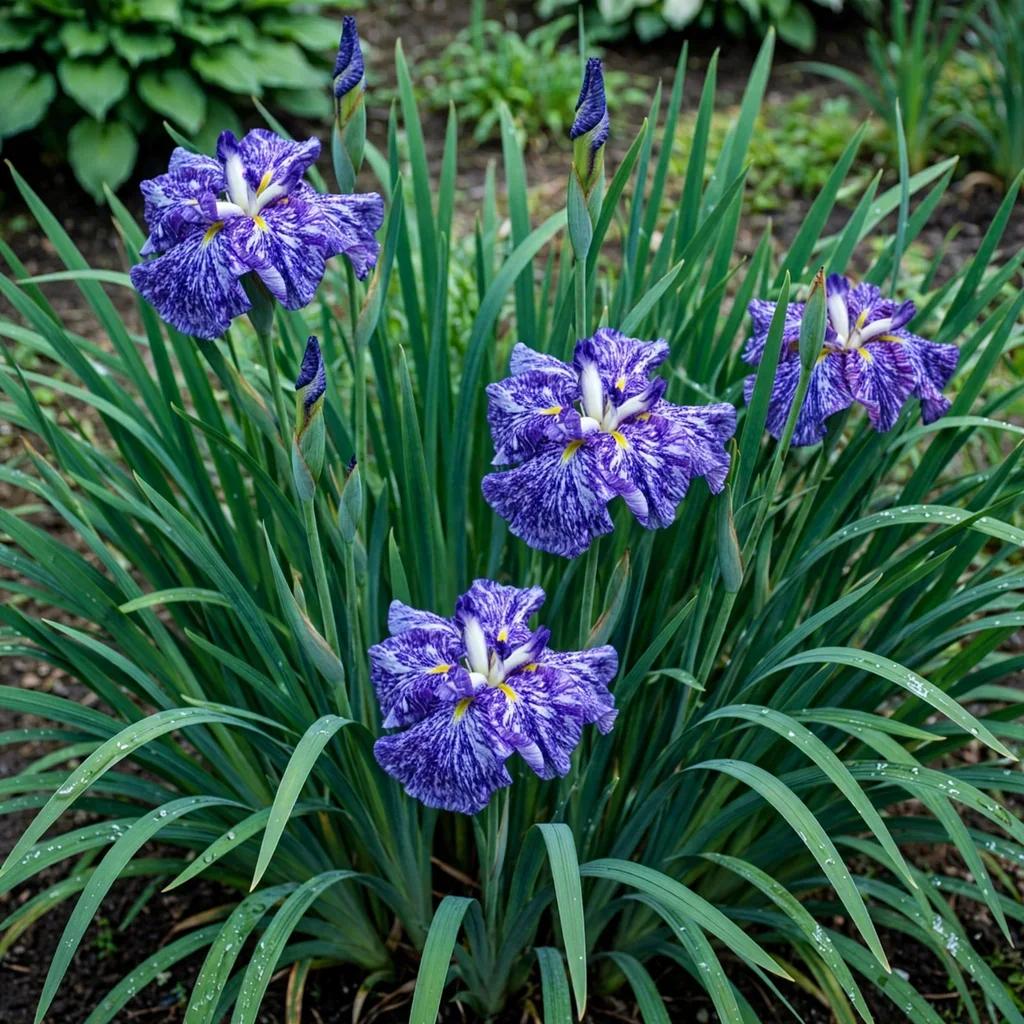 ‘Umi Botaru’Japanese Iris Umi Botaru
 ‘Royal Game’Japanese Iris Royal Game
 ‘Lion King’Lion King Japanese Iris
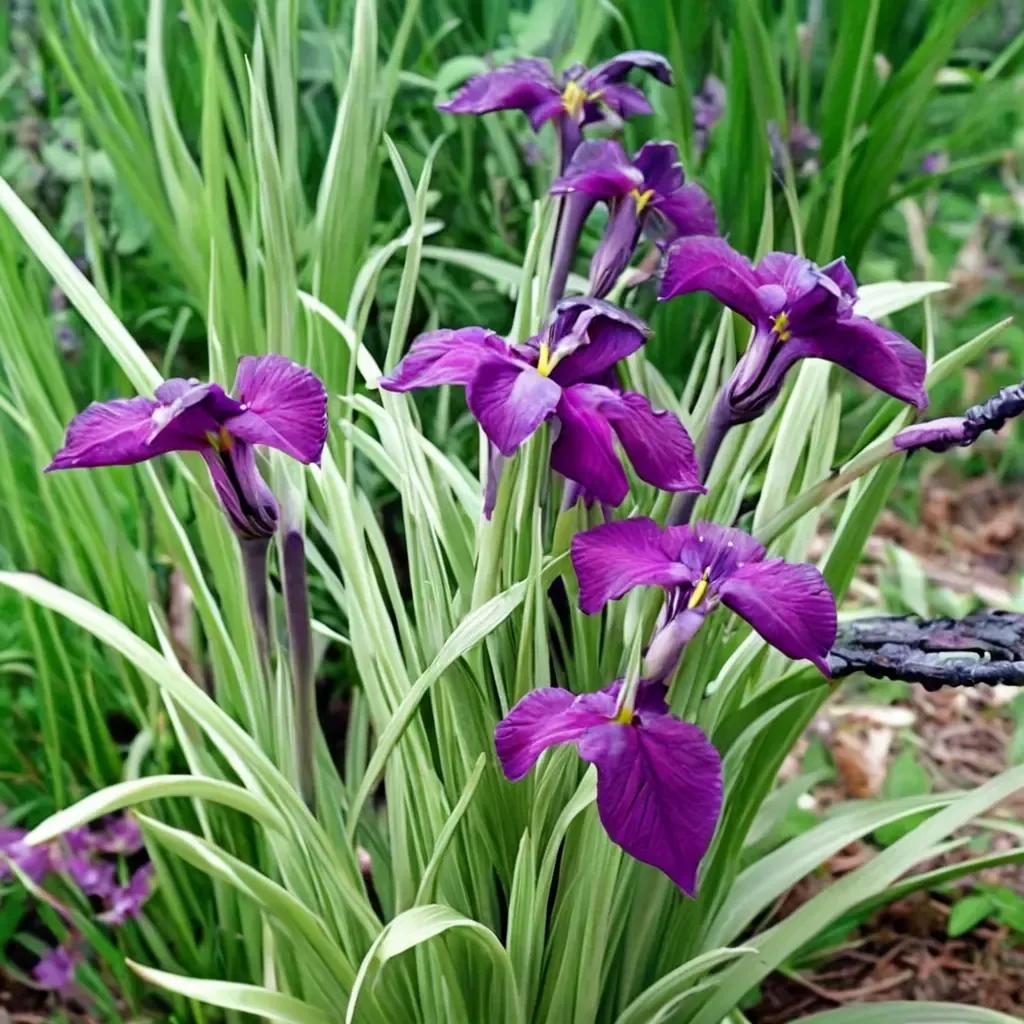 ‘Variegata Reginae’Variegata Reginae Variegated Japanese Iris
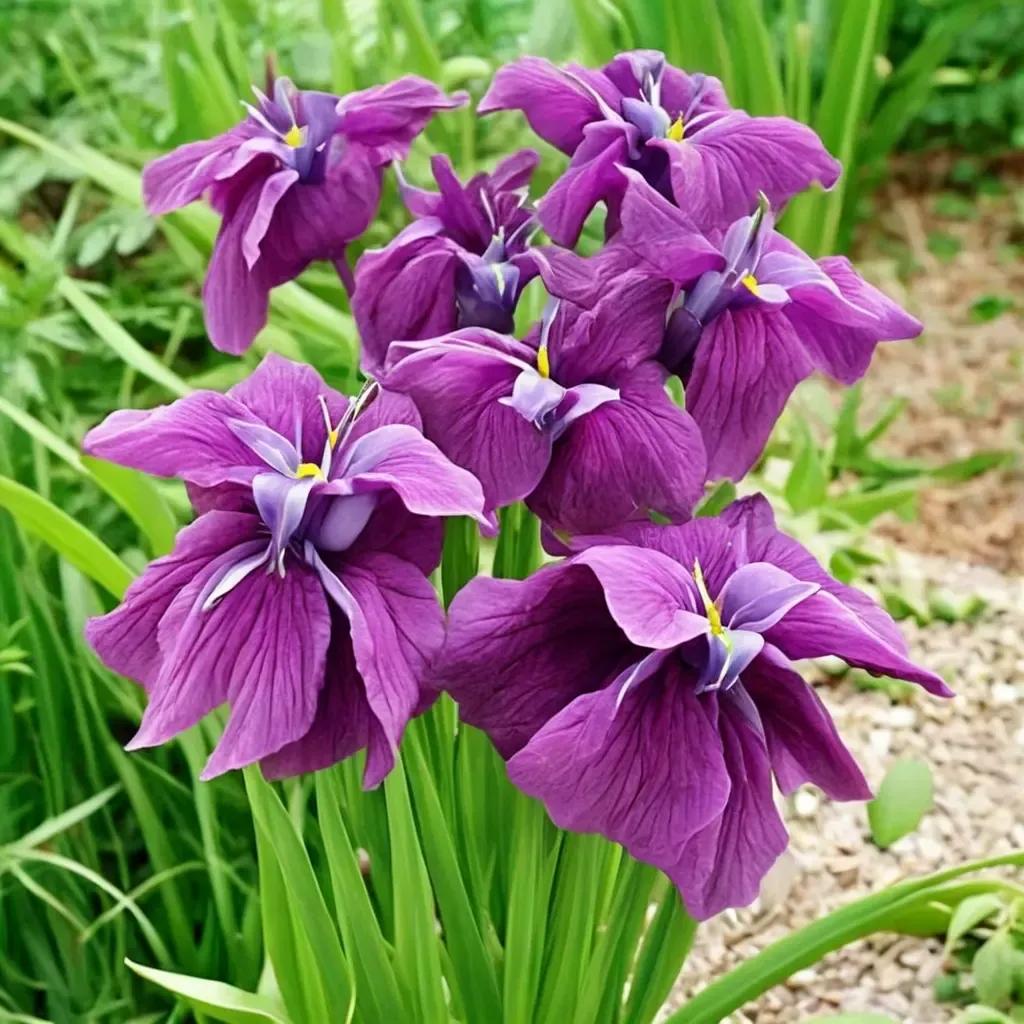 ‘Good Omen’Good Omen Japanese Iris
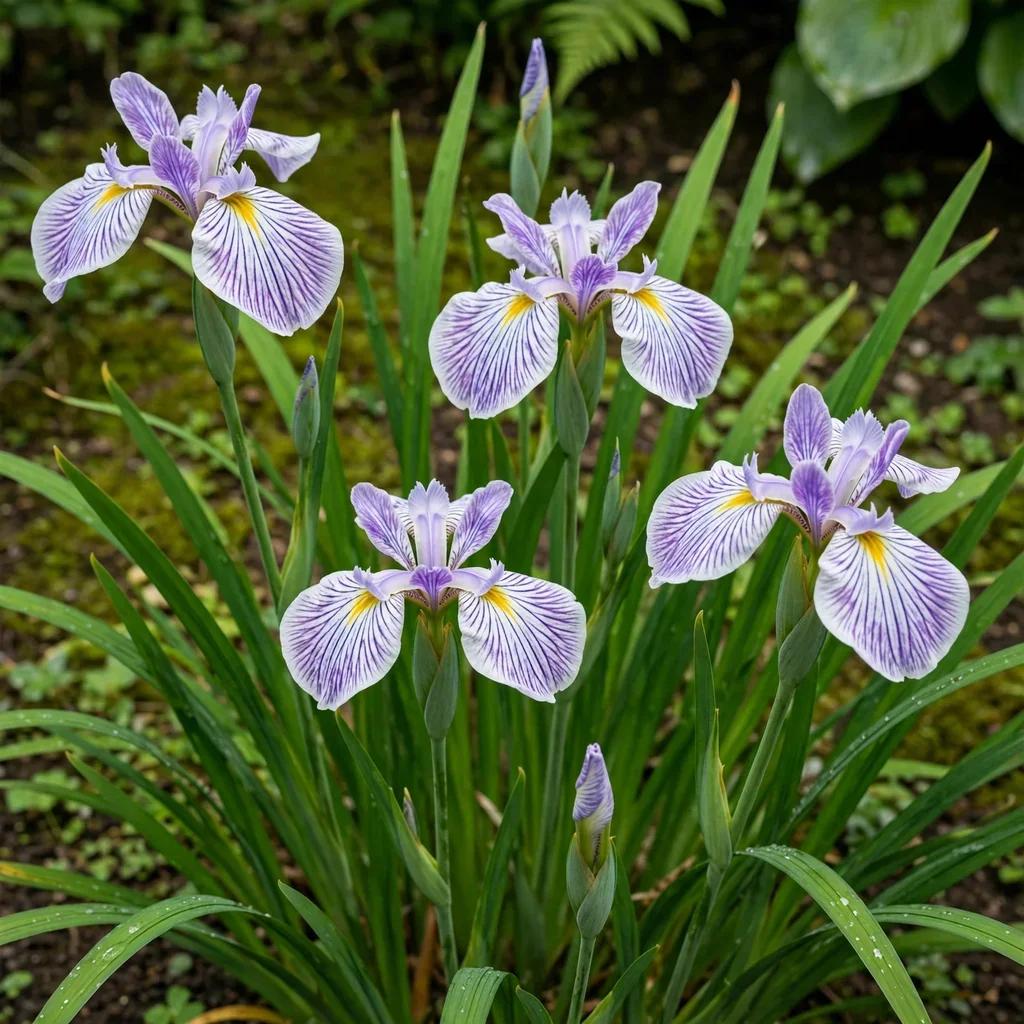 ‘Tora Tora’Japanese Iris Tora Tora
 ‘Stairway to Heaven’Stairway to Heaven Japanese Iris
 ‘Ocean Mist’Japanese Iris Ocean Mist
 ‘Miyonishiki’Japanese Iris Miyonishiki
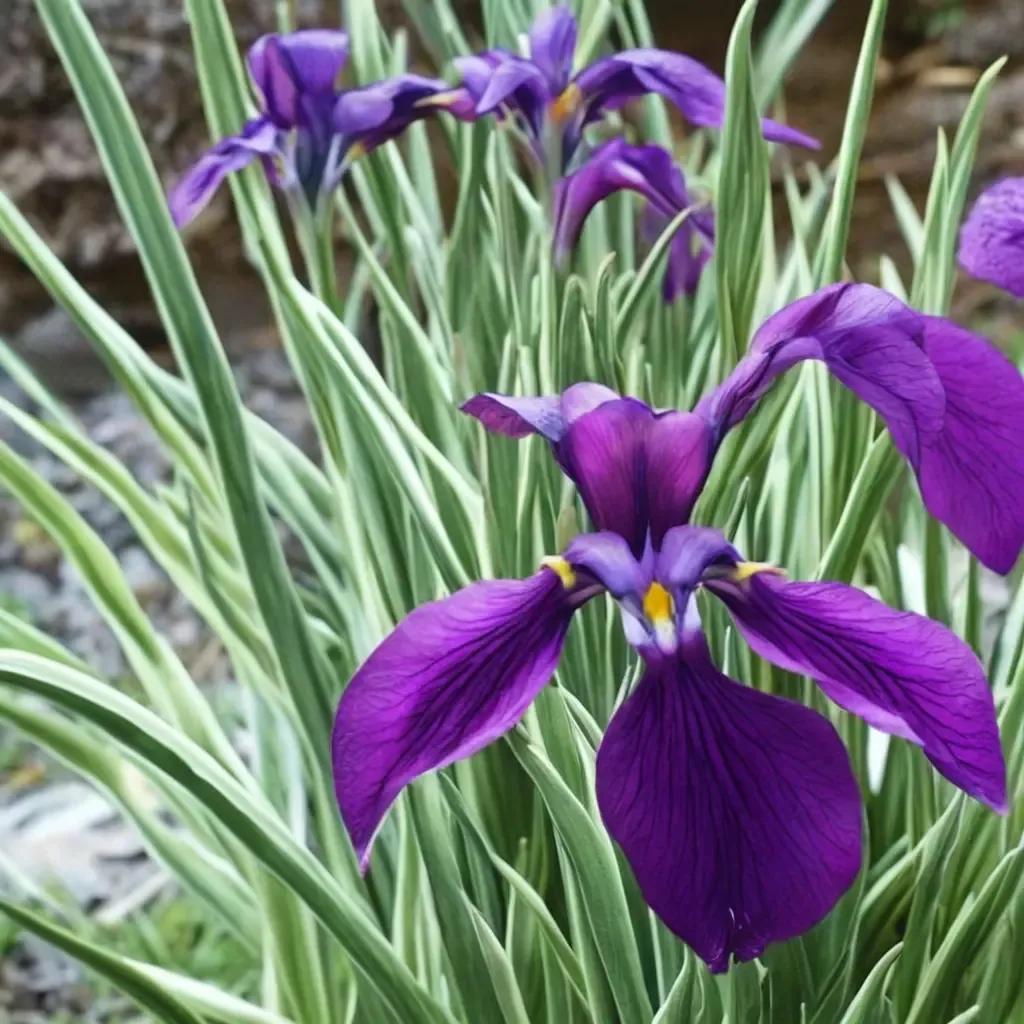 ‘Silverband’Japanese Iris Silverband Iris
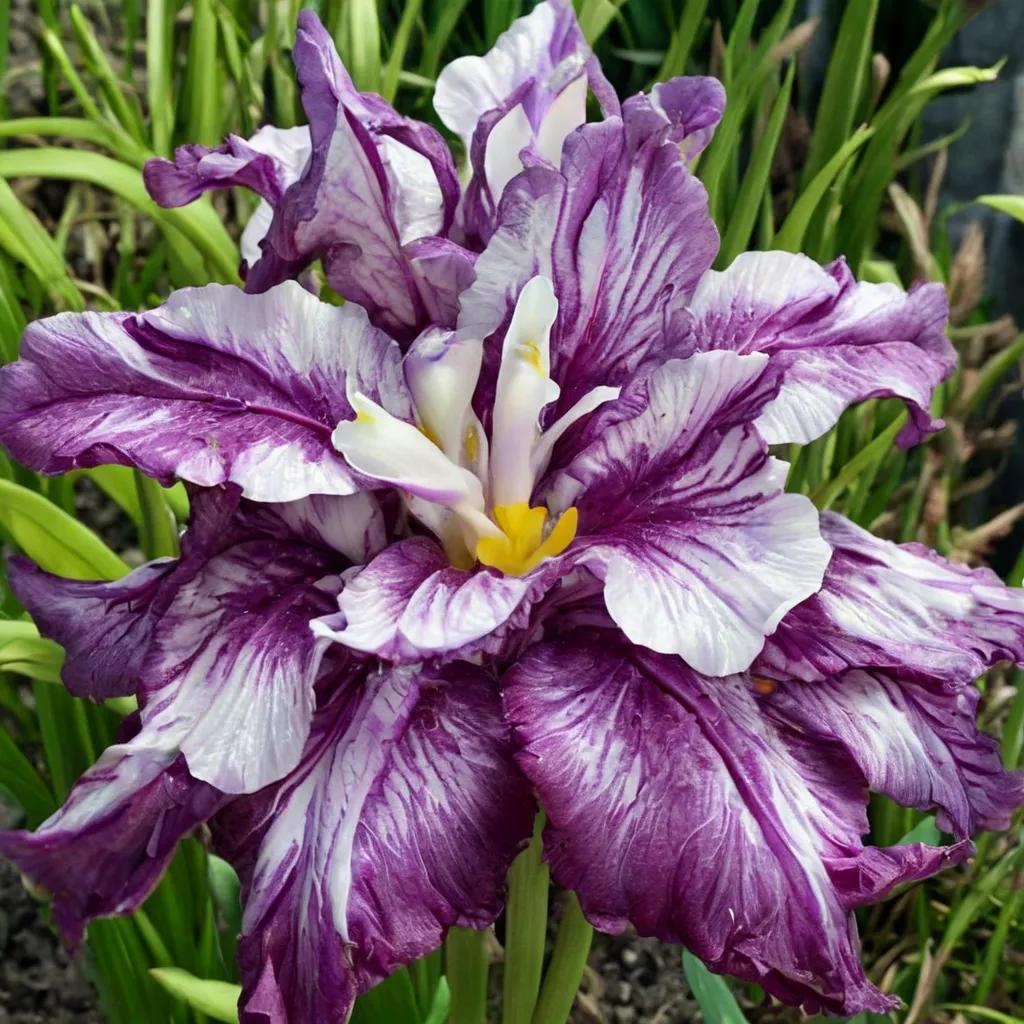 ‘Harlequinesque’Japanese Iris Harlequinesque
 ‘Little Snow Man’Little Snow Man Japanese Iris
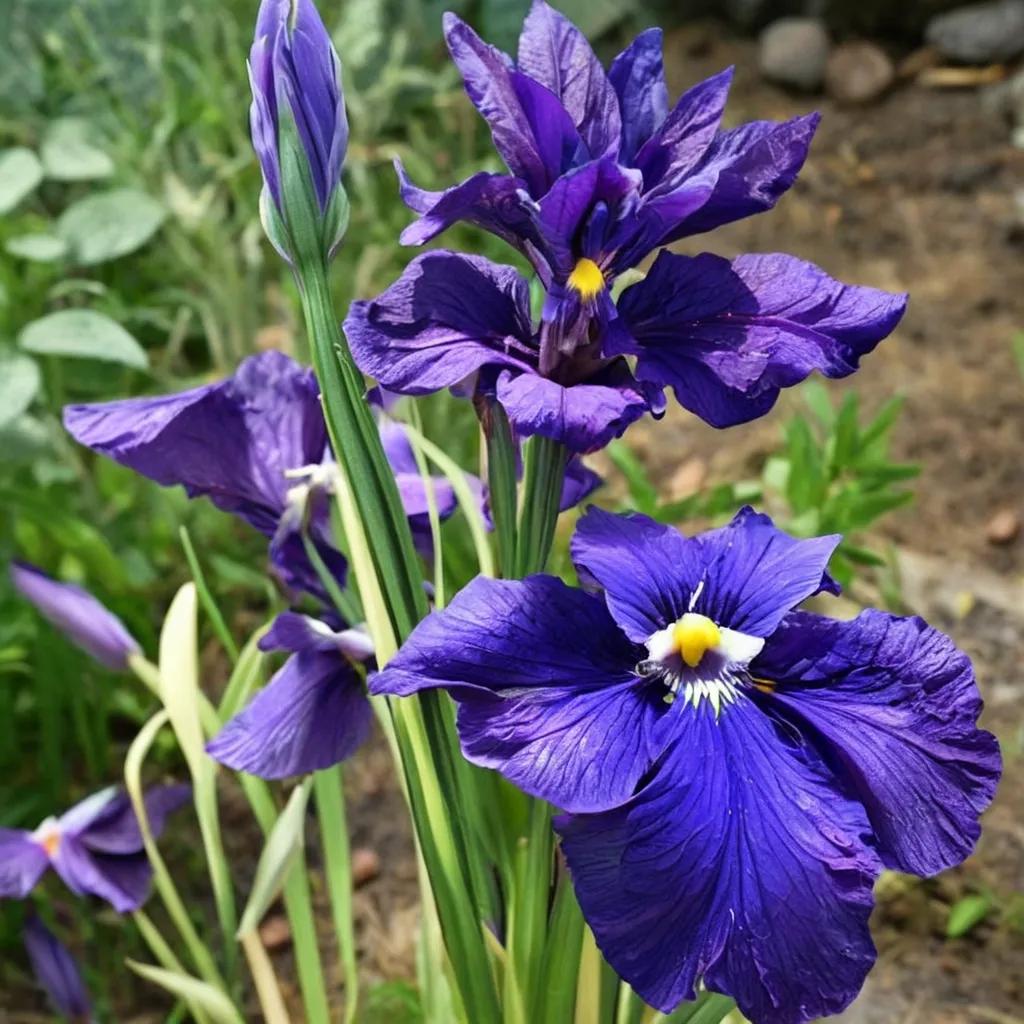 ‘Bellender Blue’Japanese Iris Bellender Blue
 ‘Cry of Rejoice’Japanese Iris Cry of Rejoice
 ‘Frilled Enchantment’Japanese Iris Frilled Enchantment
The Story
Plant Bio
Iris ensata, native to wetlands across eastern Asia, is a rhizomatous perennial forming upright clumps of sword-like foliage reaching up to three feet tall. It produces flattened, multi-petaled blooms with broad drooping falls held on erect stems above the leaves in early to mid-summer.
'Variegata' features bold longitudinal cream to silvery-white stripes across its green foliage that remain distinct through the summer season. Its flowers display a rich dark purple hue with a reddish sheen, highlighted by bright golden-yellow signal patches at the base of each fall.
Uses & Benefits:
Essentials
At a Glance
Plant Type
Perennial
Height
39"
Width
24"
Light
Full Sun, Partial Sun
Zones
4, 5, 6, 7, 8, 9
Water
High (damp in summer, drained in winter)
Humidity
High
Lifespan
Perennial
Native To
Asia (Japan, China, Korea, Russia)
Toxicity
Low toxicity to pets and humans
Bloom period
Early summer – Mid summer
In flower about 2 months of the year
Marketplace
Where to Buy
Shipping costs Year-round shipping Free shipping
Planting
How to Grow
- Choose a site in full sun or partial shade with acidic, organically rich soil.
- Plant rhizomes vertically two to three inches below the soil surface, spaced eighteen to twenty-four inches apart.
- Keep soil consistently damp or saturated throughout active spring and summer growth.
- Ensure winter site condition allows drainage to prevent dormant root rot.
Pro Tip
Plant rhizomes vertically two to three inches deep in acidic, moisture-retentive soil, and ensure site drainage is adequate in winter to prevent fatal rhizome rot.
Keep It Thriving
Care Guide
Do
- Maintain consistent soil moisture throughout active spring and summer growth.
- Apply an acid-forming fertilizer in early spring and after bloom concludes.
- Plant rhizomes vertically two to three inches below the surface.
Don't
- Do not allow soil to remain waterlogged during cold winter dormancy.
- Do not add lime or plant in alkaline soils, which induces severe iron chlorosis.
- Do not fertilize newly divided or freshly transplanted rhizomes.
Seasonal Care Calendar
| Task | Jan | Feb | Mar | Apr | May | Jun | Jul | Aug | Sep | Oct | Nov | Dec |
|---|---|---|---|---|---|---|---|---|---|---|---|---|
| Divide | ||||||||||||
| Fertilize | ||||||||||||
| Prune | ||||||||||||
| Spring Cleanup |
Watch Out For
Pests & Diseases
Common Pests
Common Diseases
In the Garden
Landscape Uses & Companions
Landscape Uses
Multiply
Propagation Methods
Good to Know
Common Questions
Variegated Japanese Iris questions
What zones can Variegated Japanese Iris grow in?
Variegated Japanese Iris is hardy in USDA Zones 4–9. Inside that range it survives winter in the ground; outside it, grow it as an annual or a container plant you protect.
Is Variegated Japanese Iris deer resistant?
Yes — Variegated Japanese Iris is rated deer-resistant. Deer typically pass it over, though extreme hunger can override any plant's defenses.
When does Variegated Japanese Iris bloom?
Variegated Japanese Iris typically blooms in early summer through mid summer. Exact timing shifts a week or two with your zone — Sow's bloom calendar maps it to your garden.
Does Variegated Japanese Iris need full sun?
Variegated Japanese Iris does best in full sun to part shade. In hot climates, afternoon shade keeps blooms fresher longer.
More Iris to compare
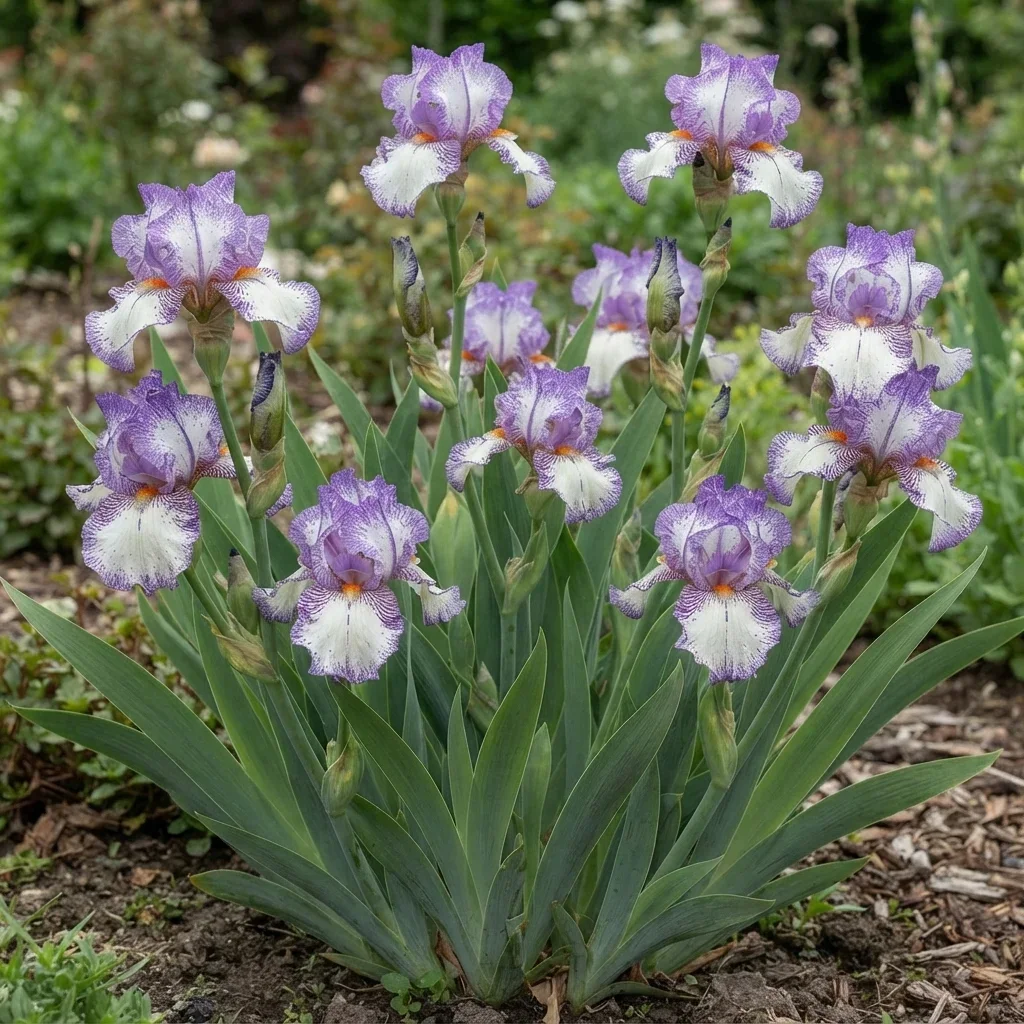
German Iris Bearded Iris
Iris x germanica 'Mix'
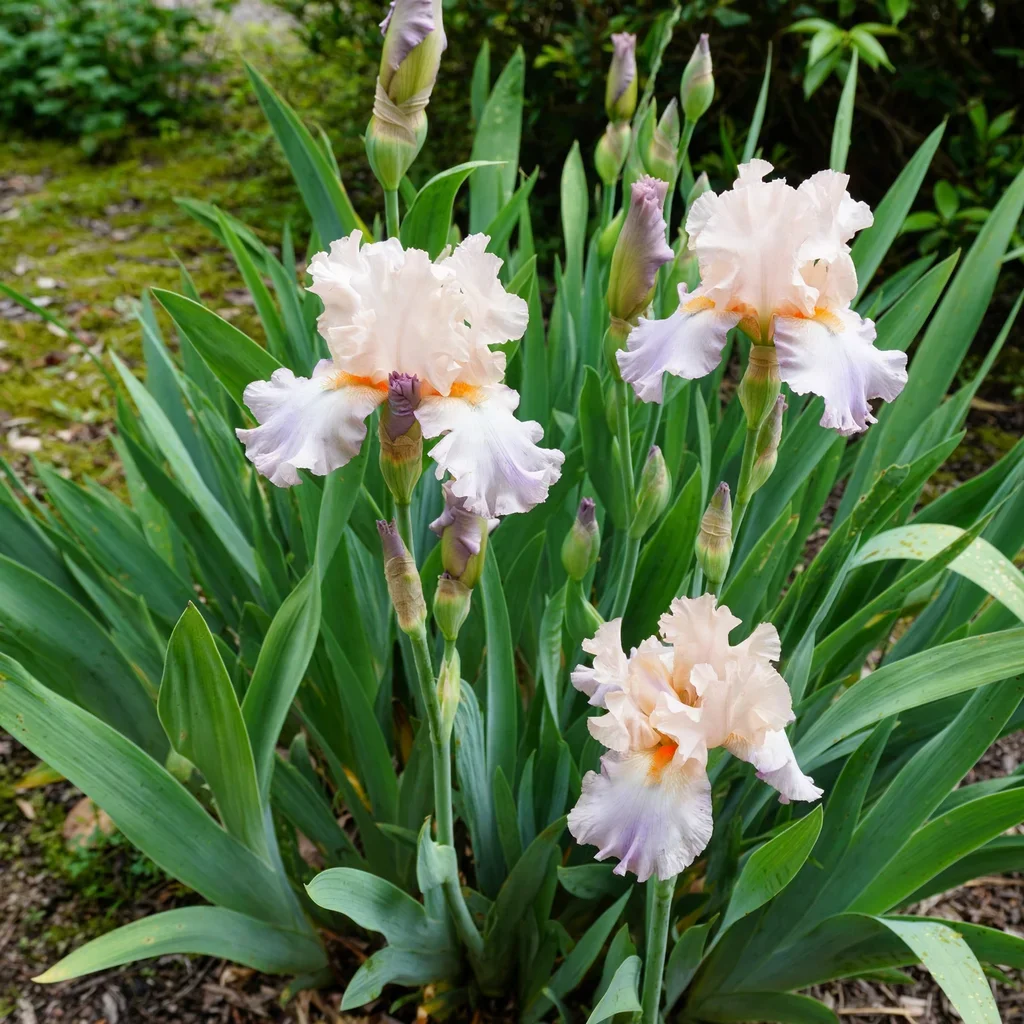
Celebration Song Iris
Iris tenuissima 'Celebration Song'
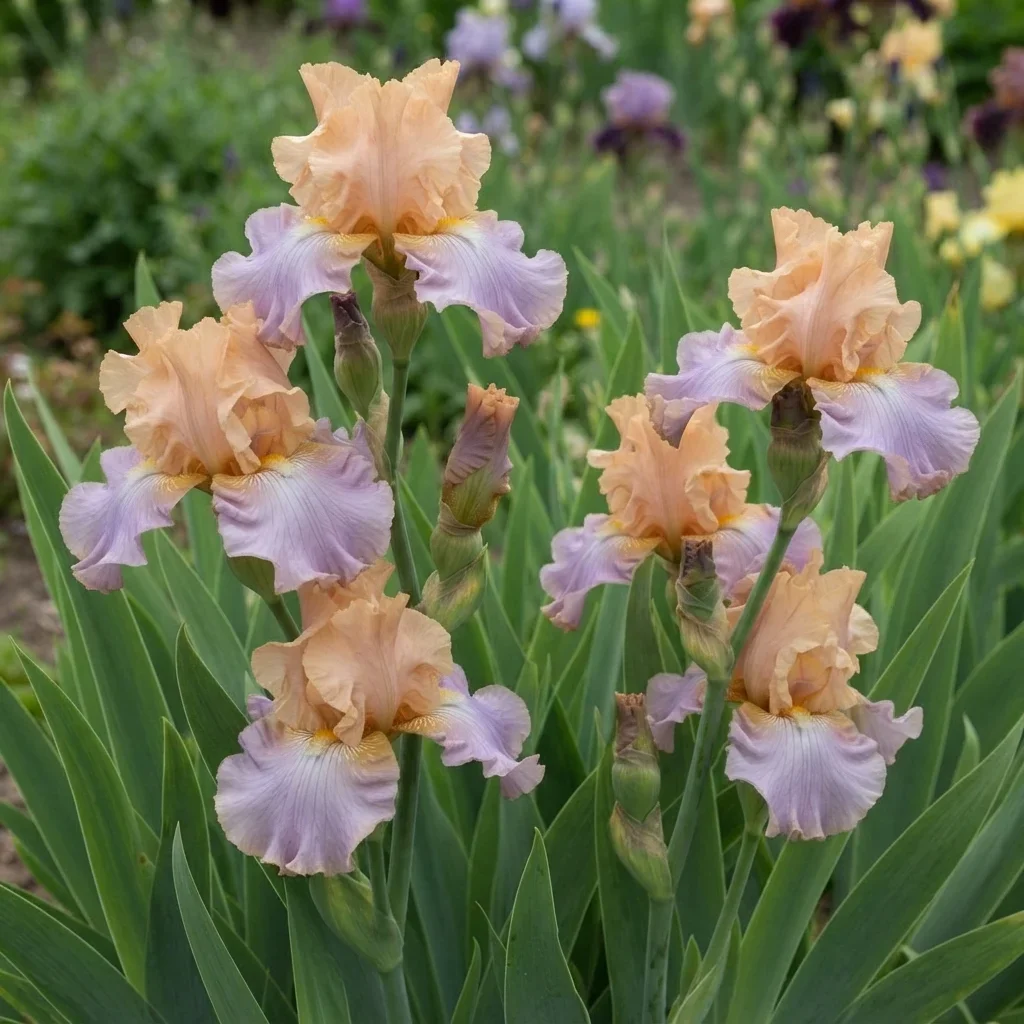
Poem of Ecstasy German Iris
Iris x germanica 'Poem Of Ecstasy'
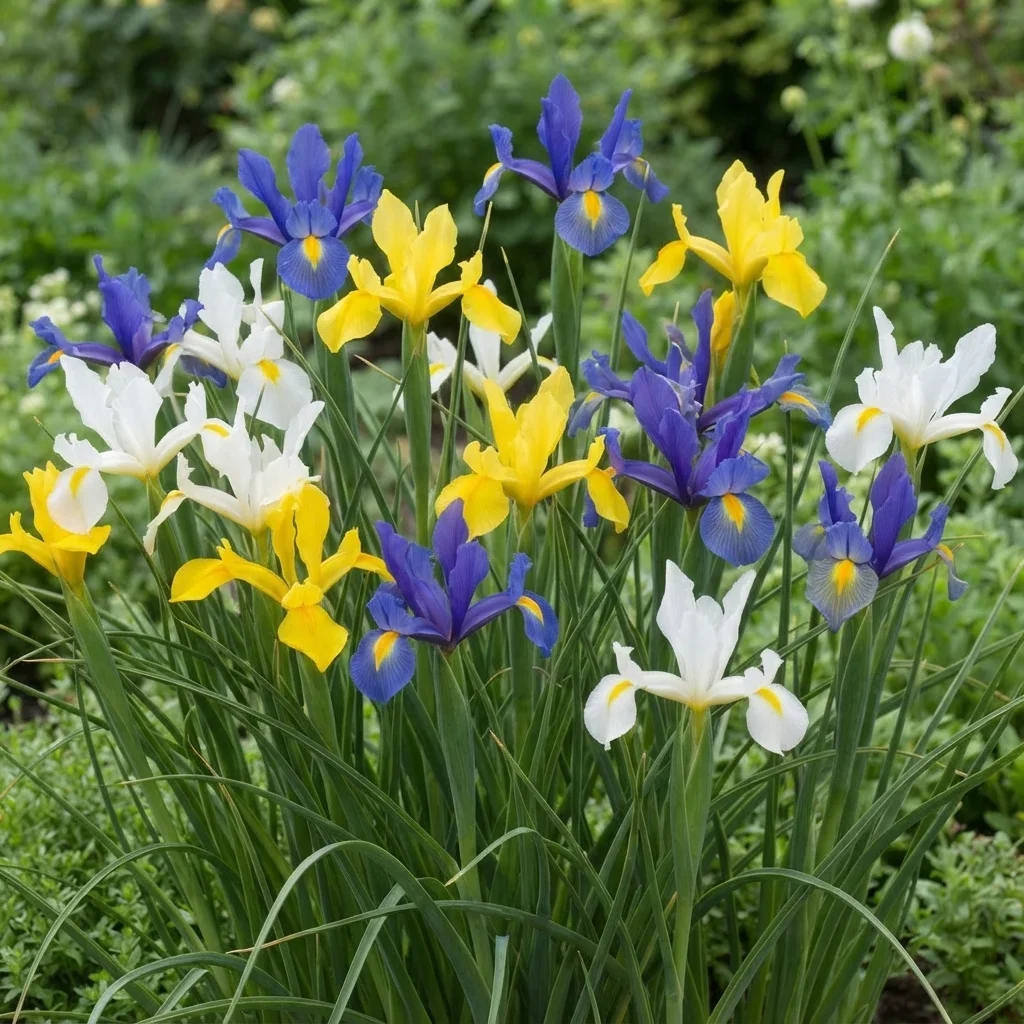
Dutch Iris Mix
Iris x hollandica 'Mix'
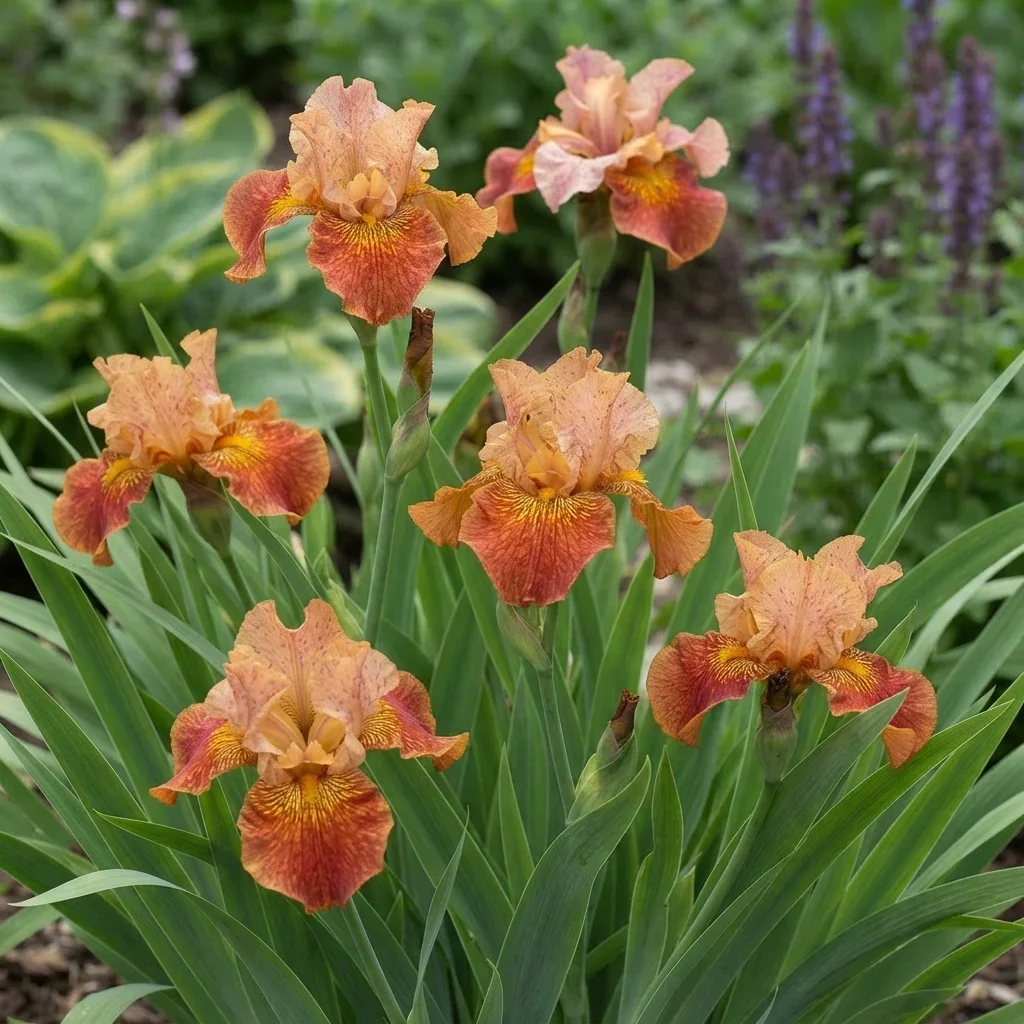
Siberian Iris 'Paprikash'
Iris x hybrida 'Paprikash'
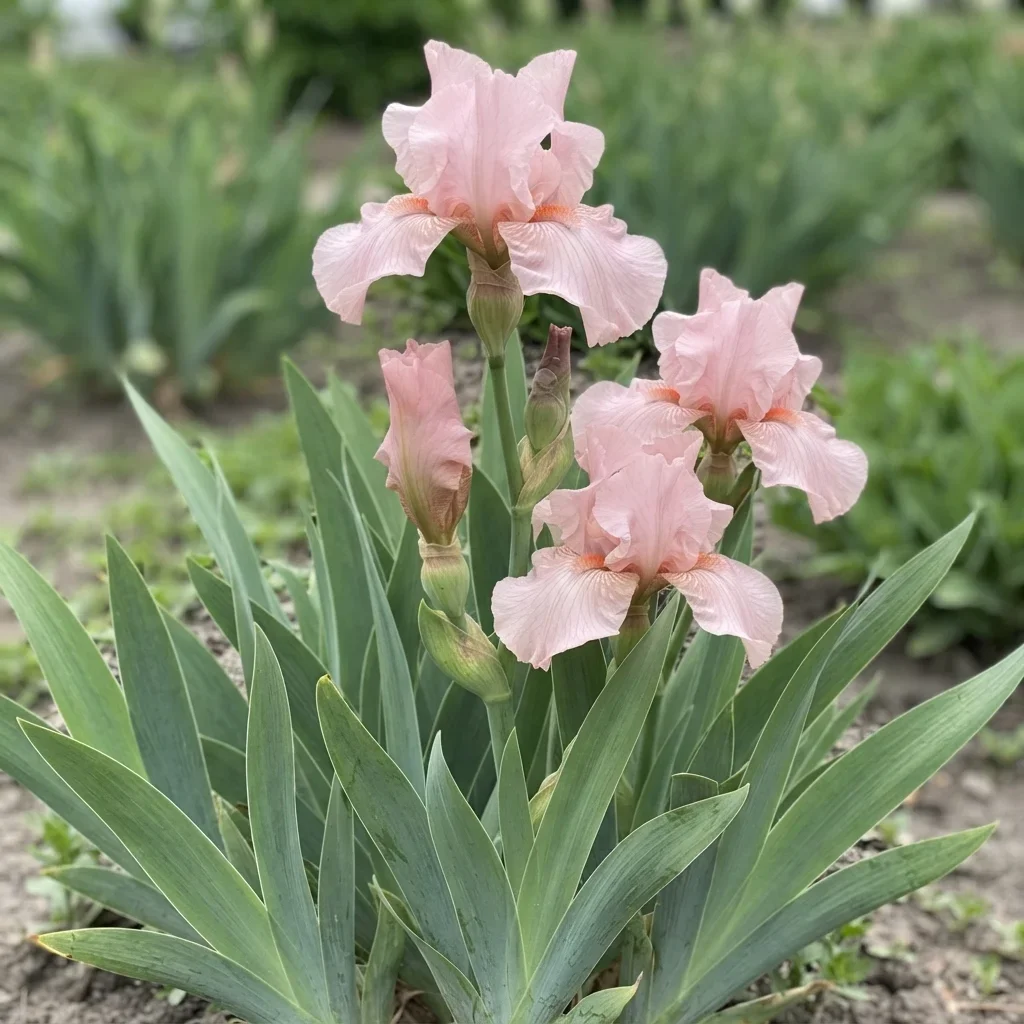
Baboon Bottom Bearded Iris
Iris x germanica 'Baboon Bottom Bearded'
Keep exploring
Explore the genus
Grow Variegated Japanese Iris with confidence
See it in a design of your actual yard, get zone-matched care reminders, and track it season by season in your garden journal.