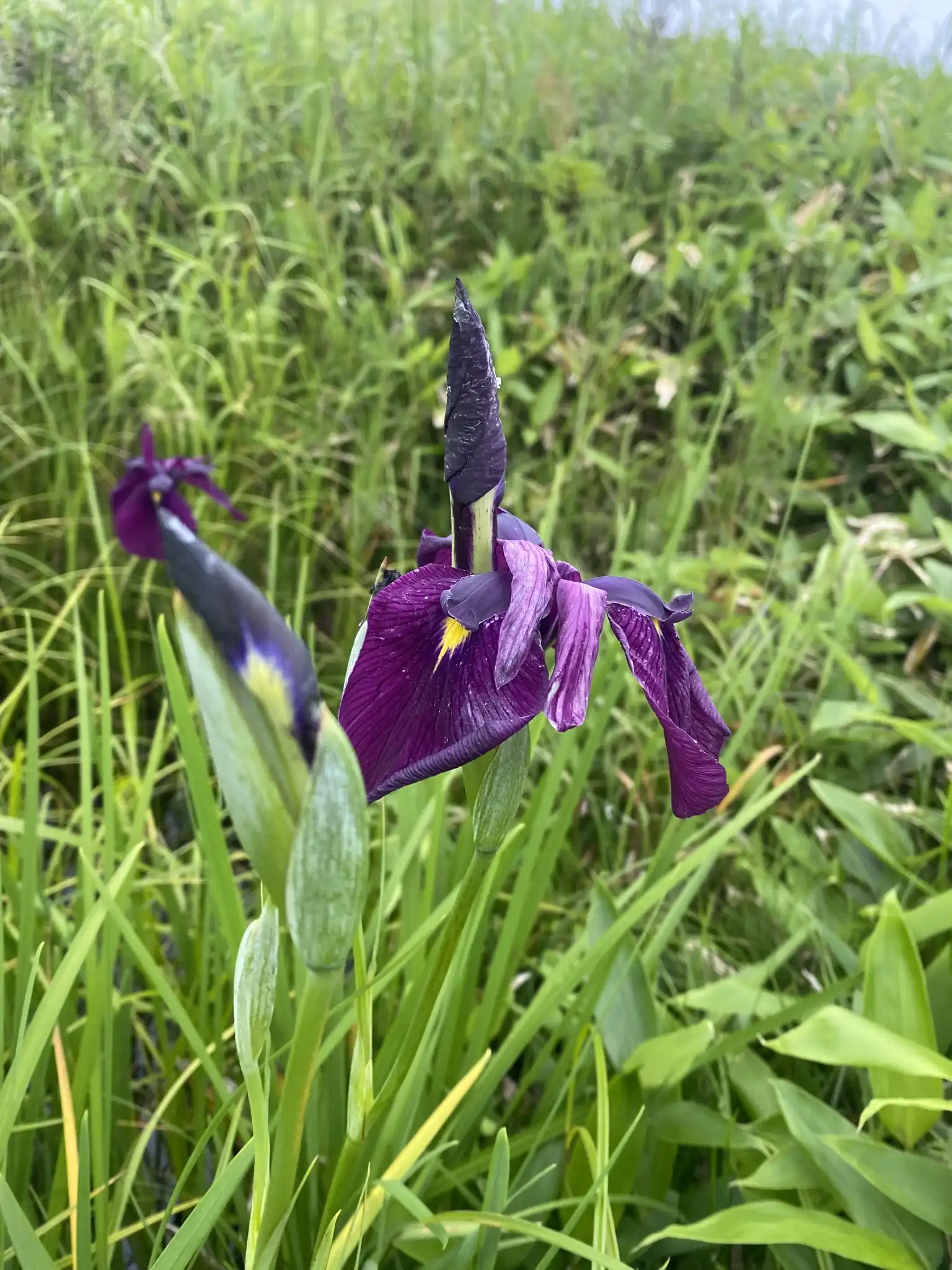
19 named cultivars
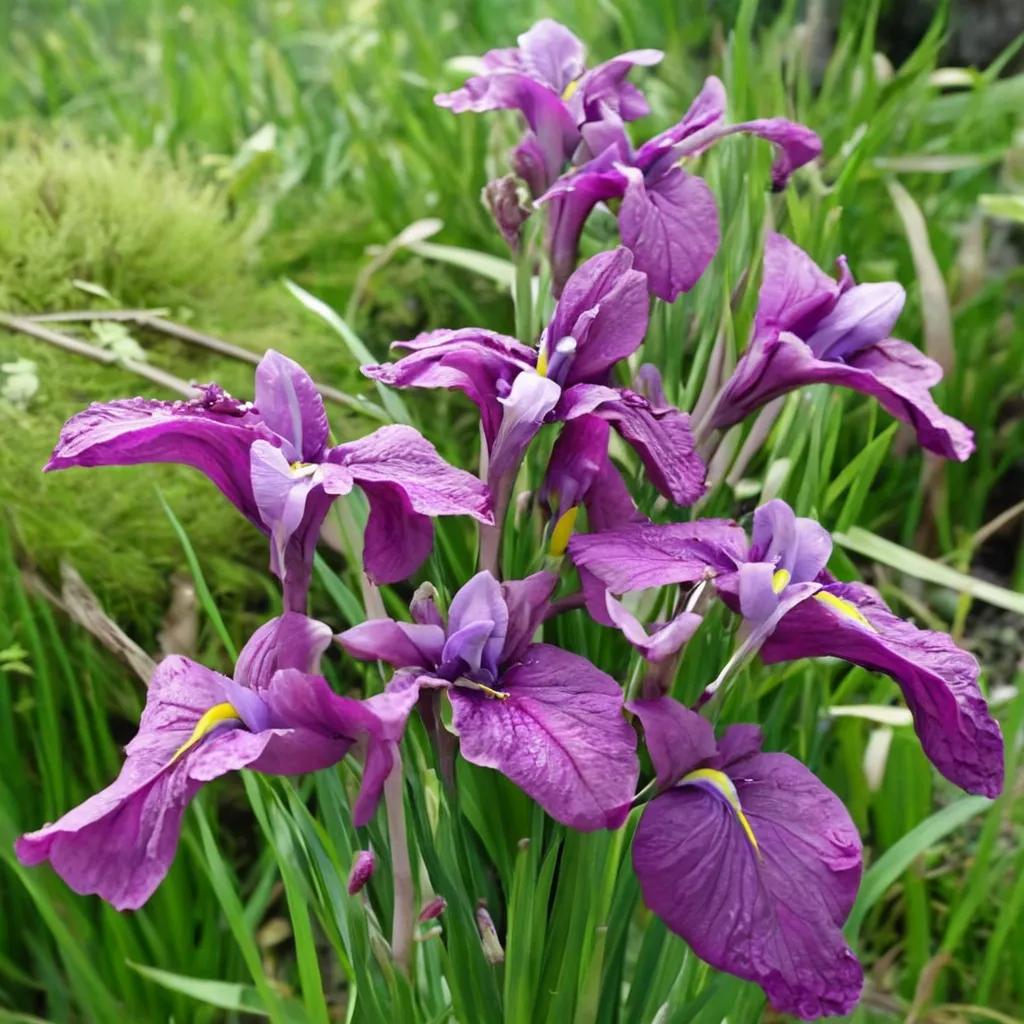 ‘Ruby King’Japanese Iris Ruby King
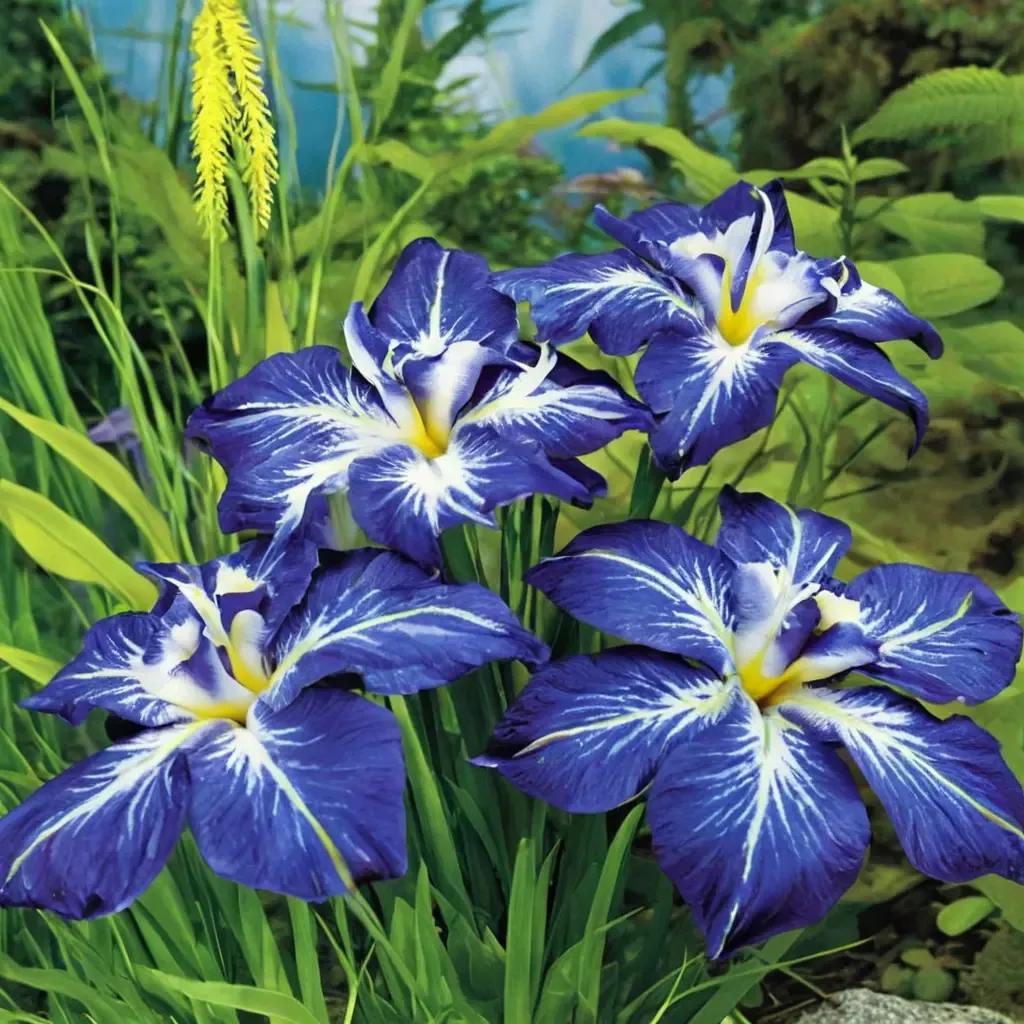 ‘Gusto’Gusto Japanese Iris
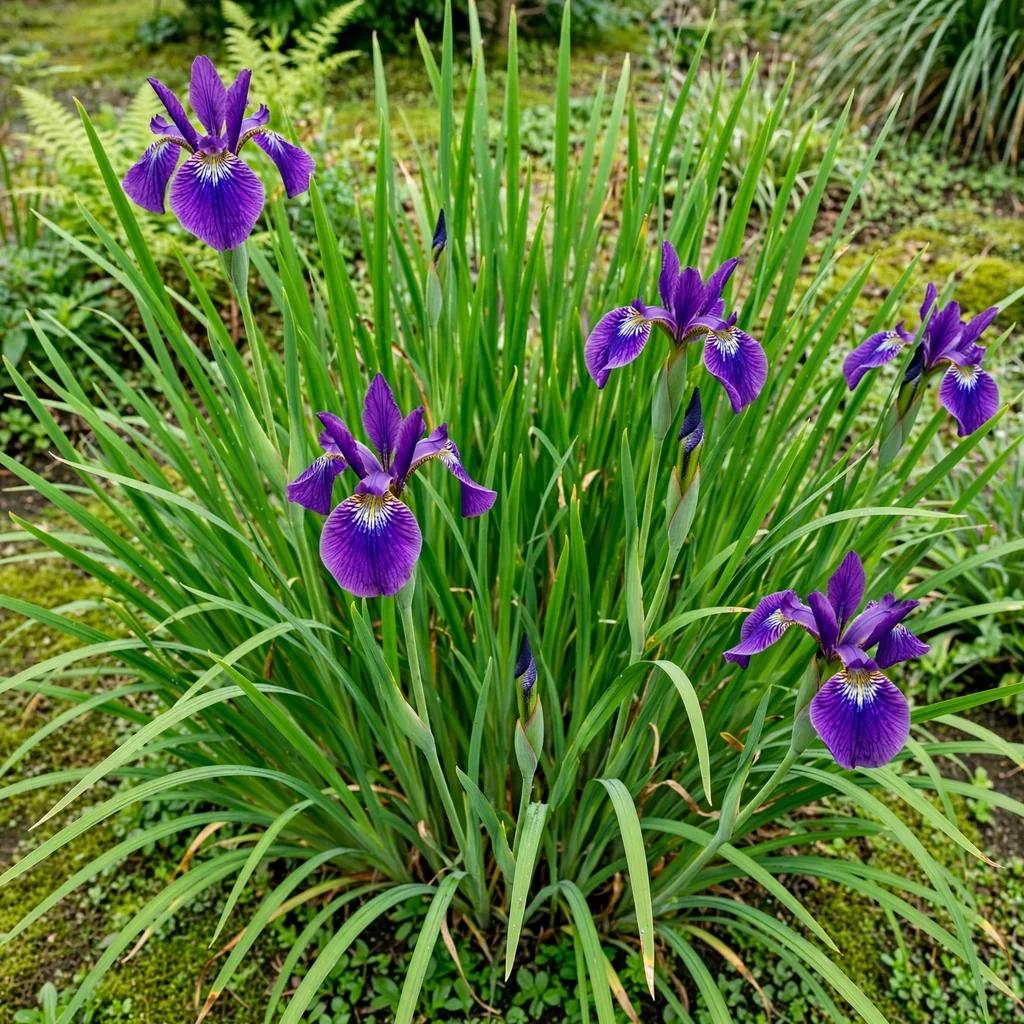 ‘Favorite’Japanese Iris Favorite
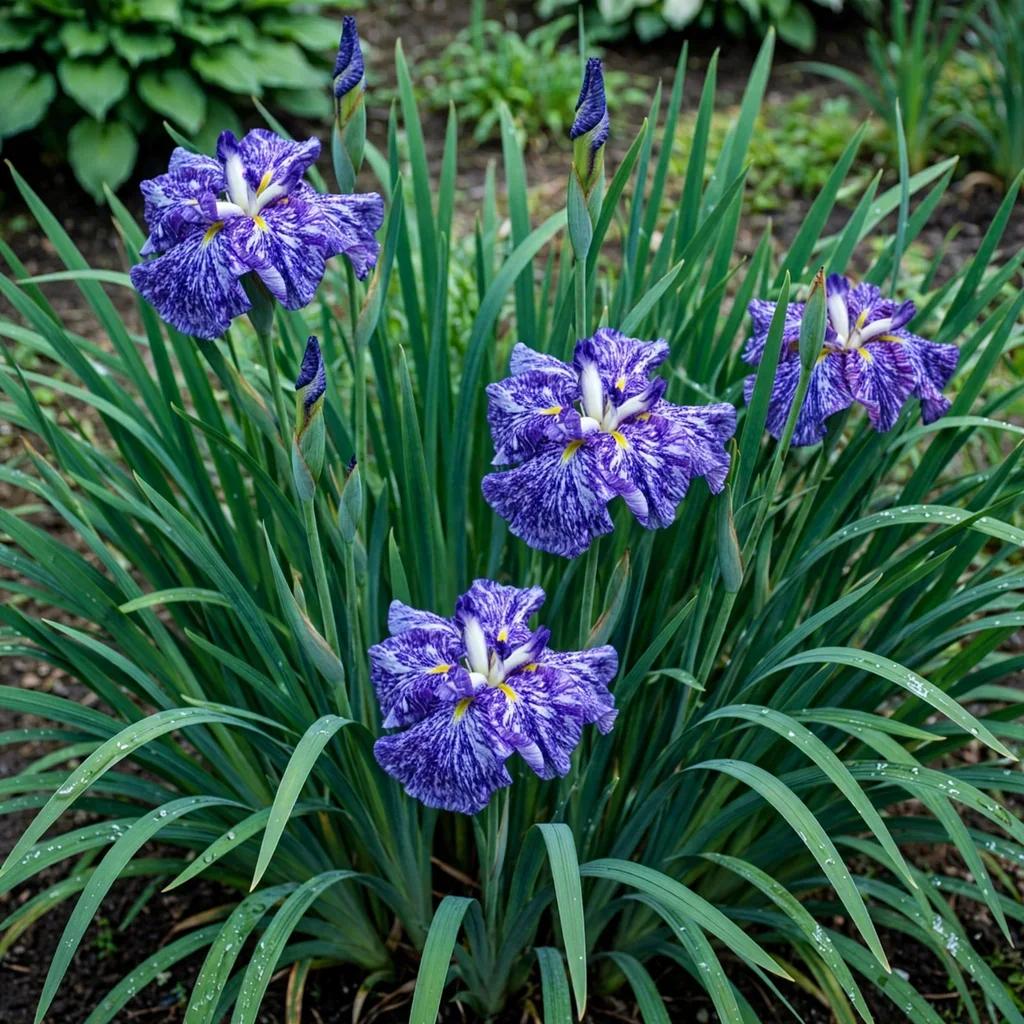 ‘Umi Botaru’Japanese Iris Umi Botaru
 ‘Royal Game’Japanese Iris Royal Game
 ‘Lion King’Lion King Japanese Iris
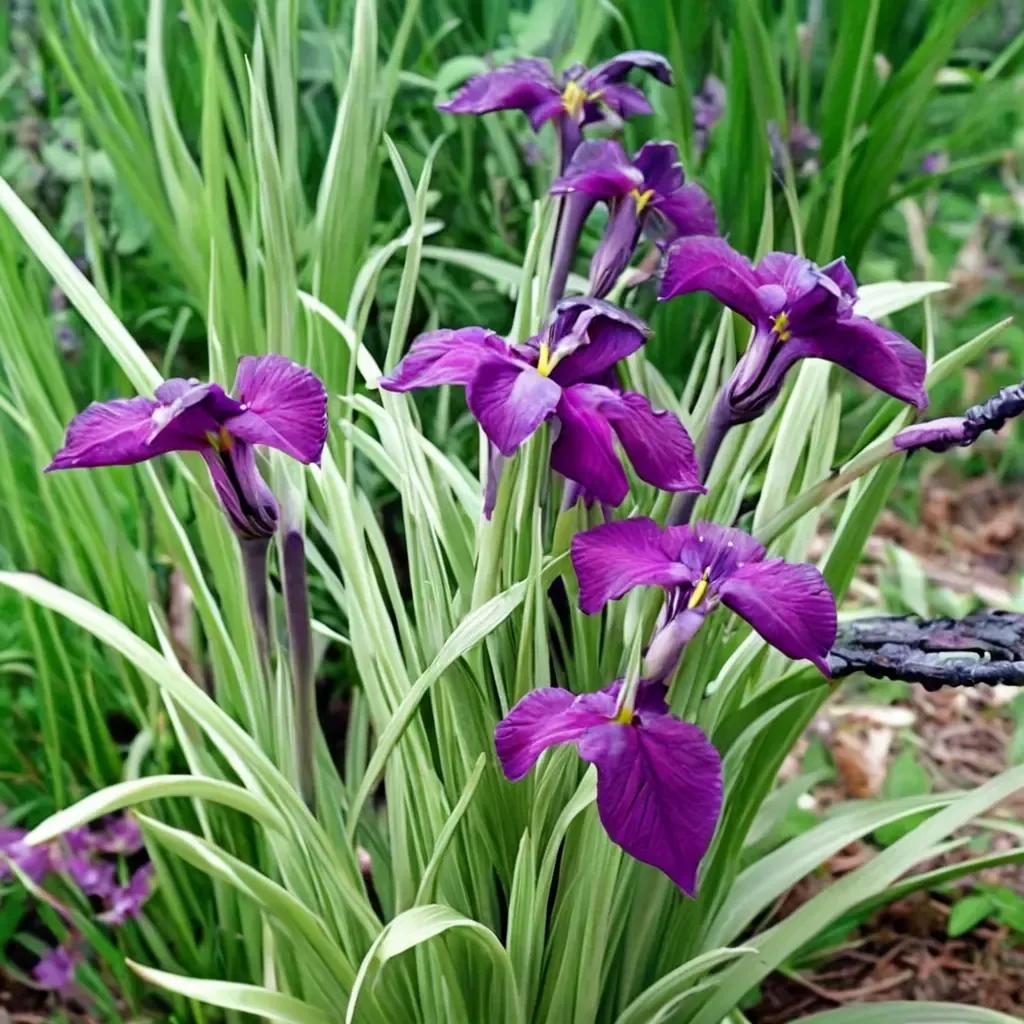 ‘Variegata Reginae’Variegata Reginae Variegated Japanese Iris
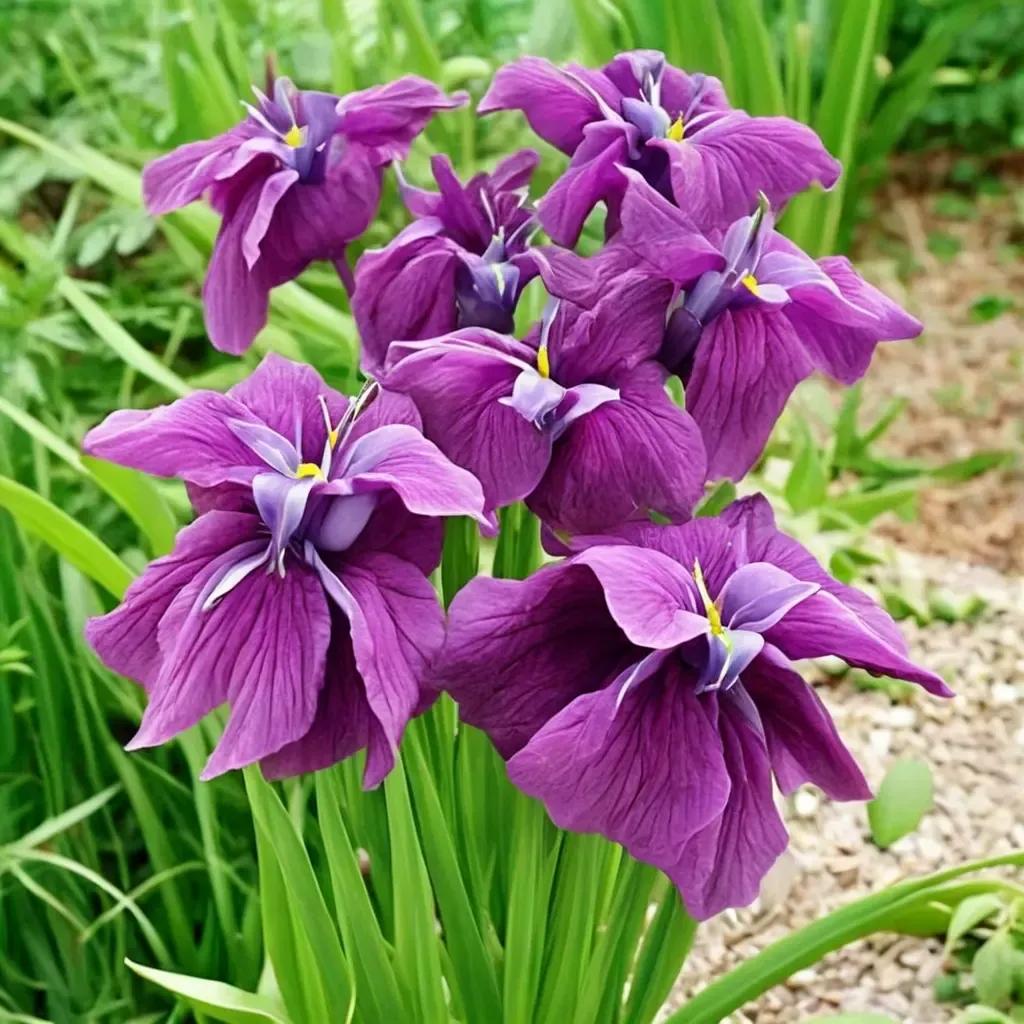 ‘Good Omen’Good Omen Japanese Iris
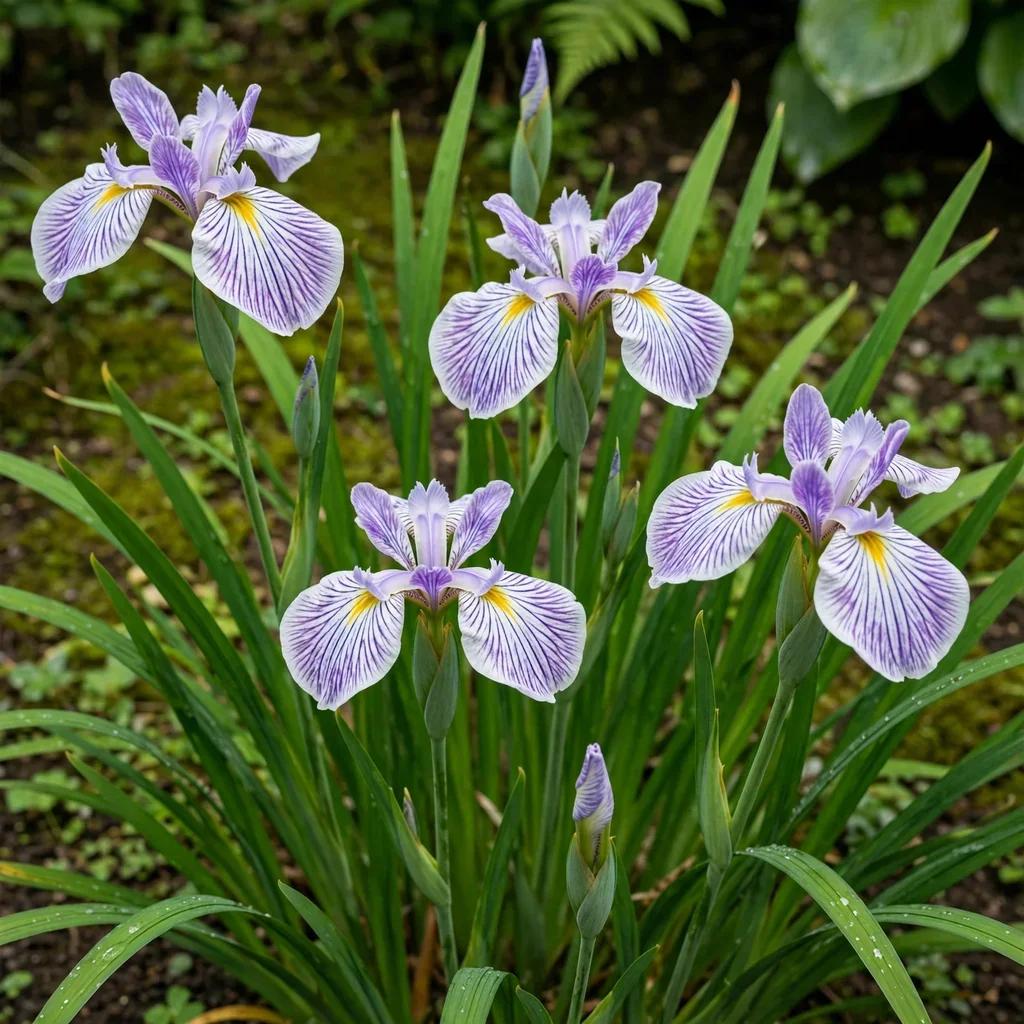 ‘Tora Tora’Japanese Iris Tora Tora
 ‘Stairway to Heaven’Stairway to Heaven Japanese Iris
 ‘Ocean Mist’Japanese Iris Ocean Mist
 ‘Miyonishiki’Japanese Iris Miyonishiki
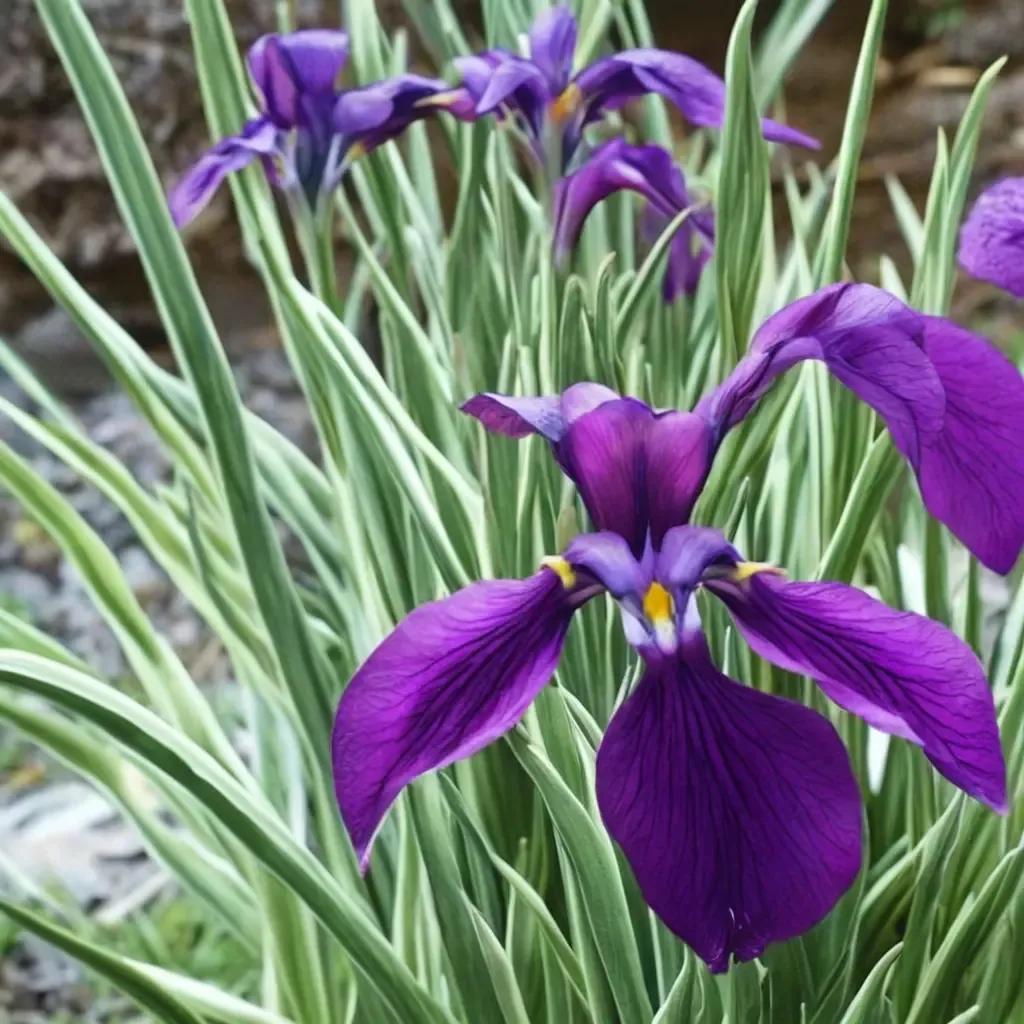 ‘Silverband’Japanese Iris Silverband Iris
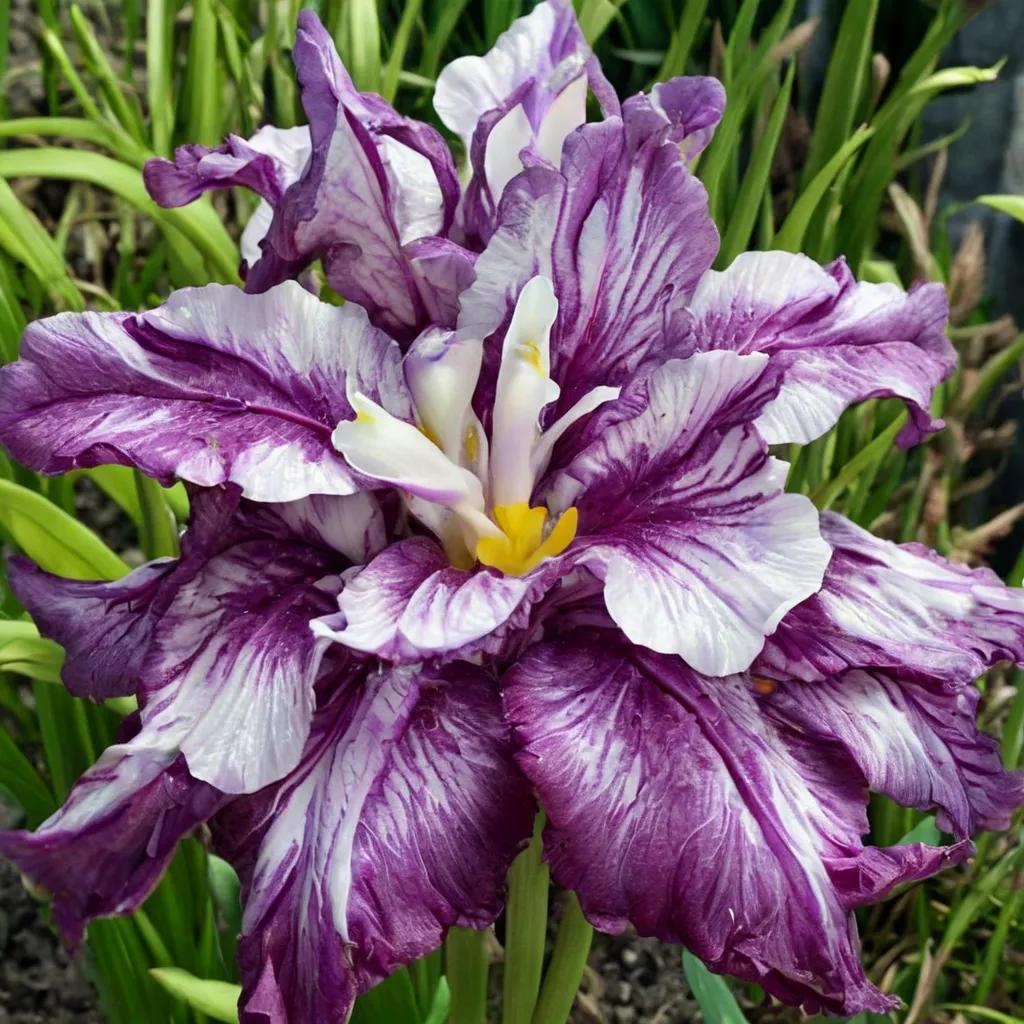 ‘Harlequinesque’Japanese Iris Harlequinesque
 ‘Little Snow Man’Little Snow Man Japanese Iris
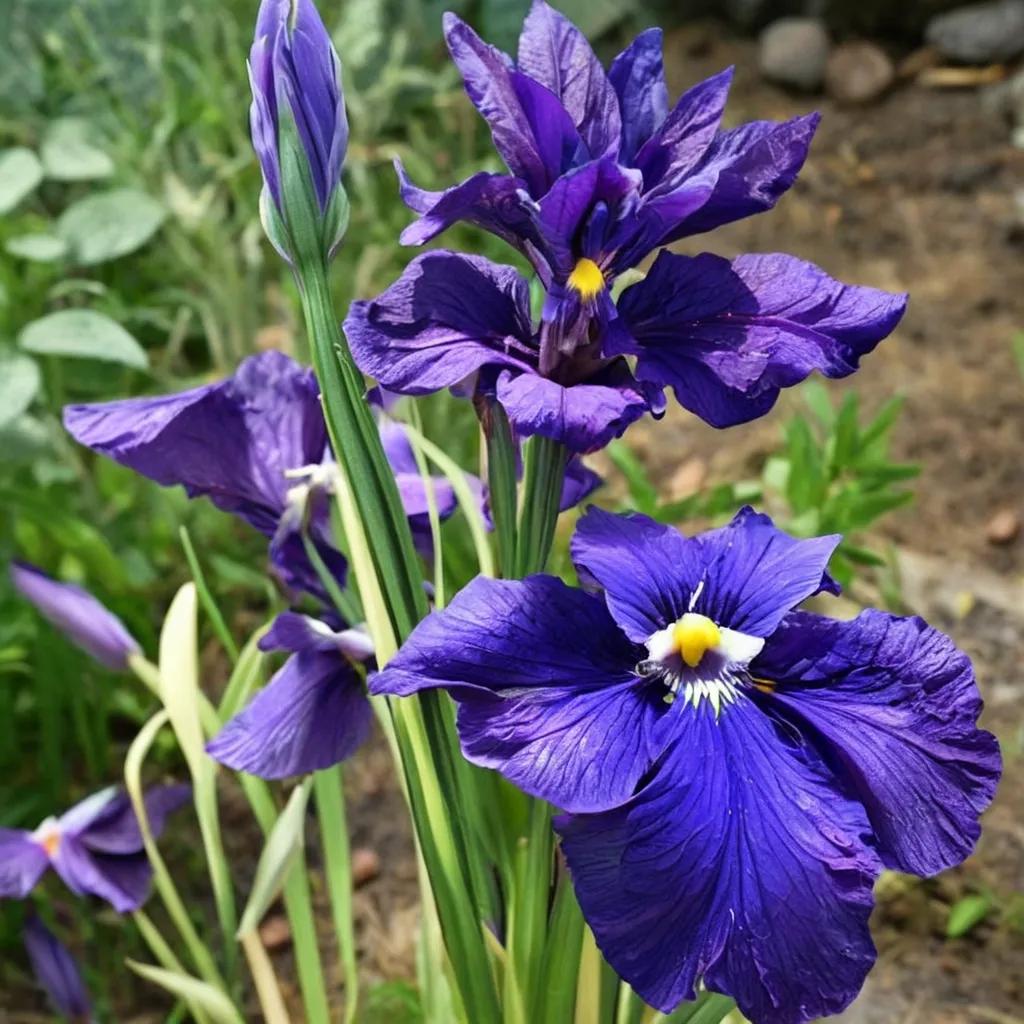 ‘Bellender Blue’Japanese Iris Bellender Blue
 ‘Cry of Rejoice’Japanese Iris Cry of Rejoice
 ‘Frilled Enchantment’Japanese Iris Frilled Enchantment
 ‘Variegata’Variegated Japanese Iris
The Story
Plant Bio
Iris ensata, commonly known as Japanese Iris, is known for its large, showy flowers and preference for moist environments.
Distinctively large blooms with flat petals, often found in various shades of blue, purple, and white.
Uses & Benefits:
Essentials
At a Glance
Plant Type
Perennial
Height
36"
Width
24"
Light
Full Sun, Partial Sun
Zones
4, 5, 6, 7, 8, 9
Water
Moderate to moist
Humidity
Moderate
Lifespan
10+ years
Native To
Asia (Japan, China, Korea)
Toxicity
Toxic to pets if ingested
Planting
How to Grow
- Select a well-drained, fertile soil with neutral to slightly acidic pH.
- Plant rhizomes in early spring or fall, spacing them 12 inches apart.
- Tuck rhizomes just below soil surface, ensuring leaves are above ground.
- Water thoroughly after planting and keep soil moist but not waterlogged.
- Mulch with organic material to retain moisture and suppress weeds for 2-3 inches.
- Divide clumps every 3-4 years in early spring or fall to maintain vigor.
Pro Tip
Ensure good air circulation around plants to prevent fungal diseases.
Keep It Thriving
Care Guide
Do
- Water regularly to keep soil consistently moist 🌱
- Use composted organic matter annually to enrich soil
- Remove spent flowers to encourage new blooms
Don't
- Avoid overwatering which can cause root rot ❌
- Do not plant in heavy, poorly drained clay soils
- Refrain from fertilizing with high nitrogen in late season
Seasonal Care Calendar
| Task | Jan | Feb | Mar | Apr | May | Jun | Jul | Aug | Sep | Oct | Nov | Dec |
|---|---|---|---|---|---|---|---|---|---|---|---|---|
| Deadhead | ||||||||||||
| Divide | ||||||||||||
| Fertilize | ||||||||||||
| Prune | ||||||||||||
| Spring Cleanup |
Watch Out For
Pests & Diseases
Common Pests
Common Diseases
In the Garden
Landscape Uses & Companions
Landscape Uses
Companion Plants
Multiply
Propagation Methods
Good to Know
Common Questions
Japanese Iris questions
What zones can Japanese Iris grow in?
Japanese Iris is hardy in USDA Zones 4–9. Inside that range it survives winter in the ground; outside it, grow it as an annual or a container plant you protect.
Is Japanese Iris deer resistant?
Yes — Japanese Iris is rated deer-resistant. Deer typically pass it over, though extreme hunger can override any plant's defenses.
When does Japanese Iris bloom?
Japanese Iris typically blooms in early summer through late spring. Exact timing shifts a week or two with your zone — Sow's bloom calendar maps it to your garden.
Does Japanese Iris need full sun?
Japanese Iris does best in full sun to part shade. In hot climates, afternoon shade keeps blooms fresher longer.
More Iris to compare
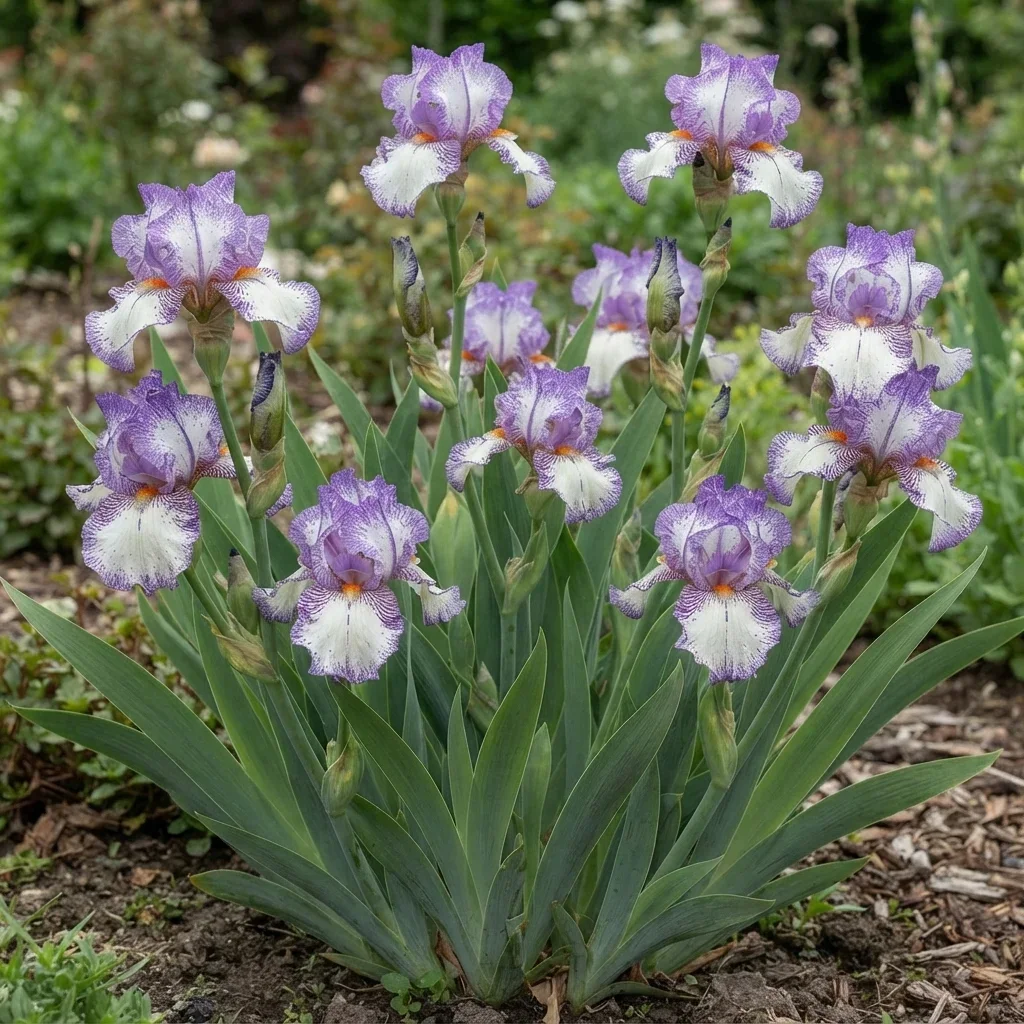
German Iris Bearded Iris
Iris x germanica 'Mix'
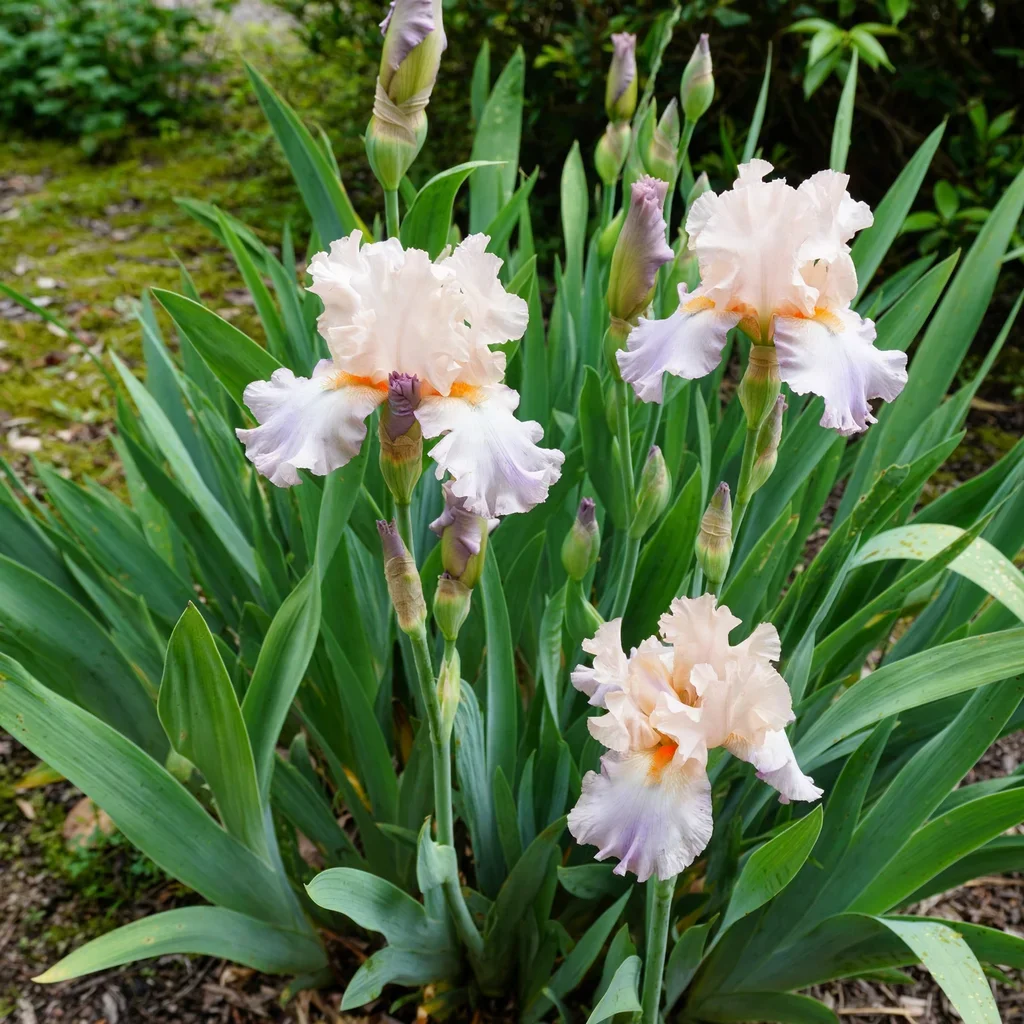
Celebration Song Iris
Iris tenuissima 'Celebration Song'
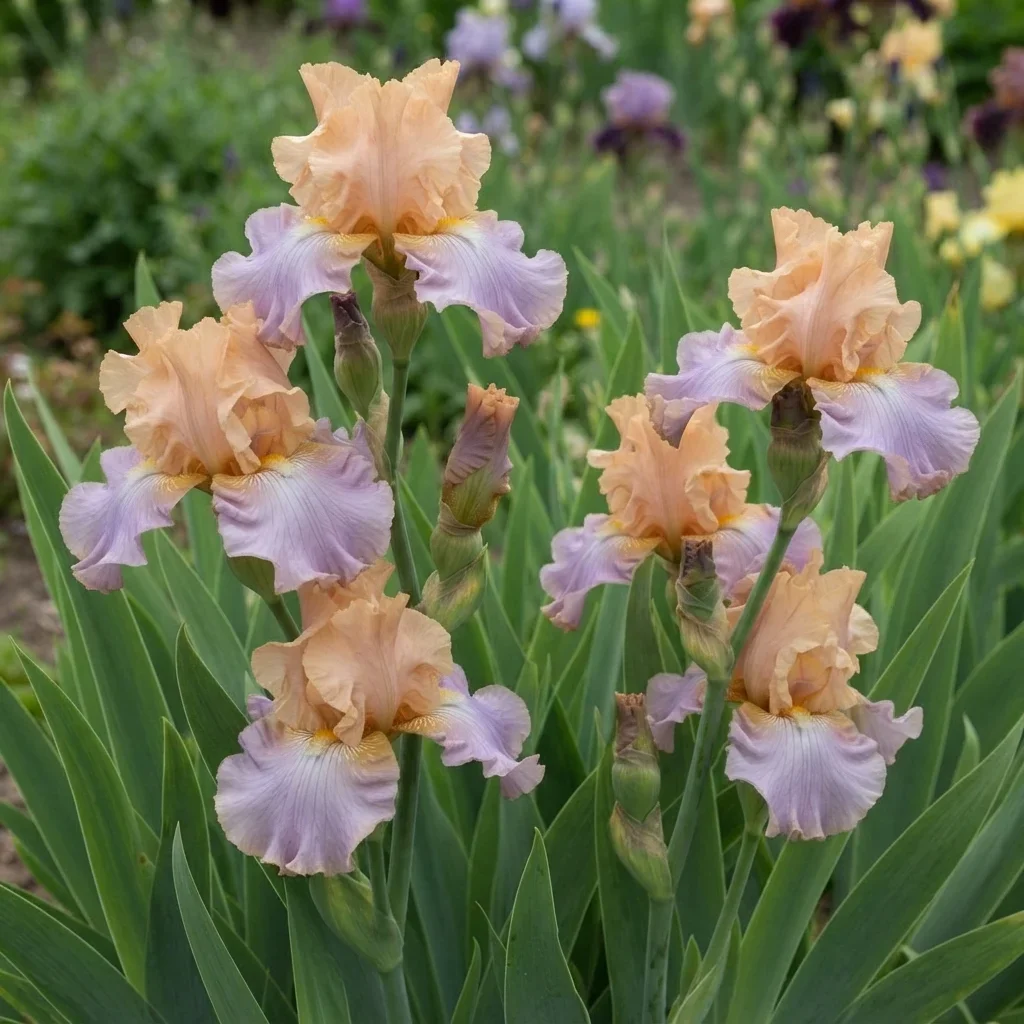
Poem of Ecstasy German Iris
Iris x germanica 'Poem Of Ecstasy'
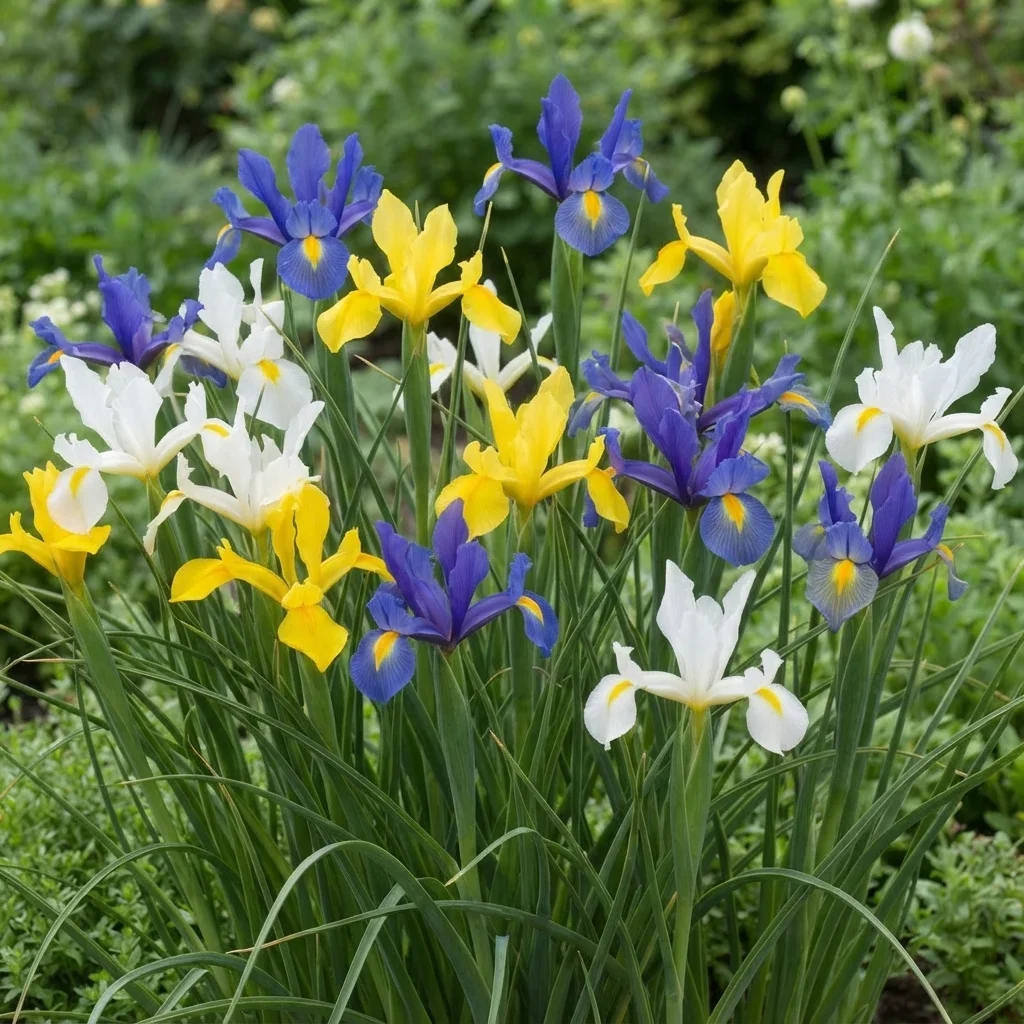
Dutch Iris Mix
Iris x hollandica 'Mix'
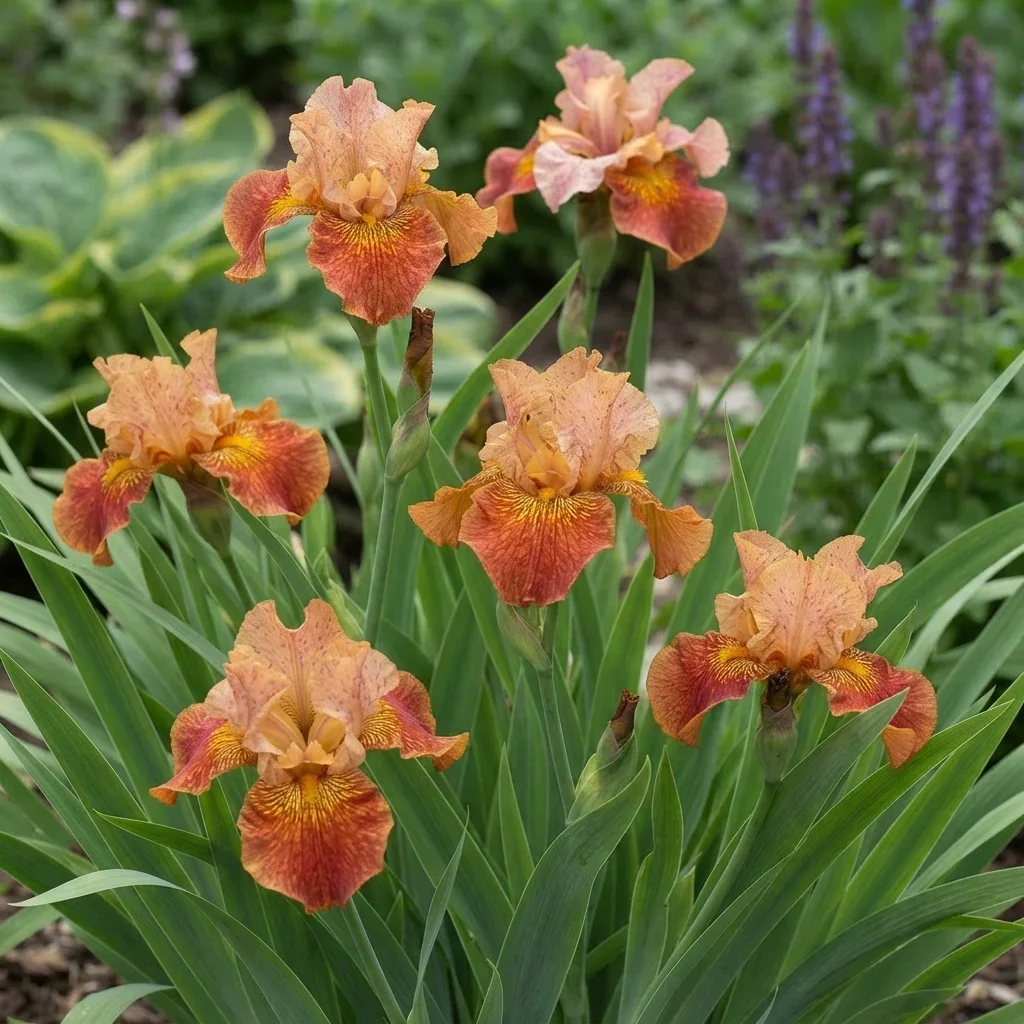
Siberian Iris 'Paprikash'
Iris x hybrida 'Paprikash'
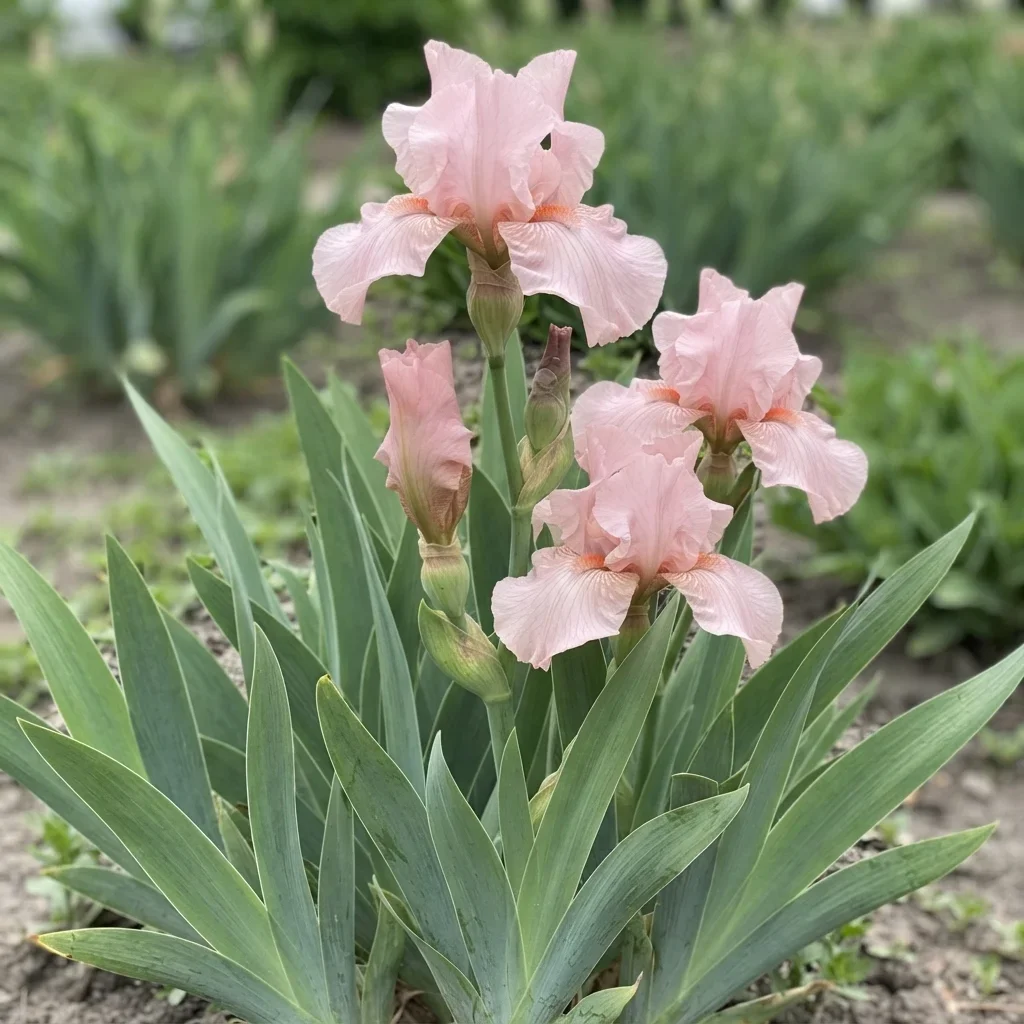
Baboon Bottom Bearded Iris
Iris x germanica 'Baboon Bottom Bearded'
Keep exploring
Explore the genus
Grow Japanese Iris with confidence
See it in a design of your actual yard, get zone-matched care reminders, and track it season by season in your garden journal.