
Species
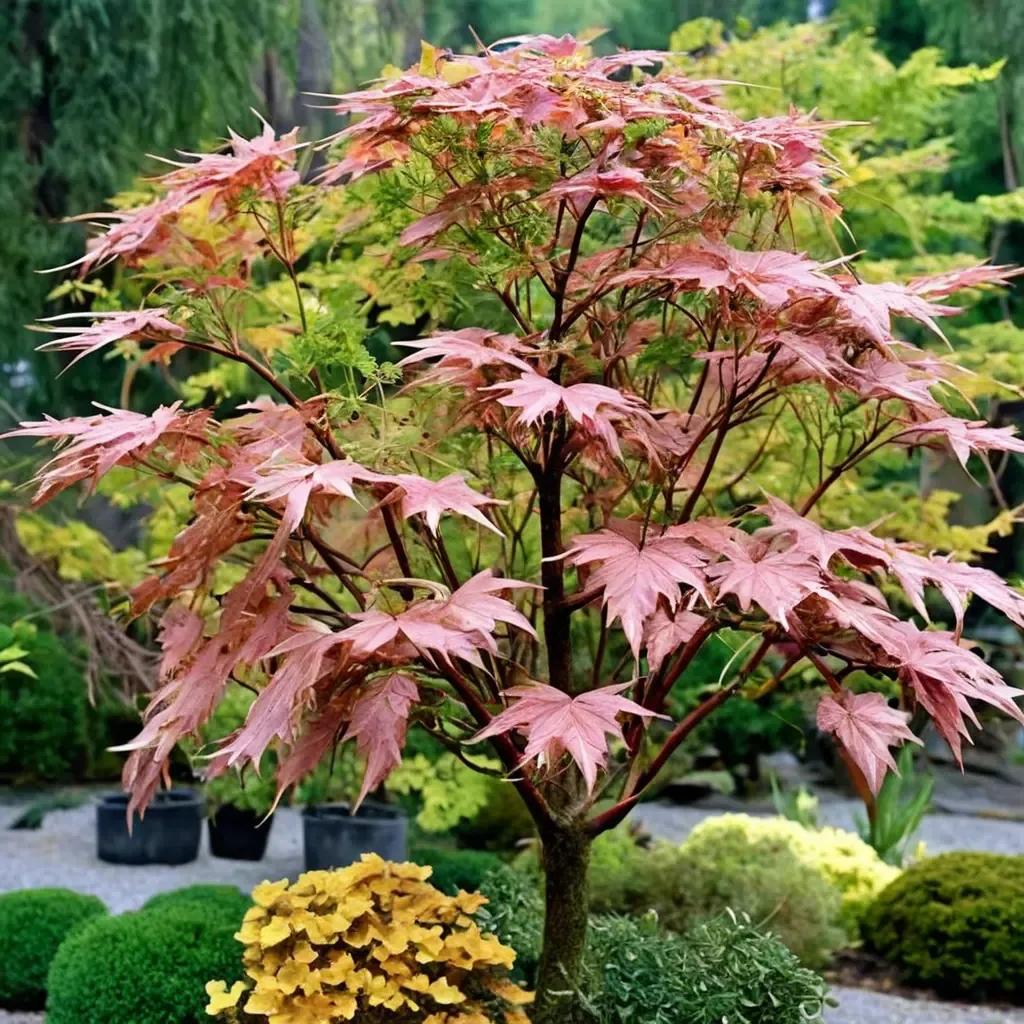 Acer palmatumJapanese Maple
23 other cultivars
 ‘Bloodgood’Bloodgood Japanese Maple
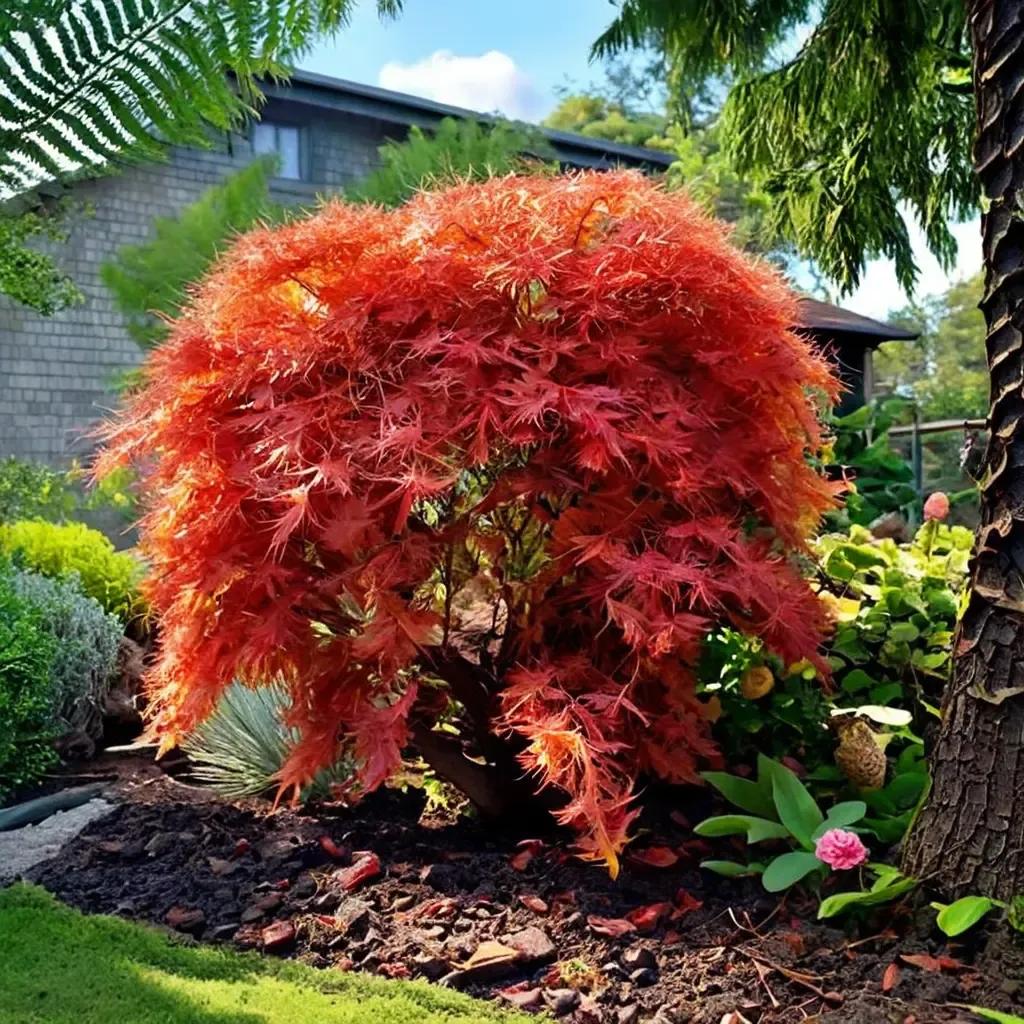 ‘Orangeola’Orangeola Japanese Maple
 ‘Crimson Queen’Crimson Queen Japanese Maple
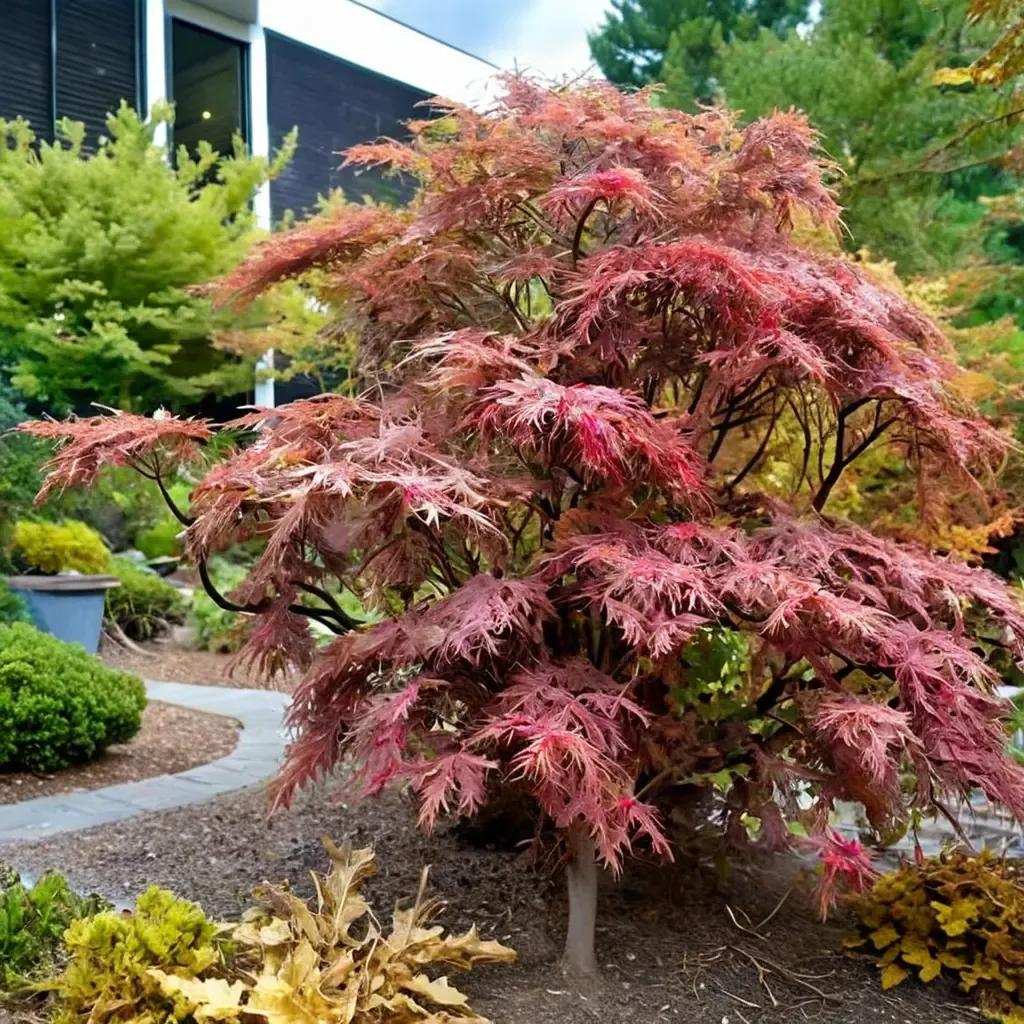 ‘Shidare’Weeping Japanese Maple
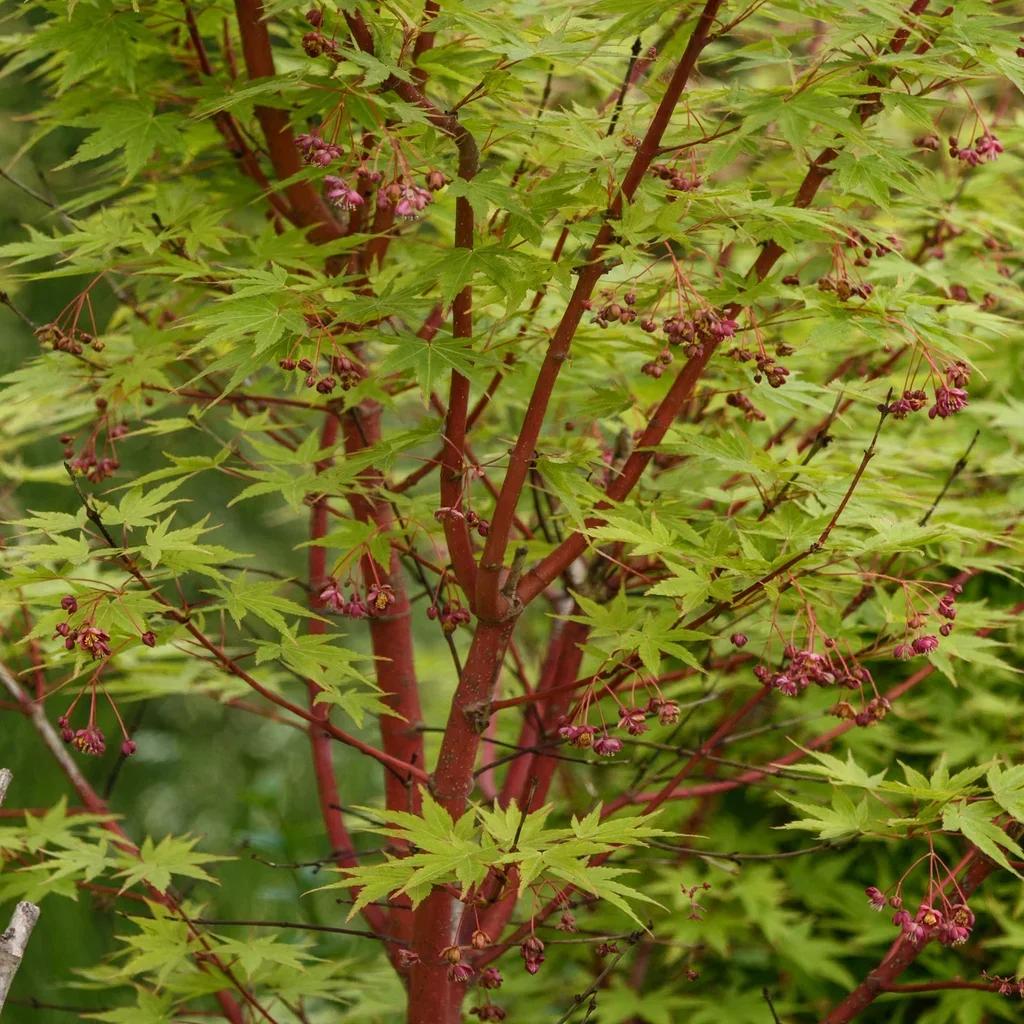 ‘Sango-Kaku’Coral Bark Maple
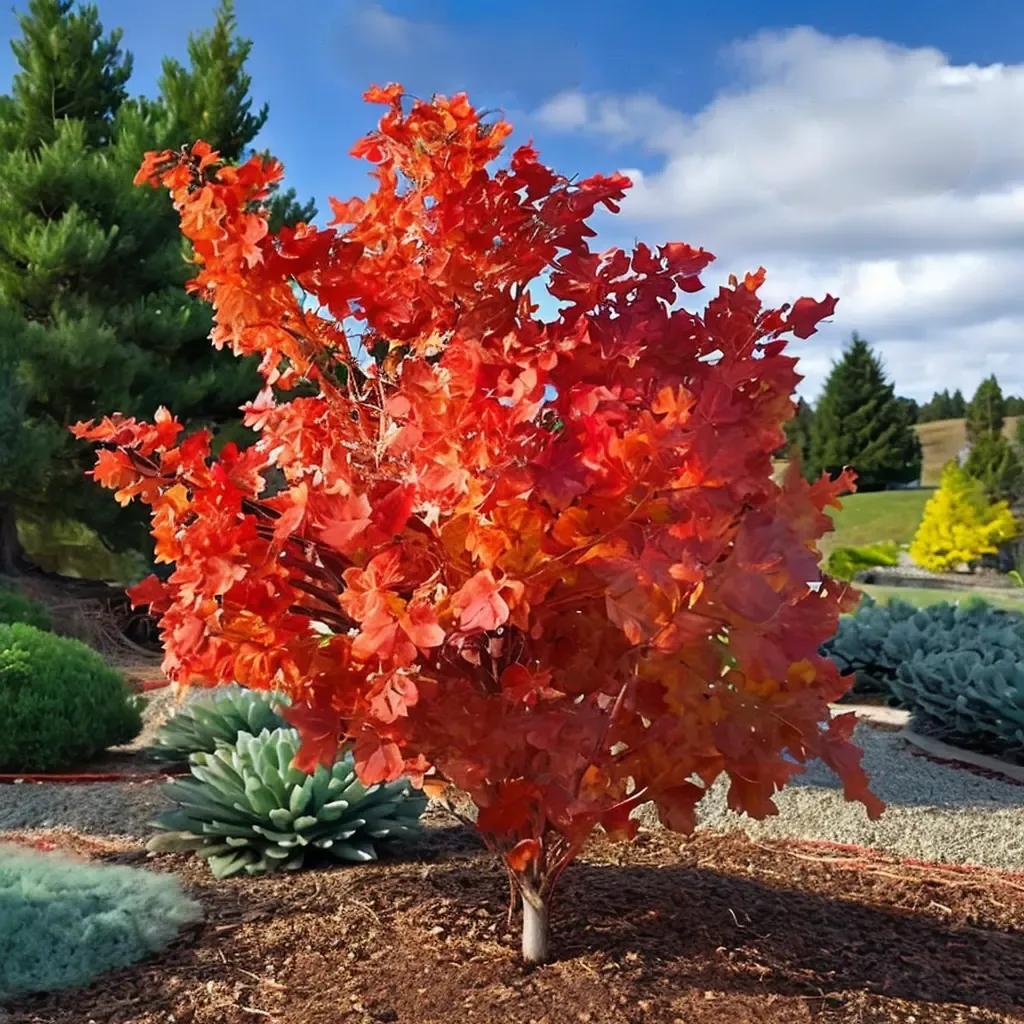 ‘Final Fire’Final Fire Japanese Maple
 ‘Esk Sunset’Esk Sunset Japanese Maple
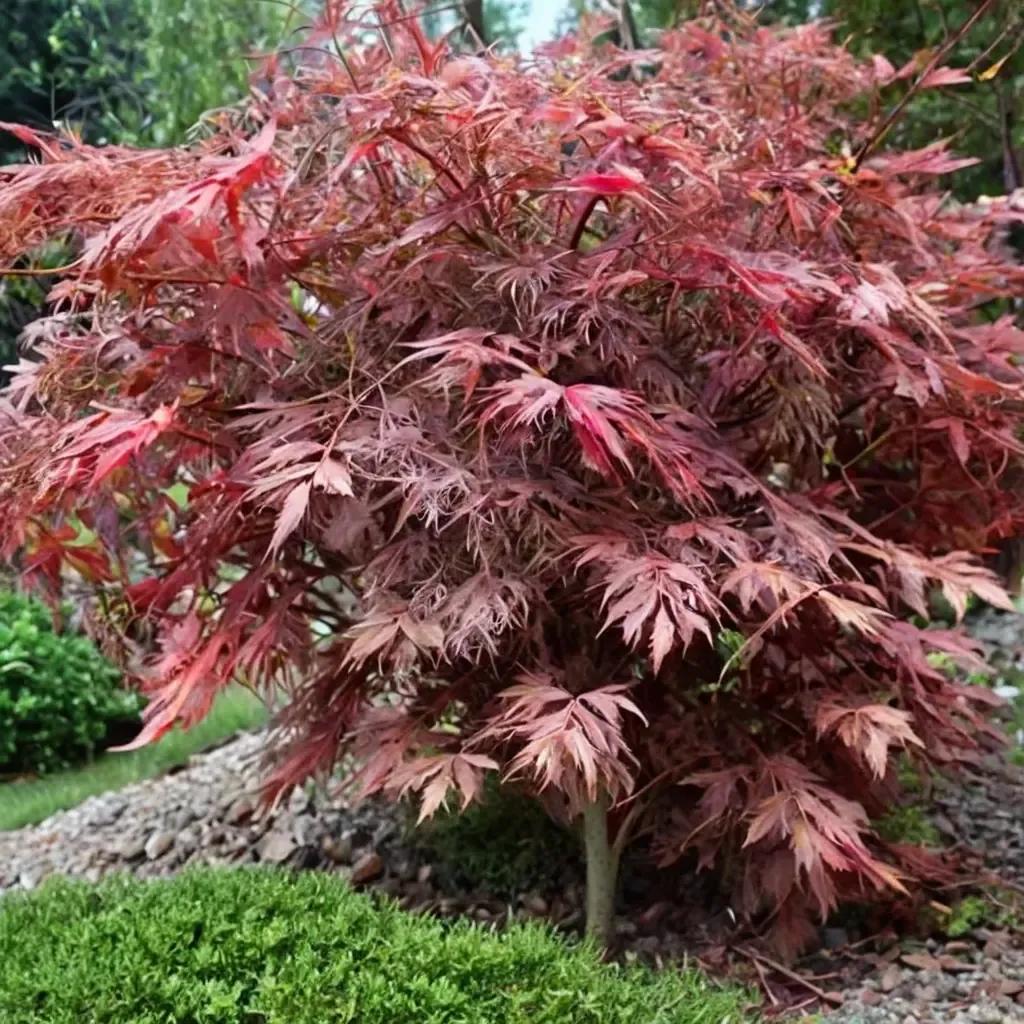 ‘Dissectum Atropurpureum’Purple Cutleaf Japanese Maple
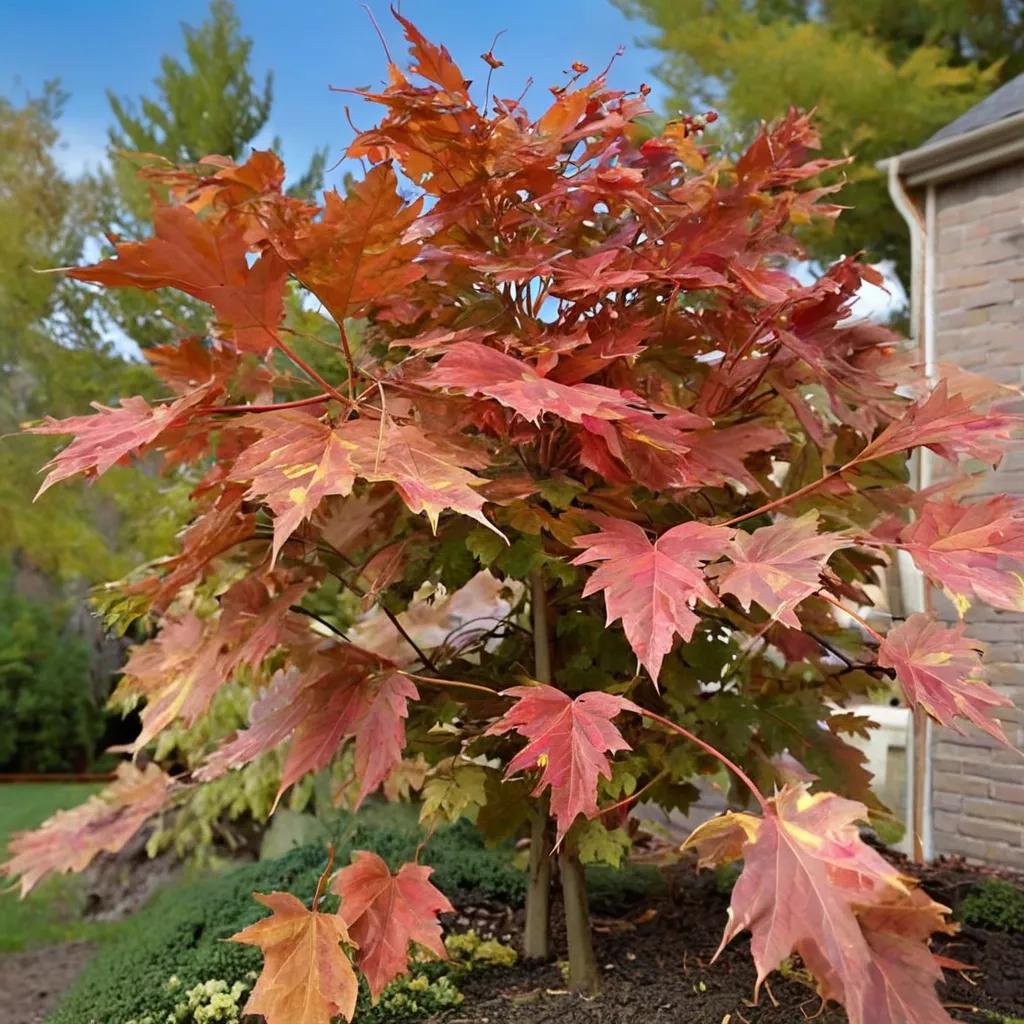 ‘North Wind’Japanese Maple North Wind
 ‘Ice Dragon’Ice Dragon Japanese Maple
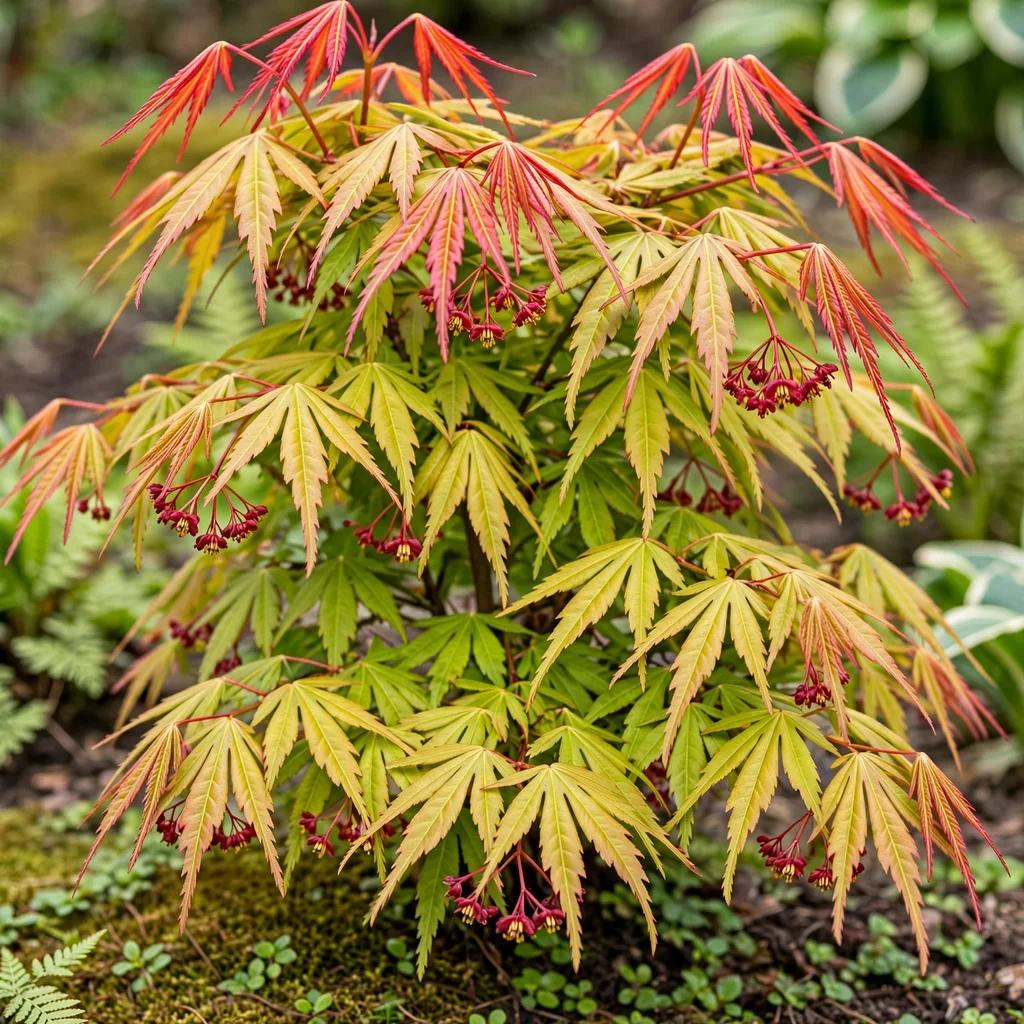 ‘First Flame’First Flame Japanese Maple
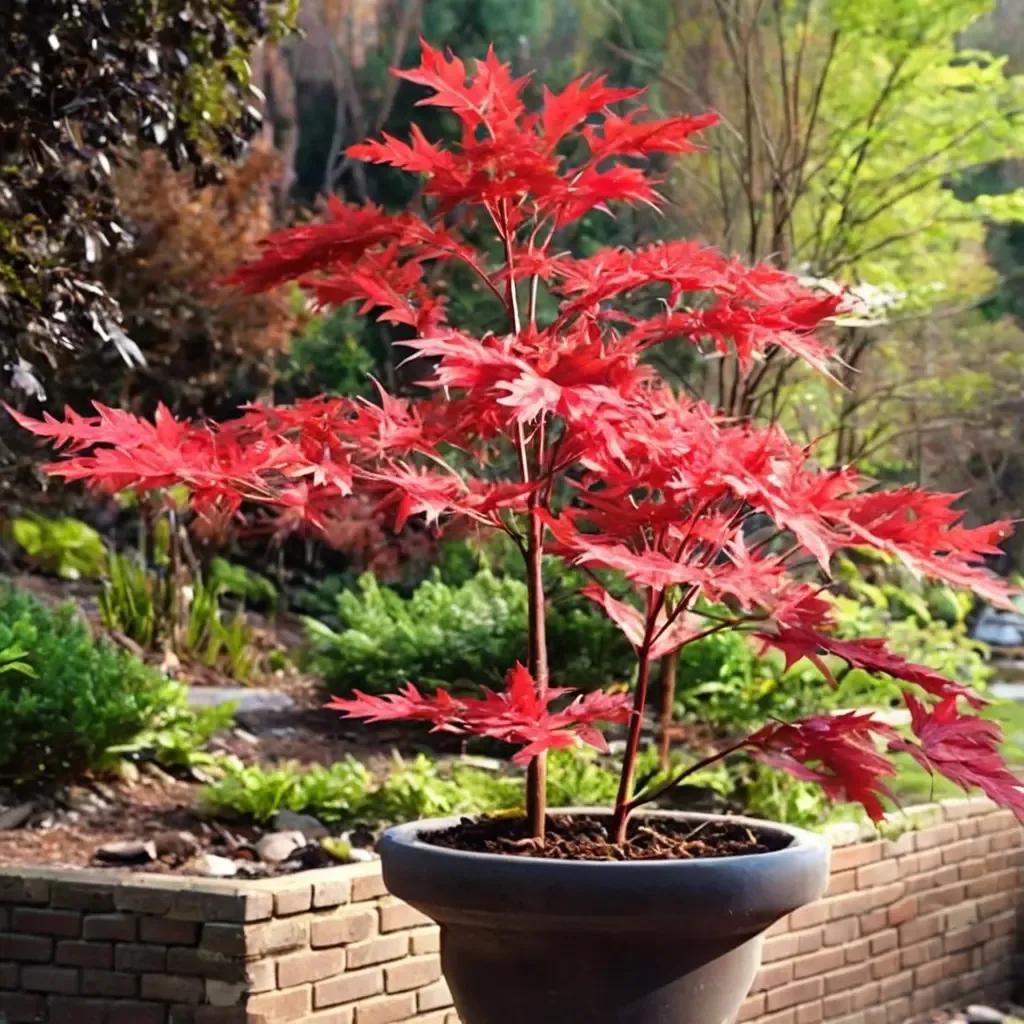 ‘Red Dragon’Red Dragon Japanese Maple
 ‘Elegans’Elegans Japanese Maple
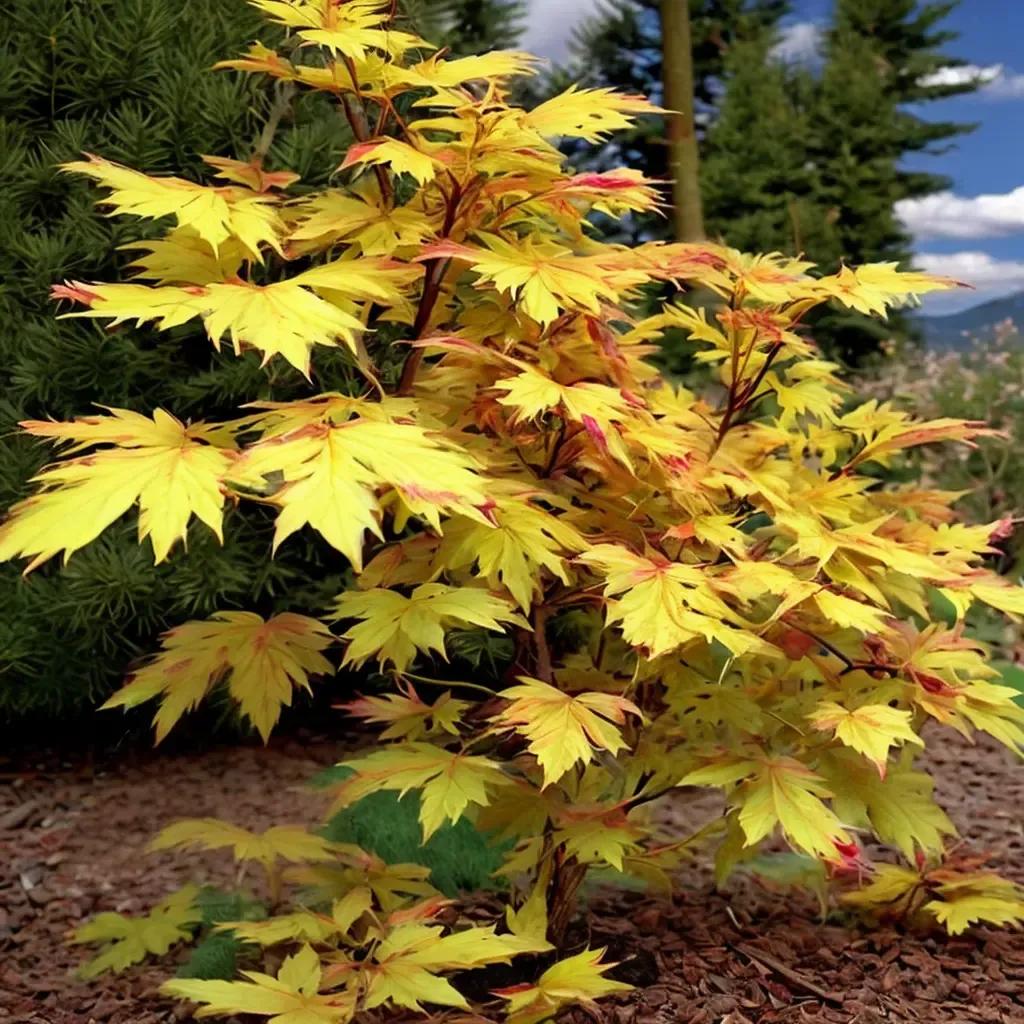 ‘Orange Dream’Orange Dream Japanese Maple
 ‘Garnet’Garnet Japanese Maple
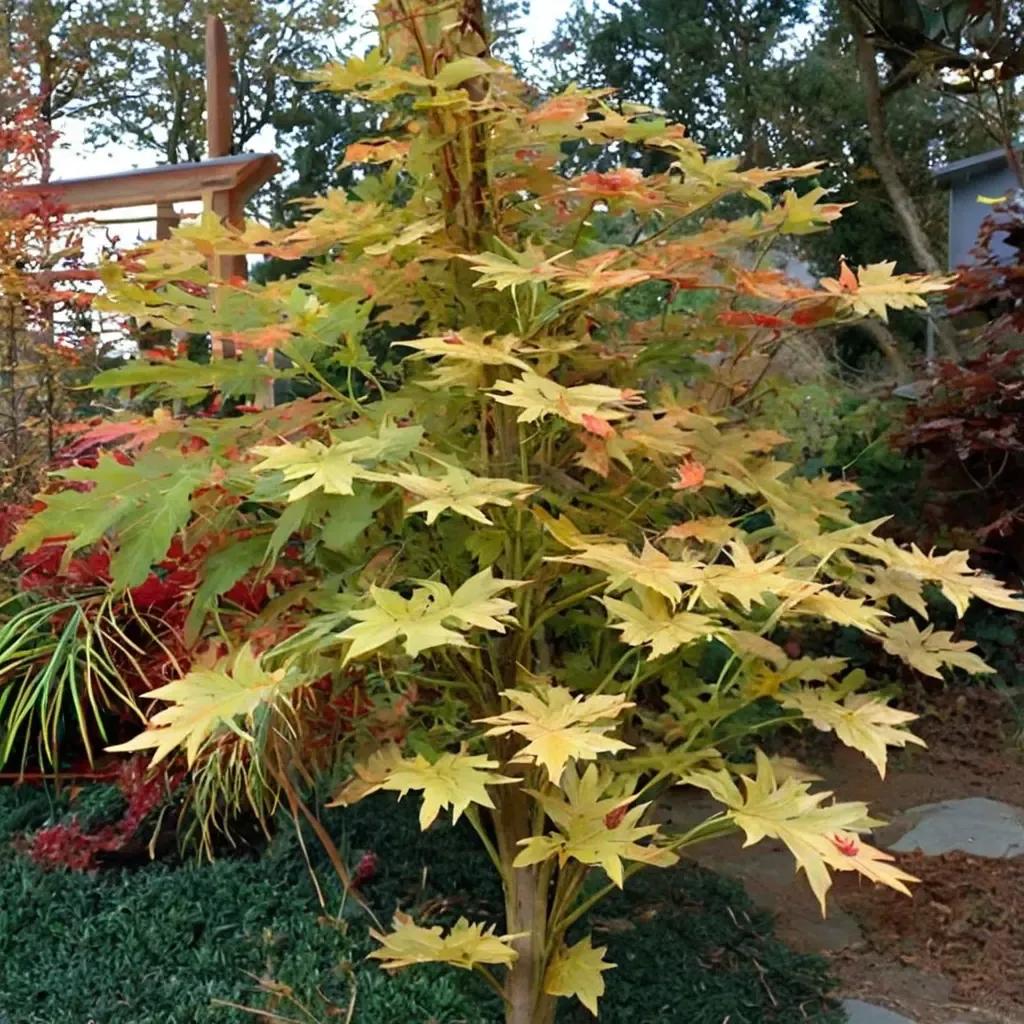 ‘Beni-Kawa’Beni-Kawa Japanese Maple
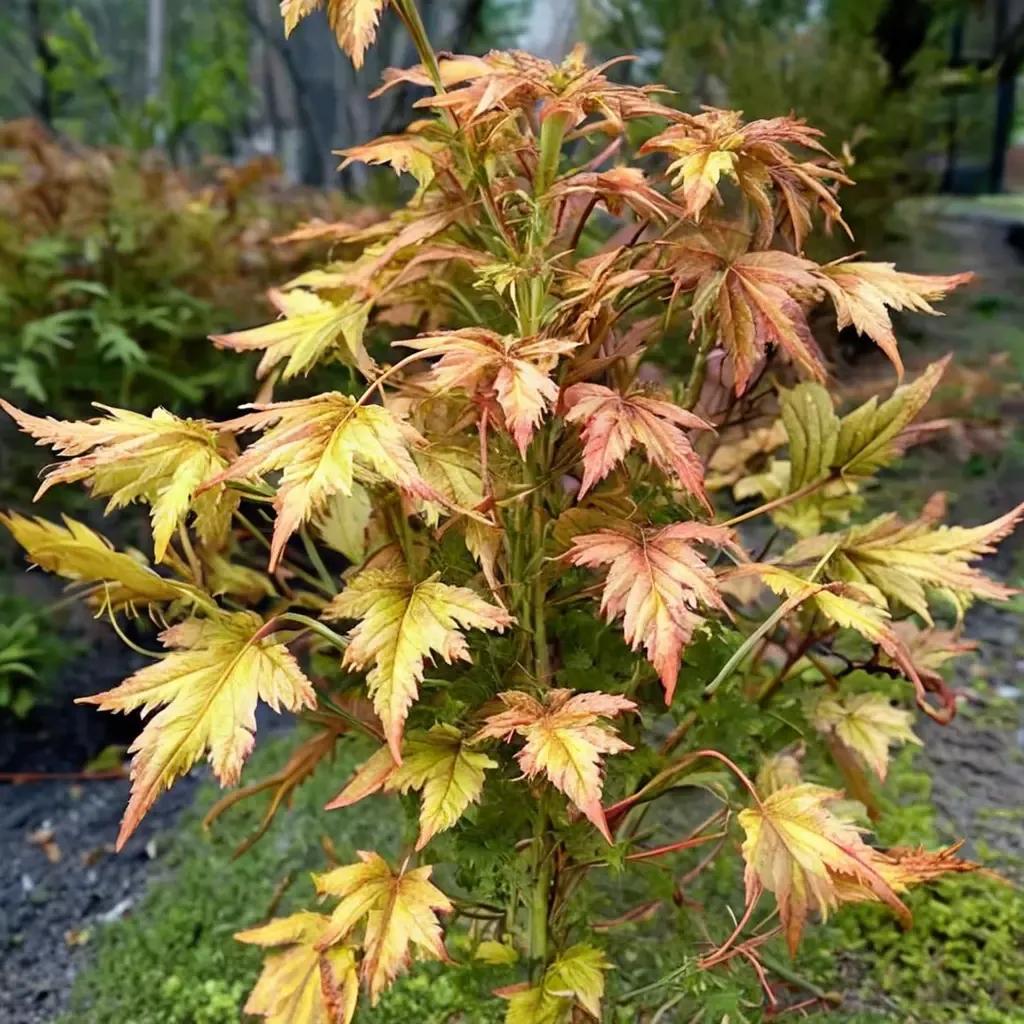 ‘Katsura’Katsura Japanese Maple
 ‘Wowee’Wowee Japanese Maple
 ‘Atropurpureum’Red-Leaf Japanese Maple
 ‘Shirazz’Shirazz Japanese Maple
 ‘Hefner's Red’Hefner's Red Japanese Maple
 ‘Emperor 1’Emperor 1 Japanese Maple
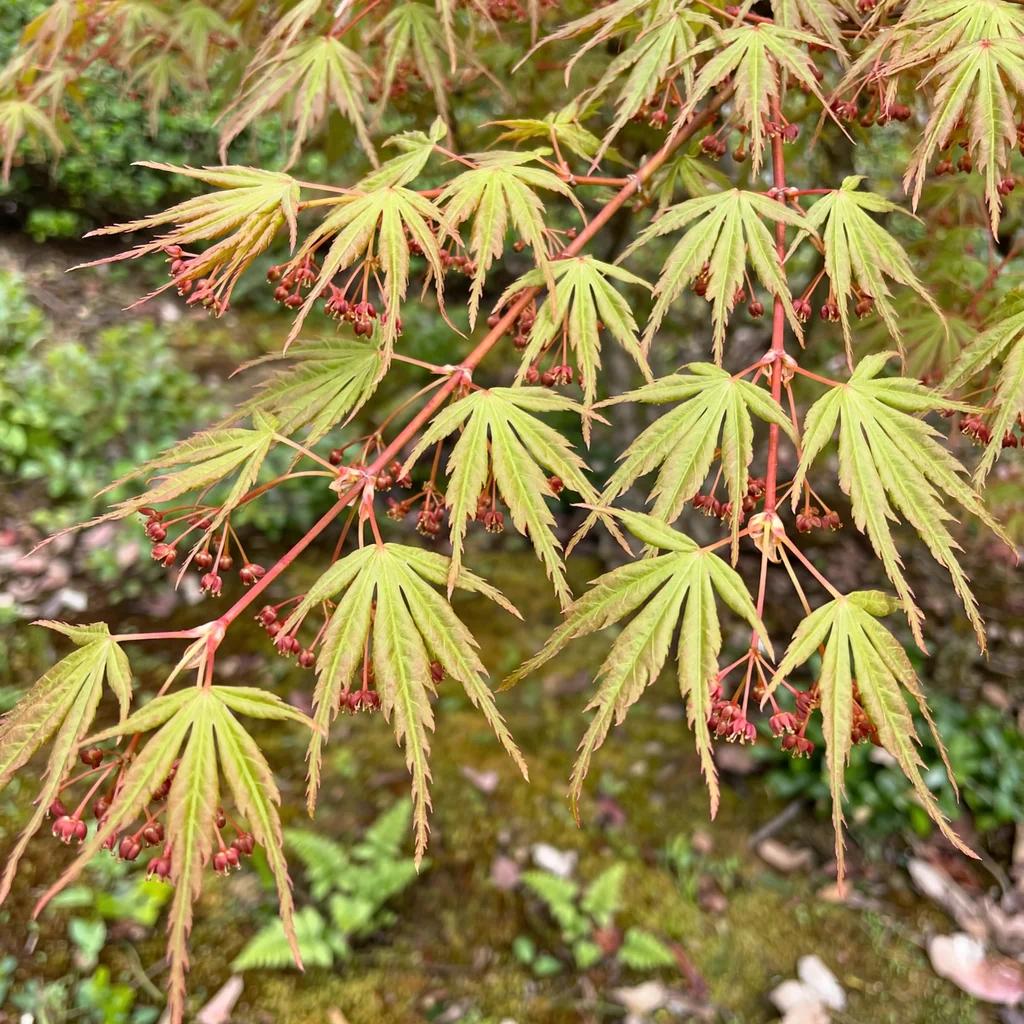 ‘Wildfire’Japanese Maple
The Story
Plant Bio
Acer palmatum is a deciduous woody species native to East Asia, valued for its elegant branching architecture and palmately lobed leaves. The species thrives in moist, organically rich, well-drained soils under partial shade, producing small spring flowers followed by winged samaras in fall.
'Inaba Shidare' is a strongly cascading, weeping cultivar that forms a rounded, multi-stemmed dome wider than it is tall. The deeply dissected, seven-lobed leaves emerge deep purple in spring, hold their dark red-purple color through summer, and turn bright crimson in fall.
Uses & Benefits:
Essentials
At a Glance
Plant Type
Tree
Height
118"
Width
142"
Light
Full Sun, Partial Sun
Zones
5, 6, 7, 8, 9
Water
Medium
Humidity
Medium
Lifespan
Over 50 years
Native To
Asia
Toxicity
Non-toxic
Bloom period
Spring
In flower about 3 months of the year
Planting
How to Grow
- Select a planting site with well-drained, organically rich sandy loam that receives morning sun and afternoon shade.
- Dig a hole twice as wide as the root ball but no deeper, ensuring the root flare sits slightly above the surrounding soil level to prevent rot.
- Apply a three-inch layer of organic mulch over the root zone, keeping it several inches away from the trunk to maintain moisture and cool soil temperatures.
- Water deeply and regularly during the first two growing seasons, maintaining consistent soil moisture without allowing the ground to become waterlogged.
Pro Tip
Pruning during active spring growth causes severe sap bleeding that weakens the tree; restrict all structural shaping to the dormant winter period.
Keep It Thriving
Care Guide
Do
- Provide afternoon shade in hot climates to prevent leaf scorch.
- Mulch the root zone to retain soil moisture and regulate temperature.
- Prune exclusively during late fall or winter dormancy.
- Plant in highly permeable, well-drained loamy soil.
Don't
- Do not prune in spring or summer when sap is flowing heavily.
- Do not plant in heavy, compacted clay or poorly drained wet areas.
- Do not cut back hard into old, leafless wood as it rarely back-buds.
- Do not allow the soil to dry out completely during hot summer spells.
Seasonal Care Calendar
| Task | Jan | Feb | Mar | Apr | May | Jun | Jul | Aug | Sep | Oct | Nov | Dec |
|---|---|---|---|---|---|---|---|---|---|---|---|---|
| Fertilize | ||||||||||||
| Mulch | ||||||||||||
| Pest Check | ||||||||||||
| Prune | ||||||||||||
| Winter Prep |
Watch Out For
Pests & Diseases
Common Pests
Common Diseases
In the Garden
Landscape Uses & Companions
Landscape Uses
Companion Plants
Multiply
Propagation Methods
Good to Know
Common Questions
Japanese Laceleaf Maple questions
What zones can Japanese Laceleaf Maple grow in?
Japanese Laceleaf Maple is hardy in USDA Zones 5–9. Inside that range it survives winter in the ground; outside it, grow it as an annual or a container plant you protect.
Is Japanese Laceleaf Maple deer resistant?
Not reliably. Deer may browse Japanese Laceleaf Maple, especially tender spring growth — plan on repellents or fencing where pressure is high.
When does Japanese Laceleaf Maple bloom?
Japanese Laceleaf Maple typically blooms in spring through spring. Exact timing shifts a week or two with your zone — Sow's bloom calendar maps it to your garden.
Does Japanese Laceleaf Maple need full sun?
Japanese Laceleaf Maple does best in full sun to part shade. In hot climates, afternoon shade keeps blooms fresher longer.
More Acer to compare
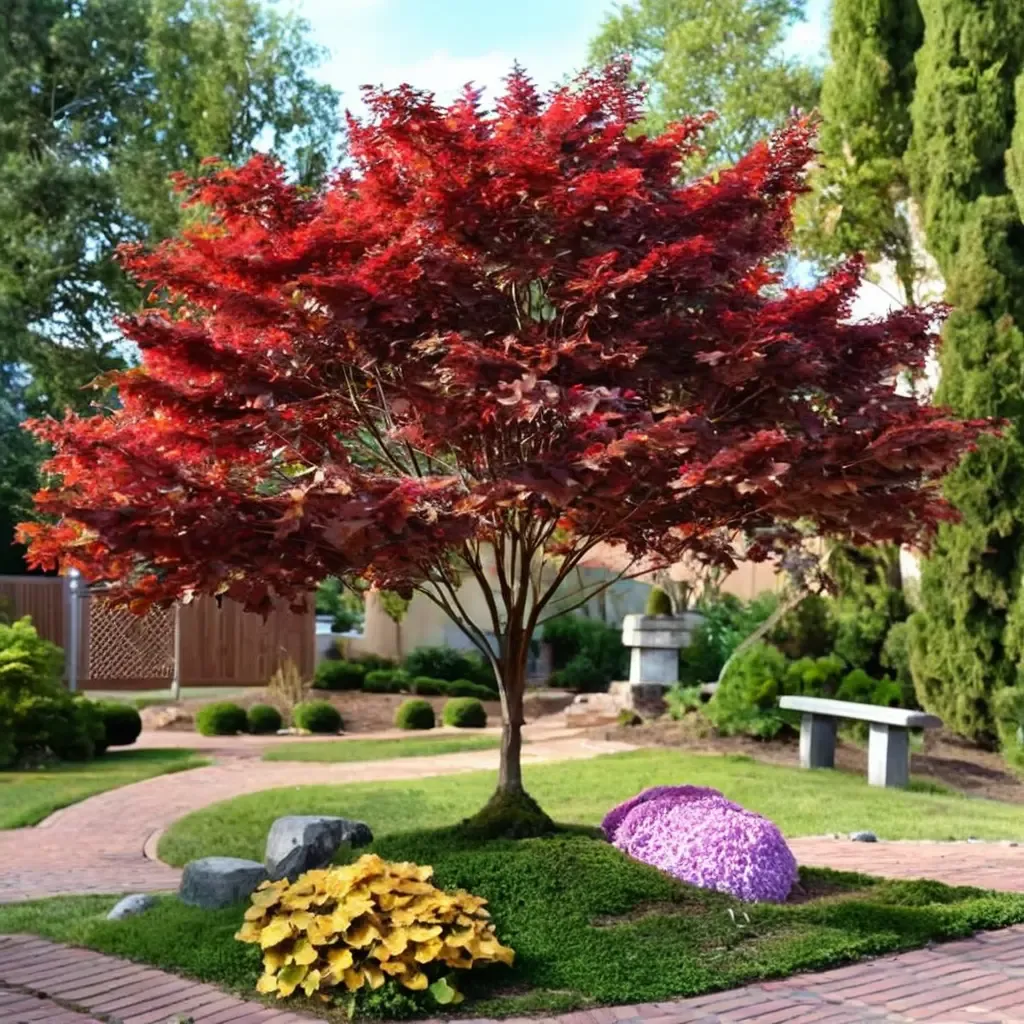
Bloodgood Japanese Maple
Acer palmatum 'Bloodgood'
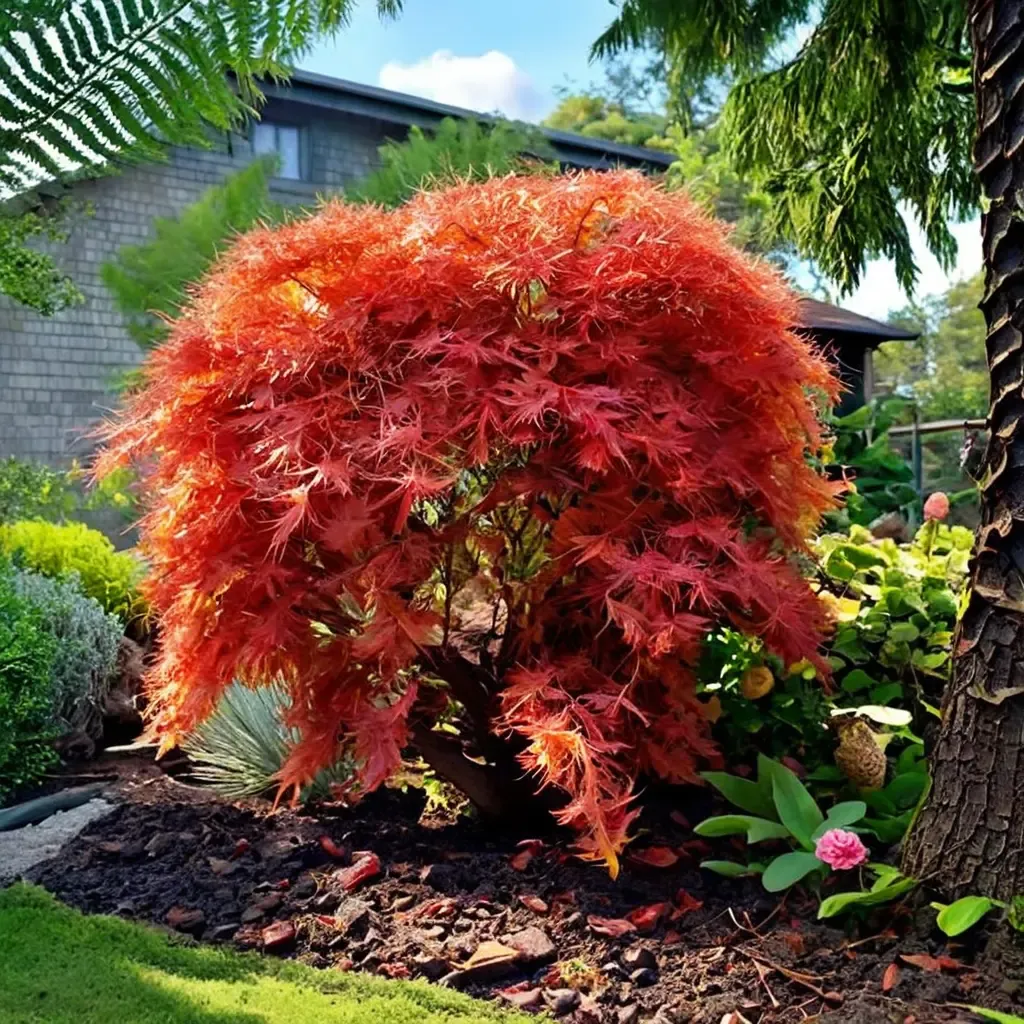
Orangeola Japanese Maple
Acer palmatum 'Orangeola'
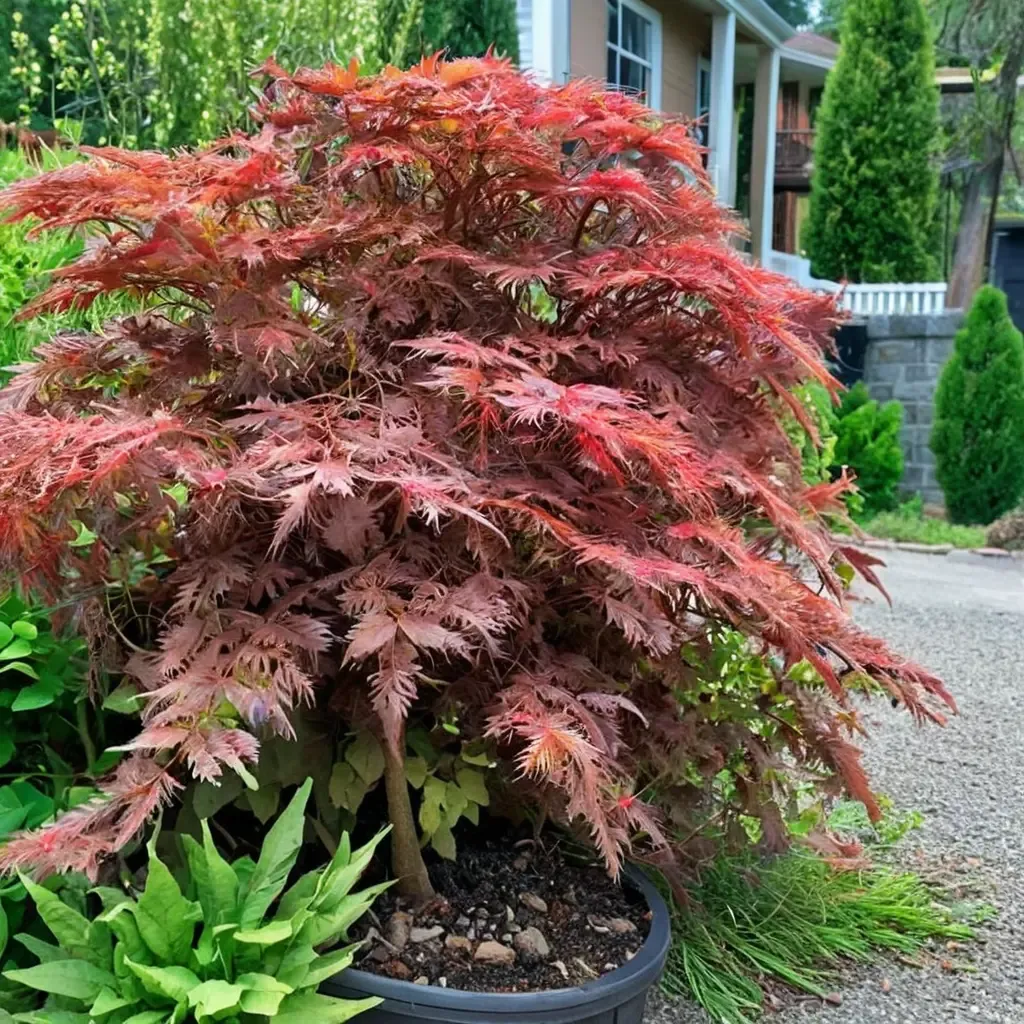
Crimson Queen Japanese Maple
Acer palmatum 'Crimson Queen'
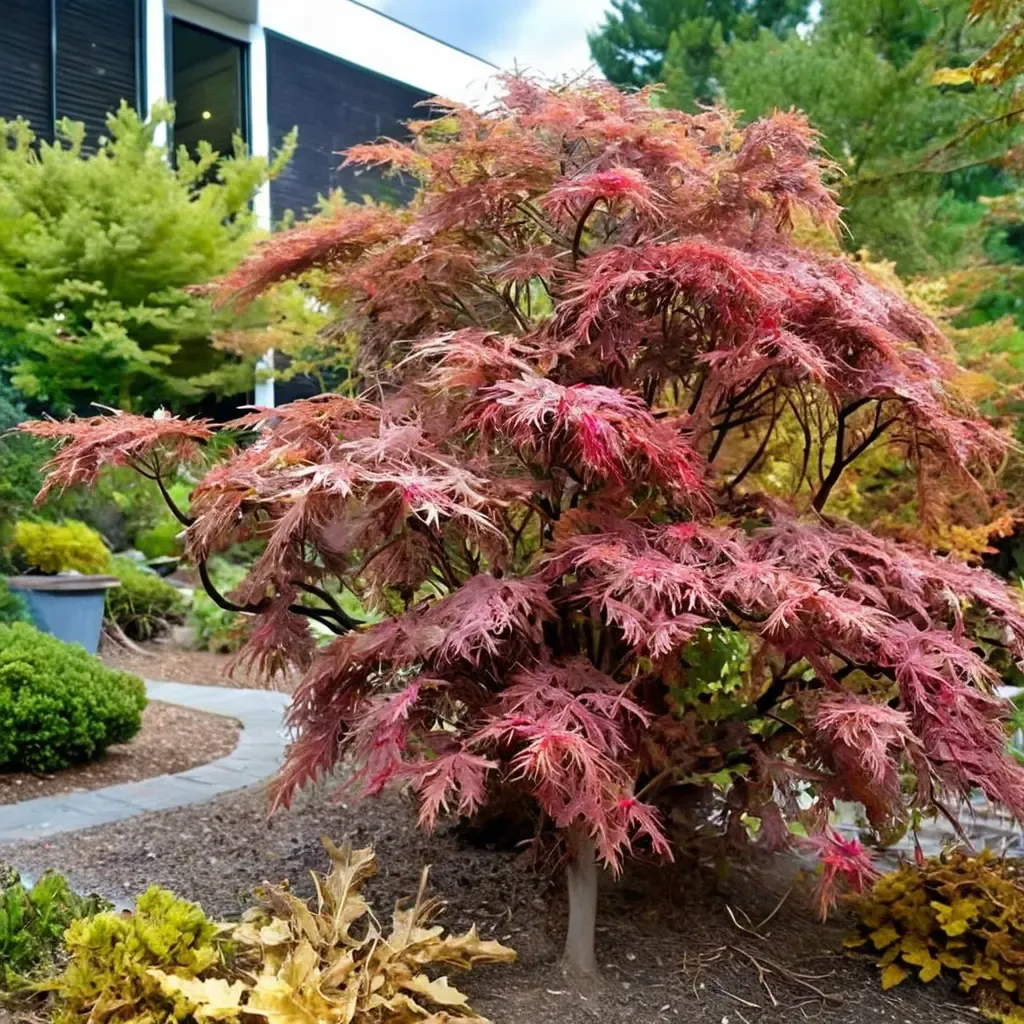
Weeping Japanese Maple
Acer palmatum 'Shidare'
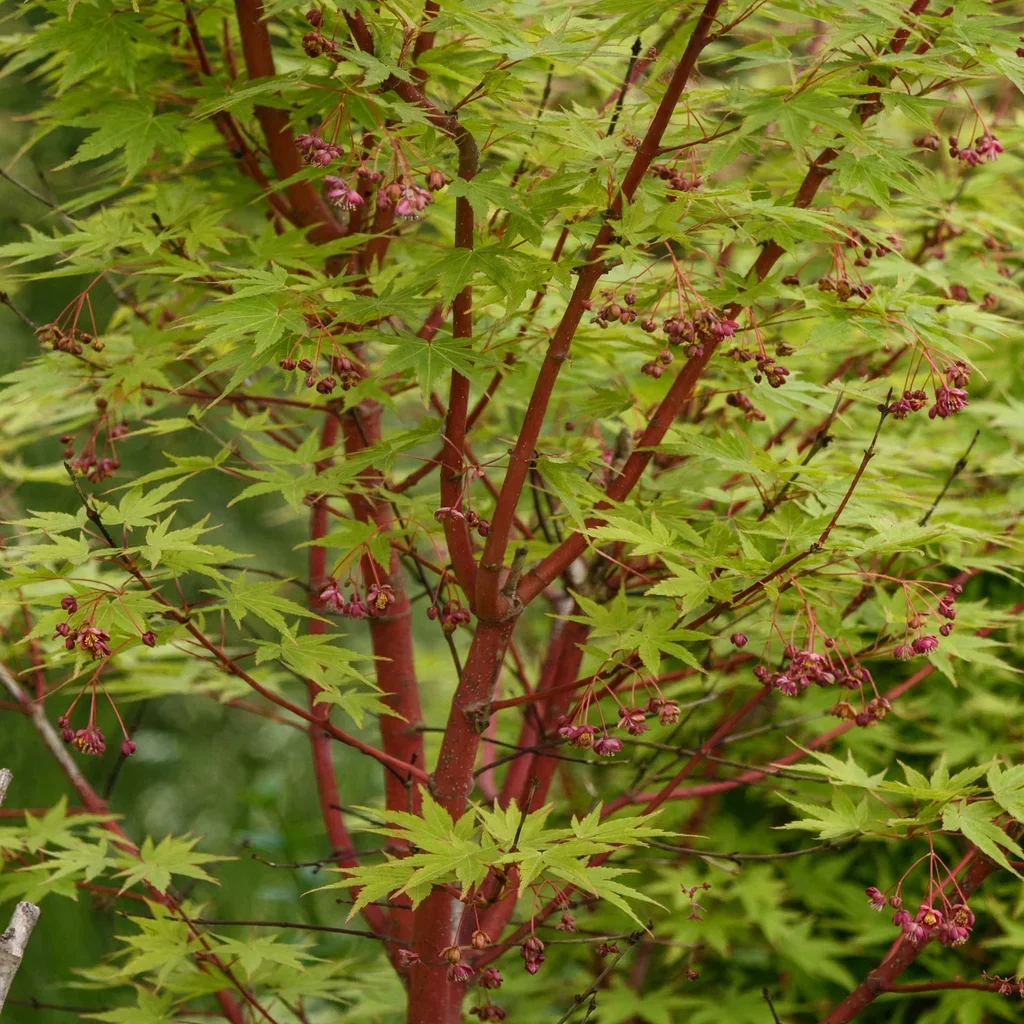
Coral Bark Maple
Acer palmatum 'Sango-Kaku'
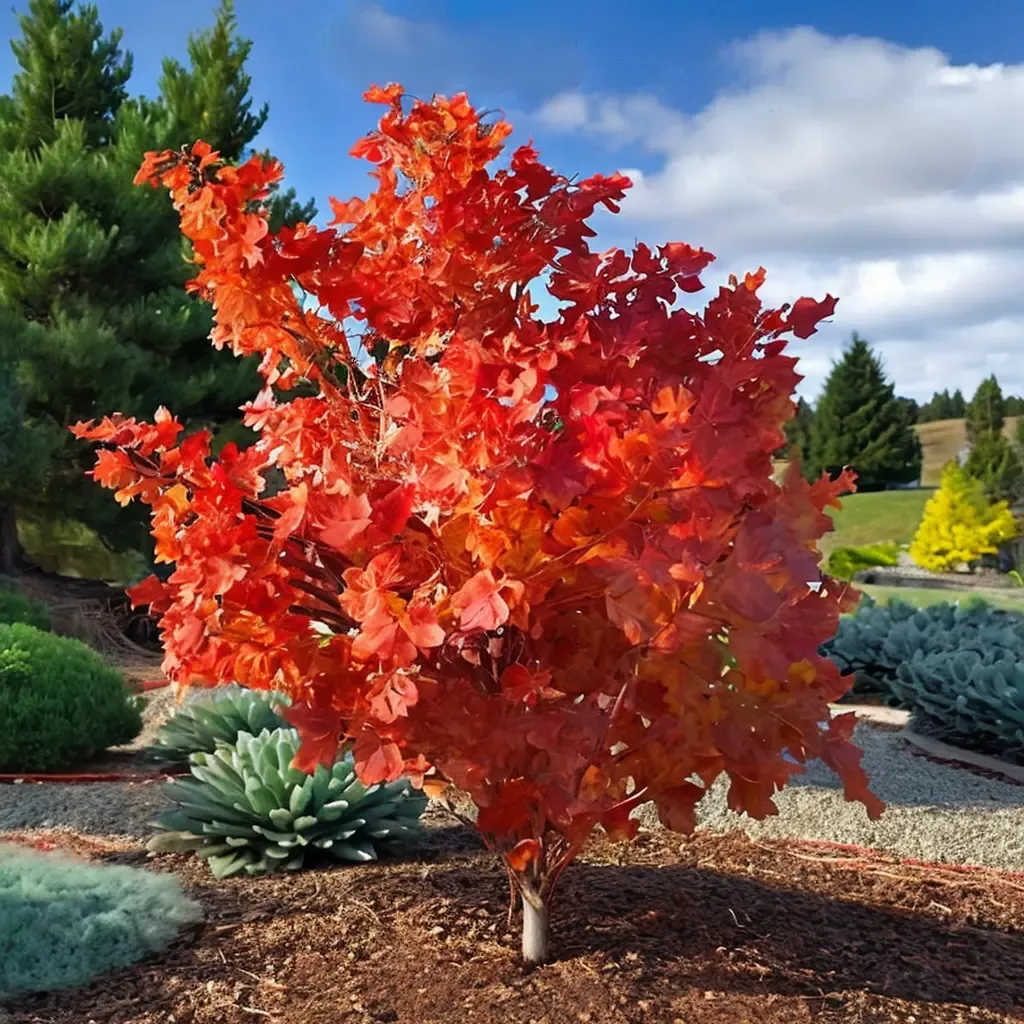
Final Fire Japanese Maple
Acer palmatum 'Final Fire'
Keep exploring
Explore the genus
Hardy in your zone?
Grow Japanese Laceleaf Maple with confidence
See it in a design of your actual yard, get zone-matched care reminders, and track it season by season in your garden journal.