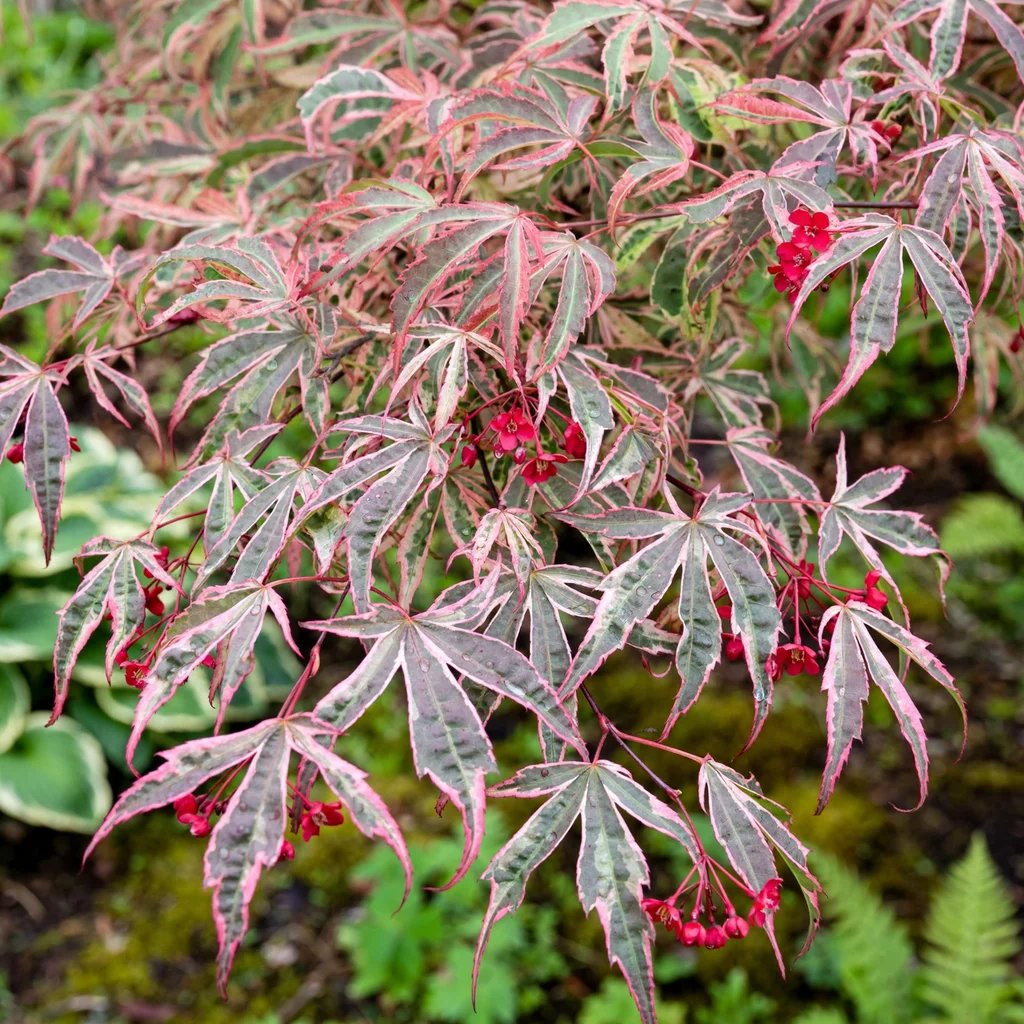
Species
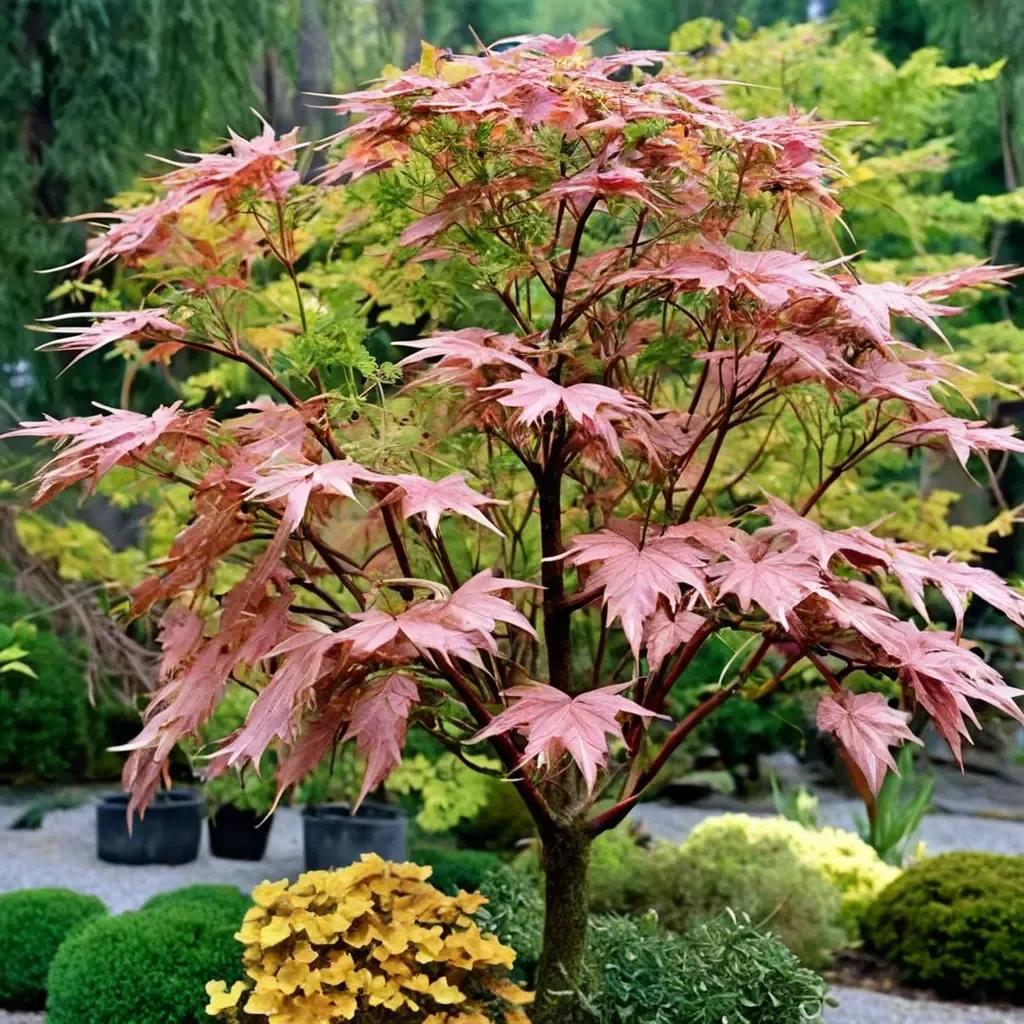
23 other cultivars
- ‘Bloodgood’Bloodgood Japanese Maple
- ‘Orangeola’Orangeola Japanese Maple
- ‘Crimson Queen’Crimson Queen Japanese Maple
- ‘Shidare’Weeping Japanese Maple
- ‘Sango-Kaku’Coral Bark Maple
- ‘Final Fire’Final Fire Japanese Maple
- ‘Esk Sunset’Esk Sunset Japanese Maple
- ‘Red Dragon’Red Dragon Japanese Maple
- ‘Dissectum Atropurpureum’Purple Cutleaf Japanese Maple
- ‘North Wind’Japanese Maple North Wind
- ‘Ice Dragon’Ice Dragon Japanese Maple
- ‘First Flame’First Flame Japanese Maple
- ‘Elegans’Elegans Japanese Maple
- ‘Orange Dream’Orange Dream Japanese Maple
- ‘Garnet’Garnet Japanese Maple
- ‘Beni-Kawa’Beni-Kawa Japanese Maple
- ‘Katsura’Katsura Japanese Maple
- ‘Wowee’Wowee Japanese Maple
- ‘Atropurpureum’Red-Leaf Japanese Maple
- ‘Emperor 1’Emperor 1 Japanese Maple
- ‘Wildfire’Wildfire Japanese Maple
- ‘Inaba Shidare’Japanese Laceleaf Maple
- ‘Hefner's Red’Hefner's Red Japanese Maple

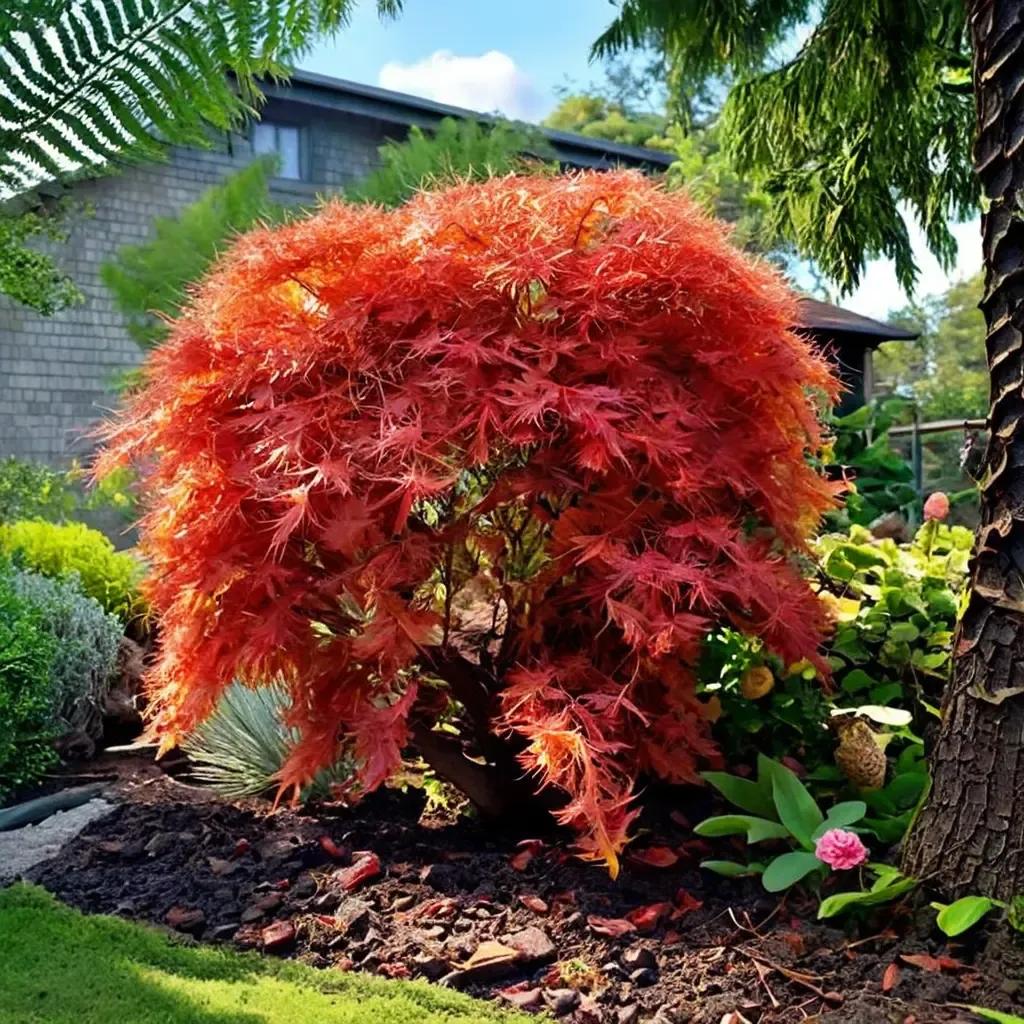

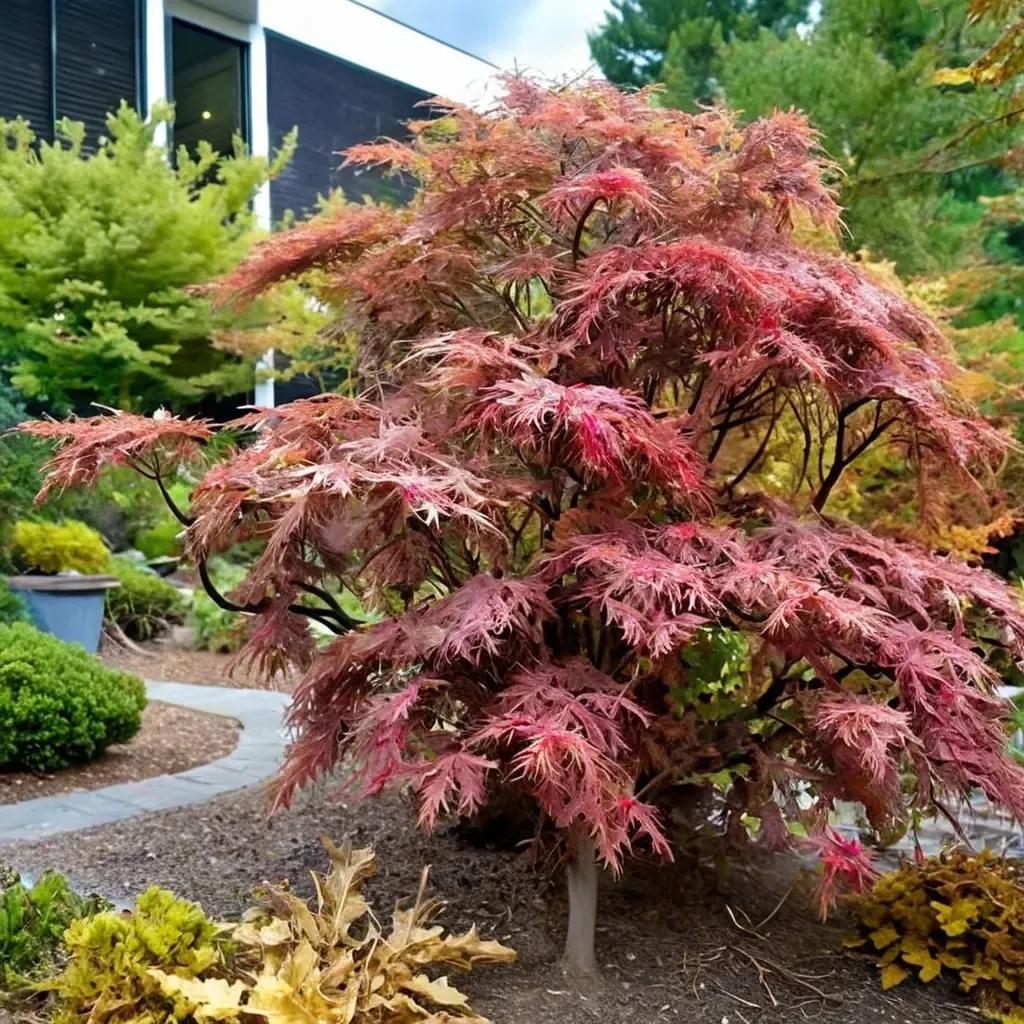








The Story
Plant Bio
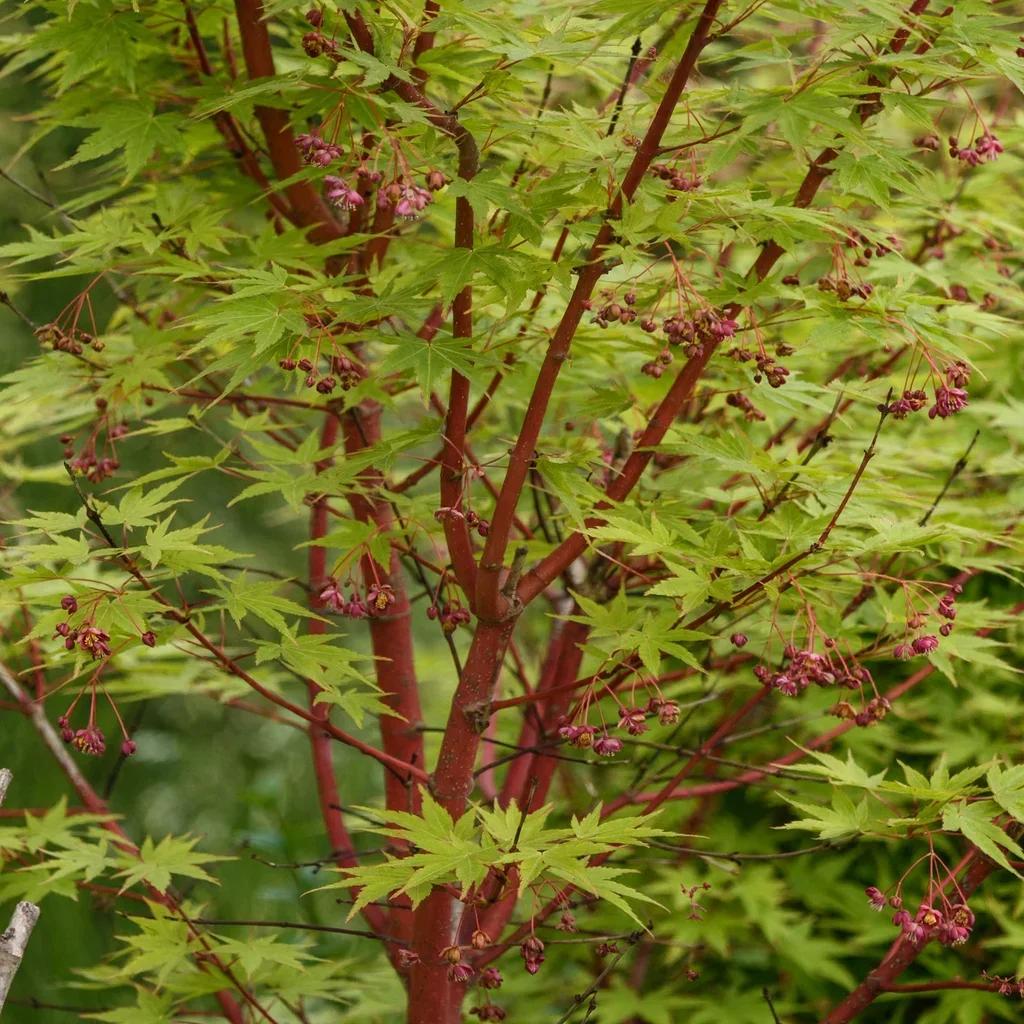
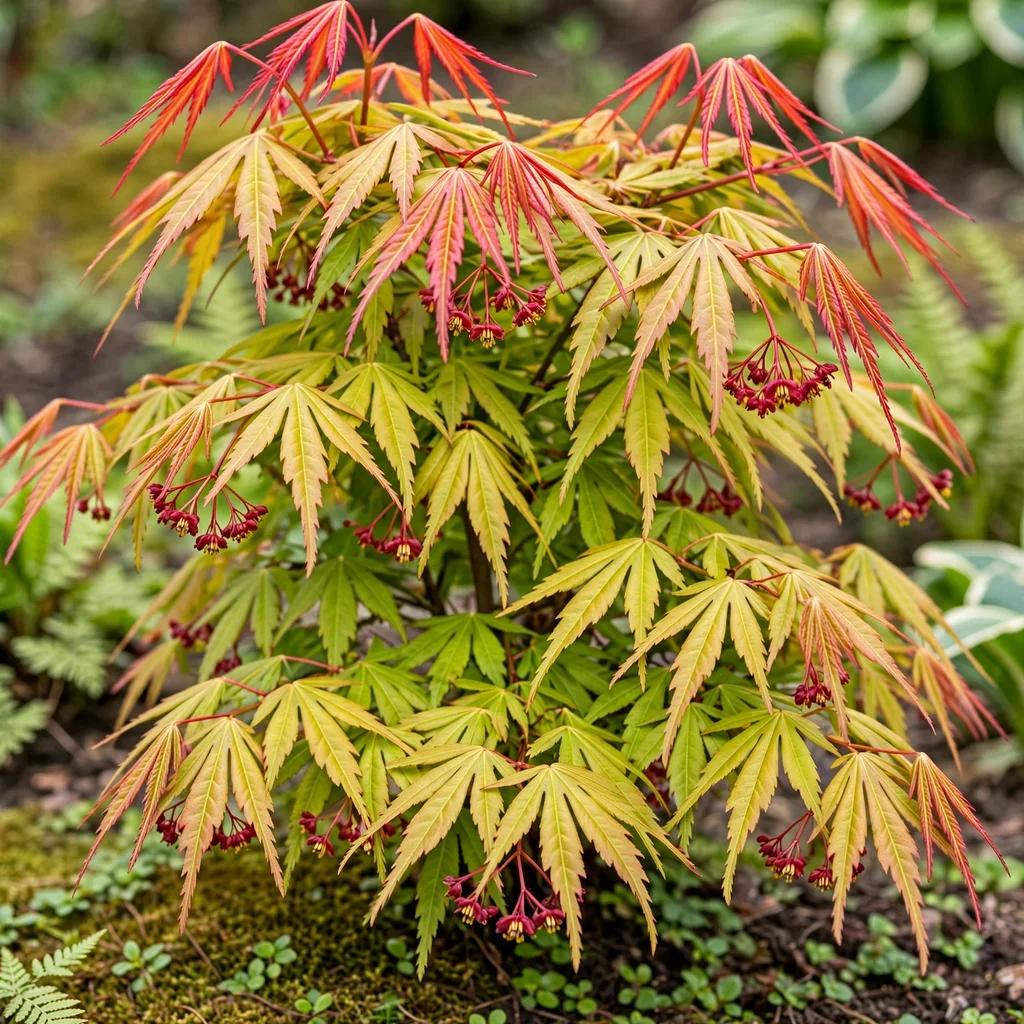
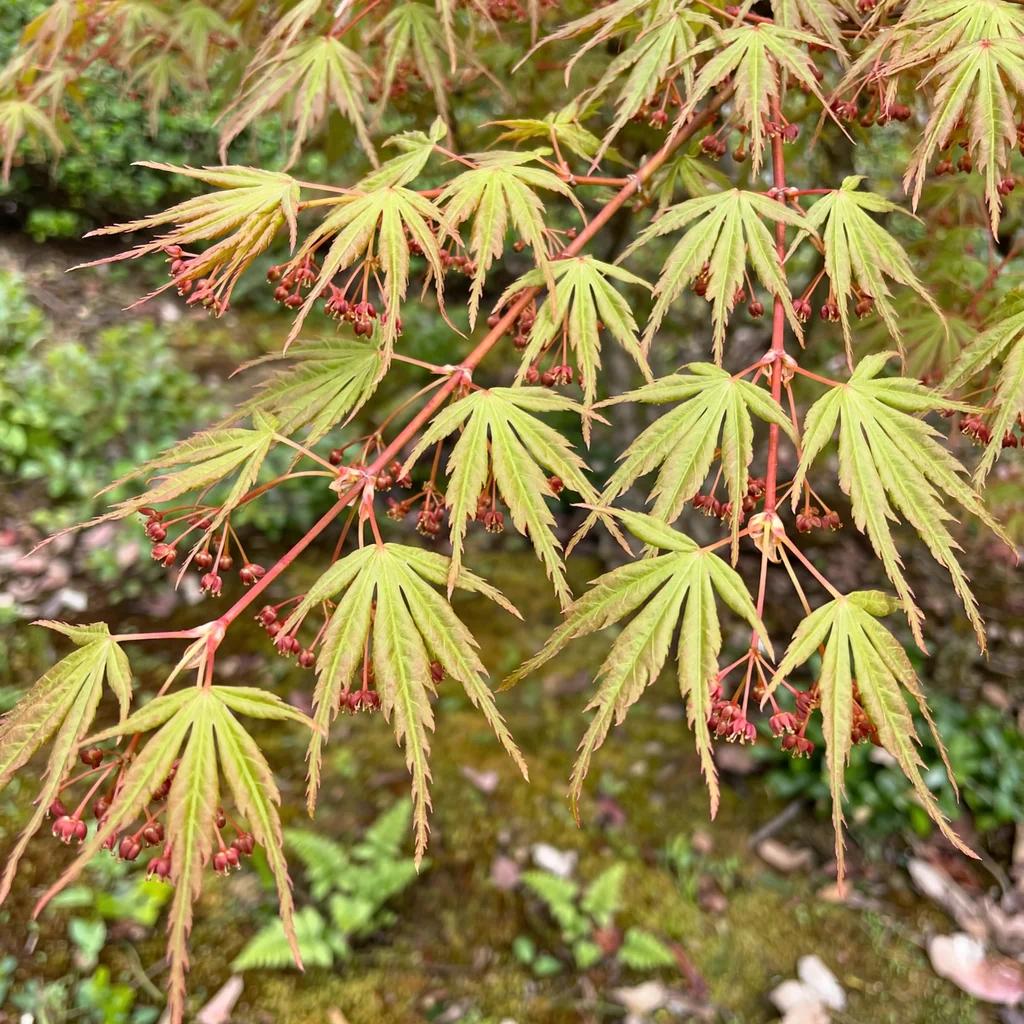
Acer palmatum is a small, deciduous tree native to East Asia, valued for its graceful branching structure and deeply lobed foliage. It produces small, umbel-like clusters of red flowers in mid-spring, thriving best in organically rich, well-drained acidic soils with uniform moisture.
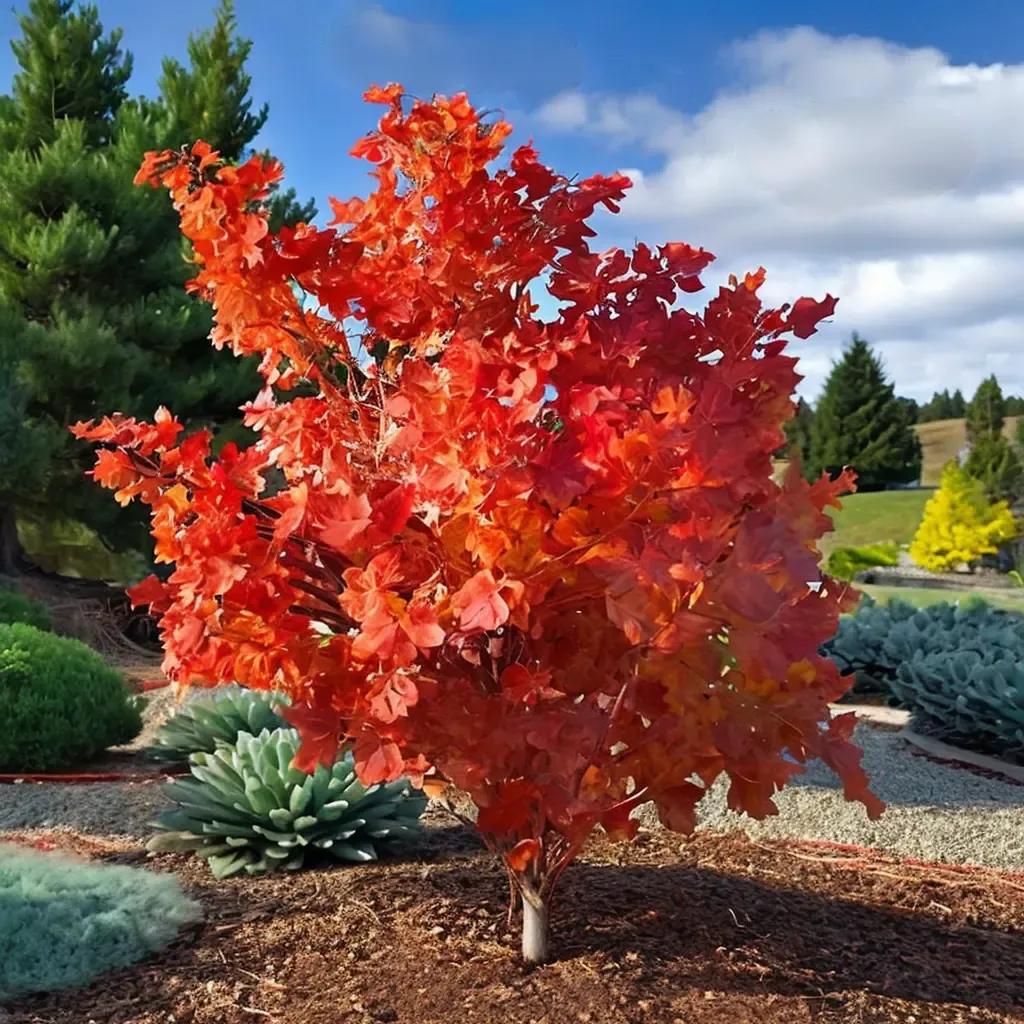
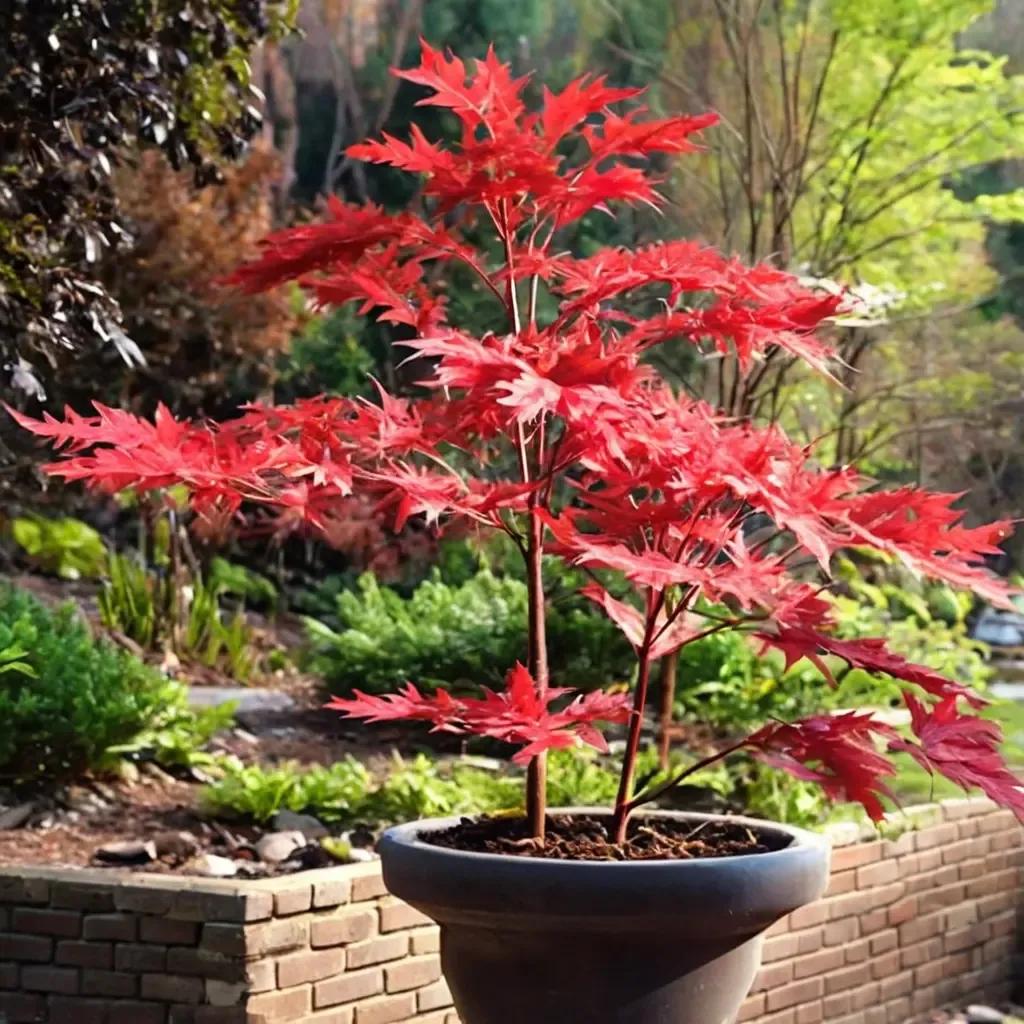
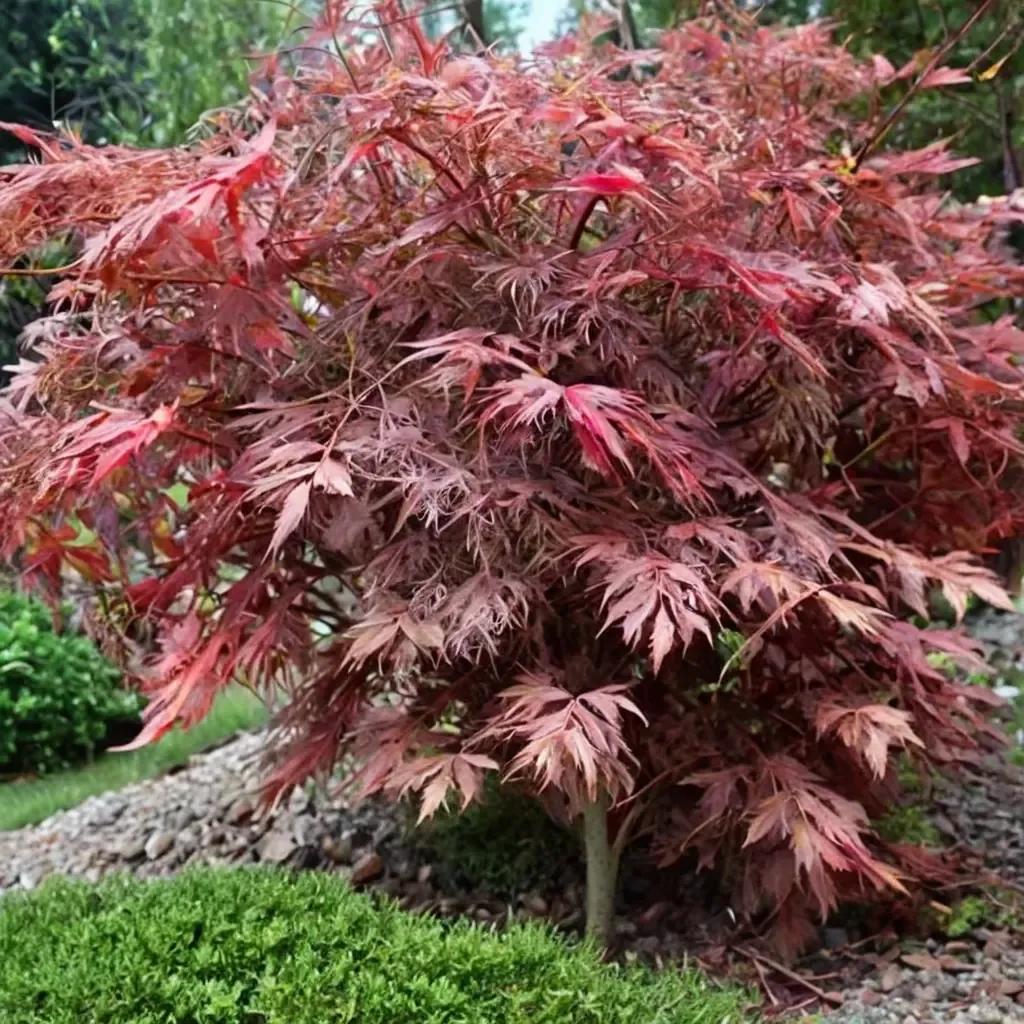
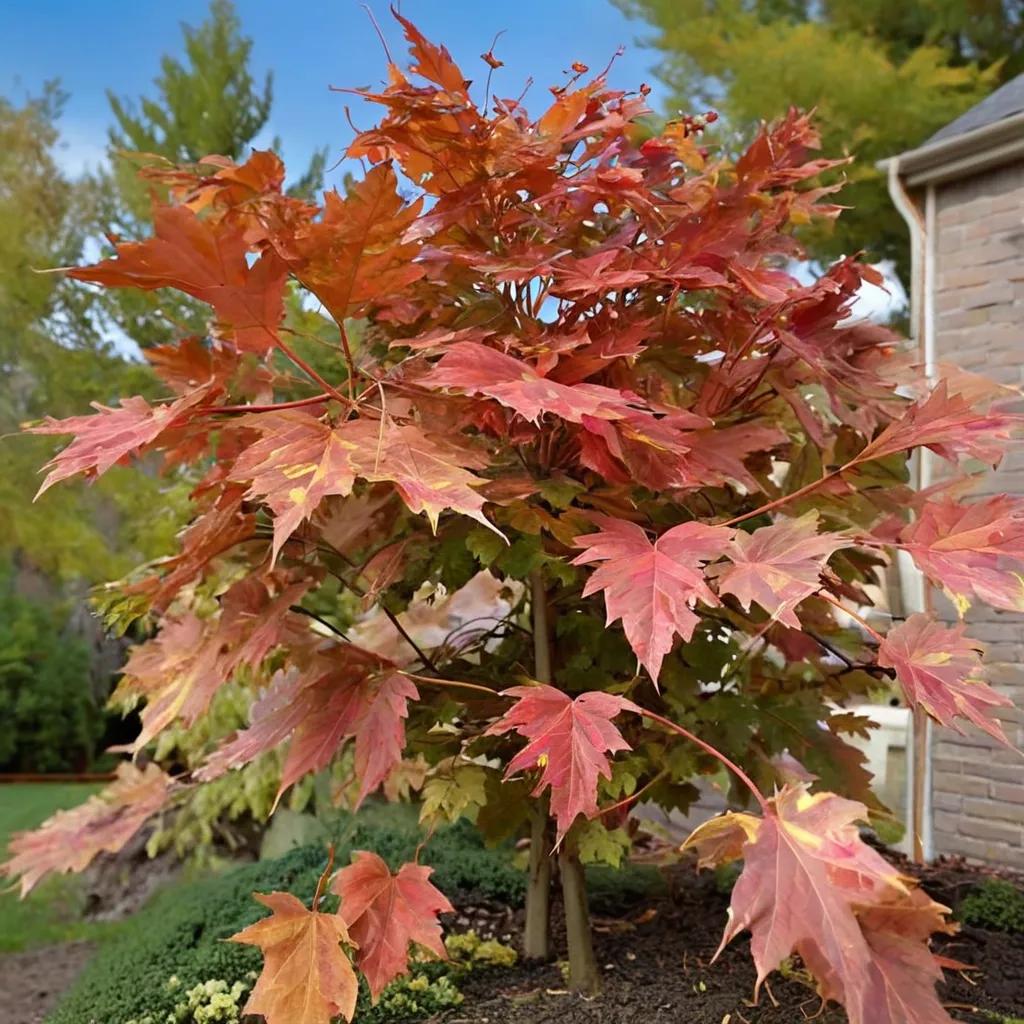
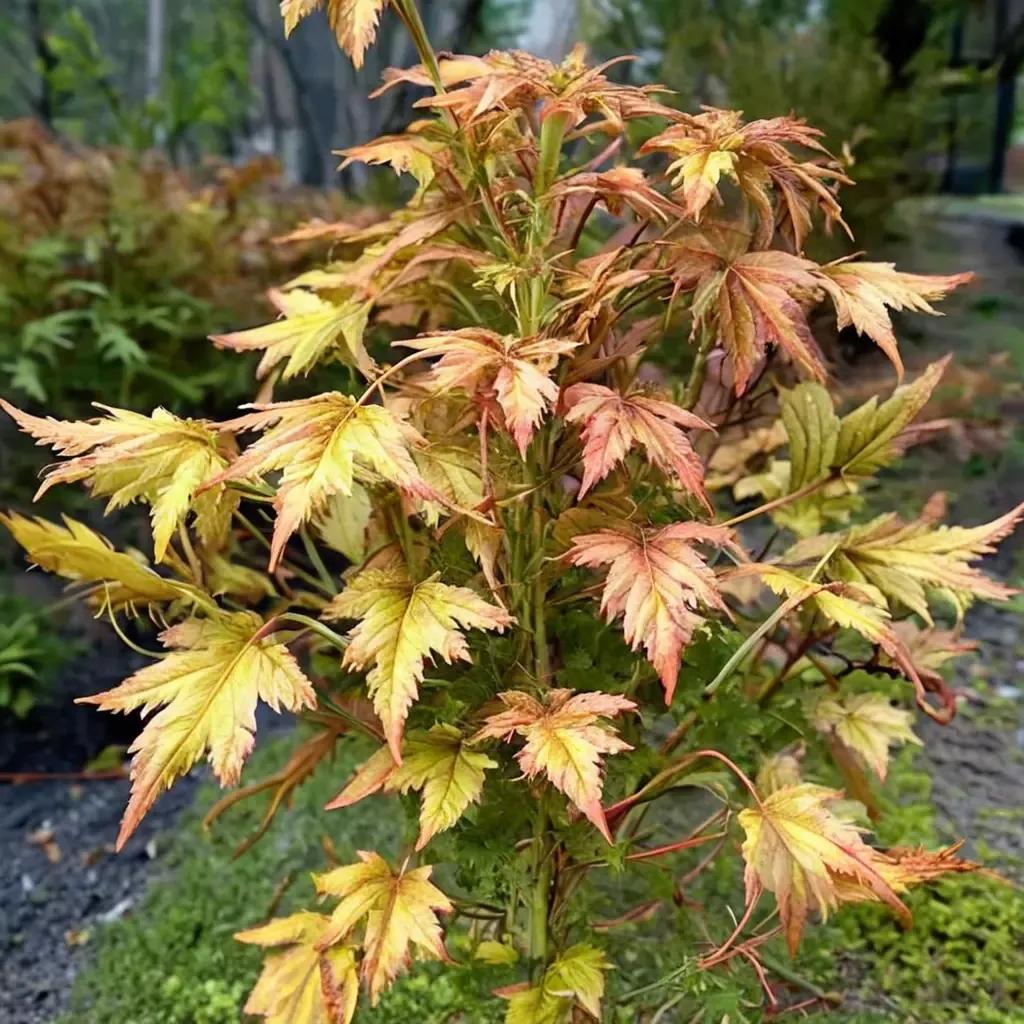
'Shirazz' features deeply lobed palmate leaves that emerge bright pink to purplish-red in spring, transitioning to a blend of grey-green with cream, rose, and pink edges in summer. In fall, the foliage shifts to brilliant scarlet-orange and burgundy before dropping.
Uses & Benefits:
Essentials
At a Glance
Plant Type
Tree
Height
180"
Width
144"
Light
Full Sun, Partial Sun
Zones
5, 6, 7, 8, 9
Water
Moderate
Humidity
Moderate
Lifespan
Long-lived
Native To
Asia
Toxicity
Non-toxic
Bloom period
Spring
In flower about 3 months of the year
Marketplace
Where to Buy
Shipping costs Year-round shipping Free shipping
Planting
How to Grow
- Select a planting site protected from harsh afternoon sun and dry, scorching wind.
- Dig a hole twice as wide as the root ball and amend heavy soils to guarantee sharp sub-surface drainage.
- Position the top of the root crown slightly above the surrounding soil grade and backfill with rich, acidic soil.
- Water thoroughly upon planting and apply a 2 to 3-inch layer of organic mulch around the base, keeping it off the trunk.
Pro Tip
Restrict pruning strictly to late fall or winter when the tree is fully dormant; cutting stems during spring or summer causes severe sap bleeding that severely weakens the tree.
Keep It Thriving
Care Guide
Do
- Maintain consistent soil moisture throughout hot summer weather.
- Provide morning sun with afternoon shade in hot climate zones to prevent leaf scorch.
- Mulch root zones to cool the soil and retain moisture.
Don't
- Do not prune in spring or summer, which induces heavy sap bleeding.
- Do not plant in waterlogged or heavy clay soils that foster root rot.
- Do not apply excessive nitrogen fertilizer, which damages root systems and weakens foliage.
Seasonal Care Calendar
| Task | Jan | Feb | Mar | Apr | May | Jun | Jul | Aug | Sep | Oct | Nov | Dec |
|---|---|---|---|---|---|---|---|---|---|---|---|---|
| Fertilize | ||||||||||||
| Mulch | ||||||||||||
| Pest Check | ||||||||||||
| Prune |
Watch Out For
Pests & Diseases
Common Pests
Common Diseases
In the Garden
Landscape Uses & Companions
Landscape Uses
Companion Plants
Multiply
Propagation Methods
Good to Know
Common Questions
Shirazz Japanese Maple questions
What zones can Shirazz Japanese Maple grow in?
Shirazz Japanese Maple is hardy in USDA Zones 5–9: in that range it survives winter in the ground. Colder than Zone 5, winters are too cold for it to survive outdoors. Warmer than Zone 9, winter isn't the problem: it prefers colder winters, and summer heat can shorten its life.
Is Shirazz Japanese Maple deer resistant?
Not reliably. Deer may browse Shirazz Japanese Maple, especially tender spring growth — plan on repellents or fencing where pressure is high.
When does Shirazz Japanese Maple bloom?
Shirazz Japanese Maple typically blooms in spring. Exact timing shifts a week or two with your zone — Sow's bloom calendar maps it to your garden.
Does Shirazz Japanese Maple need full sun?
Shirazz Japanese Maple does best in full sun to part shade. In hot climates, afternoon shade keeps blooms fresher longer.
More Acer to compare
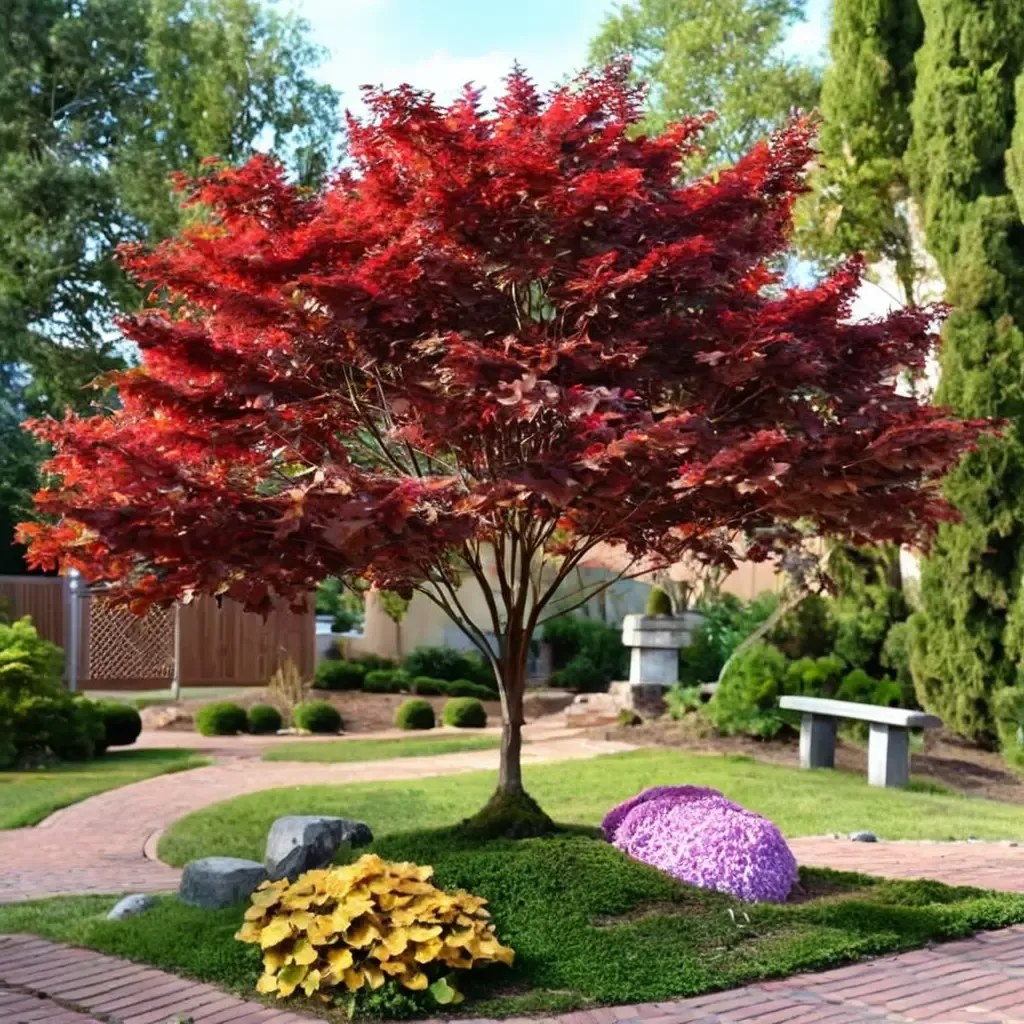
Bloodgood Japanese Maple
Acer palmatum 'Bloodgood'
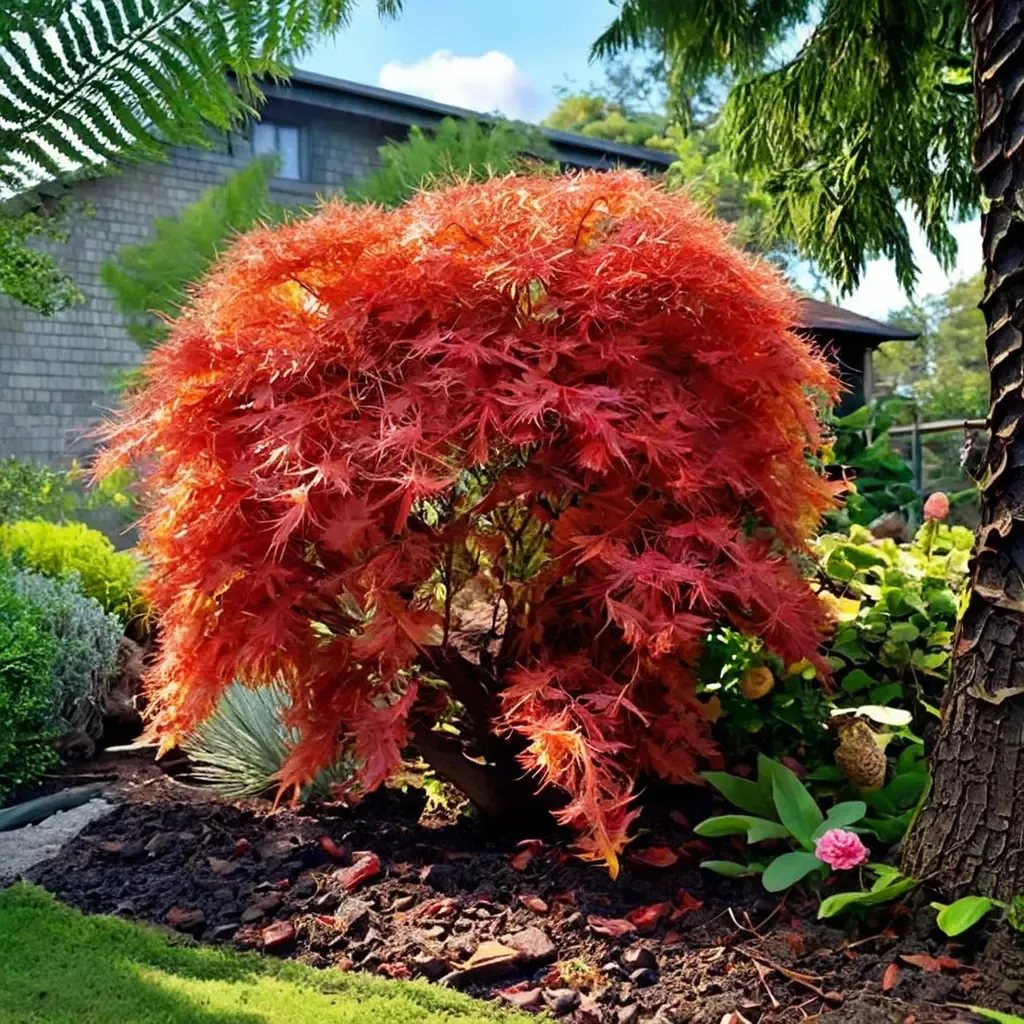
Orangeola Japanese Maple
Acer palmatum 'Orangeola'
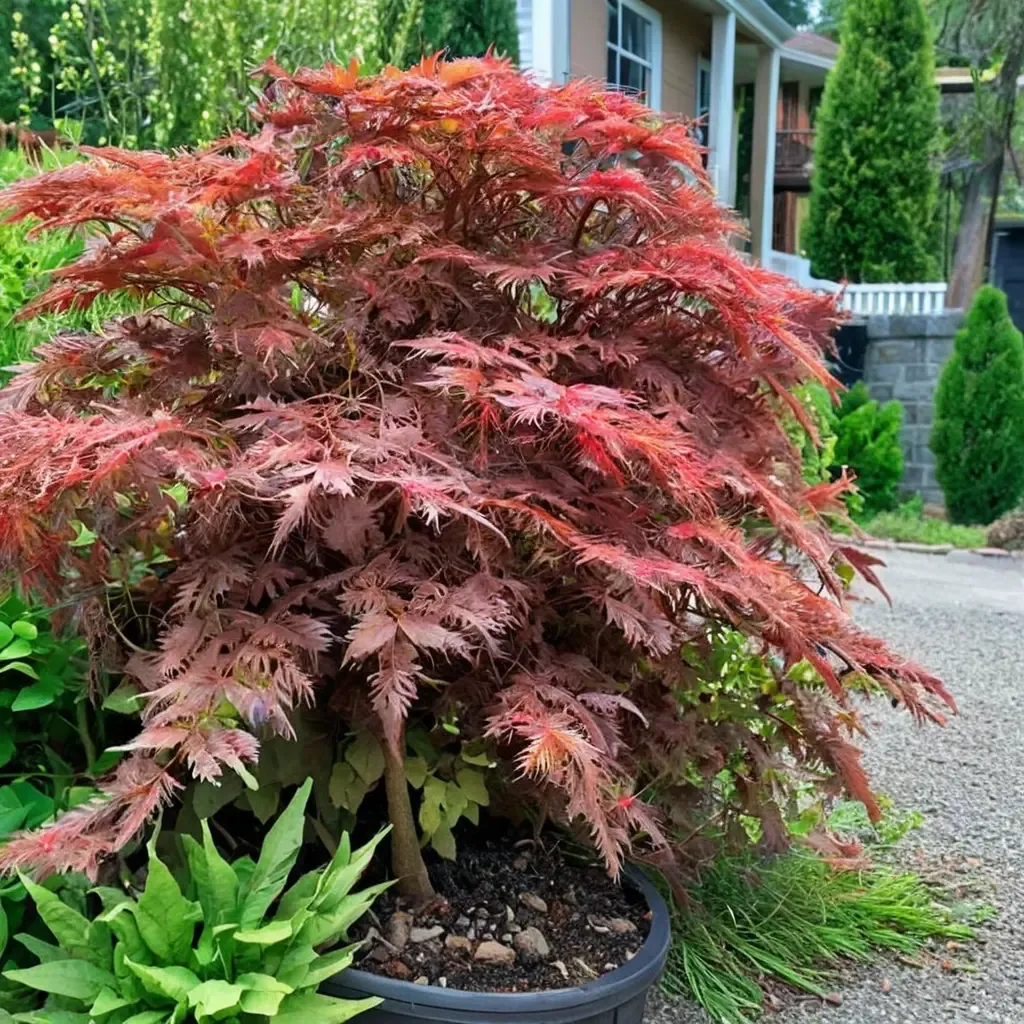
Crimson Queen Japanese Maple
Acer palmatum 'Crimson Queen'
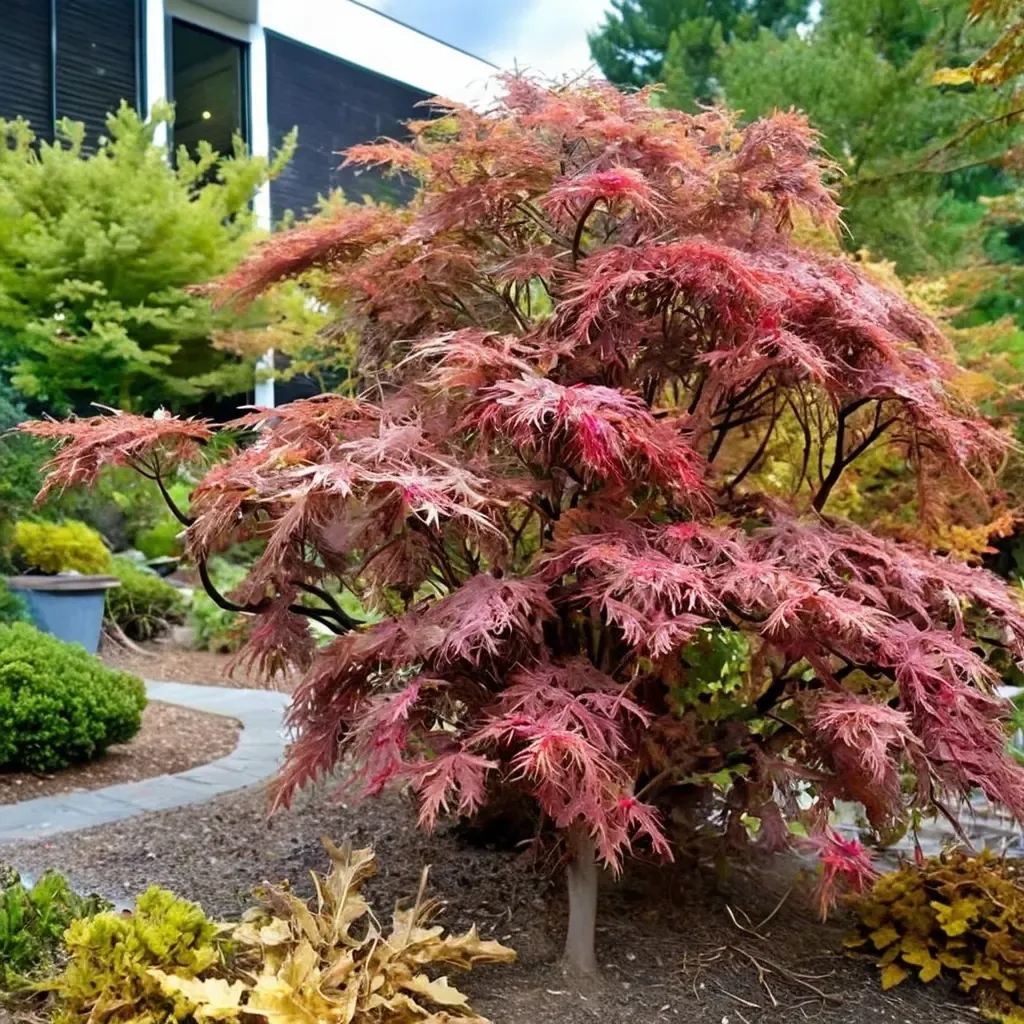
Weeping Japanese Maple
Acer palmatum 'Shidare'
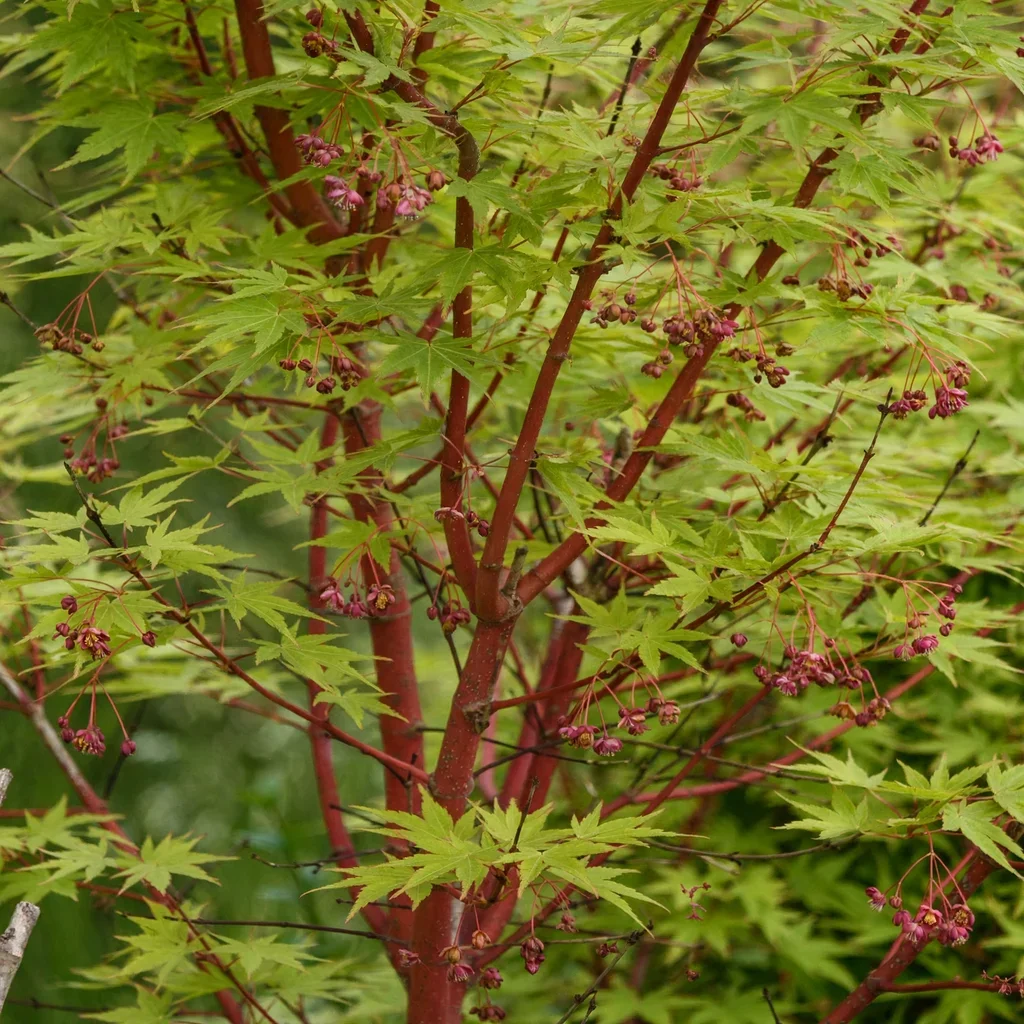
Coral Bark Maple
Acer palmatum 'Sango-Kaku'
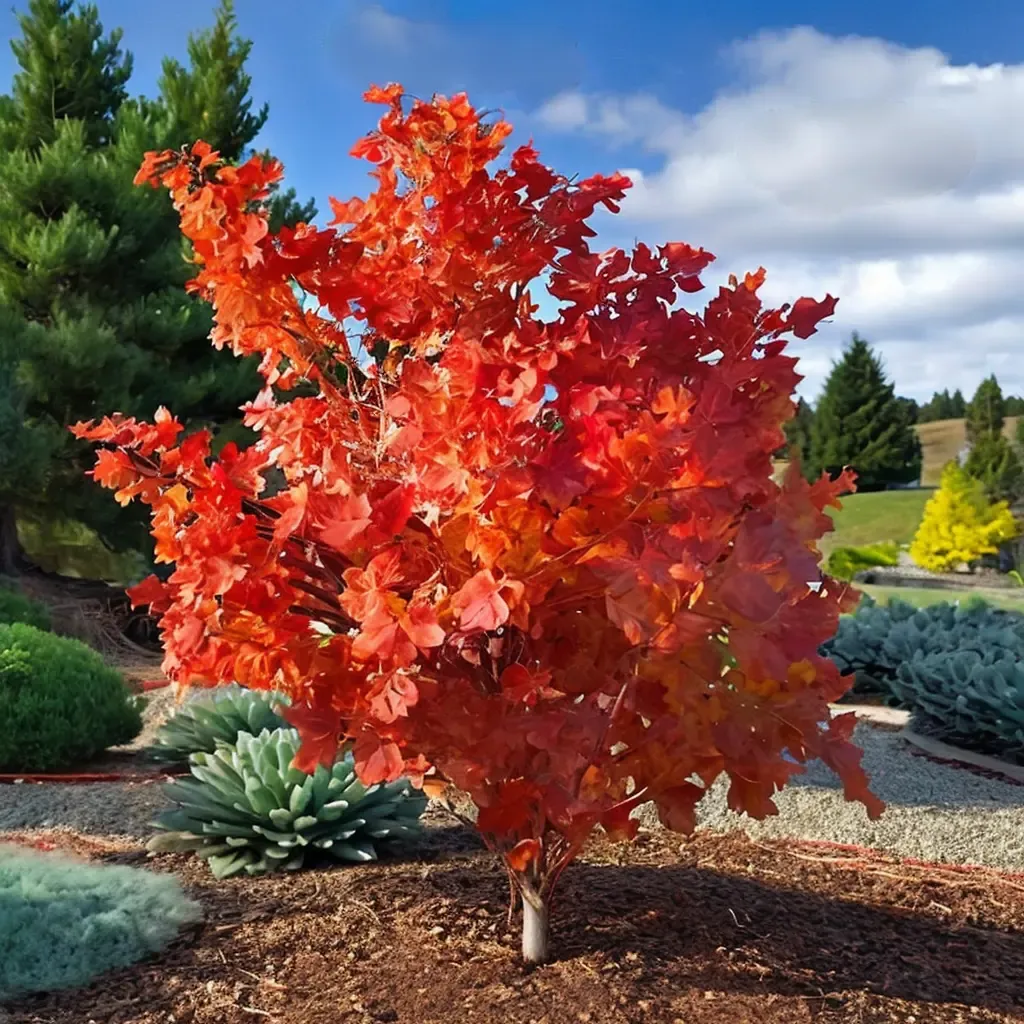
Final Fire Japanese Maple
Acer palmatum 'Final Fire'
Keep exploring
Explore the genus
Hardy in your zone?
Grow Shirazz Japanese Maple with confidence
See it in a design of your actual yard, get zone-matched care reminders, and track it season by season in your garden journal.