
Species
1 other cultivar
The Story
Plant Bio
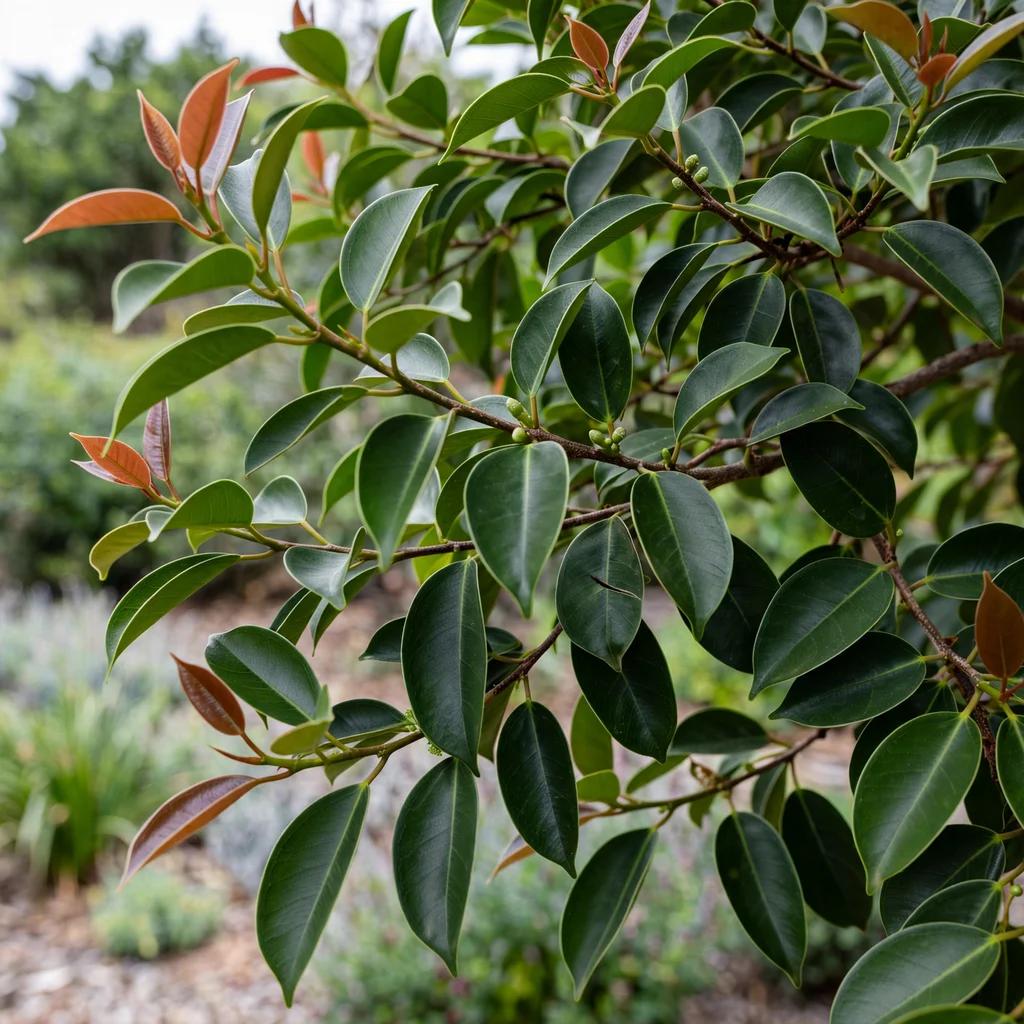
Ficus microcarpa, commonly known as the Chinese banyan, is a vigorous evergreen tree native to tropical and subtropical regions of Asia and northern Australia. It develops a dense, rounded canopy of smooth grey bark and produces insignificant, minute flowers completely enclosed within fleshy, rounded fig structures.
'Emerald' is a selected cultivar distinguished by its compact, upright growth habit and small, leathery leaves of a deep emerald-green. It is highly favored for formal topiary standards and tight, dense privacy hedges due to its rapid growth and excellent response to shearing.
Uses & Benefits:
Essentials
At a Glance
Plant Type
Tree
Height
300"
Width
240"
Light
Full Sun, Partial Sun
Zones
9, 10
Water
Moderate
Humidity
High
Lifespan
Long-lived
Native To
Asia, Australia
Toxicity
Mildly toxic to pets and skin irritant
Bloom period
Spring – Summer
In flower about 6 months of the year
Planting
How to Grow
- Select a planting site in full sun to partial shade with highly draining soil.
- Dig a hole twice as wide as the root ball and of equal depth, ensuring the soil drains rapidly.
- Install a physical root barrier if planting near sidewalks, driveways, or foundations.
- Backfill with native soil, water deeply to settle, and apply a layer of organic mulch, keeping it clear of the trunk.
Pro Tip
Plant in a large structural container or install deep root barriers if growing in-ground, as the aggressive, surface-seeking root system will easily lift paving and damage nearby foundations.
Keep It Thriving
Care Guide
Do
- Prune regularly to maintain the desired shape and density.
- Grow in containers or use root barriers to control the aggressive root system.
- Wear gloves when pruning to avoid contact with the irritating milky sap.
Don't
- Do not allow the soil to remain waterlogged, as this quickly triggers root rot.
- Do not cut back constantly into old, leafless bare wood, which fails to shoot back reliably.
- Do not plant close to pipes, paving, or foundations without structural barriers.
Seasonal Care Calendar
| Task | Jan | Feb | Mar | Apr | May | Jun | Jul | Aug | Sep | Oct | Nov | Dec |
|---|---|---|---|---|---|---|---|---|---|---|---|---|
| Fertilize | ||||||||||||
| Pest Check | ||||||||||||
| Prune | ||||||||||||
| Winter Prep |
Watch Out For
Pests & Diseases
Common Pests
Common Diseases
In the Garden
Landscape Uses & Companions
Landscape Uses
Companion Plants
Multiply
Propagation Methods
Good to Know
Common Questions
Chinese Banyan questions
What zones can Chinese Banyan grow in?
Chinese Banyan is hardy in USDA Zones 9–10. Inside that range it survives winter in the ground; outside it, grow it as an annual or a container plant you protect.
When does Chinese Banyan bloom?
Chinese Banyan typically blooms in spring through summer. Exact timing shifts a week or two with your zone — Sow's bloom calendar maps it to your garden.
Does Chinese Banyan need full sun?
Chinese Banyan does best in full sun to part shade. In hot climates, afternoon shade keeps blooms fresher longer.
Is Chinese Banyan drought tolerant?
Yes — once established (usually after the first full season), Chinese Banyan handles dry spells with minimal watering. Water deeply its first year to build the root system that makes that possible.
More Ficus to compare
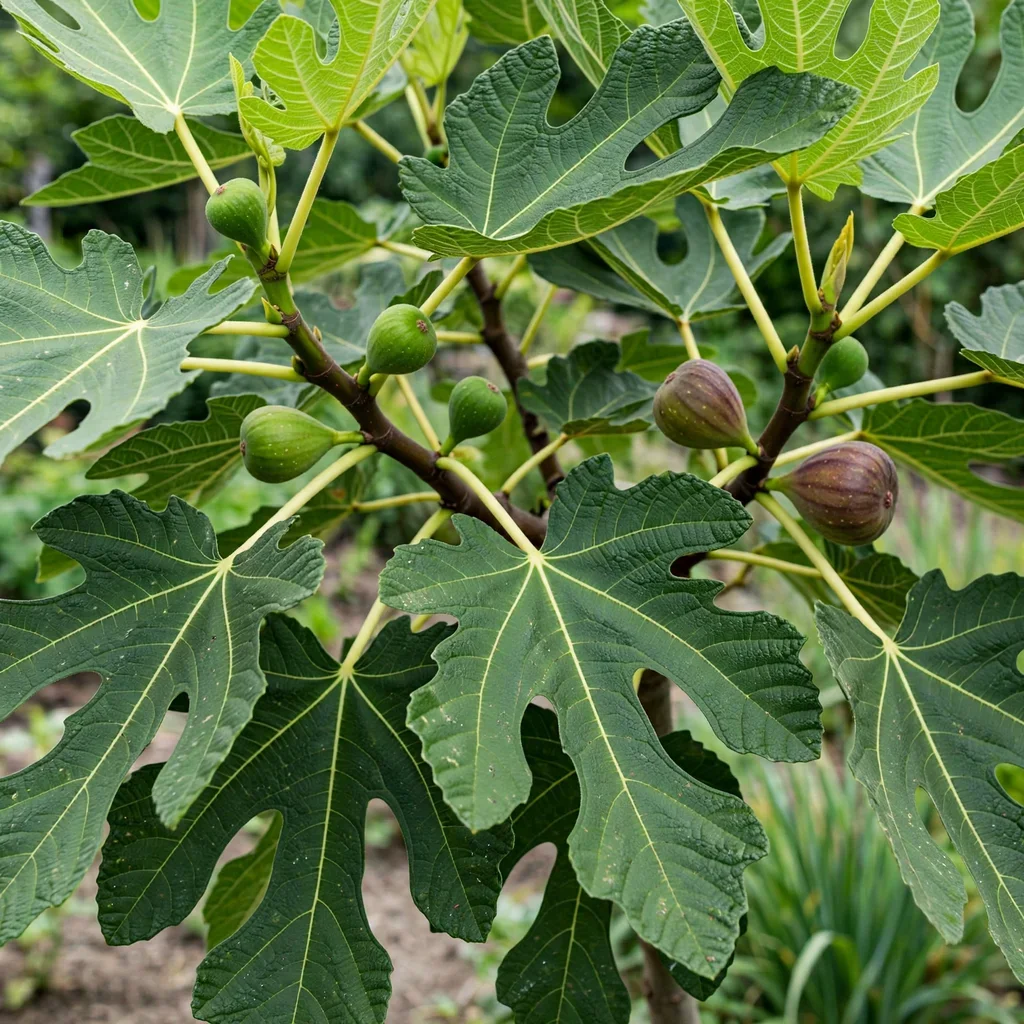
Fig Tree Brown Turkey
Ficus carica 'Brown Turkey'
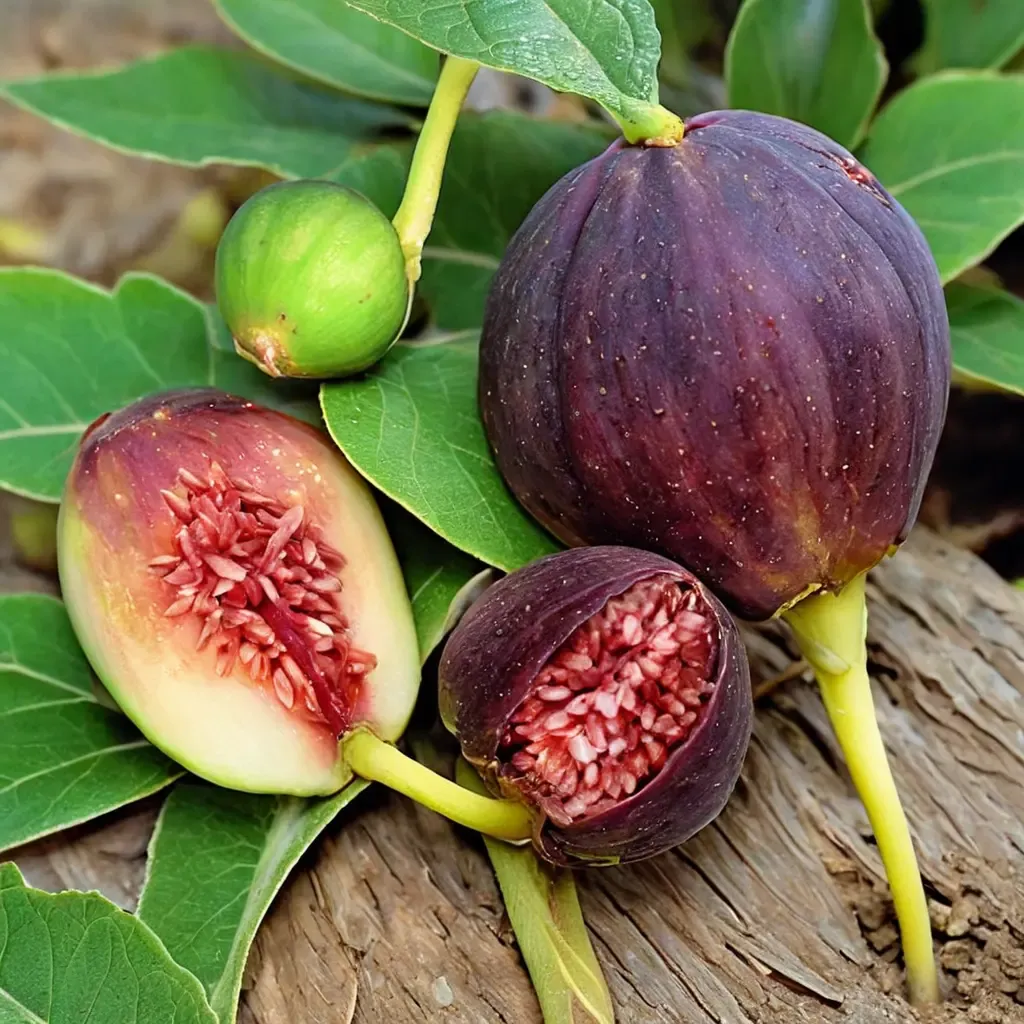
Improved Brown Turkey Fig
Ficus carica 'Improved Brown Turkey'
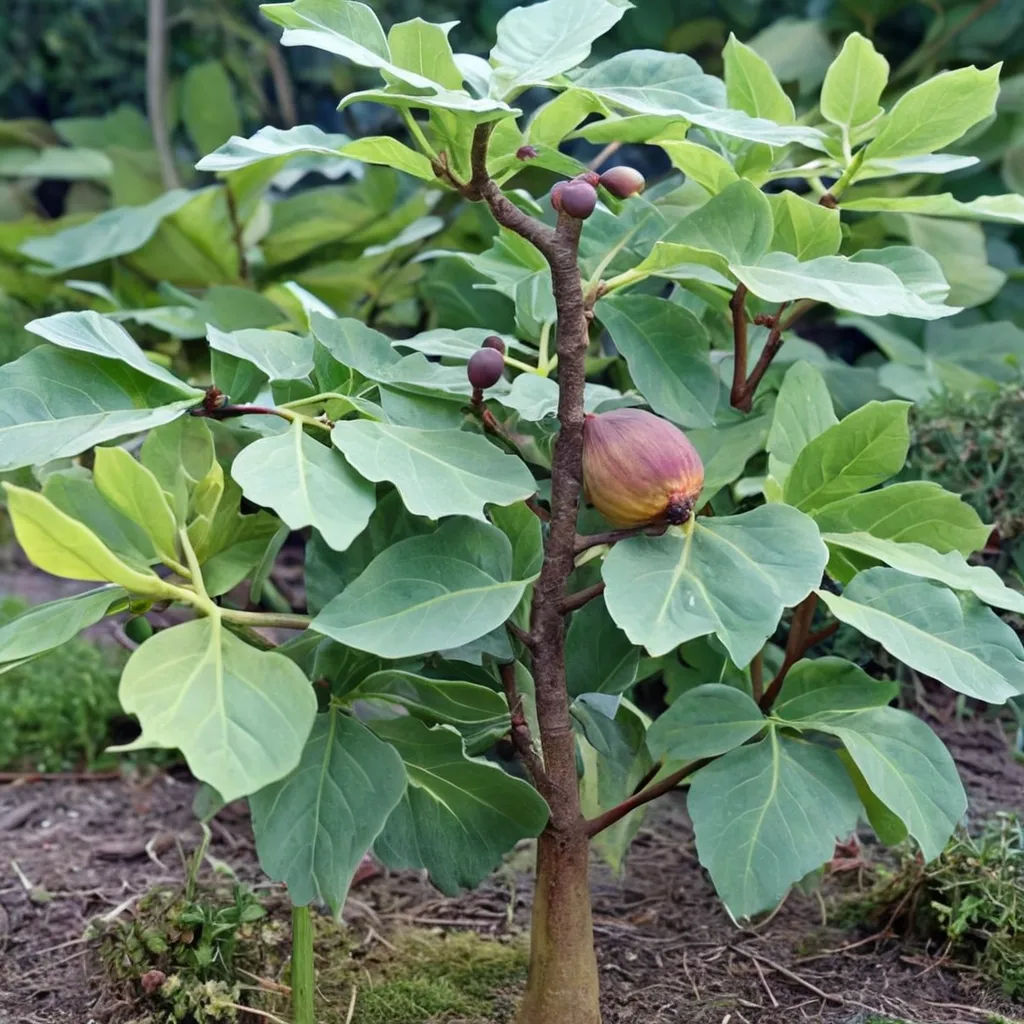
Chicago Hardy Fig
Ficus carica 'Chicago Hardy'
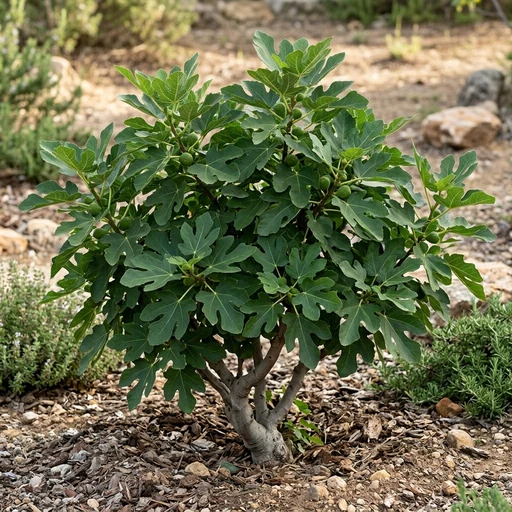
Little Miss Figgy Dwarf Fig
Ficus carica 'Little Miss Figgy'
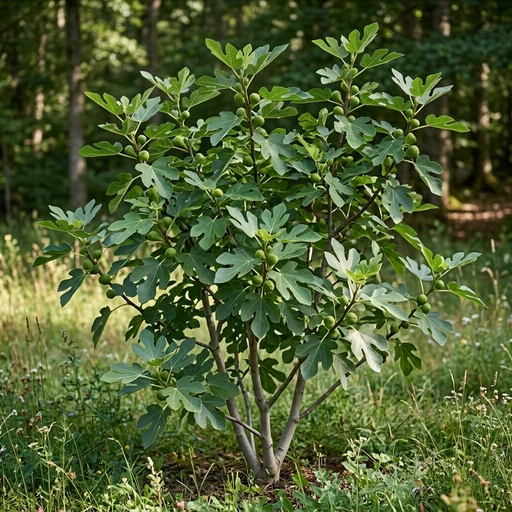
Celeste Fig
Ficus carica 'Celeste'
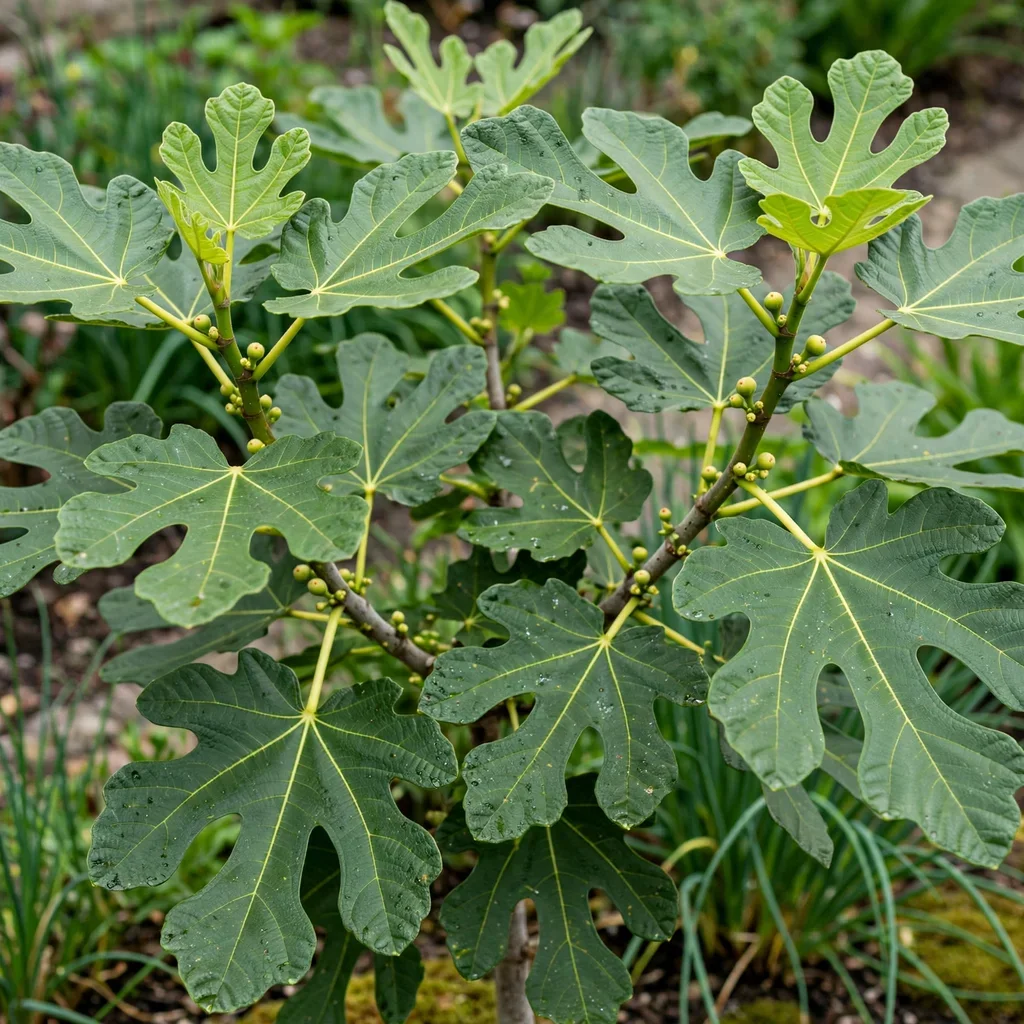
Champagne Fig
Ficus carica 'Champagne'
Keep exploring
Explore the genus
Hardy in your zone?
Grow Chinese Banyan with confidence
See it in a design of your actual yard, get zone-matched care reminders, and track it season by season in your garden journal.