Species
1 other cultivar

The Story
Plant Bio
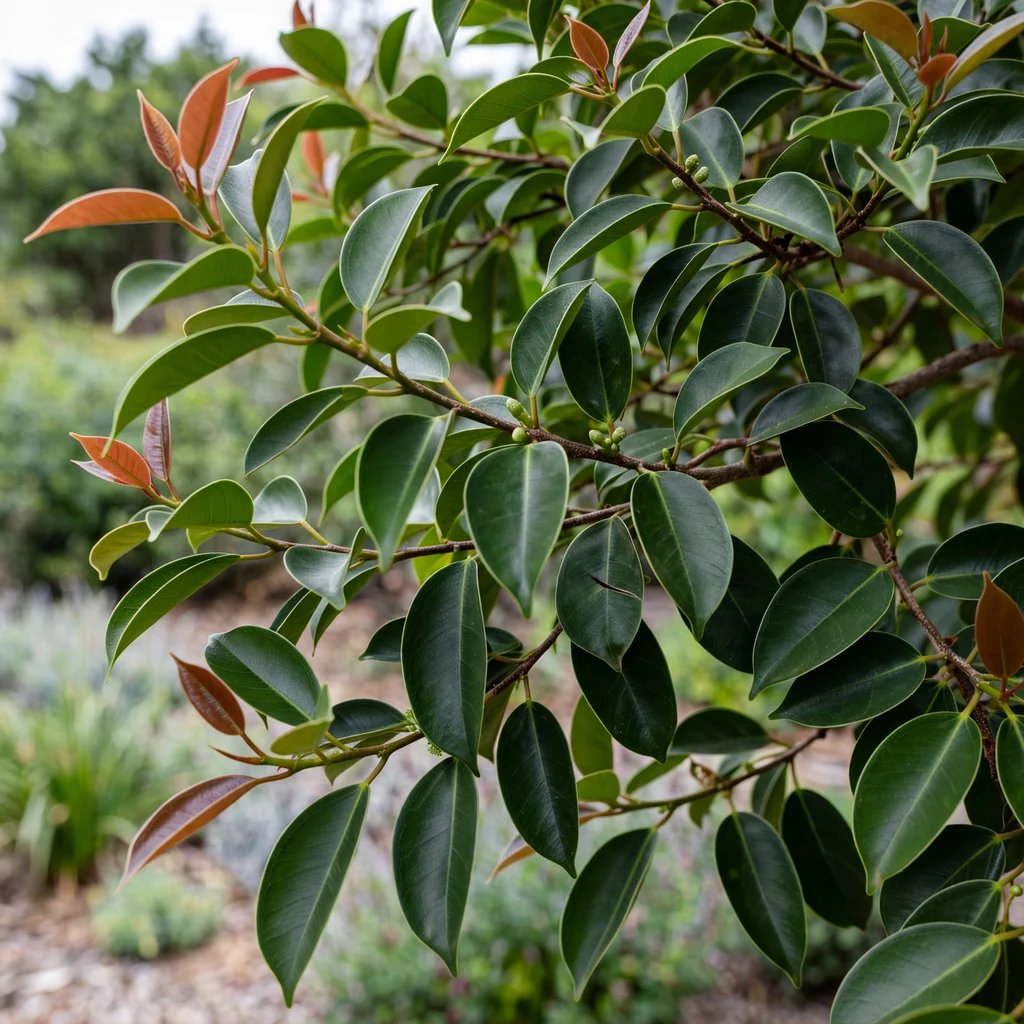
Ficus microcarpa is a dense, evergreen tree native to tropical and subtropical regions of Asia and Australia, characterized by a massive spreading canopy and smooth gray bark. In outdoor landscapes, it produces small, specialized green syconia that house hidden flowers, though it is widely grown globally as a durable indoor foliage plant.
'Flash' is a compact, upright cultivar selected for its tight, formal architectural structure and vibrant foliage. The new leaves emerge in a bright bronze-red flush before maturing into a deep, leathery, glossy green.
Uses & Benefits:
Essentials
At a Glance
Plant Type
Tree
Height
394"
Width
118"
Light
Full Sun, Partial Sun
Zones
10
Water
Moderate
Humidity
High
Lifespan
Long-lived
Native To
Asia, Malesia, and Australia
Toxicity
Toxic to pets, skin irritant
Bloom period
Spring – Summer
In flower about 6 months of the year
Planting
How to Grow
- Select a container with ample drainage holes and fill it with a well-draining, organic-rich loam or sandy potting mix.
- Position the plant in a location receiving full sun to bright, indirect light to encourage vibrant new foliage color.
- Water thoroughly when the top inch of soil feels dry, ensuring excess water drains away completely to prevent root rot.
- Apply a balanced, slow-release fertilizer once in spring to support the active growth phase.
Pro Tip
To maintain the signature bronze-red new growth, site the plant in bright, indirect light or full sun; deep shade stalls this color transition and results in dull green foliage.
Keep It Thriving
Care Guide
Do
- Perform frequent light tip-pruning to maintain a dense, compact shape.
- Provide bright, indirect light when growing indoors to preserve the reddish-bronze new growth.
- Ensure the soil drains rapidly to protect the root system from waterlogging.
Don't
- Do not prune aggressively into old, leafless bare wood, as it may fail to regenerate.
- Avoid sudden environmental changes or moving the plant frequently, which triggers severe leaf drop.
- Do not allow the pot to sit in standing water.
Seasonal Care Calendar
| Task | Jan | Feb | Mar | Apr | May | Jun | Jul | Aug | Sep | Oct | Nov | Dec |
|---|---|---|---|---|---|---|---|---|---|---|---|---|
| Fertilize | ||||||||||||
| Pest Check | ||||||||||||
| Prune | ||||||||||||
| Winter Prep |
Watch Out For
Pests & Diseases
Common Pests
Common Diseases
In the Garden
Landscape Uses & Companions
Landscape Uses
Companion Plants
Multiply
Propagation Methods
Good to Know
Common Questions
Hill's Weeping Fig questions
What zones can Hill's Weeping Fig grow in?
Hill's Weeping Fig is hardy in USDA Zone 10. Inside that range it survives winter in the ground; outside it, grow it as an annual or a container plant you protect.
When does Hill's Weeping Fig bloom?
Hill's Weeping Fig typically blooms in spring through summer. Exact timing shifts a week or two with your zone — Sow's bloom calendar maps it to your garden.
Does Hill's Weeping Fig need full sun?
Hill's Weeping Fig does best in full sun to part shade. In hot climates, afternoon shade keeps blooms fresher longer.
Is Hill's Weeping Fig drought tolerant?
Yes — once established (usually after the first full season), Hill's Weeping Fig handles dry spells with minimal watering. Water deeply its first year to build the root system that makes that possible.
More Ficus to compare
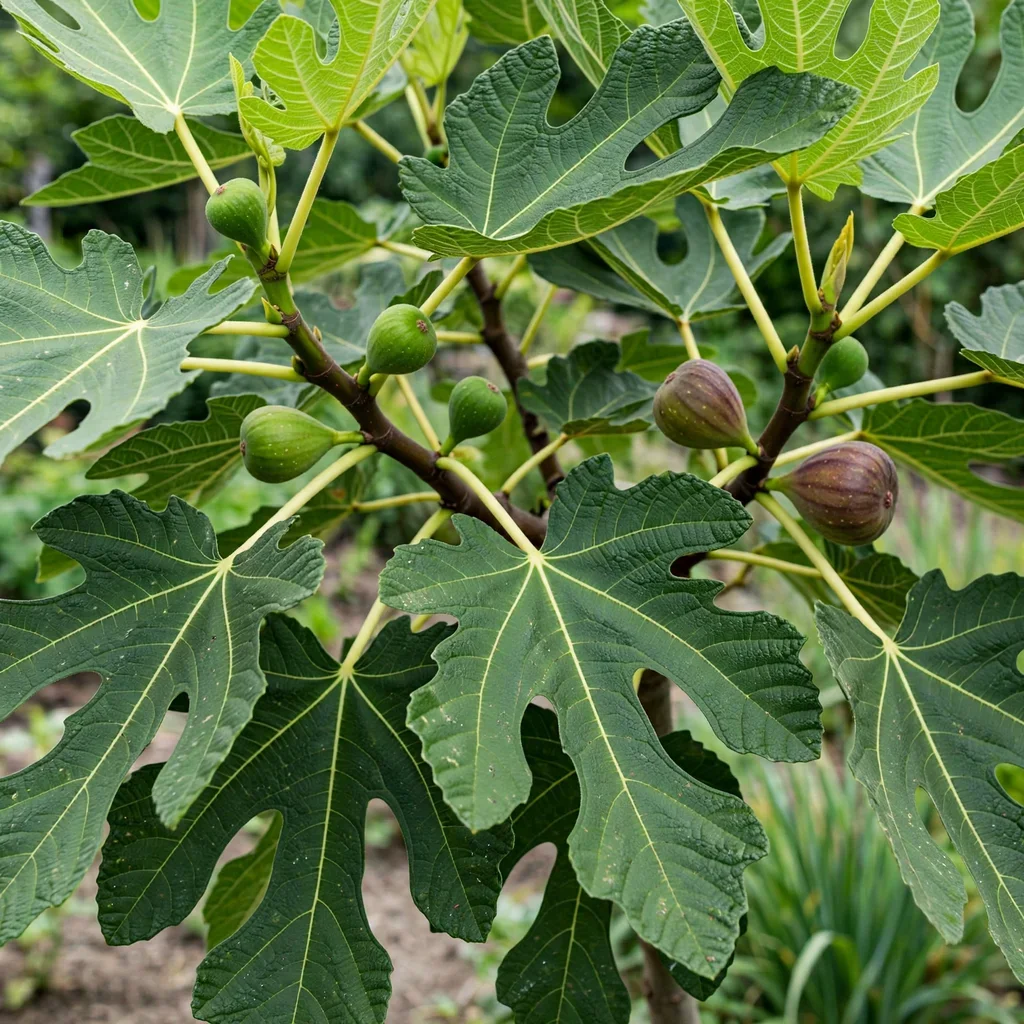
Fig Tree Brown Turkey
Ficus carica 'Brown Turkey'
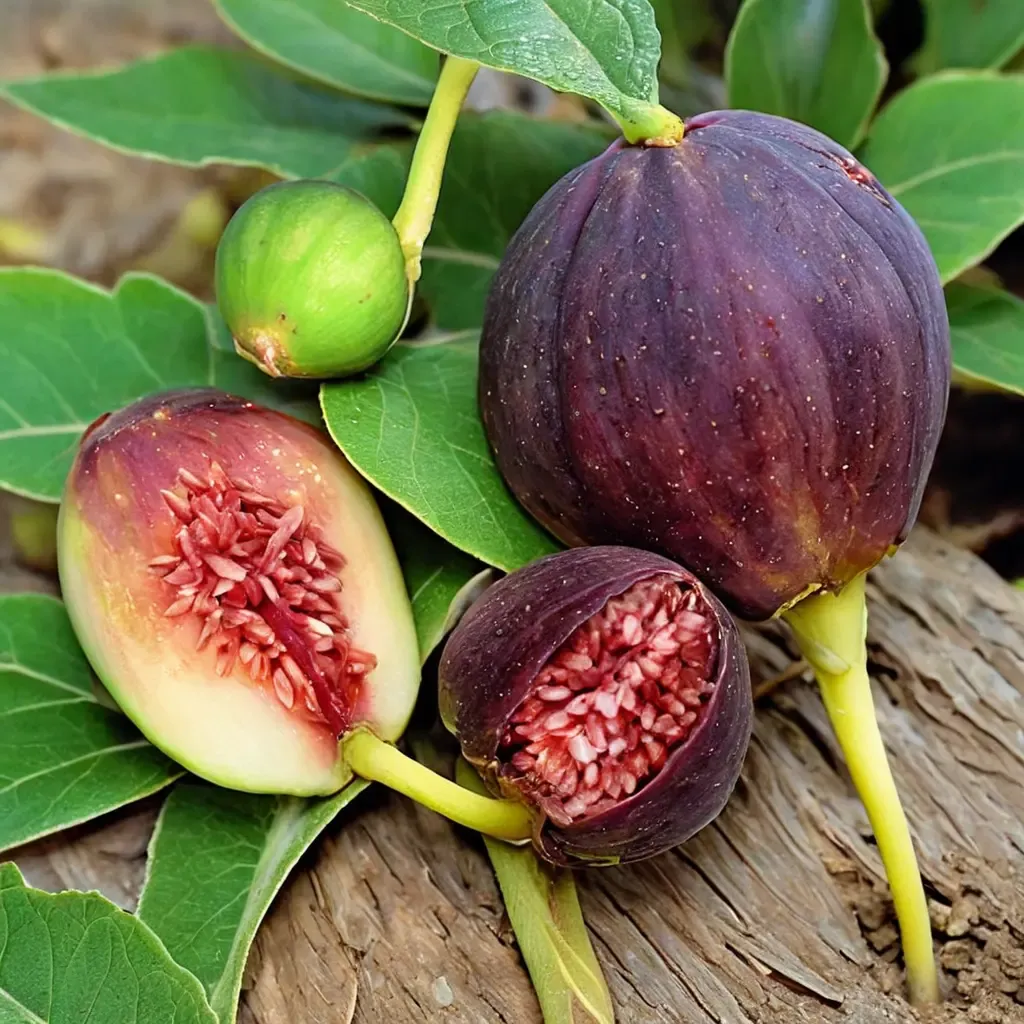
Improved Brown Turkey Fig
Ficus carica 'Improved Brown Turkey'
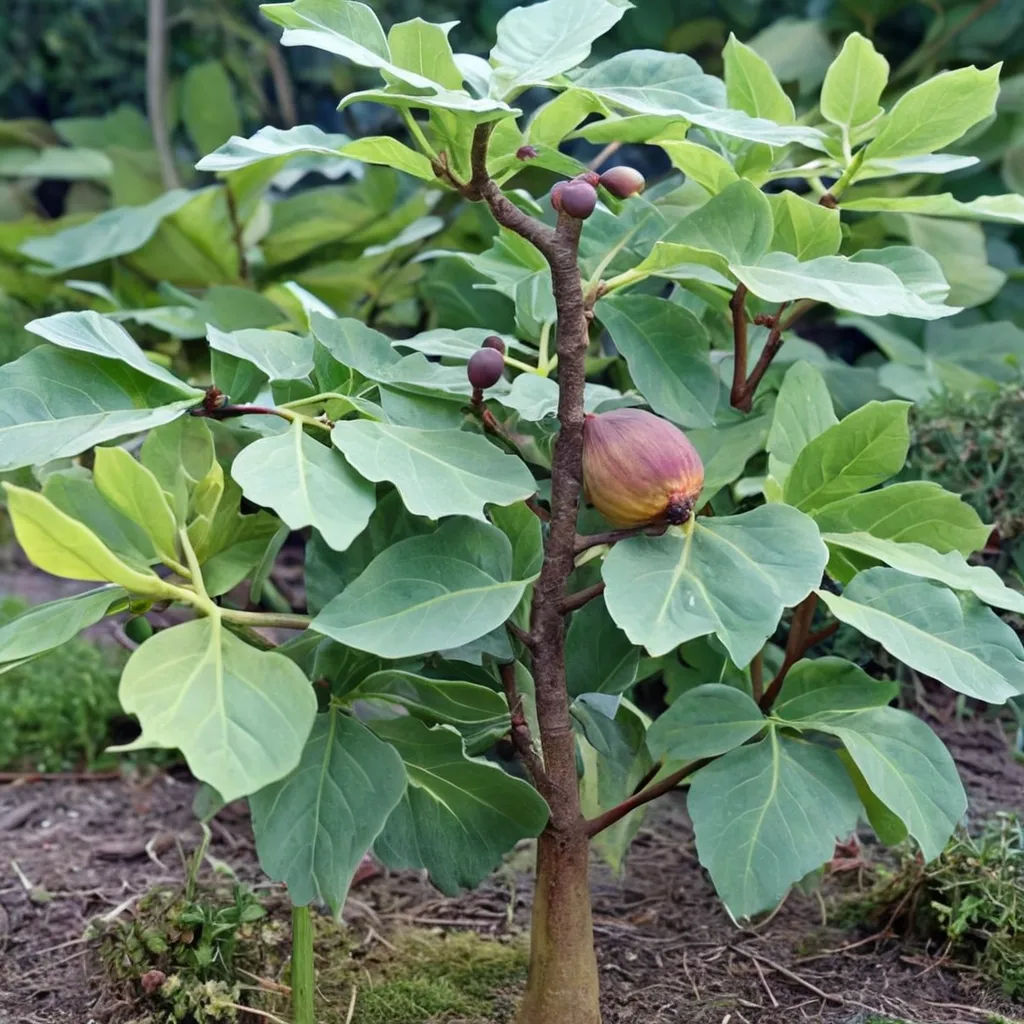
Chicago Hardy Fig
Ficus carica 'Chicago Hardy'
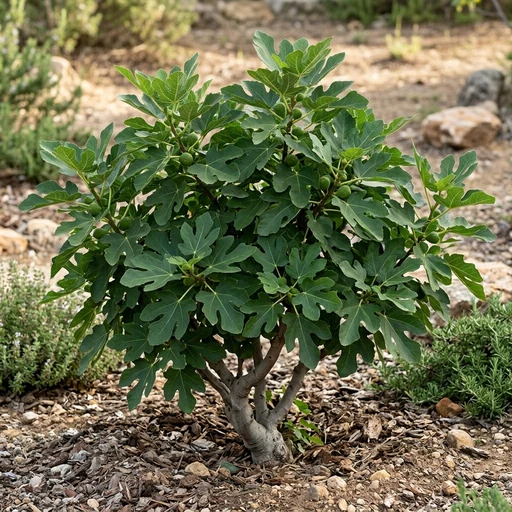
Little Miss Figgy Dwarf Fig
Ficus carica 'Little Miss Figgy'
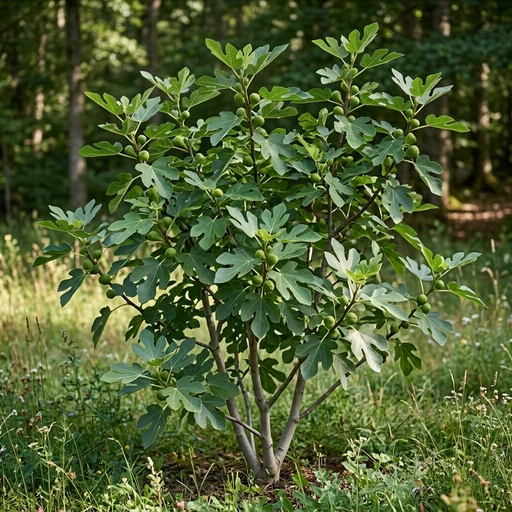
Celeste Fig
Ficus carica 'Celeste'
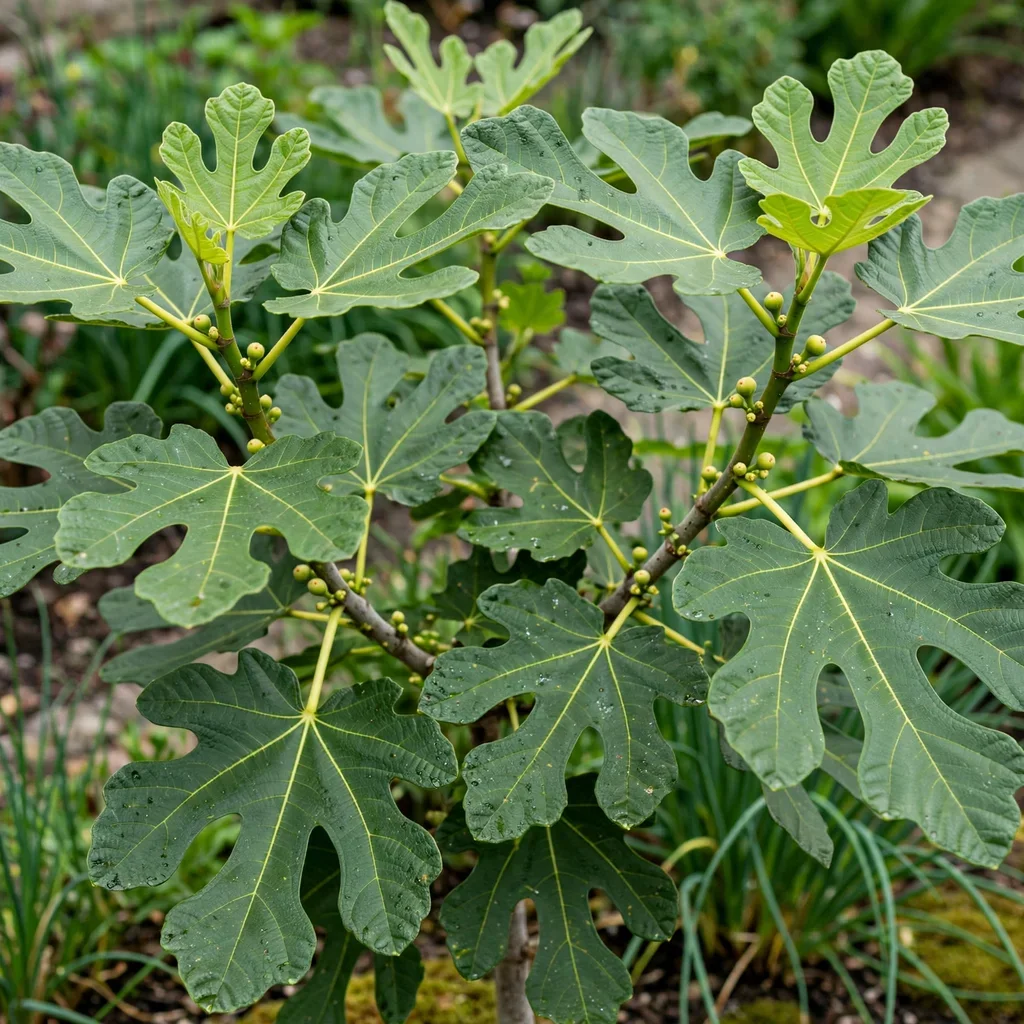
Champagne Fig
Ficus carica 'Champagne'
Keep exploring
Explore the genus
Hardy in your zone?
Grow Hill's Weeping Fig with confidence
See it in a design of your actual yard, get zone-matched care reminders, and track it season by season in your garden journal.