The Story
Plant Bio
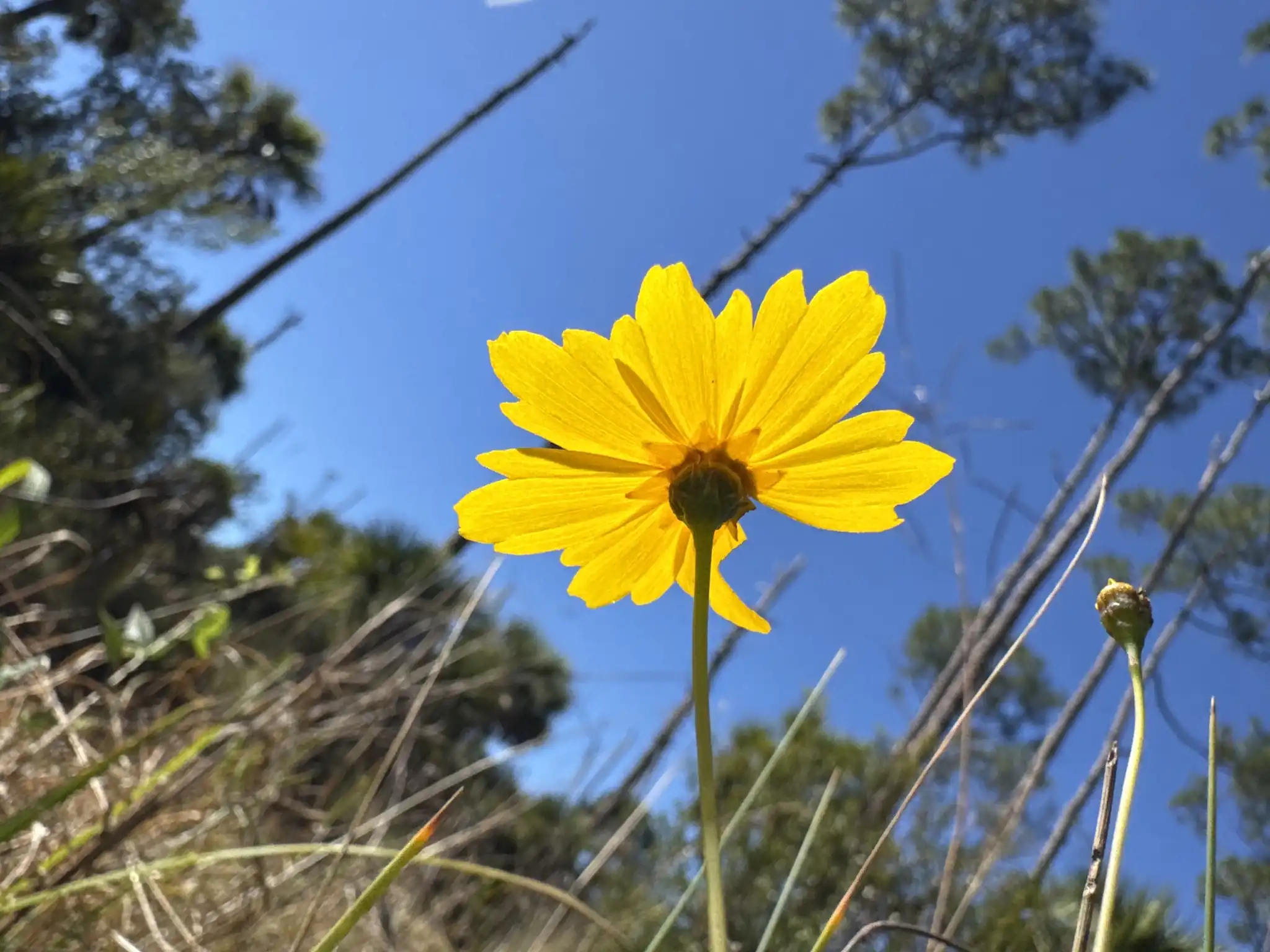
Coreopsis leavenworthii is an upright, branching herbaceous perennial native to the pine flatwoods and wet prairies of the southeastern United States. It produces a continuous display of daisy-like, bright yellow flower heads with dark brown centers on slender, leafless stems rising from a basal rosette of narrow, deeply lobed foliage.
This species is highly adapted to hot, humid climates and moist soils, distinguishing it from other common garden tickseeds that require dry, sandy conditions. It functions as a short-lived perennial or self-seeding annual, reliably renewing its presence in the garden through abundant seed drop.
Uses & Benefits:
Essentials
At a Glance
Plant Type
Perennial
Height
36"
Width
36"
Light
Full Sun
Zones
8, 9, 10
Water
Moderate to High
Humidity
High
Lifespan
Short-lived Perennial / Annual
Native To
North America
Toxicity
Non-toxic
Bloom period
Spring – Winter
In flower about 12 months of the year
Planting
How to Grow
- Select a site in full sun with moist, acidic to neutral sandy loam or well-drained clay.
- Plant container-grown specimens or plugs in spring, spacing them twelve to eighteen inches apart.
- Water regularly to keep the soil consistently moist until the root system is fully established.
- Allow spent flowers to drop seed naturally in late fall to ensure new seedlings emerge the following spring.
Pro Tip
Avoid planting in bone-dry, unamended sand or waterlogged clay; instead, maintain a consistently moist soil profile with adequate drainage to prevent root rot while supporting continuous blooming.
Keep It Thriving
Care Guide
Do
- Prune back the stems lightly after a heavy flowering flush to stimulate fresh growth and a new wave of blooms.
- Ensure the soil remains moderately moist, especially during dry summer spells.
- Allow the plant to self-sow freely to maintain its presence in the garden over multiple seasons.
Don't
- Do not cut back severely into the dead, leafless woody bases of older plants.
- Do not over-fertilize, as excessive nutrients lead to weak, floppy stems and fewer flowers.
- Do not allow the soil to dry out completely or remain waterlogged for extended periods.
Seasonal Care Calendar
| Task | Jan | Feb | Mar | Apr | May | Jun | Jul | Aug | Sep | Oct | Nov | Dec |
|---|---|---|---|---|---|---|---|---|---|---|---|---|
| Divide | ||||||||||||
| Pest Check | ||||||||||||
| Plant | ||||||||||||
| Prune |
Watch Out For
Pests & Diseases
Common Pests
Common Diseases
In the Garden
Landscape Uses & Companions
Landscape Uses
Multiply
Propagation Methods
Good to Know
Common Questions
Leavenworth's Tickseed questions
What zones can Leavenworth's Tickseed grow in?
Leavenworth's Tickseed is hardy in USDA Zones 8–10. Inside that range it survives winter in the ground; outside it, grow it as an annual or a container plant you protect.
When does Leavenworth's Tickseed bloom?
Leavenworth's Tickseed typically blooms in spring through winter. Exact timing shifts a week or two with your zone — Sow's bloom calendar maps it to your garden.
Does Leavenworth's Tickseed need full sun?
Leavenworth's Tickseed does best in full sun (6+ hours).
Is Leavenworth's Tickseed drought tolerant?
Yes — once established (usually after the first full season), Leavenworth's Tickseed handles dry spells with minimal watering. Water deeply its first year to build the root system that makes that possible.
More Coreopsis to compare
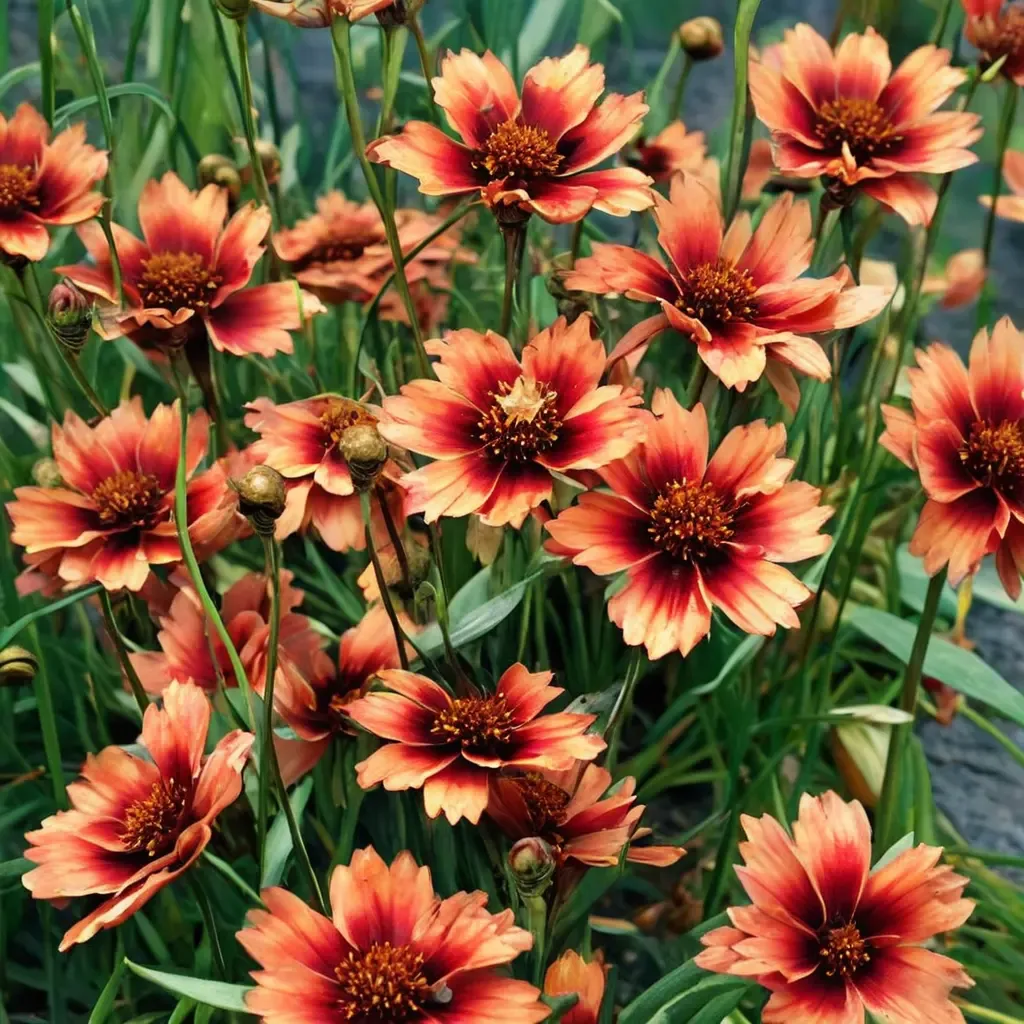
Plains Coreopsis
Coreopsis tinctoria 'Desert Coral'
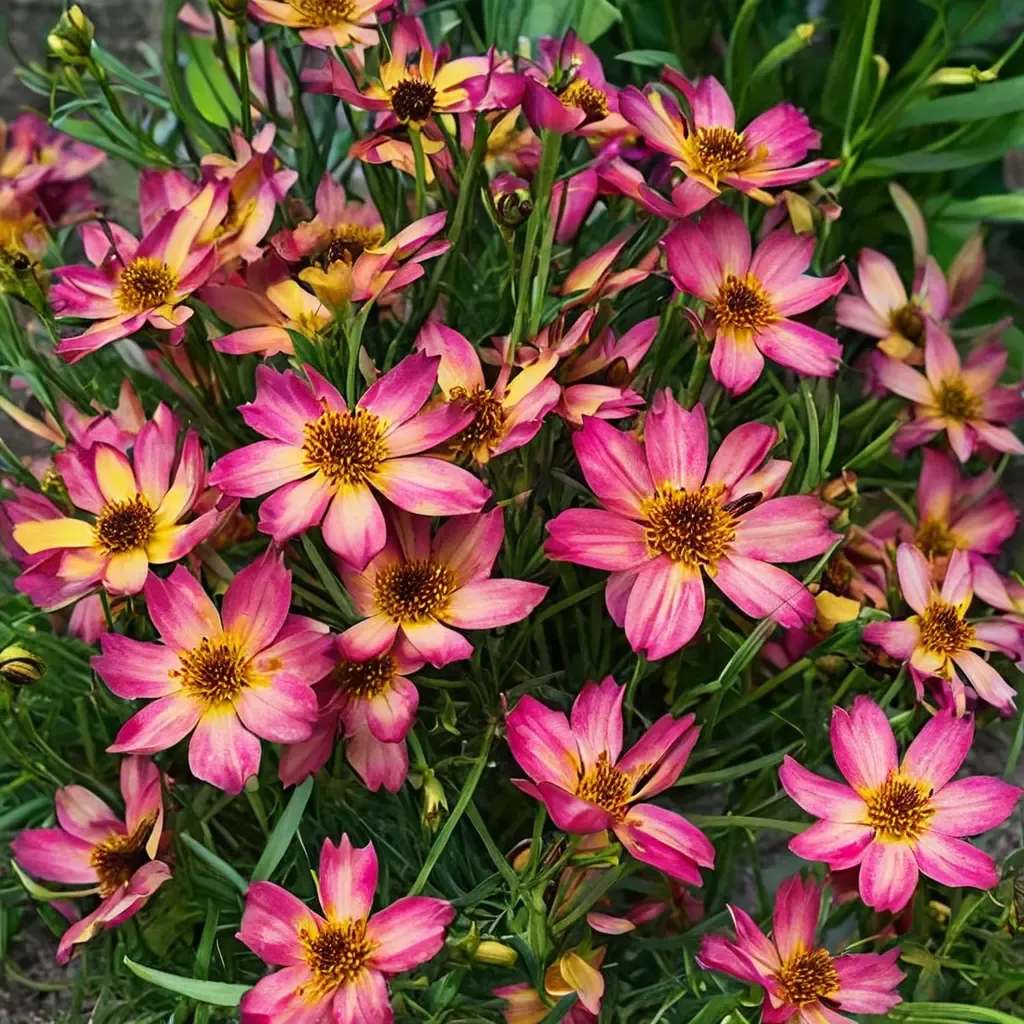
Tickseed 'Sweet Tart'
Coreopsis tinctoria 'Sweet Tart'
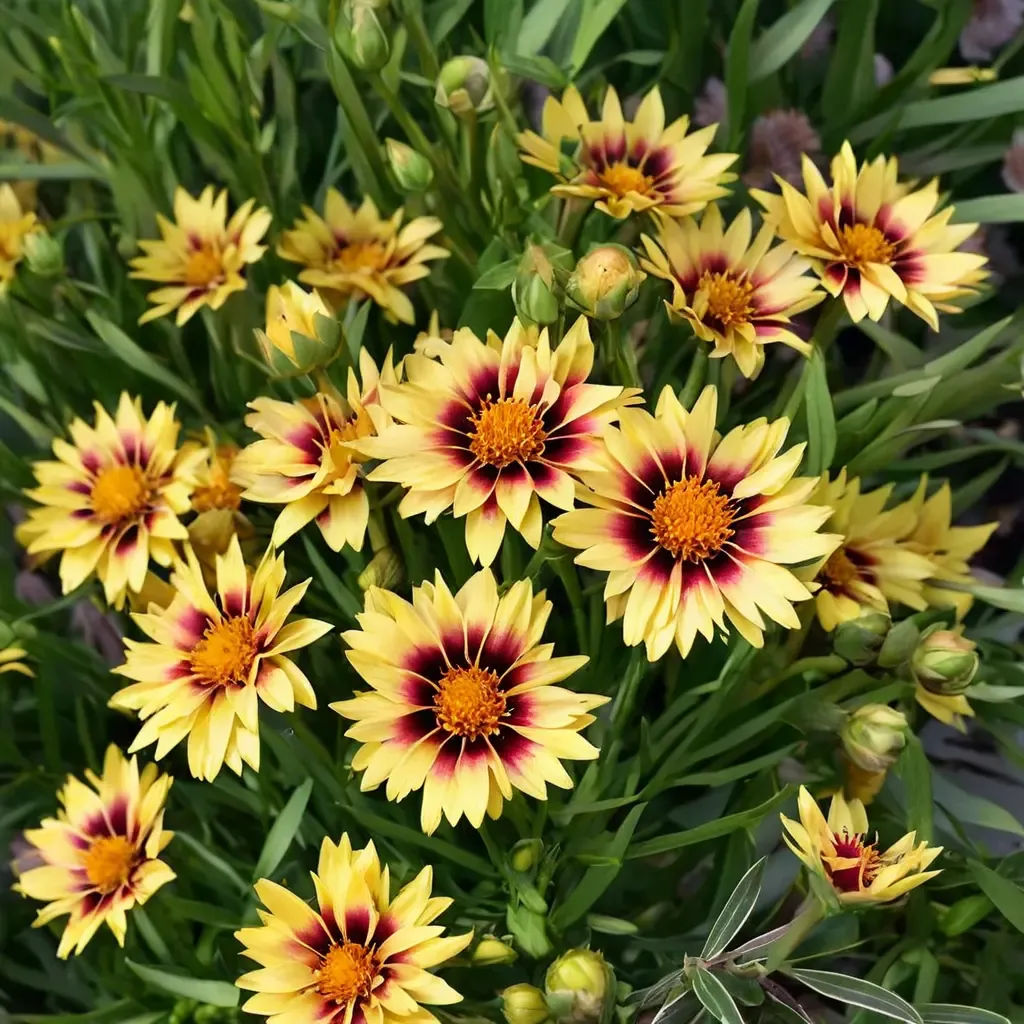
Enchanted Eve Li'l Bang Tickseed
Coreopsis grandiflora 'Enchanted Eve Li'l Bang'
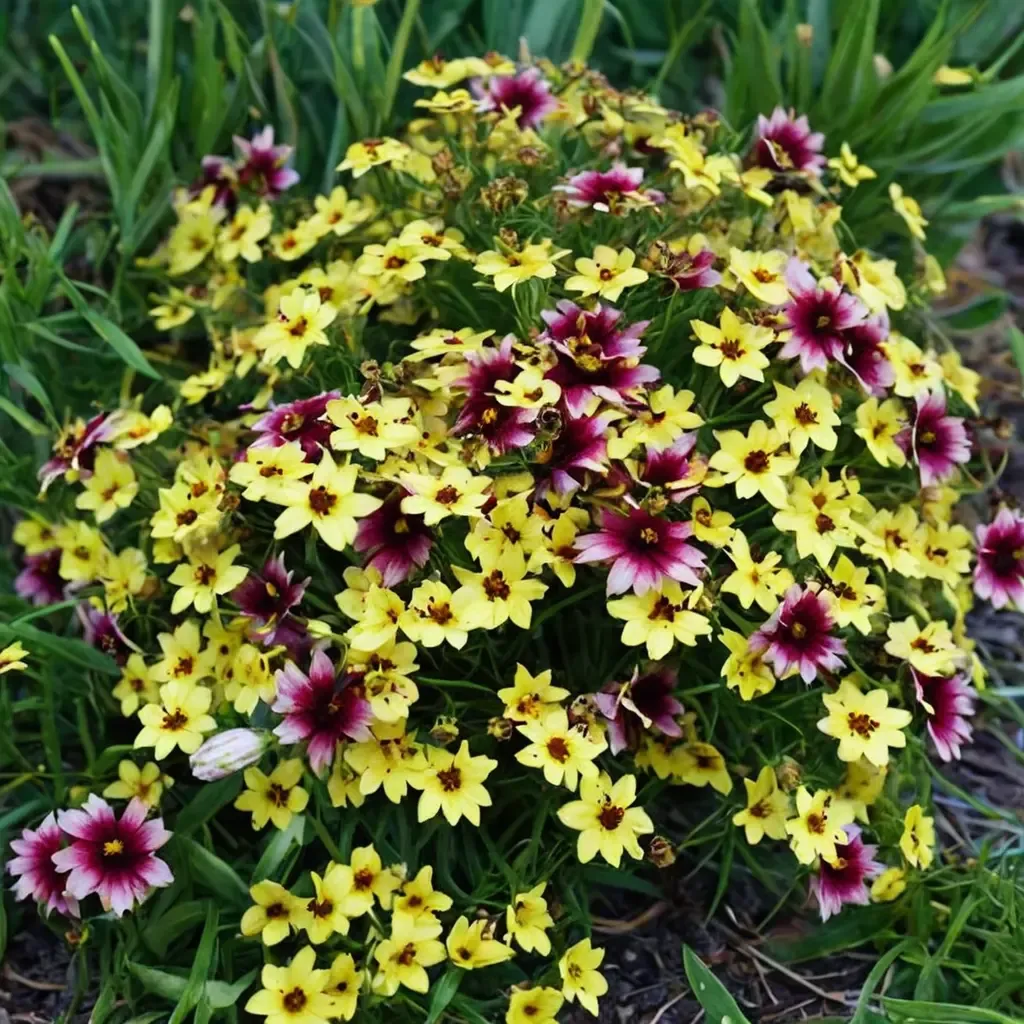
Sassy Saffron Tickseed
Coreopsis grandiflora 'Sassy Saffron'
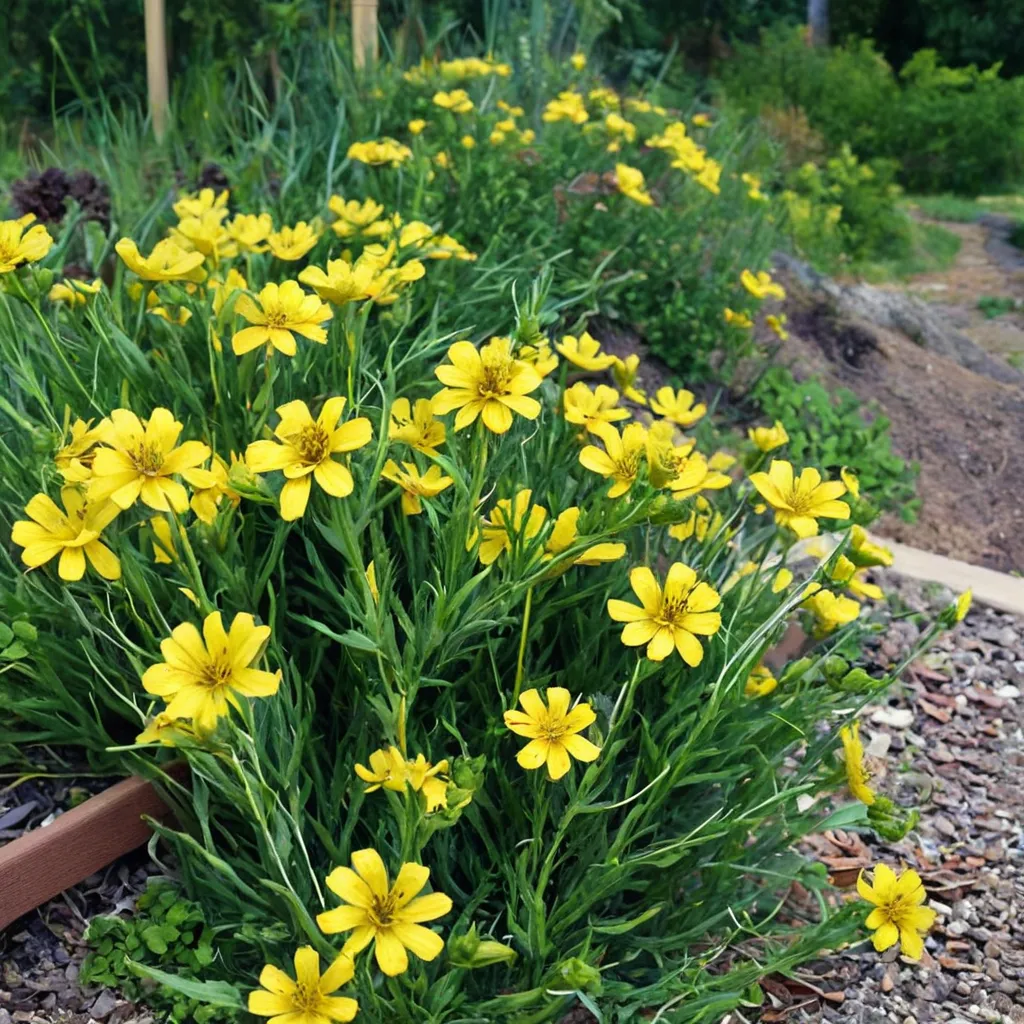
Prairie Coreopsis
Coreopsis palmata
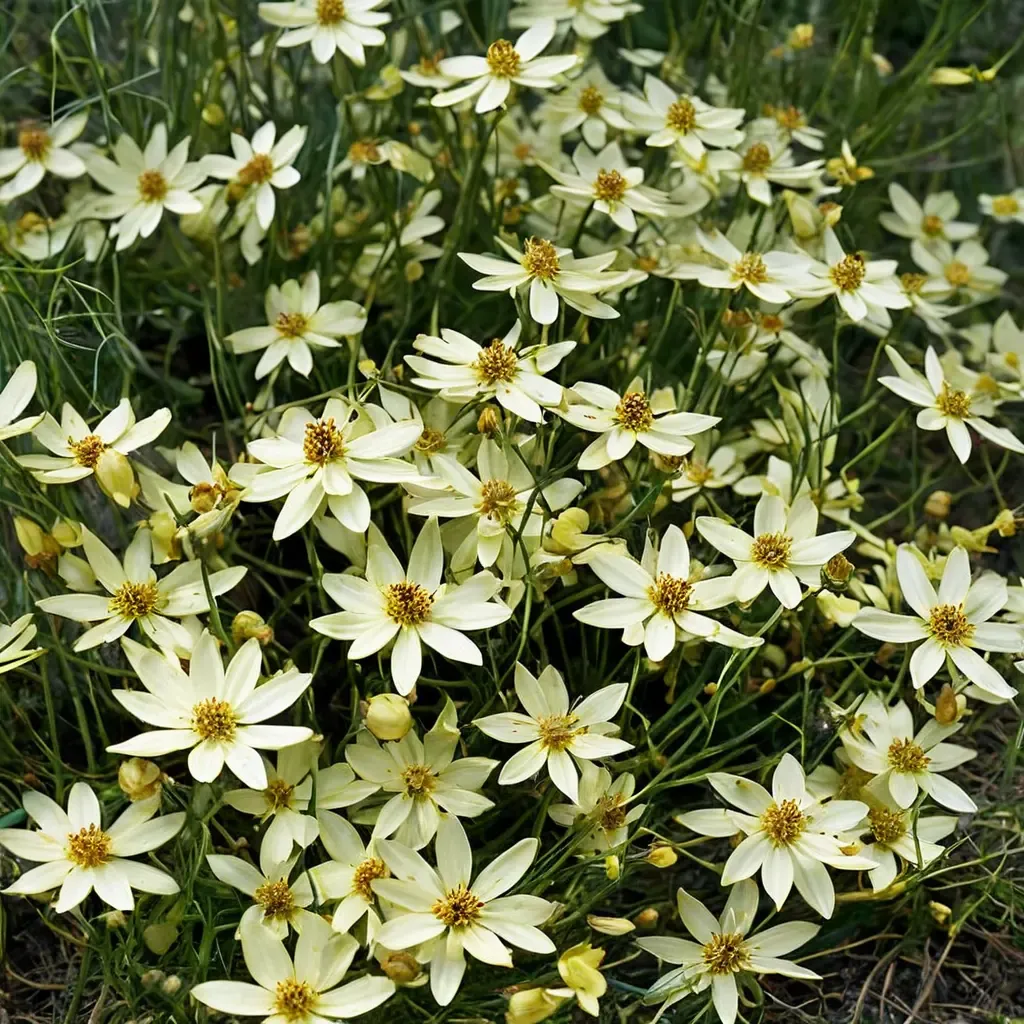
Moonbeam Tickseed
Coreopsis verticillata 'Moonbeam'
Keep exploring
Explore the genus
Hardy in your zone?
Grow Leavenworth's Tickseed with confidence
See it in a design of your actual yard, get zone-matched care reminders, and track it season by season in your garden journal.