
The Story
Plant Bio
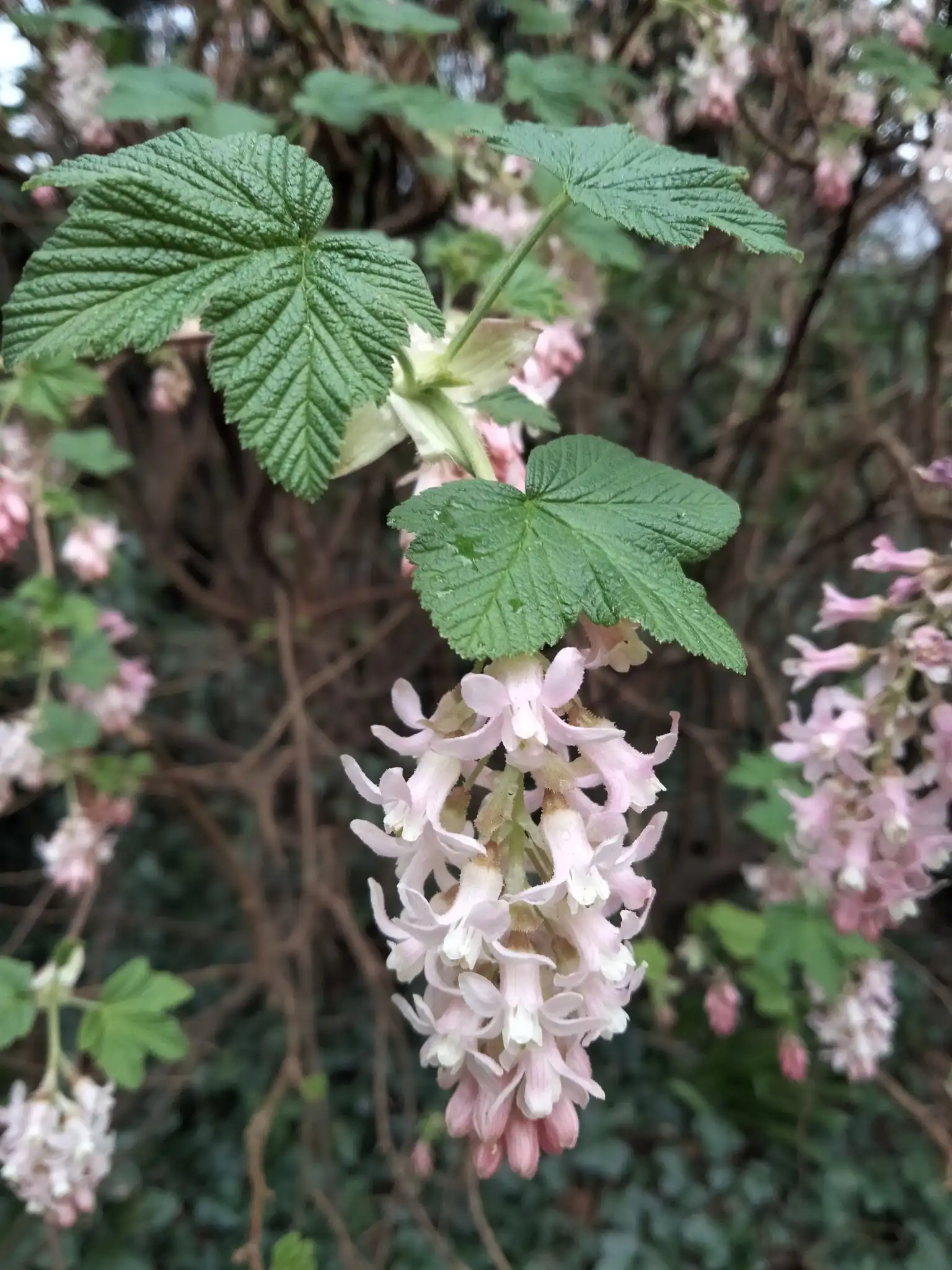
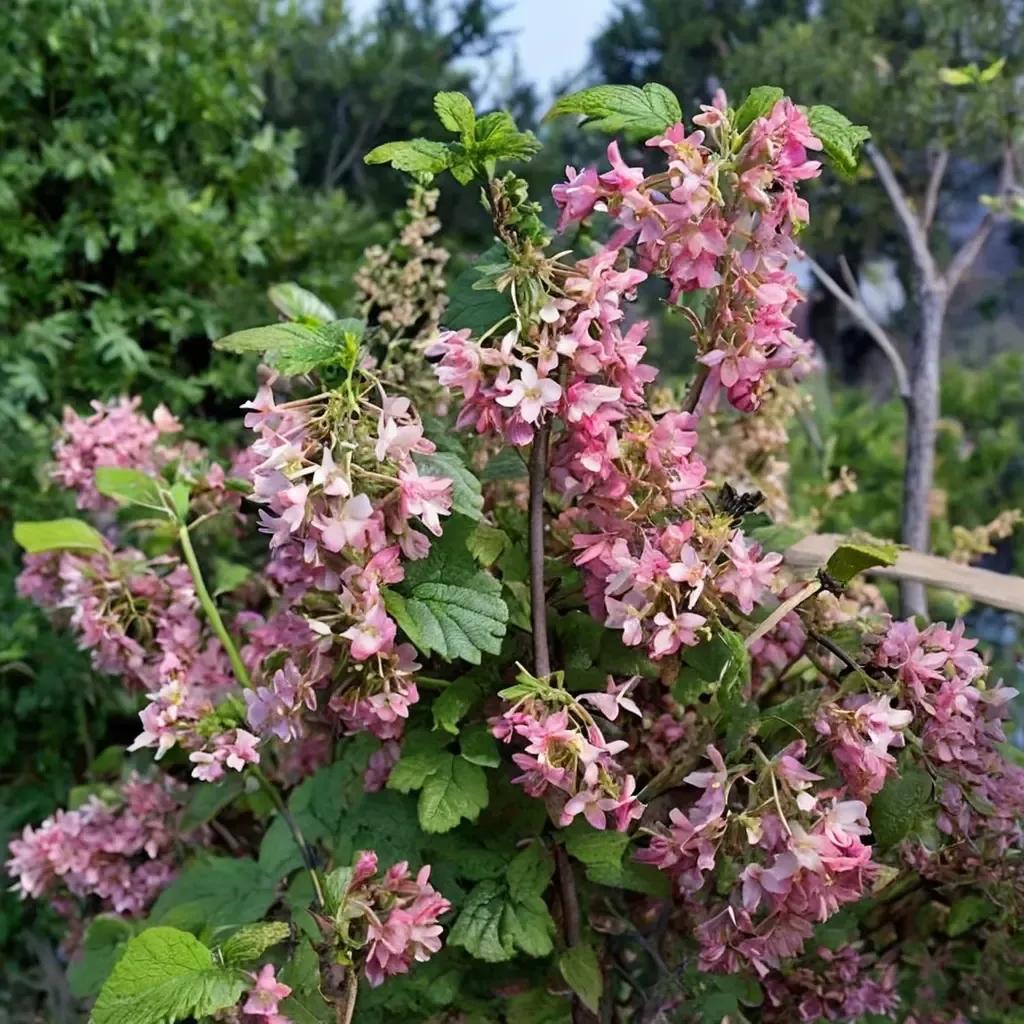
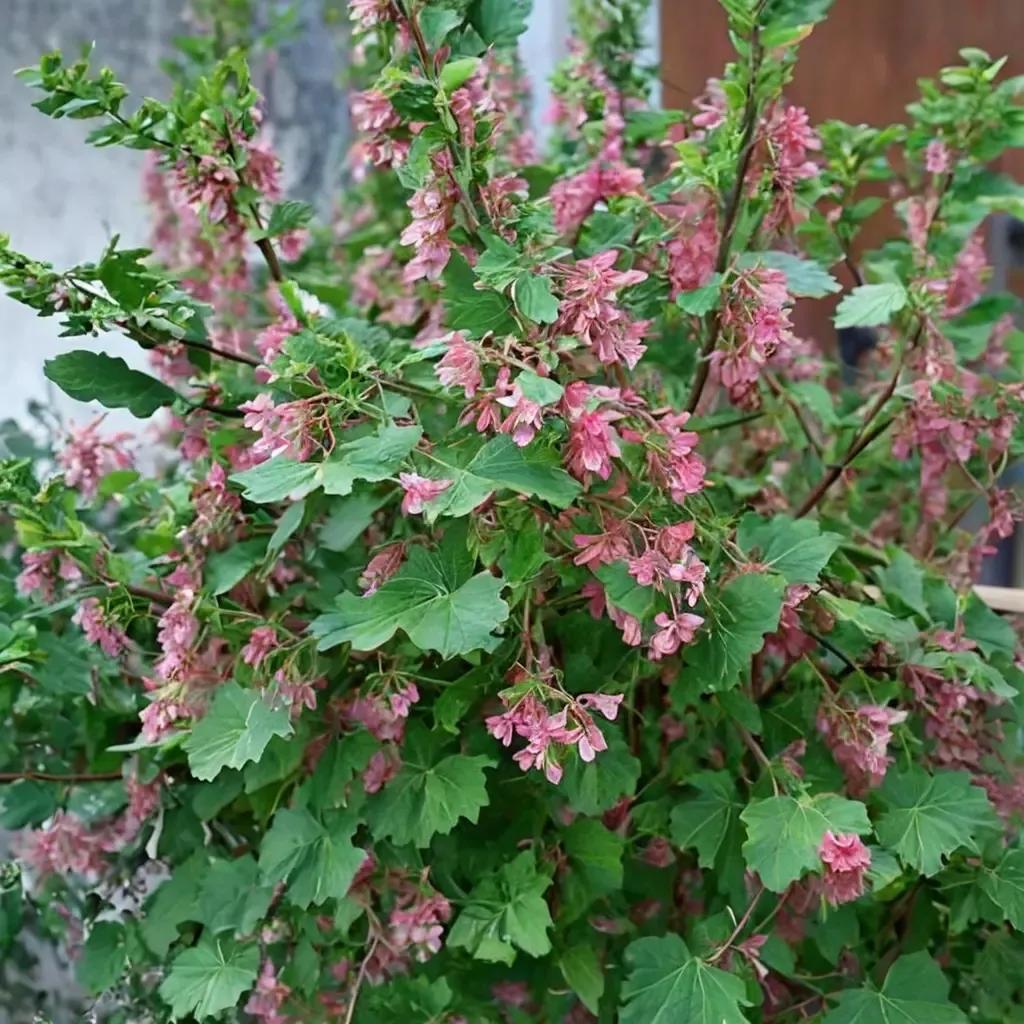
Ribes sanguineum, the red-flowering currant, is a deciduous multi-stemmed shrub of the Pacific coast from British Columbia to northern California. It grows 5 to 12 ft high and about as wide, with arching stems, aromatic maple-shaped leaves and peeling orange-brown bark. Pink to deep red flowers hang in drooping racemes as the leaves expand.
It is one of the first shrubs of the western spring and a key early nectar source for returning rufous hummingbirds. The blue-black berries carry a white bloom and are technically edible but sour, so they are better left for the birds. Introduced to Britain in the 1820s, it became a garden staple there.
Uses & Benefits:
Essentials
At a Glance
Plant Type
Shrub
Height
102"
Width
102"
Light
Full Sun, Partial Sun
Zones
6, 7, 8
Water
Moderate in spring; dry summer rest
Humidity
Average; enjoys cool coastal air
Lifespan
20 to 30 years
Native To
British Columbia to northern California
Toxicity
Non-toxic; berries edible but sour
Planting
How to Grow
- Plant in full sun for best flower, or light shade in hot inland gardens.
- Choose ground that drains freely; it hates summer waterlogging.
- Dig in leaf mould at planting and mulch after watering in.
- Water through the first two summers, then reduce sharply.
- Prune straight after flowering, never in winter.
- Take out a third of the oldest stems at the base every few years.
Pro Tip
Cut it back the week the flowers fade; prune later and you remove the wood that carries next spring's racemes.
Keep It Thriving
Care Guide
Do
- Give it a dry summer rest once established 🌤️
- Prune immediately after flowering to keep it open 🌸
- Mulch with leaf mould in autumn 🍂
- Plant it where early hummingbirds and bees will find it 🐝
Don't
- Do not irrigate it heavily through a hot summer ❌
- Do not prune in winter; you will cut off the flowers ❌
- Do not plant it near five-needle pines where blister rust is a concern ❌
Seasonal Care Calendar
| Task | Jan | Feb | Mar | Apr | May | Jun | Jul | Aug | Sep | Oct | Nov | Dec |
|---|---|---|---|---|---|---|---|---|---|---|---|---|
| Mulch And Tidy | ||||||||||||
| Prune After Flowering |
Watch Out For
Pests & Diseases
Common Pests
Common Diseases
In the Garden
Landscape Uses & Companions
Landscape Uses
Multiply
Propagation Methods
Good to Know
Common Questions
Flowering Currant questions
What zones can Flowering Currant grow in?
Flowering Currant is hardy in USDA Zones 6–8. Inside that range it survives winter in the ground; outside it, grow it as an annual or a container plant you protect.
Is Flowering Currant deer resistant?
Yes — Flowering Currant is rated deer-resistant. Deer typically pass it over, though extreme hunger can override any plant's defenses.
When does Flowering Currant bloom?
Flowering Currant typically blooms in early to mid spring through late spring. Exact timing shifts a week or two with your zone — Sow's bloom calendar maps it to your garden.
Does Flowering Currant need full sun?
Flowering Currant does best in full sun to part shade. In hot climates, afternoon shade keeps blooms fresher longer.
Is Flowering Currant drought tolerant?
Yes — once established (usually after the first full season), Flowering Currant handles dry spells with minimal watering. Water deeply its first year to build the root system that makes that possible.
More Ribes to compare
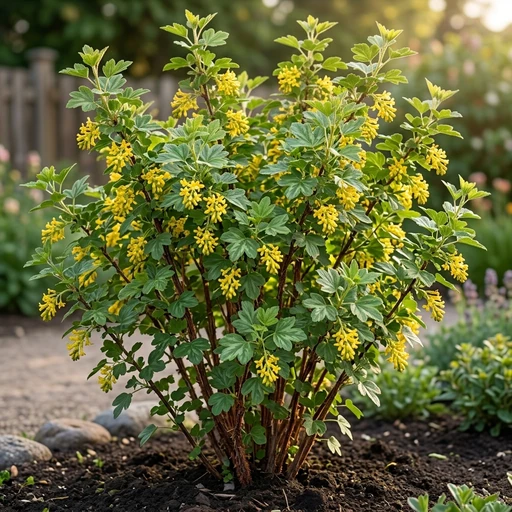
Golden Currant
Ribes aureum
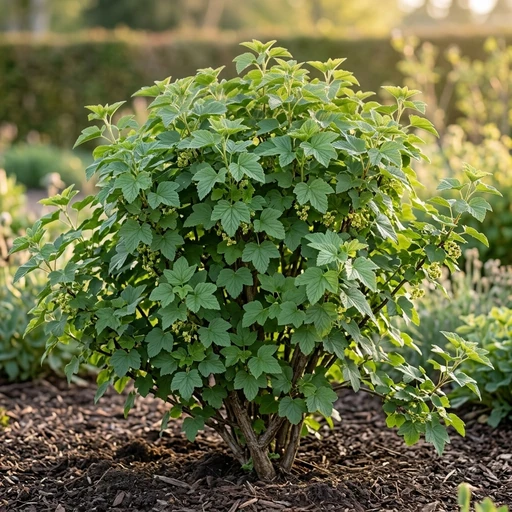
Alpine Currant
Ribes alpinum
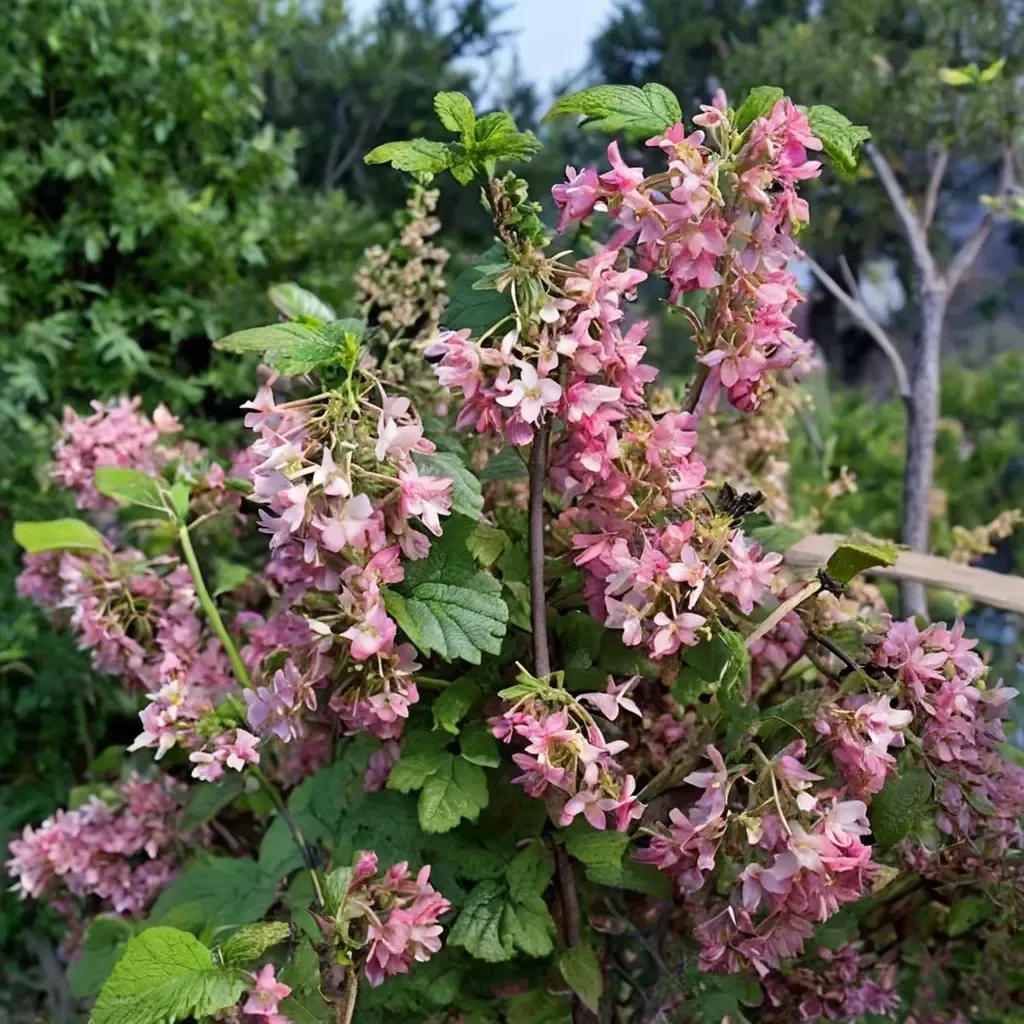
Claremont Currant
Ribes sanguineum 'Claremont'
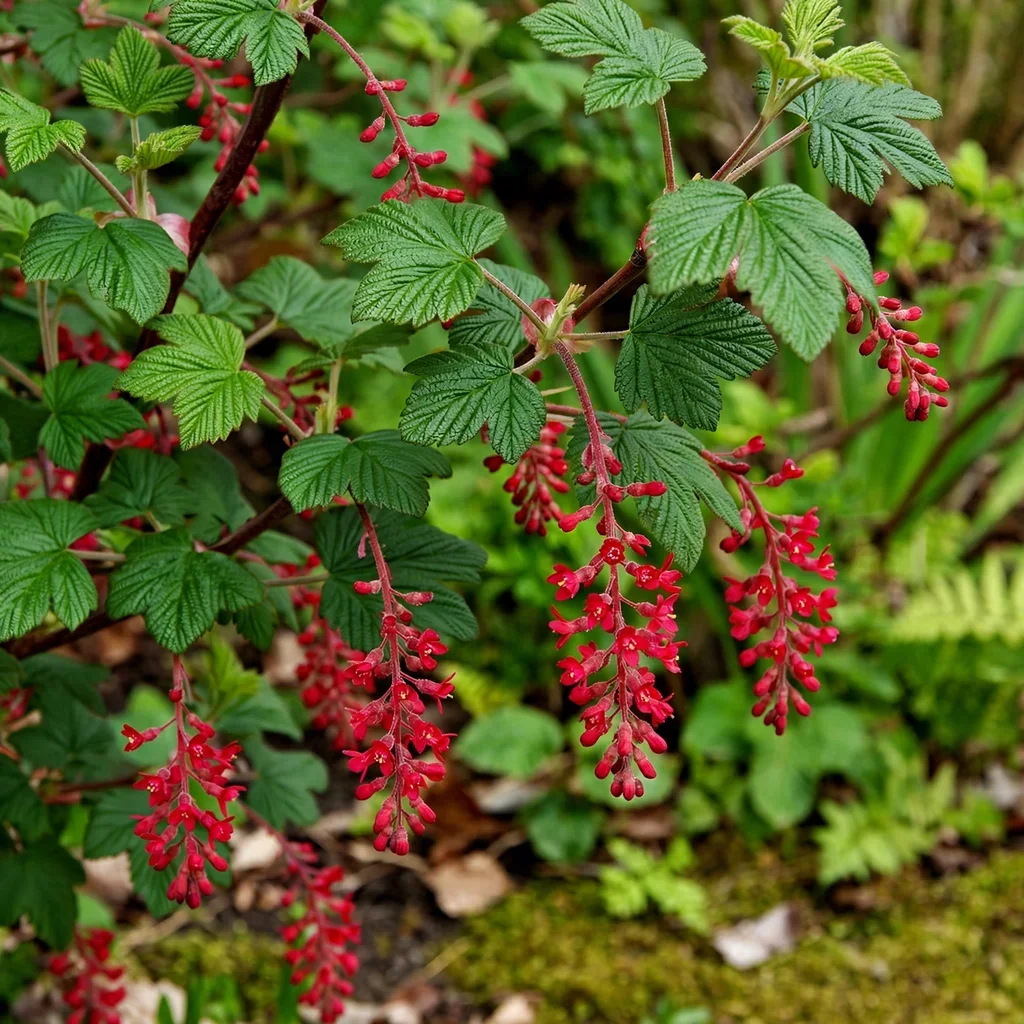
King Edward VII Flowering Currant
Ribes sanguineum 'King Edward VII'
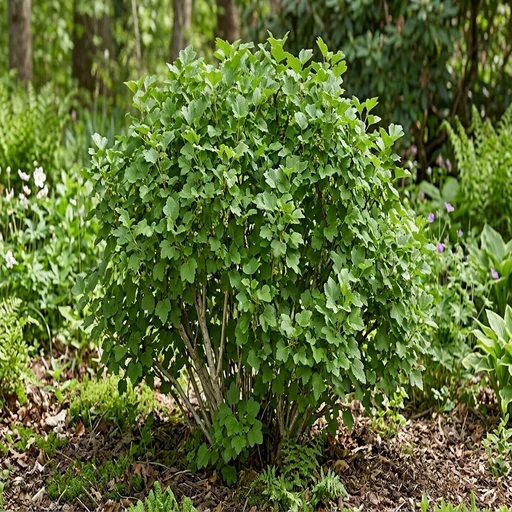
Green Mound Alpine Currant
Ribes alpinum 'Green Mound'
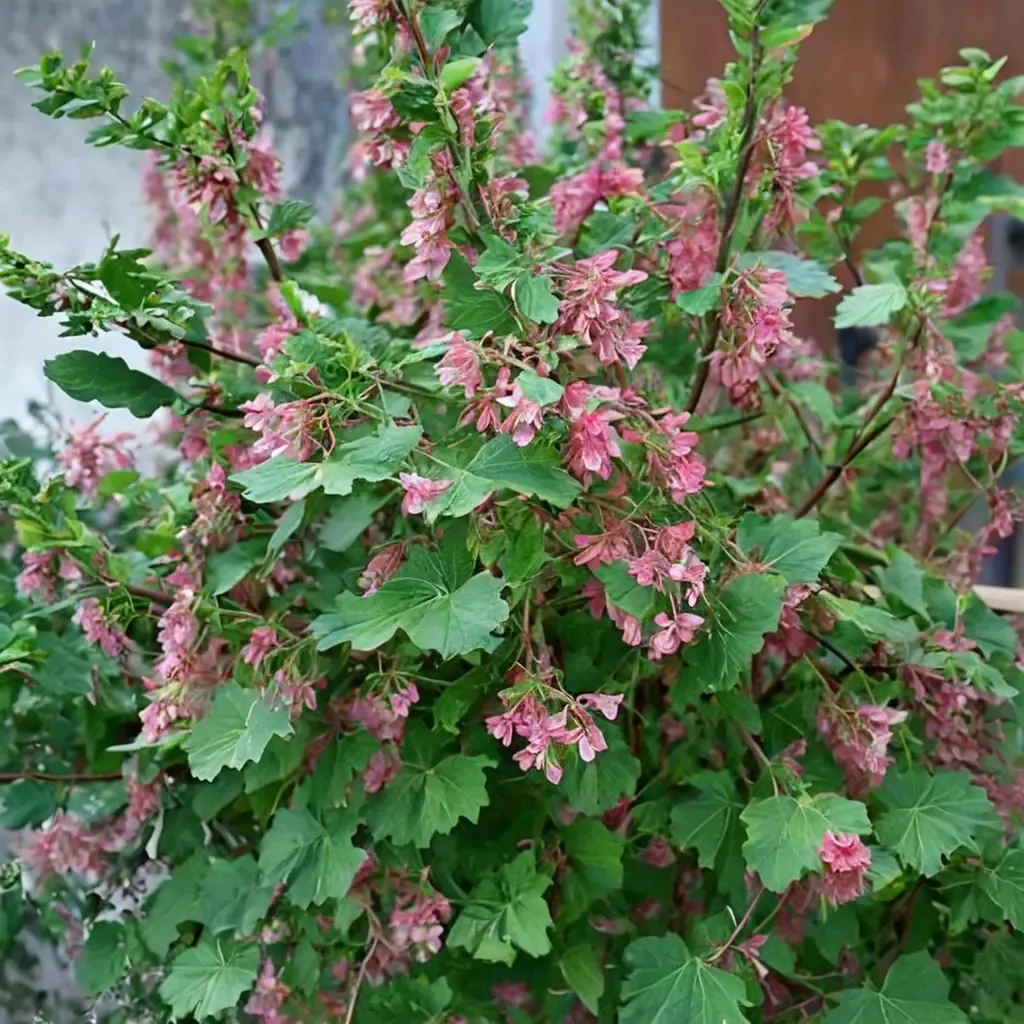
Pink-Flowering Currant
Ribes sanguineum 'glutinosum'
Keep exploring
Explore the genus
Hardy in your zone?
Grow Flowering Currant with confidence
See it in a design of your actual yard, get zone-matched care reminders, and track it season by season in your garden journal.