
The Story
Plant Bio
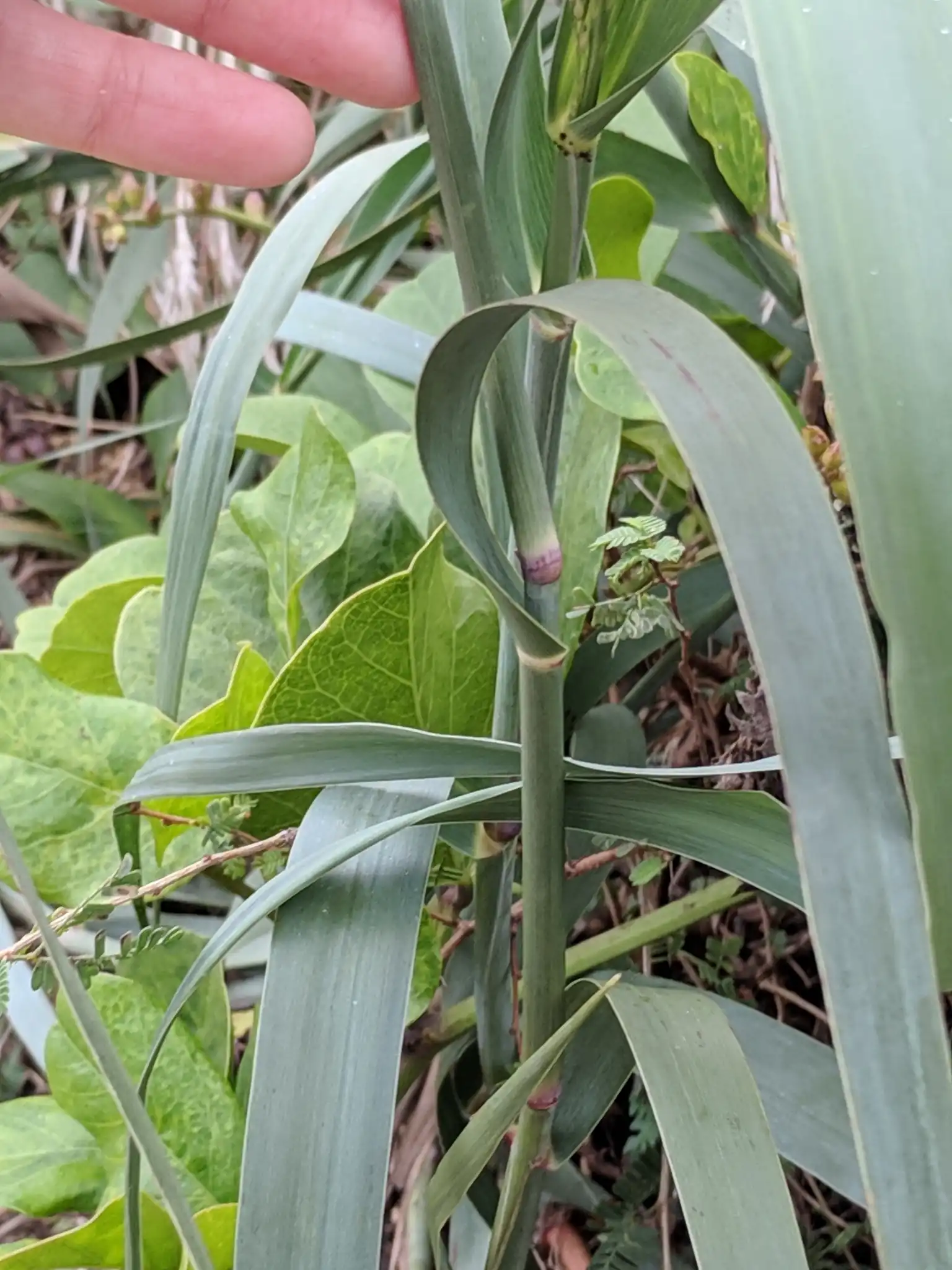
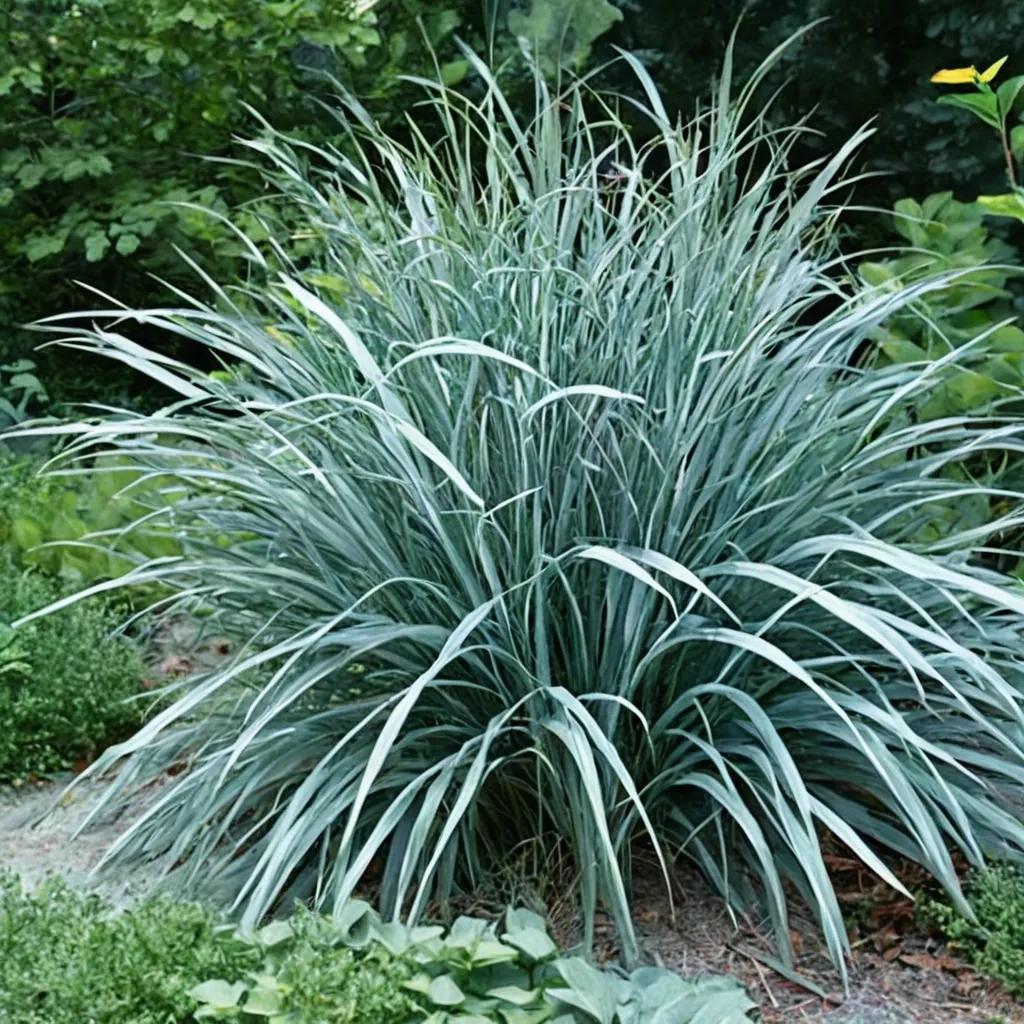
Panicum amarum, bitter panicgrass, is an upright native perennial grass of Atlantic and Gulf coast dunes, reaching three to four feet. Strongly blue-green leaves seven to twenty inches long arch over from erect stems, and airy beige seedheads open in late summer and persist right through winter.
It is a dune-builder: deep spreading rhizomes hold shifting sand, and it is one of the standard species used for coastal stabilisation after storms. That makes it exceptionally salt and drought tolerant in an ordinary garden too. The blue foliage is stronger than most native grasses, and the winter seedheads feed birds for months.
Uses & Benefits:
Essentials
At a Glance
Plant Type
Grass
Height
36"
Width
24"
Light
Full Sun
Zones
4, 5, 6, 7, 8, 9, 10
Water
Low
Humidity
Low
Lifespan
Perennial
Native To
Atlantic and Gulf coasts of North America
Toxicity
Non-toxic
Planting
How to Grow
- Plant in full sun in sandy, freely drained soil.
- Use it on dunes, banks and exposed coastal sites.
- Water while establishing, then leave it alone.
- Do not feed; lean soil keeps it upright.
- Leave seedheads standing through winter.
- Cut back to a few inches in late winter.
Pro Tip
Rich soil makes it flop — this is a dune grass, and lean sand is what keeps the three-foot stems standing.
Keep It Thriving
Care Guide
Do
- Plant it in sun and sandy soil ☀️
- Use it to hold a bank or dune ⛰️
- Leave winter seedheads for birds 🐦
- Cut back in late winter ✂️
Don't
- Feed or irrigate it ❌
- Plant it in heavy wet clay ❌
- Cut it down in autumn ❌
Seasonal Care Calendar
| Task | Jan | Feb | Mar | Apr | May | Jun | Jul | Aug | Sep | Oct | Nov | Dec |
|---|---|---|---|---|---|---|---|---|---|---|---|---|
| Cut Back | ||||||||||||
| Enjoy |
Watch Out For
Pests & Diseases
Common Pests
Common Diseases
In the Garden
Landscape Uses & Companions
Landscape Uses
Multiply
Propagation Methods
Good to Know
Common Questions
Coastal Panicgrass questions
What zones can Coastal Panicgrass grow in?
Coastal Panicgrass is hardy in USDA Zones 4–10. Inside that range it survives winter in the ground; outside it, grow it as an annual or a container plant you protect.
Is Coastal Panicgrass deer resistant?
Not reliably. Deer may browse Coastal Panicgrass, especially tender spring growth — plan on repellents or fencing where pressure is high.
When does Coastal Panicgrass bloom?
Coastal Panicgrass typically blooms in late summer to fall through late summer. Exact timing shifts a week or two with your zone — Sow's bloom calendar maps it to your garden.
Does Coastal Panicgrass need full sun?
Coastal Panicgrass does best in full sun (6+ hours).
Is Coastal Panicgrass drought tolerant?
Yes — once established (usually after the first full season), Coastal Panicgrass handles dry spells with minimal watering. Water deeply its first year to build the root system that makes that possible.
More Panicum to compare
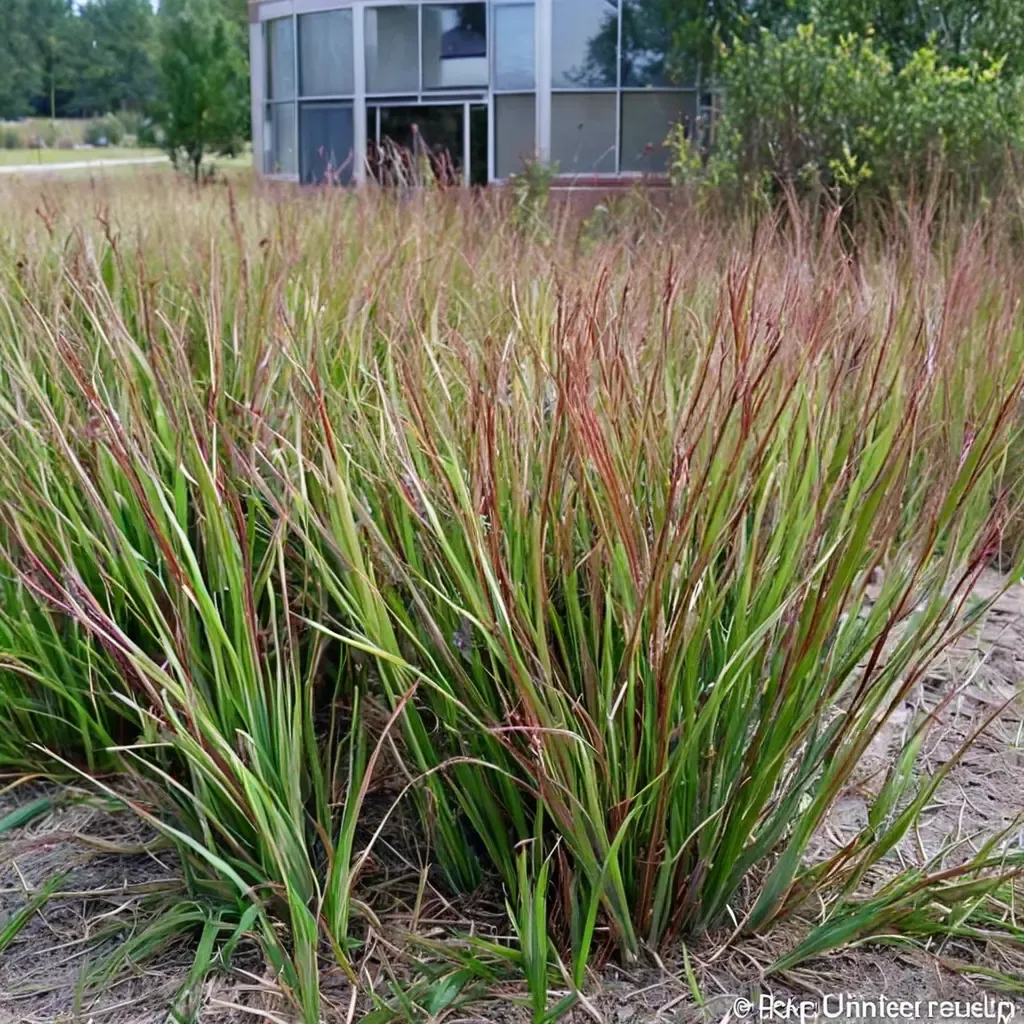
Shenandoah Switchgrass
Panicum virgatum 'Shenandoah'
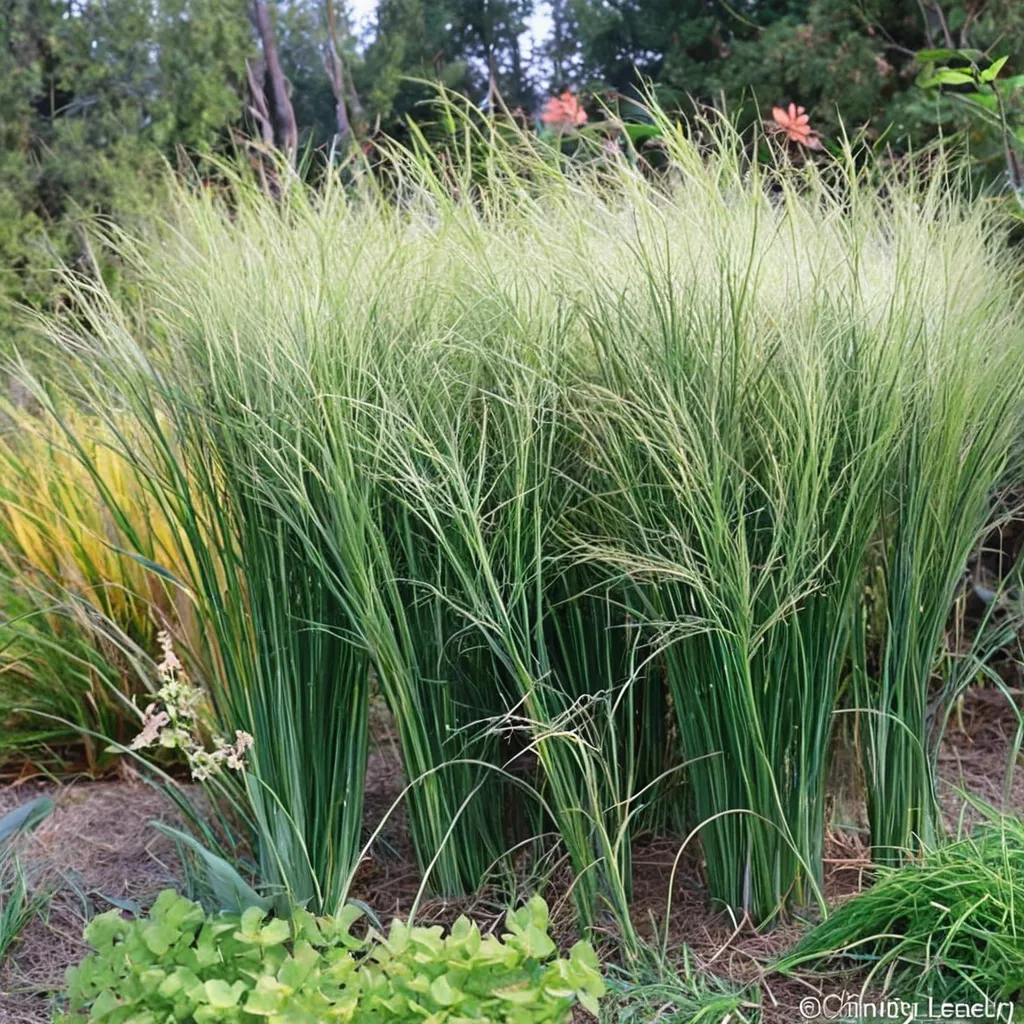
'Northwind' Switchgrass
Panicum virgatum 'Northwind'
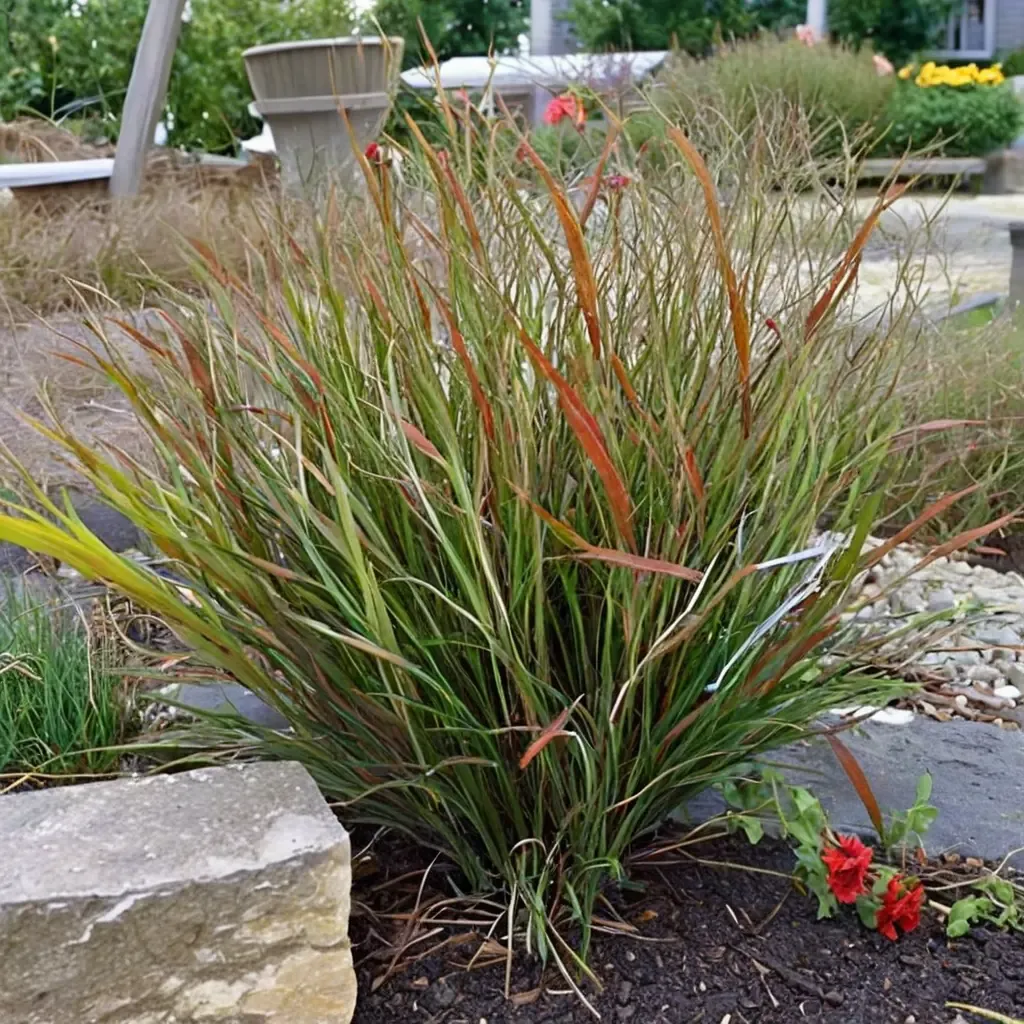
Cheyenne Sky Switchgrass
Panicum virgatum 'Cheyenne Sky'
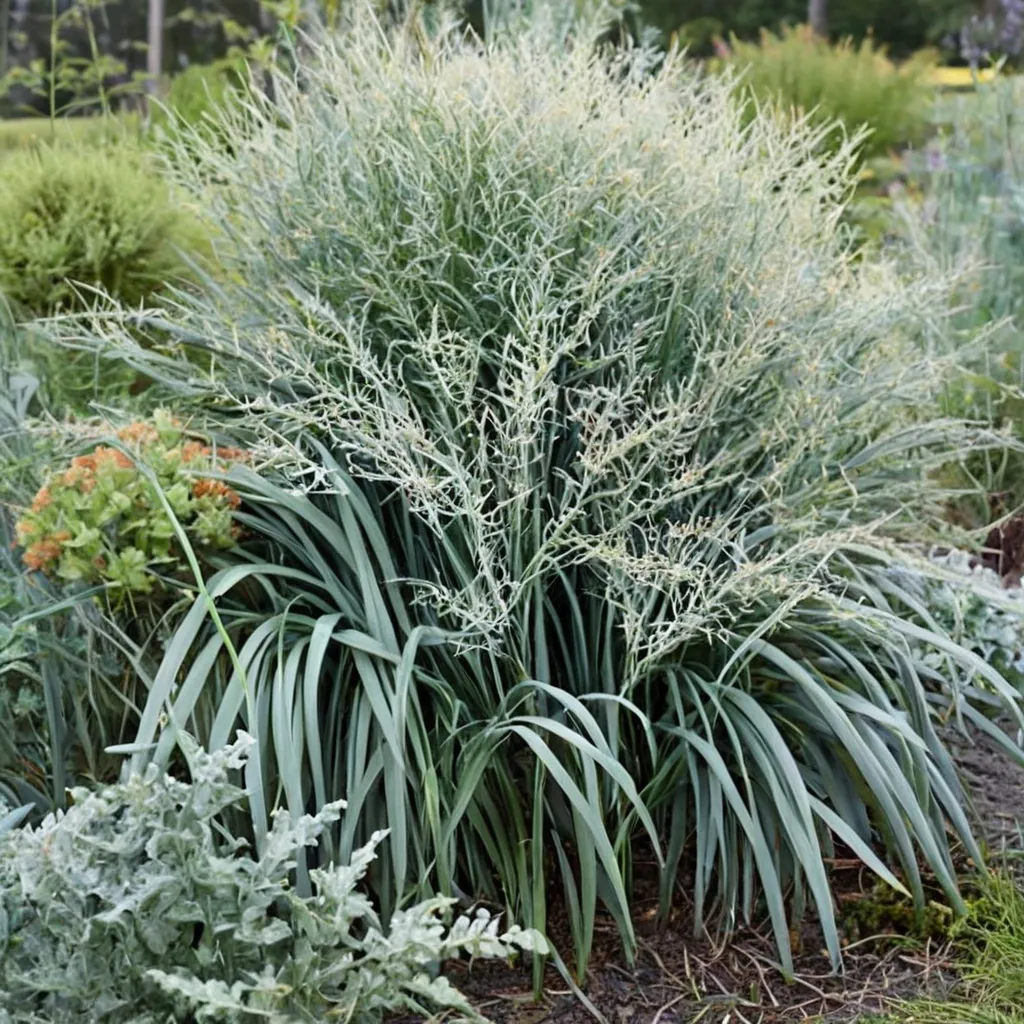
Switchgrass Niagara Falls
Panicum virgatum 'Niagara Falls'
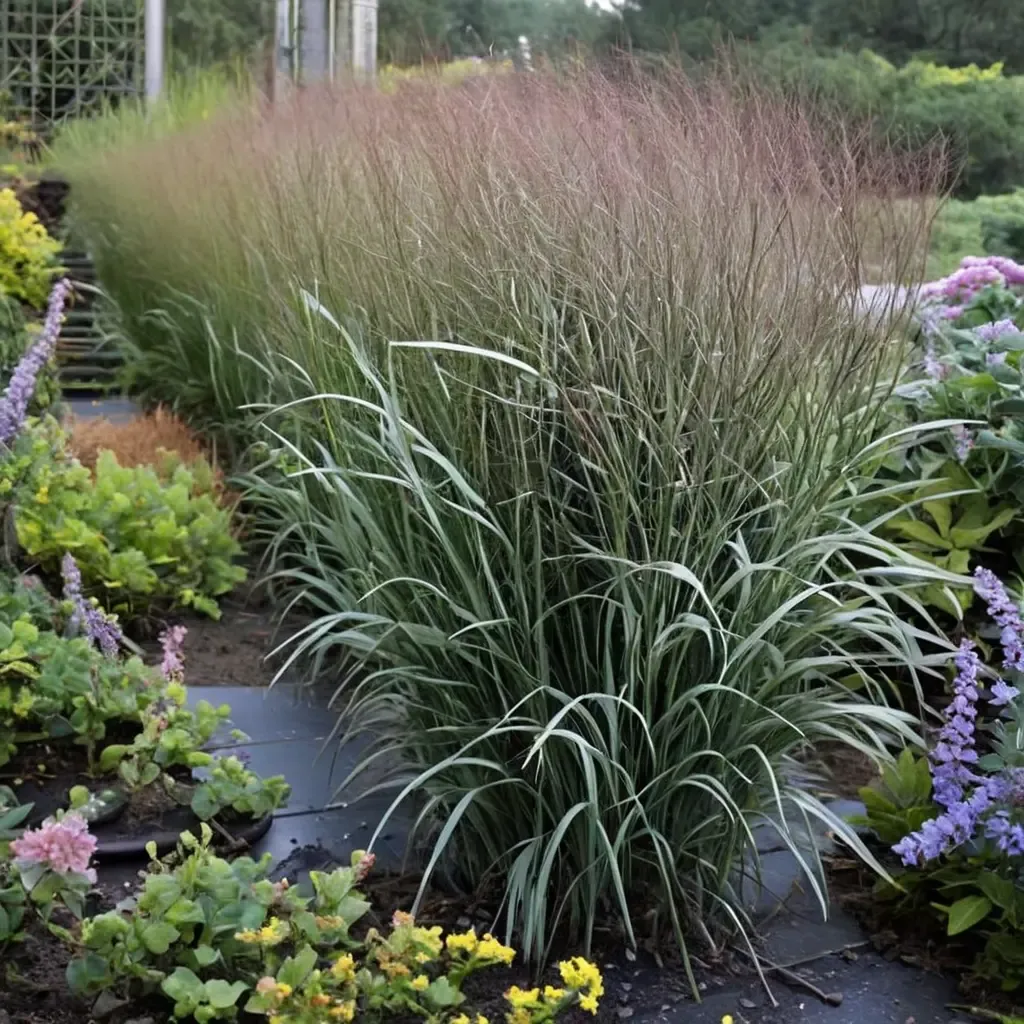
Apache Rose Switchgrass
Panicum virgatum 'Apache Rose'
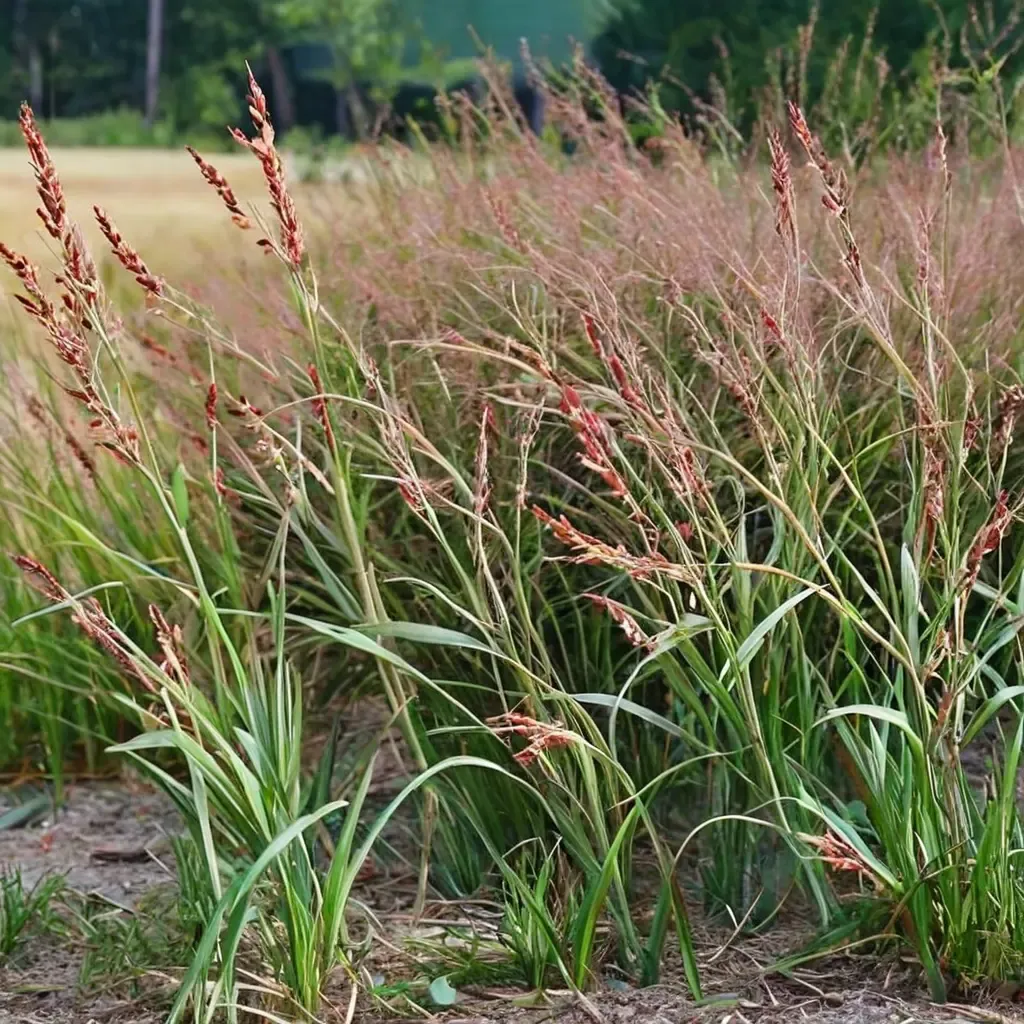
Switchgrass
Panicum virgatum
Keep exploring
Explore the genus
Grow Coastal Panicgrass with confidence
See it in a design of your actual yard, get zone-matched care reminders, and track it season by season in your garden journal.