The Story
Plant Bio
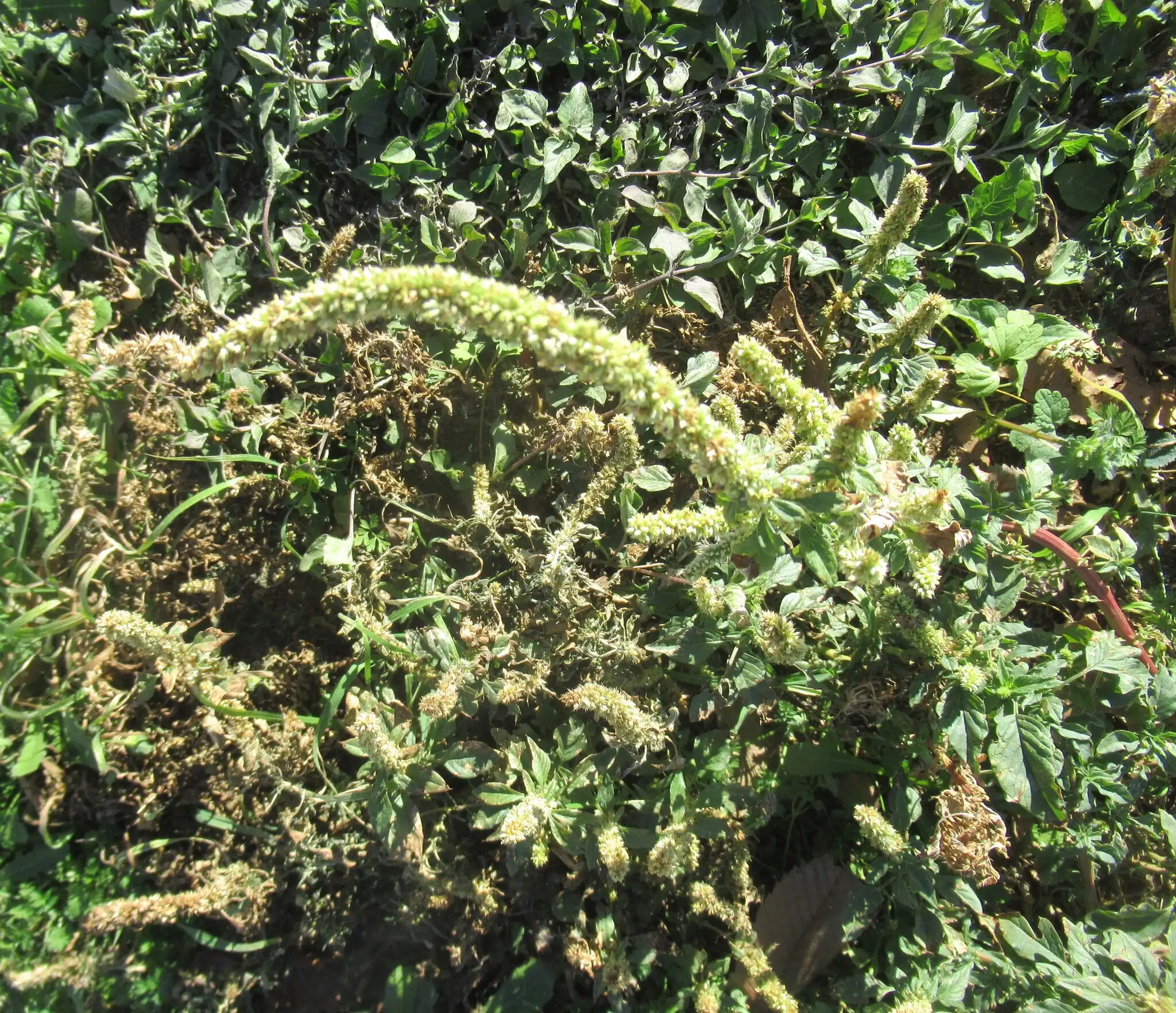
Amaranthus palmeri, known as Palmer amaranth, is a fast-growing summer annual native to North America that reaches heights of six to ten feet. It develops a robust taproot and a highly branched, erect habit, thriving in full sun and adapting to almost any soil type.
This species is dioecious, meaning individual plants are exclusively male or female, with female plants producing dense, spiny seed spikes up to three feet long. It is distinguished from other pigweeds by its completely hairless stems and exceptionally long petioles that often exceed the length of the leaf blades.
Uses & Benefits:
Essentials
At a Glance
Plant Type
Annual
Height
118"
Width
24"
Light
Full Sun
Zones
4, 5, 6, 7, 8, 9, 10
Water
Low
Humidity
High to Low
Lifespan
Annual
Native To
North America
Toxicity
Toxic to livestock (nitrates/oxalates)
Bloom period
Summer – Fall
In flower about 6 months of the year
Planting
How to Grow
- Sow seeds directly into disturbed, well-drained soil in a full-sun location after the danger of spring frost has passed.
- Water lightly to establish the root system, though the plant quickly becomes extremely drought-tolerant.
- Monitor the fast-growing stems, which can grow up to three inches per day, and ensure they do not crowd out desirable species.
- Uproot and destroy the plants completely before the female spikes set seed to prevent aggressive colonization.
Pro Tip
To prevent this aggressive agricultural weed from self-seeding and spreading, manually pull or destroy the entire plant before the green flower spikes mature and release seed.
Keep It Thriving
Care Guide
Do
- Identify and remove female plants early to prevent seed production.
- Wear thick gardening gloves when handling mature female plants to avoid injury from the sharp, stiff floral bracts.
- Dispose of pulled plants securely so that developing seeds do not contact the soil.
Don't
- Do not allow livestock to graze on this plant, as it accumulates toxic levels of nitrates and oxalates.
- Do not apply standard herbicides blindly, as many populations have developed widespread resistance to multiple chemical classes.
- Do not plant this species near agricultural fields or home vegetable gardens where it can quickly become a destructive weed.
Seasonal Care Calendar
| Task | Jan | Feb | Mar | Apr | May | Jun | Jul | Aug | Sep | Oct | Nov | Dec |
|---|---|---|---|---|---|---|---|---|---|---|---|---|
| Pest Check | ||||||||||||
| Plant | ||||||||||||
| Propagate | ||||||||||||
| Prune |
Watch Out For
Pests & Diseases
Common Pests
Common Diseases
In the Garden
Landscape Uses & Companions
Landscape Uses
Multiply
Propagation Methods
Good to Know
Common Questions
Palmer Amaranth questions
What zones can Palmer Amaranth grow in?
Palmer Amaranth is hardy in USDA Zones 4–10. Inside that range it survives winter in the ground; outside it, grow it as an annual or a container plant you protect.
Is Palmer Amaranth deer resistant?
Yes — Palmer Amaranth is rated deer-resistant. Deer typically pass it over, though extreme hunger can override any plant's defenses.
When does Palmer Amaranth bloom?
Palmer Amaranth typically blooms in summer through fall. Exact timing shifts a week or two with your zone — Sow's bloom calendar maps it to your garden.
Does Palmer Amaranth need full sun?
Palmer Amaranth does best in full sun (6+ hours).
Is Palmer Amaranth drought tolerant?
Yes — once established (usually after the first full season), Palmer Amaranth handles dry spells with minimal watering. Water deeply its first year to build the root system that makes that possible.
More Amaranthus to compare
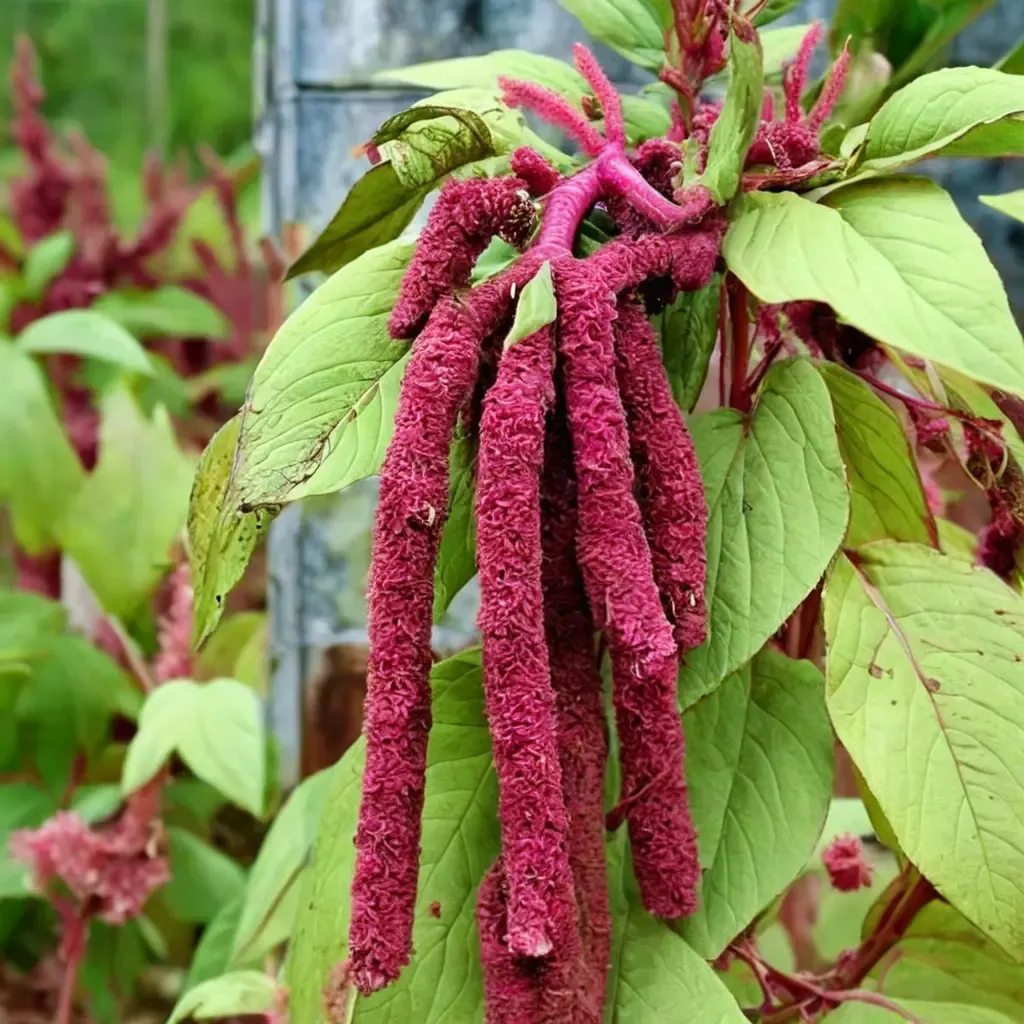
Love-Lies-Bleeding
Amaranthus caudatus
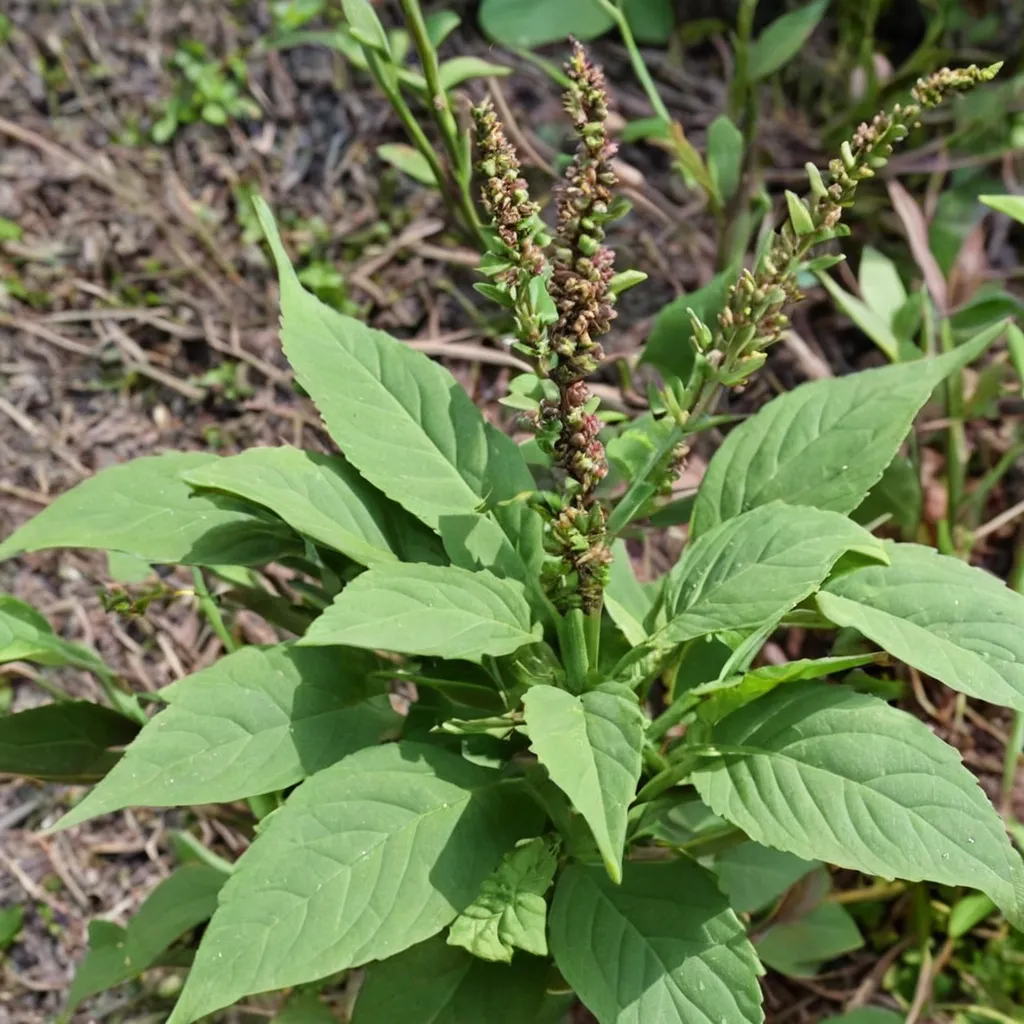
Green Amaranth
Amaranthus viridis
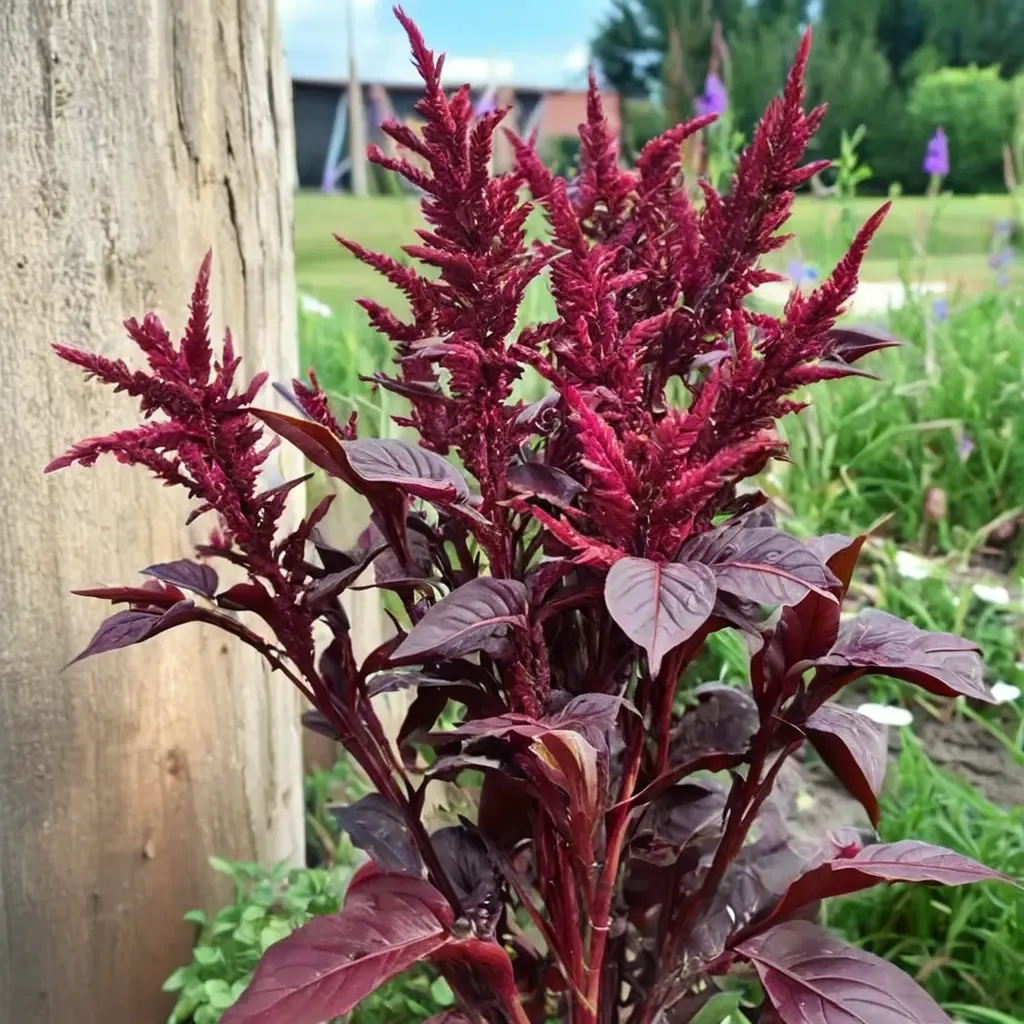
Velvet Curtains Amaranth
Amaranthus cruentus 'Velvet Curtains'
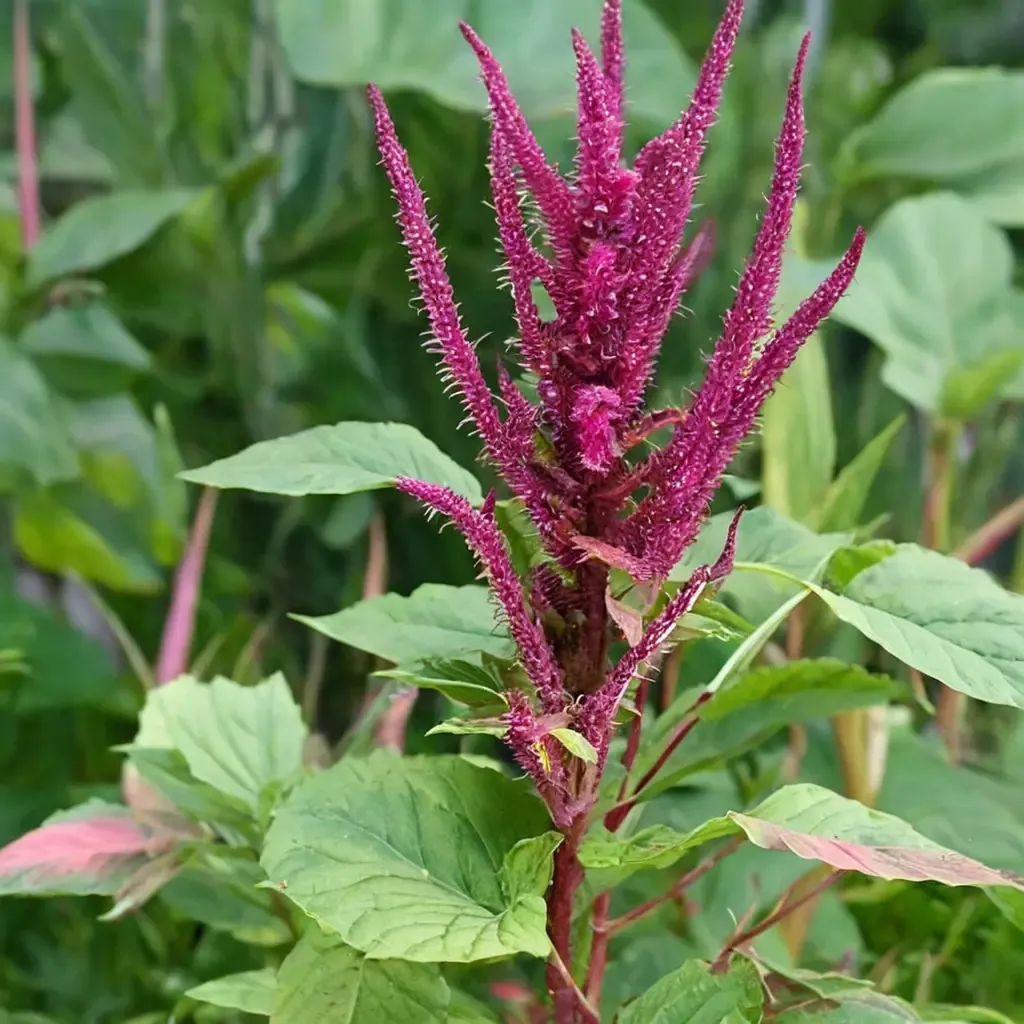
Red Amaranth
Amaranthus cruentus
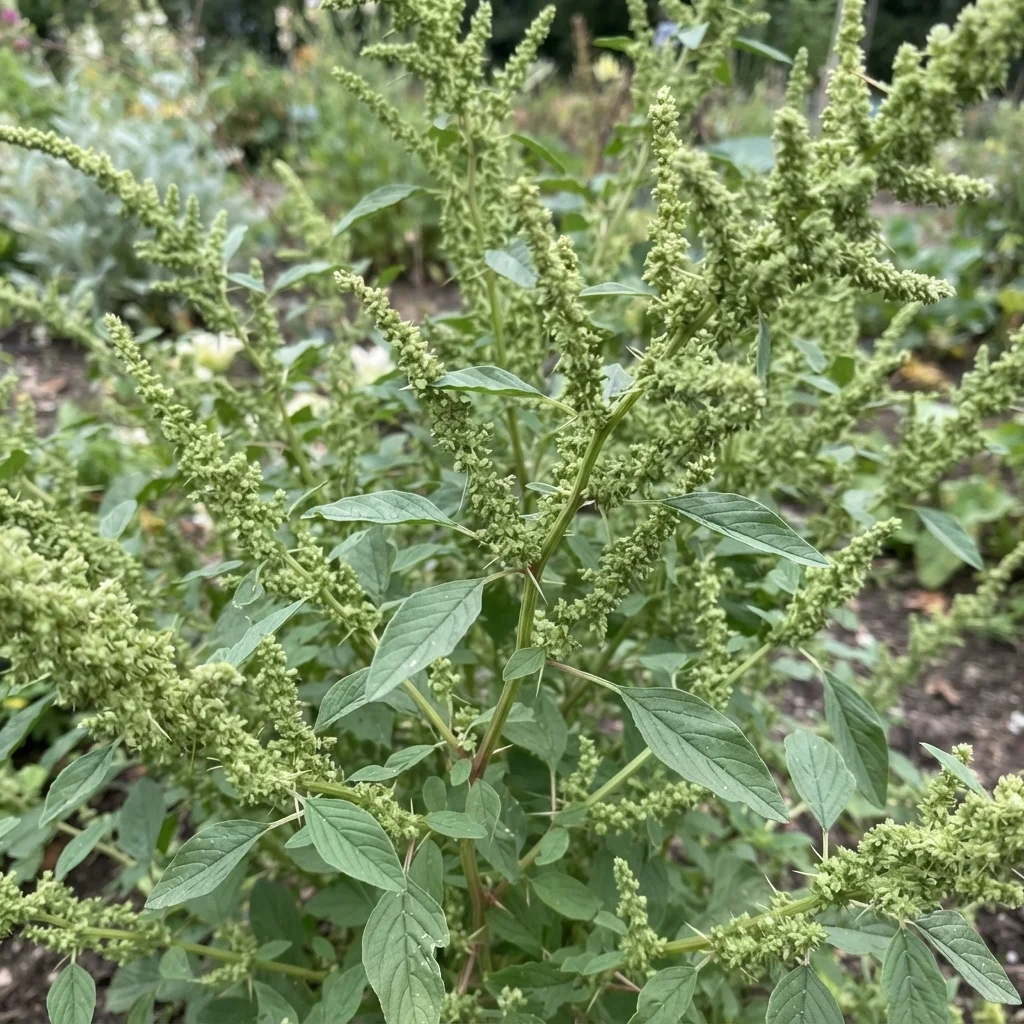
Spiny Amaranth
Amaranthus spinosus
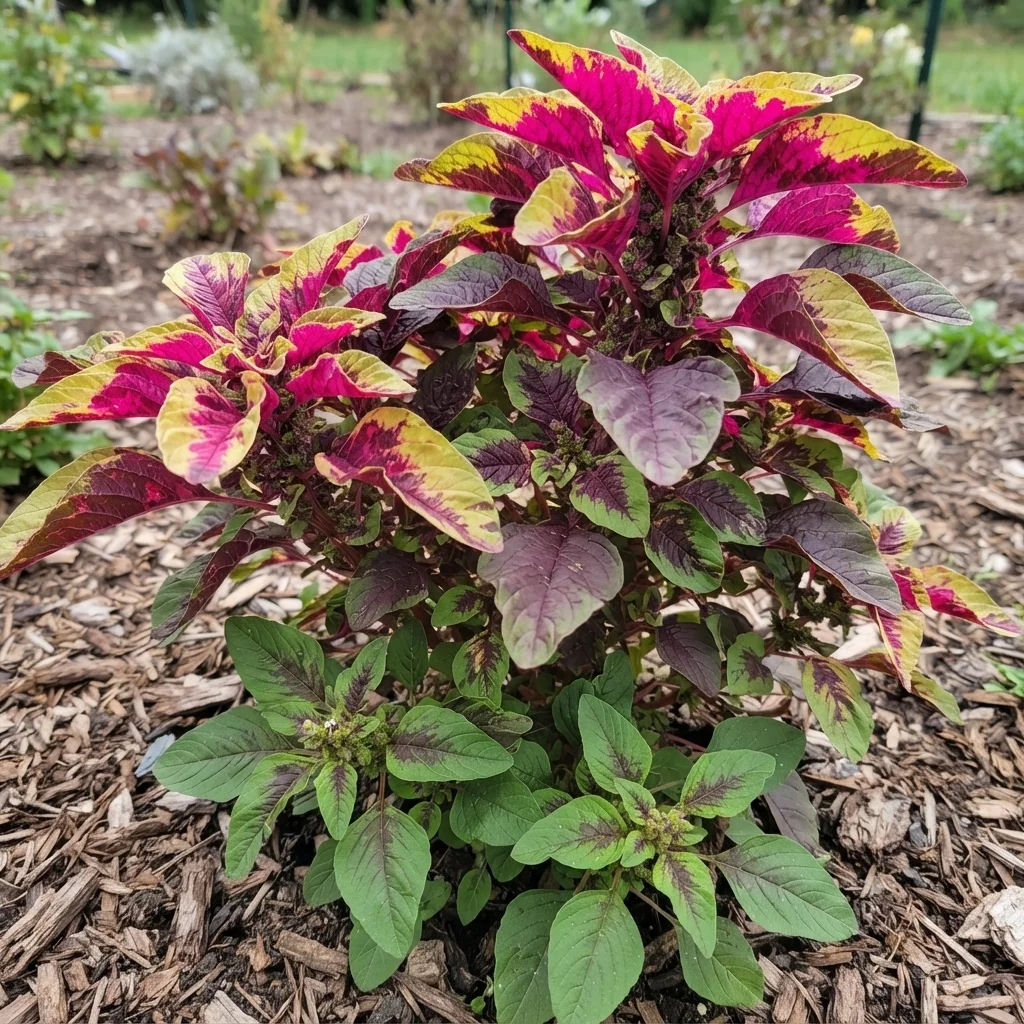
Joseph's Coat
Amaranthus tricolor
Keep exploring
Explore the genus
Grow Palmer Amaranth with confidence
See it in a design of your actual yard, get zone-matched care reminders, and track it season by season in your garden journal.