The Story
Plant Bio
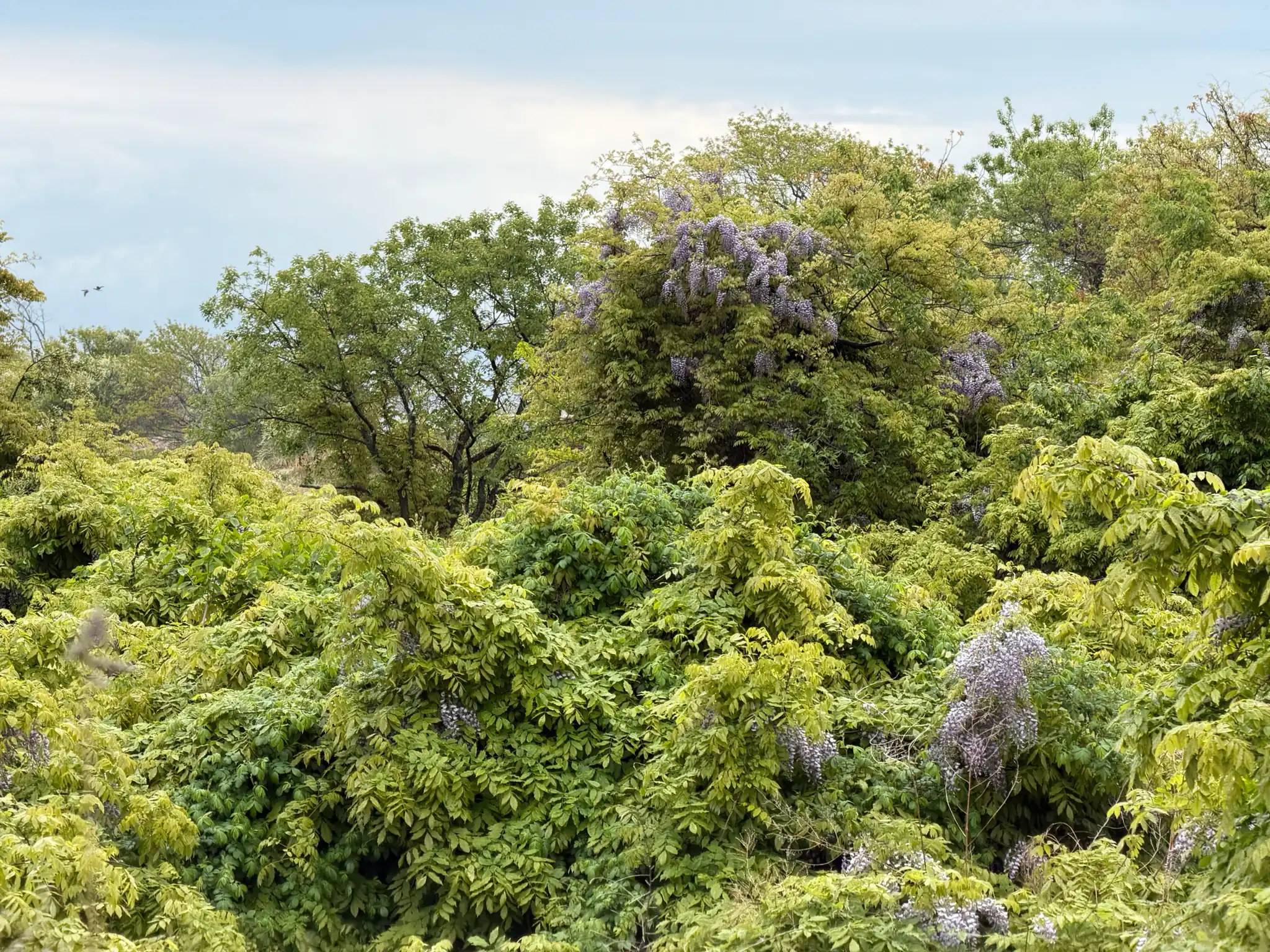
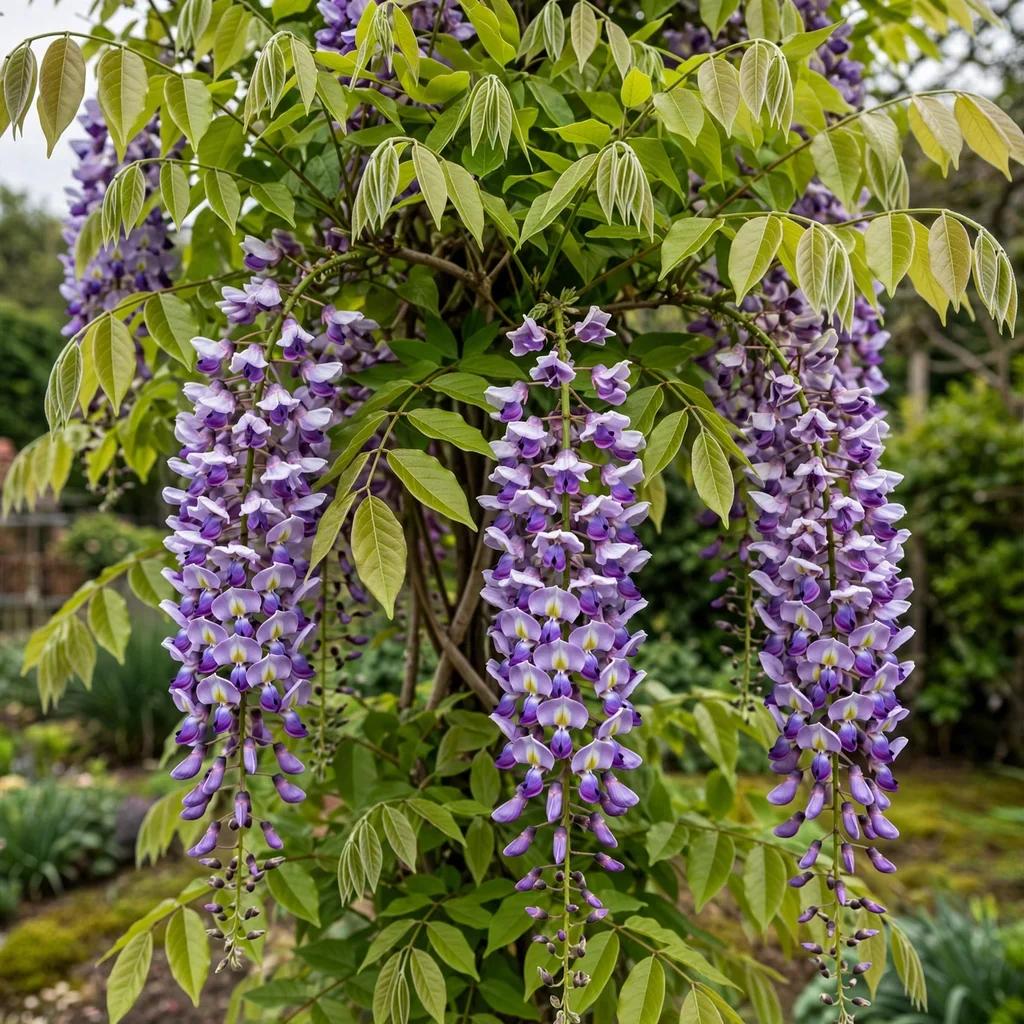
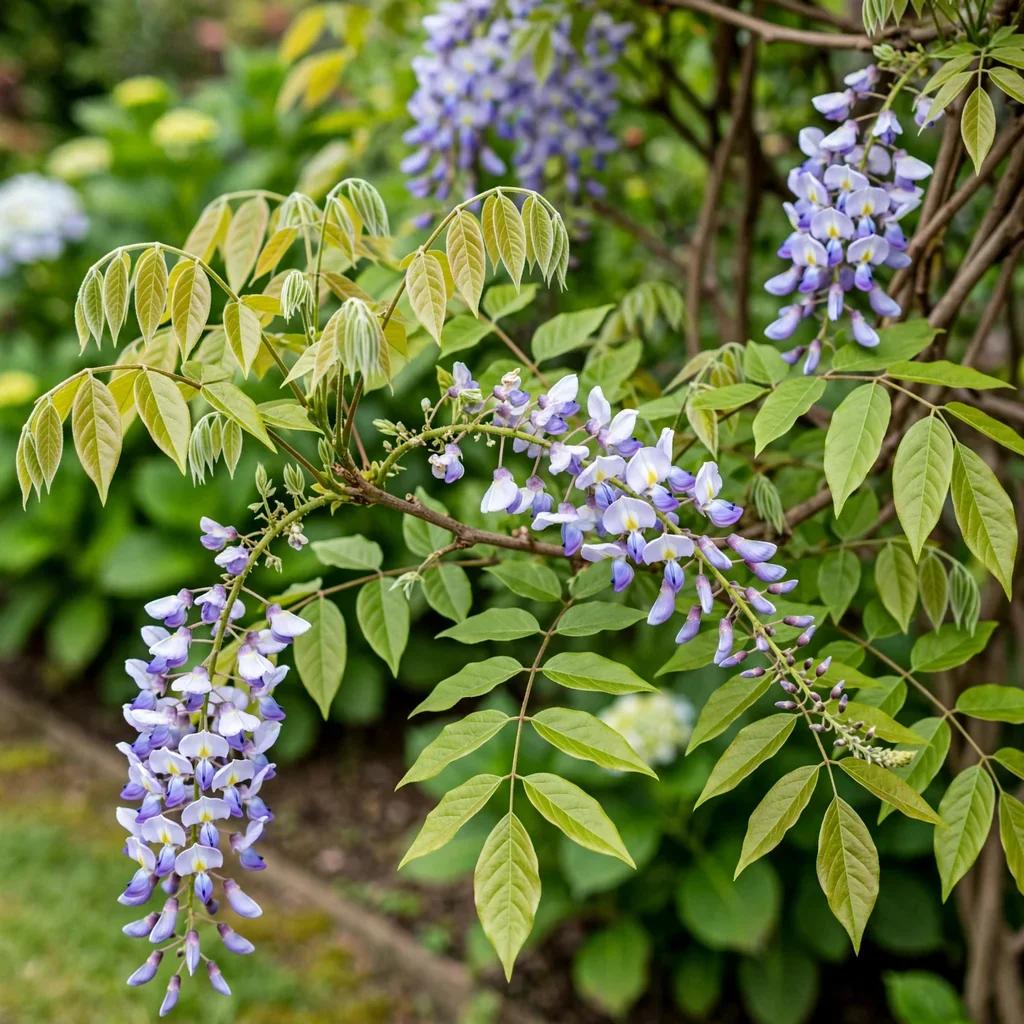
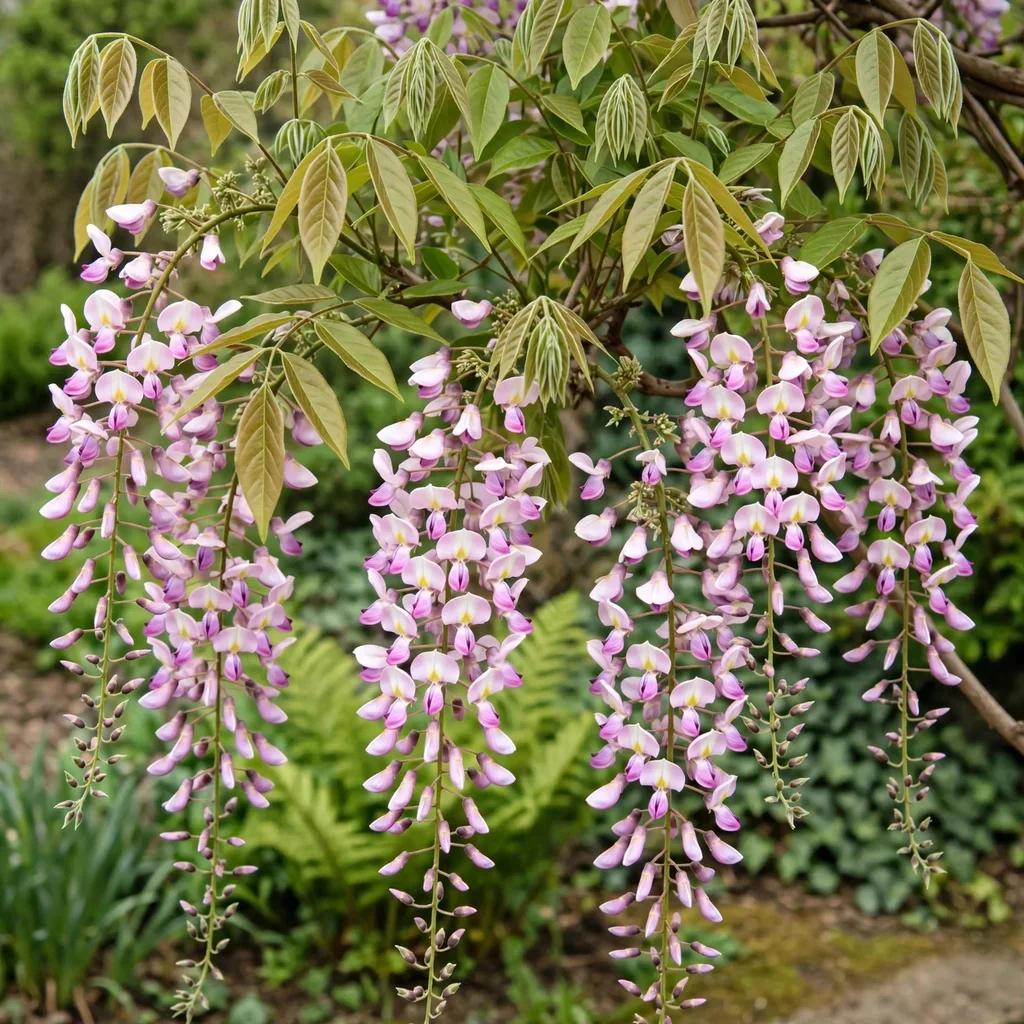
Wisteria floribunda, Japanese wisteria, is a vigorous twining deciduous vine native to Japan, reaching thirty feet or more. Bright green pinnate leaves carry fifteen to nineteen leaflets, and long drooping racemes of fragrant pea-shaped flowers in violet, pink or white open in spring, some selections reaching well over a foot in length.
The stems thicken into woody trunks that can crush timber and pull gutters off a house, so it needs a purpose-built steel or masonry support rather than a garden trellis. It is invasive across much of the southeastern United States — plant the native Wisteria frutescens instead, which flowers nearly as well without escaping into woodland.
Uses & Benefits:
Essentials
At a Glance
Plant Type
Vine
Height
360"
Width
180"
Light
Full Sun, Partial Sun
Zones
5, 6, 7, 8, 9
Water
Moderate
Humidity
Moderate
Lifespan
Perennial
Native To
Japan
Toxicity
Toxic if ingested
Planting
How to Grow
- Check local invasive status before planting.
- Plant in full sun in moist, well-drained soil.
- Provide a heavy steel or masonry support, never wooden trellis.
- Prune twice yearly: midsummer and again in winter.
- Keep it away from gutters, siding and tree trunks.
- Expect several years before the first flowers.
Pro Tip
Prune twice a year — cut the whippy summer growth back to five or six buds in July, then again to two or three in winter; that is what actually forces flowering.
Keep It Thriving
Care Guide
Do
- Build a steel or masonry support 🏗️
- Prune in midsummer and again in winter ✂️
- Check local invasive status first ⚠️
- Consider native Wisteria frutescens instead 🌱
Don't
- Let it climb a house, gutter or living tree ❌
- Plant it in the Southeast where it escapes ❌
- Eat the raw seeds or pods ❌
Seasonal Care Calendar
| Task | Jan | Feb | Mar | Apr | May | Jun | Jul | Aug | Sep | Oct | Nov | Dec |
|---|---|---|---|---|---|---|---|---|---|---|---|---|
| Monitor | ||||||||||||
| Prune |
Watch Out For
Pests & Diseases
Common Pests
Common Diseases
In the Garden
Landscape Uses & Companions
Landscape Uses
Companion Plants
Multiply
Propagation Methods
Good to Know
Common Questions
Japanese Wisteria questions
What zones can Japanese Wisteria grow in?
Japanese Wisteria is hardy in USDA Zones 5–9. Inside that range it survives winter in the ground; outside it, grow it as an annual or a container plant you protect.
Is Japanese Wisteria deer resistant?
Yes — Japanese Wisteria is rated deer-resistant. Deer typically pass it over, though extreme hunger can override any plant's defenses.
When does Japanese Wisteria bloom?
Japanese Wisteria typically blooms in spring through late spring. Exact timing shifts a week or two with your zone — Sow's bloom calendar maps it to your garden.
Does Japanese Wisteria need full sun?
Japanese Wisteria does best in full sun to part shade. In hot climates, afternoon shade keeps blooms fresher longer.
Is Japanese Wisteria drought tolerant?
Yes — once established (usually after the first full season), Japanese Wisteria handles dry spells with minimal watering. Water deeply its first year to build the root system that makes that possible.
More Wisteria to compare
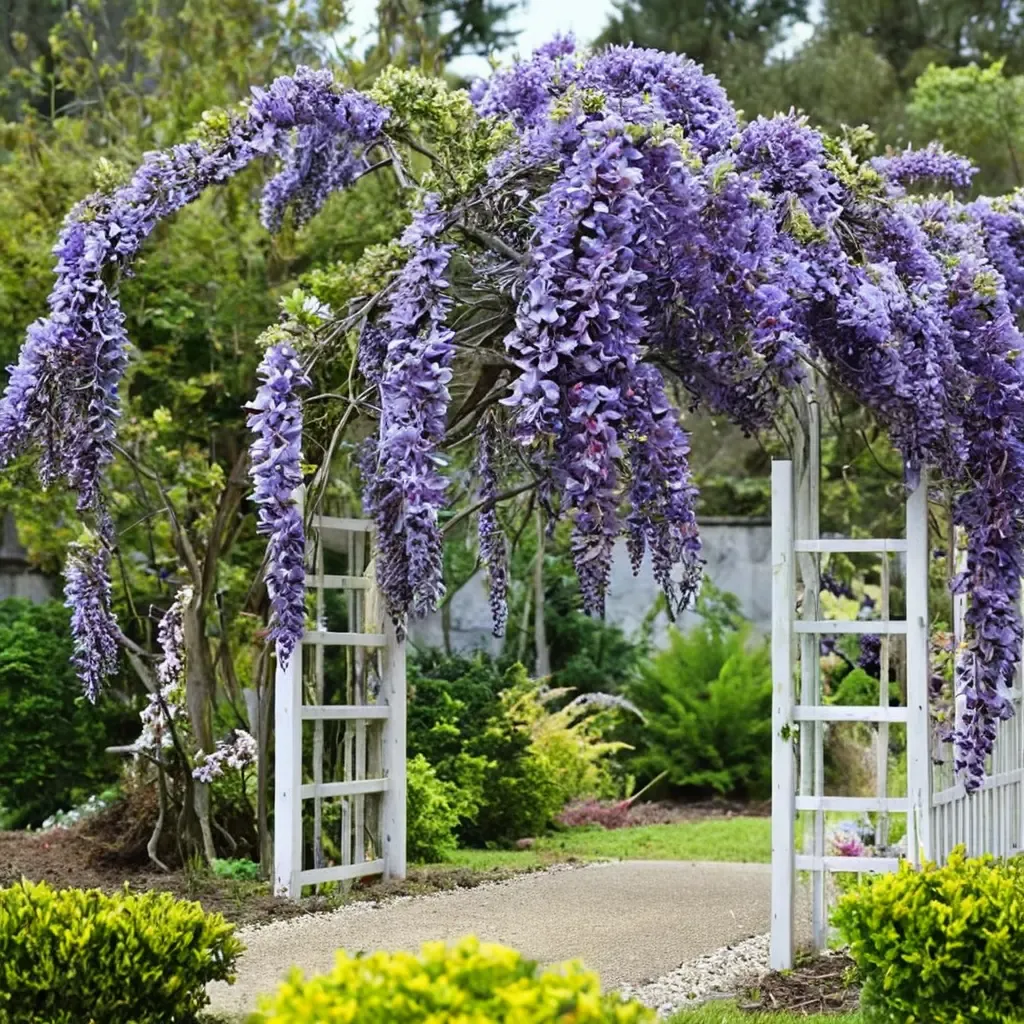
Lattice Arch Chinese Wisteria
Wisteria sinensis 'Lattice Arch'
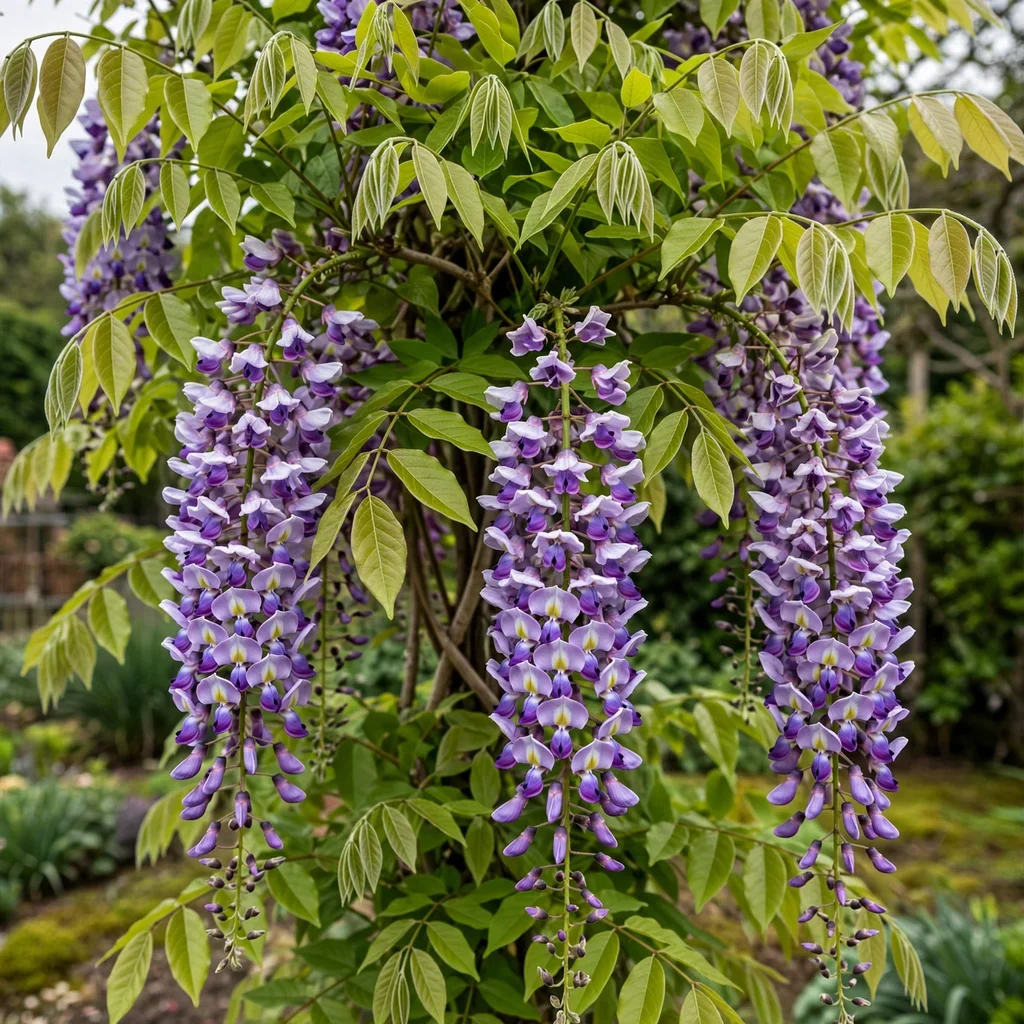
Japanese Wisteria 'Grande Diva Jessye'
Wisteria floribunda 'Grande Diva Jessye'
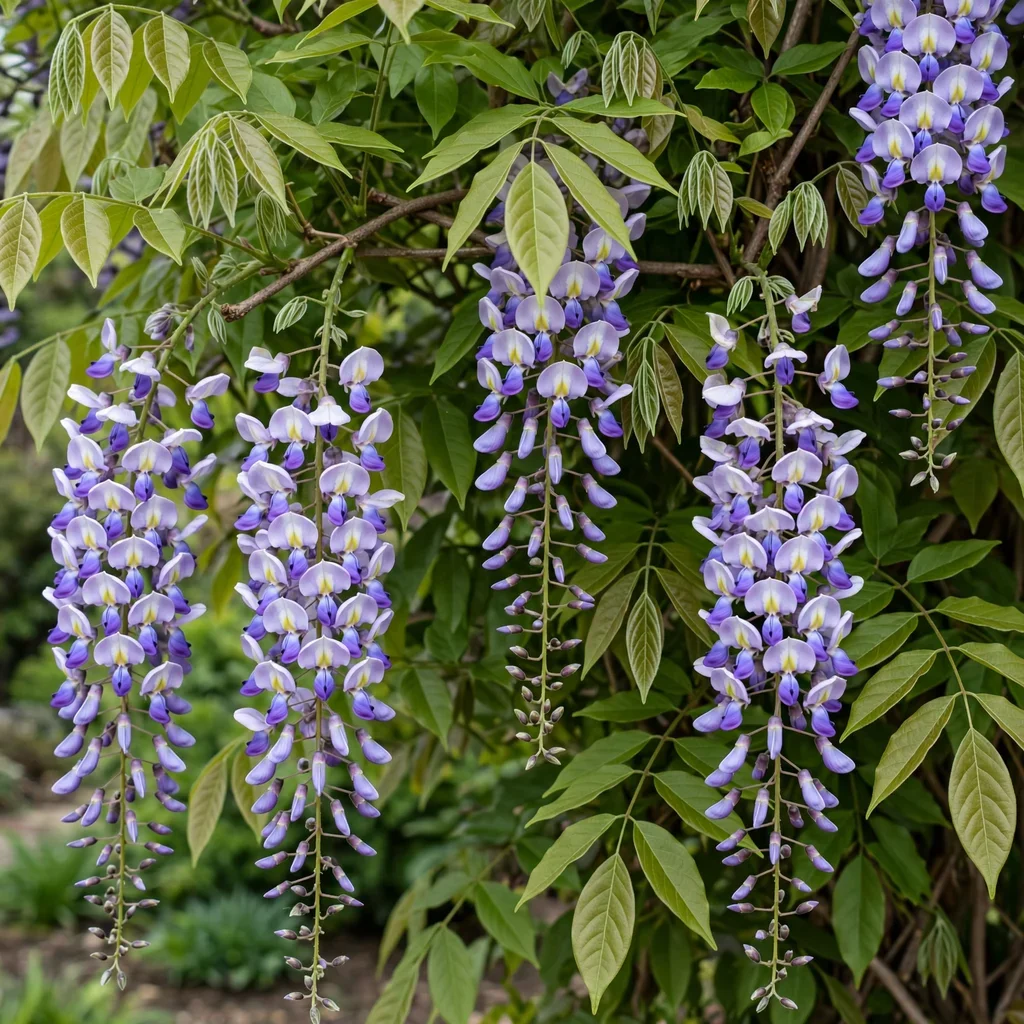
Chinese Wisteria 'Prolific'
Wisteria sinensis 'Prolific'
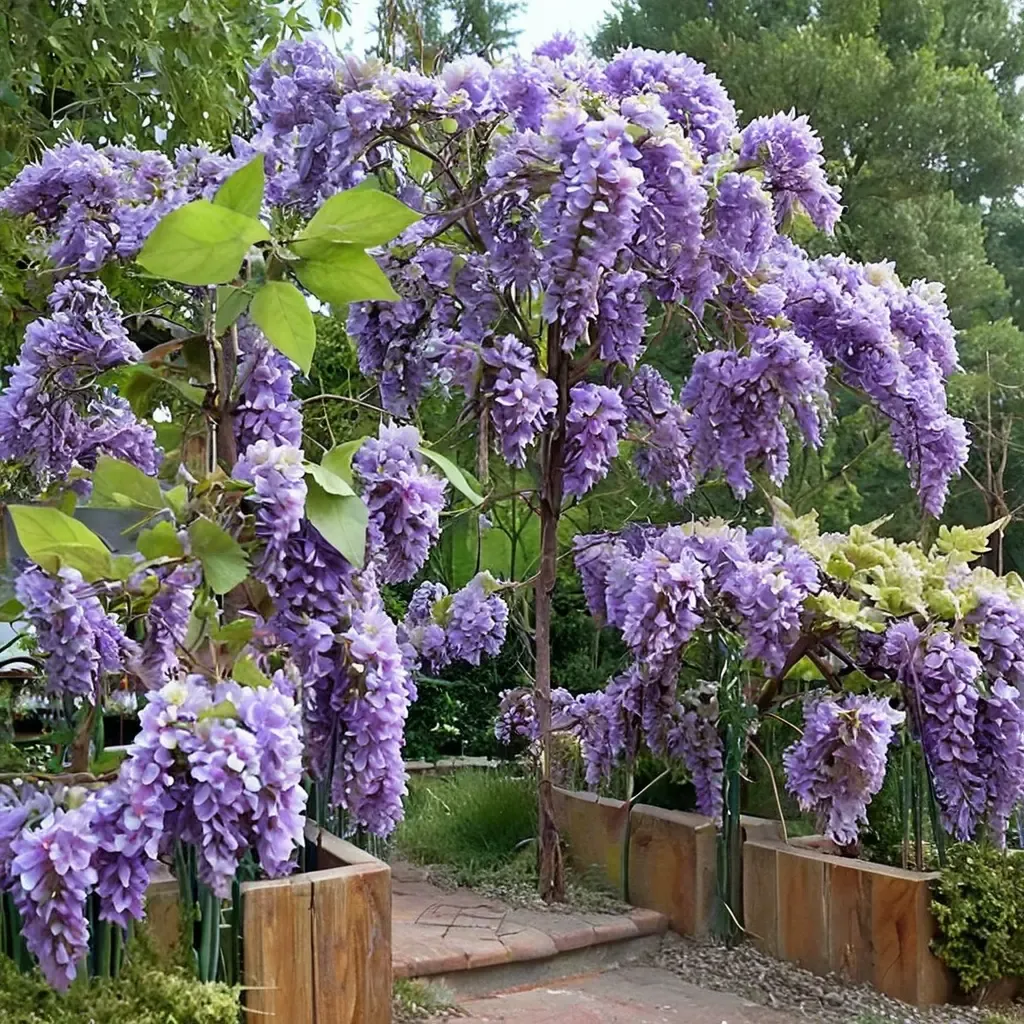
Chinese Wisteria
Wisteria sinensis
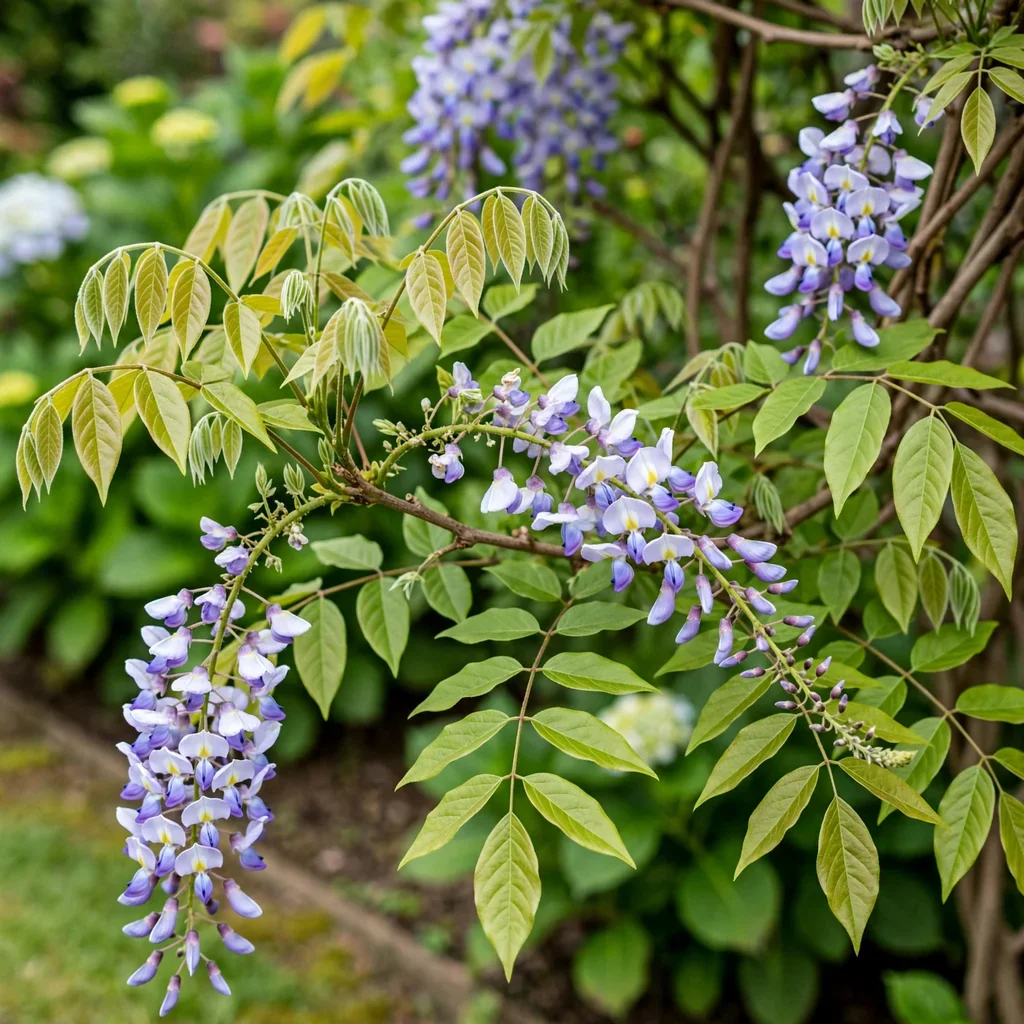
Blue Moon Wisteria
Wisteria floribunda 'Blue Moon'
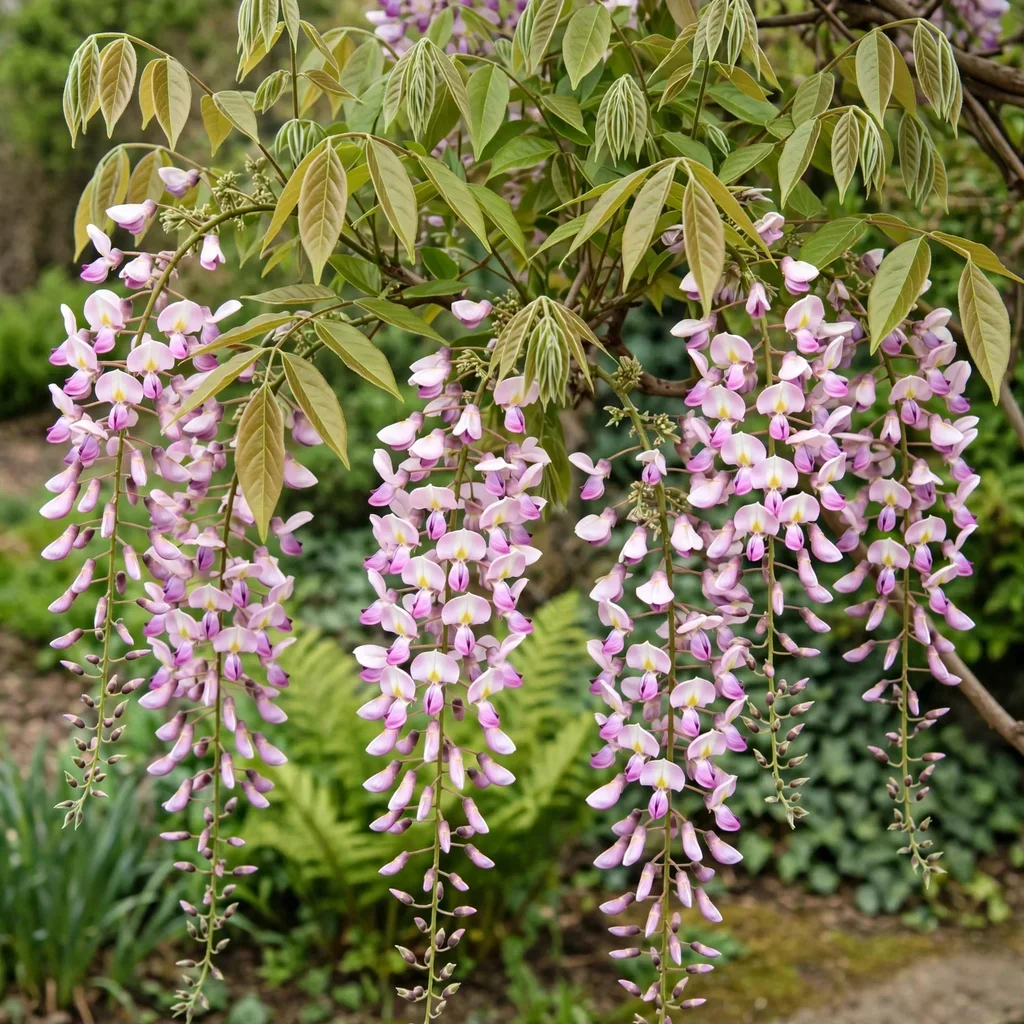
Japanese Wisteria 'Honbeni'
Wisteria floribunda 'Honbeni'
Keep exploring
Explore the genus
Hardy in your zone?
Grow Japanese Wisteria with confidence
See it in a design of your actual yard, get zone-matched care reminders, and track it season by season in your garden journal.