1 named cultivar
The Story
Plant Bio
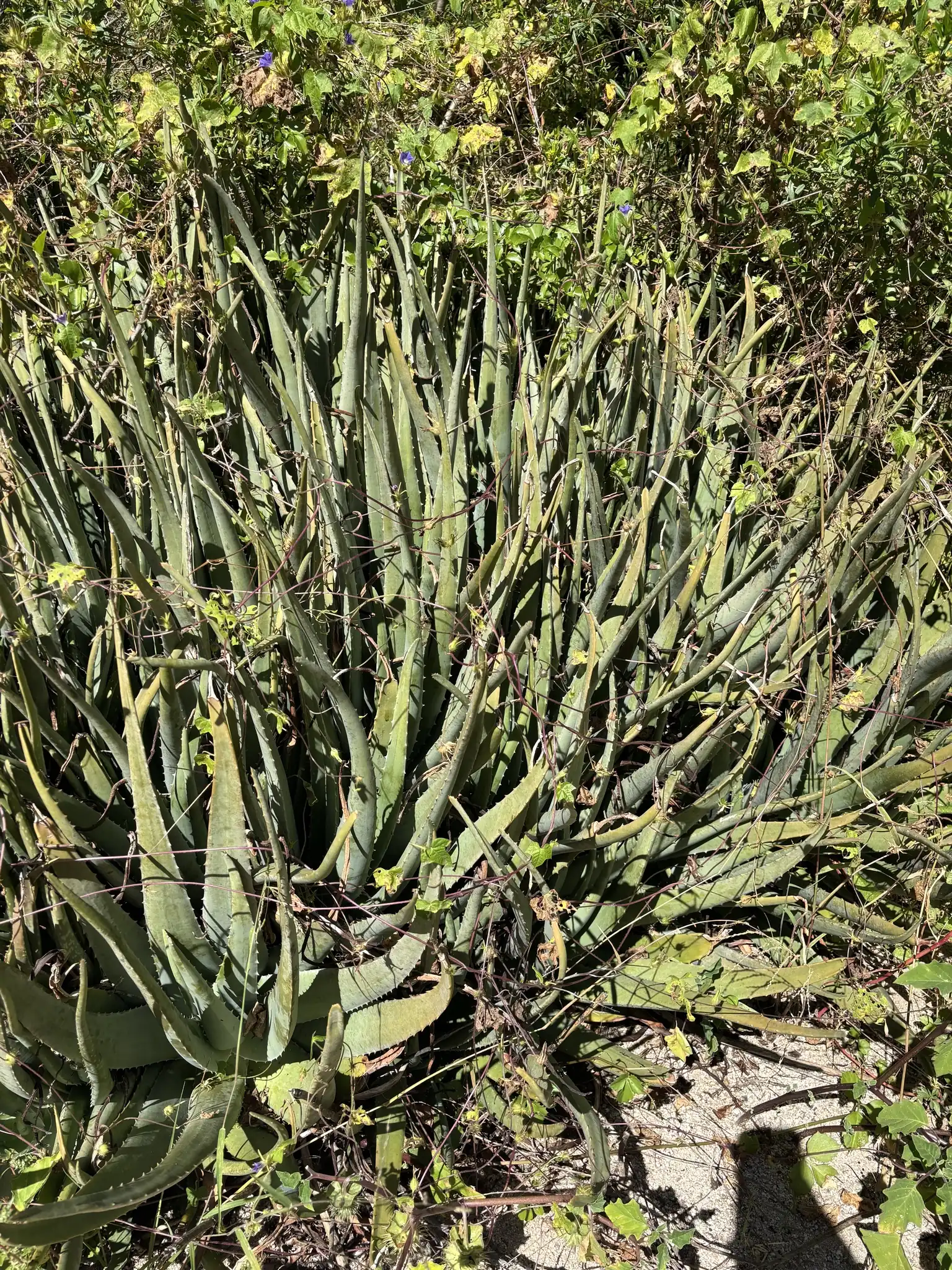
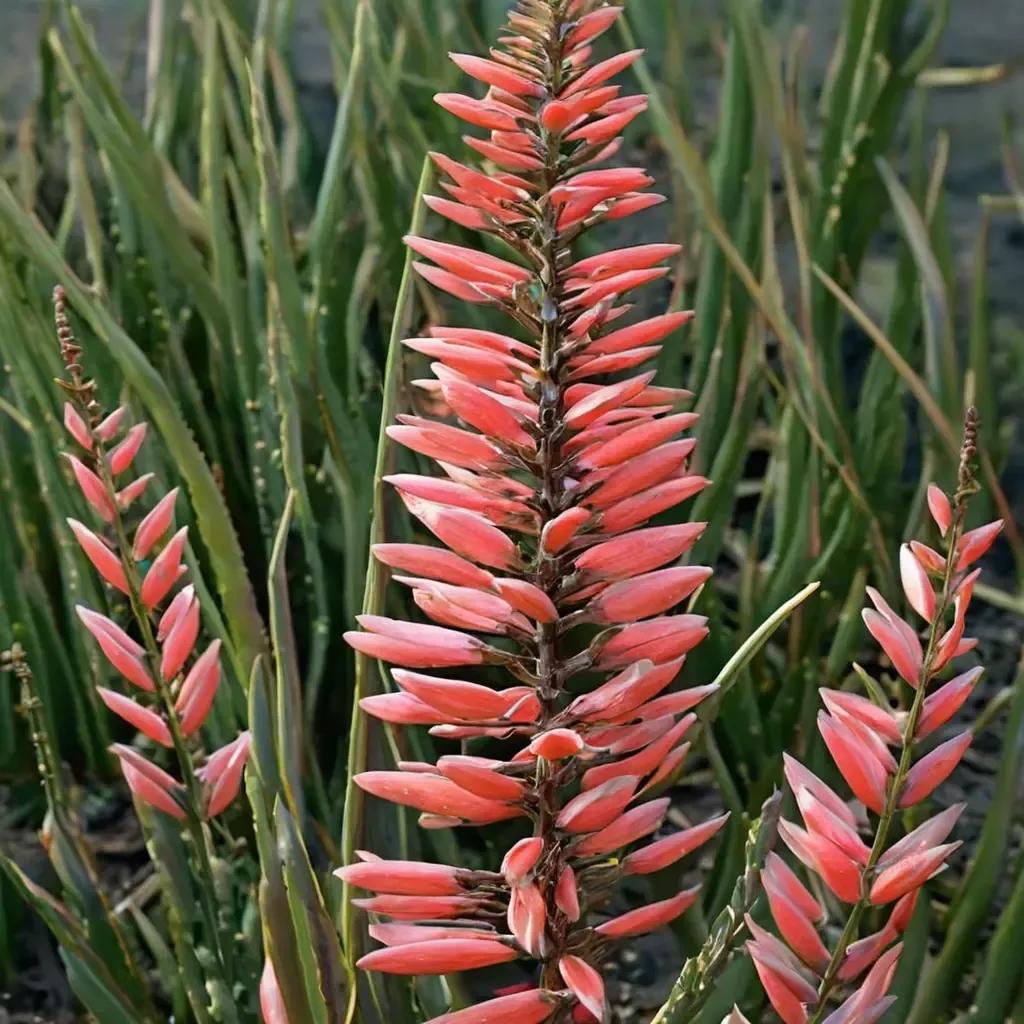
Aloe vera is a clumping succulent from the Arabian Peninsula, one to two feet high and wide. Thick pointed grey-green basal leaves are edged with small white teeth and often speckled when young, and mature plants send up tall spikes of tubular yellow or orange flowers in winter and spring.
The clear inner gel is what is used on burns; the yellow latex immediately beneath the skin is a different substance entirely and is a powerful laxative, which is why cut leaves should be stood upright to drain before use. It is also toxic to cats and dogs, which surprises people given how it is marketed. Offsets appear freely around the base.
Uses & Benefits:
Essentials
At a Glance
Plant Type
Cactus Succulent
Height
18"
Width
21"
Light
Full Sun, Partial Sun
Zones
10
Water
Low
Humidity
Low
Lifespan
Perennial
Native To
Arabian Peninsula
Toxicity
Low toxicity if eaten; toxic to cats and dogs
Marketplace
Where to Buy
Shipping costs Year-round shipping Free shipping
Planting
How to Grow
- Give it bright light, including some direct sun.
- Use gritty, sharply draining cactus compost.
- Water thoroughly, then let it dry out completely.
- Water very sparingly through winter.
- Detach offsets from the base to make new plants.
- Keep it away from cats and dogs.
Pro Tip
Stand a cut leaf upright for ten minutes before use — the yellow latex that drains out is the laxative, not the clear gel.
Keep It Thriving
Care Guide
Do
- Give it bright light 🌞
- Let the compost dry fully between waterings 🌵
- Detach offsets to propagate 🌱
- Keep it out of reach of pets 🐈
Don't
- Overwater it ❌
- Use the yellow latex on skin ❌
- Let animals chew the leaves ❌
Seasonal Care Calendar
| Task | Jan | Feb | Mar | Apr | May | Jun | Jul | Aug | Sep | Oct | Nov | Dec |
|---|---|---|---|---|---|---|---|---|---|---|---|---|
| Rest |
Watch Out For
Pests & Diseases
Common Pests
Common Diseases
In the Garden
Landscape Uses & Companions
Landscape Uses
Companion Plants
Multiply
Propagation Methods
Good to Know
Common Questions
Aloe questions
What zones can Aloe grow in?
Aloe is hardy in USDA Zone 10. Inside that range it survives winter in the ground; outside it, grow it as an annual or a container plant you protect.
Is Aloe deer resistant?
Yes — Aloe is rated deer-resistant. Deer typically pass it over, though extreme hunger can override any plant's defenses.
When does Aloe bloom?
Aloe typically blooms in winter to spring through early fall. Exact timing shifts a week or two with your zone — Sow's bloom calendar maps it to your garden.
Does Aloe need full sun?
Aloe does best in full sun to part shade. In hot climates, afternoon shade keeps blooms fresher longer.
Is Aloe drought tolerant?
Yes — once established (usually after the first full season), Aloe handles dry spells with minimal watering. Water deeply its first year to build the root system that makes that possible.
More Aloe to compare
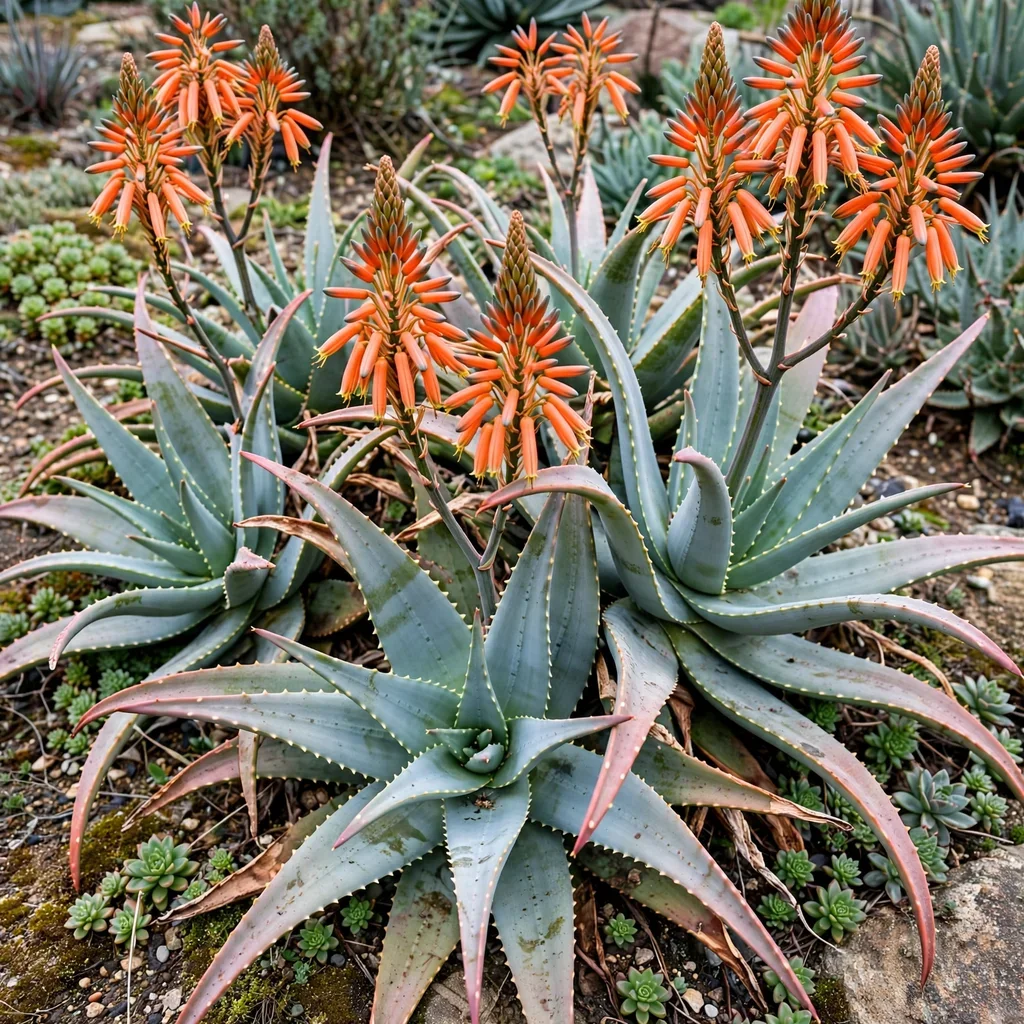
Compton's Aloe
Aloe comptonii
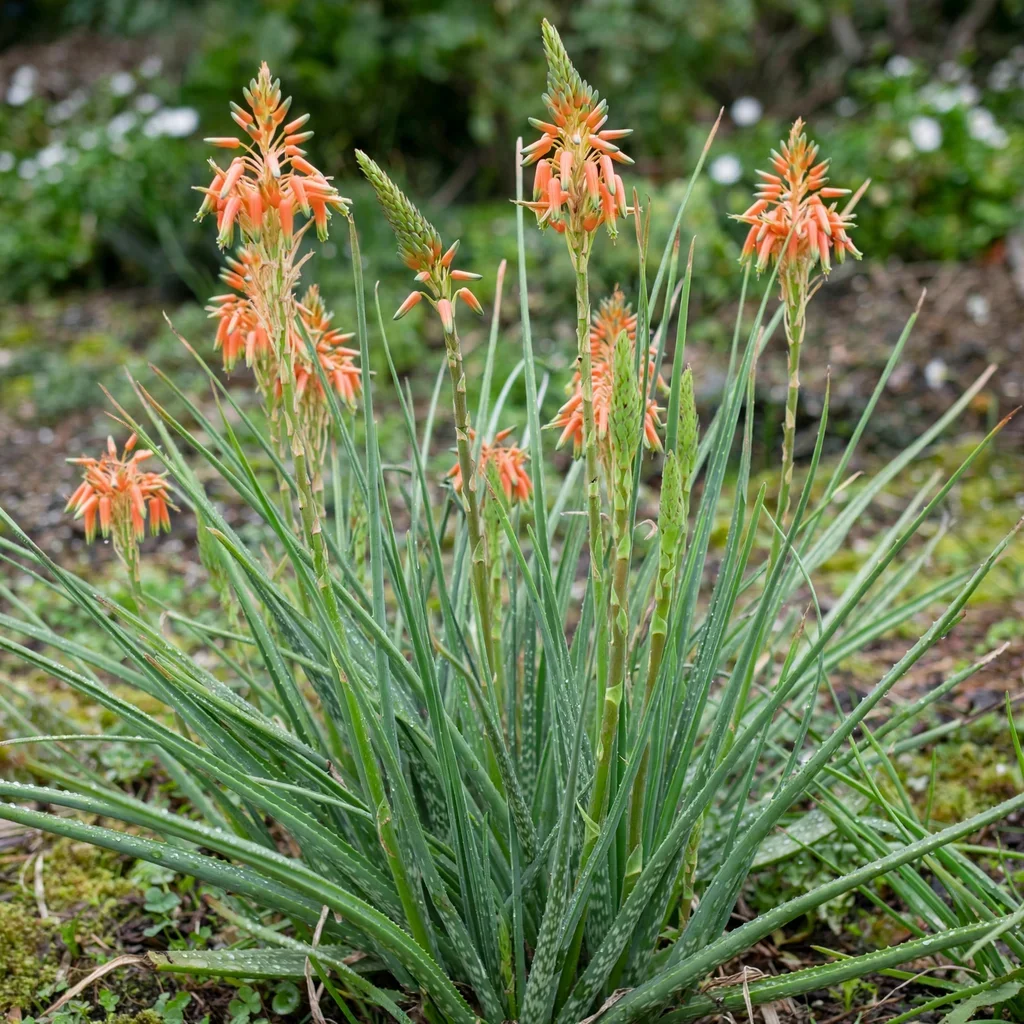
Cooper's Aloe
Aloe cooperi
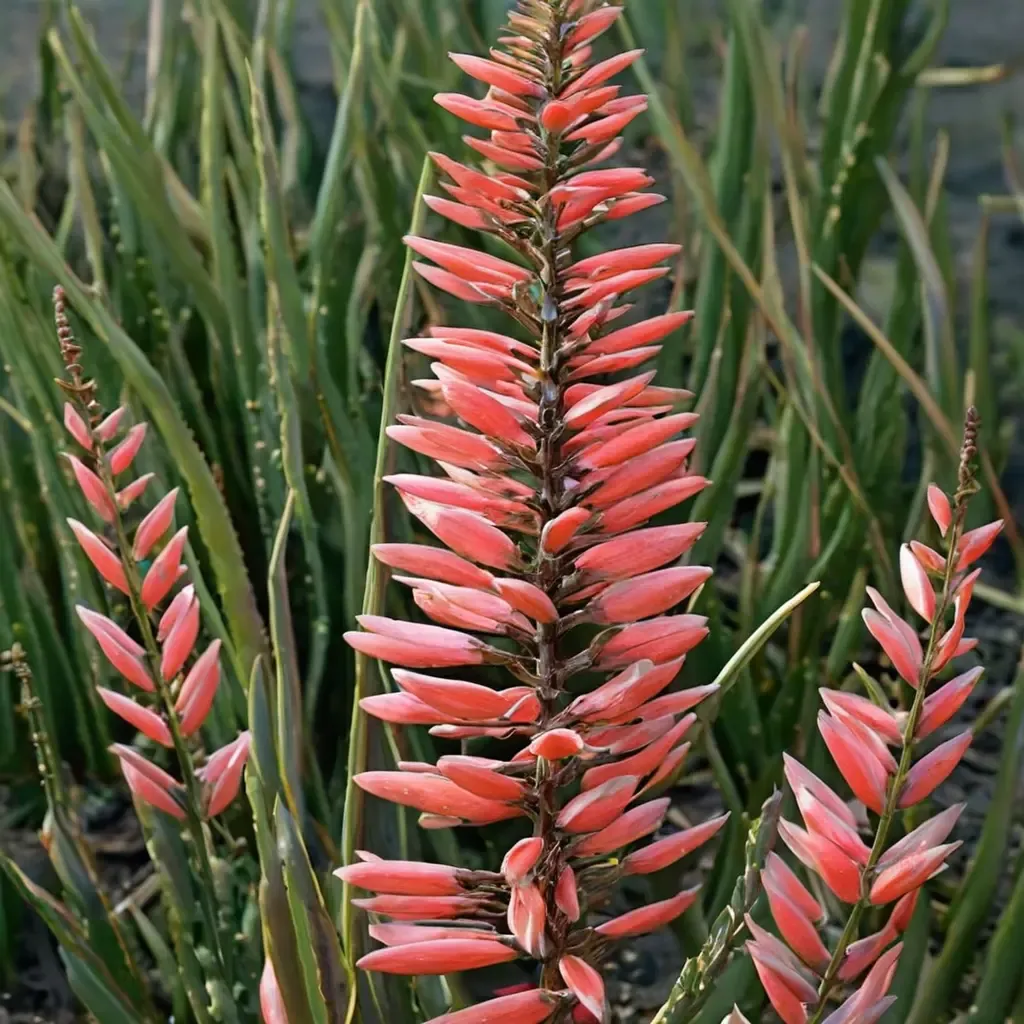
Safari Rose Aloe
Aloe vera 'Safari Rose'
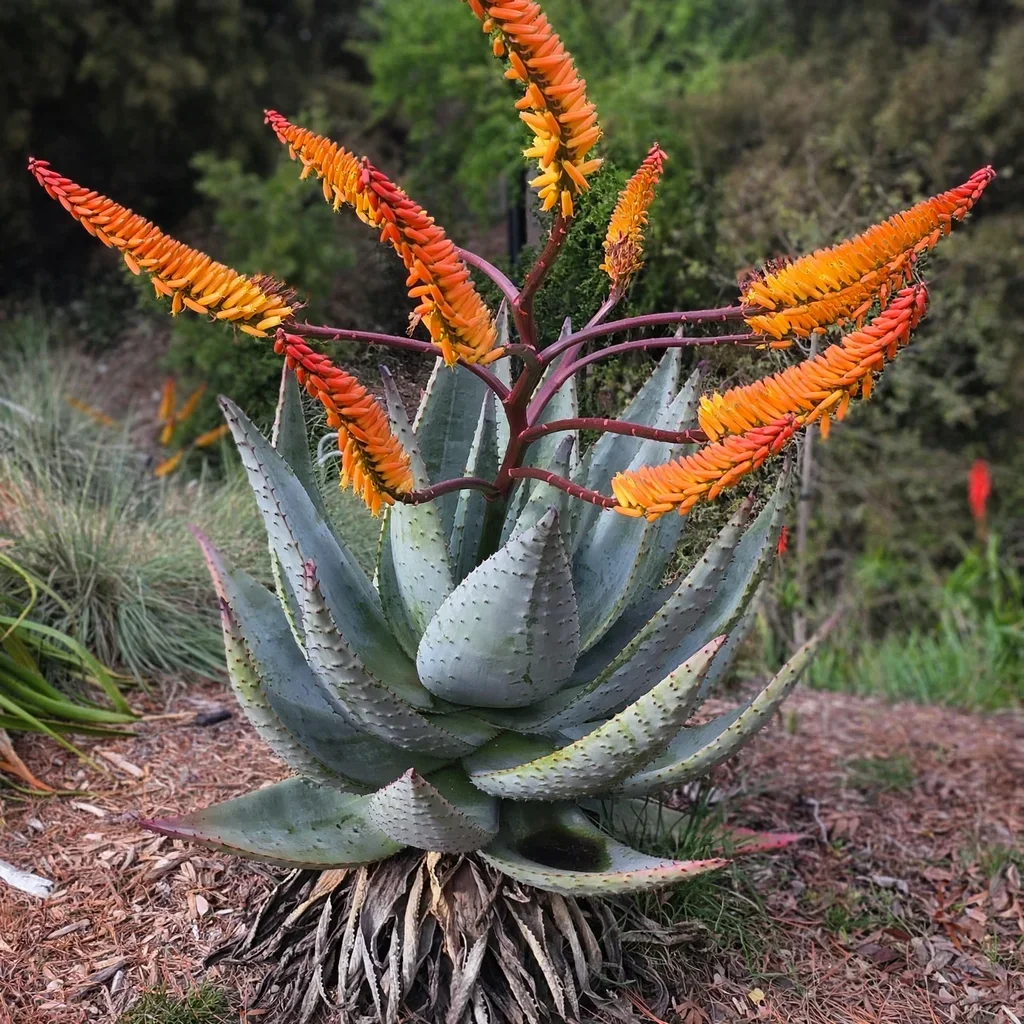
Mountain Aloe
Aloe marlothii 'Flat Flowered Aloe'
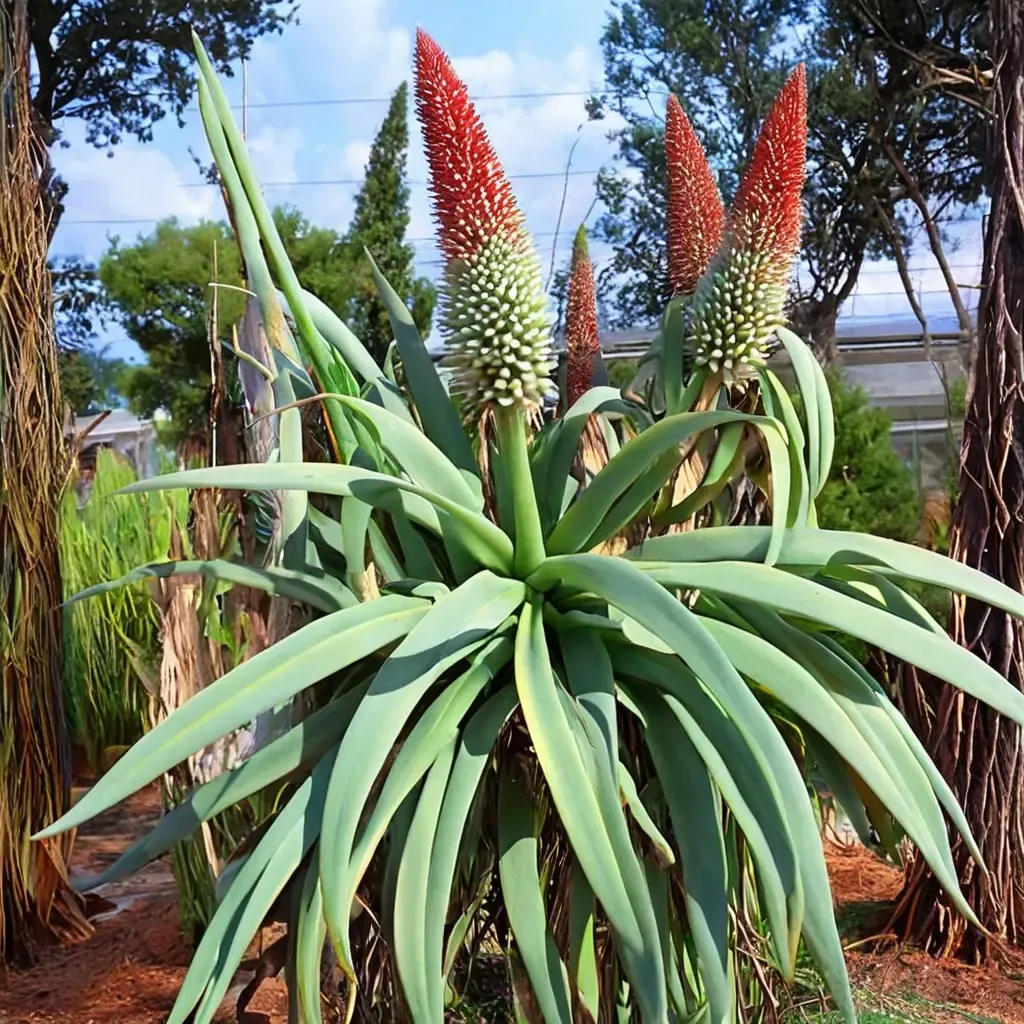
Tilt-Head Aloe
Aloe speciosa 'Tilt-Head Aloe'
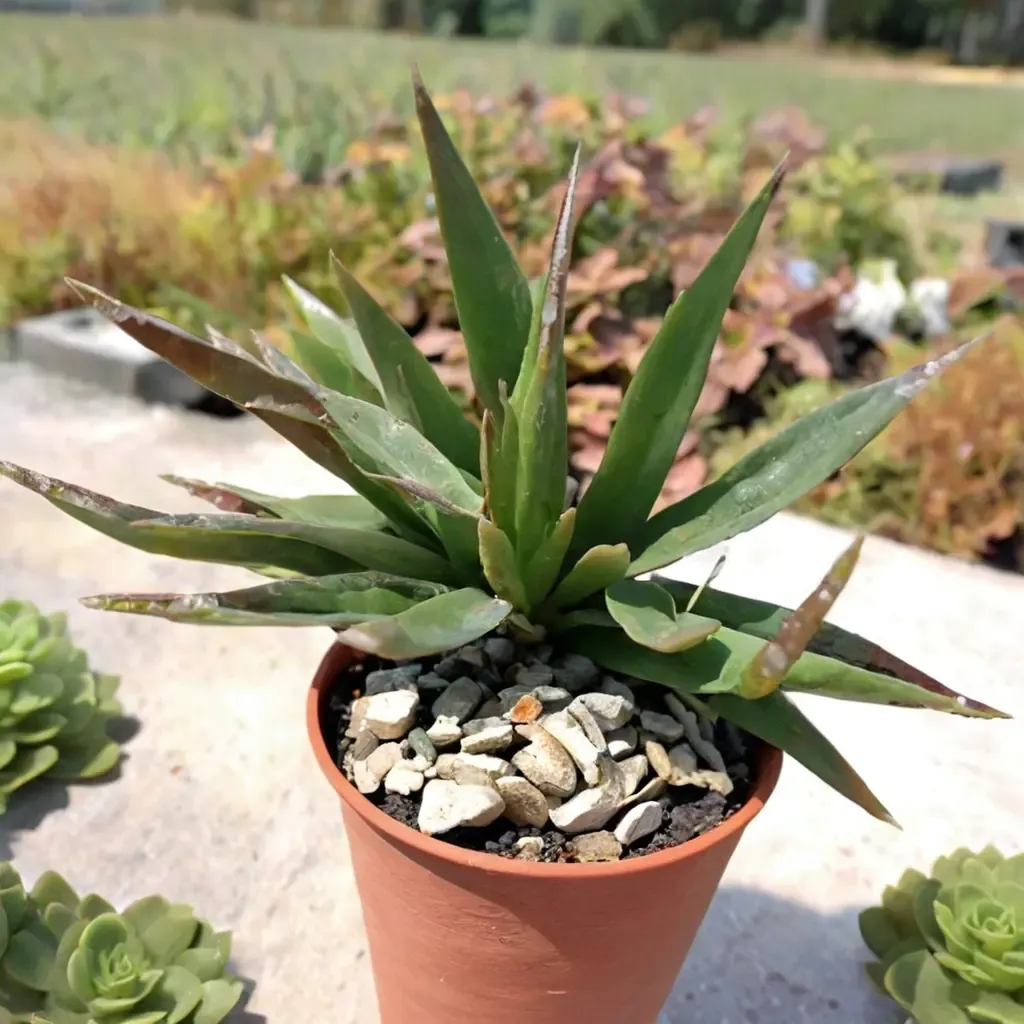
Black Gem Aloe
Aloe aethiopica 'Black Gem'
Keep exploring
Explore the genus
Hardy in your zone?
Grow Aloe with confidence
See it in a design of your actual yard, get zone-matched care reminders, and track it season by season in your garden journal.