
The Story
Plant Bio
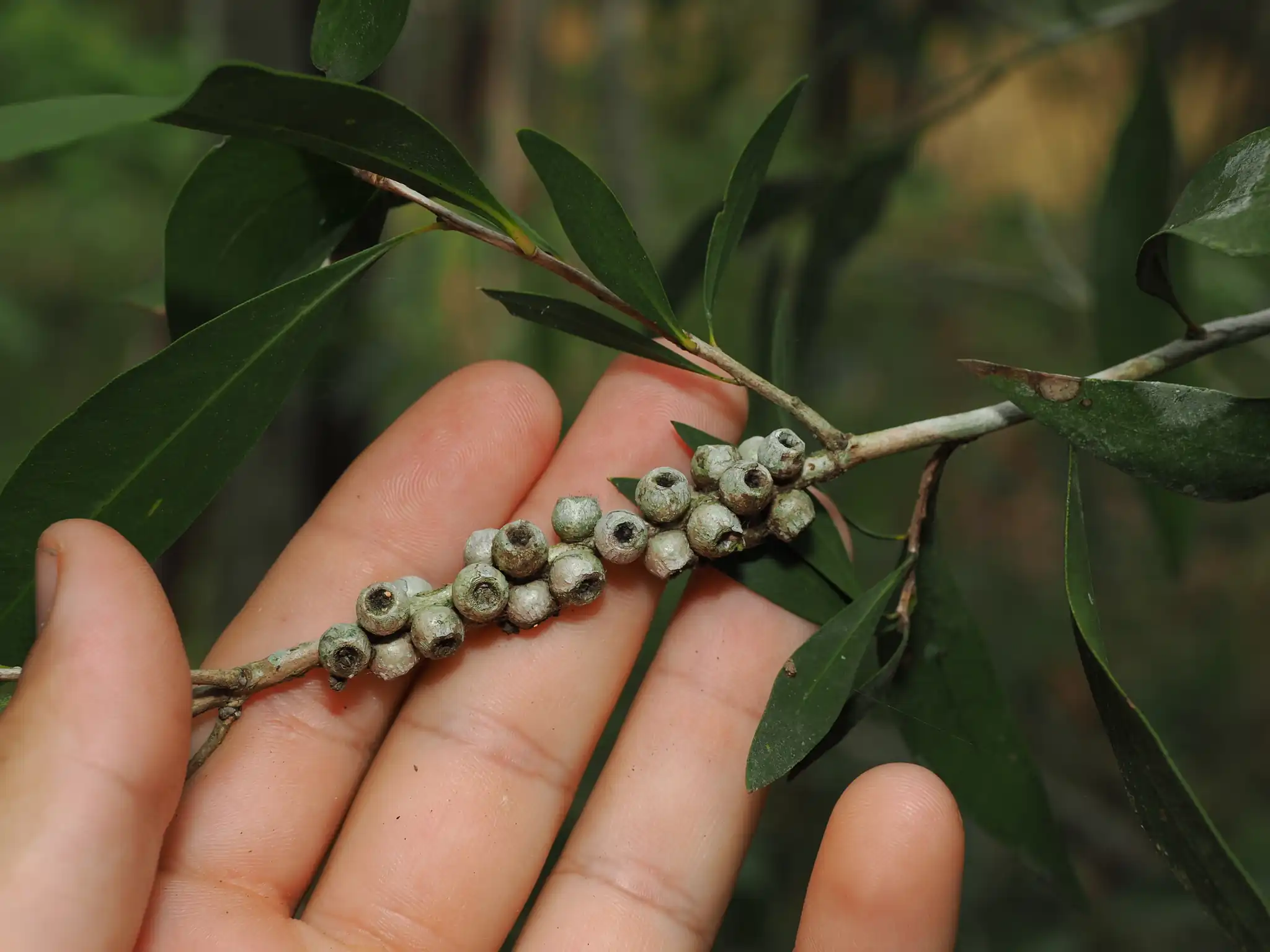
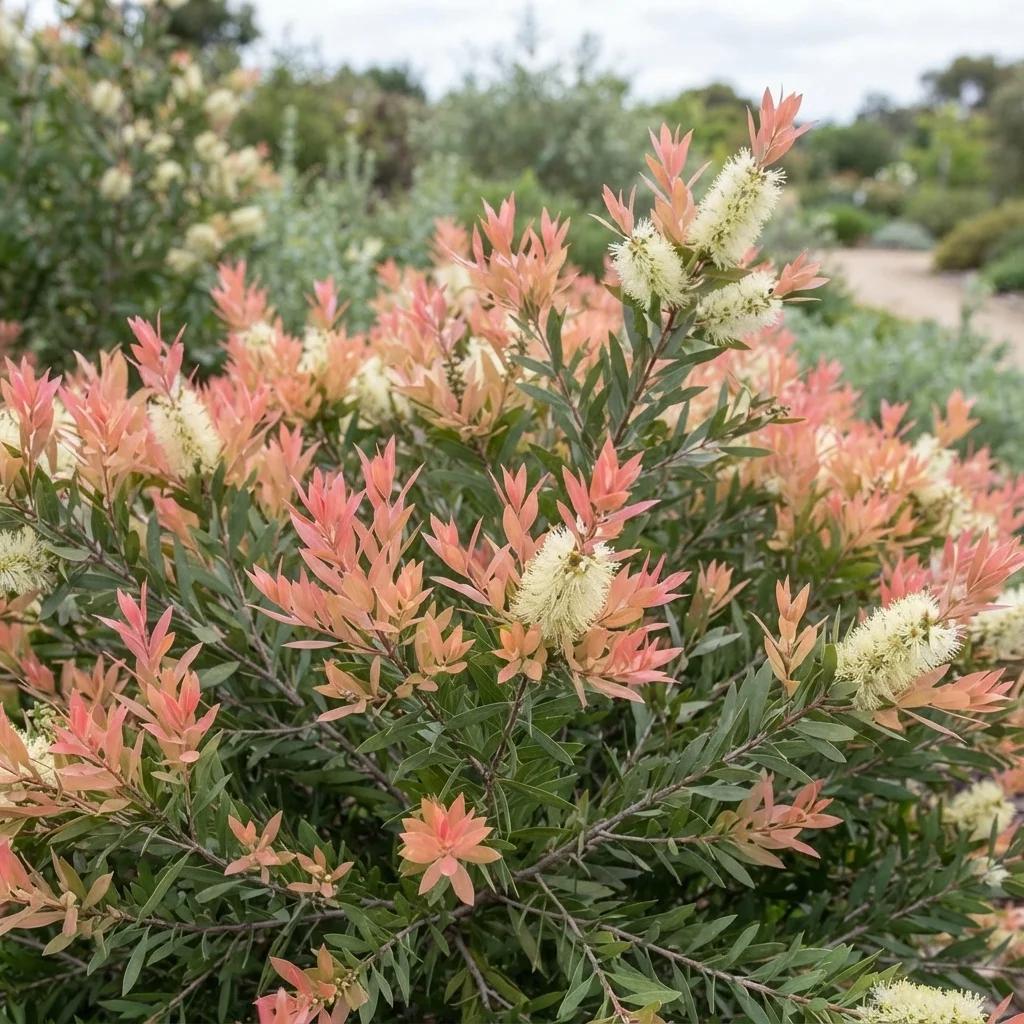
Callistemon salignus, the willow bottlebrush, is an evergreen Australian shrub or small tree distinguished by its weeping habit and creamy-white flower spikes. The plant features narrow, willow-like leaves and distinctive white, papery bark that flakes off the trunk in layers.
New foliage flushes with a bright pink to red coloration before maturing to green, providing a multi-colored canopy effect. Cultivars like 'Great Balls of Fire' offer compact, dwarf growth habits suitable for smaller garden spaces.
Uses & Benefits:
Essentials
At a Glance
Plant Type
Shrub
Height
240"
Width
150"
Light
Full Sun, Partial Sun
Zones
9, 10
Water
Moderate
Humidity
High
Lifespan
Long-lived
Native To
Australia
Toxicity
Non-toxic
Planting
How to Grow
- Plant in a full sun location to maximize flower production and encourage vibrant pink new growth.
- Dig a hole twice as wide as the root ball and backfill with native soil, as this species adapts well to clay and loam.
- Water deeply and regularly during the first growing season to establish a deep root system.
- Apply a balanced organic fertilizer in early spring to support the upcoming bloom cycle.
Pro Tip
Prune immediately after the main spring flowering flush; cutting back into old, leafless wood prevents regeneration because this species lacks dormant buds on ancient wood.
Keep It Thriving
Care Guide
Do
- Prune annually right after flowering to maintain a dense, bushy form.
- Mulch the root zone to retain moisture and regulate soil temperature.
- Provide supplemental water during extended dry spells to optimize foliage health.
Don't
- Do not cut back into bare, brown wood lacking green leaves, as it will not regrow.
- Do not overwater in poorly drained soils to avoid root rot pathogens.
- Do not plant in deep shade, which reduces flowering and causes a sparse, leggy habit.
Seasonal Care Calendar
| Task | Jan | Feb | Mar | Apr | May | Jun | Jul | Aug | Sep | Oct | Nov | Dec |
|---|---|---|---|---|---|---|---|---|---|---|---|---|
| Fertilize | ||||||||||||
| Pest Check | ||||||||||||
| Plant | ||||||||||||
| Prune |
Watch Out For
Pests & Diseases
Common Pests
Common Diseases
In the Garden
Landscape Uses & Companions
Landscape Uses
Companion Plants
Multiply
Propagation Methods
Good to Know
Common Questions
Willow Bottlebrush questions
What zones can Willow Bottlebrush grow in?
Willow Bottlebrush is hardy in USDA Zones 9–10. Inside that range it survives winter in the ground; outside it, grow it as an annual or a container plant you protect.
Is Willow Bottlebrush deer resistant?
Not reliably. Deer may browse Willow Bottlebrush, especially tender spring growth — plan on repellents or fencing where pressure is high.
When does Willow Bottlebrush bloom?
Willow Bottlebrush typically blooms in late spring through summer. Exact timing shifts a week or two with your zone — Sow's bloom calendar maps it to your garden.
Does Willow Bottlebrush need full sun?
Willow Bottlebrush does best in full sun to part shade. In hot climates, afternoon shade keeps blooms fresher longer.
Is Willow Bottlebrush drought tolerant?
Yes — once established (usually after the first full season), Willow Bottlebrush handles dry spells with minimal watering. Water deeply its first year to build the root system that makes that possible.
More Callistemon to compare
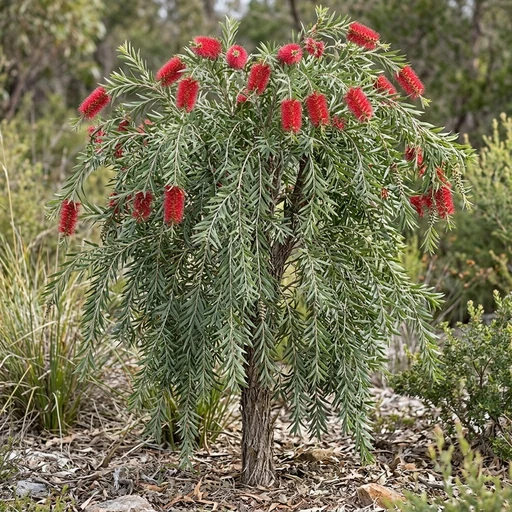
Weeping Bottlebrush
Callistemon viminalis
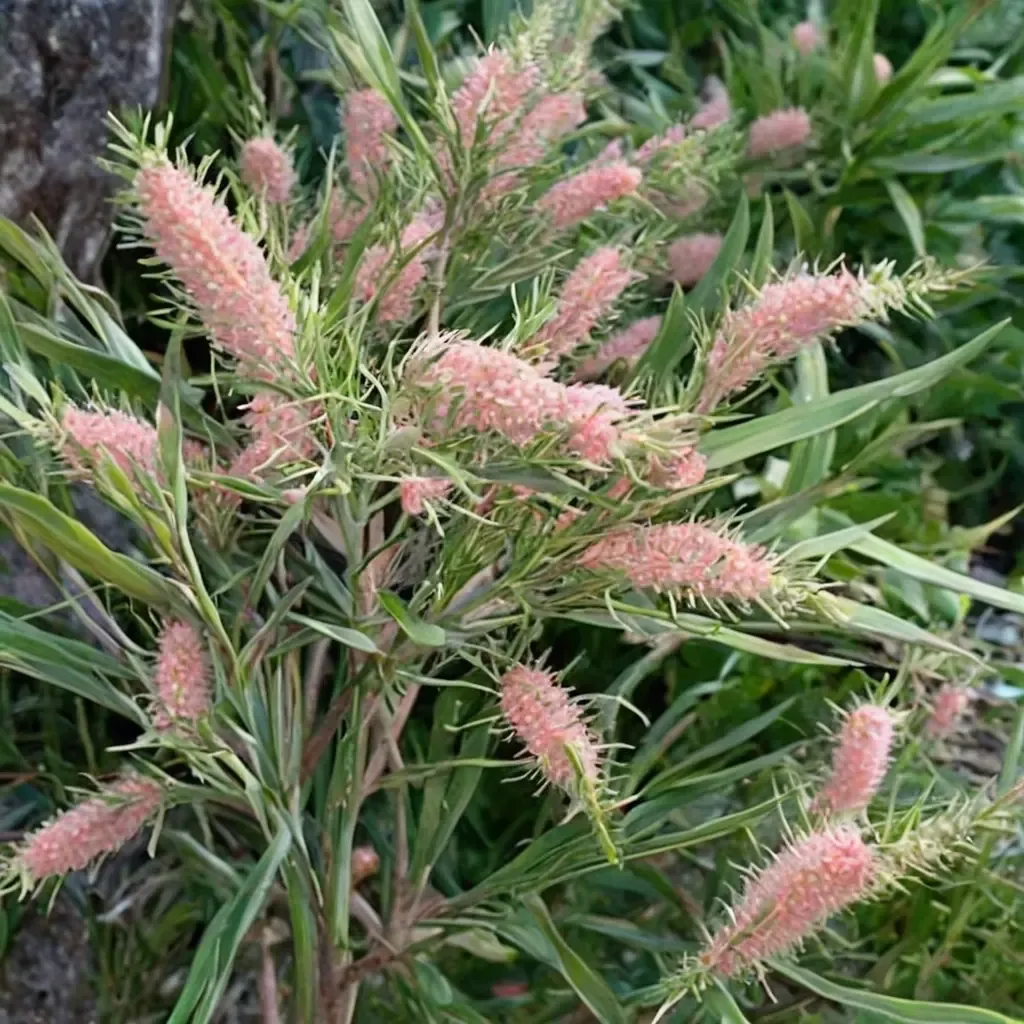
Cane's Hybrid Bottlebrush
Callistemon citrinus 'Cane's Hybrid'
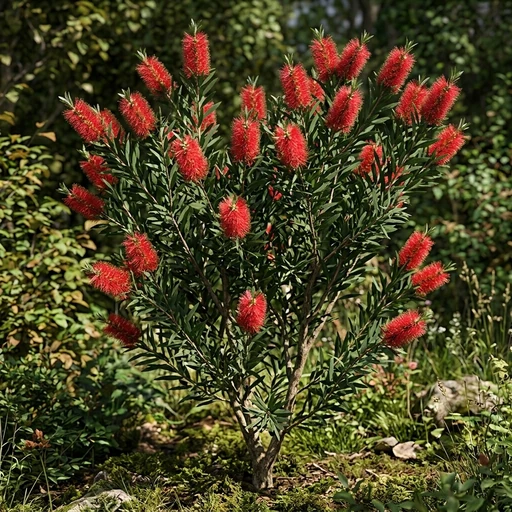
Woodlander's Hardy Bottlebrush
Callistemon x hybrida 'Woodlander'S Hardy'
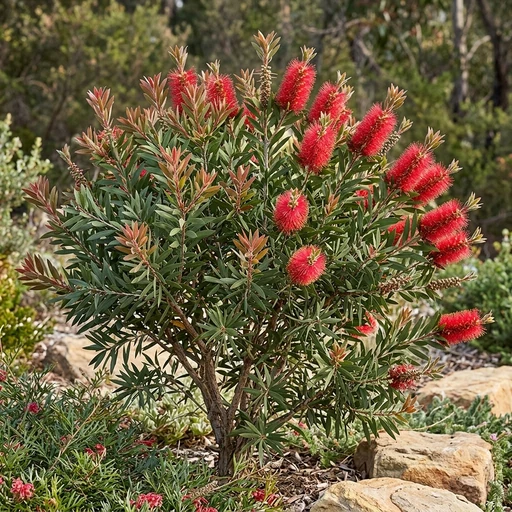
Little John Dwarf Bottlebrush
Callistemon citrinus 'Little John'
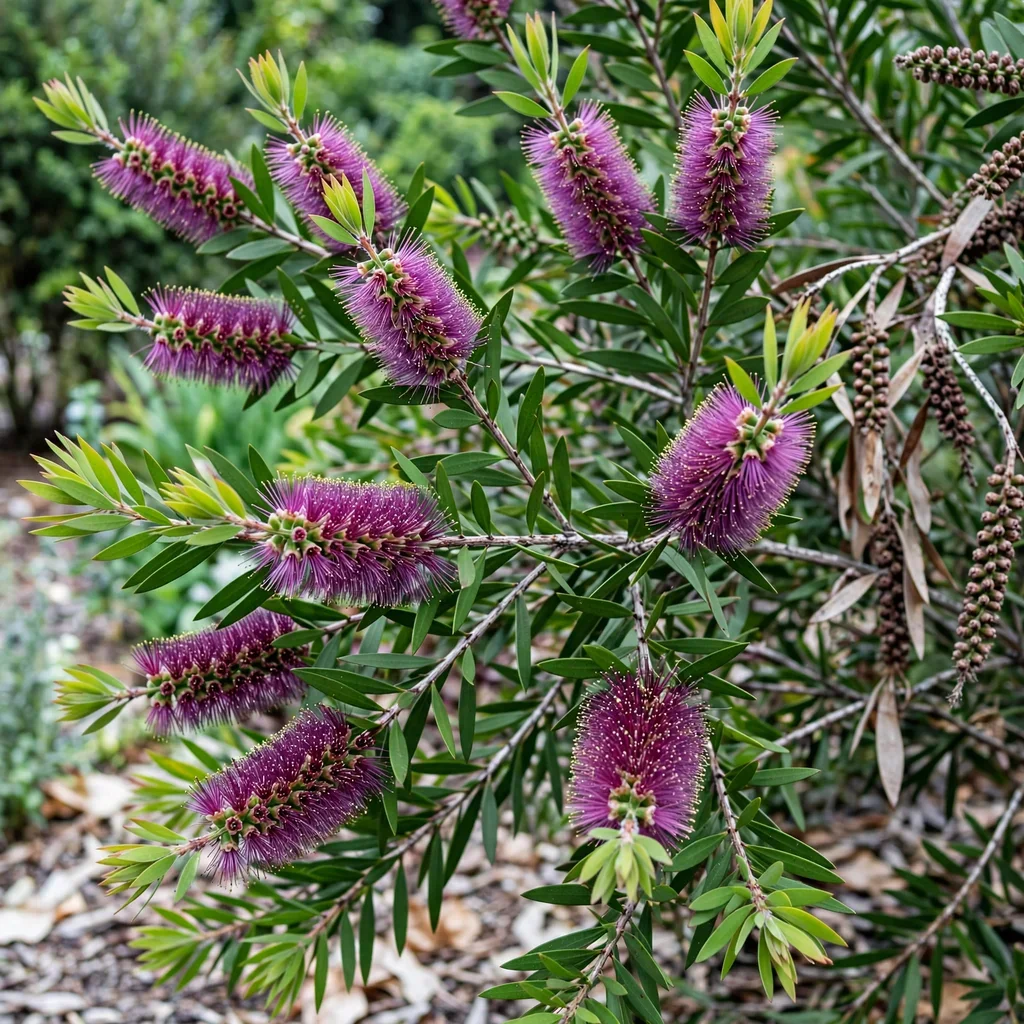
Violet Bottlebrush
Callistemon x hybrida 'Violaceus'
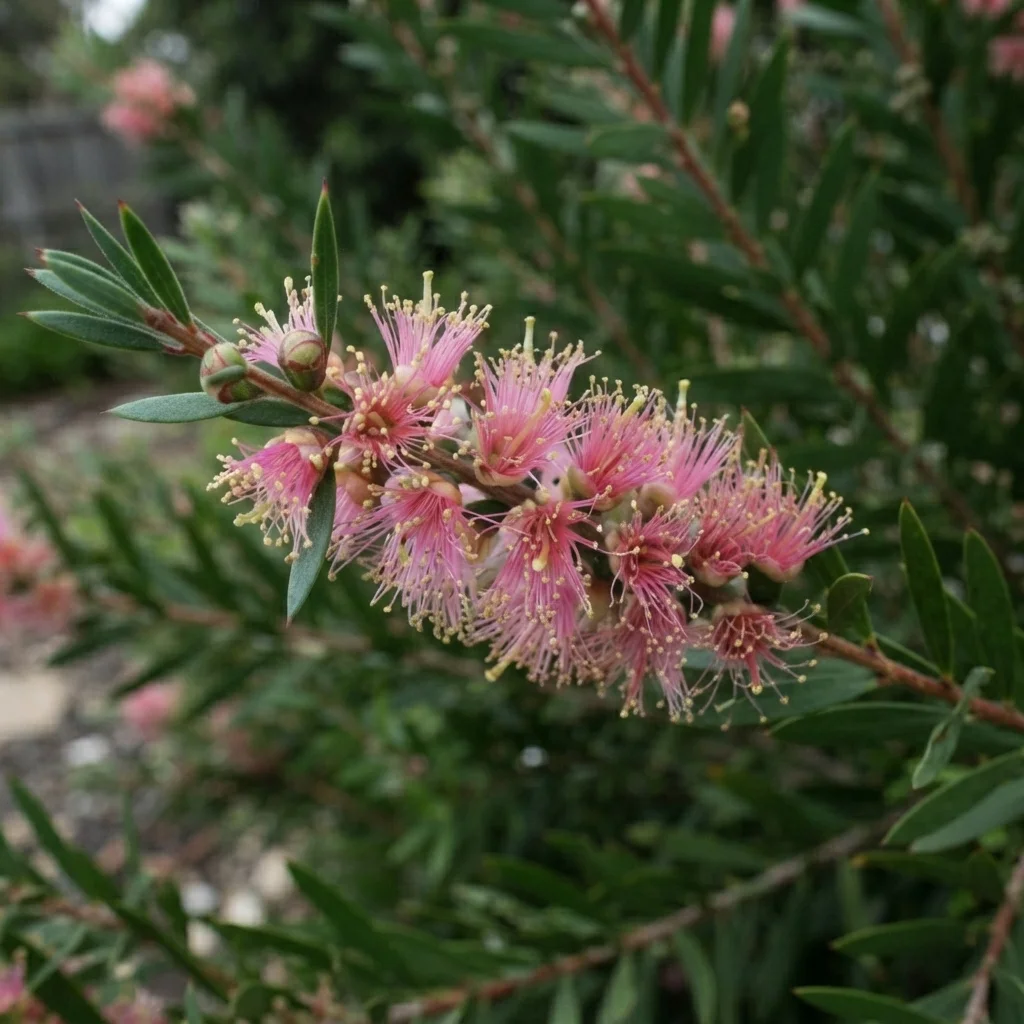
River Bottlebrush
Callistemon sieberi
Keep exploring
Explore the genus
Hardy in your zone?
Grow Willow Bottlebrush with confidence
See it in a design of your actual yard, get zone-matched care reminders, and track it season by season in your garden journal.