

The Story
Plant Bio
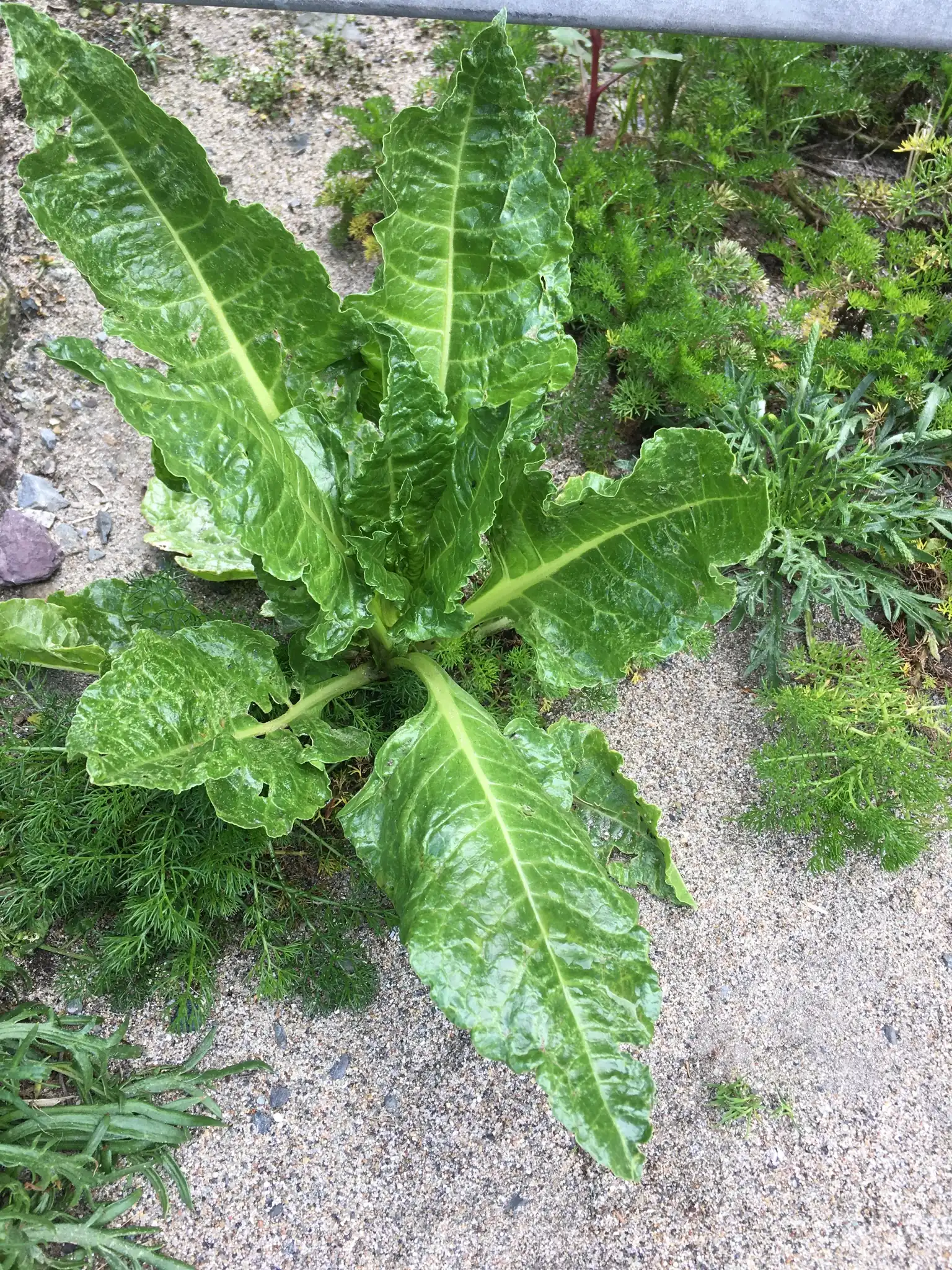
Beta vulgaris is the European species behind beetroot, chard, spinach beet and sugar beet, grown as an annual for a crop that would otherwise flower in its second year. Plants make an upright rosette a foot to eighteen inches high, with glossy or crinkled leaves on stems that may be white, gold, crimson or striped. The swollen root is the familiar beet.
One botanical species covers several quite different crops, and what you sow determines what you harvest: Garden Beet types for the root, Leaf Beet types such as chard for the leaves and midribs. Sowing a root variety and expecting a cutting crop of leaves is the common disappointment, so read the group on the packet.
Uses & Benefits:
Essentials
At a Glance
Plant Type
Fruit Vegetable
Height
15"
Width
18"
Light
Full Sun, Partial Sun
Zones
4, 5, 6, 7, 8, 9, 10
Water
Medium
Humidity
Average
Lifespan
Biennial, grown as an annual
Native To
Europe
Toxicity
Edible
Planting
How to Grow
- Sow direct once the soil has warmed in spring.
- Choose a sunny site with deep, stone-free, well-worked soil.
- Sow seed clusters an inch deep, three inches apart.
- Thin seedlings early to one plant per station.
- Keep the soil evenly moist to avoid woody roots.
- Lift roots young, at golf-ball to tennis-ball size.
Pro Tip
Each beet seed is a cluster of several, so thinning is not optional; skip it and every root stays small and misshapen.
Keep It Thriving
Care Guide
Do
- Sow direct rather than transplanting 🌱
- Thin seedlings early to one per station ✂️
- Keep watering even to avoid woody roots 💧
- Harvest roots young for the best texture 🥬
Don't
- Let the bed dry out and then flood it ❌
- Leave seedling clusters unthinned ❌
- Sow into freshly manured ground and get forked roots ❌
Seasonal Care Calendar
| Task | Jan | Feb | Mar | Apr | May | Jun | Jul | Aug | Sep | Oct | Nov | Dec |
|---|---|---|---|---|---|---|---|---|---|---|---|---|
| Harvest | ||||||||||||
| Sow |
Watch Out For
Pests & Diseases
Common Pests
Common Diseases
In the Garden
Landscape Uses & Companions
Landscape Uses
Multiply
Propagation Methods
Good to Know
Common Questions
Beet questions
What zones can Beet grow in?
Beet is hardy in USDA Zones 4–10. Inside that range it survives winter in the ground; outside it, grow it as an annual or a container plant you protect.
Is Beet deer resistant?
Not reliably. Deer may browse Beet, especially tender spring growth — plan on repellents or fencing where pressure is high.
When does Beet bloom?
Beet typically blooms in not grown for flowers; bolts in its second year through early fall. Exact timing shifts a week or two with your zone — Sow's bloom calendar maps it to your garden.
Does Beet need full sun?
Beet does best in full sun to part shade. In hot climates, afternoon shade keeps blooms fresher longer.
More Beta to compare
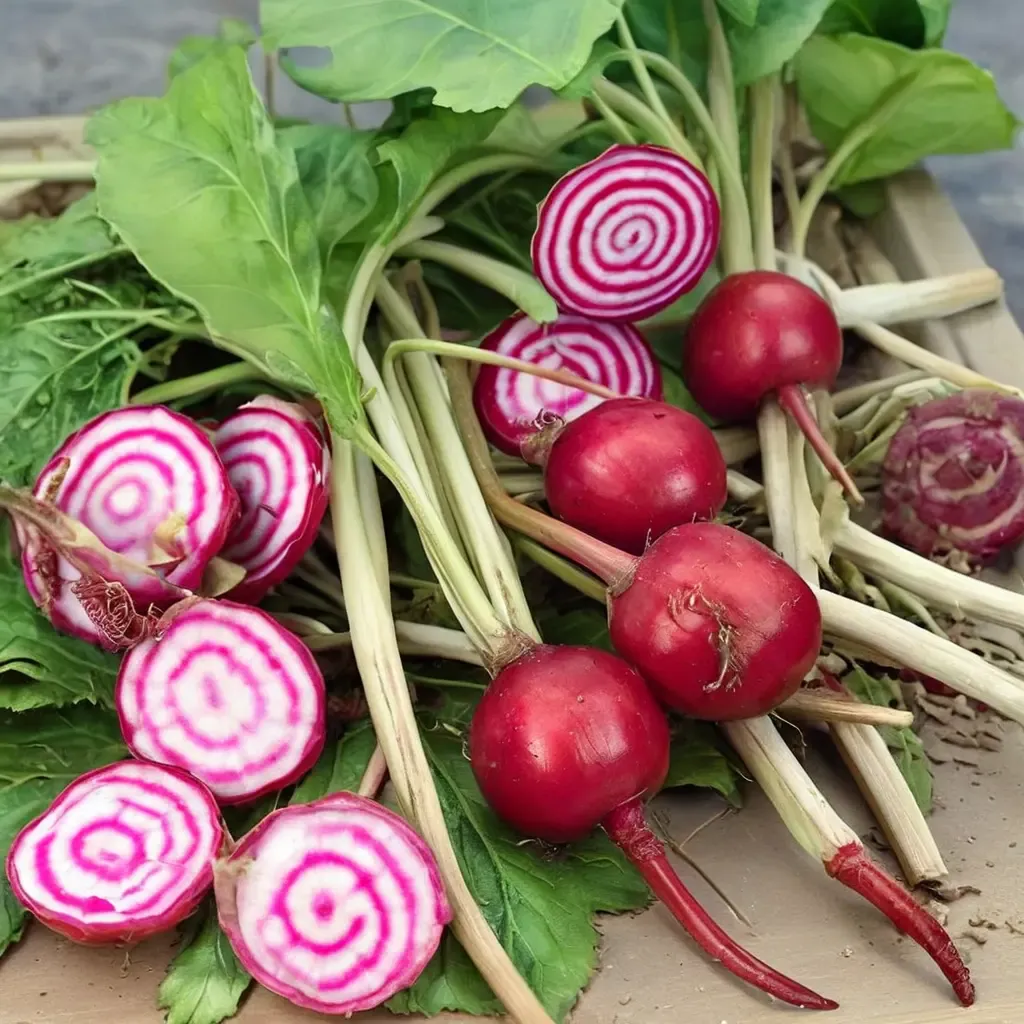
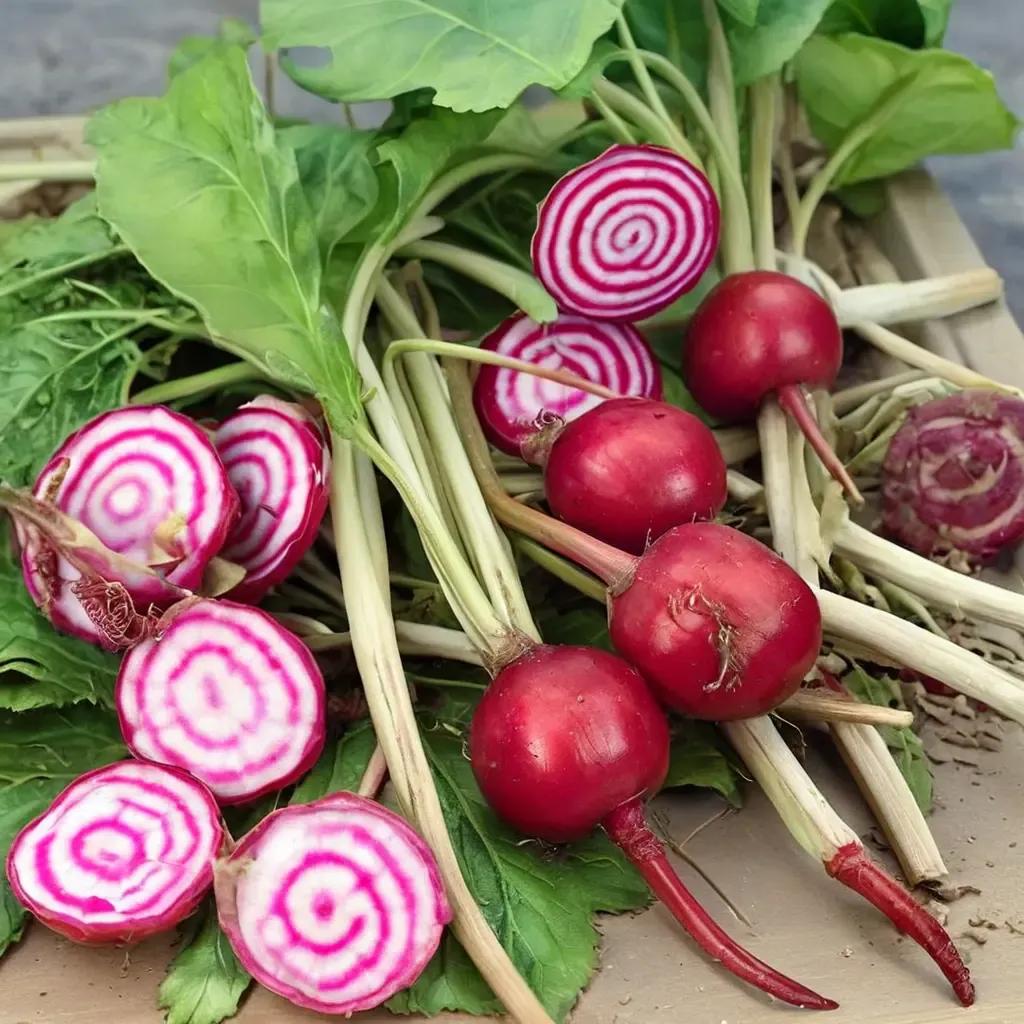
Chioggia Beet
Beta vulgaris 'Chioggia'
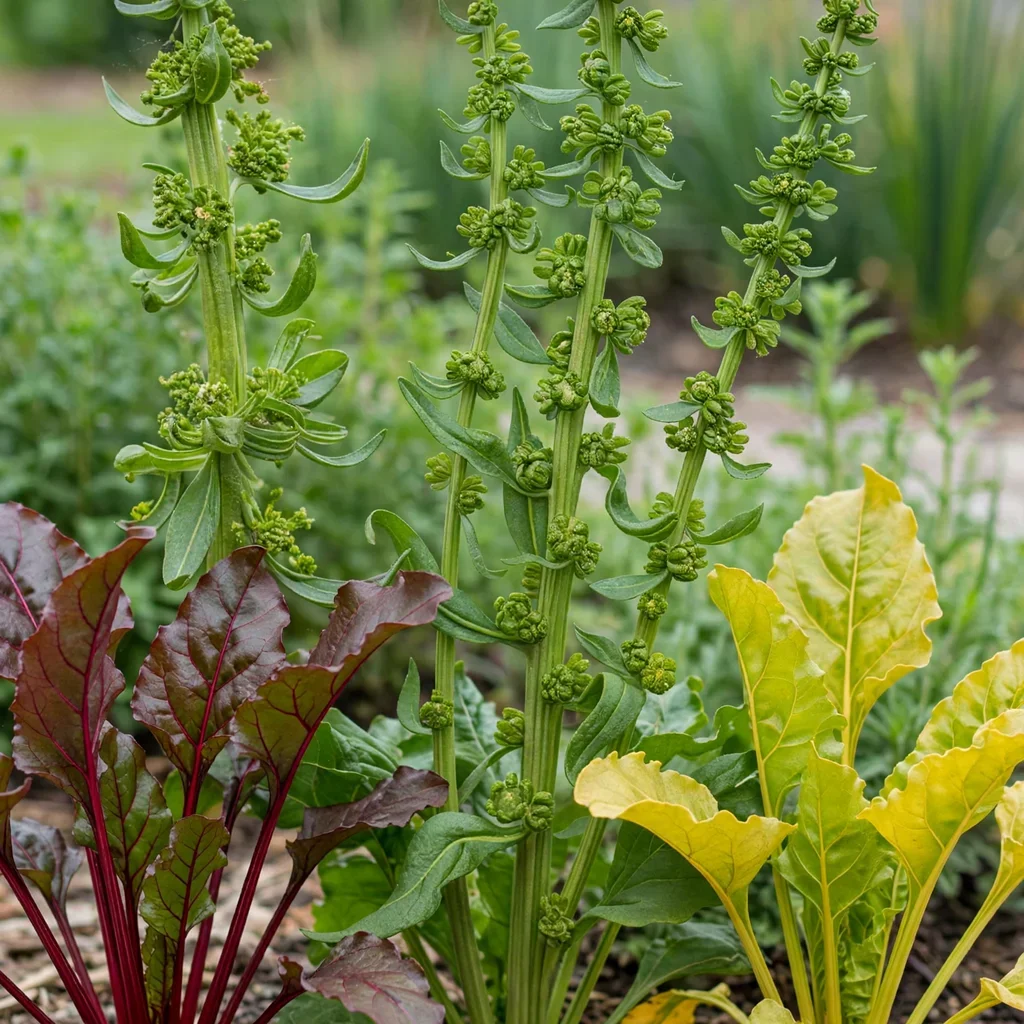
Garden Beet
Beta vulgaris 'Mix'
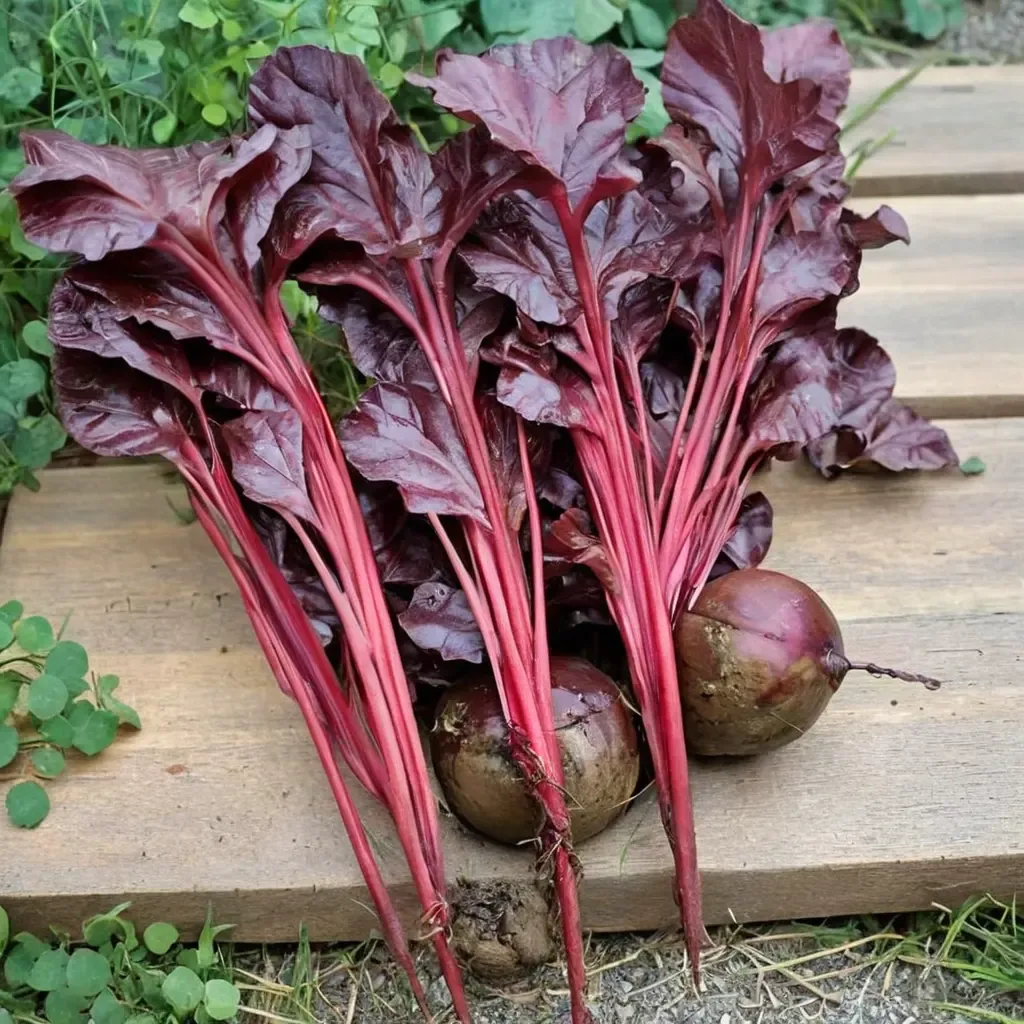
Bull's Blood Beet
Beta vulgaris 'Bull's Blood'
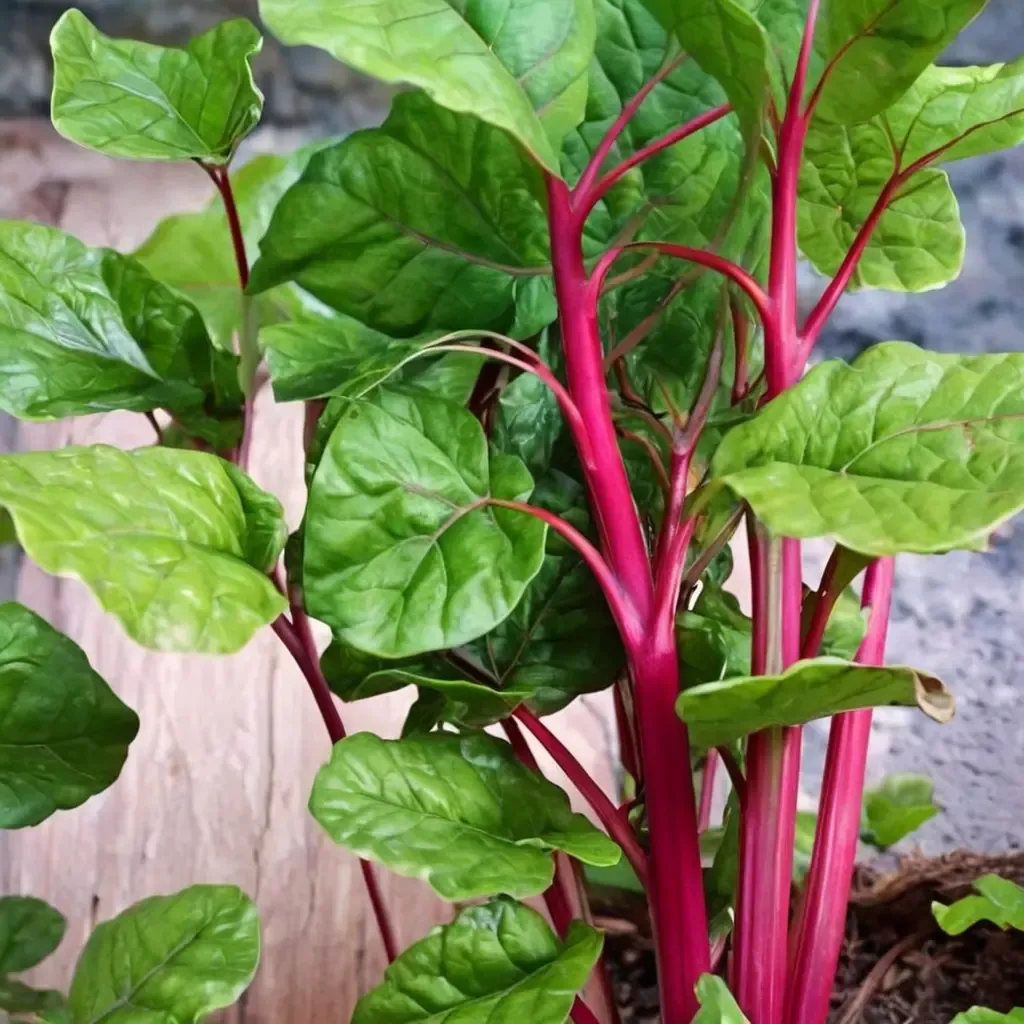
Magenta Sunset Swiss Chard
Beta vulgaris 'Magenta Sunset'
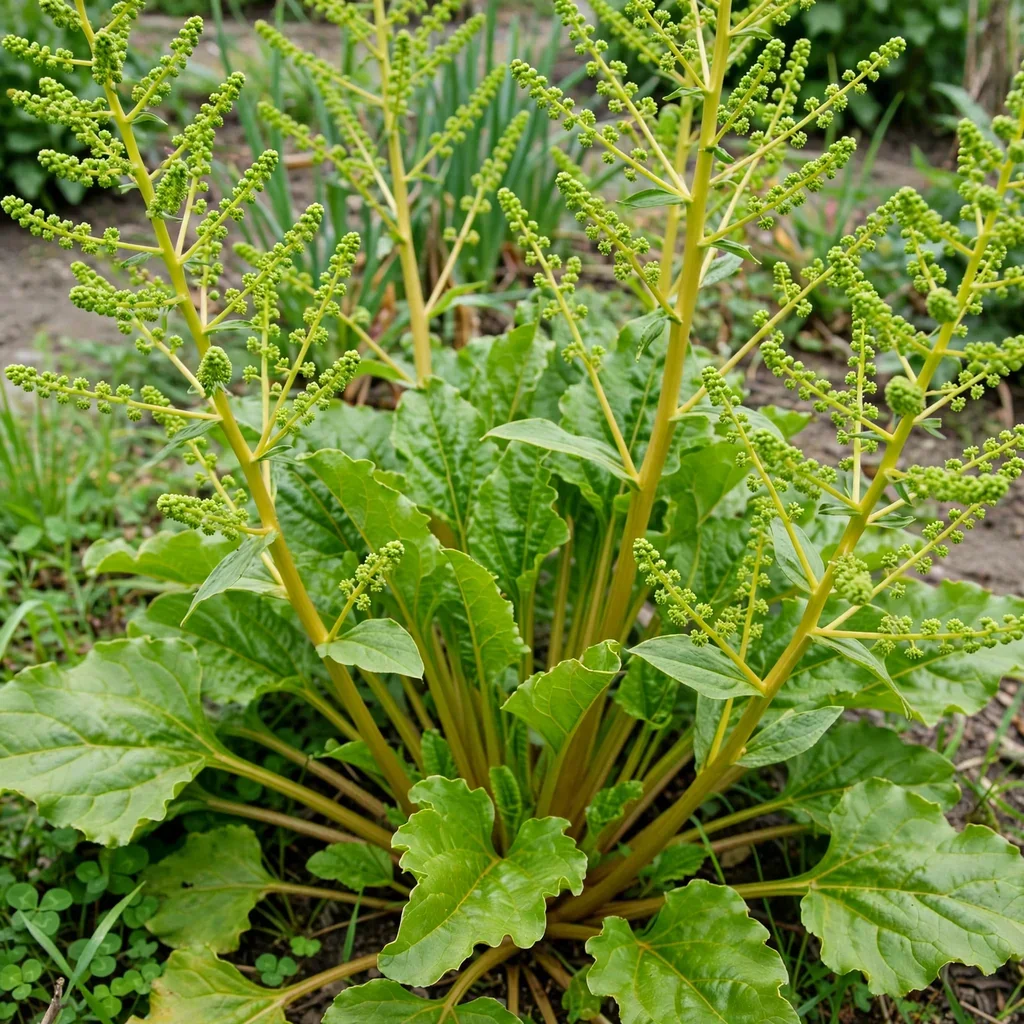
Touchstone Gold Beet
Beta vulgaris 'Touchstone Gold'
Keep exploring
Explore the genus
Grow Beet with confidence
See it in a design of your actual yard, get zone-matched care reminders, and track it season by season in your garden journal.