The Story
Plant Bio
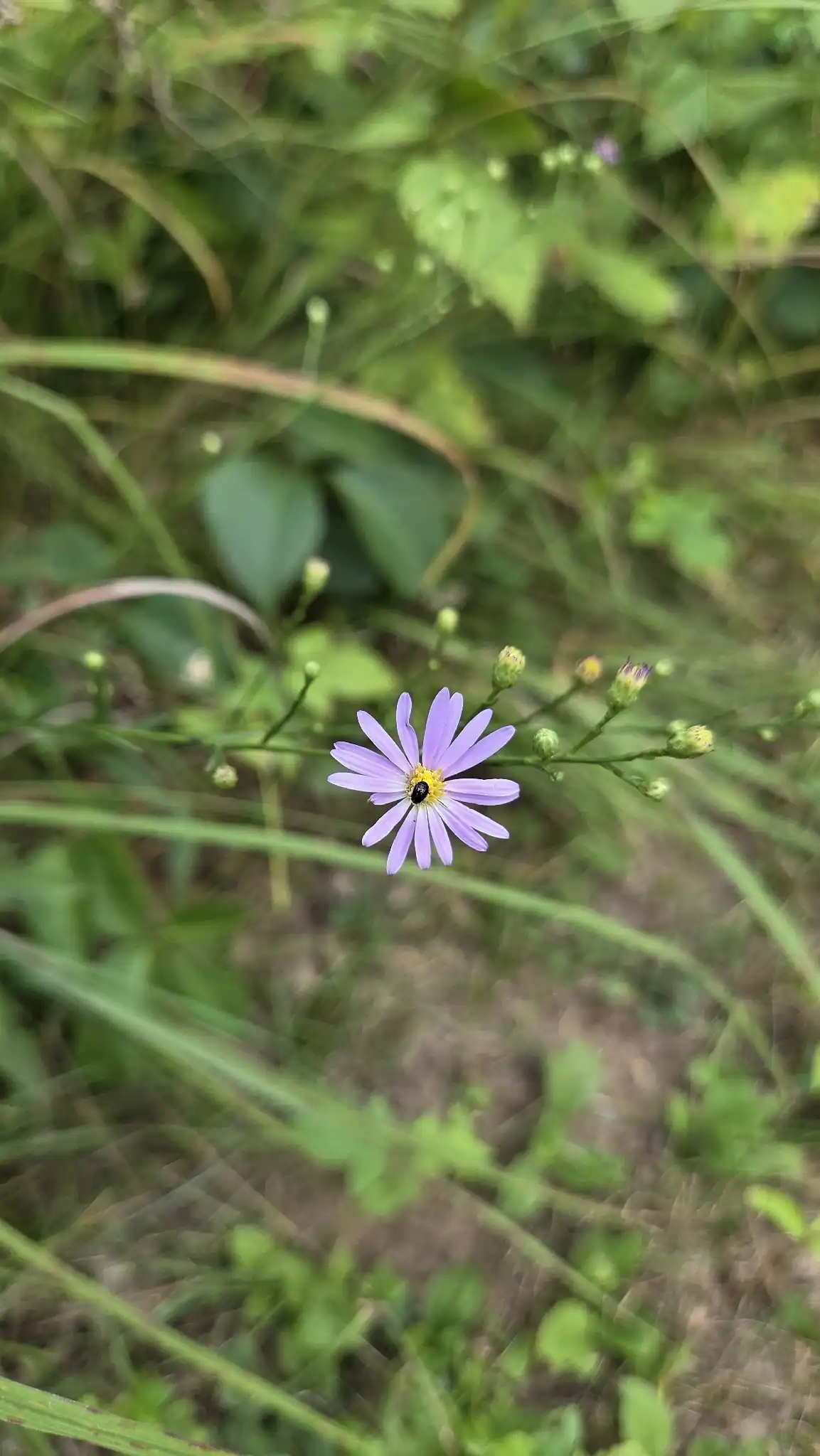
Symphyotrichum oolentangiense, the sky-blue aster, is an upright, clumping herbaceous perennial native to central and eastern North America, reaching heights of two to three feet. It produces many-flowered, open panicles of daisy-like flower heads with blue to lavender ray florets surrounding a yellow central disk from late summer into fall.
This species is distinguished by its rough-textured, scabrous basal leaves with distinct heart-shaped bases, which transition to much smaller, narrow, stalkless leaves higher up the stem. The deep blue-violet flowers provide critical late-season nectar for migrating monarchs and native bees when other forage is scarce.
Uses & Benefits:
Essentials
At a Glance
Plant Type
Perennial
Height
36"
Width
24"
Light
Full Sun, Partial Sun
Zones
4, 5, 6, 7, 8
Water
Low to moderate
Humidity
Moderate to high
Lifespan
Perennial
Native To
North America
Toxicity
Non-toxic
Bloom period
Late summer – Fall
In flower about 4 months of the year
Planting
How to Grow
- Select a site in full sun to light shade with well-drained soil, avoiding areas where water pools.
- Plant bare-root or potted specimens in spring, spacing them twelve to twenty-four inches apart to allow for mature spread.
- Water regularly after planting to establish a deep root system, then reduce watering once established.
- Pinch back the stems by half in late spring to promote branching and increase the density of the fall flower display.
Pro Tip
Pinch the growing tips back once in late spring to encourage a sturdier, bushier habit; planting in lean, unfertilized soil prevents the tall flowering stems from stretching and flopping.
Keep It Thriving
Care Guide
Do
- Grow in lean, unfertilized soil to maintain a naturally compact and upright growth habit.
- Cut dead stems back to the ground in late winter or early spring before new shoots emerge.
- Provide adequate spacing between plants to ensure good air circulation and minimize foliar diseases.
Don't
- Do not overwater or plant in heavy, poorly drained soils that remain waterlogged.
- Avoid applying high-nitrogen fertilizers, which cause weak, floppy stems that require staking.
- Do not prune or pinch the stems after early June, as this will delay or eliminate the fall flower buds.
Seasonal Care Calendar
| Task | Jan | Feb | Mar | Apr | May | Jun | Jul | Aug | Sep | Oct | Nov | Dec |
|---|---|---|---|---|---|---|---|---|---|---|---|---|
| Divide | ||||||||||||
| Pest Check | ||||||||||||
| Pinch | ||||||||||||
| Spring Cleanup |
Watch Out For
Pests & Diseases
Common Pests
Common Diseases
In the Garden
Landscape Uses & Companions
Landscape Uses
Multiply
Propagation Methods
Good to Know
Common Questions
Sky-blue Aster questions
What zones can Sky-blue Aster grow in?
Sky-blue Aster is hardy in USDA Zones 4–8. Inside that range it survives winter in the ground; outside it, grow it as an annual or a container plant you protect.
Is Sky-blue Aster deer resistant?
Not reliably. Deer may browse Sky-blue Aster, especially tender spring growth — plan on repellents or fencing where pressure is high.
When does Sky-blue Aster bloom?
Sky-blue Aster typically blooms in late summer through fall. Exact timing shifts a week or two with your zone — Sow's bloom calendar maps it to your garden.
Does Sky-blue Aster need full sun?
Sky-blue Aster does best in full sun to part shade. In hot climates, afternoon shade keeps blooms fresher longer.
Is Sky-blue Aster drought tolerant?
Yes — once established (usually after the first full season), Sky-blue Aster handles dry spells with minimal watering. Water deeply its first year to build the root system that makes that possible.
More Symphyotrichum to compare
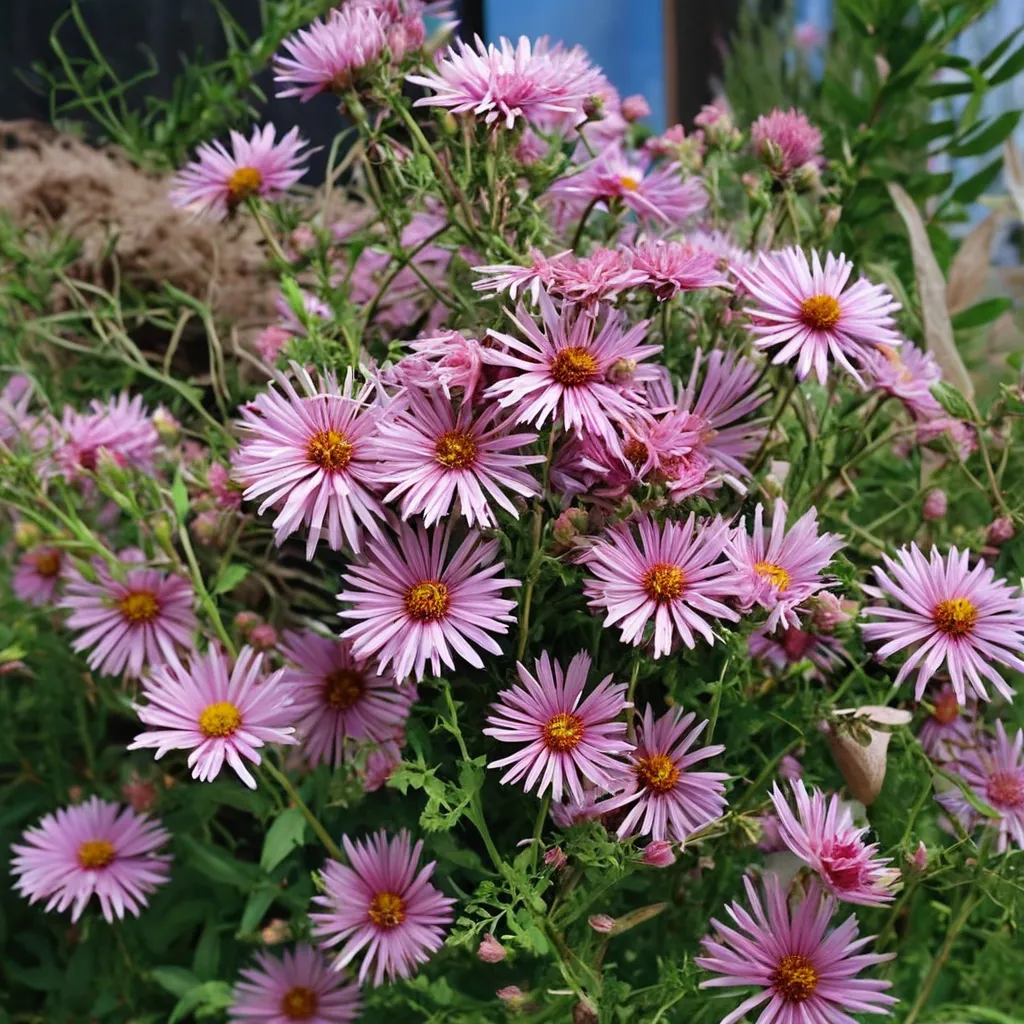
New England Aster Harringtons Pink
Symphyotrichum novae-angliae 'Harringtons Pink'
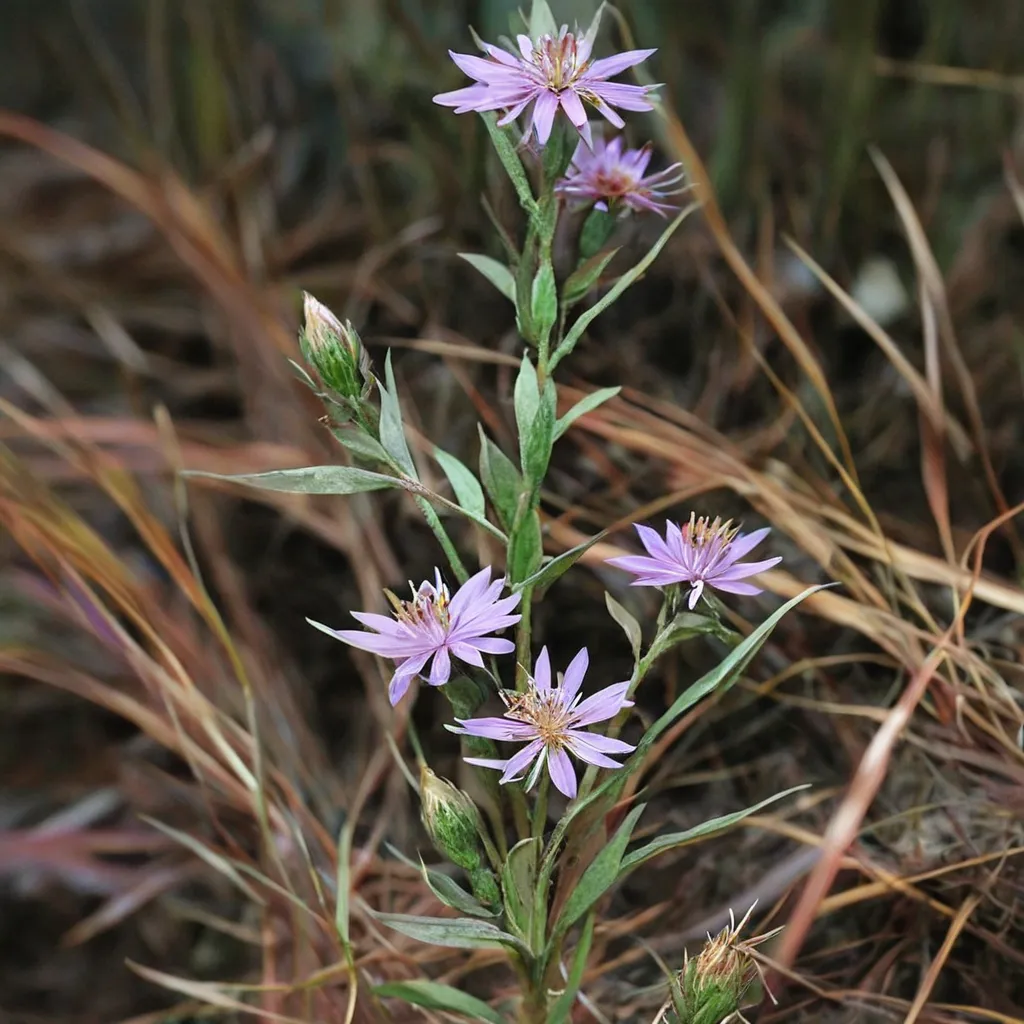
Eastern Silver Aster
Symphyotrichum concolor
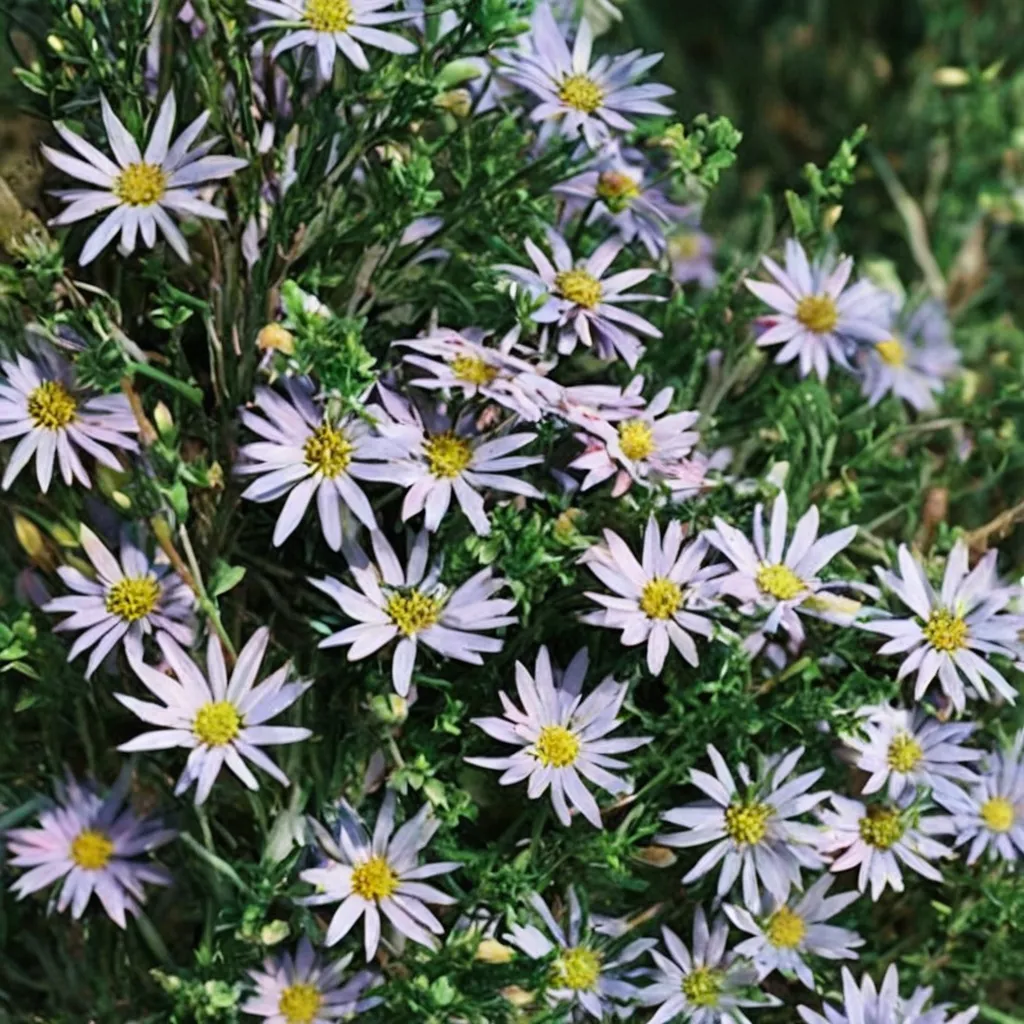
New Mexico Aster My Antonia
Symphyotrichum fendleri 'My Antonia'
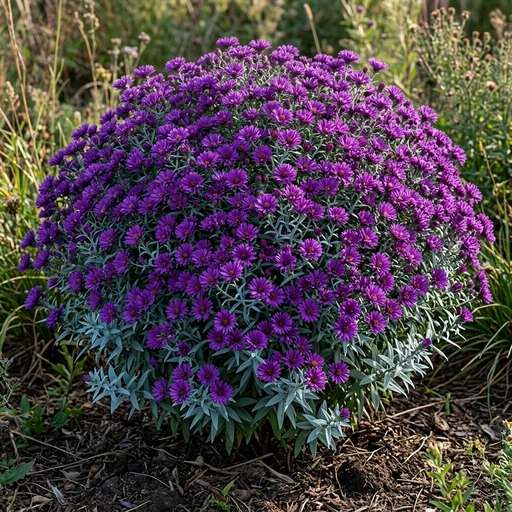
Purple Dome New England Aster
Symphyotrichum novae-angliae 'Purple Dome'
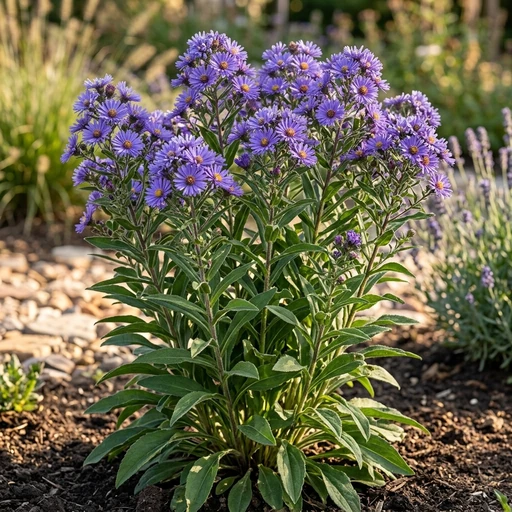
New England Aster
Symphyotrichum novae-angliae '05-196-10'
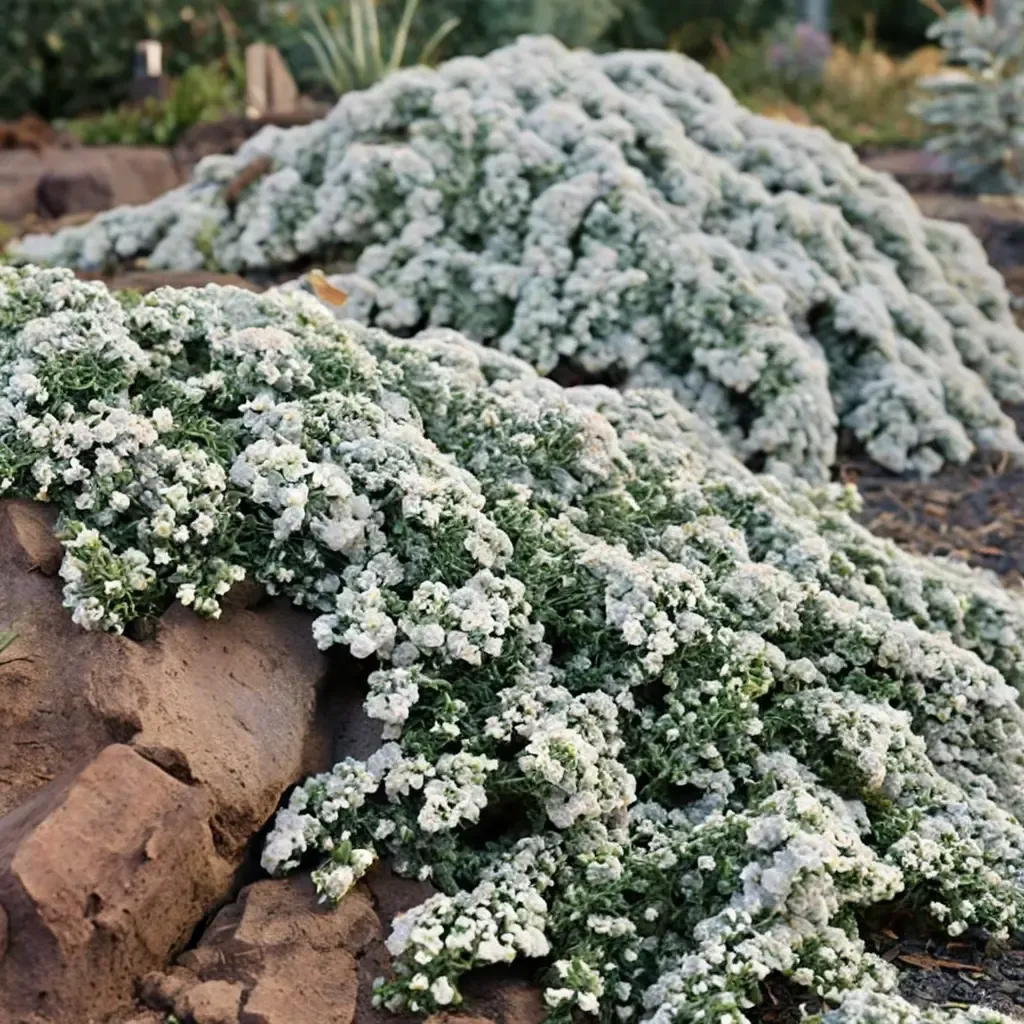
Snow Flurry Heath Aster
Symphyotrichum ericoides 'Snow Flurry'
Keep exploring
Explore the genus
Hardy in your zone?
Grow Sky-blue Aster with confidence
See it in a design of your actual yard, get zone-matched care reminders, and track it season by season in your garden journal.