The Story
Plant Bio
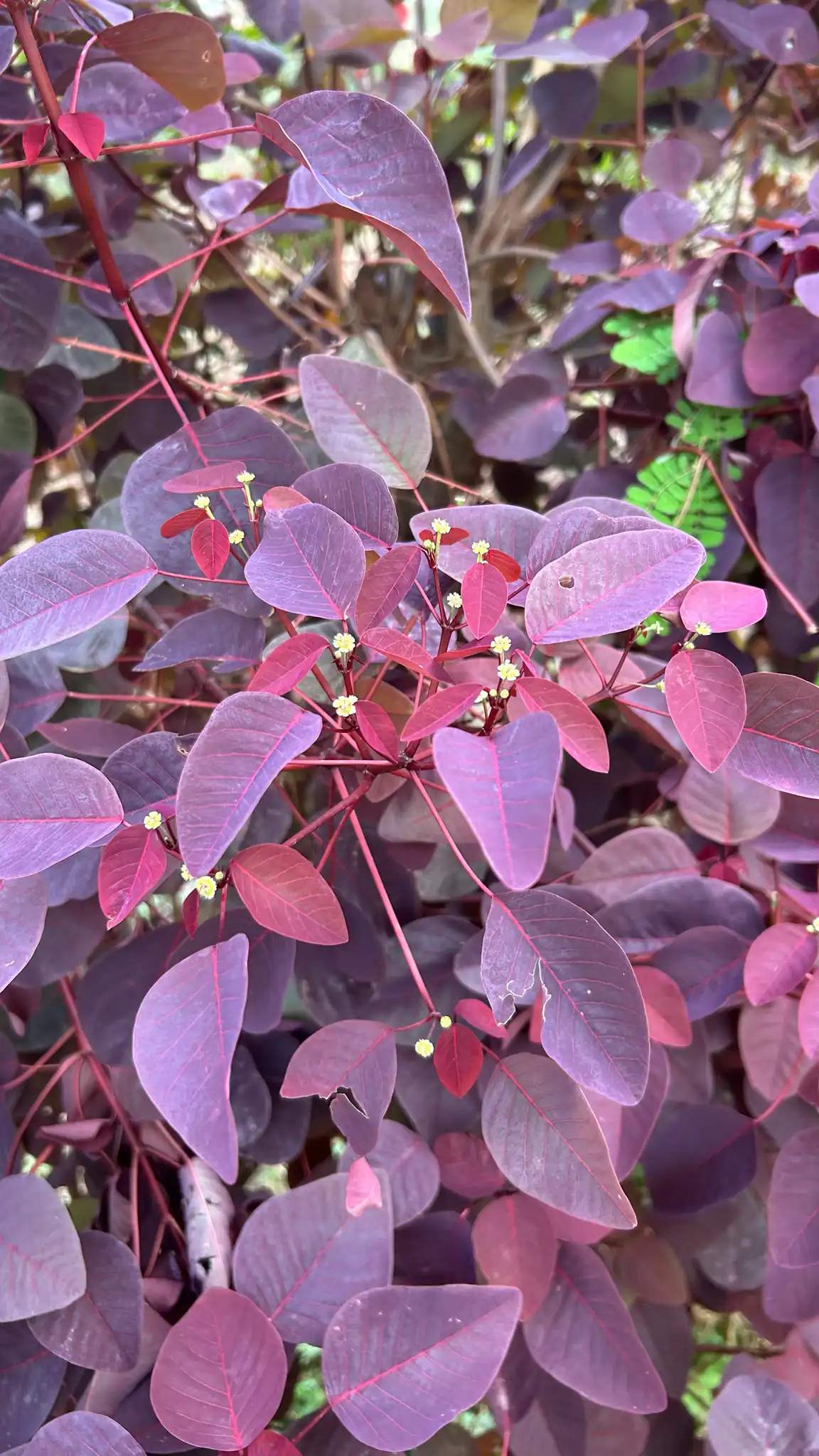
Euphorbia cotinifolia, commonly known as the Caribbean copper plant, is a tender, upright shrub or small tree native to tropical regions of Mexico, Central America, and northern South America. It is grown primarily for its rounded, coppery reddish-purple leaves and purplish stems, which create a bold foliage display in frost-free landscapes or warm-season containers.
The foliage emerges bright red before maturing to deep burgundy, accented by prominent red veins and slender petioles. In summer, the plant produces inconspicuous petal-less flowers subtended by contrasting creamy white to pale yellow bracts.
Uses & Benefits:
Essentials
At a Glance
Plant Type
Shrub
Height
180"
Width
120"
Light
Full Sun, Partial Sun
Zones
9, 10
Water
Low to moderate
Humidity
High
Lifespan
Perennial
Native To
Mexico, Central America, and northern South America
Toxicity
Highly toxic; sap causes severe skin irritation and temporary blindness
Bloom period
Late spring – Summer
In flower about 4 months of the year
Planting
How to Grow
- Select a planting site in full sun to maximize the intensity of the dark burgundy foliage.
- Ensure the soil is sharply drained, incorporating sand or loam to prevent waterlogging.
- Water moderately to establish the root system, then allow the soil to dry out completely between waterings.
- Protect the plant from temperatures below 40°F, as cold exposure causes immediate leaf drop and dieback.
- Prune selectively in late winter or early spring to shape the crown, taking care not to cut into old, leafless wood.
Pro Tip
Always wear thick gloves and eye protection when pruning; the caustic, milky white latex sap causes severe skin blistering and temporary blindness upon contact.
Keep It Thriving
Care Guide
Do
- Wear protective gloves and goggles whenever handling or pruning the plant.
- Provide full sun to achieve the deepest reddish-purple leaf coloration.
- Ensure sharp soil drainage to prevent root rot.
- Bring container-grown specimens indoors before autumn temperatures drop near freezing.
Don't
- Do not overwater or allow the roots to sit in waterlogged soil.
- Do not prune heavily into old, bare wood lacking dormant buds.
- Do not apply heavy fertilizer, which produces weak, leggy stems.
- Do not touch your eyes or skin after handling broken stems or leaves.
Seasonal Care Calendar
| Task | Jan | Feb | Mar | Apr | May | Jun | Jul | Aug | Sep | Oct | Nov | Dec |
|---|---|---|---|---|---|---|---|---|---|---|---|---|
| Fertilize | ||||||||||||
| Pest Check | ||||||||||||
| Prune | ||||||||||||
| Winter Prep |
Watch Out For
Pests & Diseases
Common Pests
Common Diseases
In the Garden
Landscape Uses & Companions
Landscape Uses
Companion Plants
Multiply
Propagation Methods
Good to Know
Common Questions
Caribbean Copper Plant questions
What zones can Caribbean Copper Plant grow in?
Caribbean Copper Plant is hardy in USDA Zones 9–10. Inside that range it survives winter in the ground; outside it, grow it as an annual or a container plant you protect.
When does Caribbean Copper Plant bloom?
Caribbean Copper Plant typically blooms in late spring through summer. Exact timing shifts a week or two with your zone — Sow's bloom calendar maps it to your garden.
Does Caribbean Copper Plant need full sun?
Caribbean Copper Plant does best in full sun to part shade. In hot climates, afternoon shade keeps blooms fresher longer.
Is Caribbean Copper Plant drought tolerant?
Yes — once established (usually after the first full season), Caribbean Copper Plant handles dry spells with minimal watering. Water deeply its first year to build the root system that makes that possible.
More Euphorbia to compare
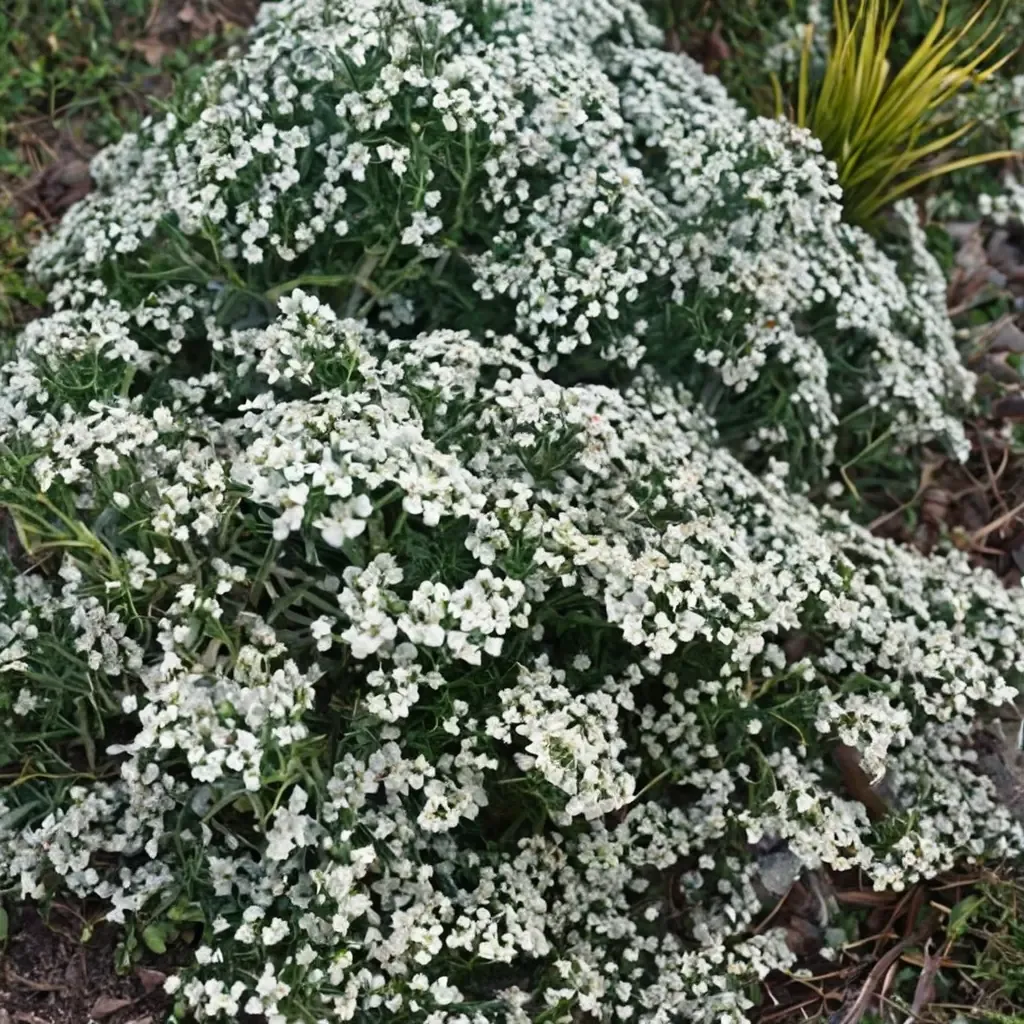
Flowering Spurge
Euphorbia corollata 'Carolina Snow'
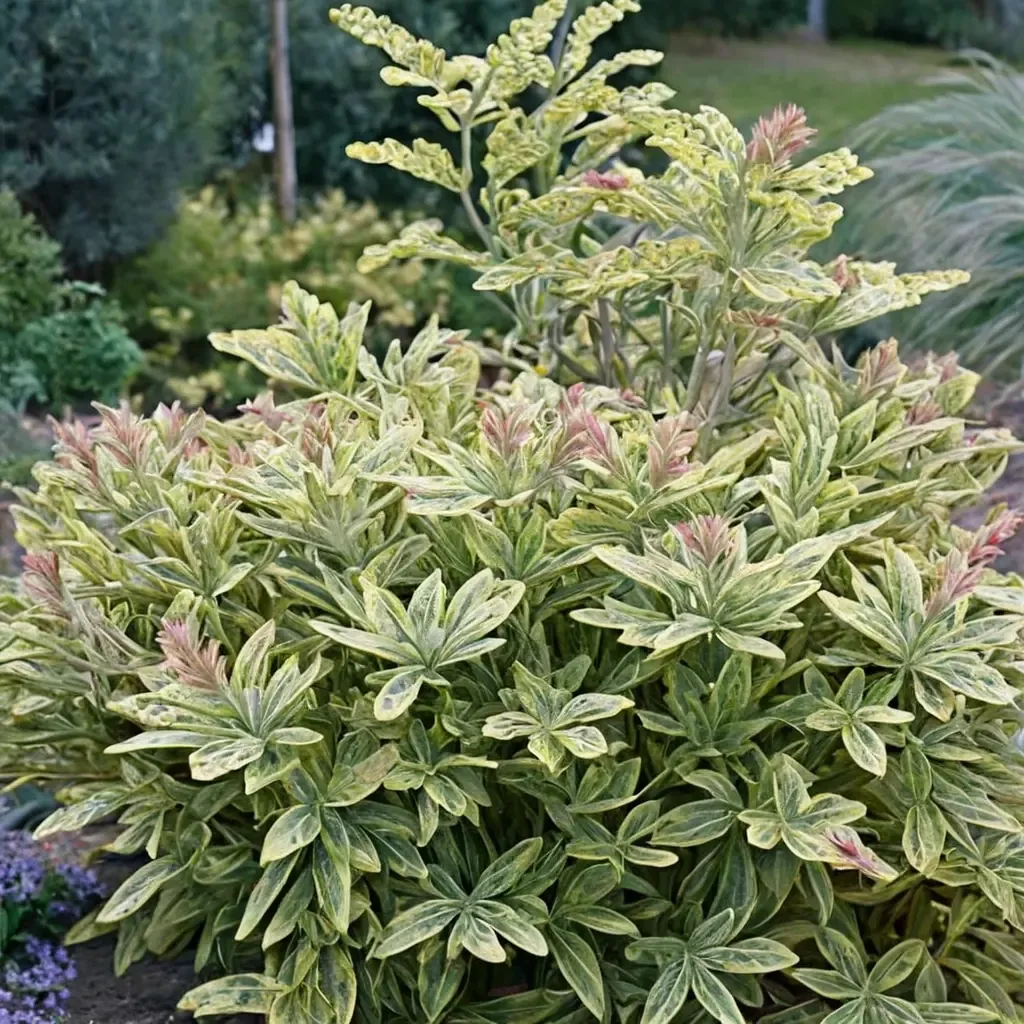
Ascot Rainbow Spurge
Euphorbia x hybrida 'Ascot Rainbow'
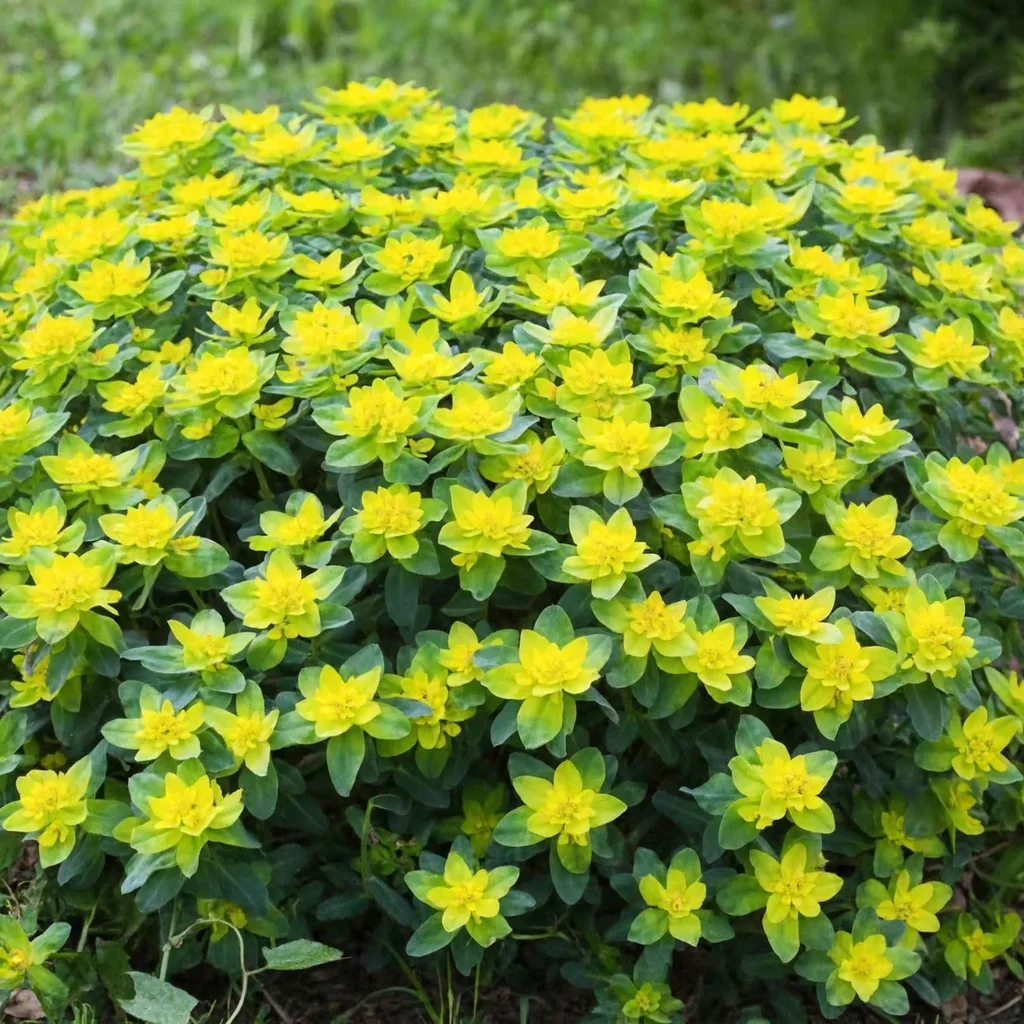
Mediterranean Spurge
Euphorbia polychroma
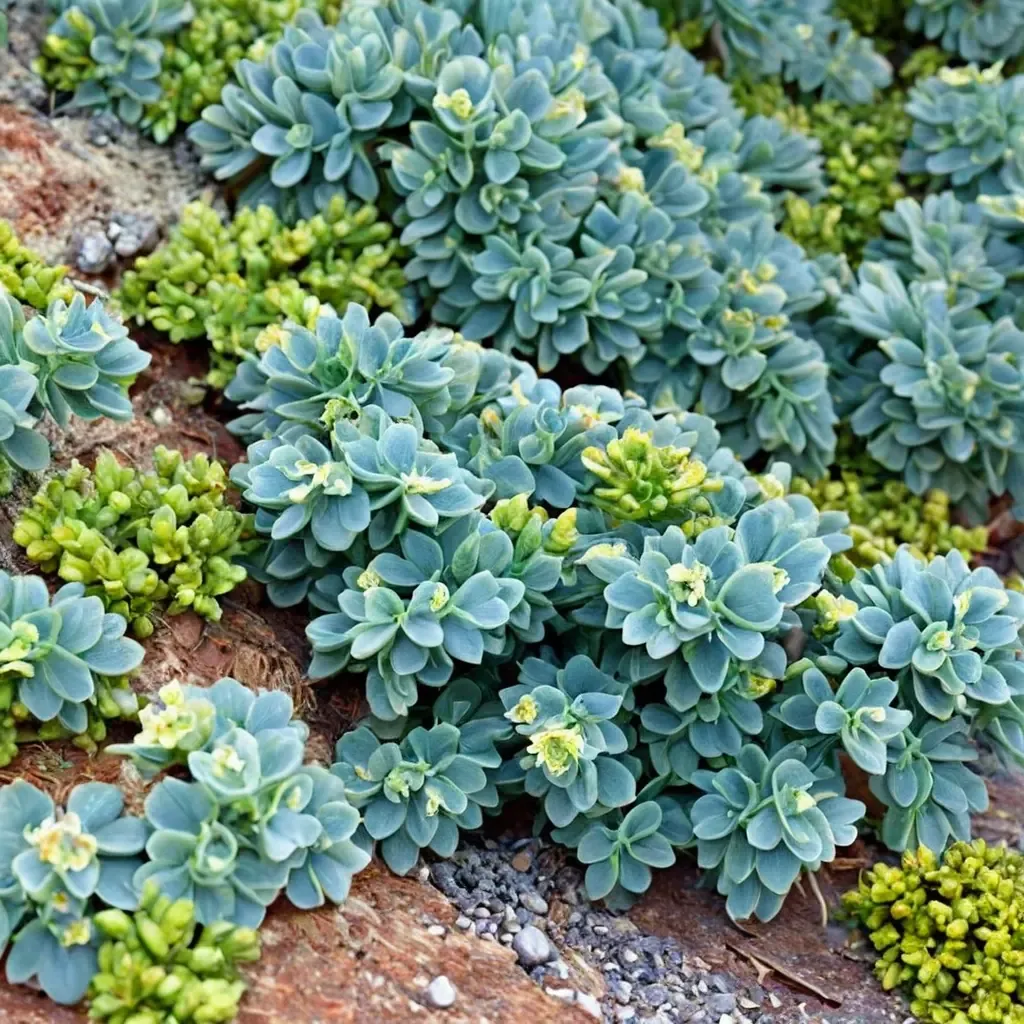
Myrtle Spurge
Euphorbia myrsinites
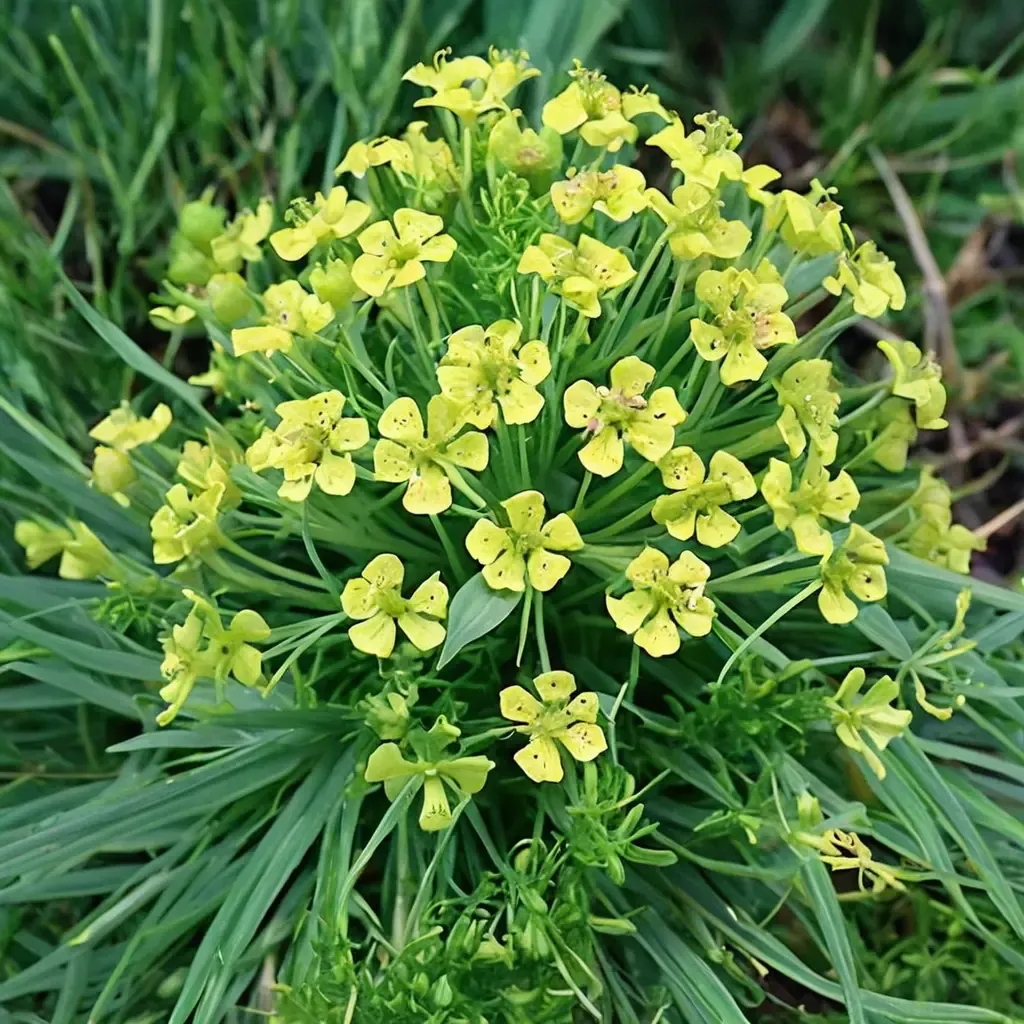
Cypress Spurge
Euphorbia cyparissias
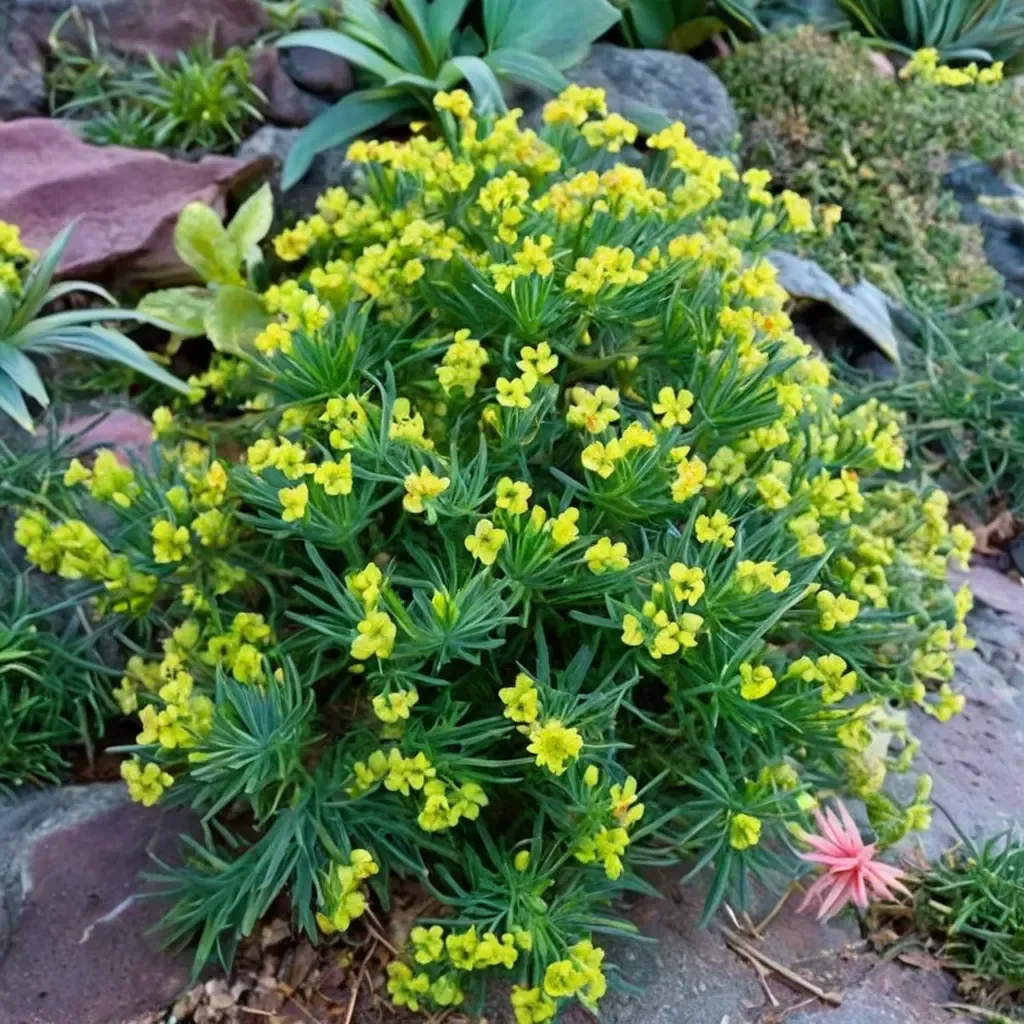
Ruby Spurge
Euphorbia cyparissias 'Fens Ruby'
Keep exploring
Explore the genus
Hardy in your zone?
Grow Caribbean Copper Plant with confidence
See it in a design of your actual yard, get zone-matched care reminders, and track it season by season in your garden journal.