The Story
Plant Bio
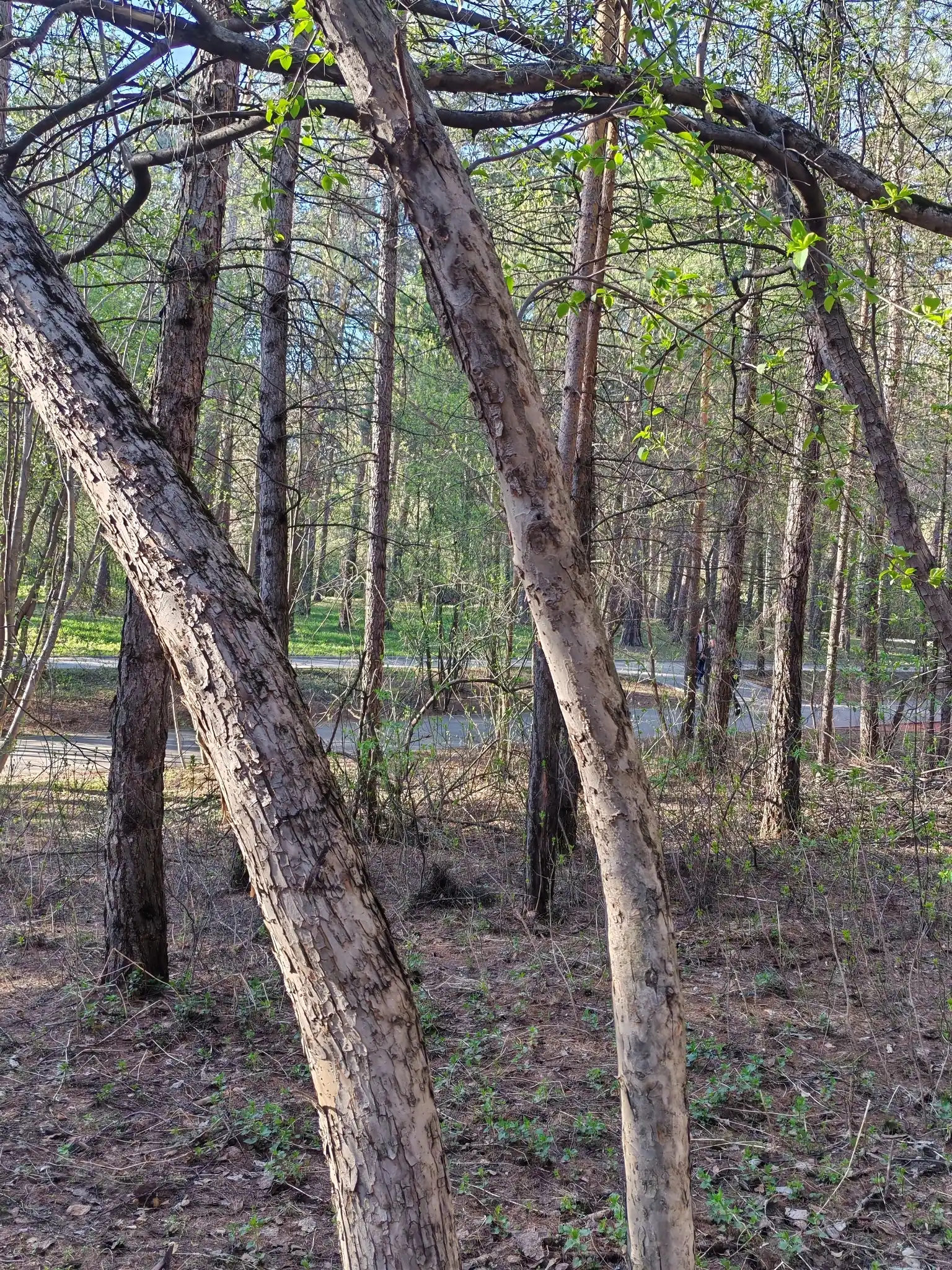
Malus baccata, the Siberian crabapple, is a deciduous, broad-rounded tree reaching thirty to forty feet in height, characterized by graceful, arching branches and slender, reddish-brown branchlets. In spring, fragrant white flowers open from pinkish-red buds, followed by small, glossy red or yellow pome fruits that persist into winter.
This species possesses the highest winter hardiness of any Malus, tolerating extreme cold down to USDA Zone 2. The simple, elliptic leaves emerge light green and mature to a dark, glabrous green, though they drop early in autumn with negligible color change.
Uses & Benefits:
Essentials
At a Glance
Plant Type
Tree
Height
413"
Width
413"
Light
Full Sun, Partial Sun
Zones
4, 5, 6, 7
Water
Medium
Humidity
Moderate
Lifespan
Moderate
Native To
Asia
Toxicity
Toxic to Pets and Livestock
Bloom period
Spring
In flower about 3 months of the year
Planting
How to Grow
- Plant in a full sun location to maximize flower and fruit production, though partial shade is tolerated.
- Select a well-drained site with medium-moisture loam or clay, avoiding unamended, waterlogged soils.
- Apply a balanced, slow-release organic fertilizer in early spring only if the tree shows weak growth.
- Prune annually in late winter to remove dead, diseased, or crossing branches and maintain an open canopy.
Pro Tip
Avoid pruning in spring or summer, as this triggers succulent vegetative flushes that are highly susceptible to fire blight and removes the developing flower buds for the following year.
Keep It Thriving
Care Guide
Do
- Rake and destroy fallen leaves in autumn to disrupt the overwintering cycle of apple scab.
- Prune out fire blight infections eight to twelve inches below visible damage, sterilizing tools between cuts.
- Protect the trunk with physical guards in winter to prevent damage from browsing deer and rabbits.
Don't
- Do not prune during the spring or summer, which exposes fresh wounds to active fire blight bacteria.
- Avoid over-fertilizing with high-nitrogen formulas, which stimulates disease-susceptible vegetative growth.
- Do not plant in heavy, poorly drained clay without amending the site to ensure adequate drainage.
Seasonal Care Calendar
| Task | Jan | Feb | Mar | Apr | May | Jun | Jul | Aug | Sep | Oct | Nov | Dec |
|---|---|---|---|---|---|---|---|---|---|---|---|---|
| Fertilize | ||||||||||||
| Pest Check | ||||||||||||
| Prune | ||||||||||||
| Spring Cleanup | ||||||||||||
| Winter Prep |
Watch Out For
Pests & Diseases
Common Pests
Common Diseases
In the Garden
Landscape Uses & Companions
Landscape Uses
Companion Plants
Multiply
Propagation Methods
Good to Know
Common Questions
Siberian crabapple questions
What zones can Siberian crabapple grow in?
Siberian crabapple is hardy in USDA Zones 4–7. Inside that range it survives winter in the ground; outside it, grow it as an annual or a container plant you protect.
Is Siberian crabapple deer resistant?
Not reliably. Deer may browse Siberian crabapple, especially tender spring growth — plan on repellents or fencing where pressure is high.
When does Siberian crabapple bloom?
Siberian crabapple typically blooms in spring through spring. Exact timing shifts a week or two with your zone — Sow's bloom calendar maps it to your garden.
Does Siberian crabapple need full sun?
Siberian crabapple does best in full sun to part shade. In hot climates, afternoon shade keeps blooms fresher longer.
Is Siberian crabapple drought tolerant?
Yes — once established (usually after the first full season), Siberian crabapple handles dry spells with minimal watering. Water deeply its first year to build the root system that makes that possible.
More Malus to compare
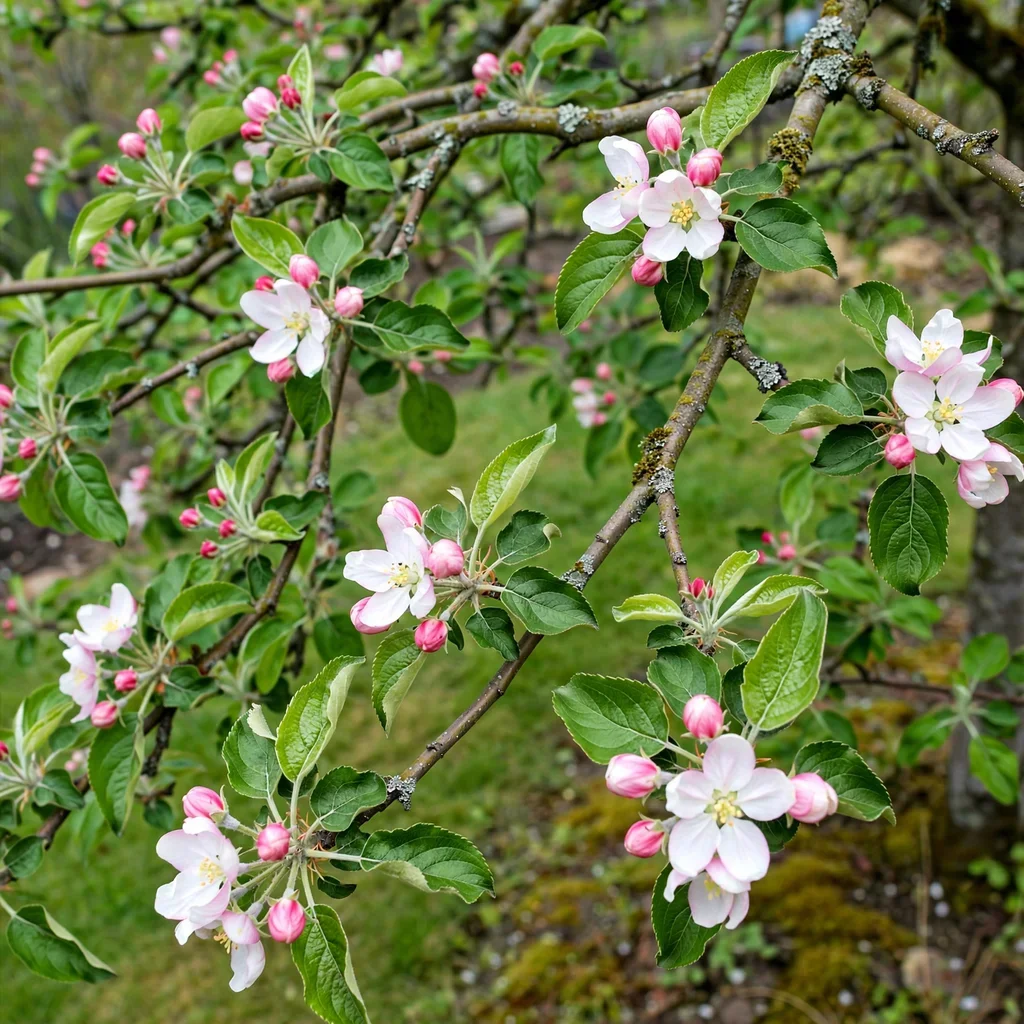
Honeycrisp Apple
Malus domestica 'Honeycrisp'
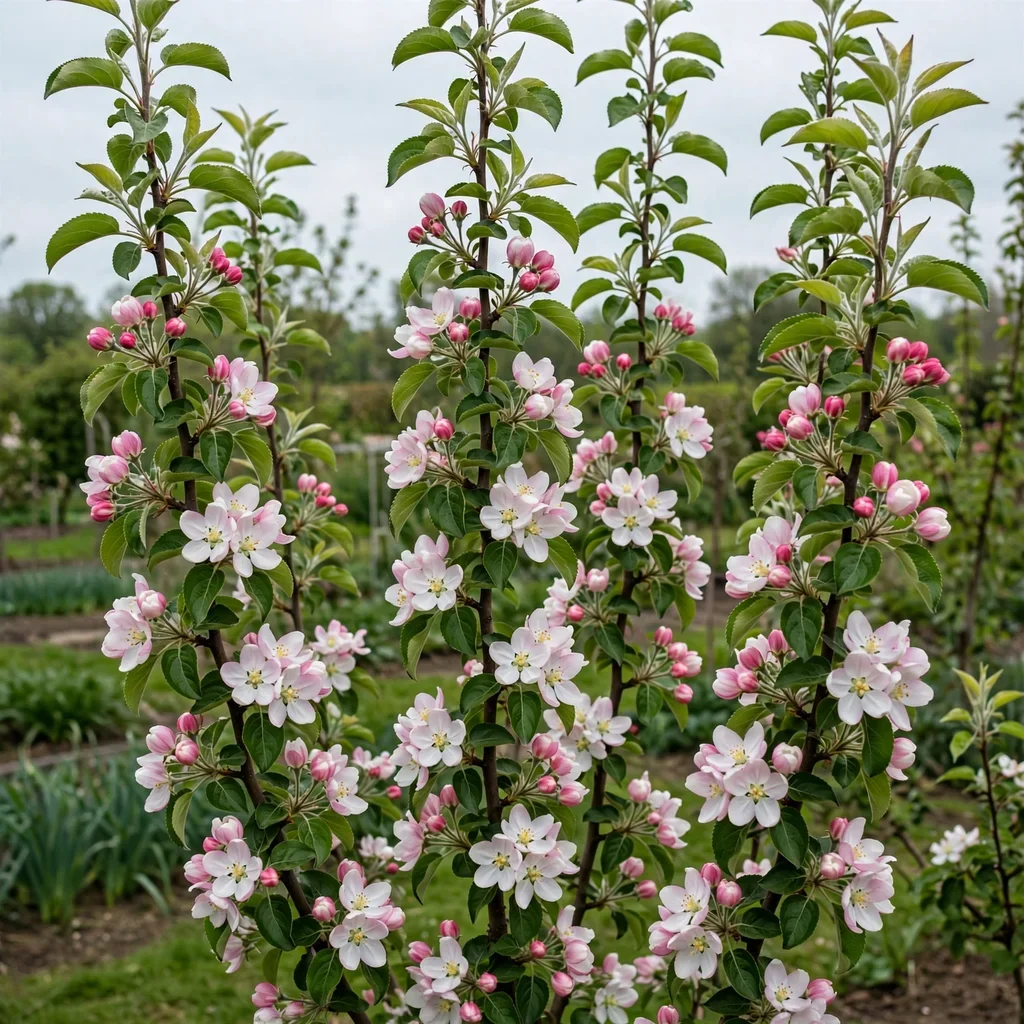
Golden Treat Apple
Malus domestica 'Golden Treat'
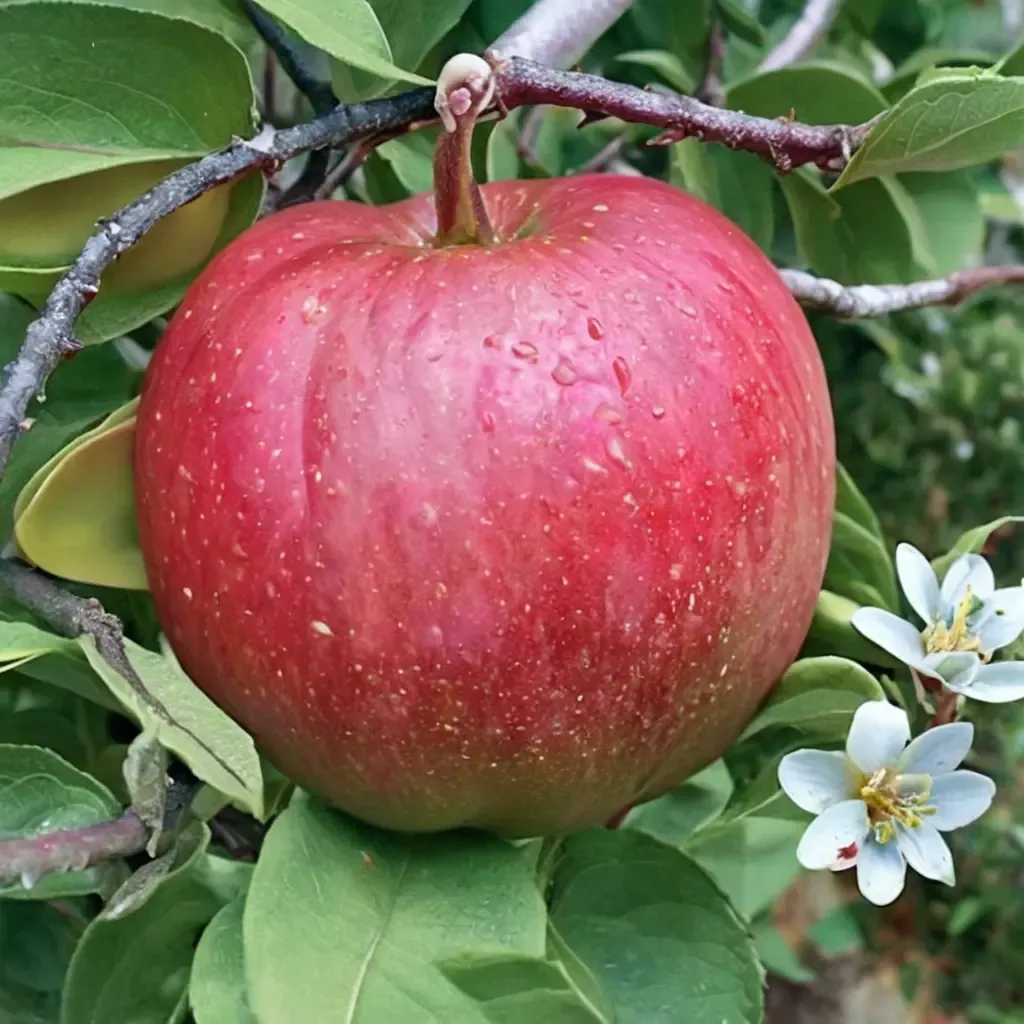
Pixie Crunch Apple
Malus domestica 'Pixie Crunch'
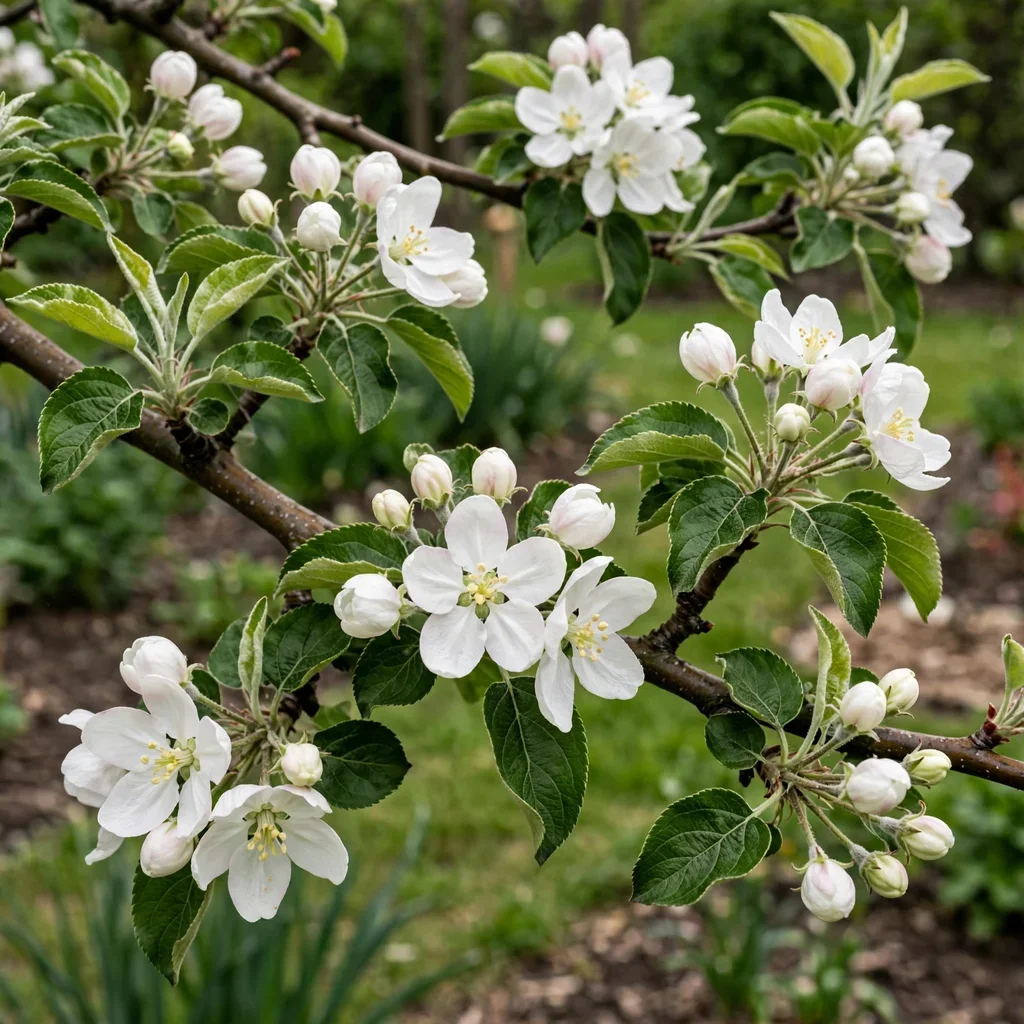
Apple
Malus domestica
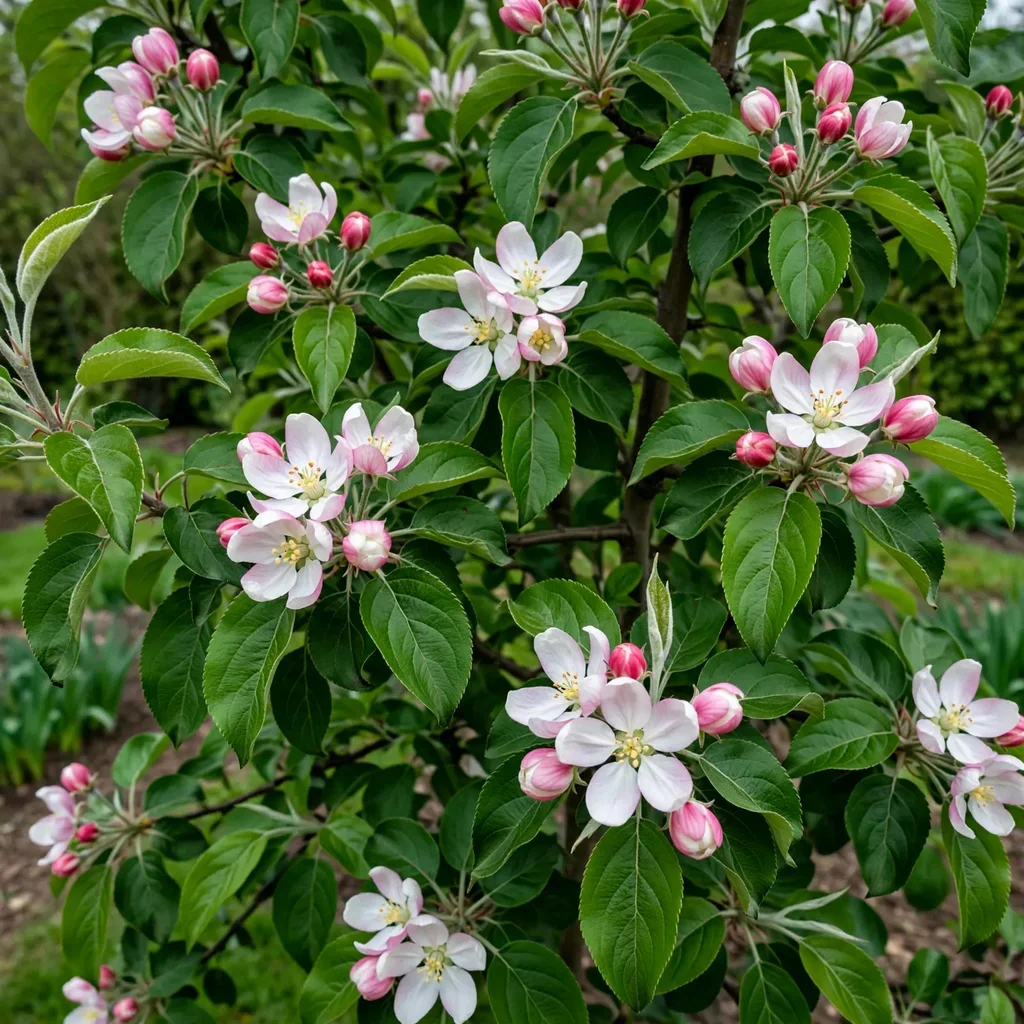
Blushing Delight Apple
Malus domestica 'Blushing Delight'
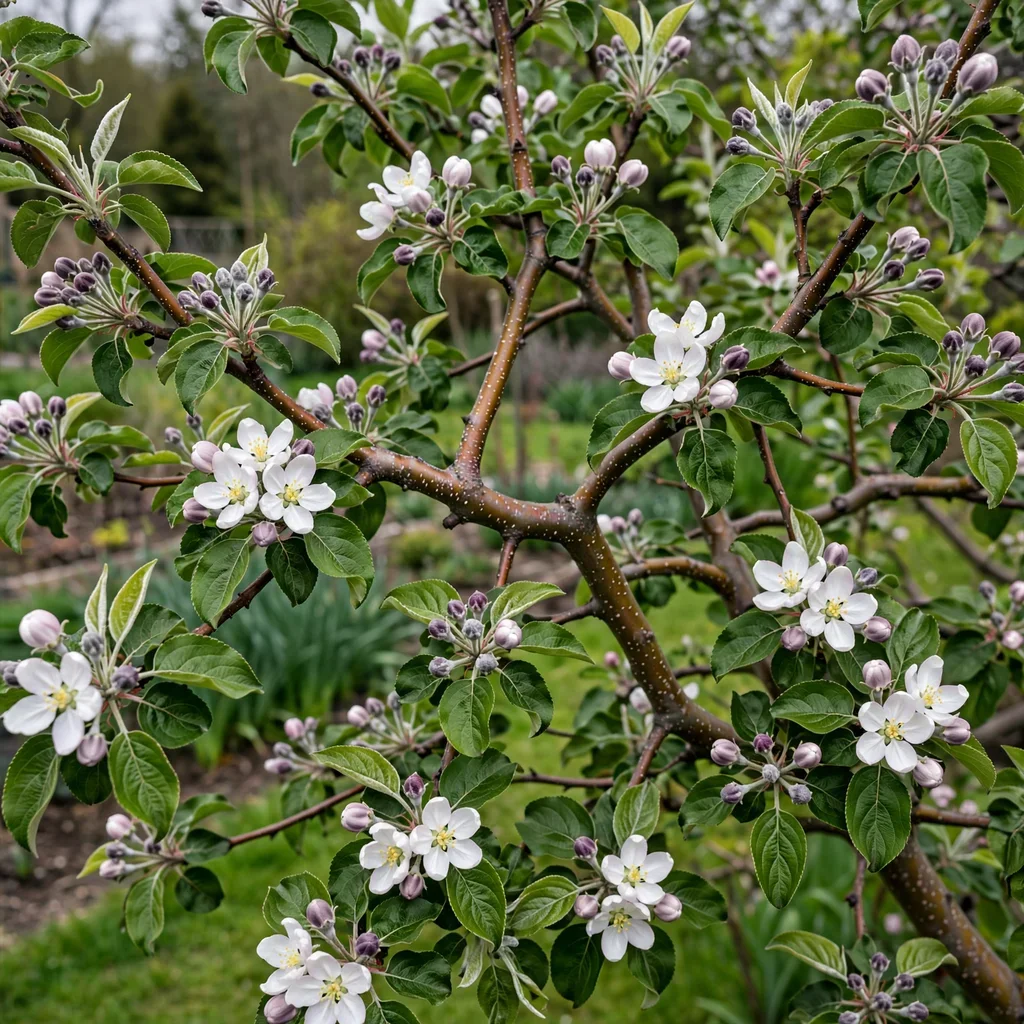
Reachable Apple
Malus domestica 'Reachables'
Keep exploring
Explore the genus
Hardy in your zone?
Grow Siberian crabapple with confidence
See it in a design of your actual yard, get zone-matched care reminders, and track it season by season in your garden journal.