The Story
Plant Bio
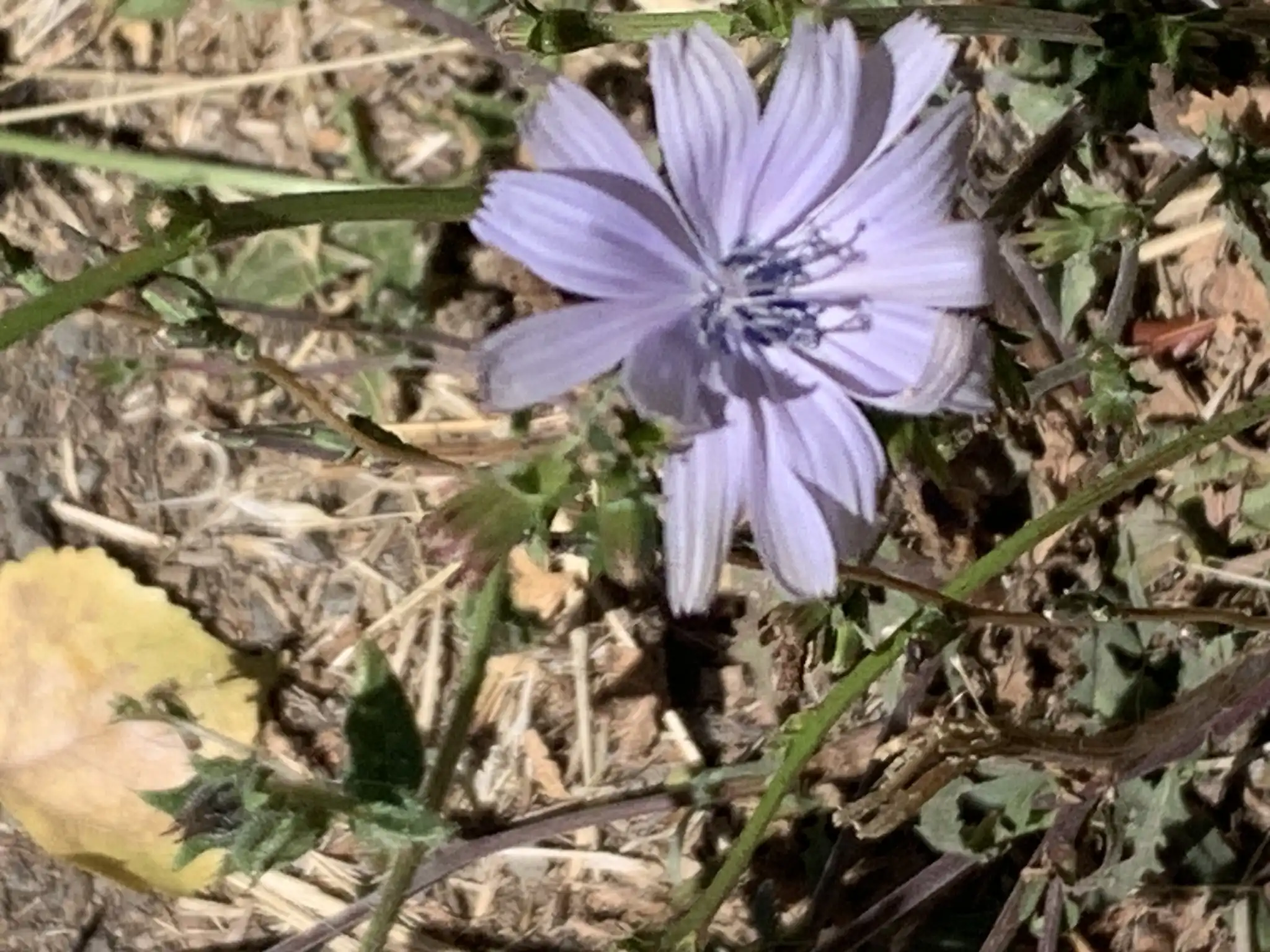
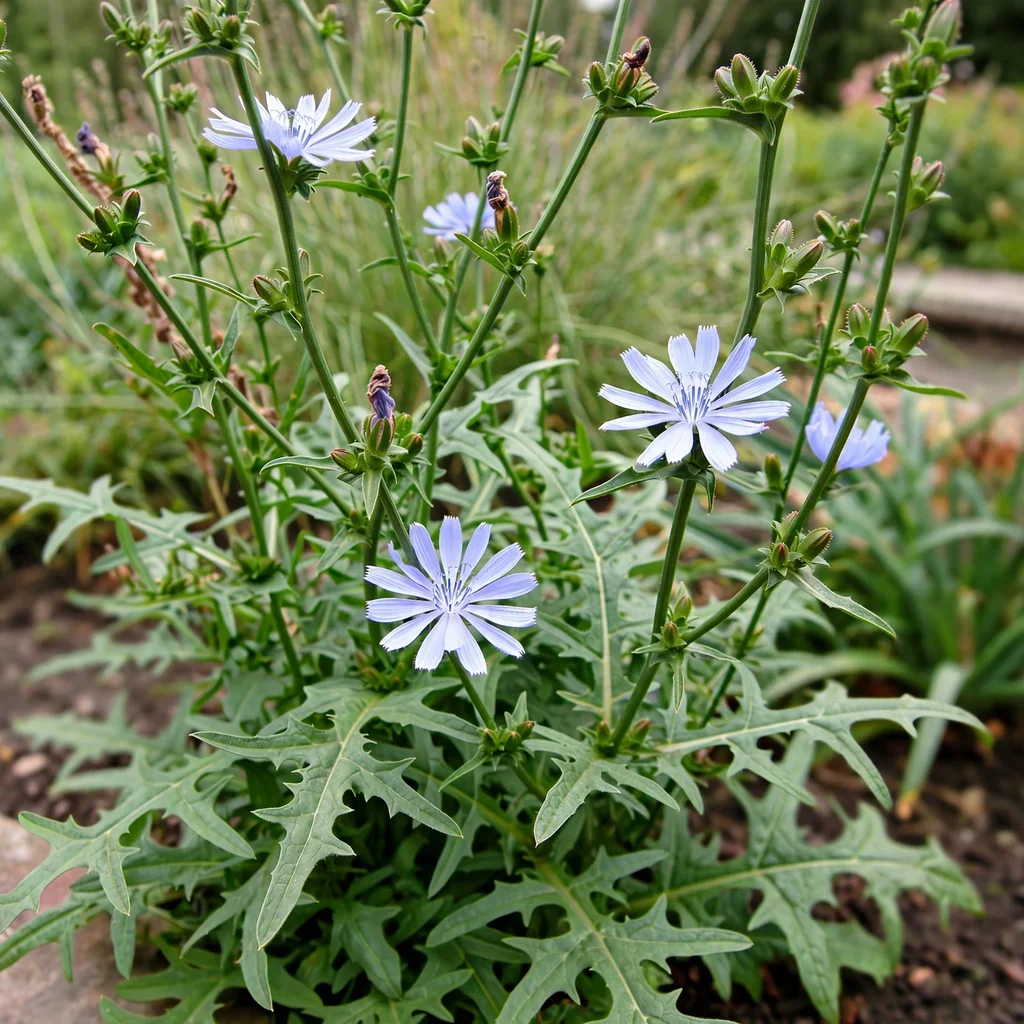
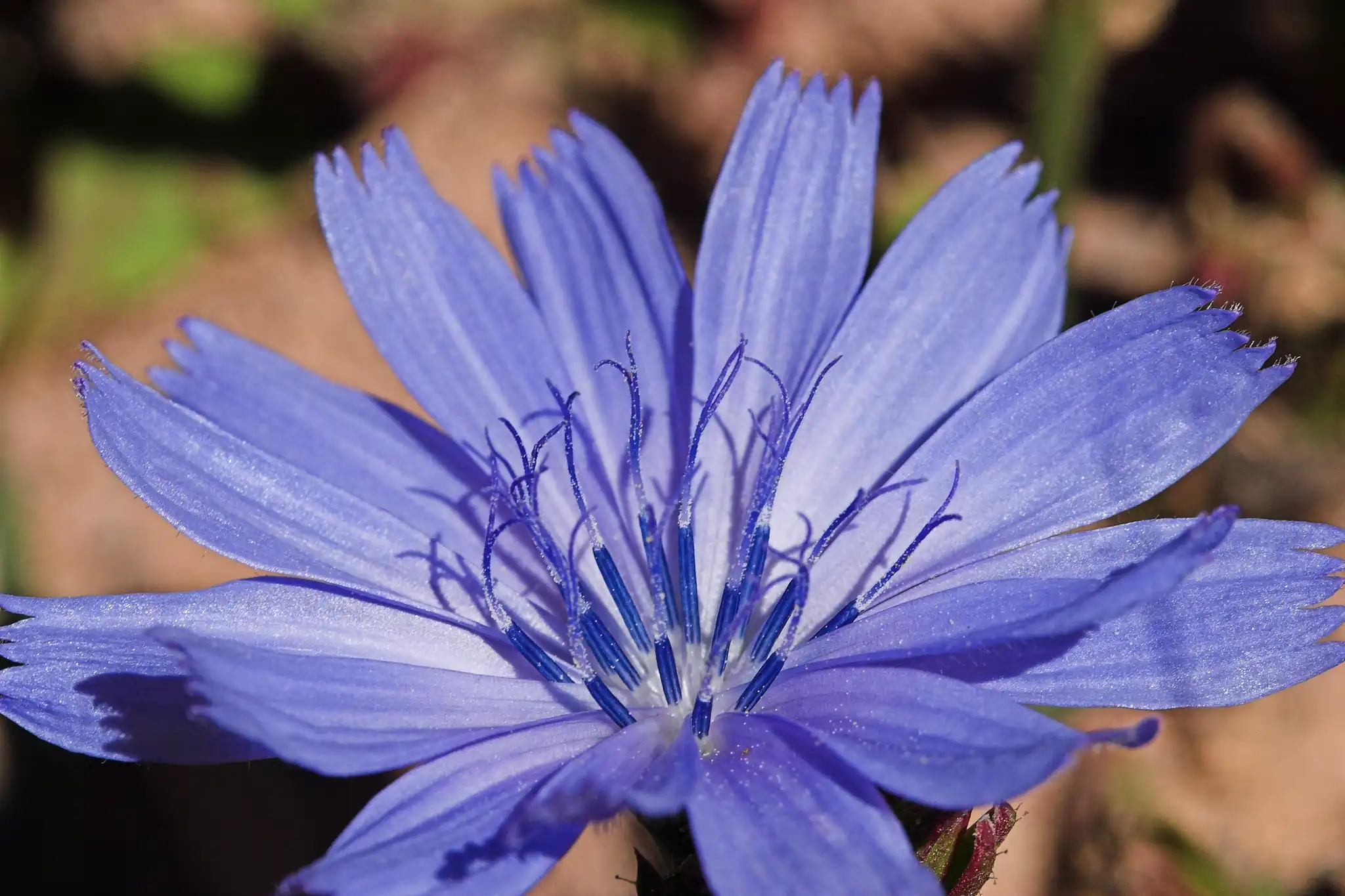
Cichorium endivia is a leafy herbaceous annual or biennial that forms a dense basal rosette of edible foliage before sending up erect, branching flowering stems. In summer, the mature stems produce clusters of violet-blue to pale blue, daisy-like flower heads consisting entirely of ligulate florets.
This species encompasses both curly-leaved types with finely divided, fringed margins and broad-leaved escarole types with flatter, smooth-edged foliage. The new growth emerges bright green and matures to a deeper medium green, offering a crisp texture and a characteristically bitter flavor profile.
Uses & Benefits:
Essentials
At a Glance
Plant Type
Fruit Vegetable
Height
47"
Width
18"
Light
Full Sun
Zones
4, 5, 6, 7, 8, 9
Water
Regular
Humidity
Moderate
Lifespan
Annual/Biennial
Native To
Europe, Asia
Toxicity
Low Toxicity
Bloom period
Summer – Fall
In flower about 6 months of the year
Planting
How to Grow
- Sow seeds directly into organic-rich, well-drained soil in early spring or late summer.
- Thin seedlings or space transplants twelve to fifteen inches apart to ensure adequate air circulation.
- Maintain consistent soil moisture, as water stress triggers premature bolting and intensifies bitterness.
- Harvest the entire rosette at maturity, or gather outer leaves individually for a continuous harvest.
Pro Tip
Blanch the inner leaves two to three weeks before harvesting by tying the outer leaves together over the center on a dry day; this excludes light to reduce bitterness and prevents moisture from trapping rot inside.
Keep It Thriving
Care Guide
Do
- Keep the soil consistently moist to prevent the plant from bolting.
- Ensure the planting site has excellent drainage to avoid root rot.
- Space plants adequately to maintain good air circulation around the foliage.
Don't
- Do not allow the soil to dry out completely during hot weather.
- Avoid overhead watering, which can trap moisture in the dense rosette and encourage fungal rots.
- Do not blanch the leaves when they are wet, as this causes the inner crown to decay.
Seasonal Care Calendar
| Task | Jan | Feb | Mar | Apr | May | Jun | Jul | Aug | Sep | Oct | Nov | Dec |
|---|---|---|---|---|---|---|---|---|---|---|---|---|
| Fertilize | ||||||||||||
| Harvest | ||||||||||||
| Pest Check | ||||||||||||
| Plant |
Watch Out For
Pests & Diseases
Common Pests
Common Diseases
In the Garden
Landscape Uses & Companions
Landscape Uses
Companion Plants
Multiply
Propagation Methods
Good to Know
Common Questions
Endive questions
What zones can Endive grow in?
Endive is hardy in USDA Zones 4–9. Inside that range it survives winter in the ground; outside it, grow it as an annual or a container plant you protect.
When does Endive bloom?
Endive typically blooms in summer through fall. Exact timing shifts a week or two with your zone — Sow's bloom calendar maps it to your garden.
Does Endive need full sun?
Endive does best in full sun (6+ hours).
More Cichorium to compare
Keep exploring
Explore the genus
Grow Endive with confidence
See it in a design of your actual yard, get zone-matched care reminders, and track it season by season in your garden journal.