Also known as Chicory · 57 saves
Cichorium
Cichorium, the genus most gardeners know as chicory. We track 3 varieties; the ones most used by real gardeners.
The 3 most-saved Cichorium varieties
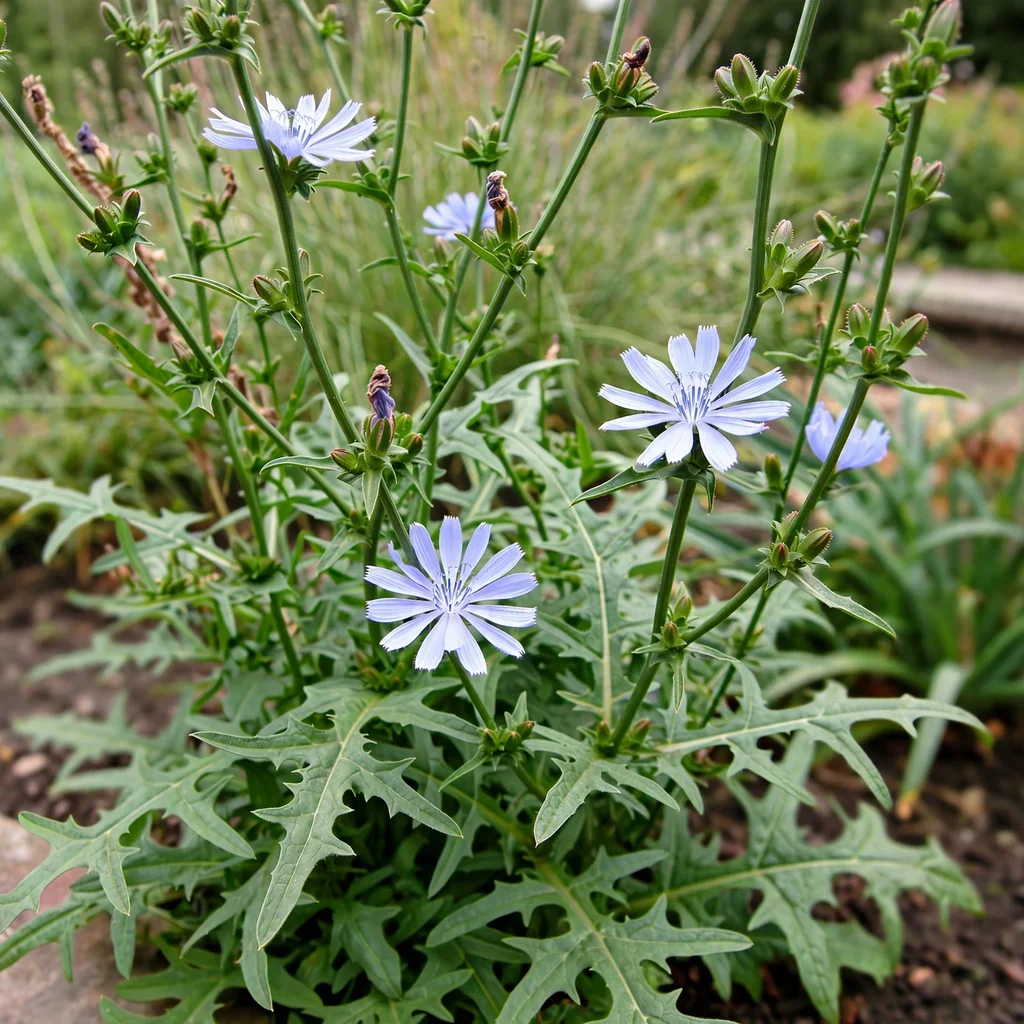
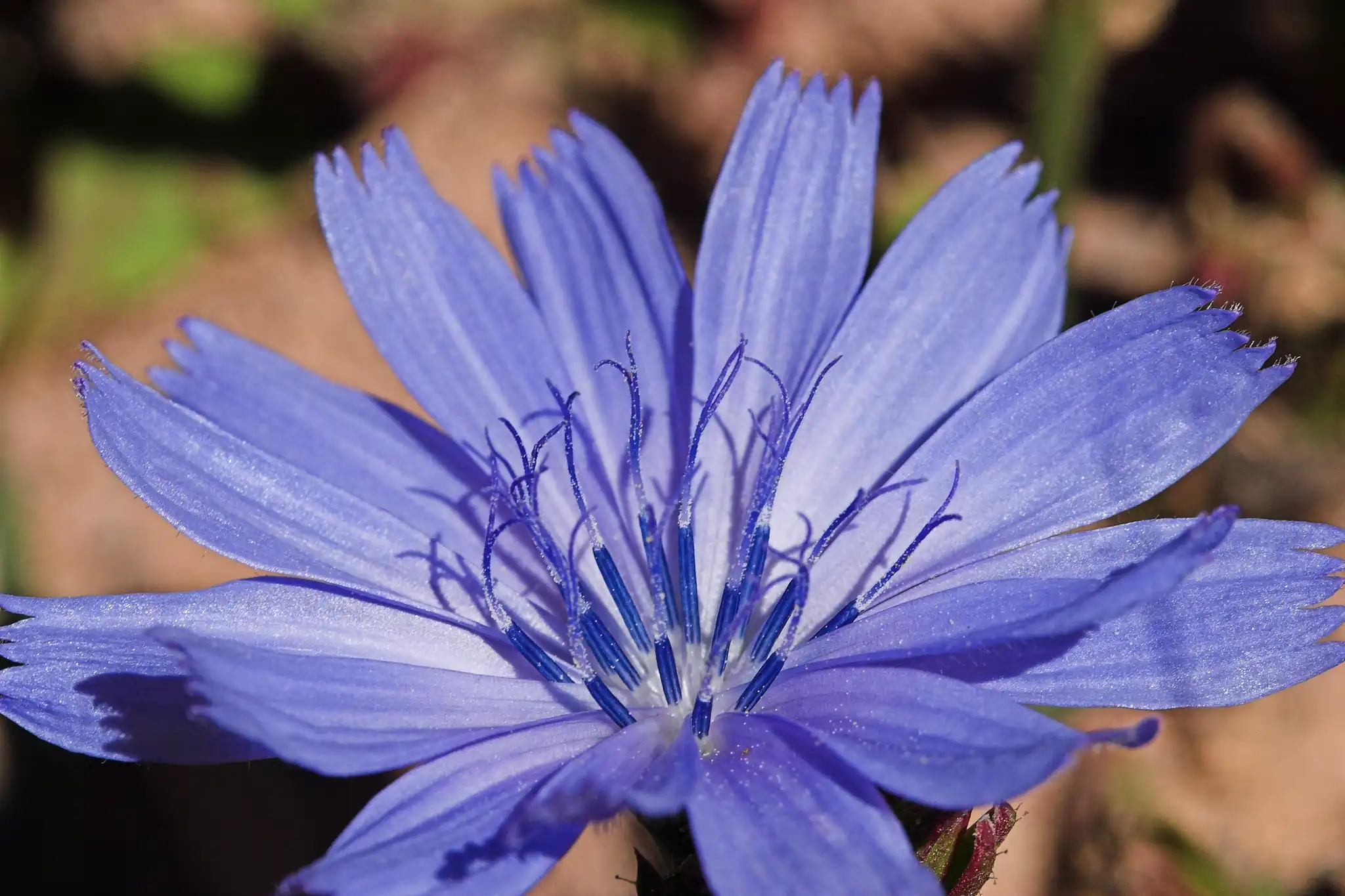

2 species of Cichorium
Each one is a parent of the varieties above.
Track your Cichorium in Sow
Save the Cichorium you grow and get care reminders timed to your zone.
How to grow Cichorium
Whats common across all Cichorium varieties in our catalog — drawn from the care records of the 3 most-grown of them.
The Cichorium year
- HarvestMay, June, October and November100% of varieties
Lift roots in autumn for roasting, or pot them up in the dark to force endive.
- PlantApril67% of varieties
Sow seeds or plant plugs in early spring or late summer for a fall crop.


Do
- Sow direct rather than transplanting 🌱
- Give it deep, stone-free soil ⛏️
- Lift roots in autumn for forcing 🥬
- Enjoy the flowers in the morning 🌅
- Keep the soil consistently moist to prevent the plant from bolting.
Avoid
- Transplant the taproot ❌
- Expect open flowers in the afternoon ❌
- Let it seed through a tidy border ❌
- Do not allow the soil to dry out completely during hot weather.
What goes wrong with Cichorium
| Problem | What you'll see | What to do |
|---|---|---|
| Aphids | Colonies on flowering stems, with sticky honeydew and some distortion | Wash off with water; a vigorous plant outgrows them without help |
| Slugs and snails | Ragged holes in the young basal rosette in spring | Protect seedlings until the taproot is established; mature plants are untroubled |
| Cutworms | Young seedlings severed cleanly at the soil line. | Apply protective collars around young transplants at planting. |
| Leaf Miners | Serpentine tunnels in leaves | Remove affected leaves and apply organic insecticide |
| Powdery mildew | White floury film on the leaves in humid late-season weather | Cosmetic on an established plant; remove the worst foliage and improve spacing |
| Bottom rot and root rot | Outer leaves touching the soil turn brown and decay, and roots become waterlogged and mushy. | Improve soil drainage, avoid overwatering, and ensure adequate spacing for air circulation. |
| Downy Mildew | Yellow spots on upper leaf surfaces, fuzzy growth underneath | Improve air circulation and apply organic fungicide |
Making more Cichorium
Seed
- Sow direct in spring where plants are to grow.
- Thin to a foot apart once seedlings are established.
- Expect flowers in the first or second season.
Sowing Seed
- Sow seeds one-quarter inch deep directly in the garden or in seed trays.
- Keep the growing medium consistently moist at a temperature of sixty to seventy degrees Fahrenheit.
- Thin or transplant seedlings when they reach two to three inches in height.
- Space the final plants twelve to fifteen inches apart in full sun.
Cichorium questions
How many types of Cichorium are there?
The Sow catalog tracks 3 distinct Cichorium varieties. The most popular — ranked by 57 real gardeners — are shown first above.
What zones does Cichorium grow in?
Across its varieties, Cichorium covers USDA Zones 4–9. Individual varieties differ — each plant page lists its exact range, and Sow filters the catalog to your zone automatically.
When does Cichorium bloom?
Most Cichorium varieties bloom in mid-summer, summer. Staggering early, mid, and late varieties extends the genus's season in one bed.
Which Cichorium should I choose?
Start from the most-saved varieties above — popularity across thousands of gardens is a strong signal of reliability — then filter by your zone and sun. In the Sow app you can preview any of them in a photo of your actual yard before you buy.