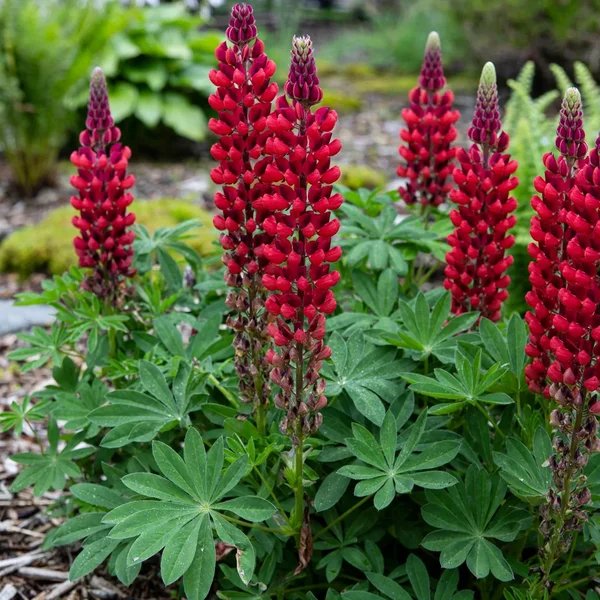
Species
 Lupinus polyphyllusBigleaf Lupine
24 other cultivars
 ‘Red Popsicle’Red Popsicle Lupine
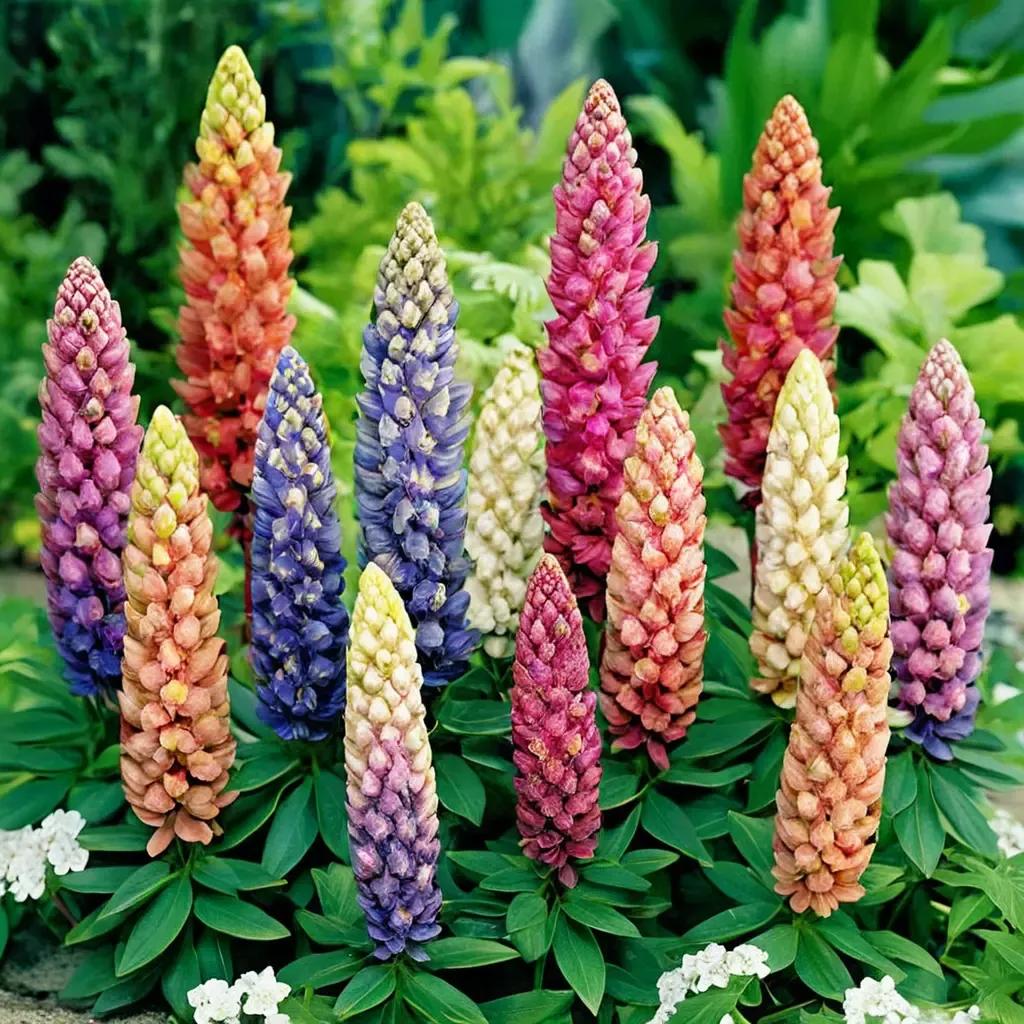 ‘Dwarf Mix’Dwarf Mix Lupine
 ‘Towering Inferno’Garden Lupine
 ‘Magic Lantern’Magic Lantern lupine
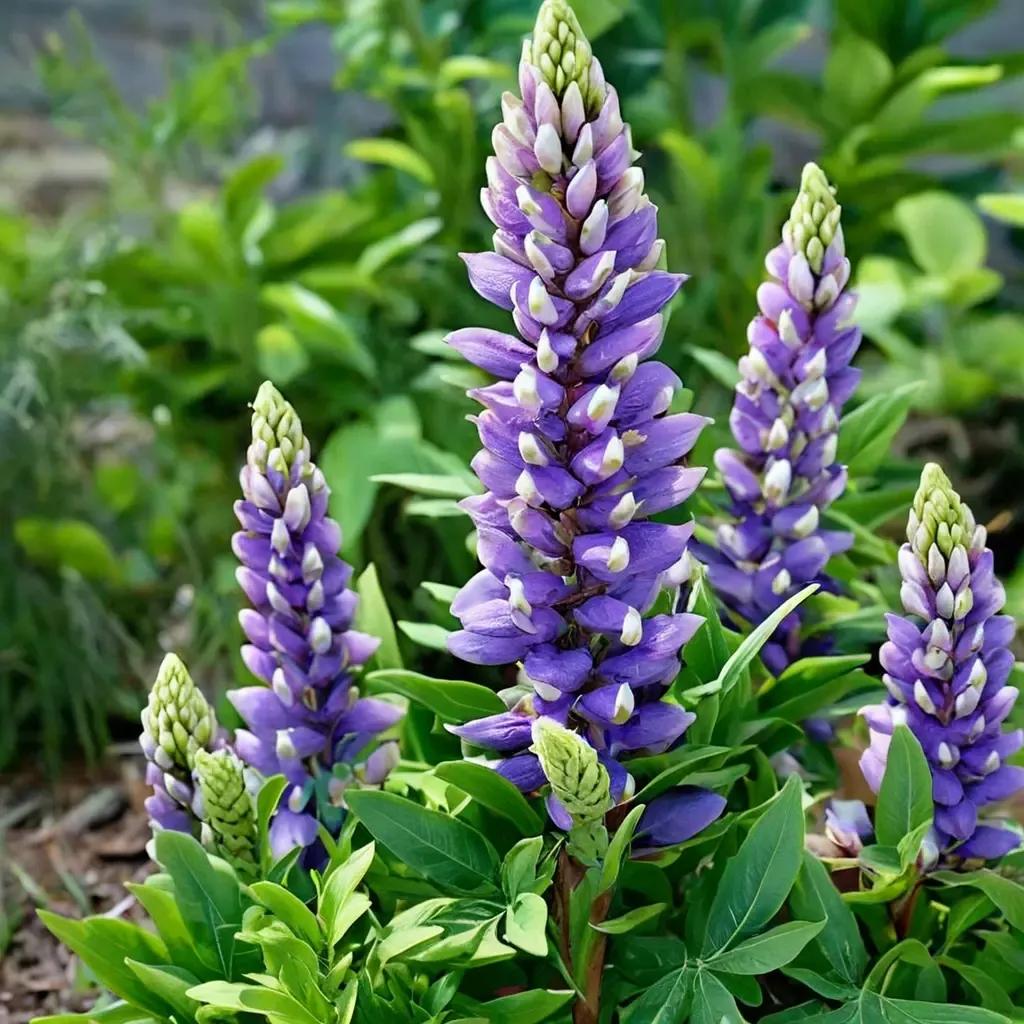 ‘Gallery Blue’Gallery Blue Lupine
 ‘Beefeater’Beefeater Lupine
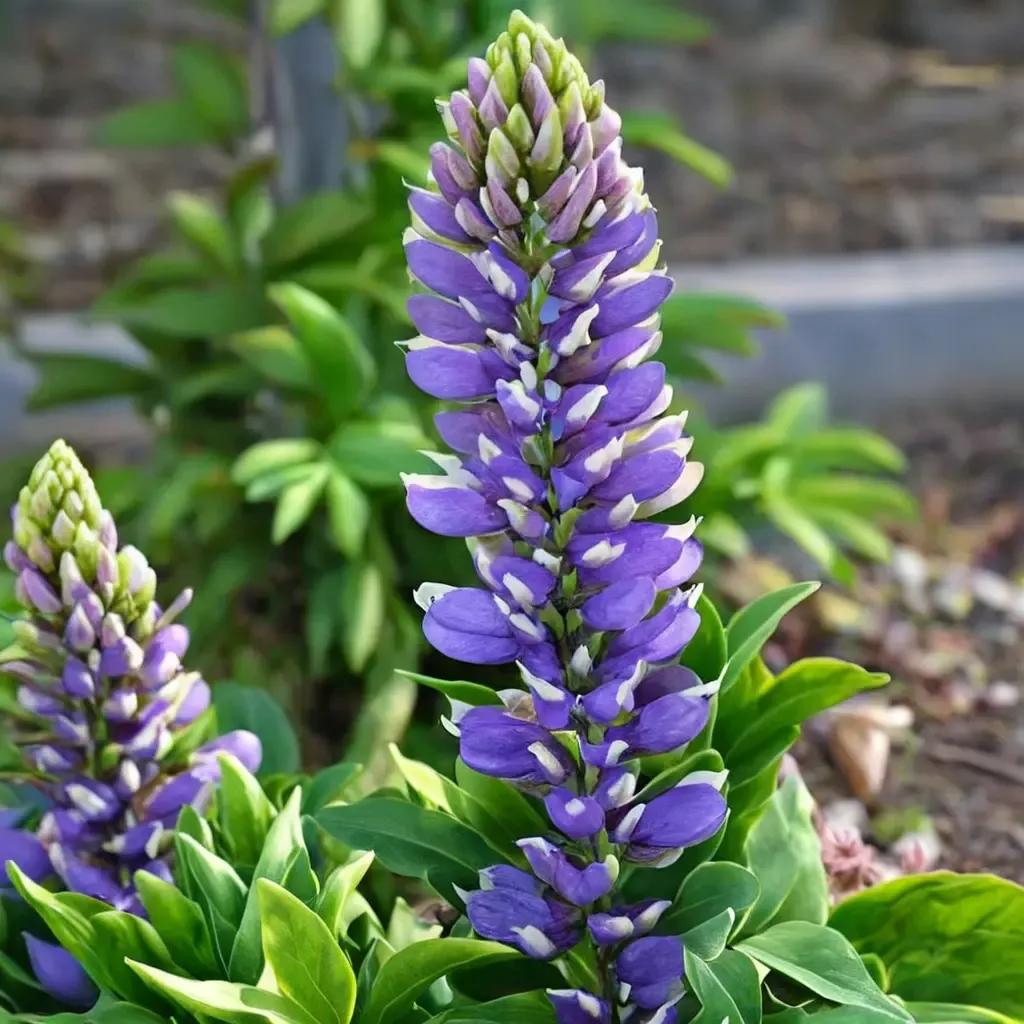 ‘Blue Bicolor’Blue Bicolor Lupine
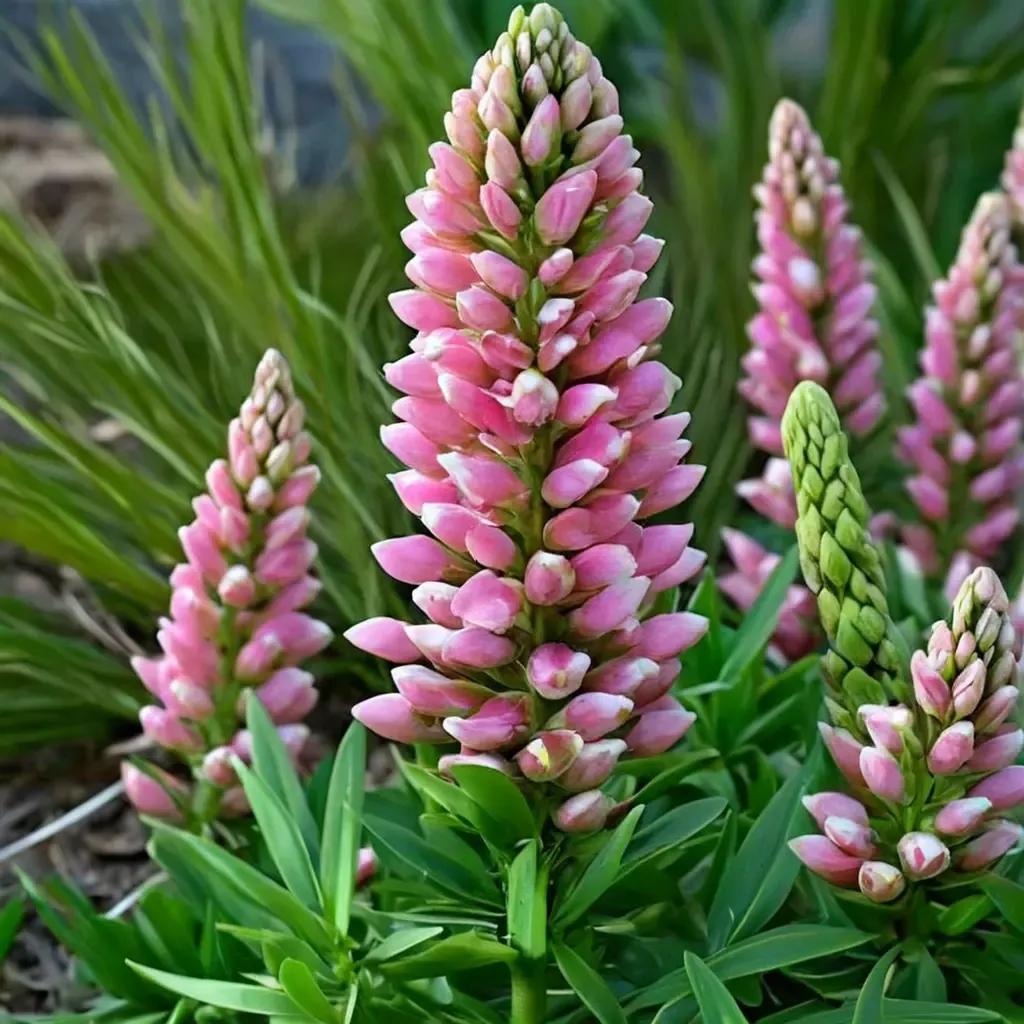 ‘Pink Bicolor’Pink Bicolor Lupine
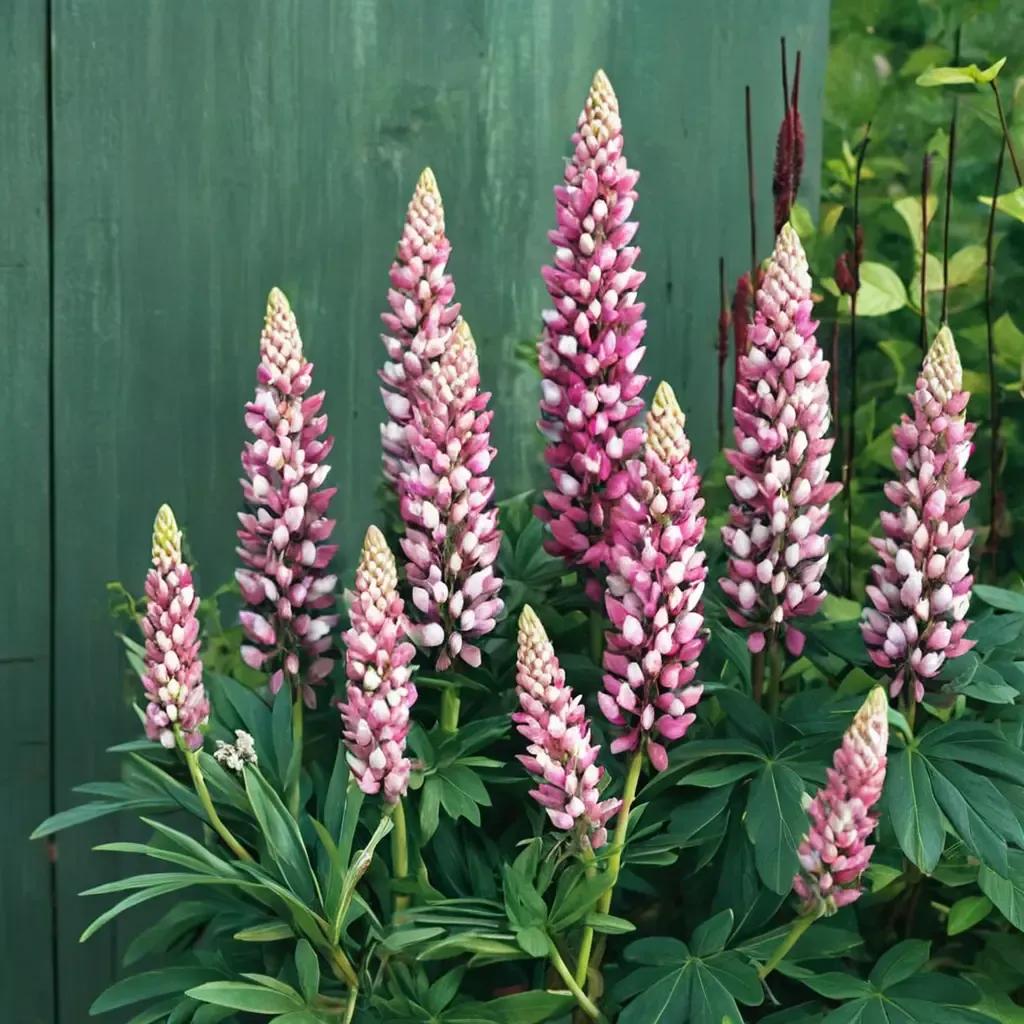 ‘The Chatelaine’The Chatelaine Lupine
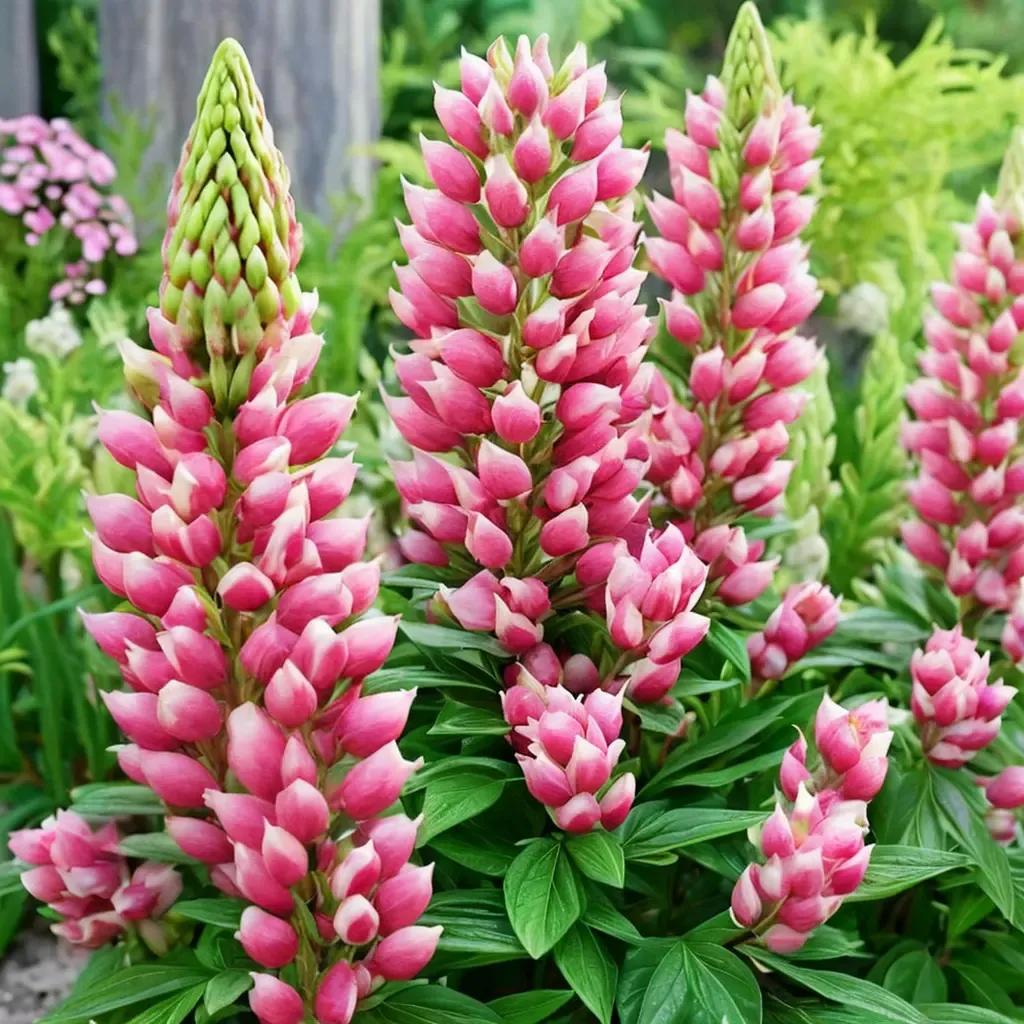 ‘Rachel de Thame’Rachel de Thame lupine
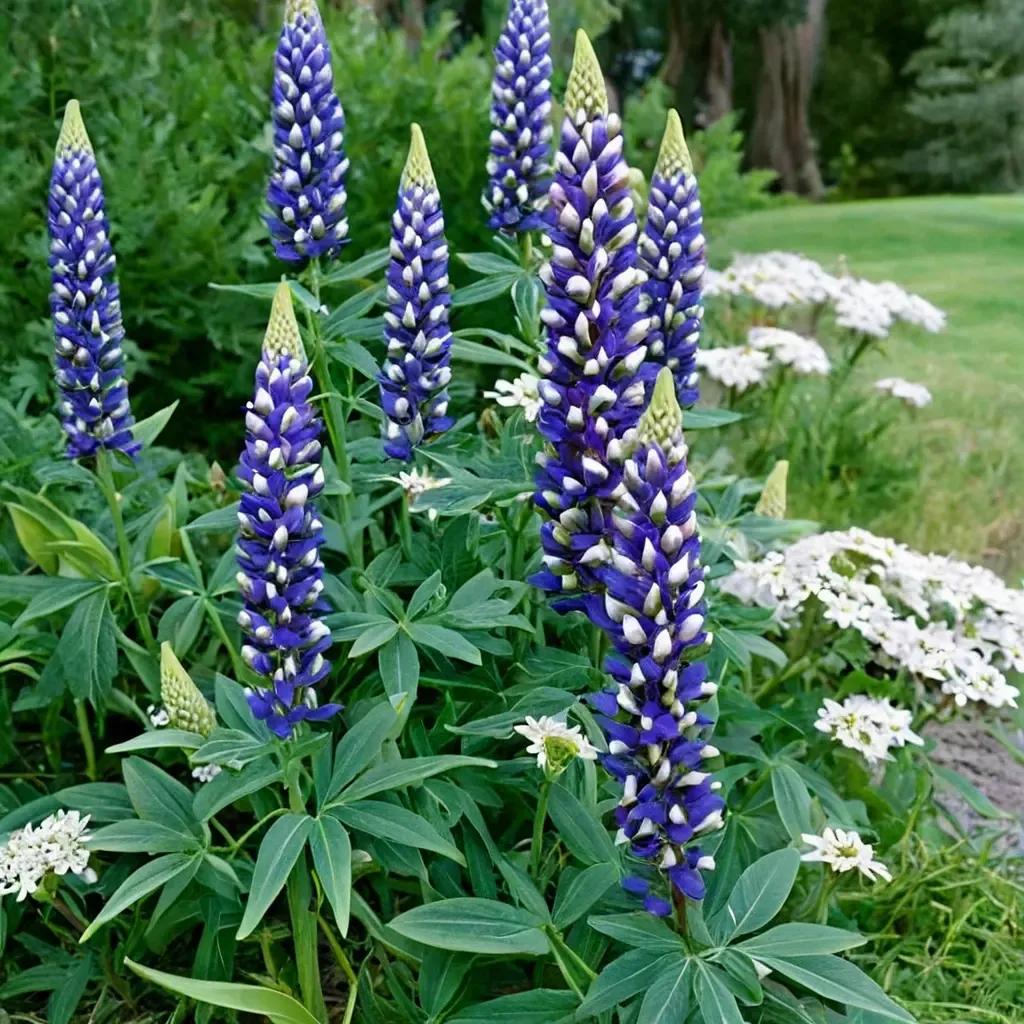 ‘The Governor’The Governor Lupine
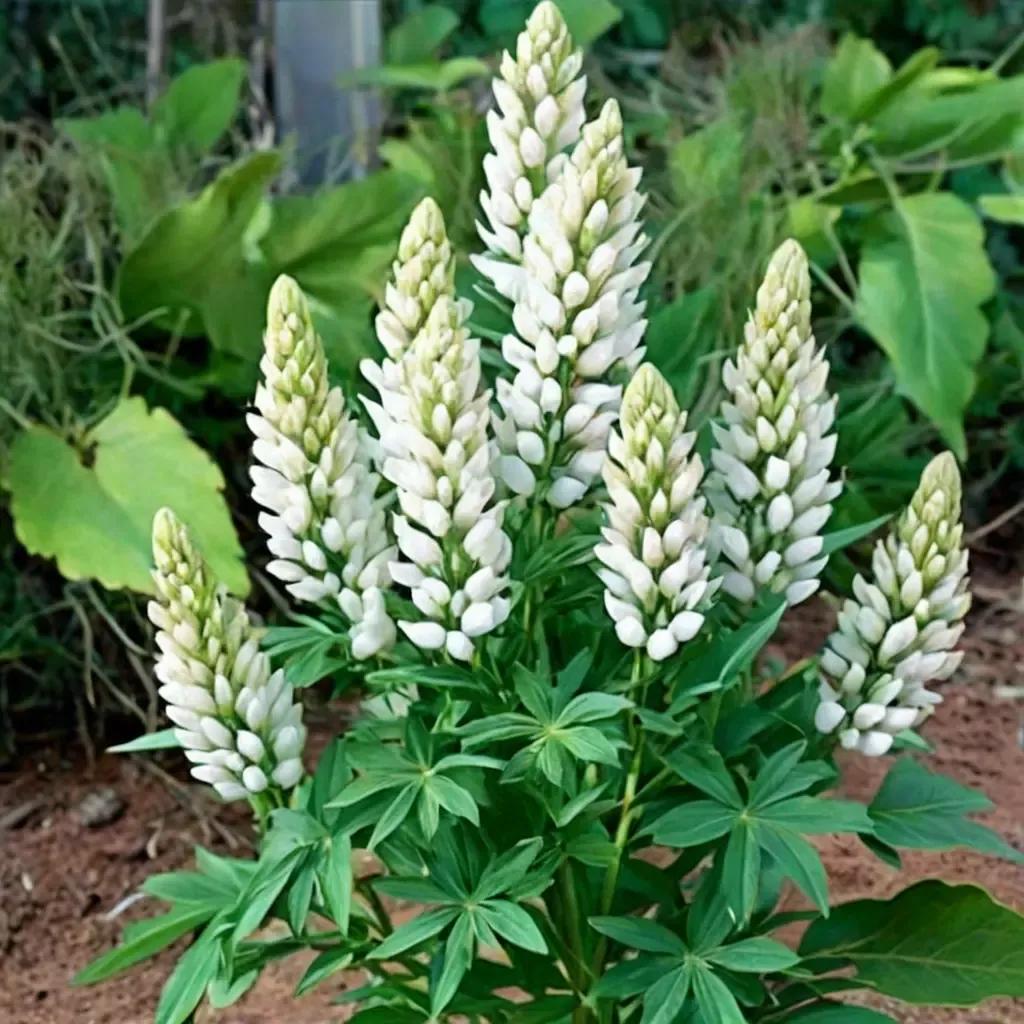 ‘Gallery White’Gallery White Lupine
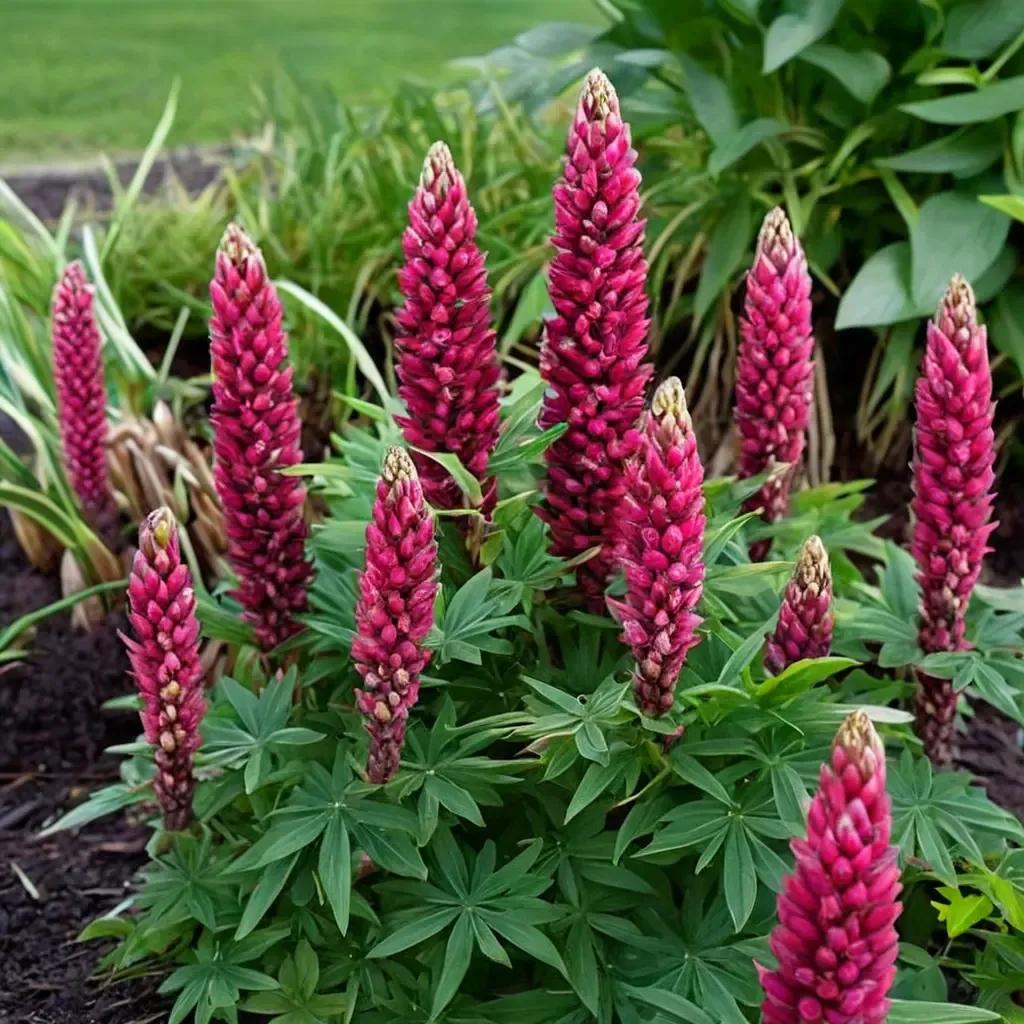 ‘Mini Gallery Red’Mini Gallery Red Lupine
 ‘Westcountry Persian Slipper’Westcountry Persian Slipper Lupine
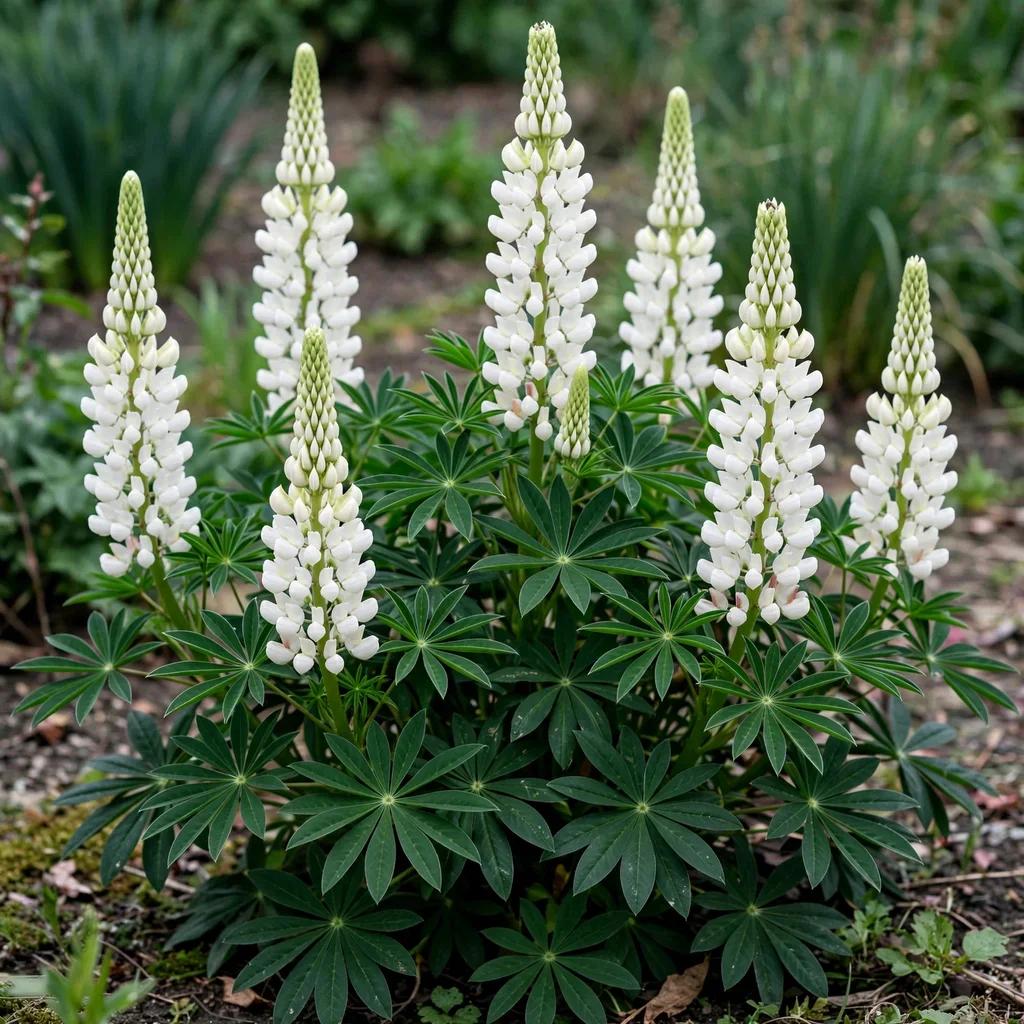 ‘Noble Maiden’Noble Maiden lupine
 ‘Red’Red Lupine
 ‘Westcountry Blacksmith’Westcountry Blacksmith Lupine
 ‘Masterpiece’Masterpiece Lupine
 ‘Tequila Flame’Tequila Flame Lupine
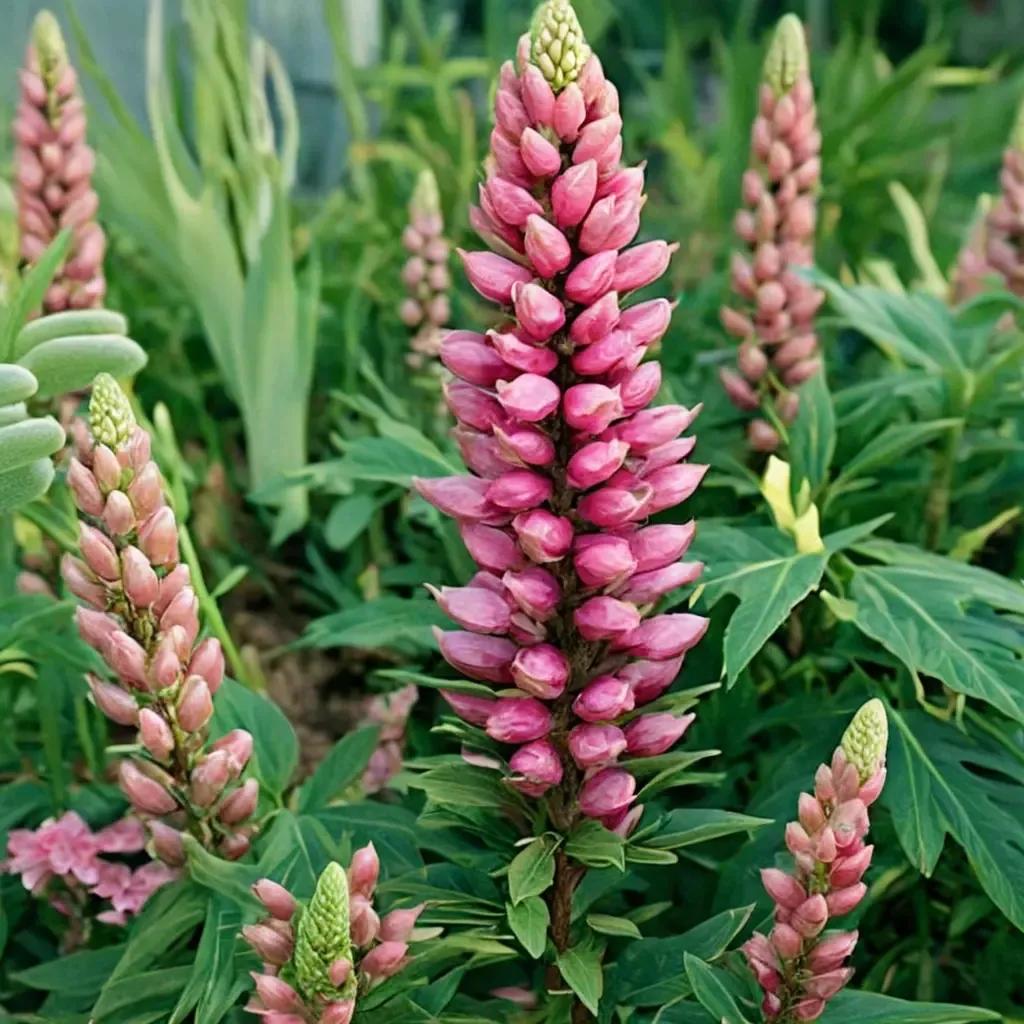 ‘Pink Popsicle’Pink Popsicle Lupine
 ‘Gallery Yellow’Gallery Yellow Lupine
 ‘Blacksmith’Blacksmith lupine
 ‘Manhattan Lights’Manhattan Lights Lupine
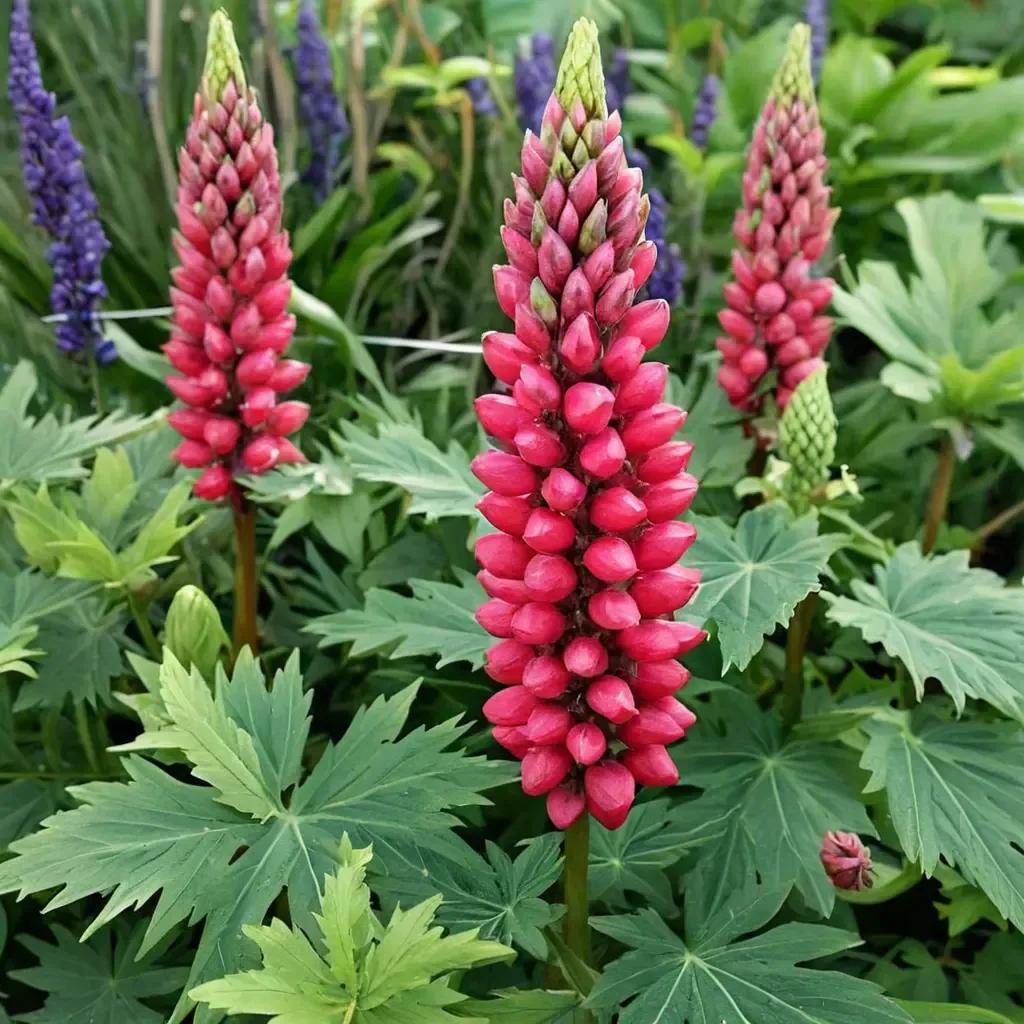 ‘Red Rum’Red Rum Lupine
The Story
Plant Bio
Lupinus 'My Castle' is a clump-forming perennial with palmate, mid-green leaves and tall, dense spires of pea-like, brick-red flowers in late spring and early summer.
This cultivar features especially robust foliage and denser flower spikes compared to other Lupinus polyphyllus cultivars.
Uses & Benefits:
Essentials
At a Glance
Plant Type
Perennial
Height
36"
Width
15"
Light
Full Sun, Partial Sun
Zones
4, 5, 6, 7, 8
Water
Moderate
Humidity
Average
Lifespan
Short-lived Perennial
Native To
North America
Toxicity
Toxic to humans and pets if ingested
Bloom period
Late spring – Early summer
In flower about 2 months of the year
Planting
How to Grow
- Tuck seeds into well-draining soil in early spring.
- Mist cuttings lightly to maintain moisture during root development.
- Transplant seedlings when they are 4 inches tall and roots are established.
- Space plants 12–18 inches apart for optimal growth.
- Mulch around plants to retain moisture and suppress weeds.
- Fertilize with a balanced, low-nitrogen fertilizer in spring.
Pro Tip
Soak seeds in warm water for 24 hours before sowing to improve germination.
Keep It Thriving
Care Guide
Do
- Water regularly, especially during dry spells 💧
- Prune dead or damaged stems to encourage healthy growth ✂️
- Apply a balanced fertilizer in early spring
- Mulch around base to conserve moisture
- Monitor for pests and treat promptly
Don't
- Avoid overwatering to prevent root rot ❌
- Do not fertilize with high nitrogen fertilizers which can promote excessive foliage
- Never disturb roots during flowering
Seasonal Care Calendar
| Task | Jan | Feb | Mar | Apr | May | Jun | Jul | Aug | Sep | Oct | Nov | Dec |
|---|---|---|---|---|---|---|---|---|---|---|---|---|
| Deadhead | ||||||||||||
| Pest Check | ||||||||||||
| Stake |
Watch Out For
Pests & Diseases
Common Pests
Common Diseases
In the Garden
Landscape Uses & Companions
Landscape Uses
Companion Plants
Multiply
Propagation Methods
Good to Know
Common Questions
My Castle lupine questions
What zones can My Castle lupine grow in?
My Castle lupine is hardy in USDA Zones 4–8. Inside that range it survives winter in the ground; outside it, grow it as an annual or a container plant you protect.
Is My Castle lupine deer resistant?
Yes — My Castle lupine is rated deer-resistant. Deer typically pass it over, though extreme hunger can override any plant's defenses.
When does My Castle lupine bloom?
My Castle lupine typically blooms in late spring through early summer. Exact timing shifts a week or two with your zone — Sow's bloom calendar maps it to your garden.
Does My Castle lupine need full sun?
My Castle lupine does best in full sun to part shade. In hot climates, afternoon shade keeps blooms fresher longer.
More Lupinus to compare
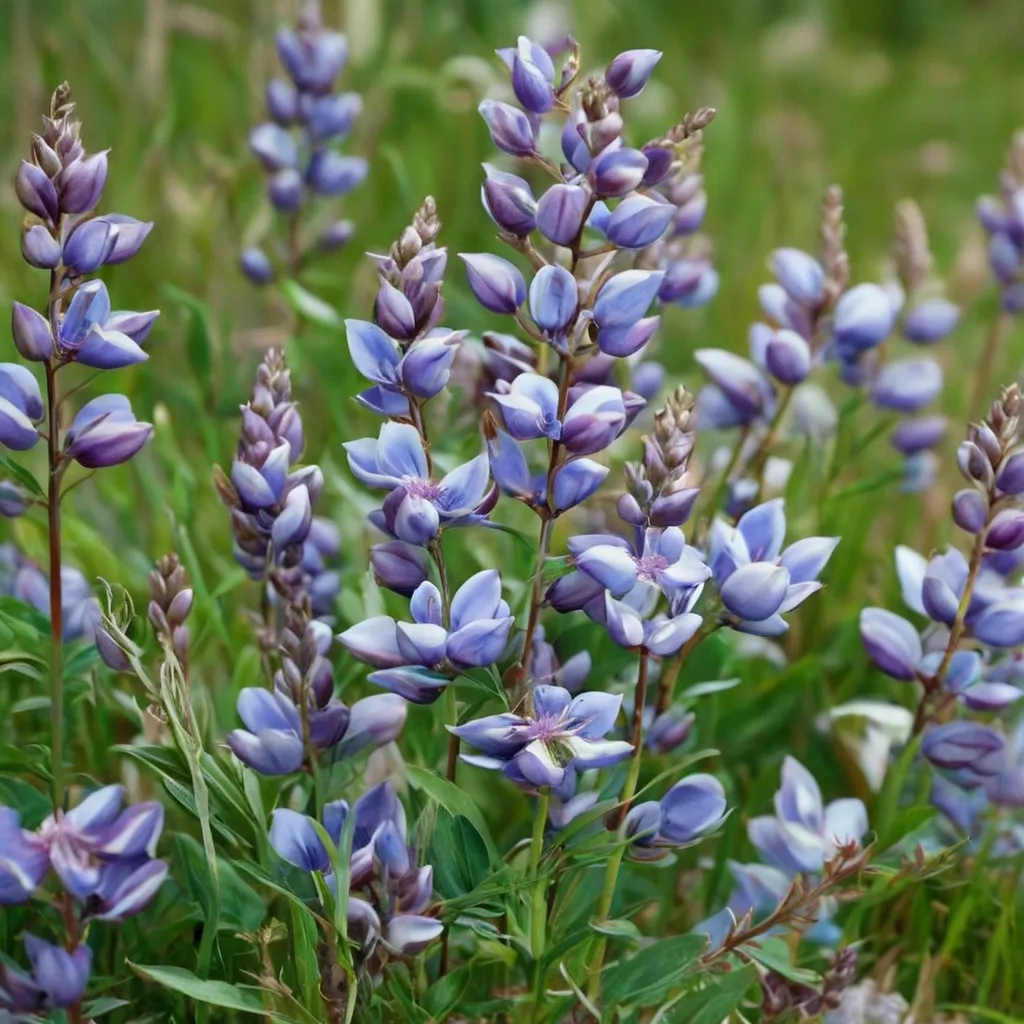
Wild Lupine
Lupinus perennis

Red Popsicle Lupine
Lupinus polyphyllus 'Red Popsicle'
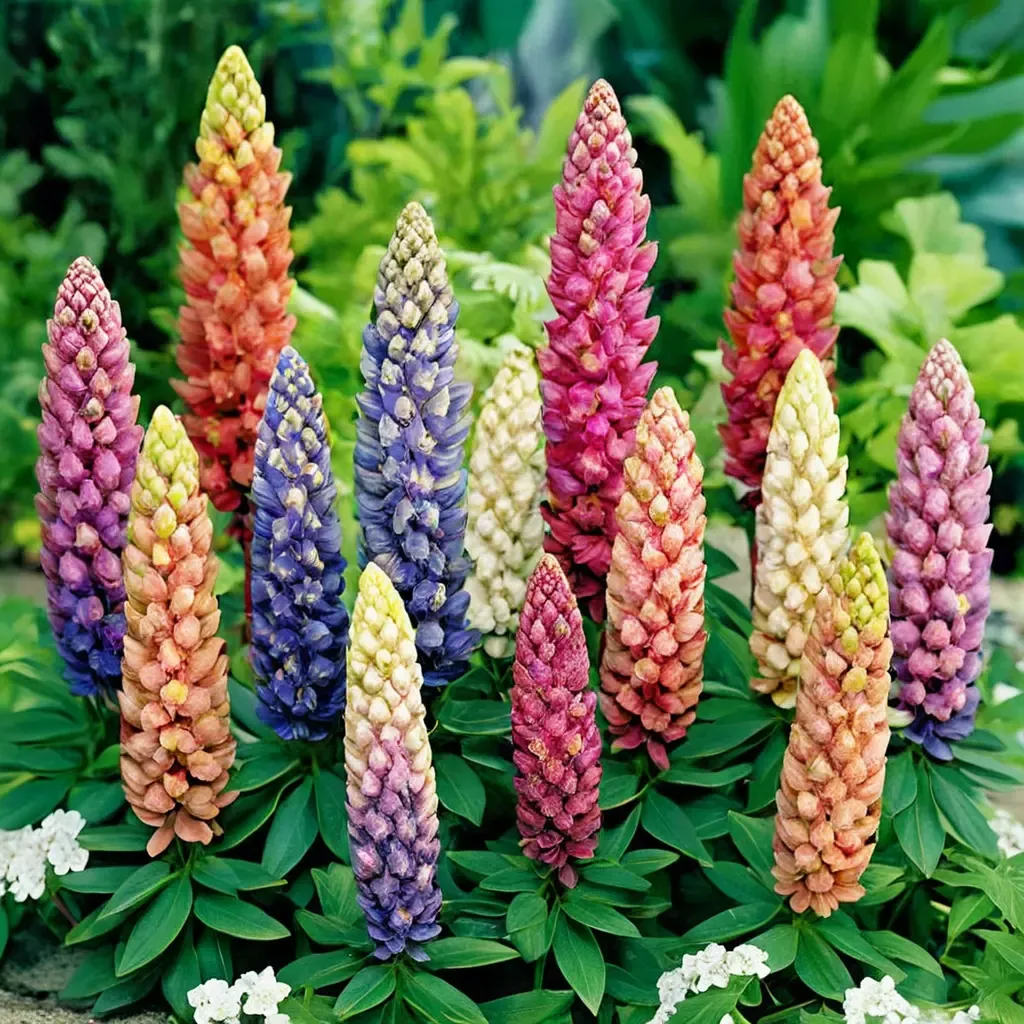
Dwarf Mix Lupine
Lupinus polyphyllus 'Dwarf Mix'
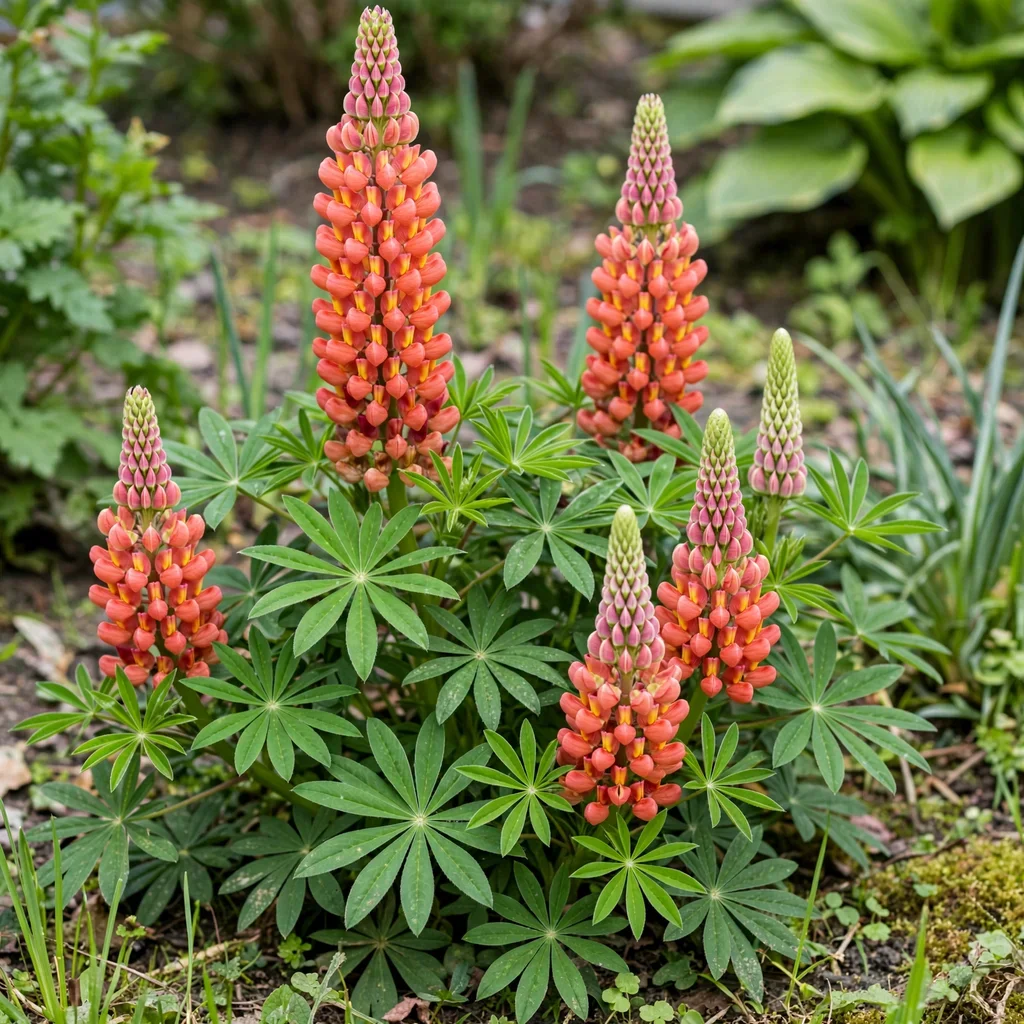
Garden Lupine
Lupinus polyphyllus 'Towering Inferno'

Magic Lantern lupine
Lupinus polyphyllus 'Magic Lantern'
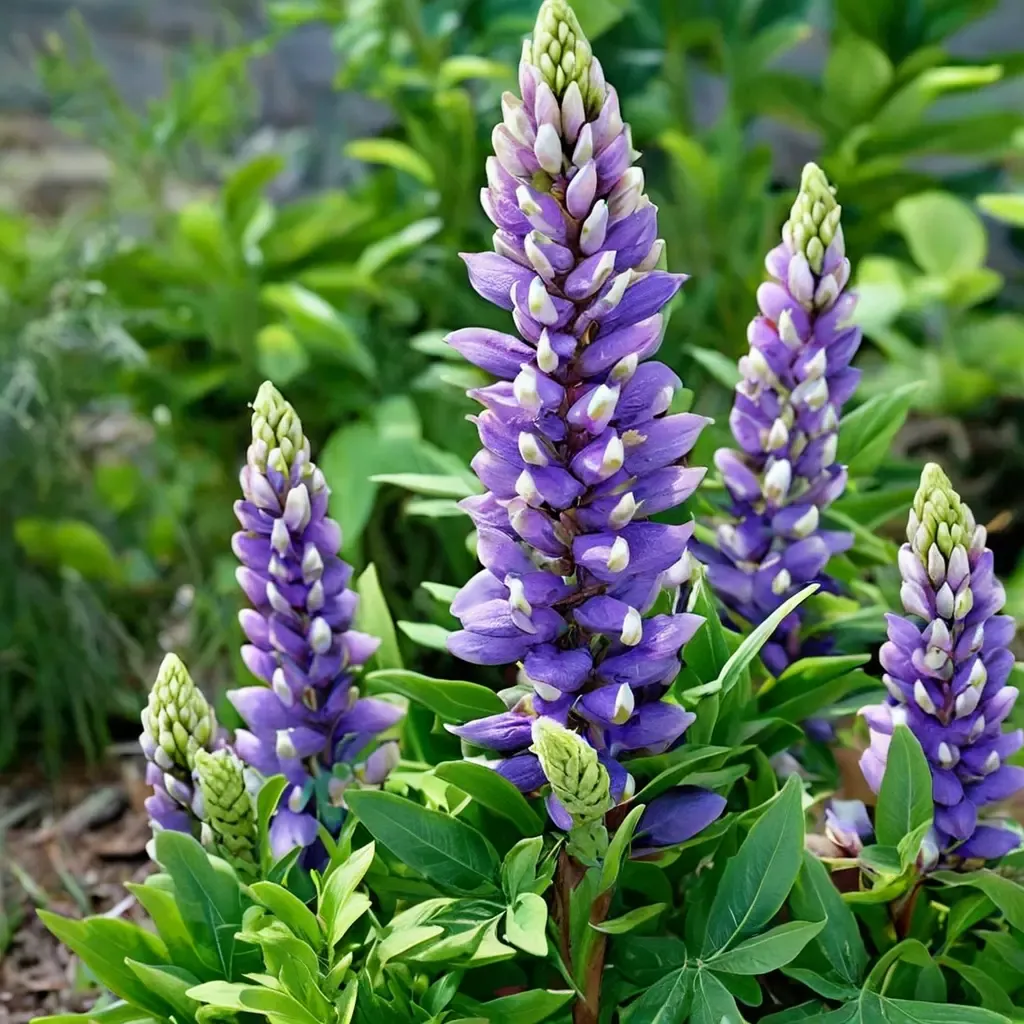
Gallery Blue Lupine
Lupinus polyphyllus 'Gallery Blue'
Keep exploring
Explore the genus
Hardy in your zone?
Grow My Castle lupine with confidence
See it in a design of your actual yard, get zone-matched care reminders, and track it season by season in your garden journal.