

The Story
Plant Bio
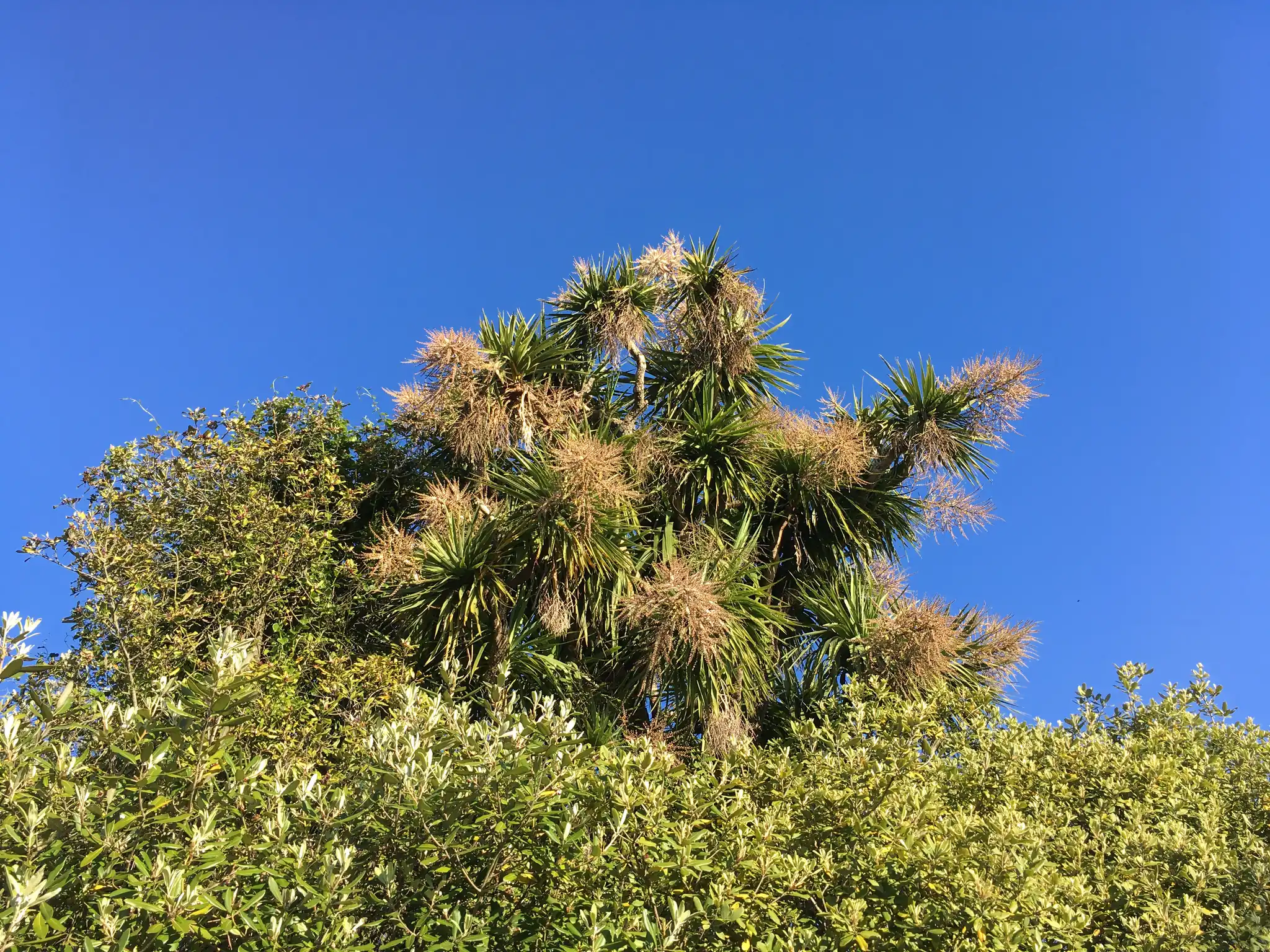
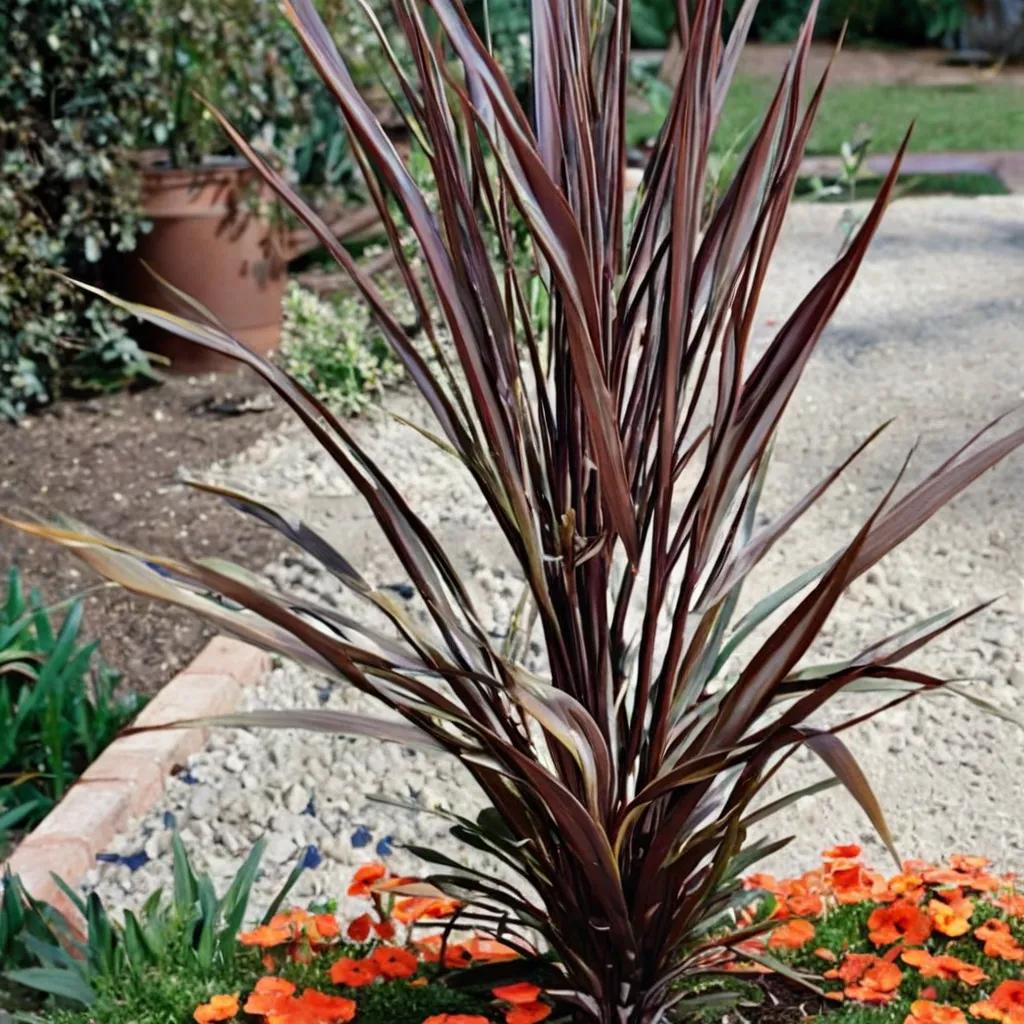
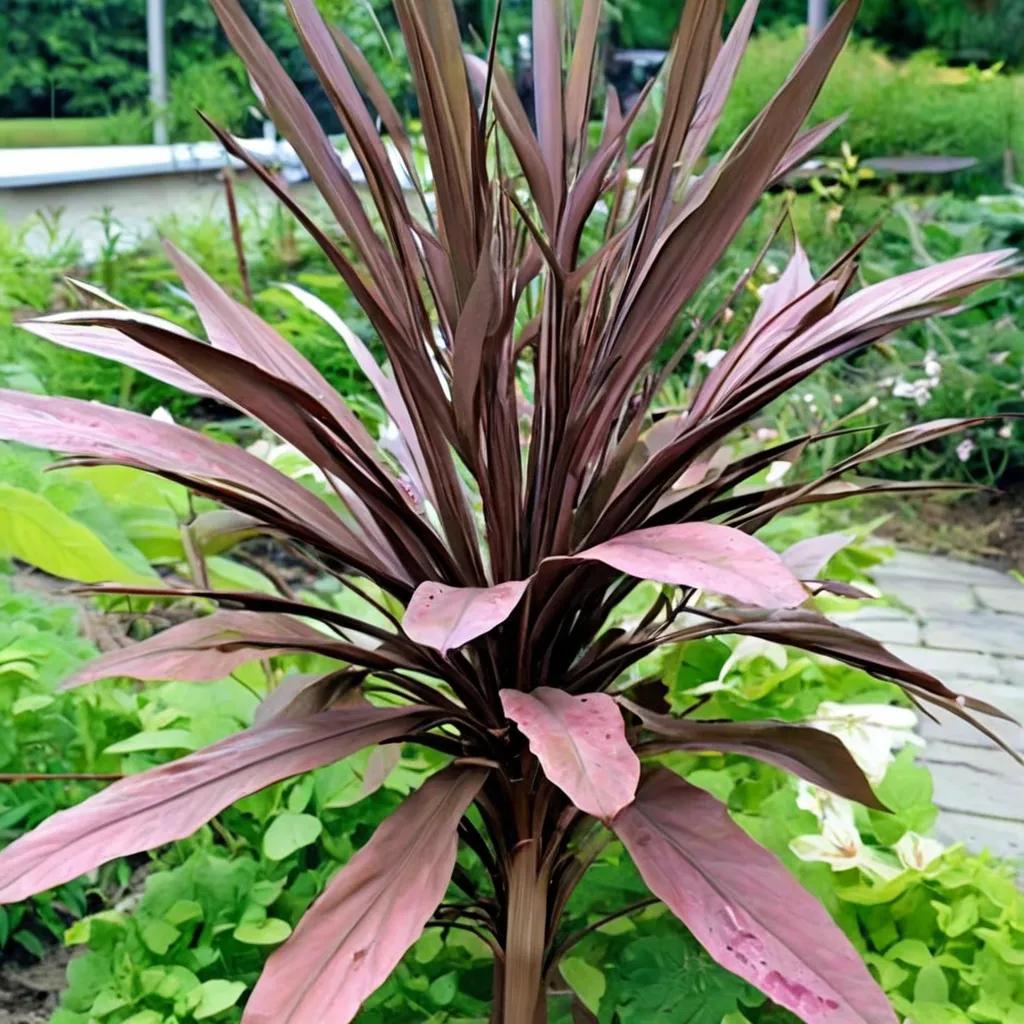
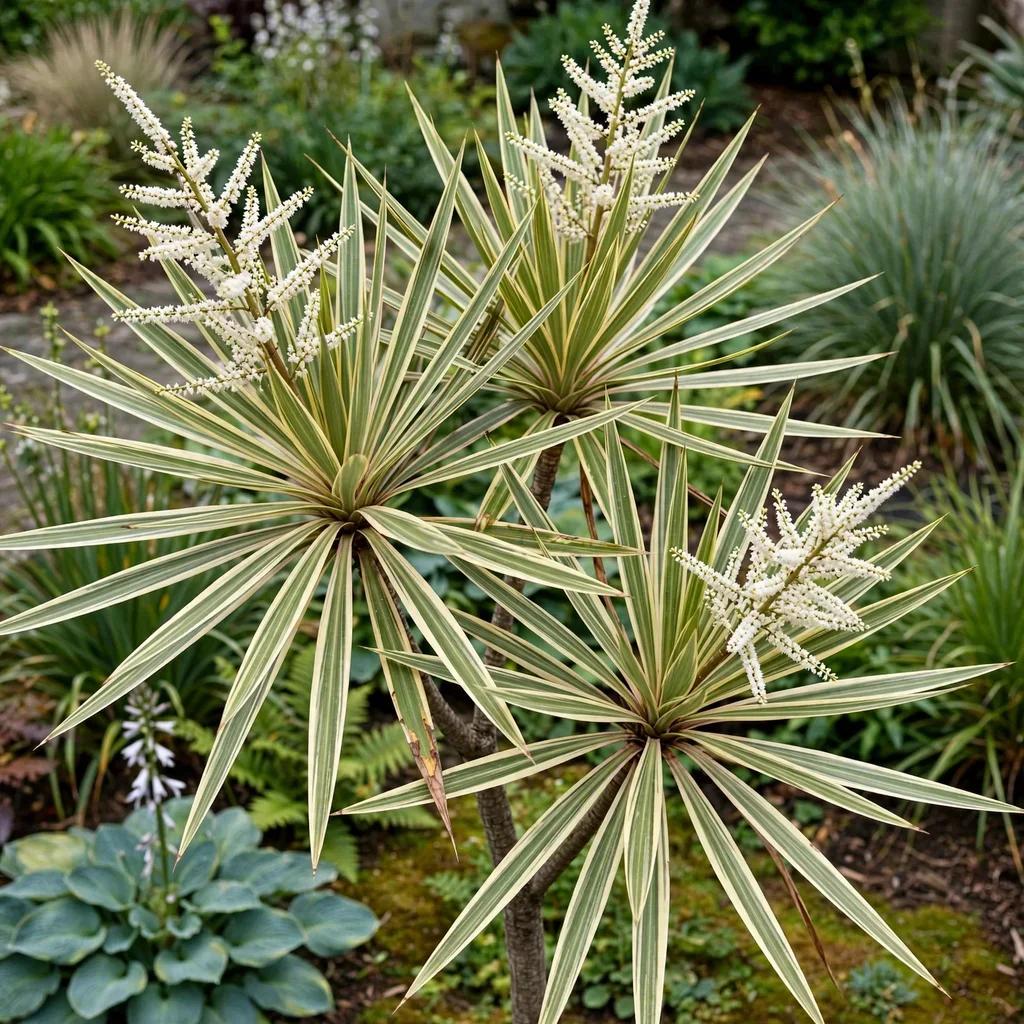
Cordyline australis, the New Zealand cabbage tree, is an erect evergreen tree that starts as a single stem topped by a fountain of sword-shaped grey-green leaves up to three feet long, then branches into a multi-trunked head with age. Pale corky fissured bark develops below, and large panicles of small scented white flowers open in early summer.
It is hardy only to about zone 9, so across most of the country it is grown as a container plant and moved under cover for winter — the upright leaf fountain sold as a bedding centrepiece is a young plant of a tree that reaches thirty feet where it can. It is exceptionally tolerant of salt, wind and coastal exposure.
Uses & Benefits:
Essentials
At a Glance
Plant Type
Shrub
Height
180"
Width
54"
Light
Full Sun, Partial Sun
Zones
9, 10
Water
Low
Humidity
Moderate
Lifespan
Perennial
Native To
New Zealand
Toxicity
Non-toxic; stems and rhizomes are edible
Planting
How to Grow
- Plant in full sun or partial shade in well-drained soil.
- Grow it in a container north of zone 9.
- Water while establishing, then only in drought.
- Move containers under cover before hard frost.
- Remove dead lower leaves to expose the trunk.
- Expect it to branch only after it first flowers.
Pro Tip
It stays a single unbranched stem until it flowers for the first time — the multi-headed shape can't be forced, only waited for.
Keep It Thriving
Care Guide
Do
- Give it free-draining soil 🌱
- Use it in exposed coastal planting 🌊
- Overwinter containers under cover 🏠
- Strip dead lower leaves for a clean trunk ✂️
Don't
- Leave it outdoors below zone 9 ❌
- Plant it in heavy, wet ground ❌
- Expect branching before it flowers ❌
Seasonal Care Calendar
| Task | Jan | Feb | Mar | Apr | May | Jun | Jul | Aug | Sep | Oct | Nov | Dec |
|---|---|---|---|---|---|---|---|---|---|---|---|---|
| Move Under Cover | ||||||||||||
| Tidy |
Watch Out For
Pests & Diseases
Common Pests
Common Diseases
In the Garden
Landscape Uses & Companions
Landscape Uses
Companion Plants
Multiply
Propagation Methods
Good to Know
Common Questions
Cabbage Tree questions
What zones can Cabbage Tree grow in?
Cabbage Tree is hardy in USDA Zones 9–10. Inside that range it survives winter in the ground; outside it, grow it as an annual or a container plant you protect.
Is Cabbage Tree deer resistant?
Not reliably. Deer may browse Cabbage Tree, especially tender spring growth — plan on repellents or fencing where pressure is high.
When does Cabbage Tree bloom?
Cabbage Tree typically blooms in early summer through late fall. Exact timing shifts a week or two with your zone — Sow's bloom calendar maps it to your garden.
Does Cabbage Tree need full sun?
Cabbage Tree does best in full sun to part shade. In hot climates, afternoon shade keeps blooms fresher longer.
Is Cabbage Tree drought tolerant?
Yes — once established (usually after the first full season), Cabbage Tree handles dry spells with minimal watering. Water deeply its first year to build the root system that makes that possible.
More Cordyline to compare
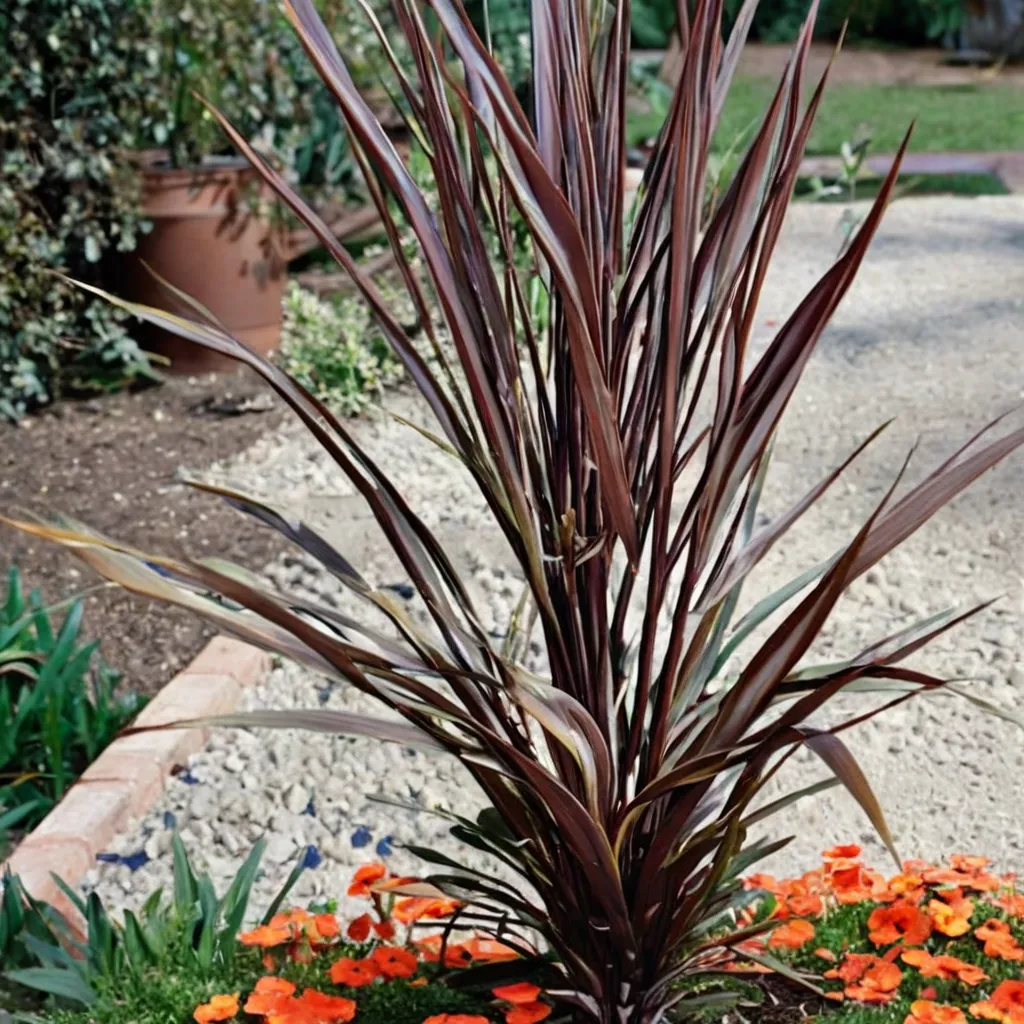
Red Sensation Cordyline
Cordyline australis 'Red Sensation'
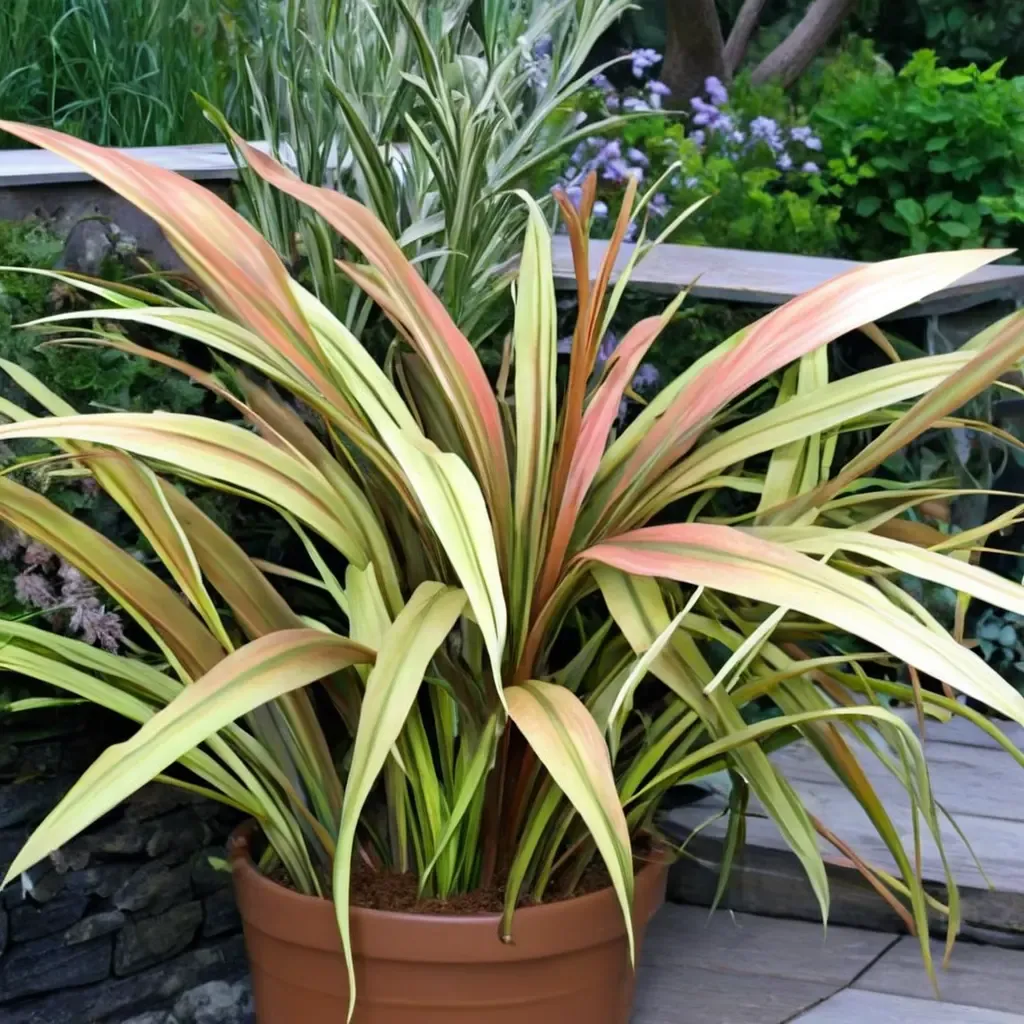
Cha Cha Ti Plant Cordyline Cha Cha
Cordyline fruticosa 'Cha Cha'
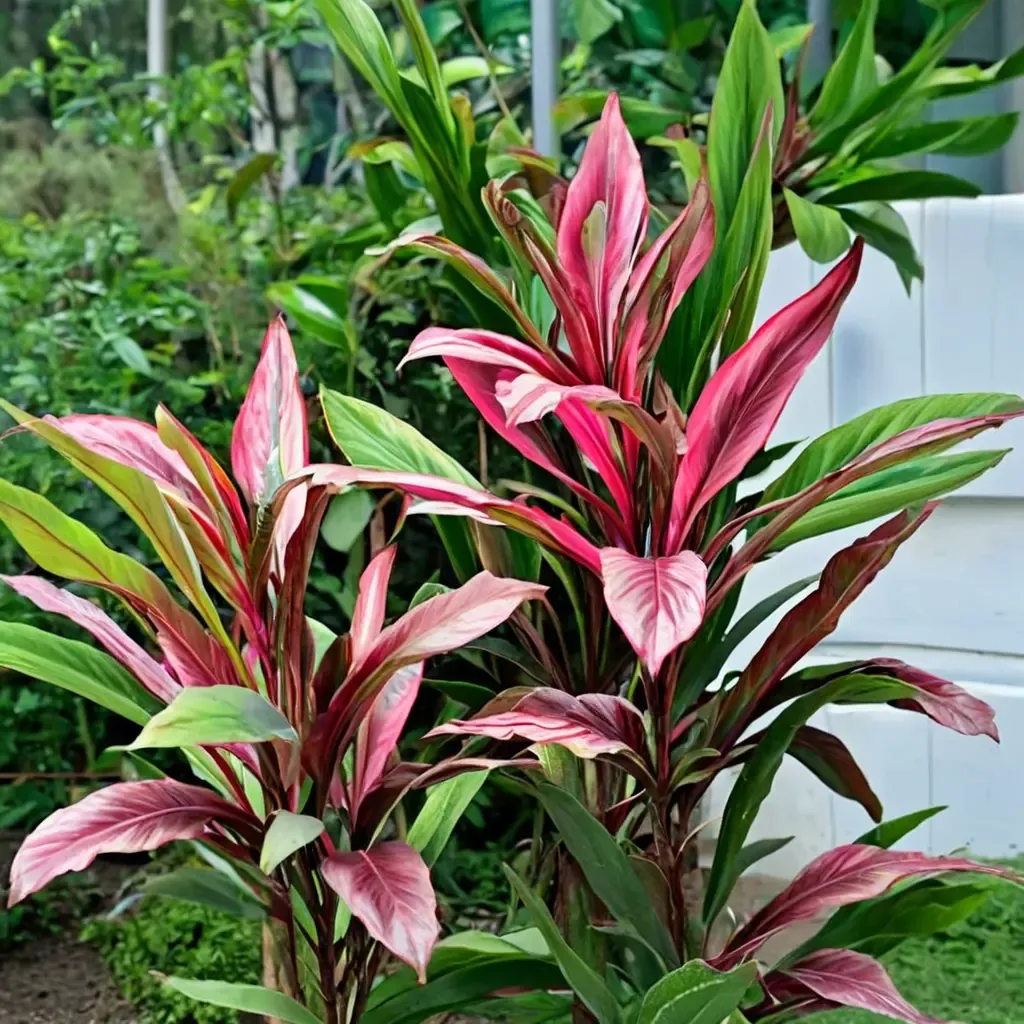
Can Can Cordyline
Cordyline fruticosa 'Can Can'
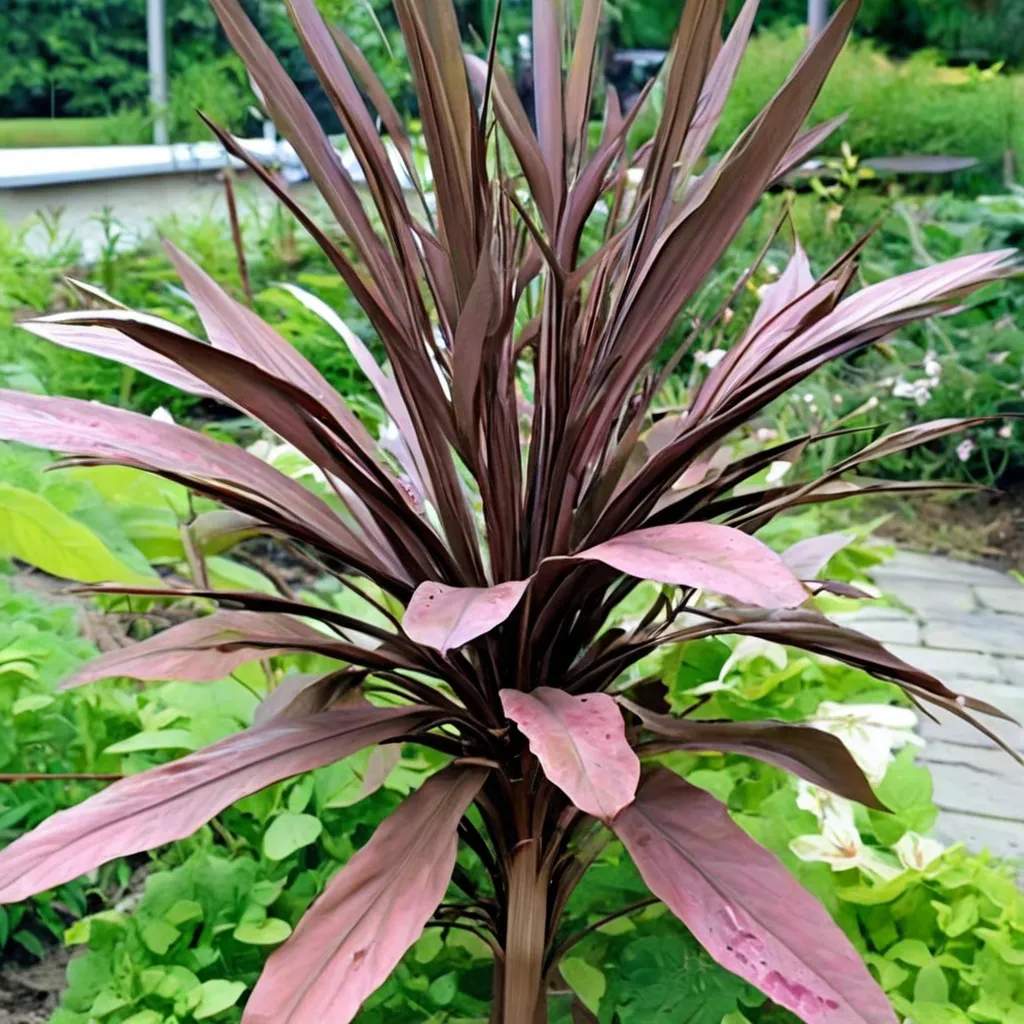
Purple Tower Cordyline
Cordyline australis 'Purple Tower'
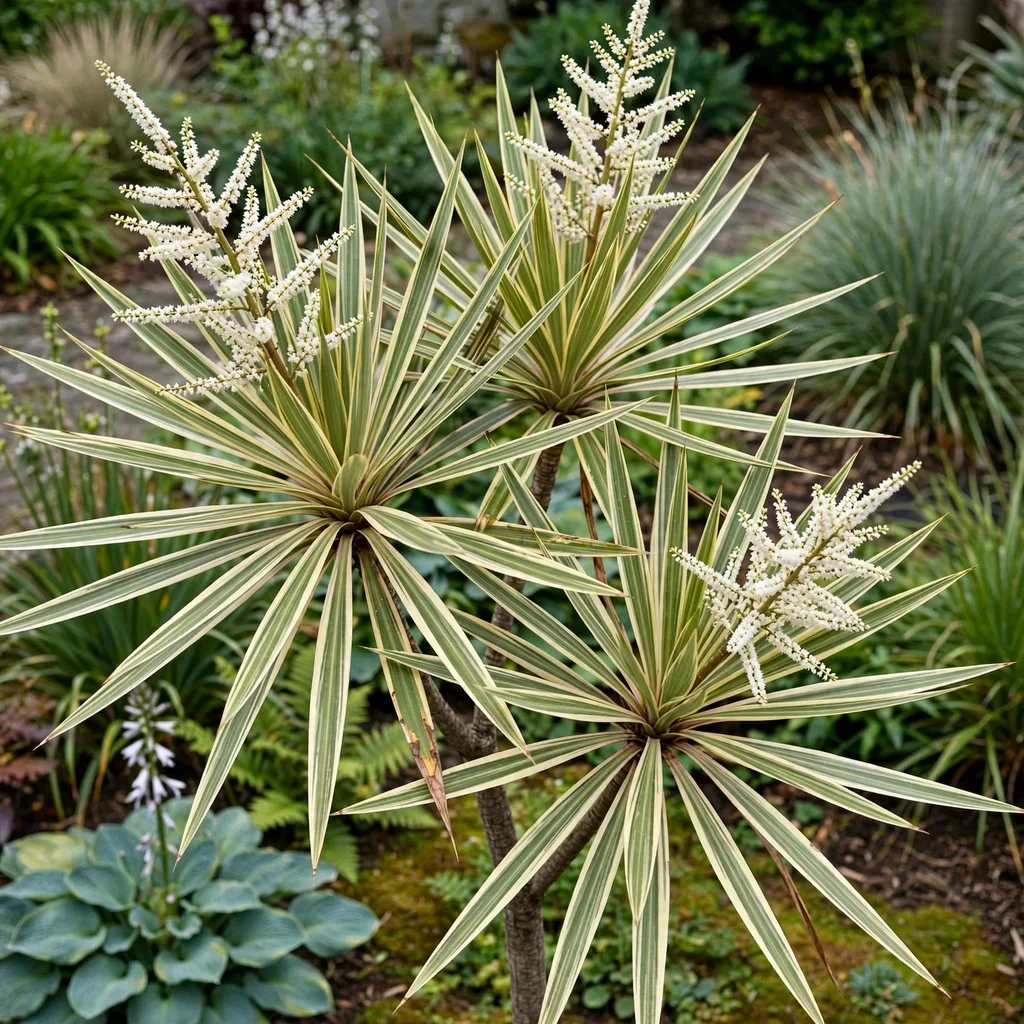
Alberti Cabbage Tree
Cordyline australis 'Alberti'
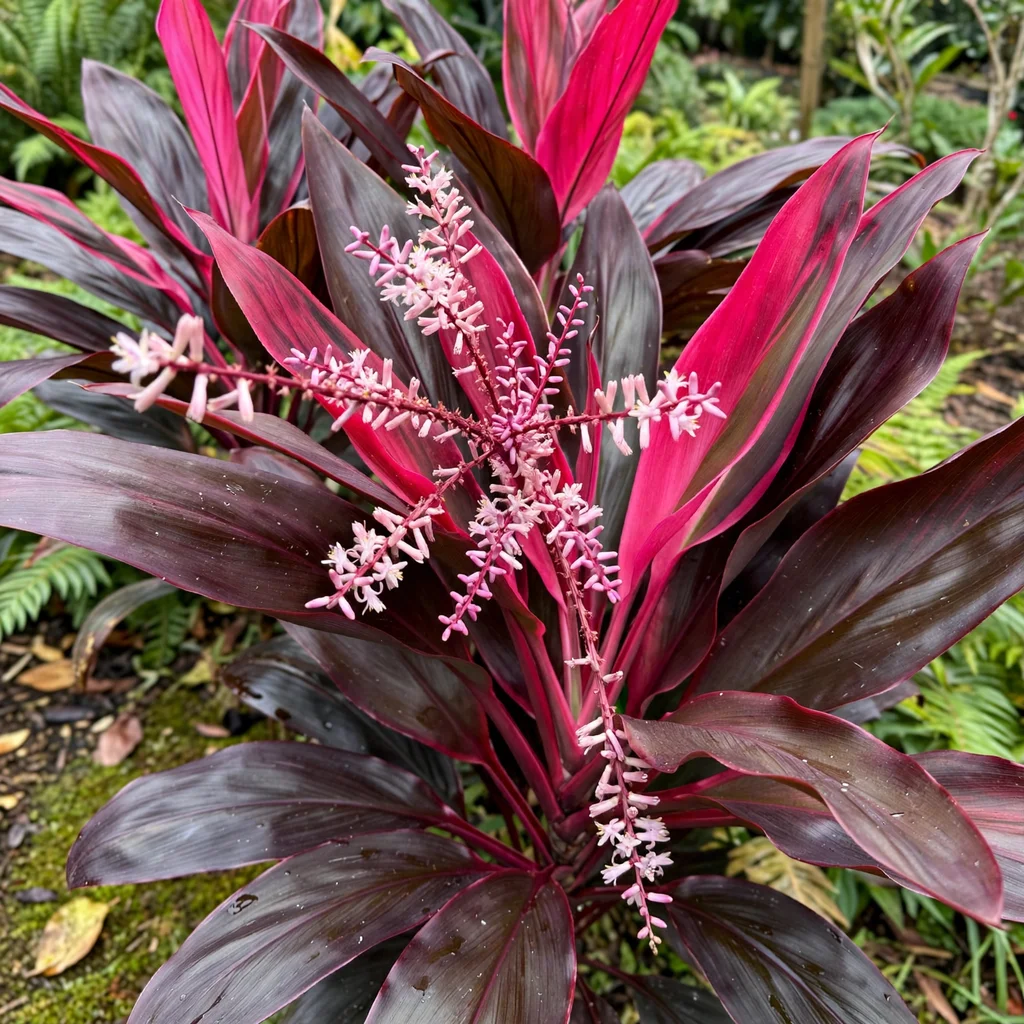
Ti Plant
Cordyline fruticosa 'Rubra'
Keep exploring
Explore the genus
Hardy in your zone?
Grow Cabbage Tree with confidence
See it in a design of your actual yard, get zone-matched care reminders, and track it season by season in your garden journal.