


The Story
Plant Bio
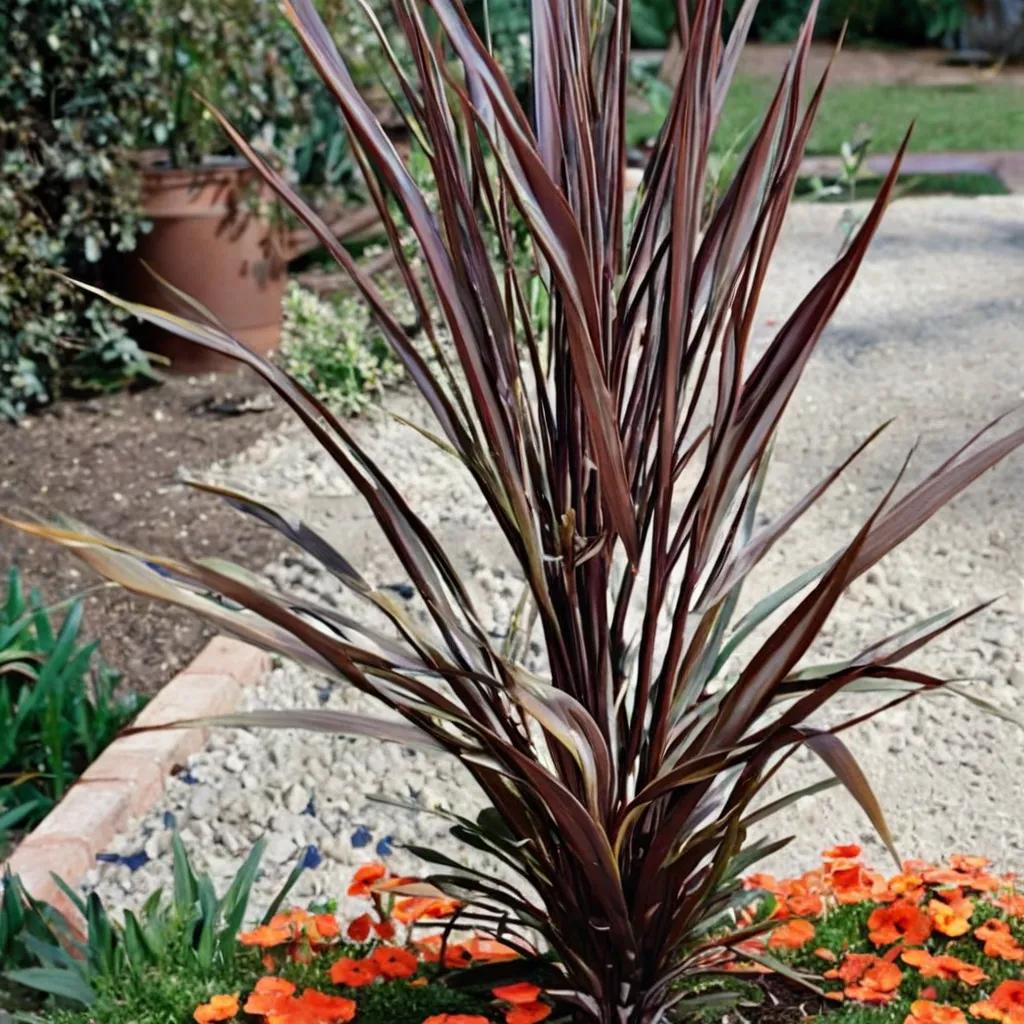
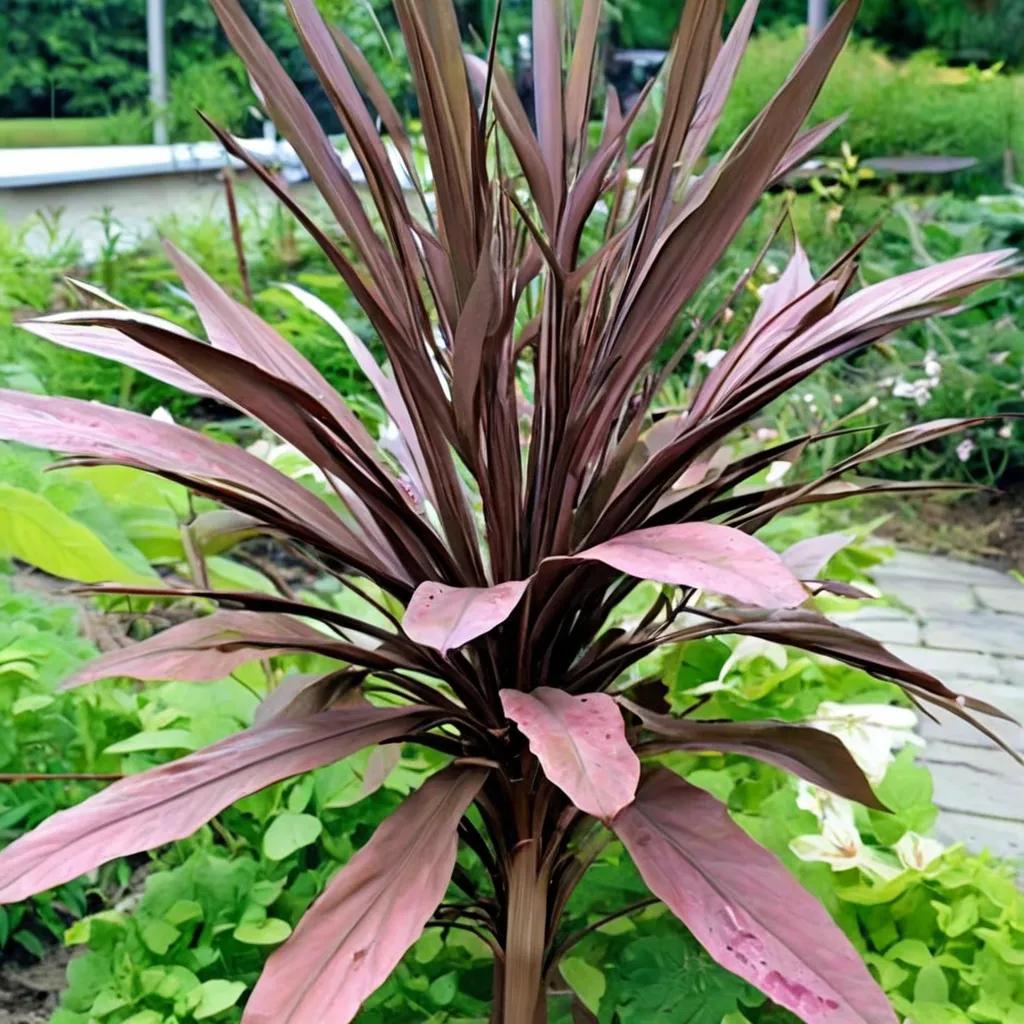
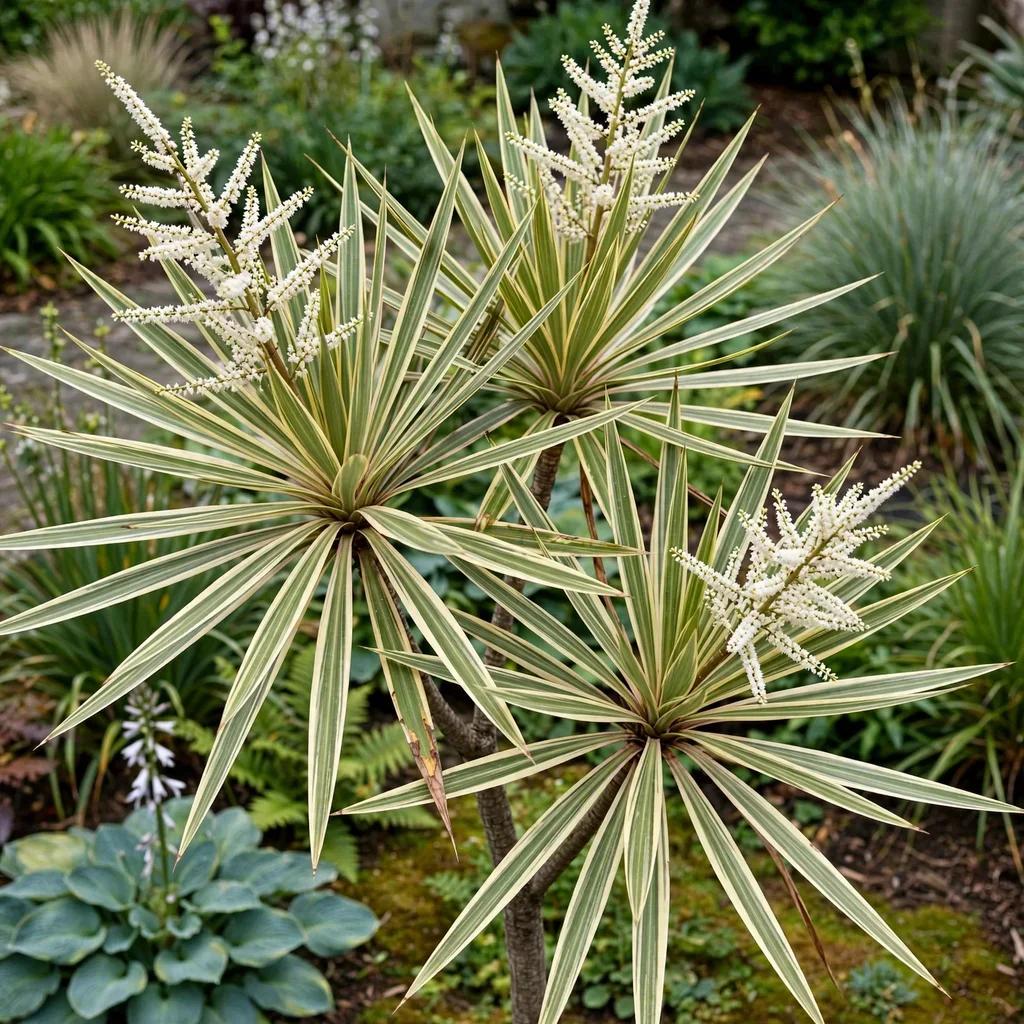
Cordyline australis is an upright, single-stemmed or sparsely branched monocot tree native to New Zealand that develops a dense, fountain-like crown of long, sword-shaped leaves with age. In late spring and summer, mature specimens produce massive, multi-branched panicles of sweetly fragrant, creamy-white flowers.
'Kasper Green' is distinguished by its exceptionally fresh, glossy, vibrant green foliage that maintains its color year-round. This selection forms a highly structured, architectural silhouette, reaching a mature height of approximately eighty inches and a width of forty inches in cultivation.
Uses & Benefits:
Essentials
At a Glance
Plant Type
Tree
Height
79"
Width
39"
Light
Full Sun, Partial Sun
Zones
8, 9, 10
Water
Low
Humidity
Moderate to High
Lifespan
Perennial
Native To
New Zealand
Toxicity
Toxic to Cats and Dogs
Bloom period
Late spring – Summer
In flower about 4 months of the year
Planting
How to Grow
- Select a planting site in full sun to partial shade with excellent drainage, such as a raised bed or sandy loam slope.
- Dig a hole twice the width of the root ball and of equal depth, ensuring the plant sits at the same soil level as it did in its container.
- Water deeply immediately after planting to settle the soil, then allow the top few inches of soil to dry completely before watering again.
- Apply a low-phosphorus, slow-release fertilizer sparingly in early spring to support seasonal growth.
Pro Tip
Plant in highly permeable soil to prevent root rot, and avoid pruning into old, leafless wood, as bare trunks lack the active nodes required to reliably regenerate new foliage.
Keep It Thriving
Care Guide
Do
- Prune dead or dying lower leaves by cutting them cleanly at the base of the leaf sheath.
- Ensure the soil drains rapidly to prevent waterlogging and subsequent root decay.
- Overwinter containers indoors in a bright, cool room if gardening north of USDA Zone 8b.
Don't
- Do not rip or tear dying leaves from the trunk, as this damages the bark and invites disease.
- Do not prune back into old, bare wood, which fails to resprout reliably.
- Do not overwater or allow the plant to sit in standing water.
Seasonal Care Calendar
| Task | Jan | Feb | Mar | Apr | May | Jun | Jul | Aug | Sep | Oct | Nov | Dec |
|---|---|---|---|---|---|---|---|---|---|---|---|---|
| Fertilize | ||||||||||||
| Pest Check | ||||||||||||
| Prune | ||||||||||||
| Winter Prep |
Watch Out For
Pests & Diseases
Common Pests
Common Diseases
In the Garden
Landscape Uses & Companions
Landscape Uses
Companion Plants
Multiply
Propagation Methods
Good to Know
Common Questions
Cabbage Tree questions
What zones can Cabbage Tree grow in?
Cabbage Tree is hardy in USDA Zones 8–10. Inside that range it survives winter in the ground; outside it, grow it as an annual or a container plant you protect.
Is Cabbage Tree deer resistant?
Not reliably. Deer may browse Cabbage Tree, especially tender spring growth — plan on repellents or fencing where pressure is high.
When does Cabbage Tree bloom?
Cabbage Tree typically blooms in late spring through summer. Exact timing shifts a week or two with your zone — Sow's bloom calendar maps it to your garden.
Does Cabbage Tree need full sun?
Cabbage Tree does best in full sun to part shade. In hot climates, afternoon shade keeps blooms fresher longer.
Is Cabbage Tree drought tolerant?
Yes — once established (usually after the first full season), Cabbage Tree handles dry spells with minimal watering. Water deeply its first year to build the root system that makes that possible.
More Cordyline to compare
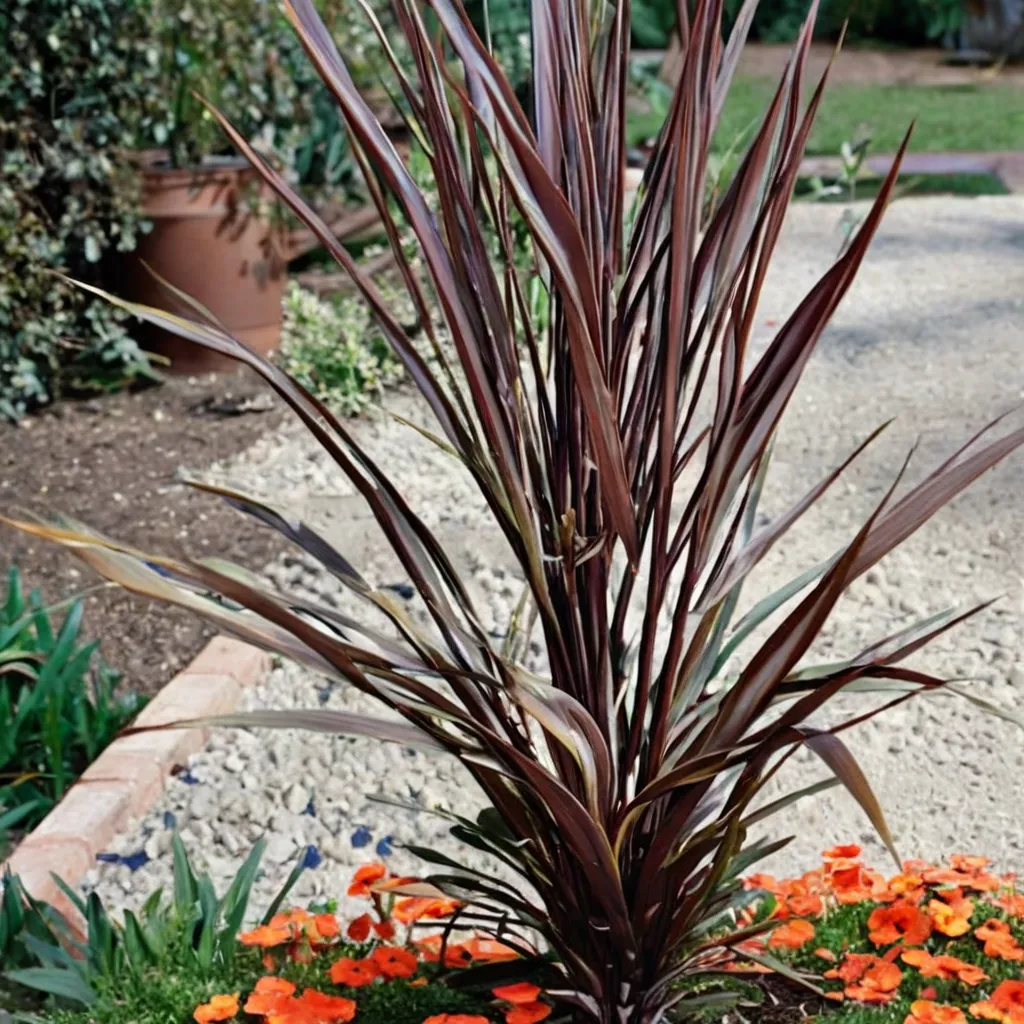
Red Sensation Cordyline
Cordyline australis 'Red Sensation'
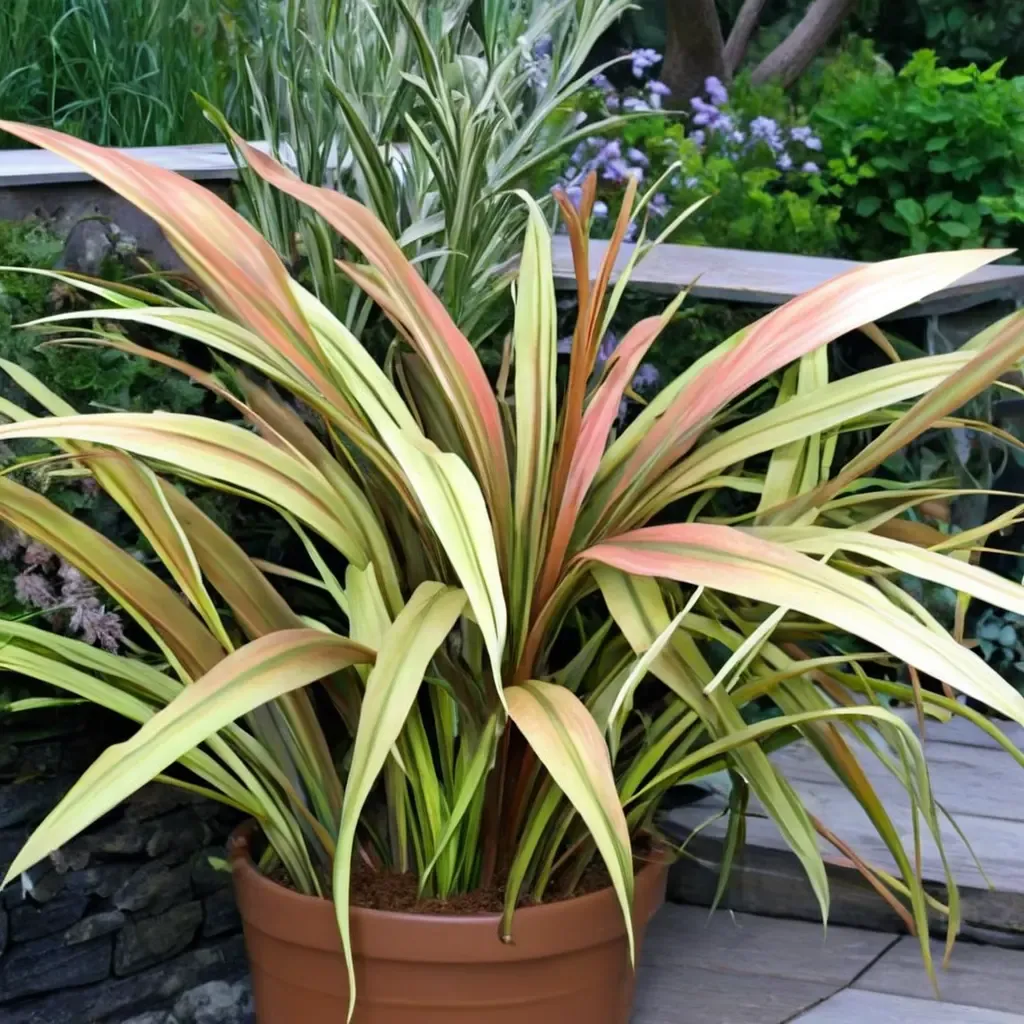
Cha Cha Ti Plant Cordyline Cha Cha
Cordyline fruticosa 'Cha Cha'
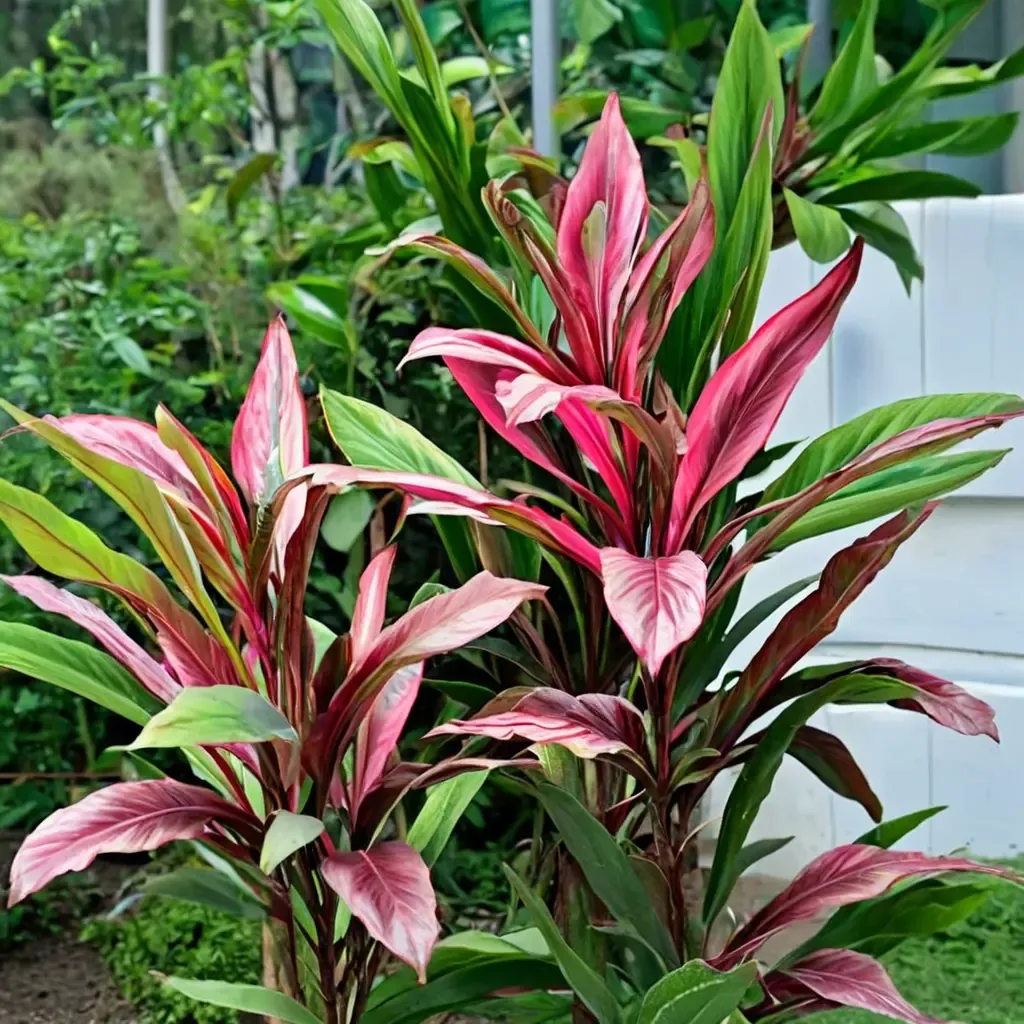
Can Can Cordyline
Cordyline fruticosa 'Can Can'
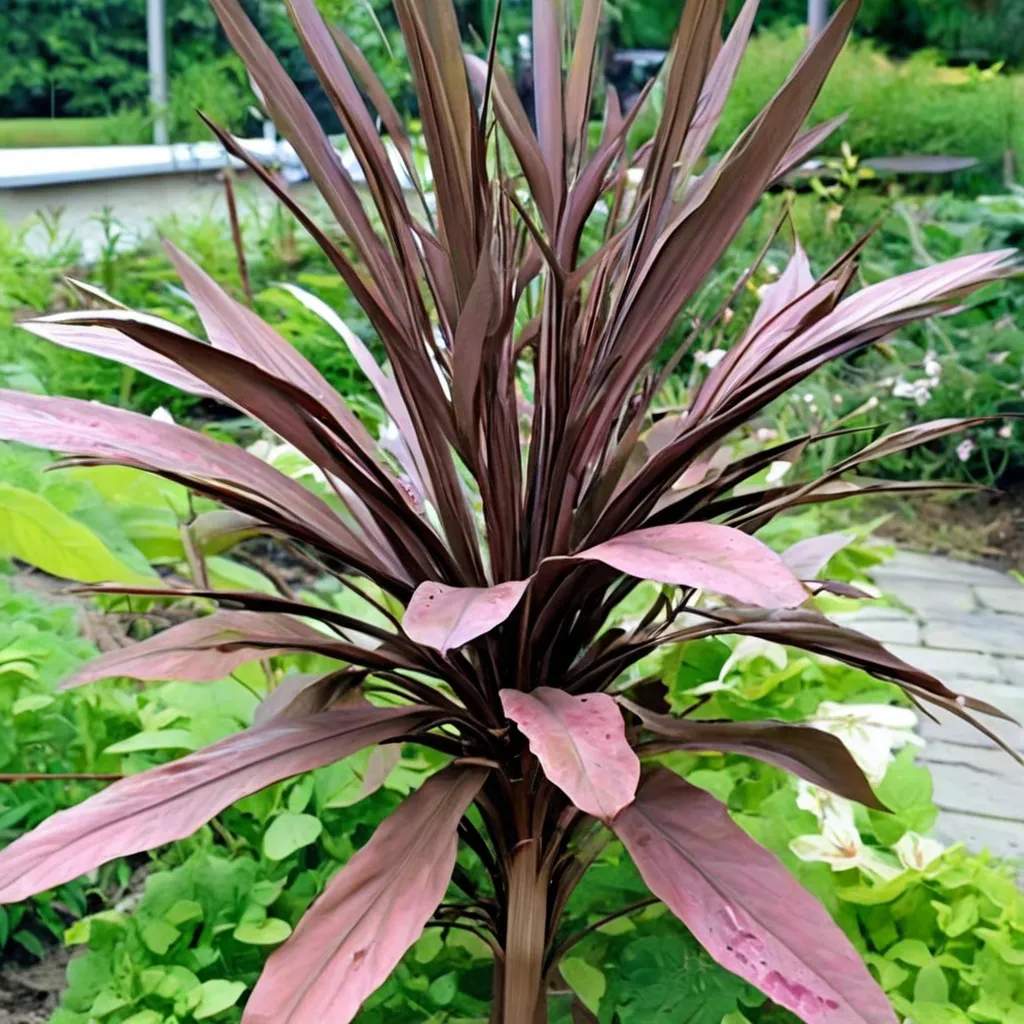
Purple Tower Cordyline
Cordyline australis 'Purple Tower'
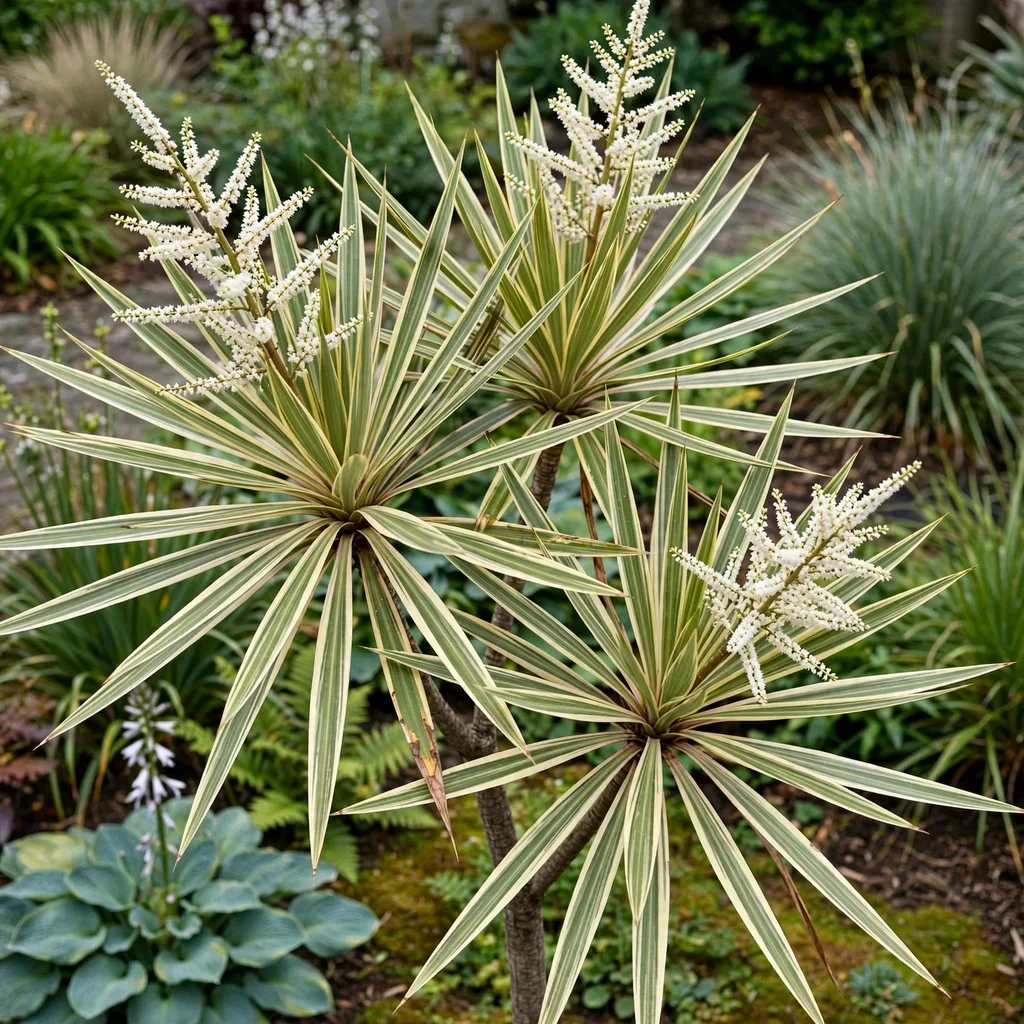
Alberti Cabbage Tree
Cordyline australis 'Alberti'
Ti Plant
Cordyline fruticosa 'Rubra'
Keep exploring
Explore the genus
Hardy in your zone?
Grow Cabbage Tree with confidence
See it in a design of your actual yard, get zone-matched care reminders, and track it season by season in your garden journal.