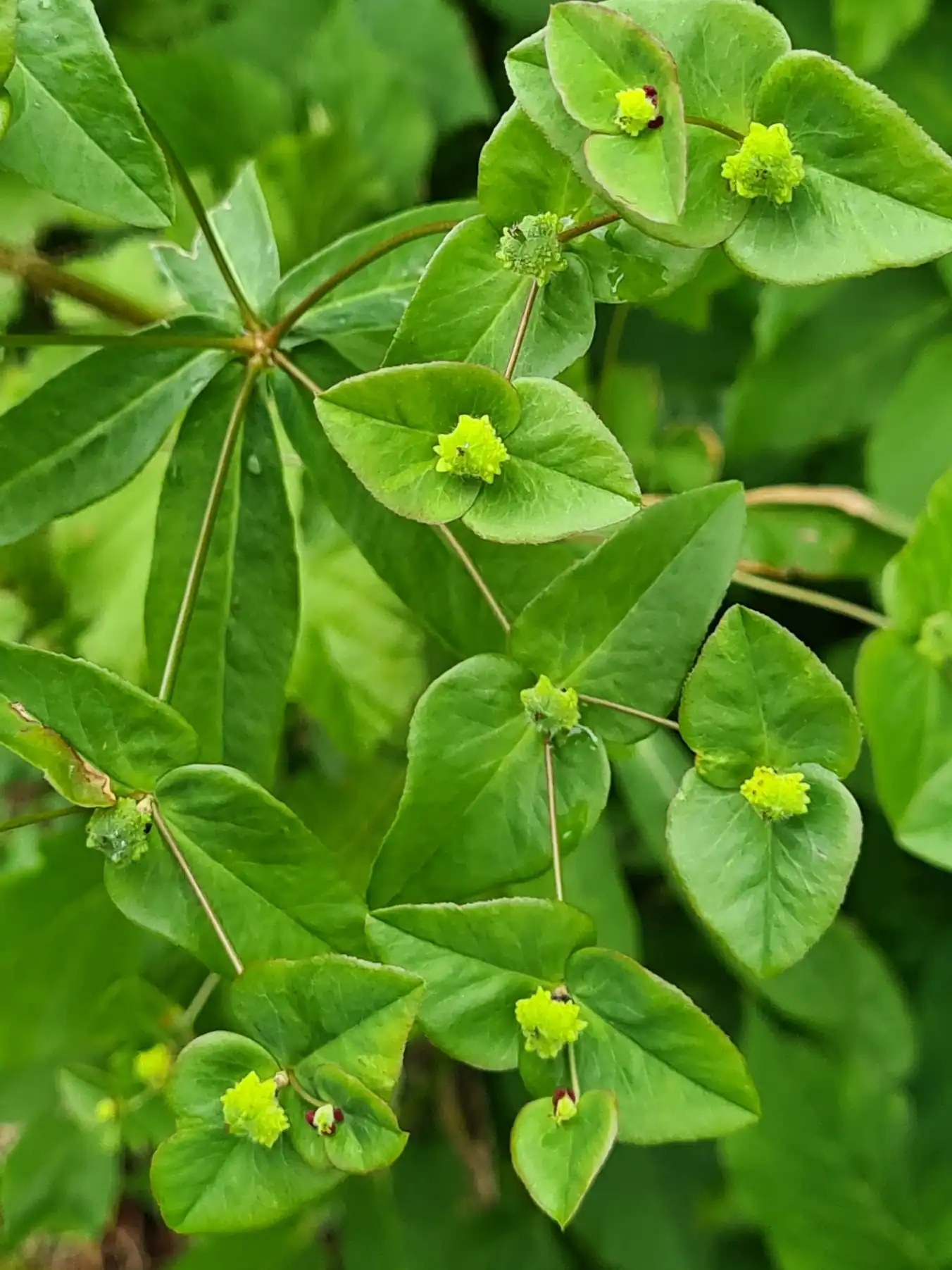
1 named cultivar
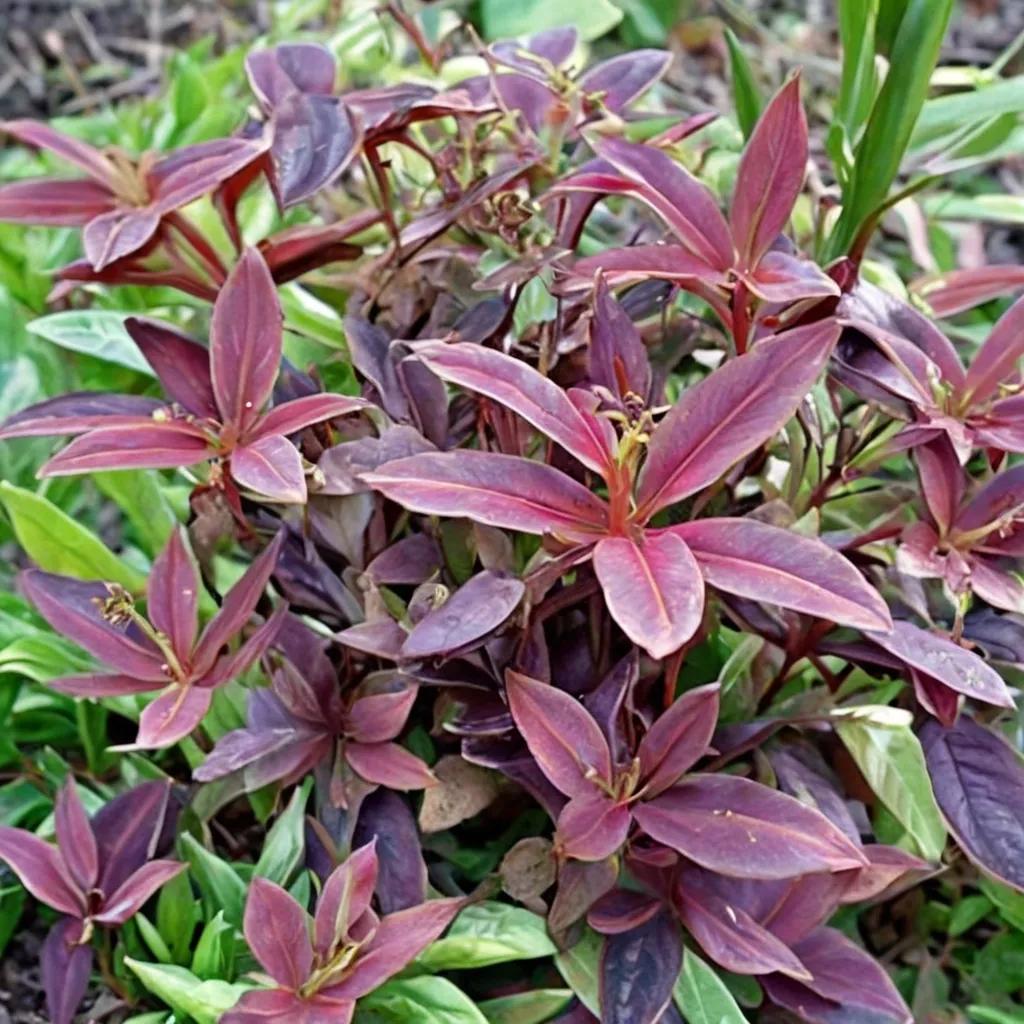
The Story
Plant Bio
Euphorbia dulcis, the sweet spurge, is a bushy rhizomatous perennial from Europe, forming a compact mound twelve to eighteen inches high and as wide. Erect stems carry oblong dark green to bronze-flushed leaves, and heads of yellow bracts tinged with purple open in May and June. The foliage colours well again in autumn.
Unlike most spurges grown here it takes genuine shade and moisture, which makes it a woodland plant rather than a gravel-garden one, and the bronze-leaved forms hold their colour best out of harsh sun. The milky sap is toxic and irritant like the rest of the genus, so gloves are not optional when cutting it.
Uses & Benefits:
Essentials
At a Glance
Plant Type
Perennial
Height
16"
Width
18"
Light
Full Sun, Partial Sun
Zones
4, 5, 6, 7, 8, 9
Water
Low to medium
Humidity
Average
Lifespan
Perennial
Native To
Europe
Toxicity
Sap is toxic and irritant
Planting
How to Grow
- Plant in spring in full sun to part shade.
- Choose humus-rich, dry to medium, well-drained soil.
- Give afternoon shade in hot summer regions.
- Water moderately; established plants tolerate some dryness.
- Cut spent stems out at the base, wearing gloves.
- Remove unwanted self-sown seedlings in spring.
Pro Tip
It self-seeds more than most spurges; pull the seedlings while small, wearing gloves, rather than letting them establish.
Keep It Thriving
Care Guide
Do
- Wear gloves whenever you cut or pull it 🧤
- Give it humus-rich, free-draining soil 🍂
- Site it in light shade in hot regions 🌤️
- Enjoy the autumn foliage colour 🍁
Don't
- Handle the cut stems bare-handed ❌
- Plant it in waterlogged ground ❌
- Let self-sown seedlings establish unnoticed ❌
Seasonal Care Calendar
| Task | Jan | Feb | Mar | Apr | May | Jun | Jul | Aug | Sep | Oct | Nov | Dec |
|---|---|---|---|---|---|---|---|---|---|---|---|---|
| Cut Back | ||||||||||||
| Weed |
Watch Out For
Pests & Diseases
Common Pests
Common Diseases
In the Garden
Landscape Uses & Companions
Landscape Uses
Companion Plants
Multiply
Propagation Methods
Good to Know
Common Questions
Spurge questions
What zones can Spurge grow in?
Spurge is hardy in USDA Zones 4–9. Inside that range it survives winter in the ground; outside it, grow it as an annual or a container plant you protect.
Is Spurge deer resistant?
Yes — Spurge is rated deer-resistant. Deer typically pass it over, though extreme hunger can override any plant's defenses.
When does Spurge bloom?
Spurge typically blooms in late spring to early summer through late summer. Exact timing shifts a week or two with your zone — Sow's bloom calendar maps it to your garden.
Does Spurge need full sun?
Spurge does best in full sun to part shade. In hot climates, afternoon shade keeps blooms fresher longer.
Is Spurge drought tolerant?
Yes — once established (usually after the first full season), Spurge handles dry spells with minimal watering. Water deeply its first year to build the root system that makes that possible.
More Euphorbia to compare
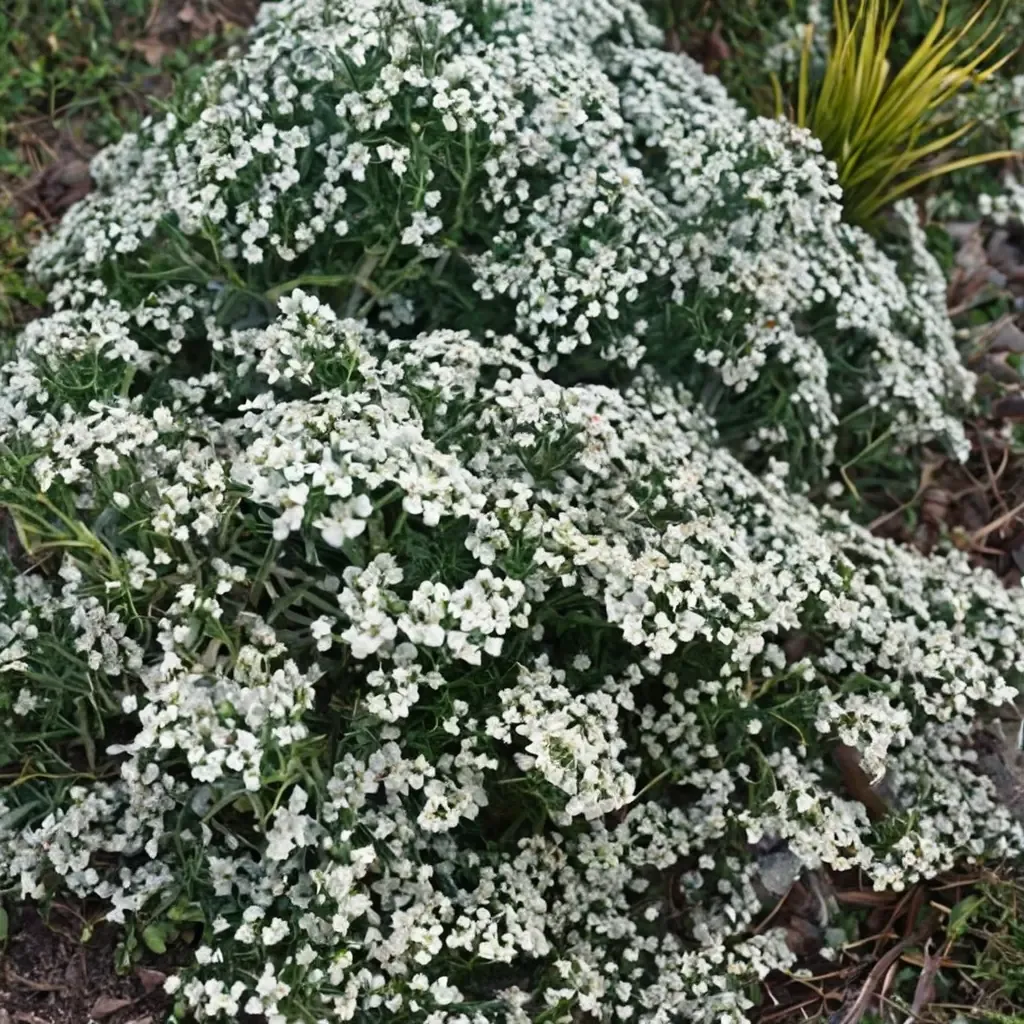
Flowering Spurge
Euphorbia corollata 'Carolina Snow'
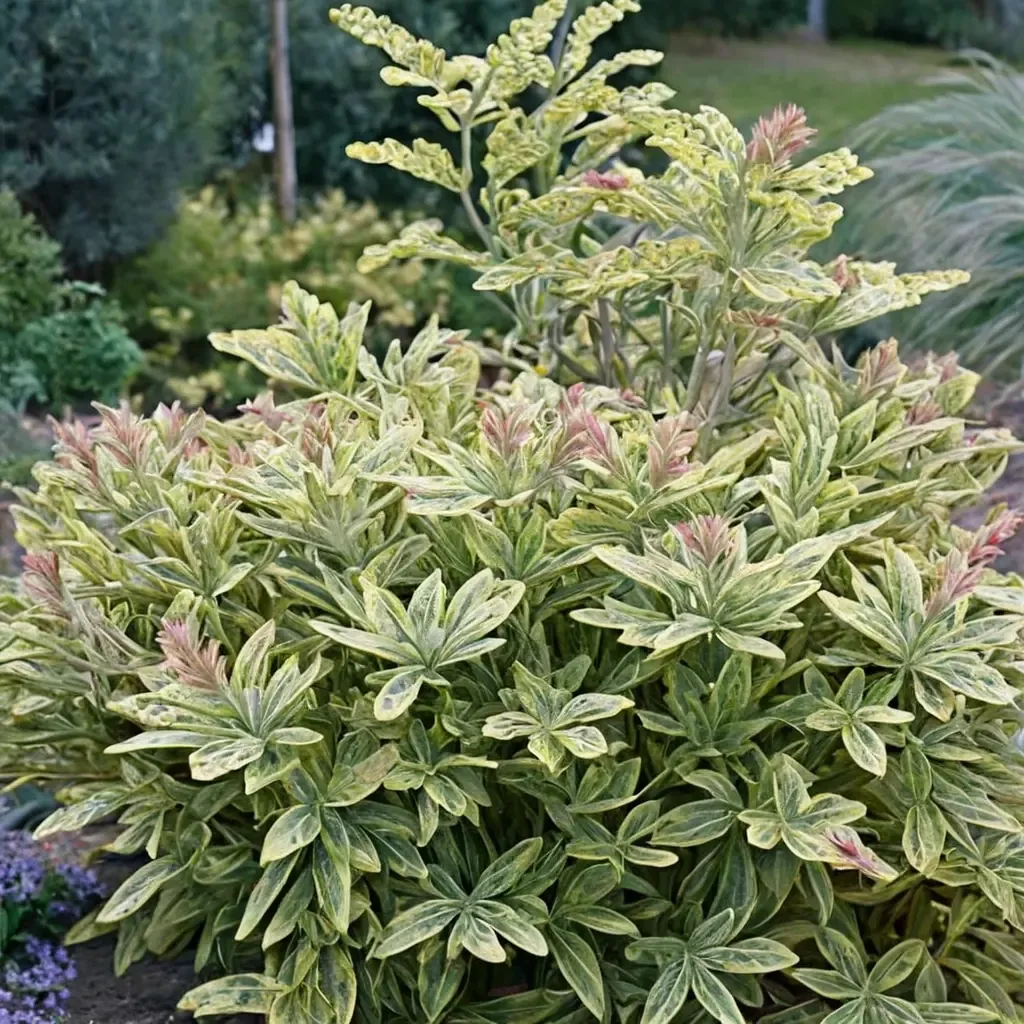
Ascot Rainbow Spurge
Euphorbia x hybrida 'Ascot Rainbow'
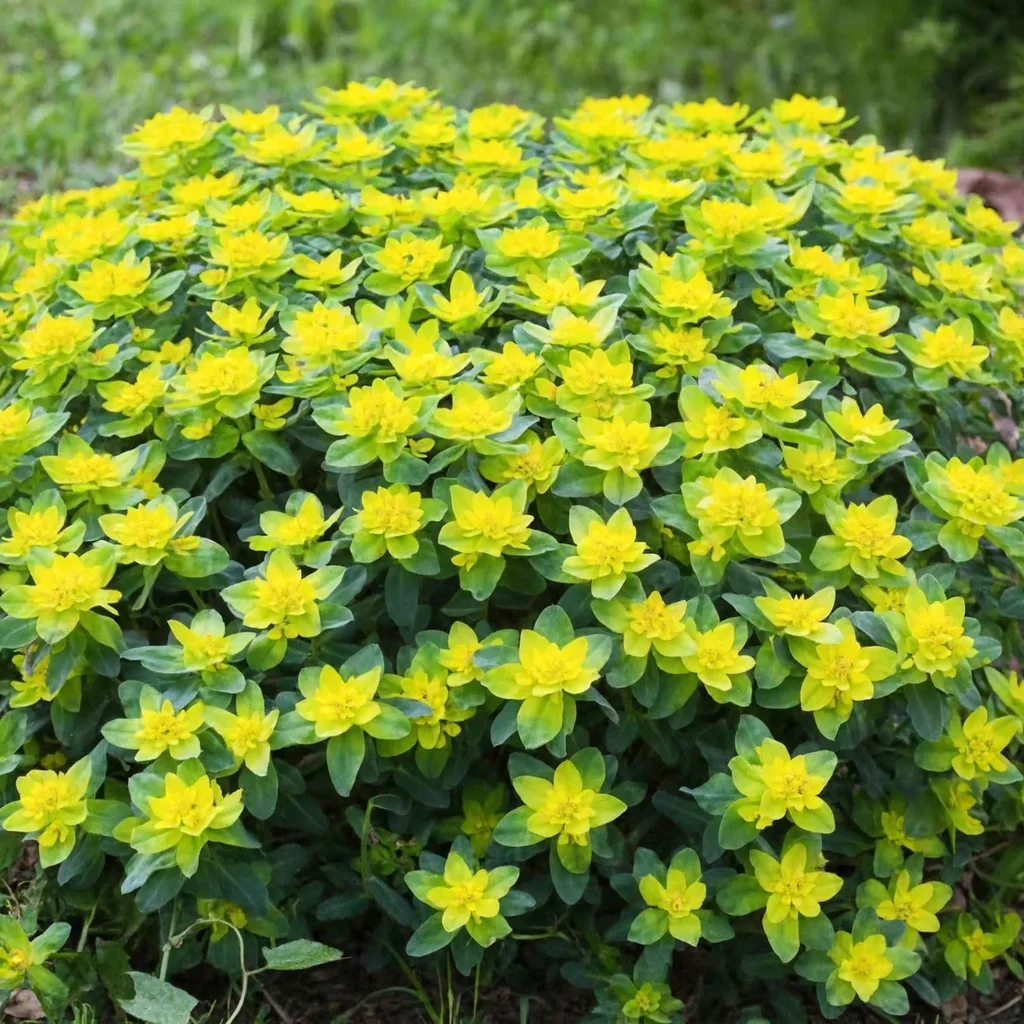
Mediterranean Spurge
Euphorbia polychroma
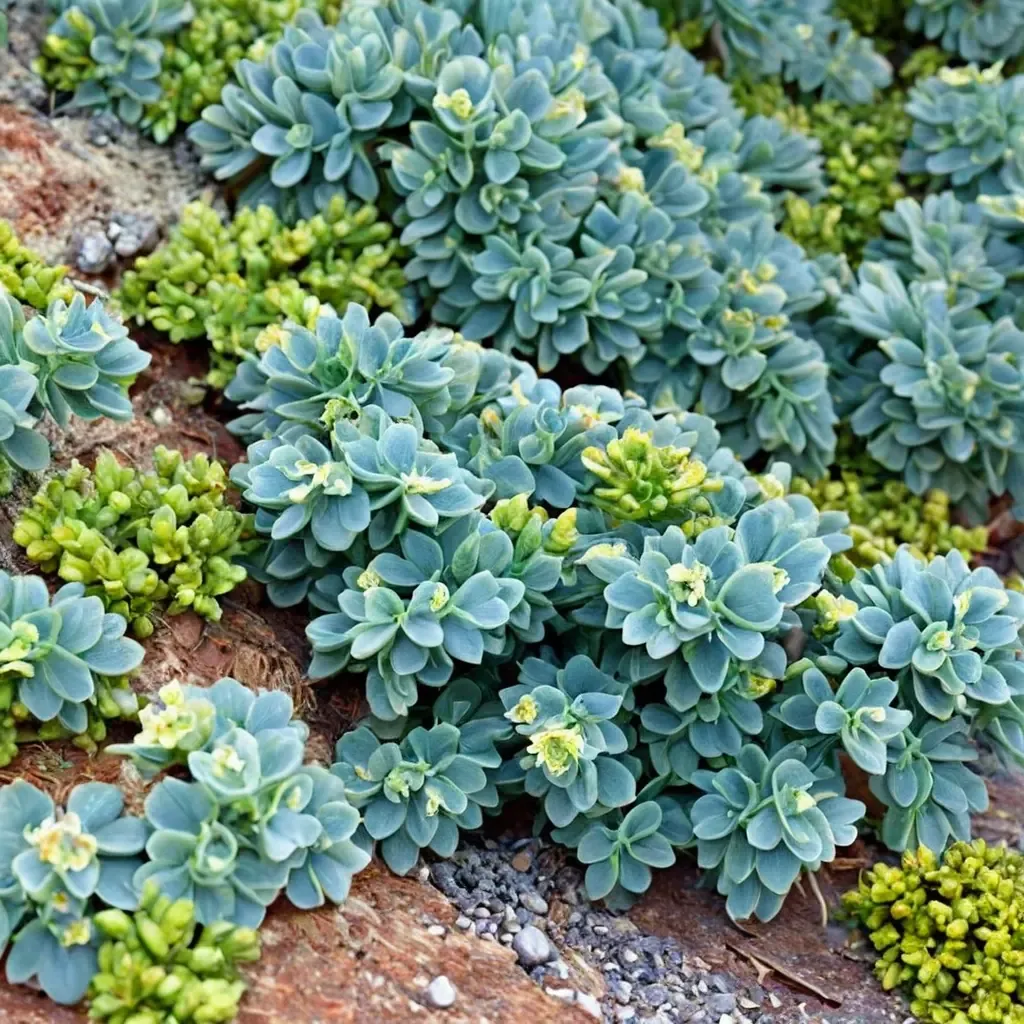
Myrtle Spurge
Euphorbia myrsinites
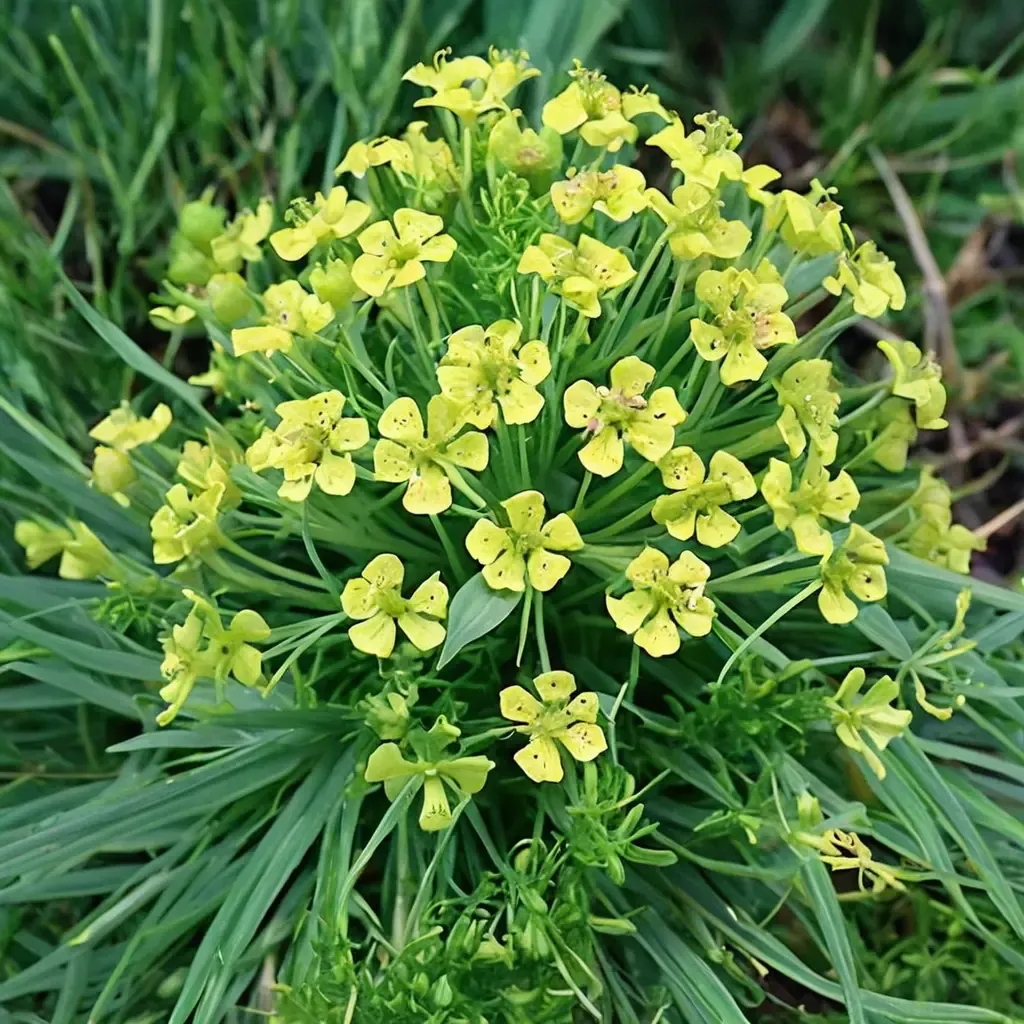
Cypress Spurge
Euphorbia cyparissias
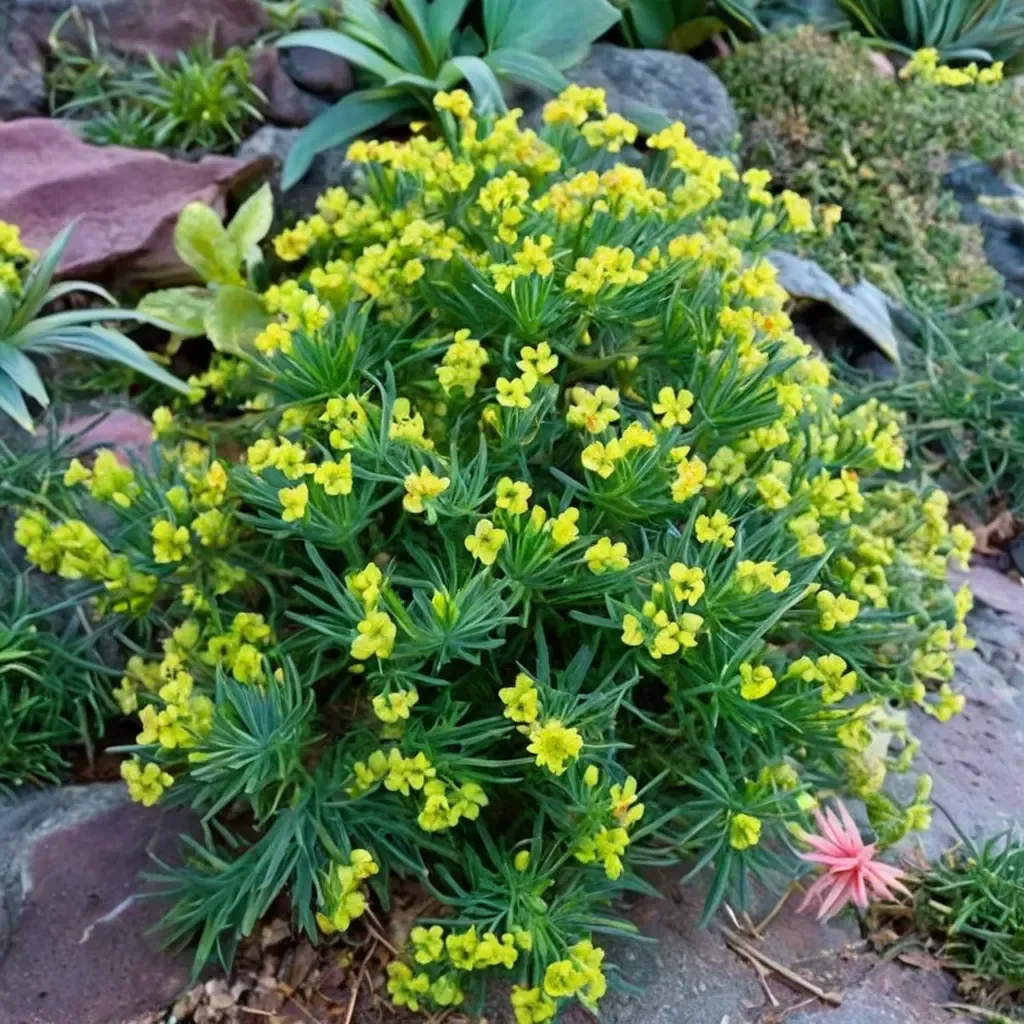
Ruby Spurge
Euphorbia cyparissias 'Fens Ruby'
Keep exploring
Explore the genus
Grow Spurge with confidence
See it in a design of your actual yard, get zone-matched care reminders, and track it season by season in your garden journal.