



The Story
Plant Bio
Taxus × media hybrids combine the ornamental qualities of English yew with the superior winter hardiness of Japanese yew. These evergreen conifers feature dense, needle-like foliage and adapt well to shearing, making them highly valued for structural landscaping.
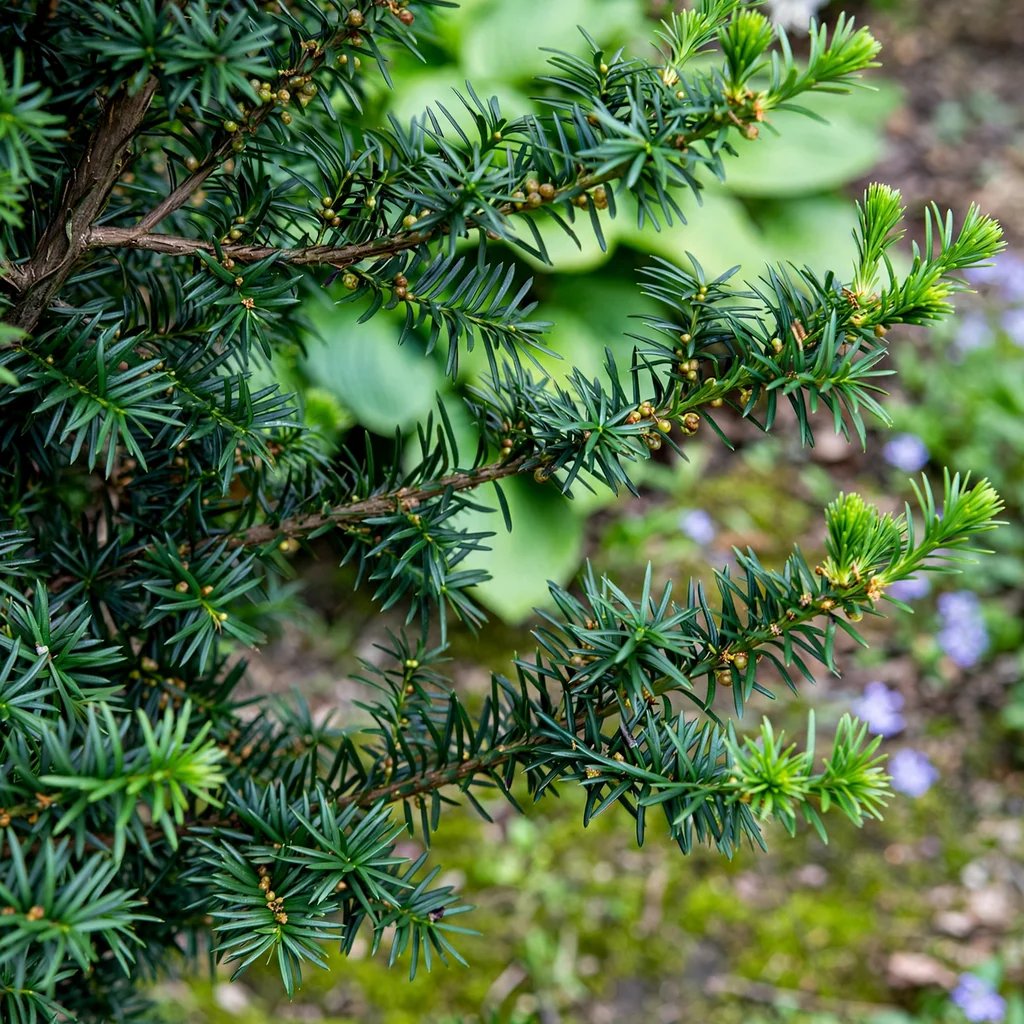
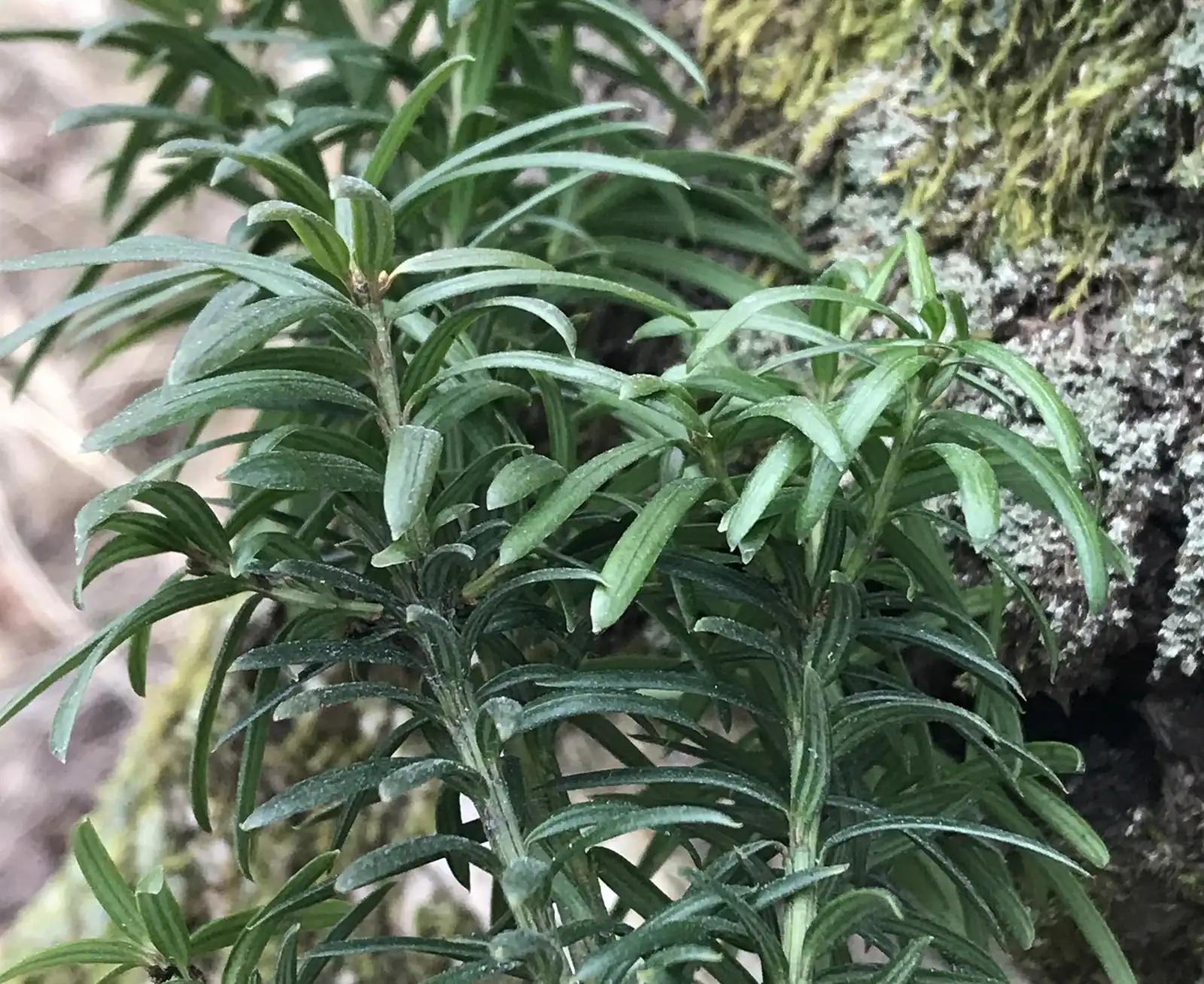
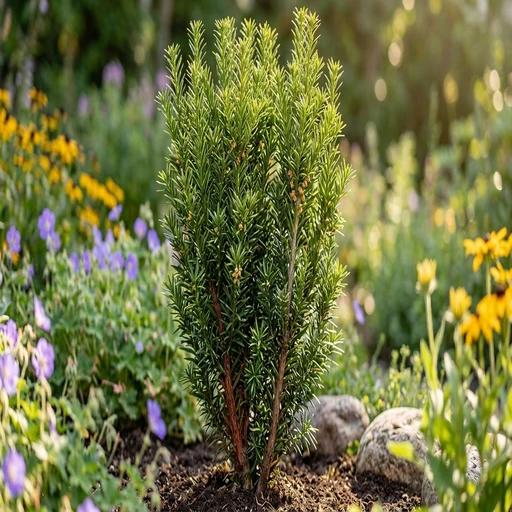
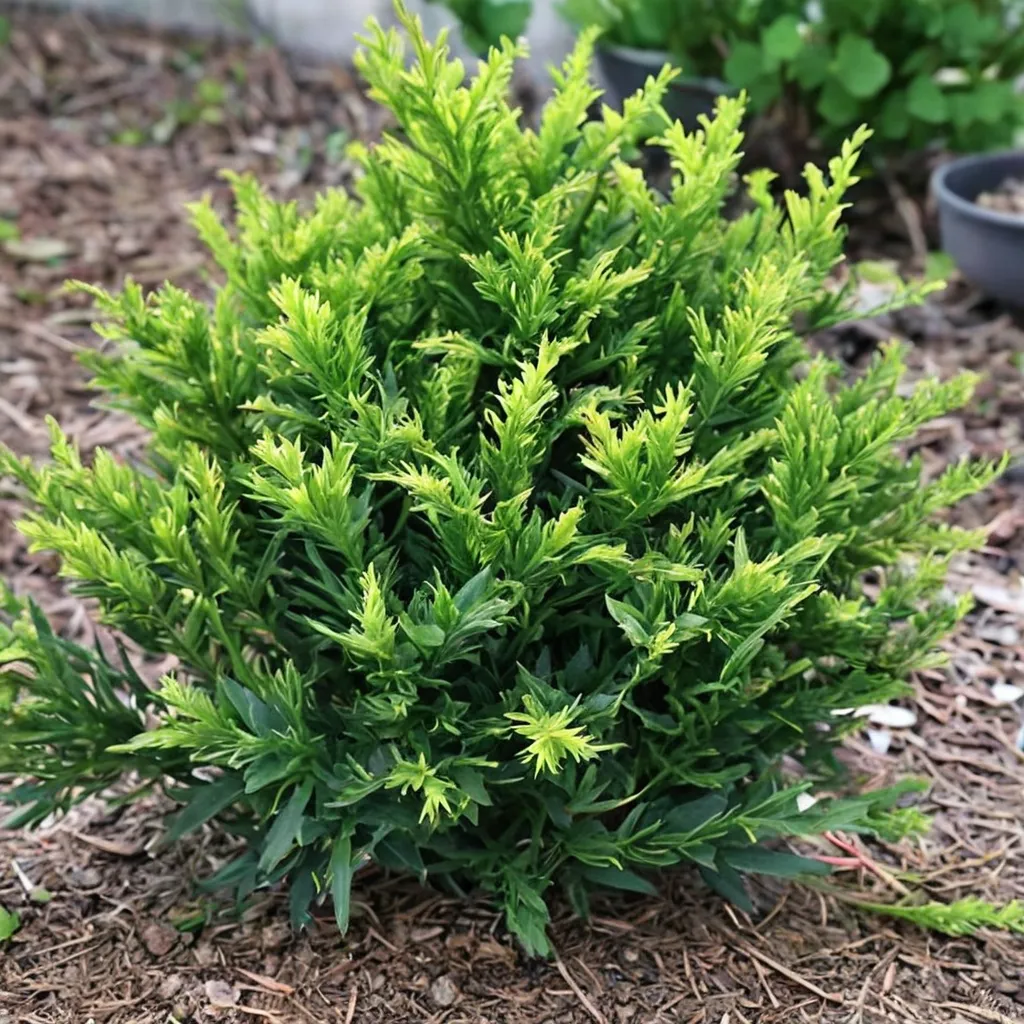
'Hillii' is a strictly male cultivar that grows in a dense, upright, ovoid-columnar form without producing any messy red arils. The dark green needles are accented by bright light green new growth that emerges in spring.
Uses & Benefits:
Essentials
At a Glance
Plant Type
Shrub
Height
197"
Width
157"
Light
Full Sun, Partial Sun, Shade
Zones
5, 6, 7, 8
Water
Low to moderate
Humidity
Moderate
Lifespan
Long
Native To
Hybrid origin
Toxicity
Highly toxic if ingested
Bloom period
Spring
In flower about 3 months of the year
Planting
How to Grow
- Select a site with excellent drainage, avoiding low spots or heavy clay pockets.
- Dig a hole twice as wide as the root ball but no deeper, ensuring the crown sits slightly above the soil line.
- Backfill with native soil mixed with organic matter if needed to improve drainage, and water thoroughly.
- Apply a thin layer of mulch around the base, keeping it clear of the main stems to prevent rot.
Pro Tip
Plant in elevated beds or sloped areas to ensure rapid drainage; standing water or heavy, compacted soil triggers fatal Phytophthora root rot.
Keep It Thriving
Care Guide
Do
- Prune in early spring before new growth emerges to maintain a tight, formal shape.
- Ensure the soil drains completely after heavy rains.
- Protect young plants from extreme hot afternoon sun in dry microclimates.
Don't
- Do not plant in low-lying areas or heavy clay soils where water collects.
- Do not allow livestock, dogs, or cats to browse any part of the toxic foliage.
- Do not overwater once the root system is established.
Seasonal Care Calendar
| Task | Jan | Feb | Mar | Apr | May | Jun | Jul | Aug | Sep | Oct | Nov | Dec |
|---|---|---|---|---|---|---|---|---|---|---|---|---|
| Fertilize | ||||||||||||
| Pest Check | ||||||||||||
| Prune | ||||||||||||
| Winter Prep |
Watch Out For
Pests & Diseases
Common Pests
Common Diseases
In the Garden
Landscape Uses & Companions
Landscape Uses
Companion Plants
Multiply
Propagation Methods
Good to Know
Common Questions
Hill's Yew questions
What zones can Hill's Yew grow in?
Hill's Yew is hardy in USDA Zones 5–8. Inside that range it survives winter in the ground; outside it, grow it as an annual or a container plant you protect.
Is Hill's Yew deer resistant?
Not reliably. Deer may browse Hill's Yew, especially tender spring growth — plan on repellents or fencing where pressure is high.
When does Hill's Yew bloom?
Hill's Yew typically blooms in spring through spring. Exact timing shifts a week or two with your zone — Sow's bloom calendar maps it to your garden.
Does Hill's Yew need full sun?
Hill's Yew does best in full sun to part shade. In hot climates, afternoon shade keeps blooms fresher longer.
Is Hill's Yew drought tolerant?
Yes — once established (usually after the first full season), Hill's Yew handles dry spells with minimal watering. Water deeply its first year to build the root system that makes that possible.
More Taxus to compare
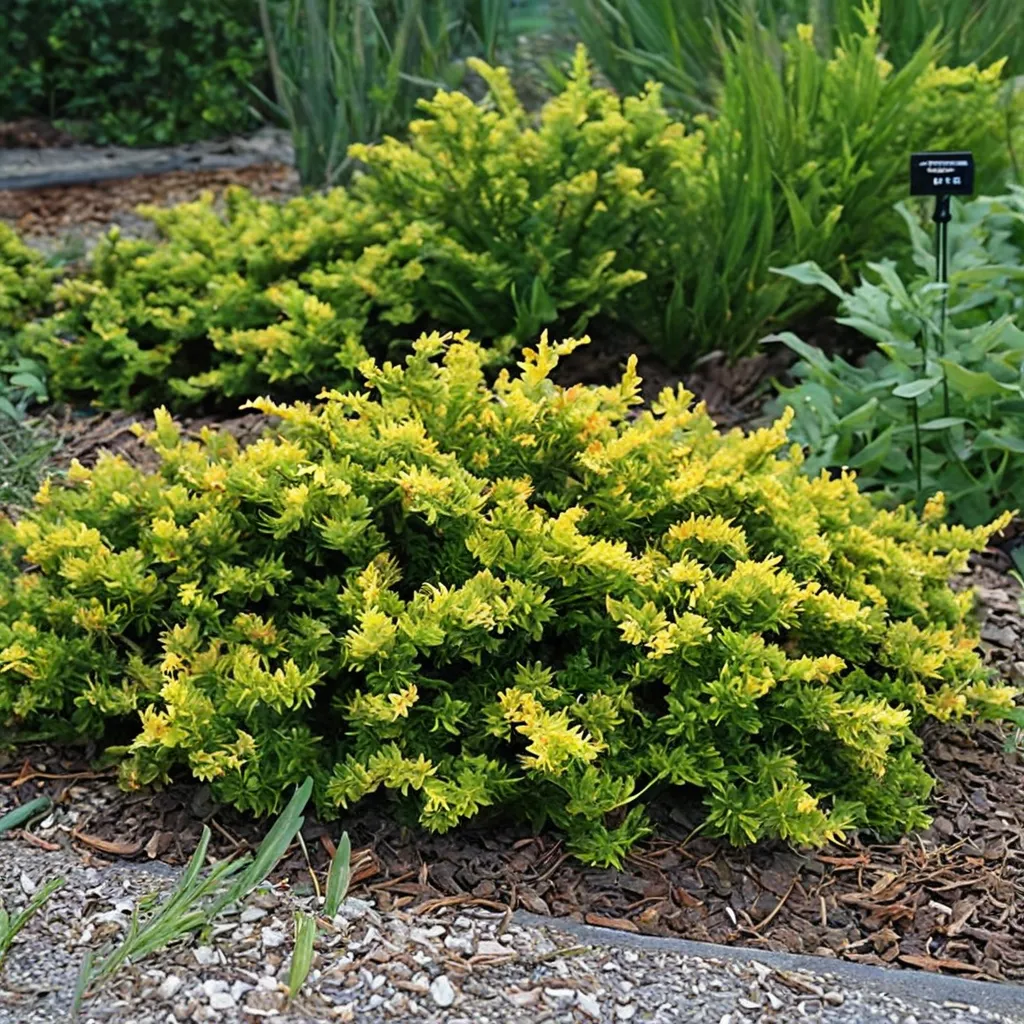
Golden Japanese Yew
Taxus cuspidata 'Aurescens'
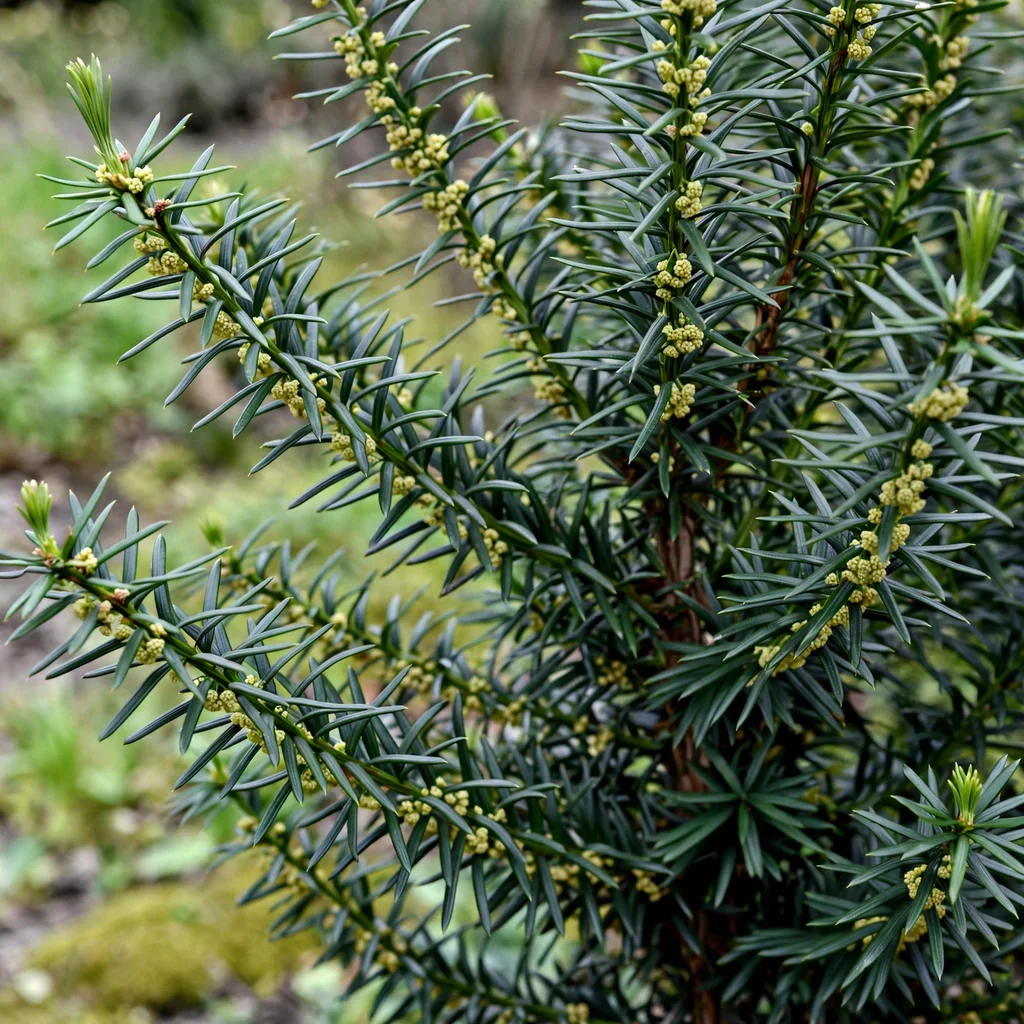
Hicks Yew
Taxus baccata 'Hicksii'
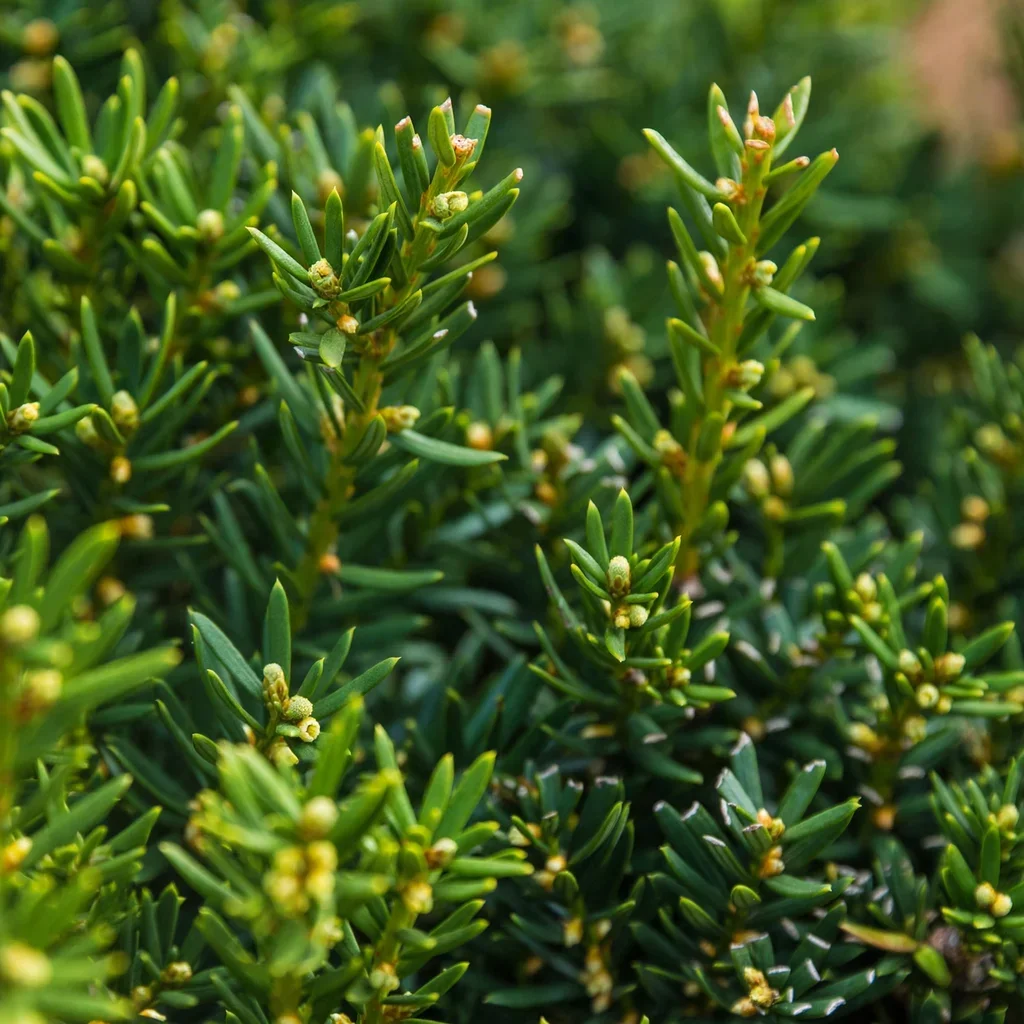
Dark Green Spreader Yew
Taxus baccata 'Dark Green Spreader'
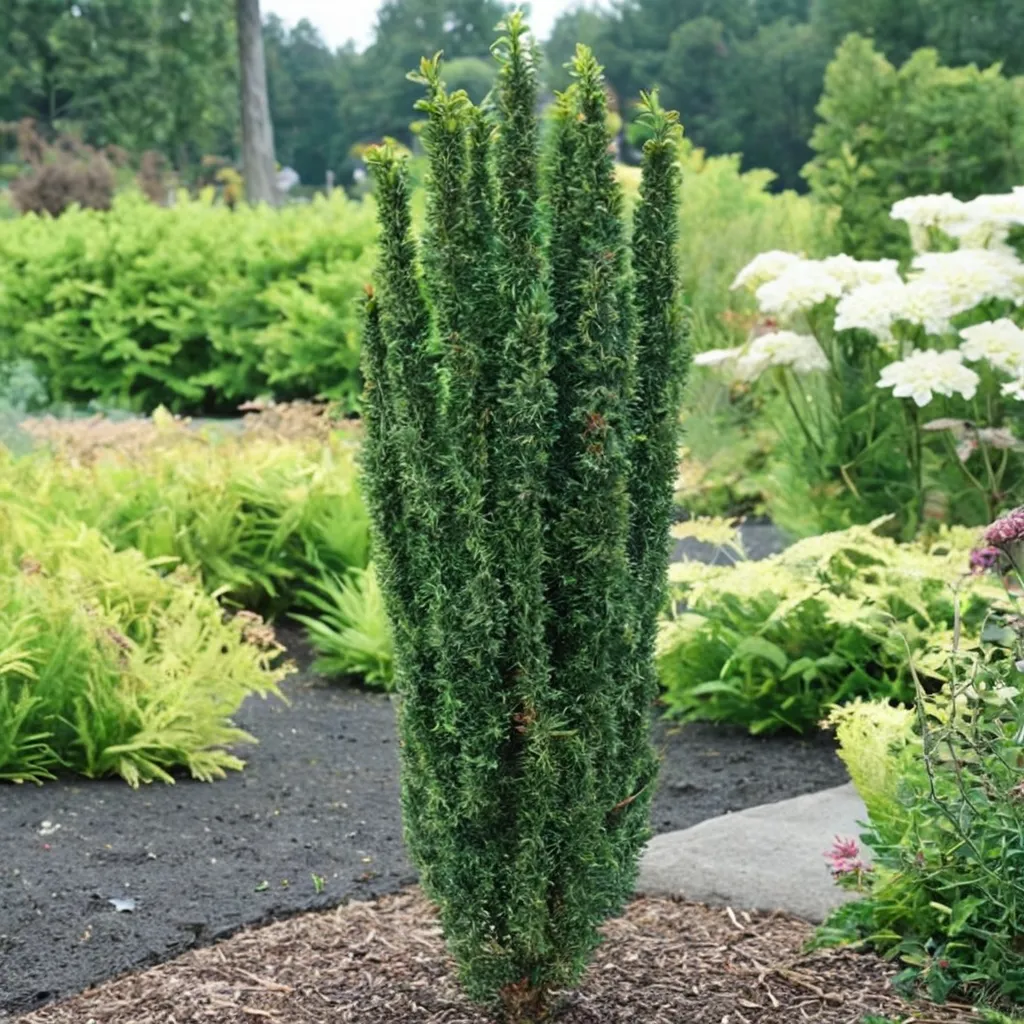
English Yew Skinny
Taxus baccata 'Skinny'
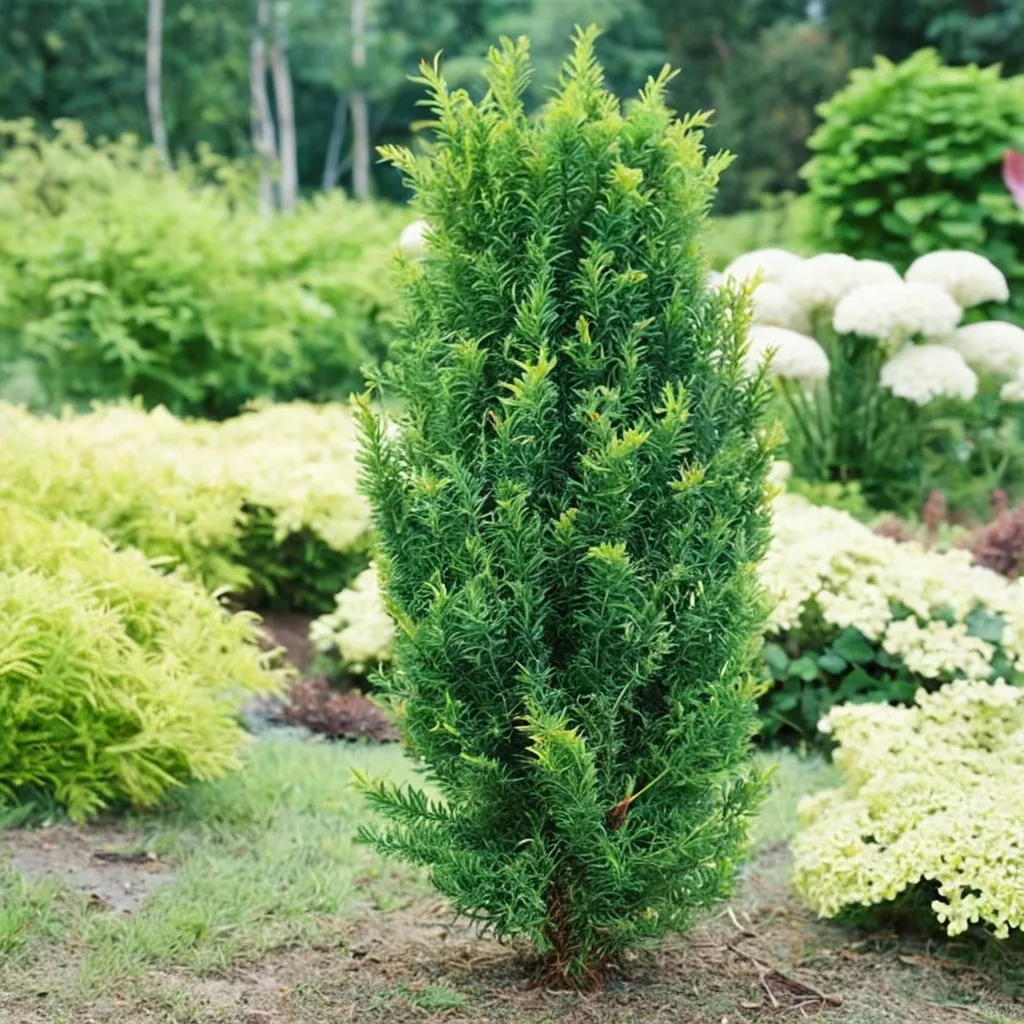
Stonehenge English Yew
Taxus baccata 'Stonehenge'
English Yew 'Dark Druid'
Taxus baccata 'Dark Druid'
Keep exploring
Explore the genus
Hardy in your zone?
Grow Hill's Yew with confidence
See it in a design of your actual yard, get zone-matched care reminders, and track it season by season in your garden journal.