

The Story
Plant Bio
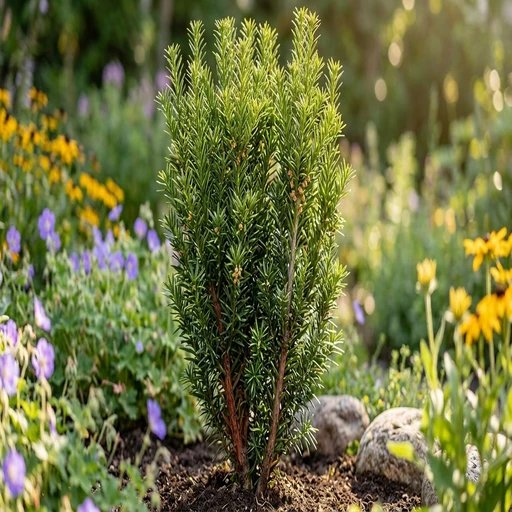
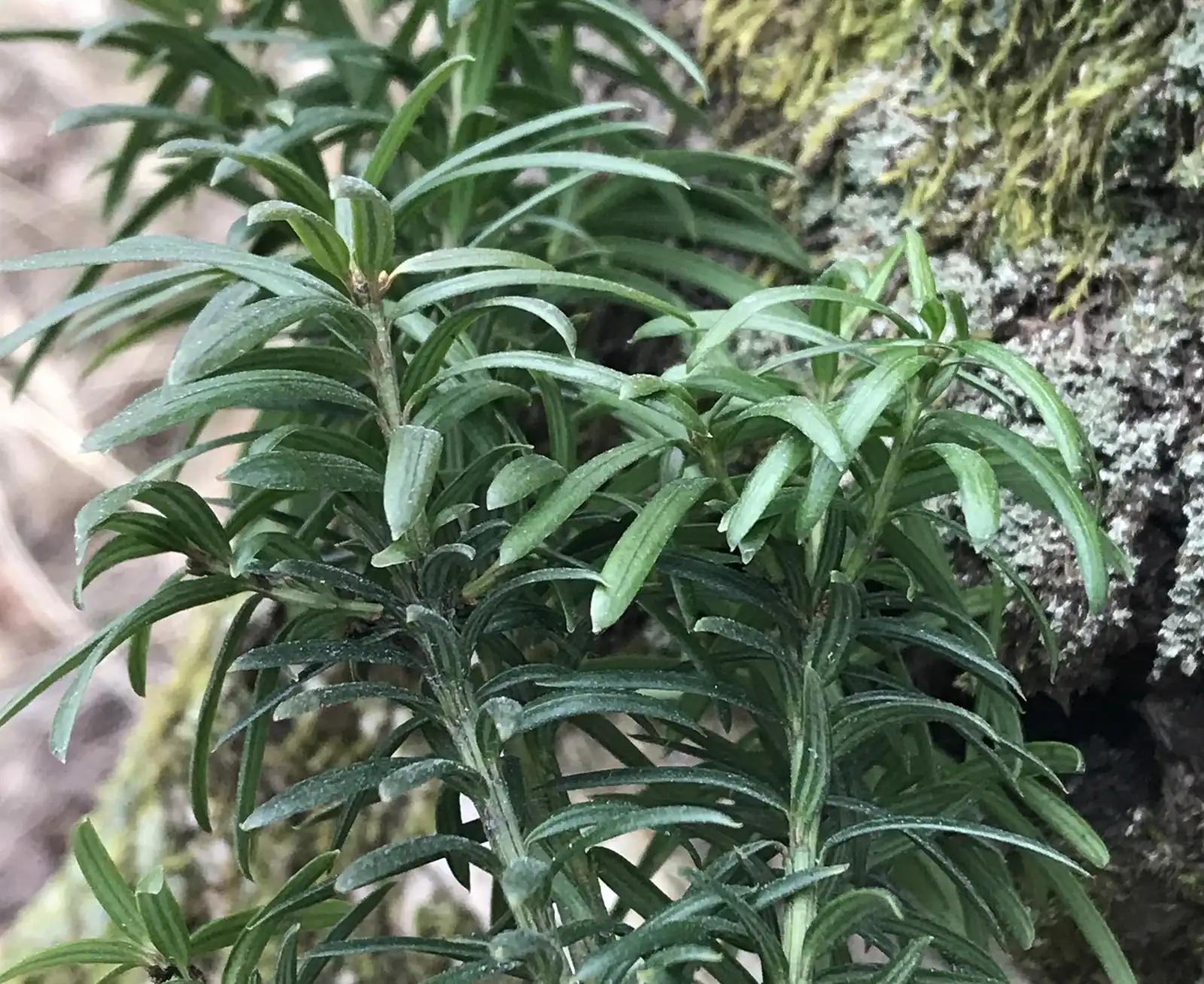
Taxus x media, or Anglo-Japanese Yew, is a hybrid evergreen shrub known for its dense, dark green foliage and tolerance of heavy pruning. It is widely used for hedging and foundation plantings, but all parts except the red aril are highly toxic.
'H.M. Eddie' is a male cultivar selected for its narrow, columnar to fastigiate growth habit, making it an excellent choice for vertical accents or narrow hedges where space is limited. As a male clone, it does not produce the toxic red berries.
Uses & Benefits:
Essentials
At a Glance
Plant Type
Shrub
Height
120"
Width
48"
Light
Full Sun, Partial Sun, Shade
Zones
4, 5, 6, 7
Water
Medium
Humidity
Adaptable
Lifespan
Very long-lived
Native To
Hybrid Origin
Toxicity
All parts are highly toxic if ingested, except for the fleshy red aril surrounding the seed
Bloom period
Early spring
In flower about 1 month of the year
Planting
How to Grow
- Select a site with well-drained soil; sun or shade is acceptable.
- Dig a hole twice as wide and just as deep as the root ball.
- Amend heavy soils with organic matter to improve drainage.
- Set the plant so the top of the root ball is slightly above the surrounding soil.
- Backfill the hole, gently firming the soil.
- Water thoroughly and apply a layer of mulch, keeping it from the trunk.
Pro Tip
The key to success with yews is excellent drainage. Amend heavy clay soils with compost and plant the root ball slightly high to prevent root rot.
Keep It Thriving
Care Guide
Do
- Water regularly during the first year to establish a deep root system.
- Prune annually to maintain its narrow, dense form.
- Protect from heavy snow loads which can splay the branches.
- Monitor for scale insects and black vine weevils.
Don't
- Do not plant in waterlogged or poorly drained soil; this is fatal.
- Avoid planting where deer are a significant problem, as they may browse it.
- Do not allow the plant to dry out completely, especially in its first few years.
- Never ingest any part of the plant.
Seasonal Care Calendar
| Task | Jan | Feb | Mar | Apr | May | Jun | Jul | Aug | Sep | Oct | Nov | Dec |
|---|---|---|---|---|---|---|---|---|---|---|---|---|
| Fertilize | ||||||||||||
| Plant | ||||||||||||
| Prune |
Watch Out For
Pests & Diseases
Common Pests
Common Diseases
In the Garden
Landscape Uses & Companions
Landscape Uses
Multiply
Propagation Methods
Good to Know
Common Questions
H.M. Eddie Yew questions
What zones can H.M. Eddie Yew grow in?
H.M. Eddie Yew is hardy in USDA Zones 4–7. Inside that range it survives winter in the ground; outside it, grow it as an annual or a container plant you protect.
Is H.M. Eddie Yew deer resistant?
Not reliably. Deer may browse H.M. Eddie Yew, especially tender spring growth — plan on repellents or fencing where pressure is high.
When does H.M. Eddie Yew bloom?
H.M. Eddie Yew typically blooms in early spring through early spring. Exact timing shifts a week or two with your zone — Sow's bloom calendar maps it to your garden.
Does H.M. Eddie Yew need full sun?
H.M. Eddie Yew does best in full sun to part shade. In hot climates, afternoon shade keeps blooms fresher longer.
More Taxus to compare
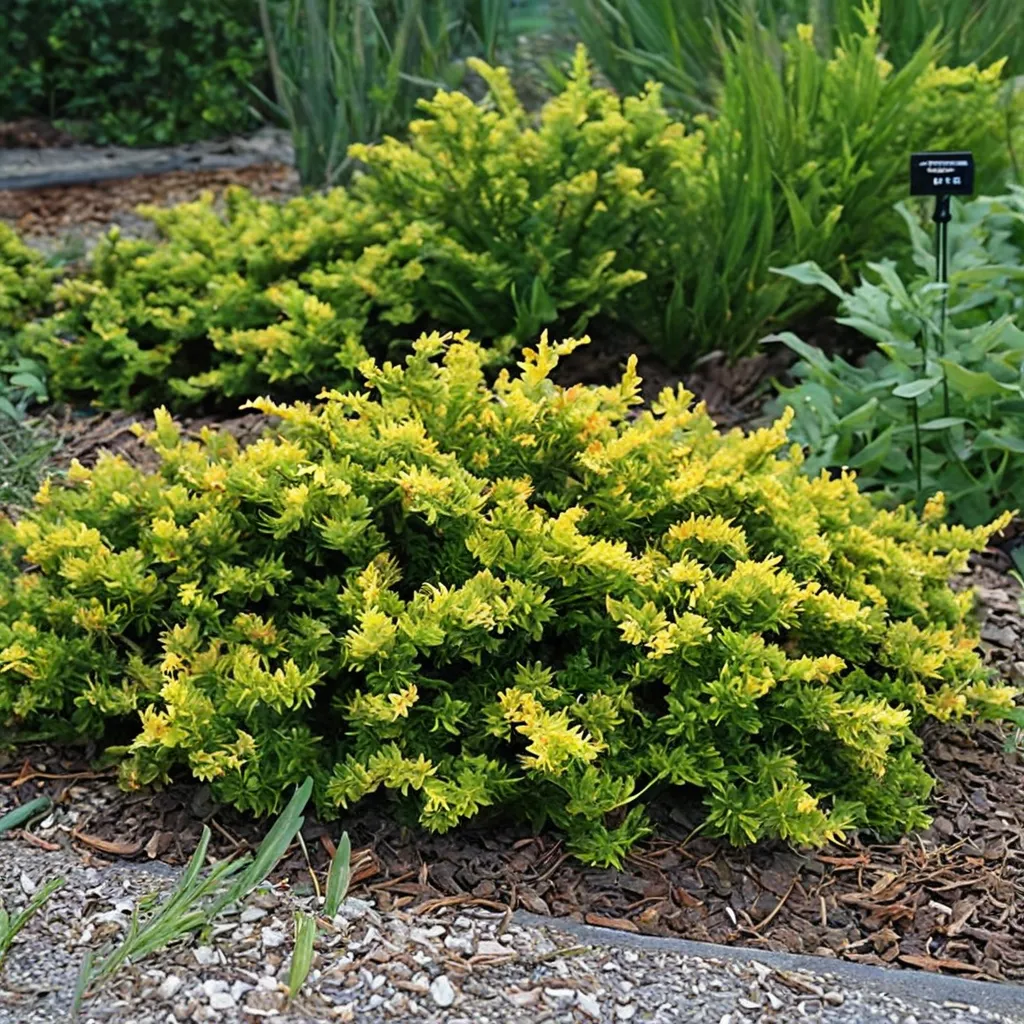
Golden Japanese Yew
Taxus cuspidata 'Aurescens'
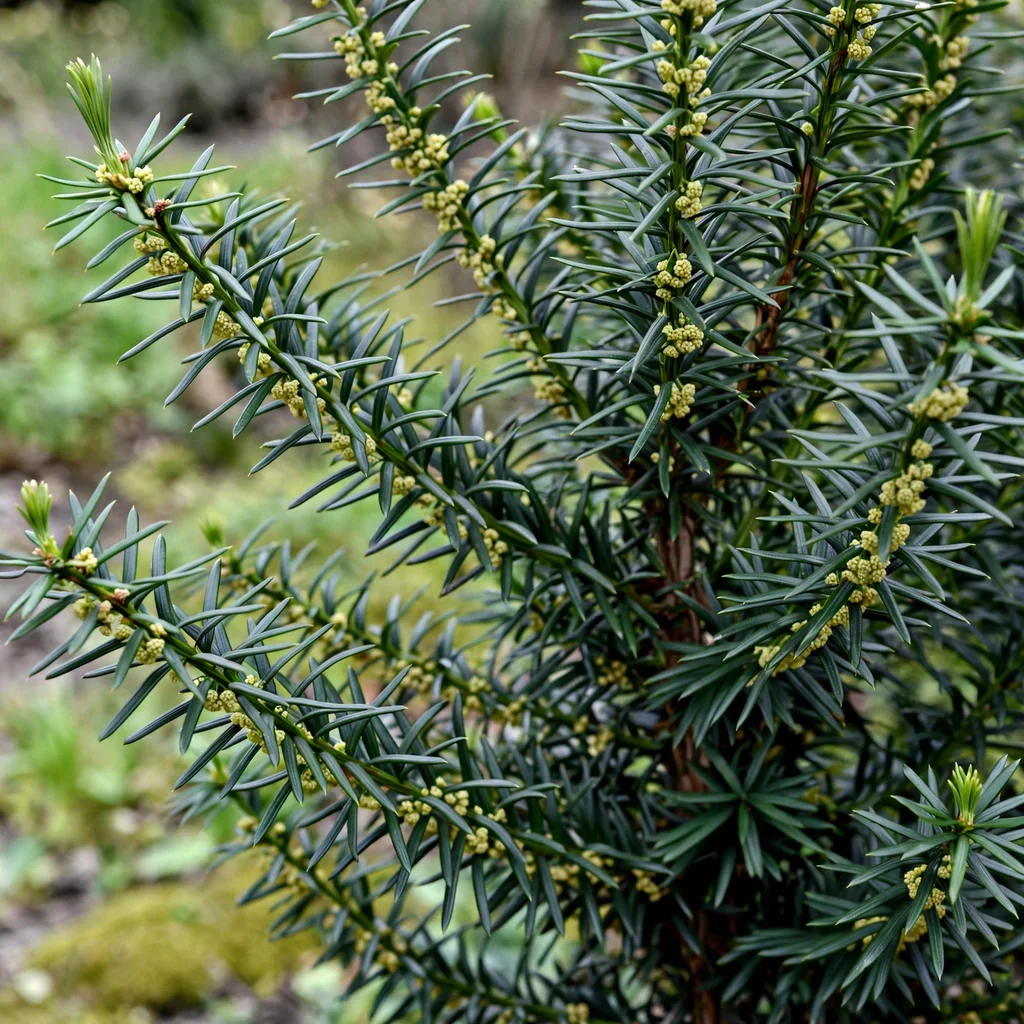
Hicks Yew
Taxus baccata 'Hicksii'
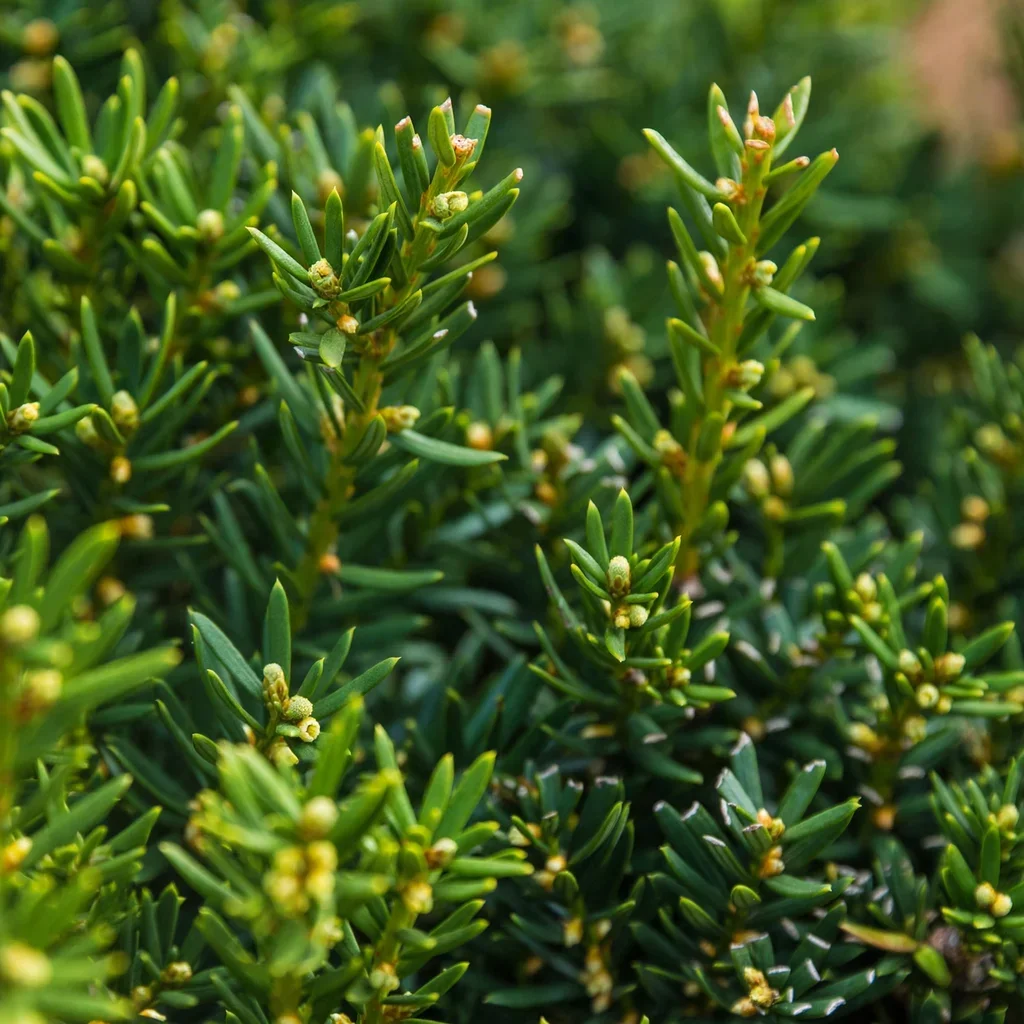
Dark Green Spreader Yew
Taxus baccata 'Dark Green Spreader'
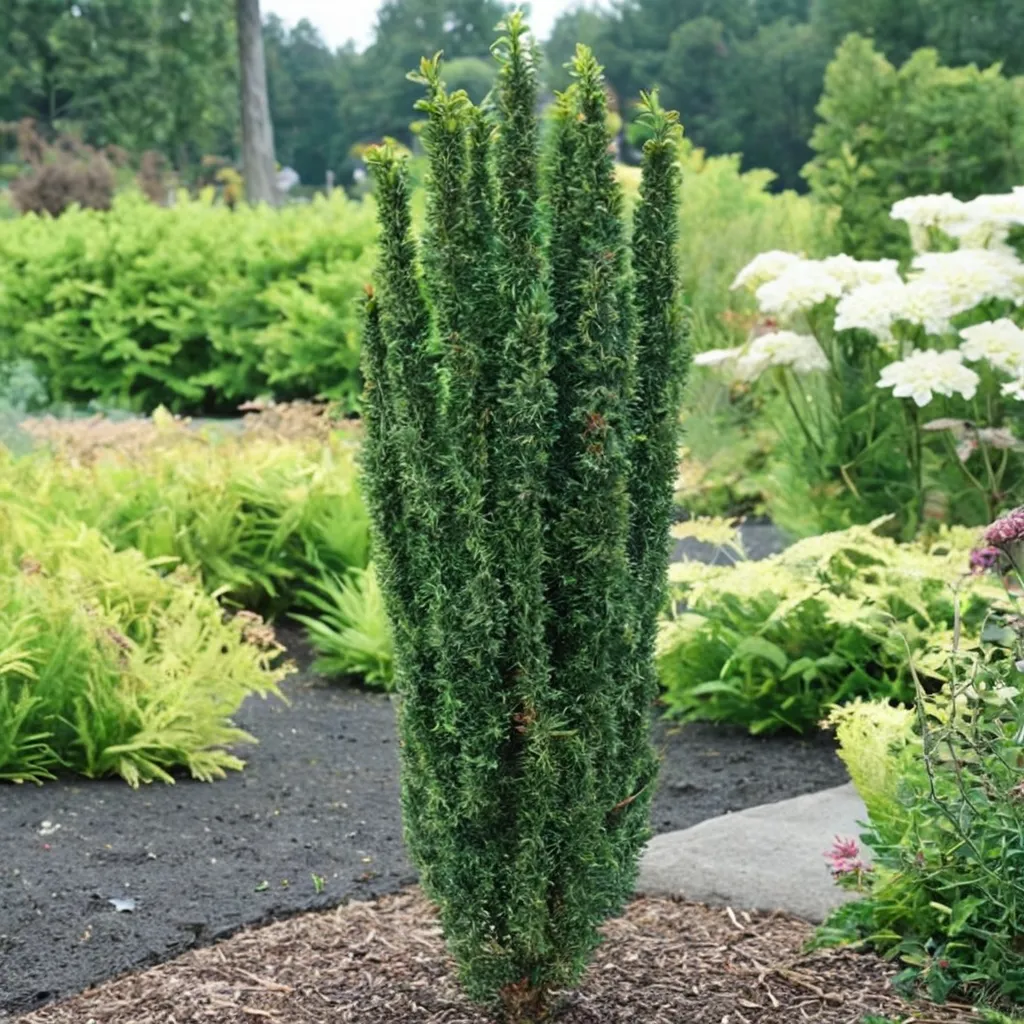
English Yew Skinny
Taxus baccata 'Skinny'
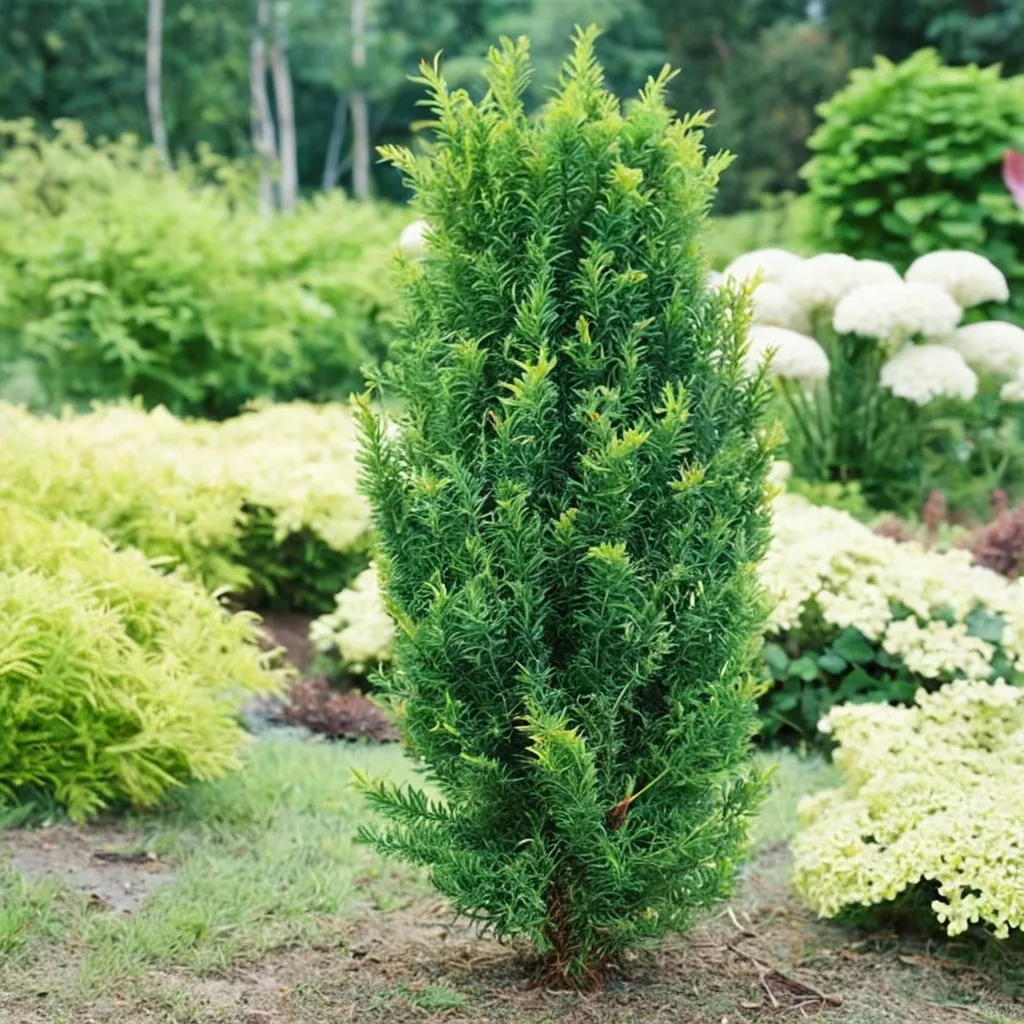
Stonehenge English Yew
Taxus baccata 'Stonehenge'
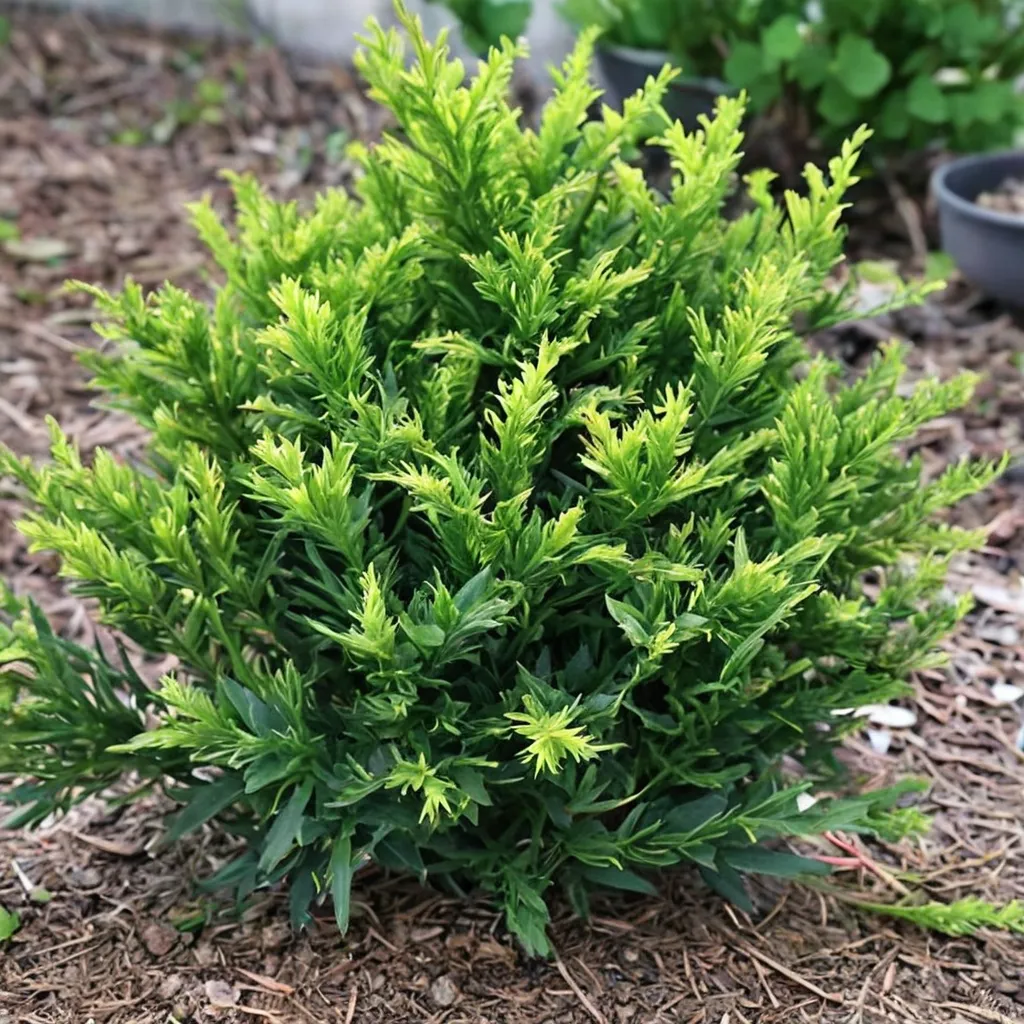
English Yew 'Dark Druid'
Taxus baccata 'Dark Druid'
Keep exploring
Explore the genus
Hardy in your zone?
Grow H.M. Eddie Yew with confidence
See it in a design of your actual yard, get zone-matched care reminders, and track it season by season in your garden journal.