




The Story
Plant Bio
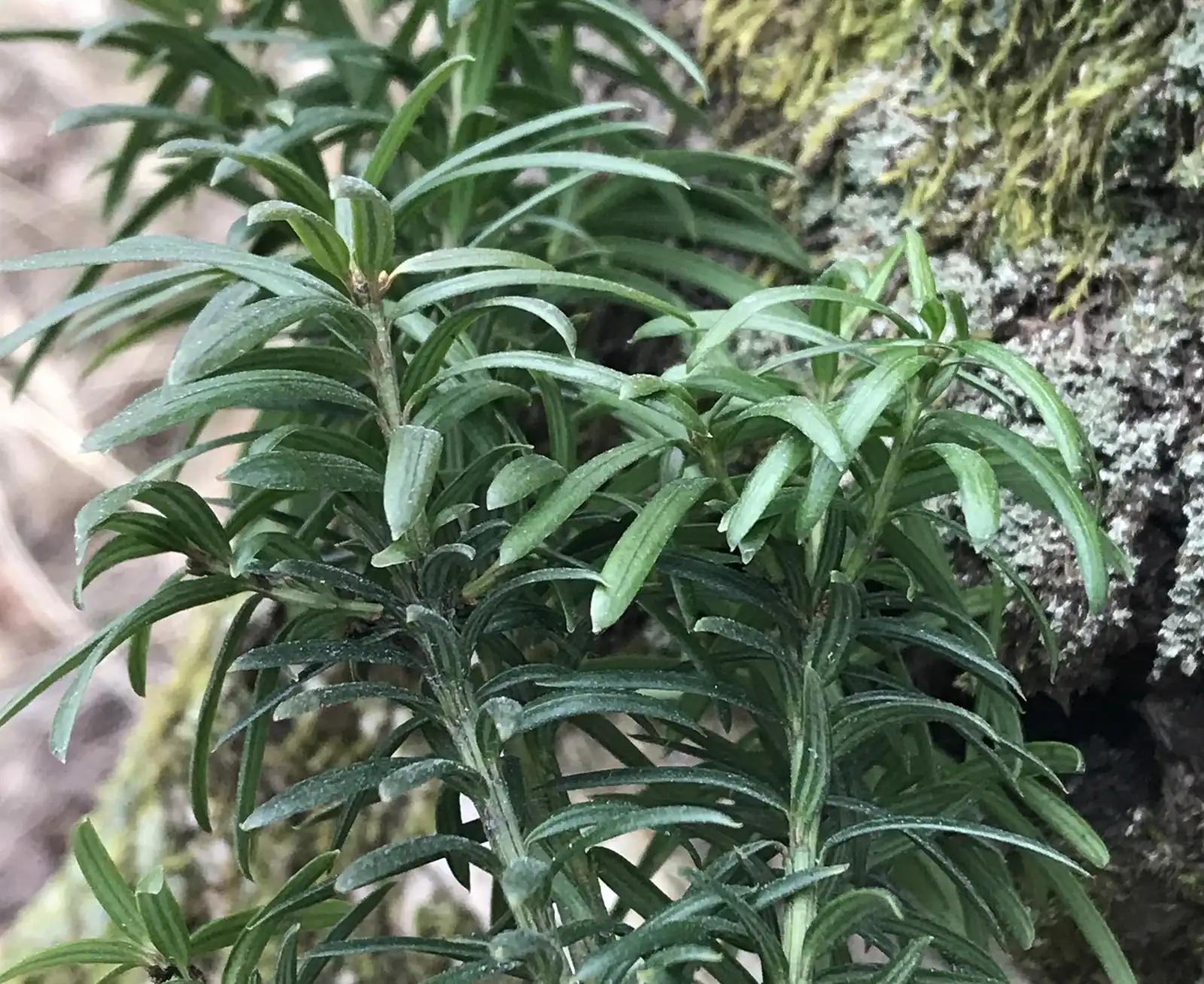
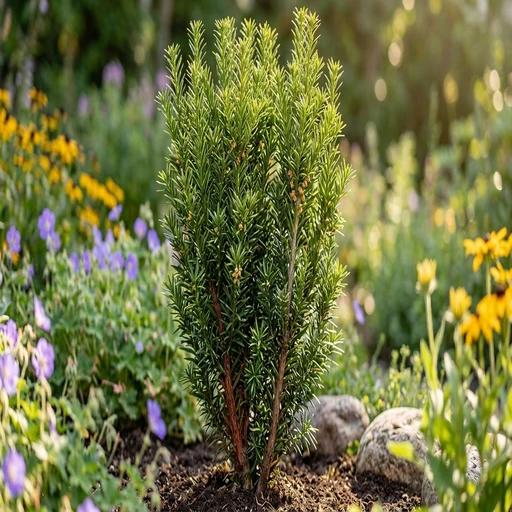
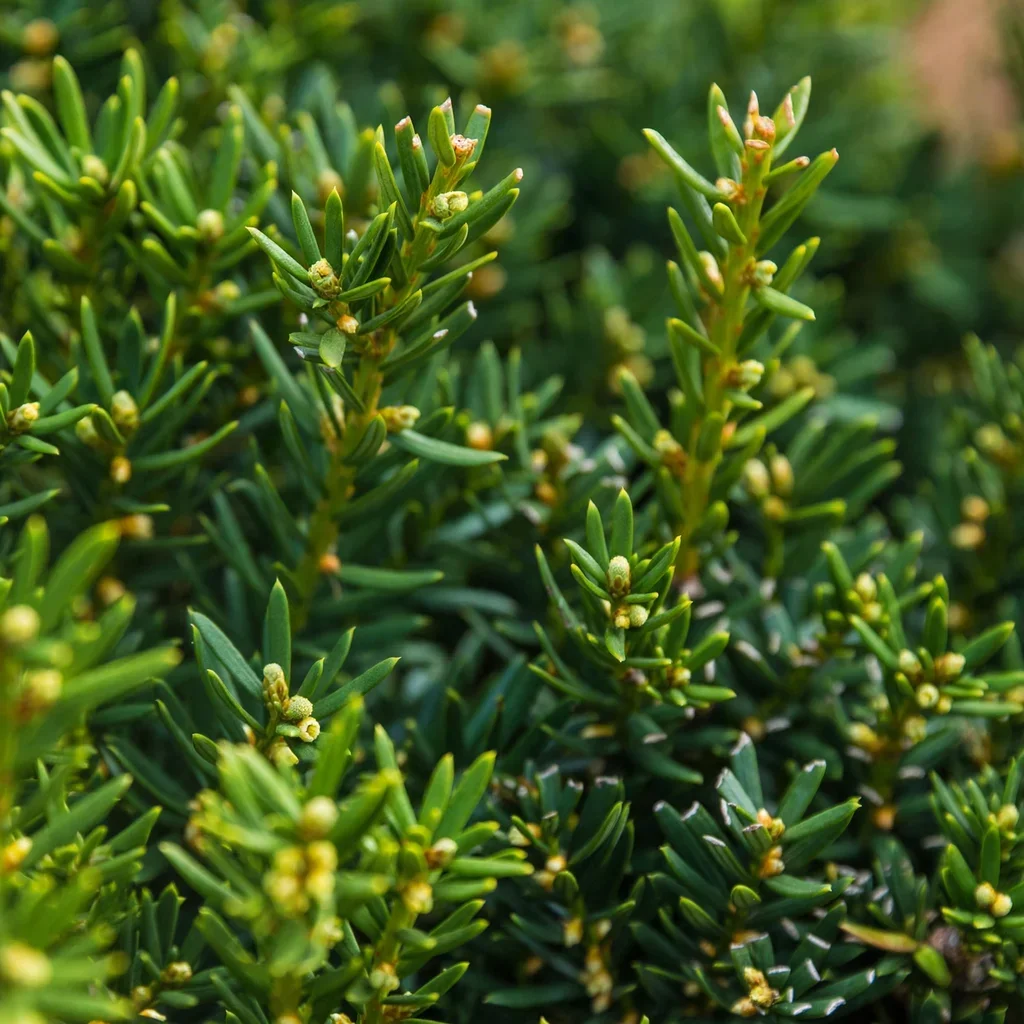
Taxus x media, or Anglo-Japanese Yew, is a hybrid group of dense, evergreen conifers known for their dark green needles, tolerance of heavy pruning, and shade adaptability.
'Wardii' is a classic, slow-growing, low, and wide-spreading cultivar. It has a somewhat flat-topped appearance and maintains its rich, dark green color throughout the winter.
Uses & Benefits:
Essentials
At a Glance
Plant Type
Shrub
Height
48"
Width
84"
Light
Full Sun, Partial Sun, Shade
Zones
4, 5, 6, 7
Water
Moderate
Humidity
Adaptable
Lifespan
Very long-lived
Native To
Hybrid
Toxicity
Highly toxic if ingested (all parts except aril flesh)
Bloom period
Early spring
In flower about 1 month of the year
Planting
How to Grow
- Select a site with well-drained soil; amend heavy clay if necessary.
- Dig a hole twice as wide as the root ball but no deeper.
- Tease out any circling roots before placing in the hole.
- Ensure the top of the root ball is level with or slightly above the soil.
- Backfill the hole with the original soil.
- Water well after planting, but do not keep the soil saturated.
Pro Tip
Excellent drainage is the absolute key to success with yews; they will not tolerate 'wet feet'.
Keep It Thriving
Care Guide
Do
- Provide excellent drainage.
- Prune or shear to maintain desired size and shape.
- Plant in sun or shade; it's highly adaptable to light conditions.
- Protect from deer, which find them highly palatable.
Don't
- Do not plant in waterlogged or poorly drained soil.
- Avoid letting the soil dry out completely during establishment.
- Don't plant where deer are a significant problem without protection.
- Be aware of its toxicity; do not plant where children or livestock might graze.
Seasonal Care Calendar
| Task | Jan | Feb | Mar | Apr | May | Jun | Jul | Aug | Sep | Oct | Nov | Dec |
|---|---|---|---|---|---|---|---|---|---|---|---|---|
| Fertilize | ||||||||||||
| Pest Check | ||||||||||||
| Plant | ||||||||||||
| Prune |
Watch Out For
Pests & Diseases
Common Pests
Common Diseases
In the Garden
Landscape Uses & Companions
Landscape Uses
Multiply
Propagation Methods
Good to Know
Common Questions
Ward's Yew questions
What zones can Ward's Yew grow in?
Ward's Yew is hardy in USDA Zones 4–7. Inside that range it survives winter in the ground; outside it, grow it as an annual or a container plant you protect.
Is Ward's Yew deer resistant?
Not reliably. Deer may browse Ward's Yew, especially tender spring growth — plan on repellents or fencing where pressure is high.
When does Ward's Yew bloom?
Ward's Yew typically blooms in early spring through early spring. Exact timing shifts a week or two with your zone — Sow's bloom calendar maps it to your garden.
Does Ward's Yew need full sun?
Ward's Yew does best in full sun to part shade. In hot climates, afternoon shade keeps blooms fresher longer.
Is Ward's Yew drought tolerant?
Yes — once established (usually after the first full season), Ward's Yew handles dry spells with minimal watering. Water deeply its first year to build the root system that makes that possible.
More Taxus to compare
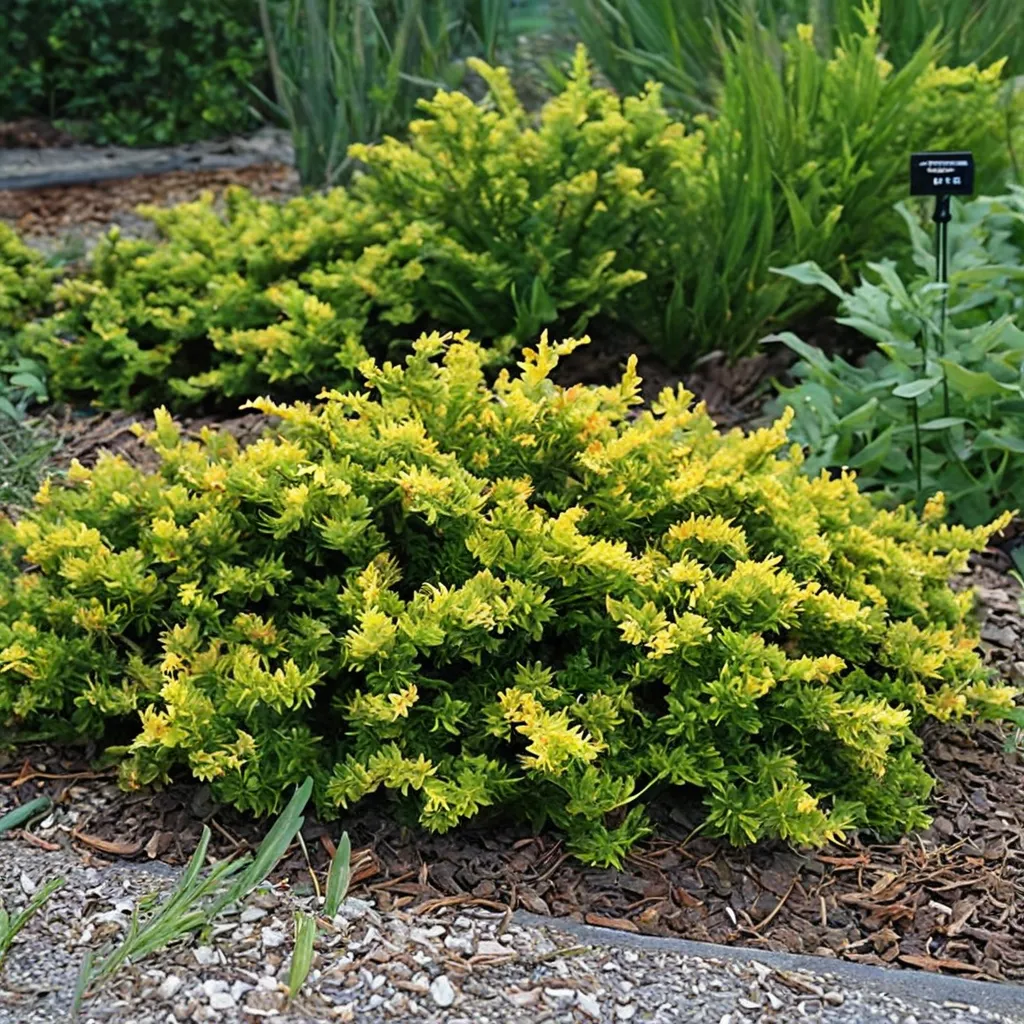
Golden Japanese Yew
Taxus cuspidata 'Aurescens'
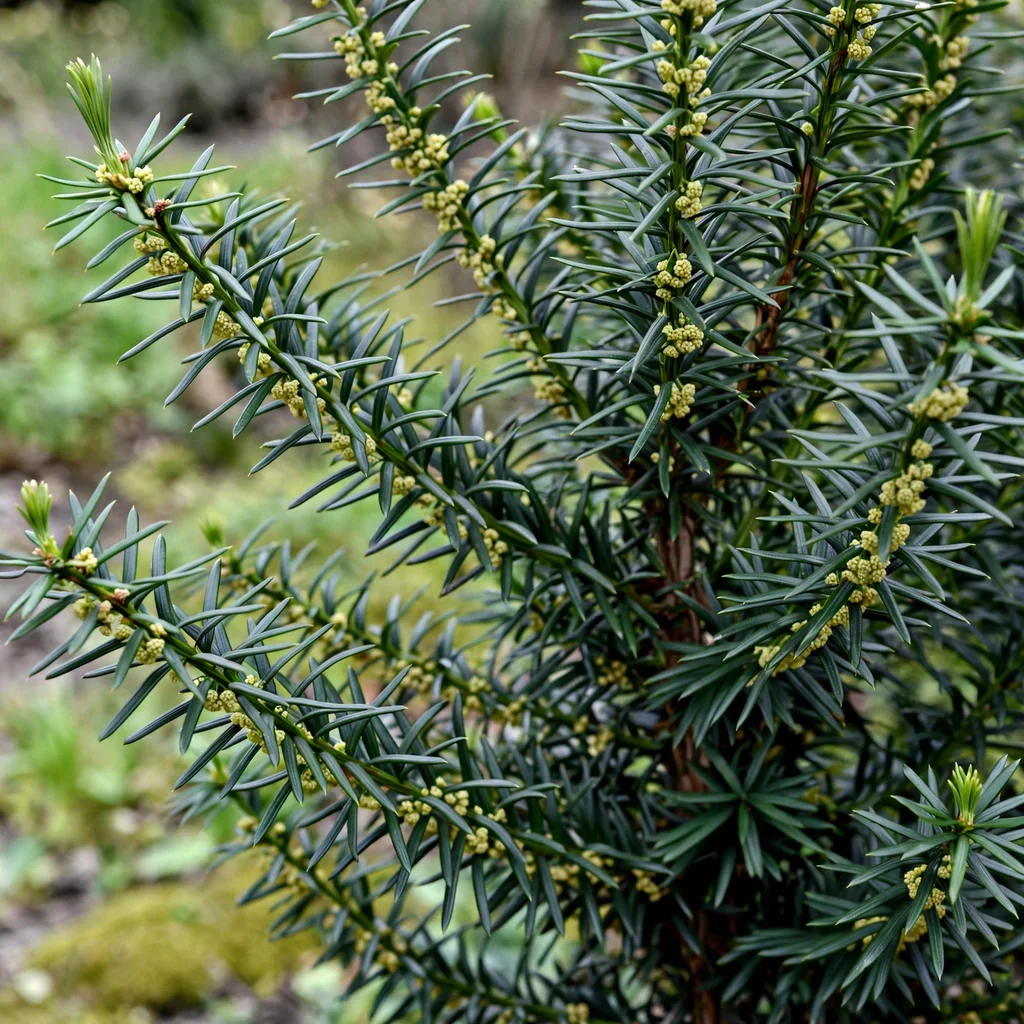
Hicks Yew
Taxus baccata 'Hicksii'
Dark Green Spreader Yew
Taxus baccata 'Dark Green Spreader'
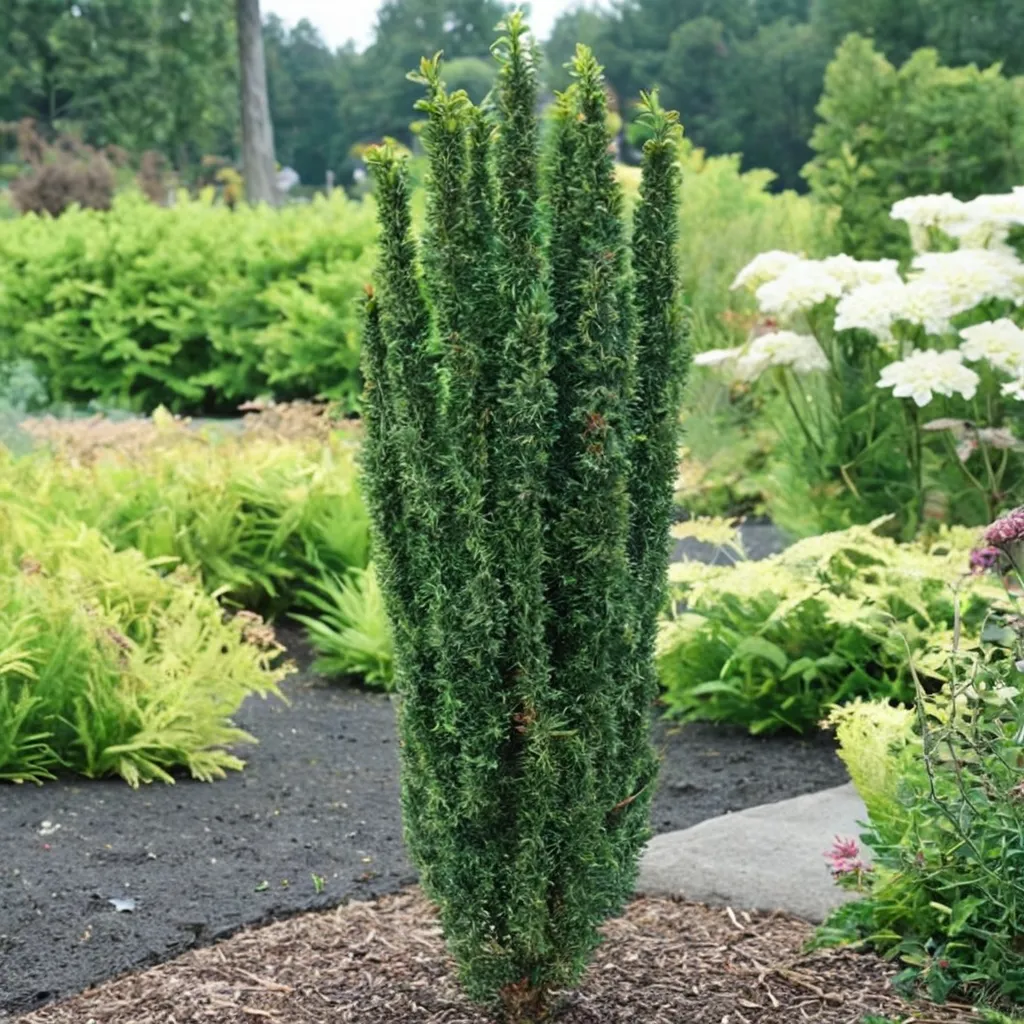
English Yew Skinny
Taxus baccata 'Skinny'
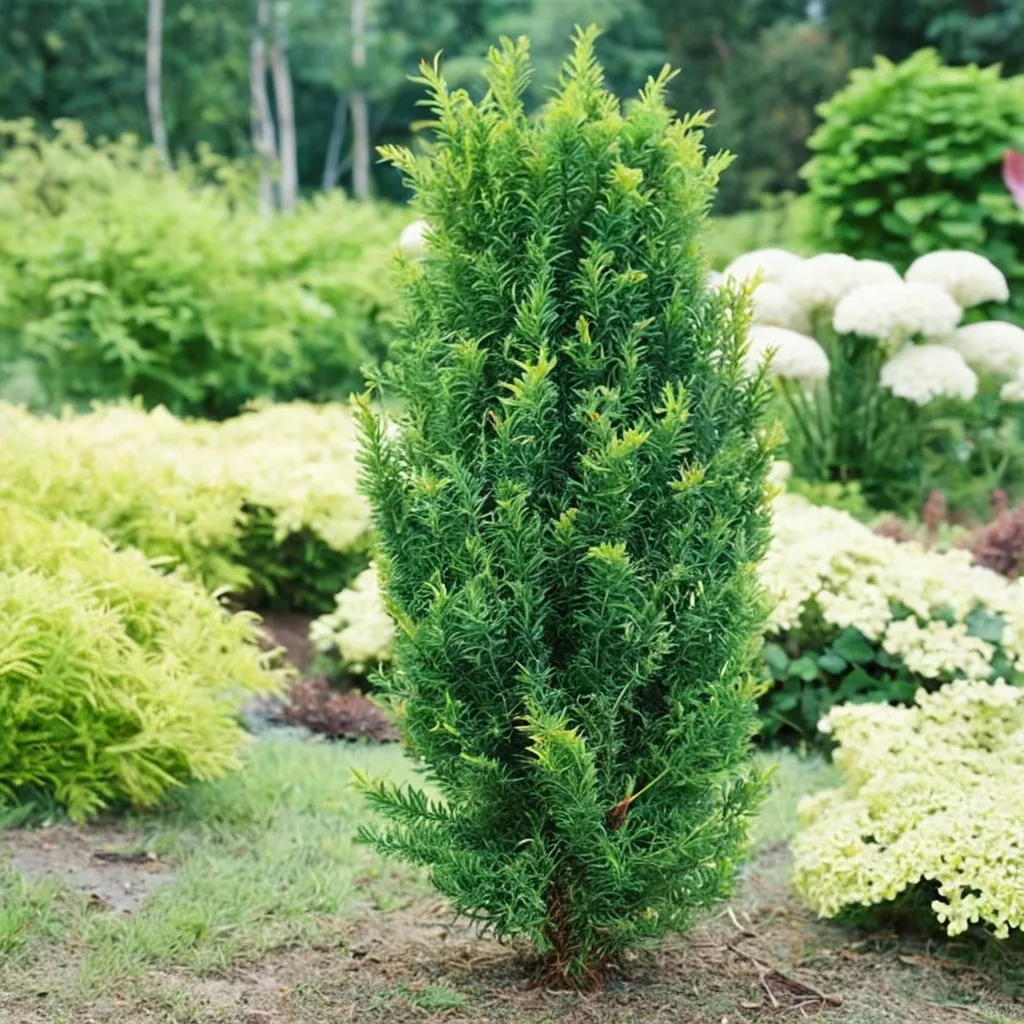
Stonehenge English Yew
Taxus baccata 'Stonehenge'
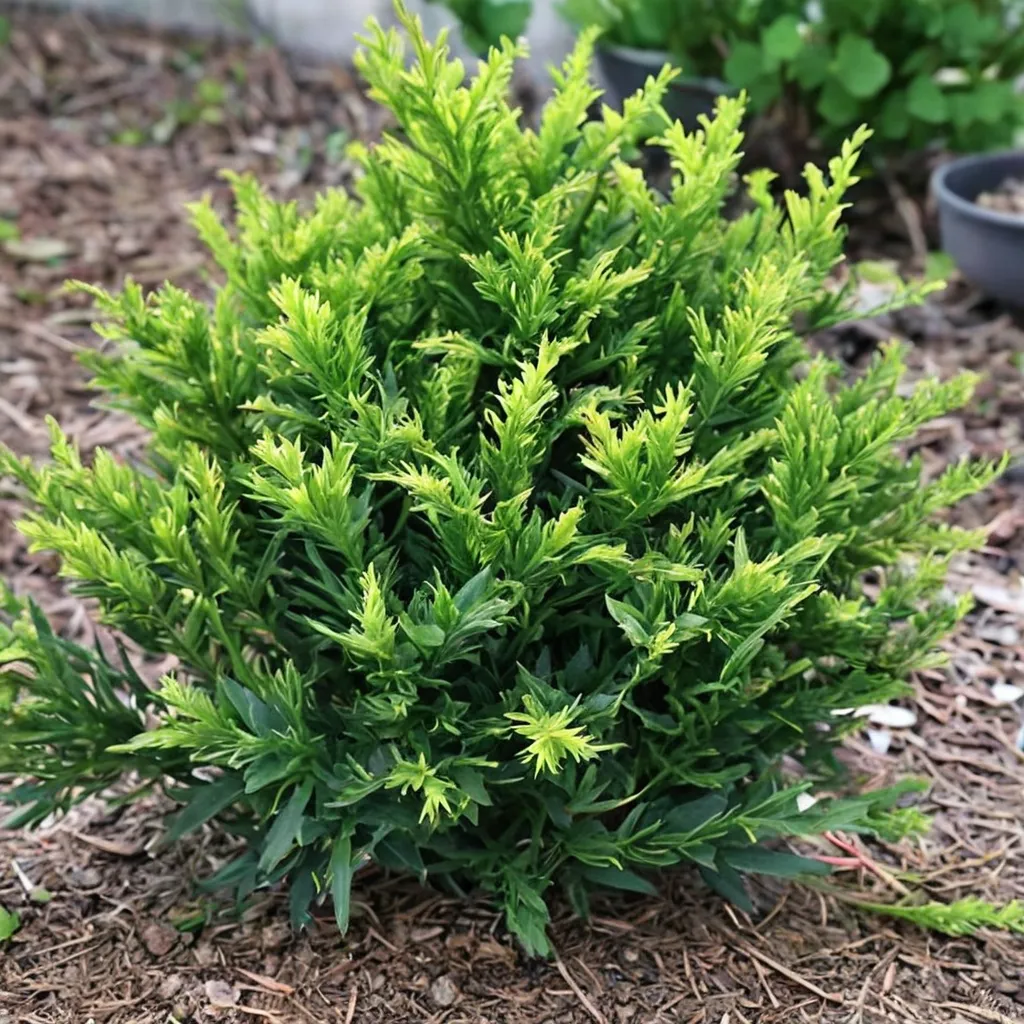
English Yew 'Dark Druid'
Taxus baccata 'Dark Druid'
Keep exploring
Explore the genus
Hardy in your zone?
Grow Ward's Yew with confidence
See it in a design of your actual yard, get zone-matched care reminders, and track it season by season in your garden journal.