
The Story
Plant Bio
Robinia x margaretta is a deciduous hybrid tree of North American parentage, valued for its open, upright habit and tolerance of poor, dry soils. The species features pinnately compound leaves that emerge with a bronze tint before turning green, and produces hanging clusters of pea-like flowers in late spring.
'Casque Rouge' is distinguished by its dense, pendulous racemes of deep pink to purplish-red flowers that measure up to eight inches long. This cultivar is also notably smoother and mostly thornless compared to wild locust trees, making it safer for garden use.
Uses & Benefits:
Essentials
At a Glance
Plant Type
Tree
Height
315"
Width
157"
Light
Full Sun
Zones
5, 6, 7, 8
Water
Low to Moderate
Humidity
Moderate
Lifespan
Moderate
Native To
North America
Toxicity
Toxic to Humans and Pets
Bloom period
Mid spring – Early summer
In flower about 3 months of the year
Planting
How to Grow
- Select a planting site in full sun with excellent drainage to prevent root rot.
- Dig a hole twice as wide as the root ball but no deeper, ensuring the graft union remains above the soil line.
- Backfill with native soil without adding heavy organic amendments, as this tree adapts well to lean soils.
- Water deeply to settle the soil, then apply a layer of mulch to conserve moisture while keeping it clear of the trunk.
Pro Tip
Prune only in mid-to-late summer to prevent the heavy sap bleeding that occurs in spring, and promptly cut away root suckers at the base to prevent unwanted thickets.
Keep It Thriving
Care Guide
Do
- Do prune in mid-to-late summer to avoid excessive sap bleeding.
- Do monitor for and cut away root suckers at the soil line in autumn.
- Do plant in highly permeable soil to ensure dry winter roots.
Don't
- Don't apply high-nitrogen fertilizers, as this tree fixes its own nitrogen.
- Don't prune heavily into old, leafless wood where new shoots may fail to form.
- Don't plant in waterlogged or poorly drained clay soils.
Seasonal Care Calendar
| Task | Jan | Feb | Mar | Apr | May | Jun | Jul | Aug | Sep | Oct | Nov | Dec |
|---|---|---|---|---|---|---|---|---|---|---|---|---|
| Fertilize | ||||||||||||
| Pest Check | ||||||||||||
| Prune | ||||||||||||
| Spring Cleanup |
Watch Out For
Pests & Diseases
Common Pests
Common Diseases
In the Garden
Landscape Uses & Companions
Landscape Uses
Companion Plants
Multiply
Propagation Methods
Good to Know
Common Questions
Idaho Locust questions
What zones can Idaho Locust grow in?
Idaho Locust is hardy in USDA Zones 5–8. Inside that range it survives winter in the ground; outside it, grow it as an annual or a container plant you protect.
Is Idaho Locust deer resistant?
Not reliably. Deer may browse Idaho Locust, especially tender spring growth — plan on repellents or fencing where pressure is high.
When does Idaho Locust bloom?
Idaho Locust typically blooms in mid spring through early summer. Exact timing shifts a week or two with your zone — Sow's bloom calendar maps it to your garden.
Does Idaho Locust need full sun?
Idaho Locust does best in full sun (6+ hours).
Is Idaho Locust drought tolerant?
Yes — once established (usually after the first full season), Idaho Locust handles dry spells with minimal watering. Water deeply its first year to build the root system that makes that possible.
More Robinia to compare
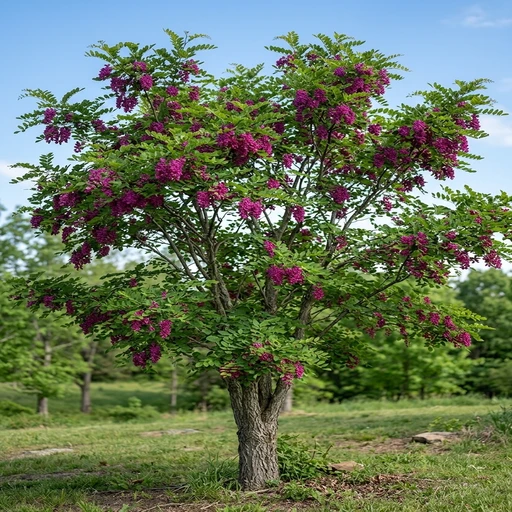
Purple Robe Black Locust
Robinia pseudoacacia 'Purple Robe'
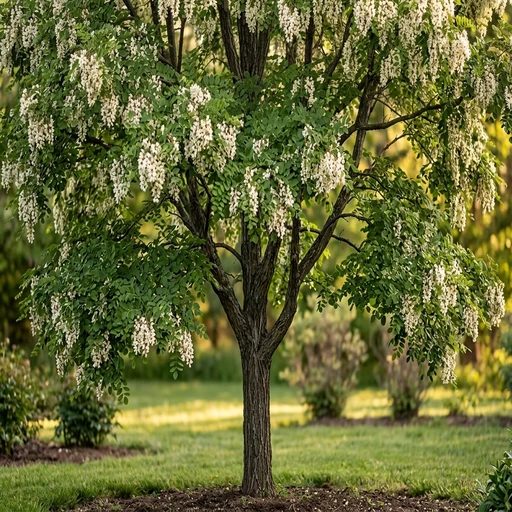
Black Locust
Robinia pseudoacacia
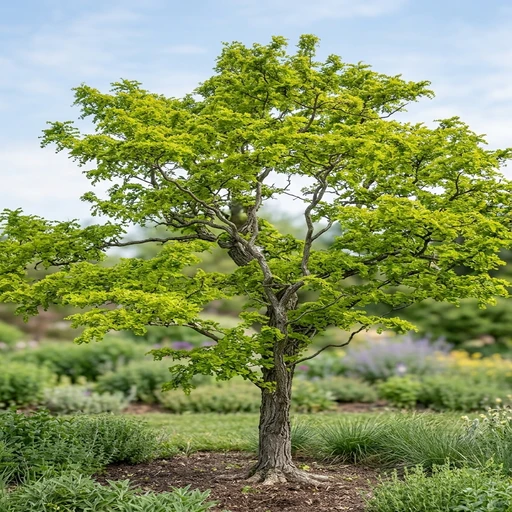
Twisty Baby Black Locust
Robinia pseudoacacia 'Lace Lady'
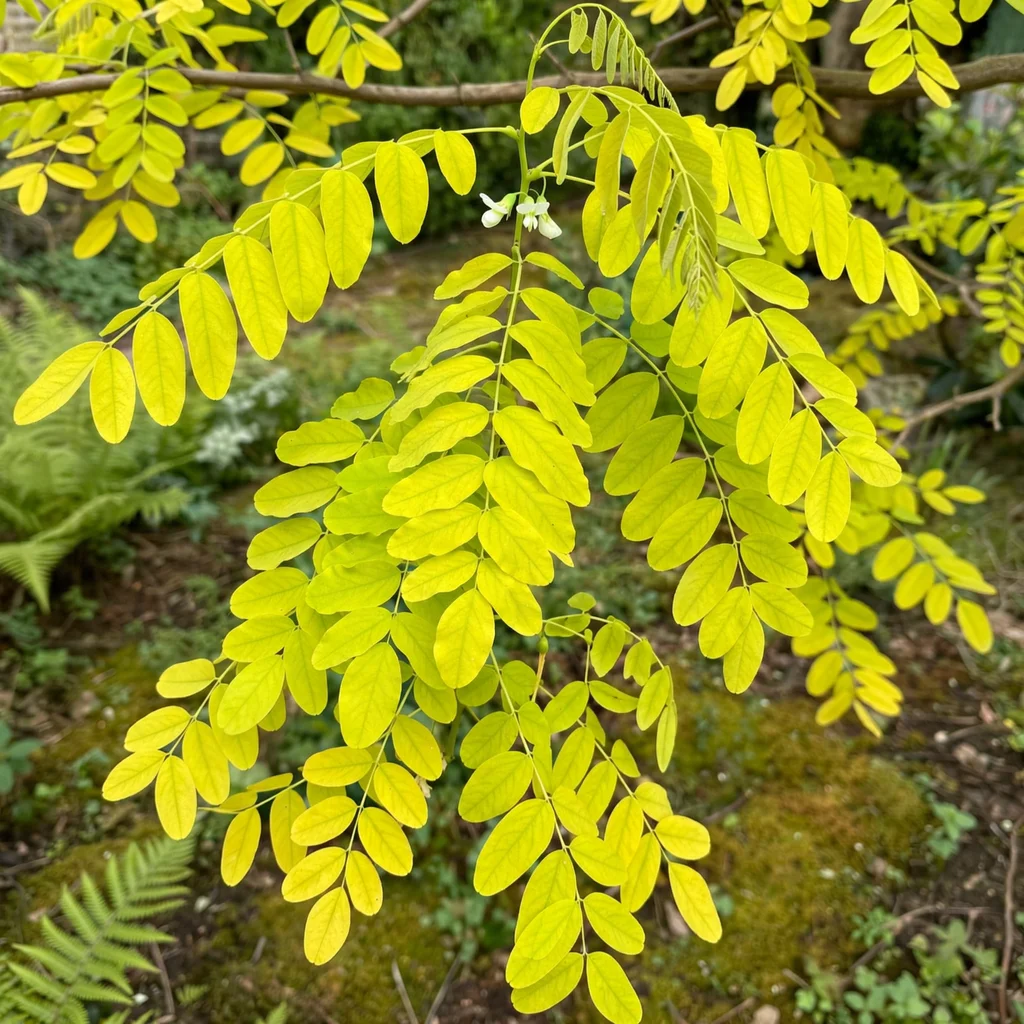
Golden Robinia
Robinia pseudoacacia 'Frisia'
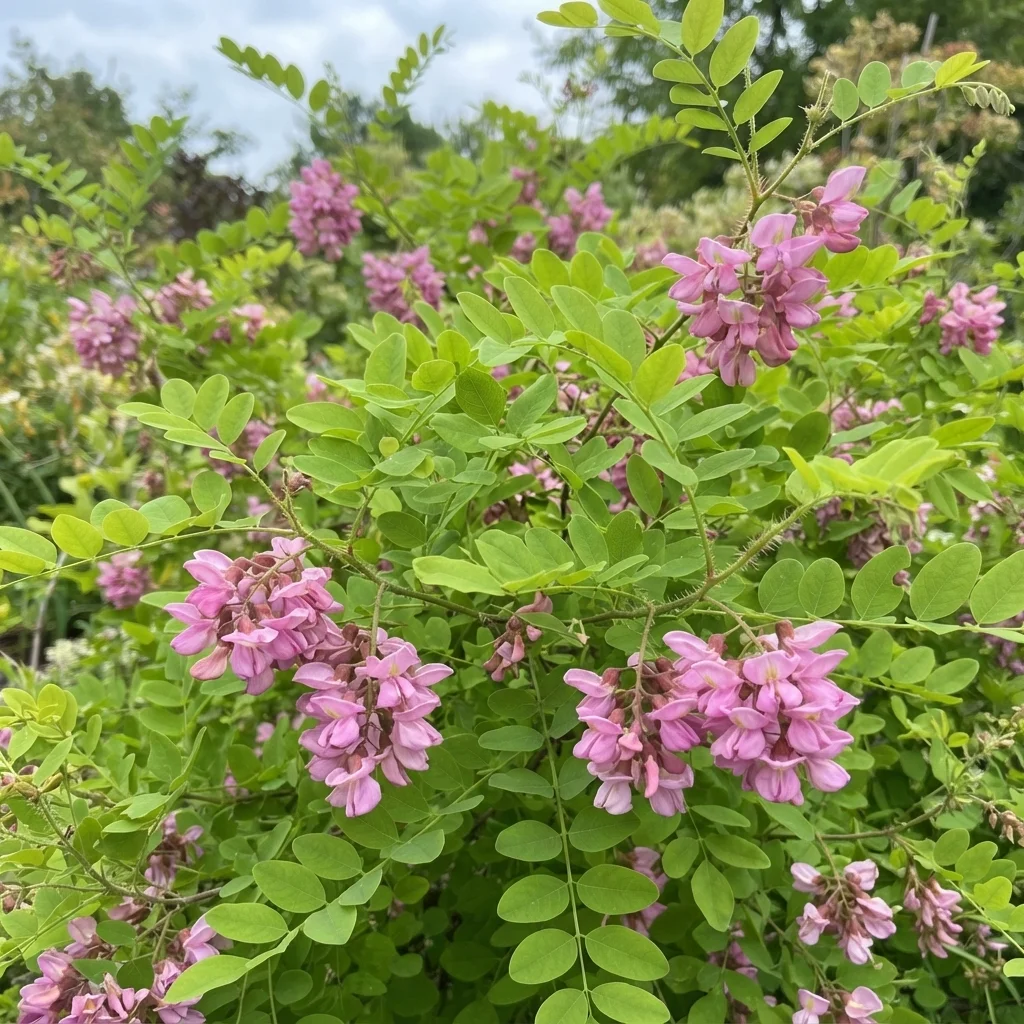
Bristly Locust
Robinia hispida
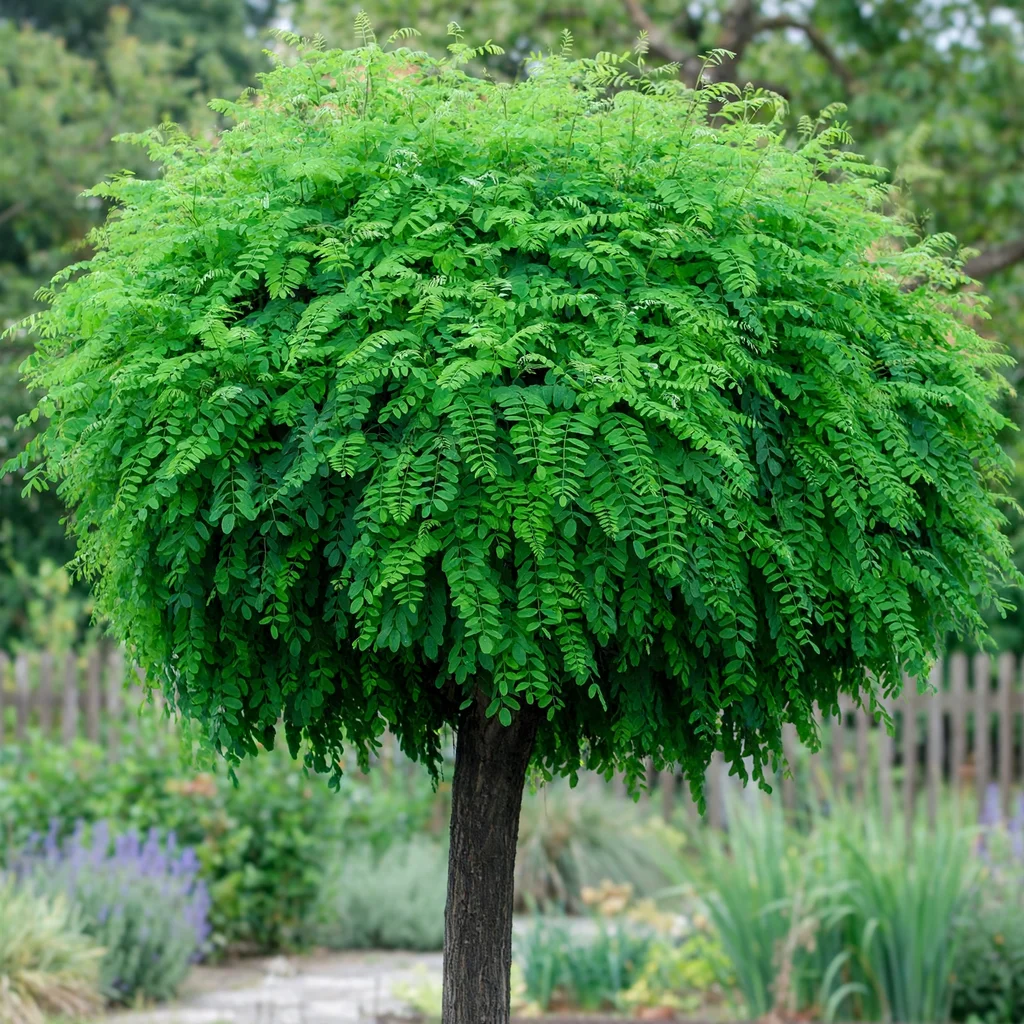
Globe Locust
Robinia pseudoacacia 'Umbraculifera'
Keep exploring
Explore the genus
Hardy in your zone?
Grow Idaho Locust with confidence
See it in a design of your actual yard, get zone-matched care reminders, and track it season by season in your garden journal.