


The Story
Plant Bio
Robinia pseudoacacia is a deciduous North American tree characterized by deeply furrowed bark, pinnately compound leaves, and a vigorous, suckering root system. The species adapts readily to poor, dry soils through nitrogen-fixing root nodules but can spread aggressively beyond its native Appalachian and Ozark ranges.
'Umbraculifera' is a sterile, thornless cultivar distinguished by its dense, spherical canopy that naturally forms a tight 'mop-top' shape. Typically top-grafted onto a standard rootstock trunk at six to eight feet, it rarely produces the typical white pea-like flowers, focusing its energy instead on soft-textured, bright green foliage.
Uses & Benefits:
Essentials
At a Glance
Plant Type
Tree
Height
315"
Width
315"
Light
Full Sun, Partial Sun
Zones
4, 5, 6, 7, 8, 9
Water
Low
Humidity
Moderate
Lifespan
30-50 years
Native To
North America
Toxicity
High
Bloom period
Spring – Summer
In flower about 6 months of the year
Planting
How to Grow
- Select a planting site in full sun with excellent drainage, as wet clay soils will trigger root rot.
- Dig a hole twice as wide as the root ball but no deeper, ensuring the graft union remains well above the soil line.
- Stake the young standard securely to protect the top-heavy canopy from wind damage until the root system establishes.
- Water deeply but infrequently once established, allowing the soil to dry out between waterings.
Pro Tip
Never prune this tree in spring when the sap is flowing rapidly, as heavy bleeding will weaken the graft union; instead, shape the canopy during winter dormancy and immediately remove any spiny suckers arising from the rootstock.
Keep It Thriving
Care Guide
Do
- Prune annually during winter dormancy to maintain the tight, spherical canopy shape.
- Physically dig out and sever any aggressive root suckers that emerge from the base or lawn.
- Protect the trunk from lawnmowers and weed cutters to prevent bark damage.
Don't
- Do not prune in spring when heavy sap flow causes excessive bleeding.
- Do not cut back severely into old, leafless wood that lacks active dormant buds.
- Do not apply heavy nitrogen fertilizers, as the tree fixes its own nitrogen.
Seasonal Care Calendar
| Task | Jan | Feb | Mar | Apr | May | Jun | Jul | Aug | Sep | Oct | Nov | Dec |
|---|---|---|---|---|---|---|---|---|---|---|---|---|
| Mulch | ||||||||||||
| Pest Check | ||||||||||||
| Prune | ||||||||||||
| Spring Cleanup |
Watch Out For
Pests & Diseases
Common Pests
Common Diseases
In the Garden
Landscape Uses & Companions
Landscape Uses
Companion Plants
Multiply
Propagation Methods
Good to Know
Common Questions
Globe Locust questions
What zones can Globe Locust grow in?
Globe Locust is hardy in USDA Zones 4–9. Inside that range it survives winter in the ground; outside it, grow it as an annual or a container plant you protect.
Is Globe Locust deer resistant?
Not reliably. Deer may browse Globe Locust, especially tender spring growth — plan on repellents or fencing where pressure is high.
When does Globe Locust bloom?
Globe Locust typically blooms in spring through summer. Exact timing shifts a week or two with your zone — Sow's bloom calendar maps it to your garden.
Does Globe Locust need full sun?
Globe Locust does best in full sun to part shade. In hot climates, afternoon shade keeps blooms fresher longer.
Is Globe Locust drought tolerant?
Yes — once established (usually after the first full season), Globe Locust handles dry spells with minimal watering. Water deeply its first year to build the root system that makes that possible.
More Robinia to compare
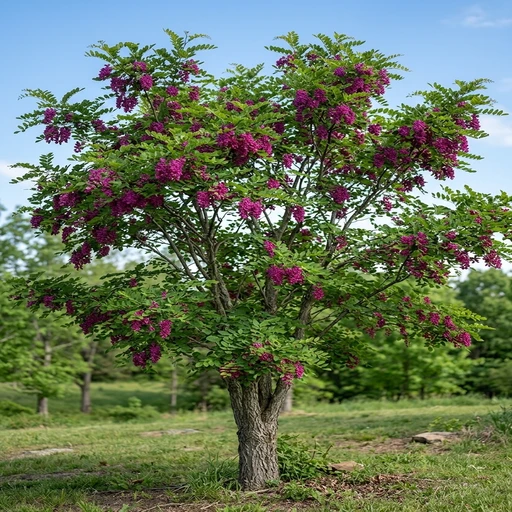
Purple Robe Black Locust
Robinia pseudoacacia 'Purple Robe'
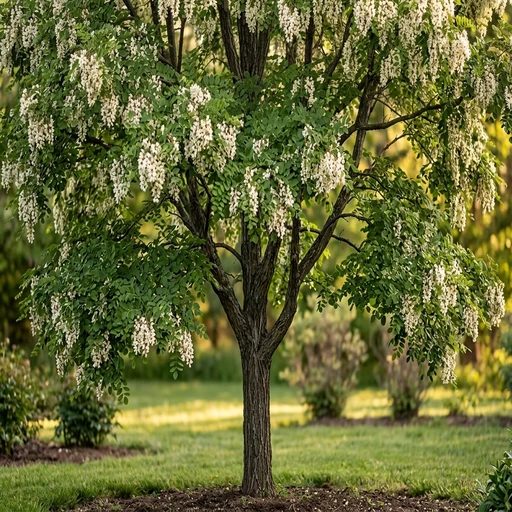
Black Locust
Robinia pseudoacacia
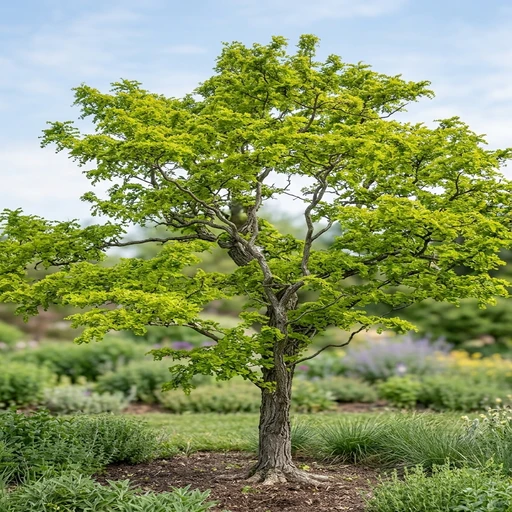
Twisty Baby Black Locust
Robinia pseudoacacia 'Lace Lady'
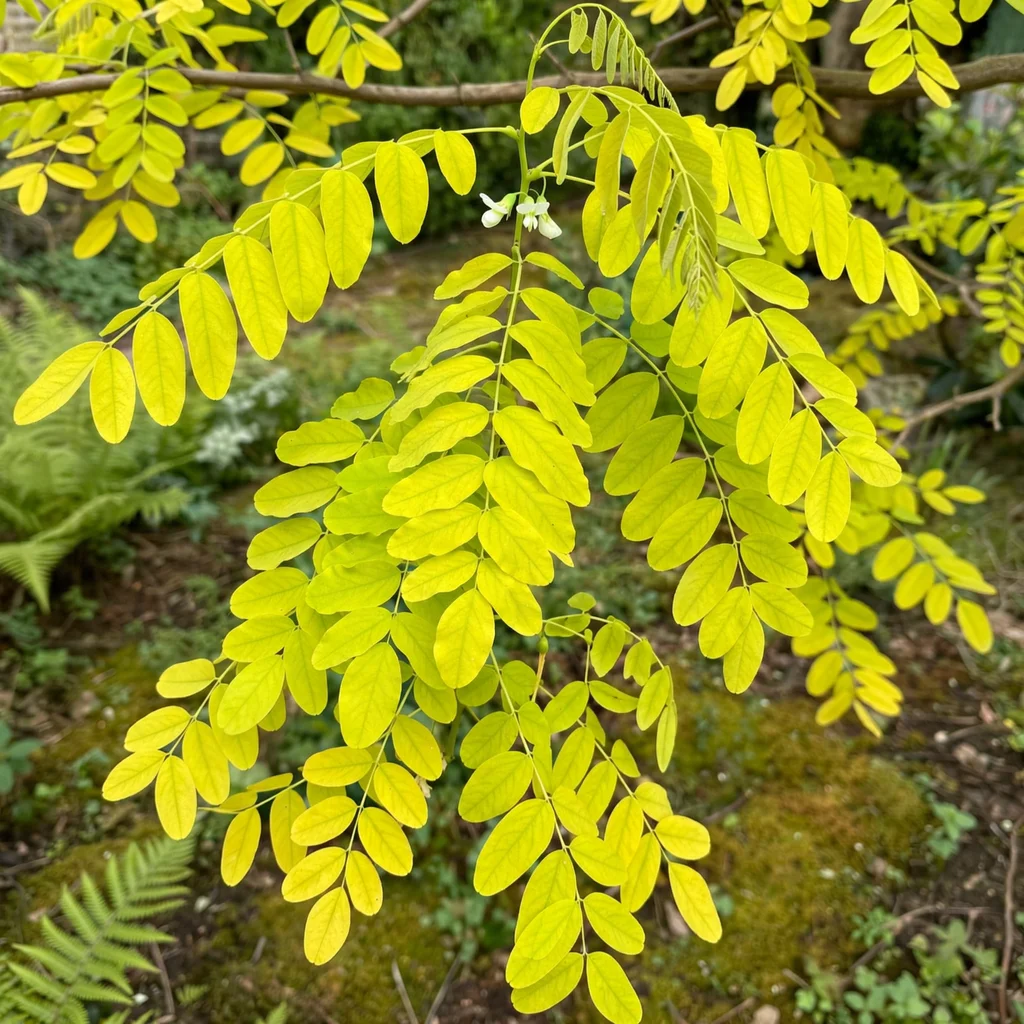
Golden Robinia
Robinia pseudoacacia 'Frisia'
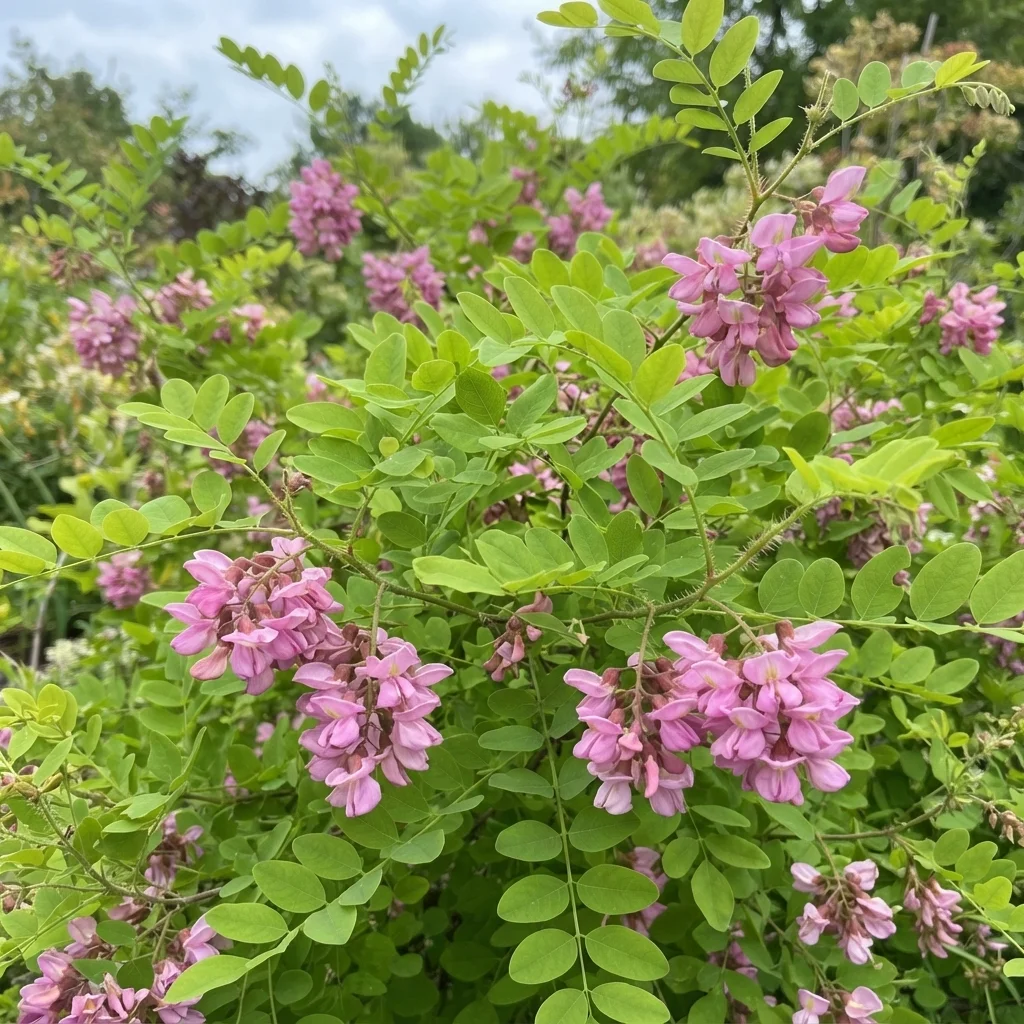
Bristly Locust
Robinia hispida
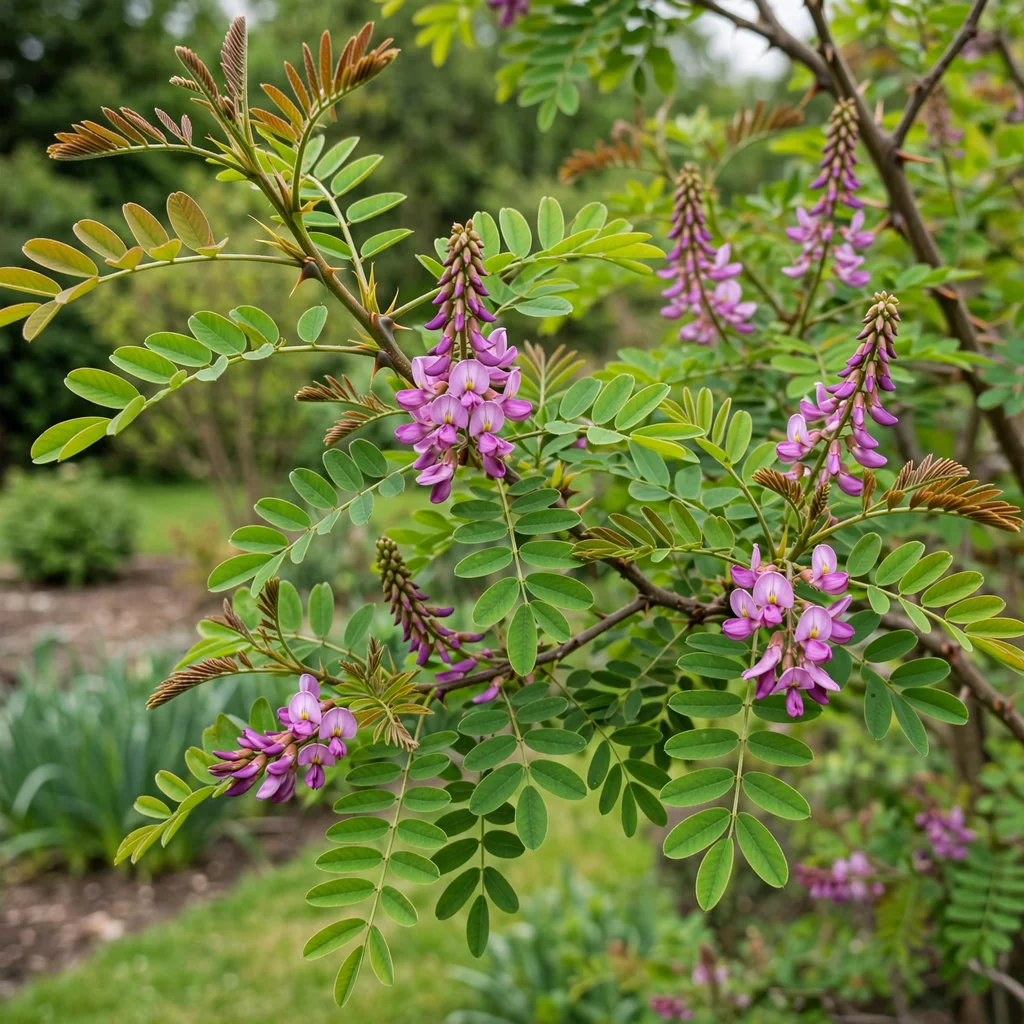
Idaho Locust
Robinia x margaretta 'Casque Rouge'
Keep exploring
Explore the genus
Grow Globe Locust with confidence
See it in a design of your actual yard, get zone-matched care reminders, and track it season by season in your garden journal.