The Story
Plant Bio
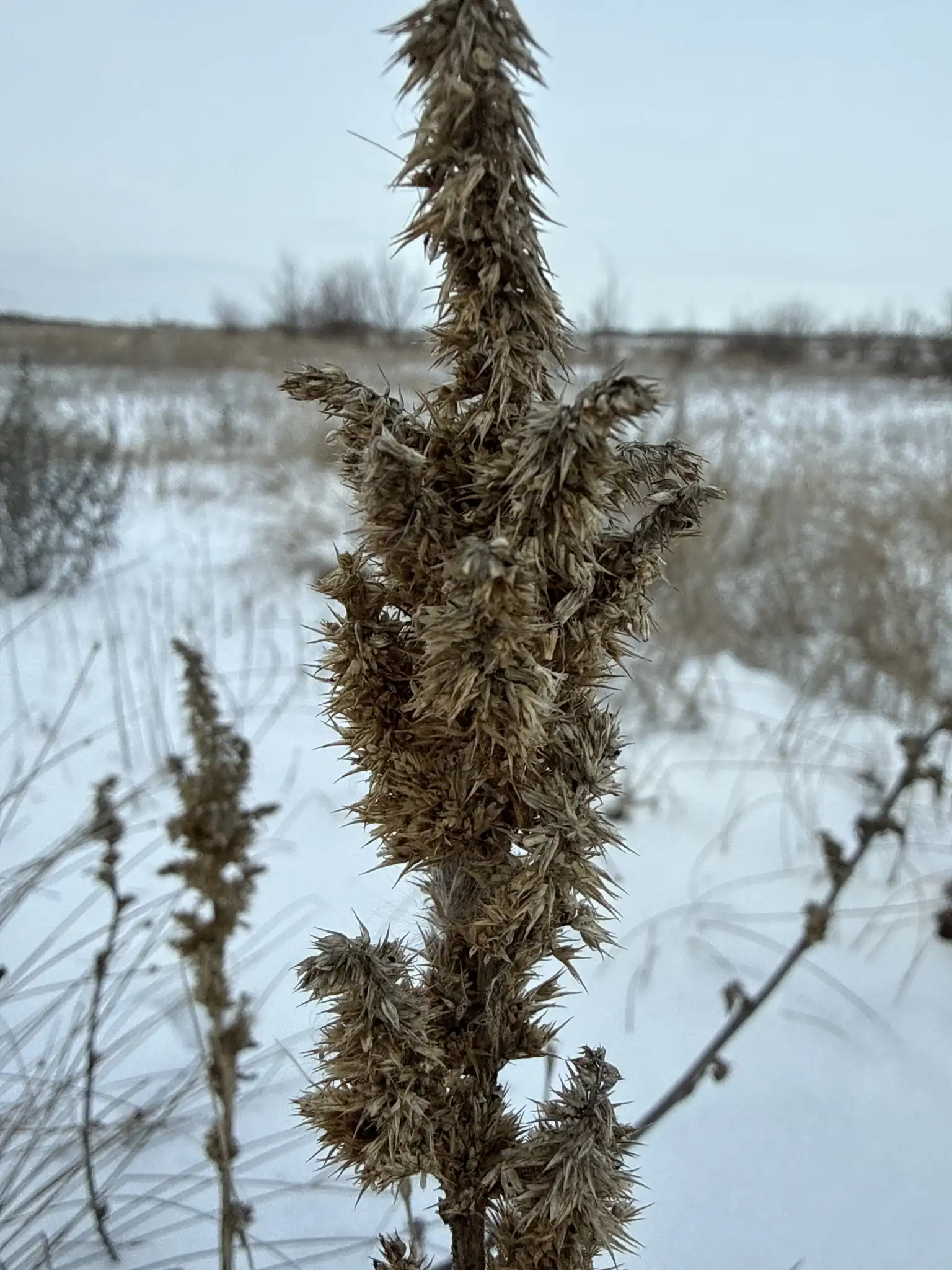
Amaranthus retroflexus, commonly known as redroot pigweed, is a coarse, erect summer annual native to central and eastern North America. It features dull green, lanceolate to ovate leaves with prominent whitish veins and a stout, branching habit that thrives in disturbed soils.
This species is distinguished by its dense, stiff, spikelike green panicles of tiny, wind-pollinated flowers and its characteristic reddish taproot. Young foliage often exhibits purplish undersides, but the mature plant quickly becomes tough and spinescent.
Uses & Benefits:
Essentials
At a Glance
Plant Type
Annual
Height
72"
Width
24"
Light
Full Sun
Zones
4, 5, 6, 7, 8, 9, 10
Water
Low
Humidity
Moderate
Lifespan
Annual
Native To
North America
Toxicity
Toxic to Livestock
Bloom period
Summer – Fall
In flower about 6 months of the year
Planting
How to Grow
- Select a site in full sun with well-drained soil, as this species strictly requires direct sunlight and does not tolerate shade.
- Avoid applying fertilizers or supplemental water, as the plant thrives aggressively on nutrient-rich, disturbed ground and possesses high drought tolerance.
- Monitor the area for the emergence of young, dull green leaves with wavy margins and fine hairs on the undersides.
- Uproot the entire plant, including the red taproot, before the green flower spikes mature and release seeds.
Pro Tip
Rogue out plants immediately upon detection before they set seed; a single specimen can produce tens of thousands of highly viable seeds that persist in the soil seedbank for up to forty years.
Keep It Thriving
Care Guide
Do
- Pull young plants manually while the soil is moist to ensure the entire taproot is removed.
- Dispose of uprooted flowering specimens in sealed waste bags rather than composting them to prevent seed dispersal.
- Wear gloves when handling mature flower spikes, as the stiff bracts can be somewhat sharp.
Don't
- Do not allow the plant to flower and set seed, as the seeds remain viable in the soil for decades.
- Do not apply nitrogen fertilizers, which only fuel aggressive, weedy growth and increase nitrate accumulation.
- Do not feed mature foliage to livestock, as it accumulates toxic levels of nitrates and oxalates.
Seasonal Care Calendar
| Task | Jan | Feb | Mar | Apr | May | Jun | Jul | Aug | Sep | Oct | Nov | Dec |
|---|---|---|---|---|---|---|---|---|---|---|---|---|
| Harvest | ||||||||||||
| Mulch | ||||||||||||
| Pest Check | ||||||||||||
| Prune | ||||||||||||
| Spring Cleanup |
Watch Out For
Pests & Diseases
Common Pests
Common Diseases
In the Garden
Landscape Uses & Companions
Landscape Uses
Companion Plants
Multiply
Propagation Methods
Good to Know
Common Questions
Redroot Pigweed questions
What zones can Redroot Pigweed grow in?
Redroot Pigweed is hardy in USDA Zones 4–10. Inside that range it survives winter in the ground; outside it, grow it as an annual or a container plant you protect.
Is Redroot Pigweed deer resistant?
Not reliably. Deer may browse Redroot Pigweed, especially tender spring growth — plan on repellents or fencing where pressure is high.
When does Redroot Pigweed bloom?
Redroot Pigweed typically blooms in summer through fall. Exact timing shifts a week or two with your zone — Sow's bloom calendar maps it to your garden.
Does Redroot Pigweed need full sun?
Redroot Pigweed does best in full sun (6+ hours).
Is Redroot Pigweed drought tolerant?
Yes — once established (usually after the first full season), Redroot Pigweed handles dry spells with minimal watering. Water deeply its first year to build the root system that makes that possible.
More Amaranthus to compare
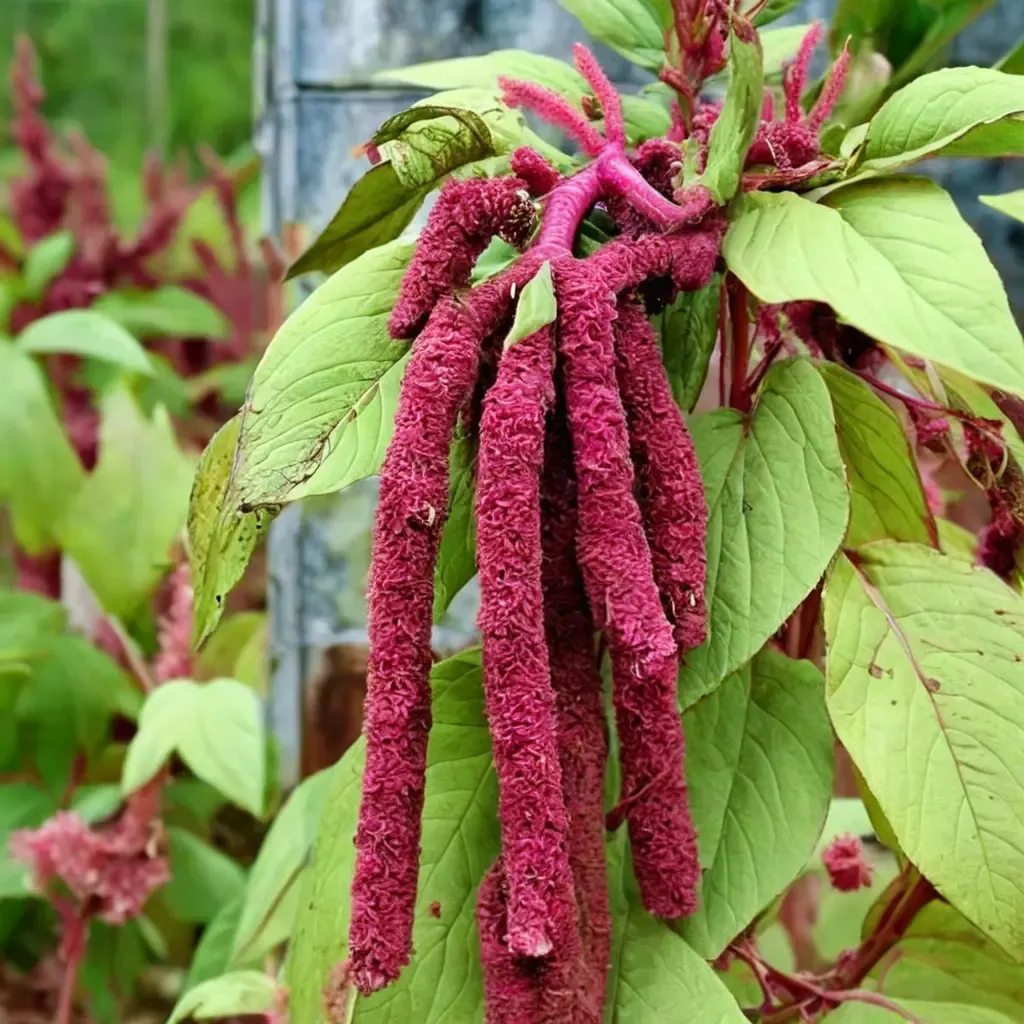
Love-Lies-Bleeding
Amaranthus caudatus
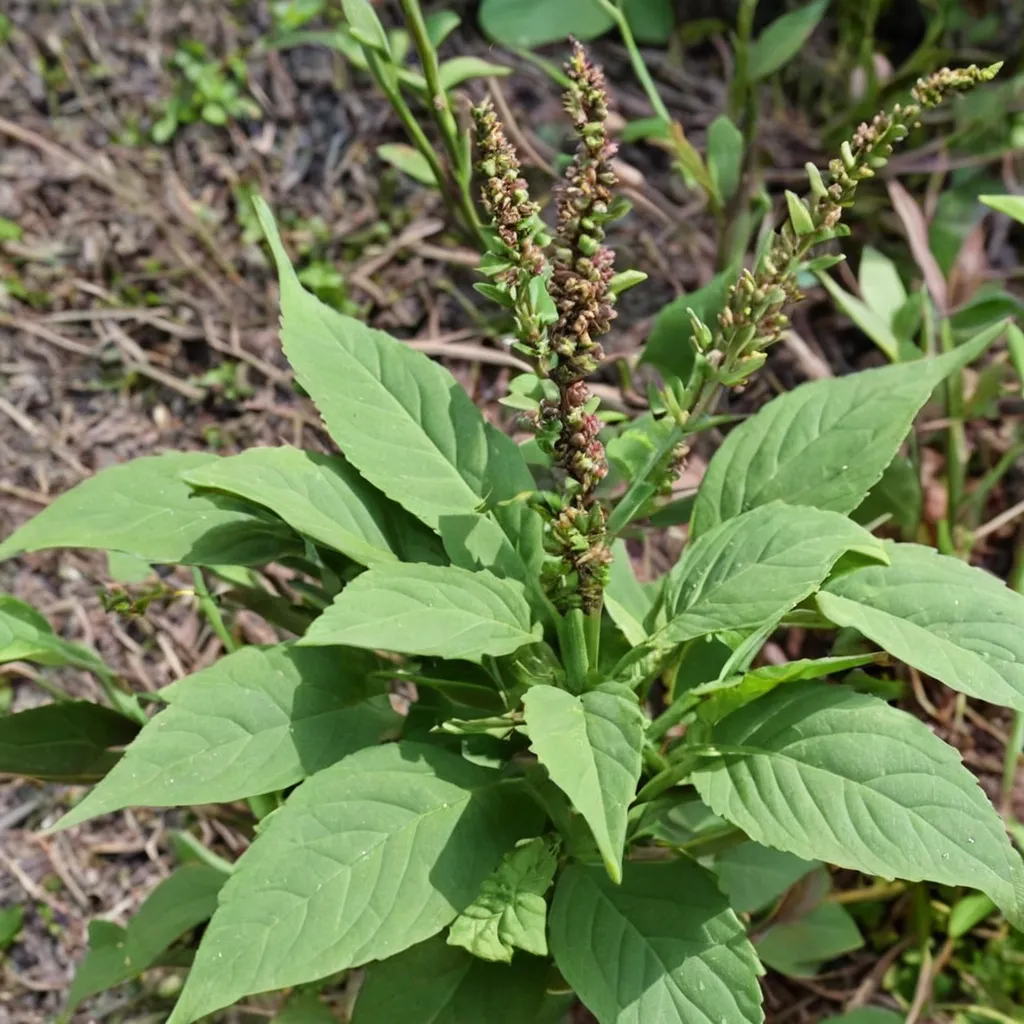
Green Amaranth
Amaranthus viridis
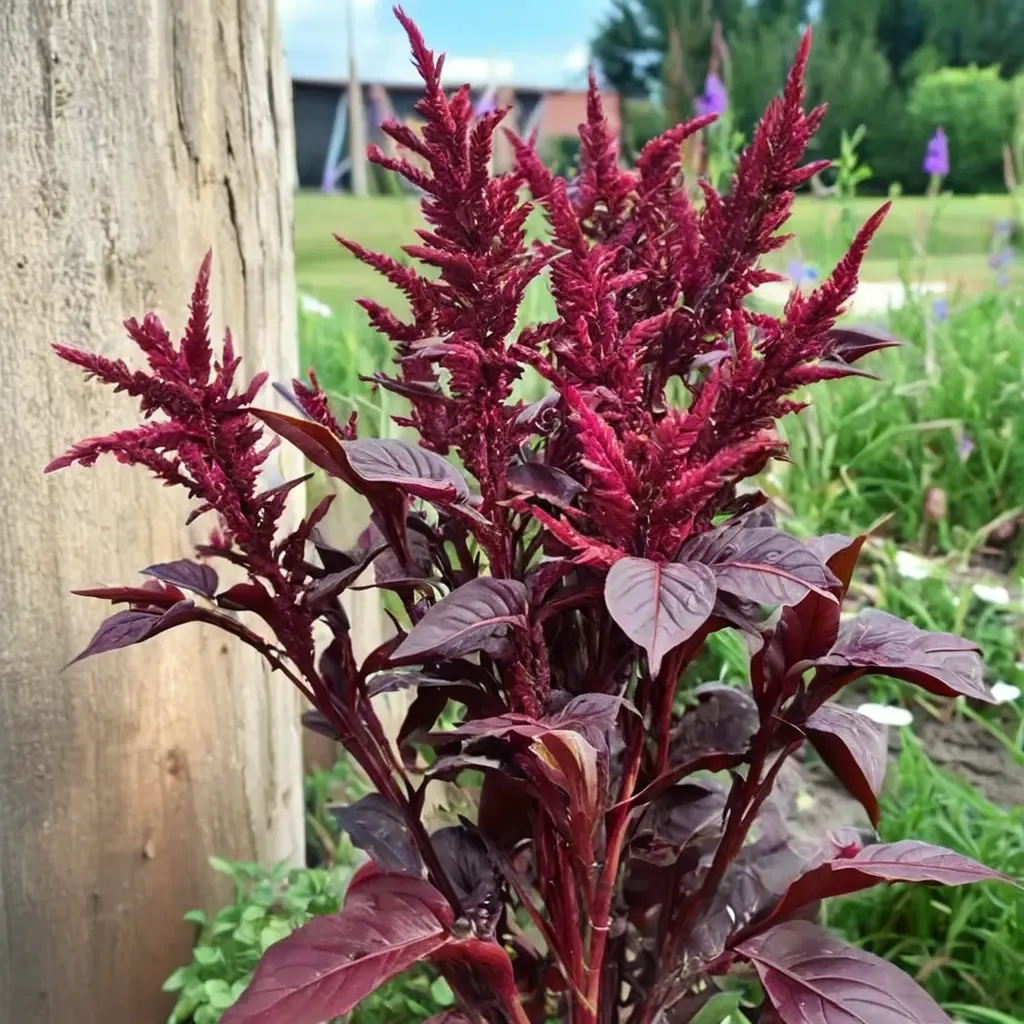
Velvet Curtains Amaranth
Amaranthus cruentus 'Velvet Curtains'
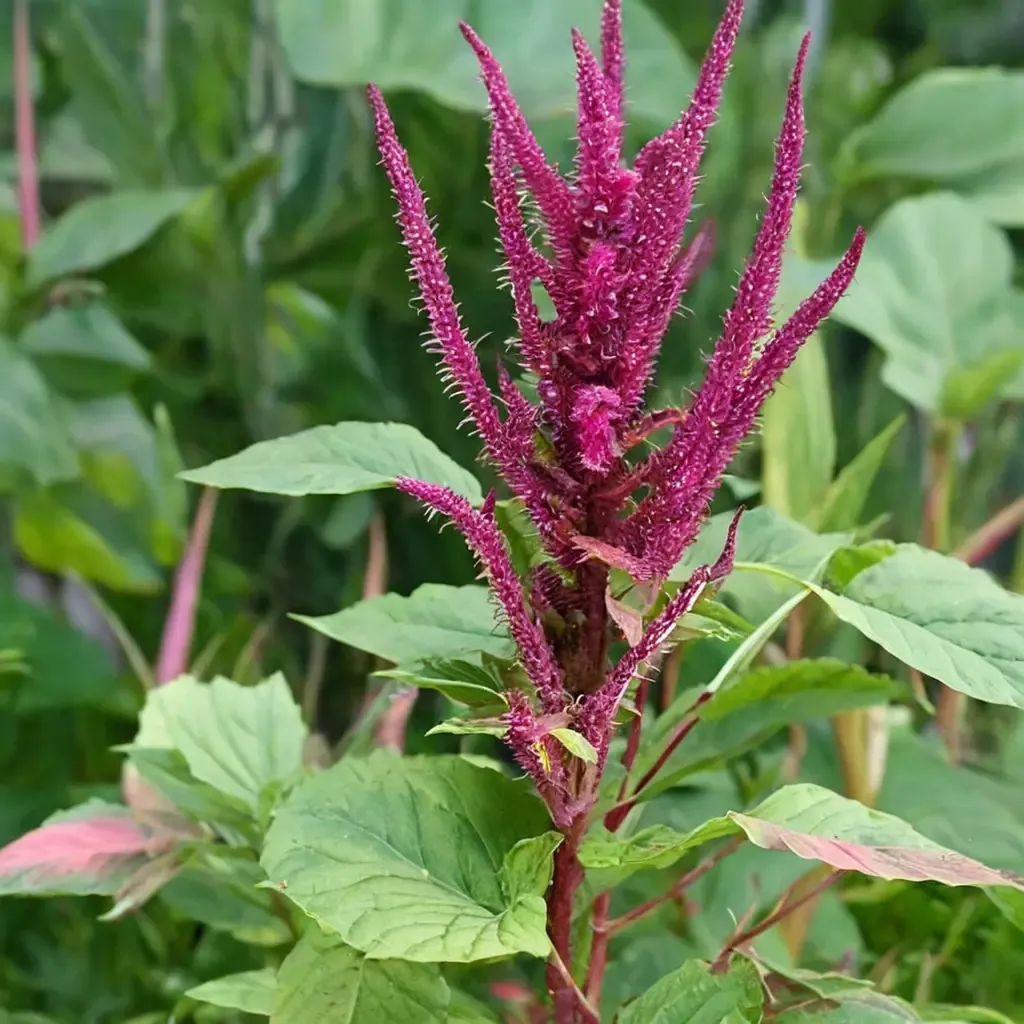
Red Amaranth
Amaranthus cruentus
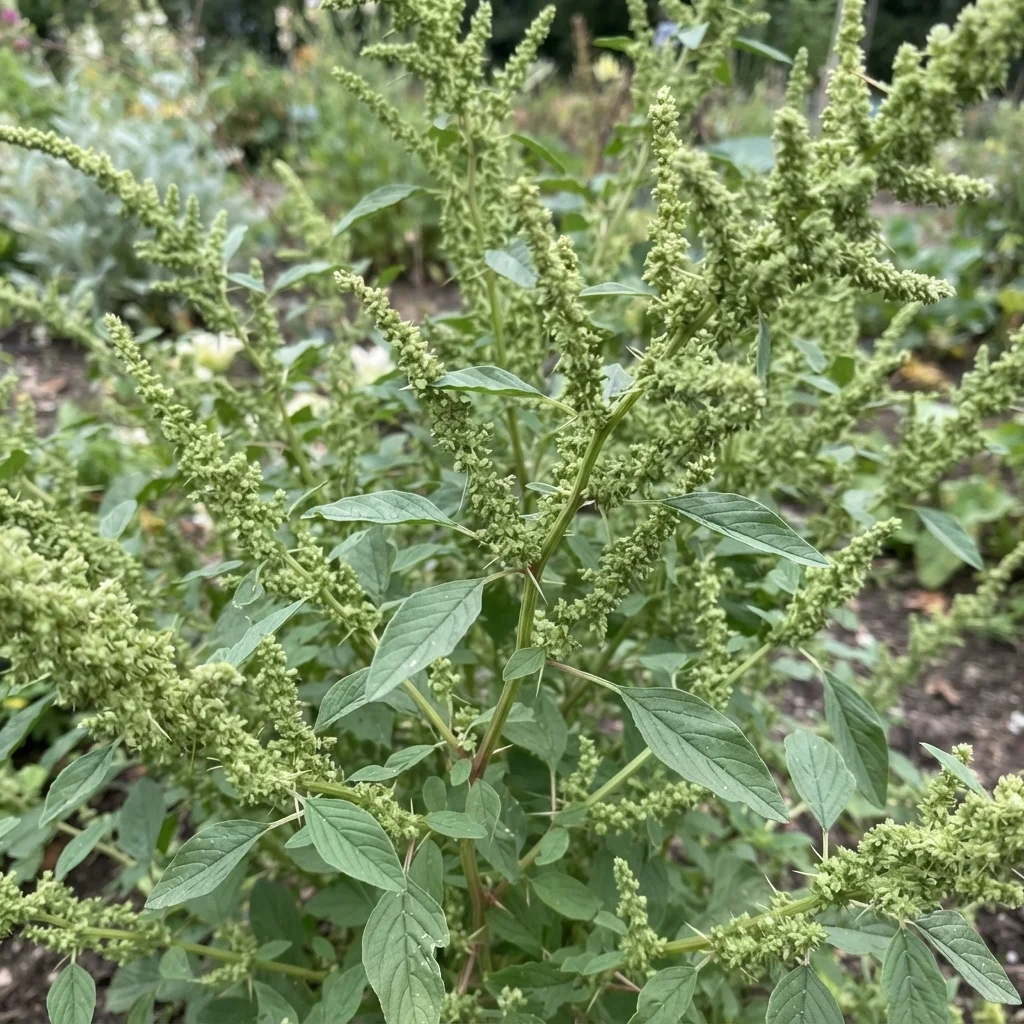
Spiny Amaranth
Amaranthus spinosus
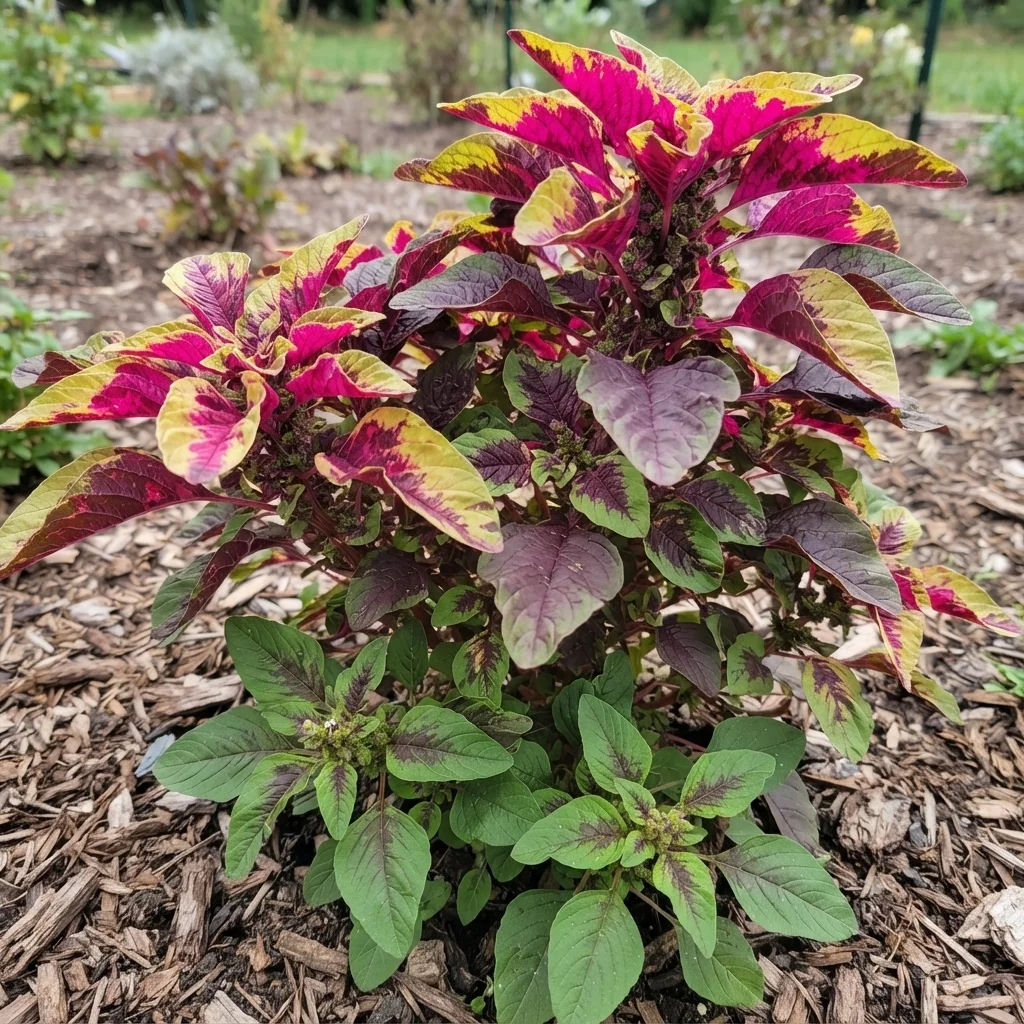
Joseph's Coat
Amaranthus tricolor
Keep exploring
Explore the genus
Grow Redroot Pigweed with confidence
See it in a design of your actual yard, get zone-matched care reminders, and track it season by season in your garden journal.