The Story
Plant Bio
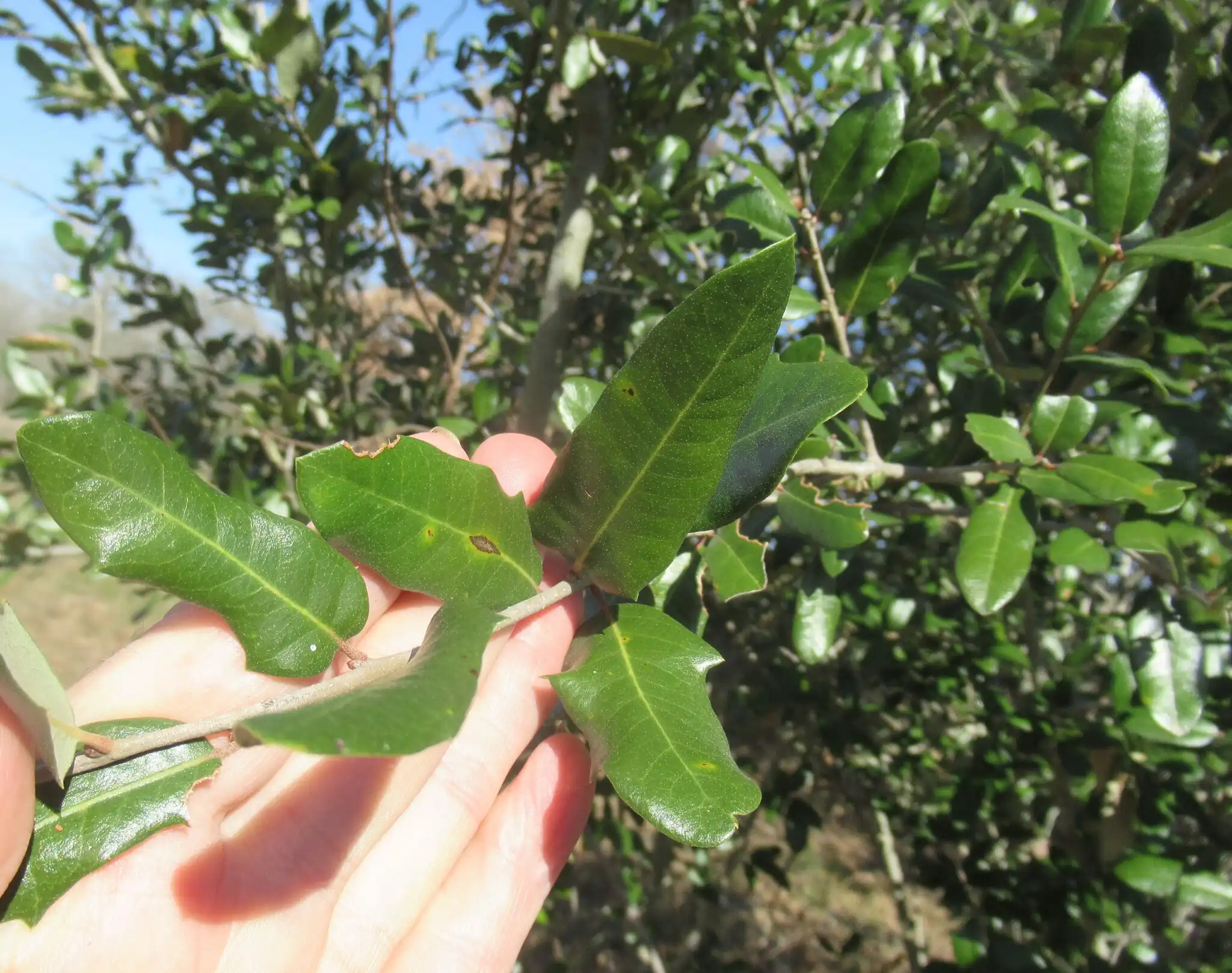
Quercus fusiformis, the escarpment live oak, is a broad-spreading, evergreen tree native to the limestone hills of central Texas and southern Oklahoma, characterized by a dense, round-topped canopy and dark, deeply furrowed bark. The leathery, dark glossy green leaves are elliptic to oblanceolate, emerging with a light green or bronze tint in spring alongside drooping yellowish-green male catkins.
This species is distinguished from the closely related Quercus virginiana by its narrower, spindle-shaped acorns and significantly greater cold hardiness. It forms thickets in its native upland habitats and exhibits exceptional drought tolerance once its deep taproot system is established.
Uses & Benefits:
Essentials
At a Glance
Plant Type
Tree
Height
591"
Width
827"
Light
Full Sun, Partial Sun
Zones
7, 8, 9, 10
Water
Low
Humidity
Moderate
Lifespan
Long-lived
Native To
North America
Toxicity
Non-toxic
Bloom period
Spring
In flower about 3 months of the year
Planting
How to Grow
- Select a planting site in full sun to partial shade with well-drained soil, avoiding low-lying areas prone to standing water.
- Dig a hole twice as wide as the root ball but no deeper, ensuring the root flare sits slightly above the surrounding soil grade.
- Backfill with native soil without adding amendments, tamping lightly to remove air pockets, and water deeply to settle.
- Apply a three-inch layer of organic mulch over the root zone, keeping it several inches away from the trunk to prevent rot.
Pro Tip
Prune strictly during the dormant winter months of December and January; warm-season pruning wounds attract Nitidulid beetles that transmit fatal oak wilt.
Keep It Thriving
Care Guide
Do
- Paint all pruning cuts immediately with pruning sealer to prevent sap-feeding beetles from transmitting oak wilt.
- Water newly planted trees deeply once a week during their first growing season to establish the taproot.
- Prune exclusively during mid-winter when the tree and insect vectors are completely dormant.
Don't
- Do not prune or wound the bark between February and June when oak wilt transmission risks are highest.
- Do not plant in poorly drained clay soils or areas subject to prolonged waterlogging.
- Do not apply routine nitrogen fertilizers unless a soil test indicates severe nutrient deficiency.
Seasonal Care Calendar
| Task | Jan | Feb | Mar | Apr | May | Jun | Jul | Aug | Sep | Oct | Nov | Dec |
|---|---|---|---|---|---|---|---|---|---|---|---|---|
| Mulch | ||||||||||||
| Pest Check | ||||||||||||
| Plant | ||||||||||||
| Prune |
Watch Out For
Pests & Diseases
Common Pests
Common Diseases
In the Garden
Landscape Uses & Companions
Landscape Uses
Companion Plants
Multiply
Propagation Methods
Good to Know
Common Questions
Escarpment Live Oak questions
What zones can Escarpment Live Oak grow in?
Escarpment Live Oak is hardy in USDA Zones 7–10. Inside that range it survives winter in the ground; outside it, grow it as an annual or a container plant you protect.
Is Escarpment Live Oak deer resistant?
Not reliably. Deer may browse Escarpment Live Oak, especially tender spring growth — plan on repellents or fencing where pressure is high.
When does Escarpment Live Oak bloom?
Escarpment Live Oak typically blooms in spring through spring. Exact timing shifts a week or two with your zone — Sow's bloom calendar maps it to your garden.
Does Escarpment Live Oak need full sun?
Escarpment Live Oak does best in full sun to part shade. In hot climates, afternoon shade keeps blooms fresher longer.
Is Escarpment Live Oak drought tolerant?
Yes — once established (usually after the first full season), Escarpment Live Oak handles dry spells with minimal watering. Water deeply its first year to build the root system that makes that possible.
More Quercus to compare
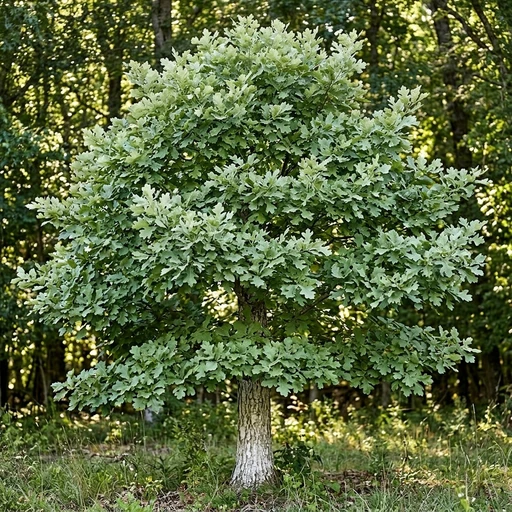
White Oak
Quercus alba
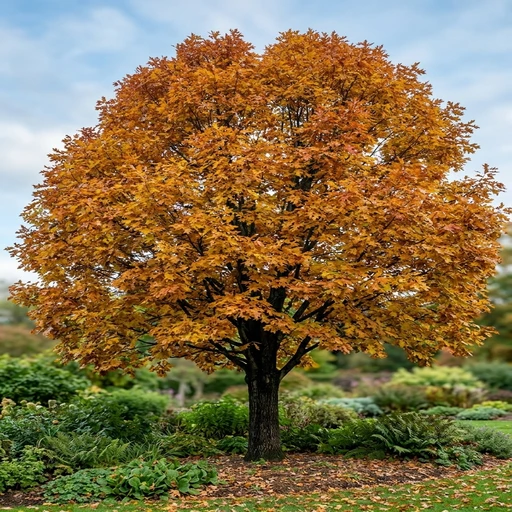
Black Oak
Quercus velutina
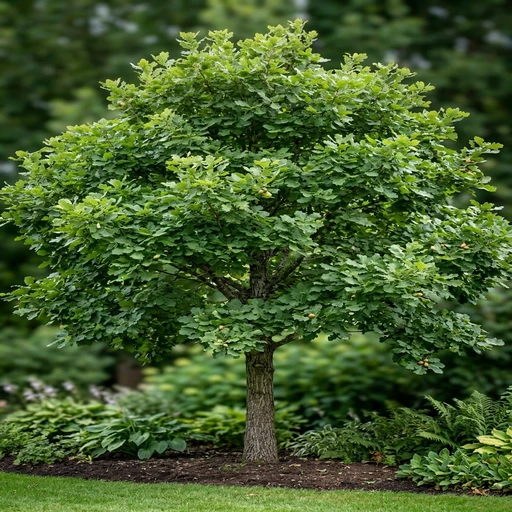
English Oak
Quercus robur
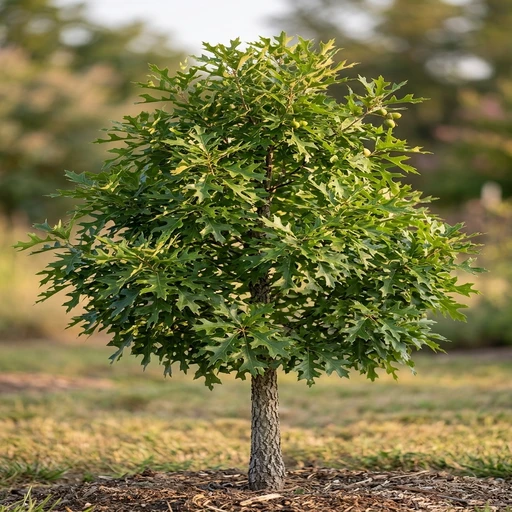
Nuttall Oak
Quercus texana
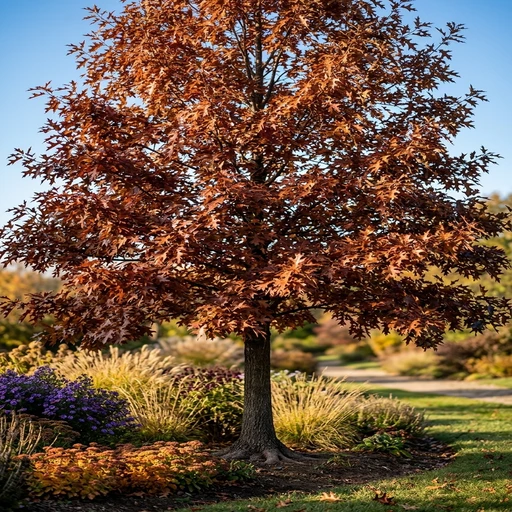
Pin Oak
Quercus palustris
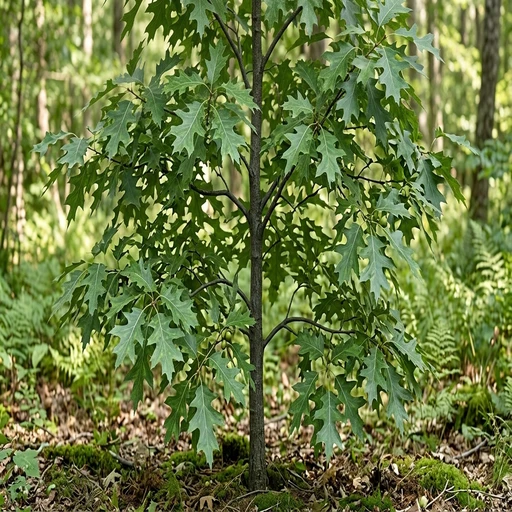
Scarlet Oak
Quercus coccinea
Keep exploring
Explore the genus
Hardy in your zone?
Grow Escarpment Live Oak with confidence
See it in a design of your actual yard, get zone-matched care reminders, and track it season by season in your garden journal.