

The Story
Plant Bio
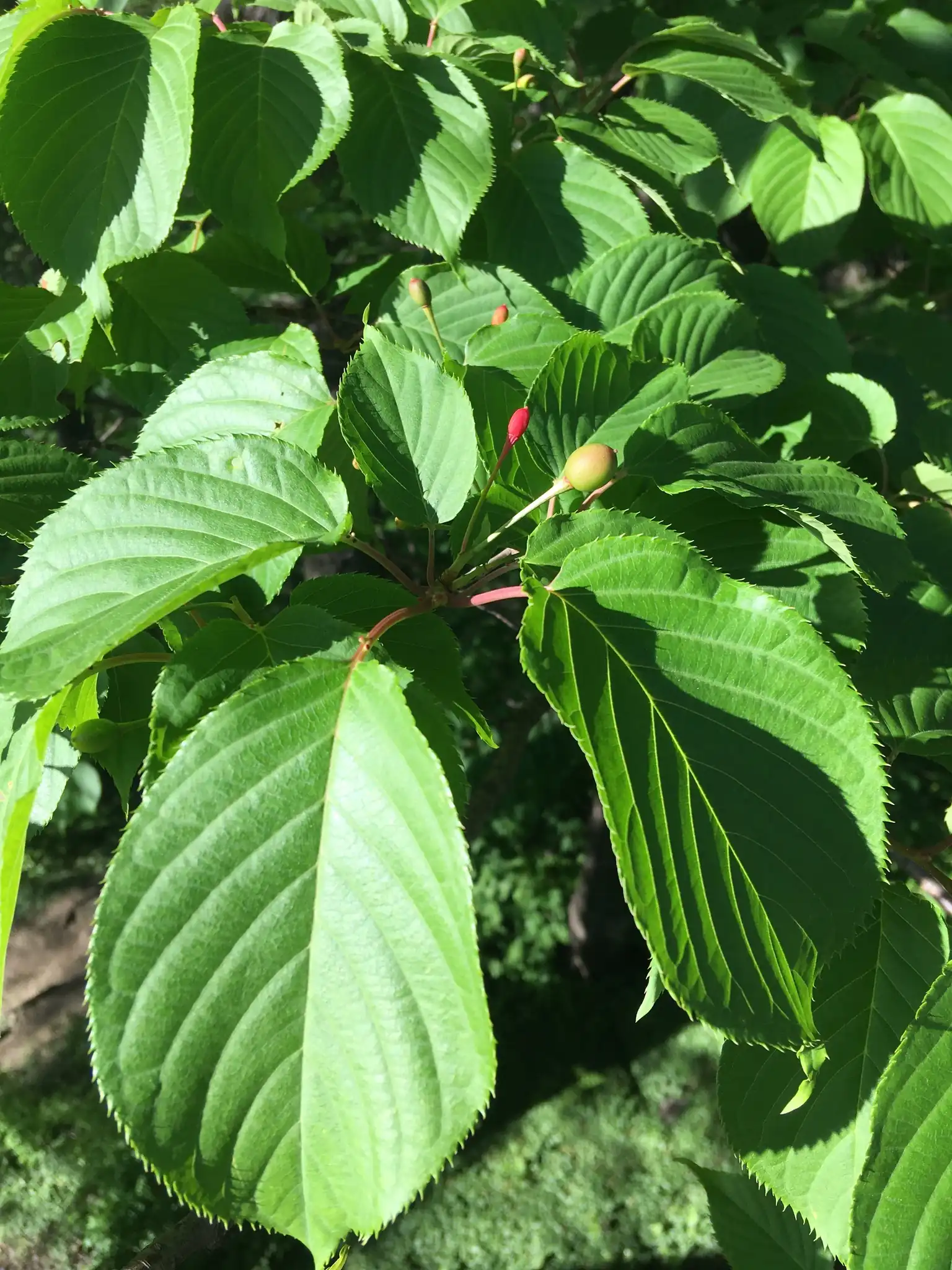
Prunus sargentii, the Sargent cherry, is a rounded deciduous tree from Japan, Korea and the Russian Far East, reaching twenty to thirty feet in both directions. Polished chestnut-brown bark marks it out year round, single pink cup-shaped flowers open on bare branches in early spring, and the shiny dark green leaves turn orange-red in autumn.
This is the toughest and longest-lived of the ornamental cherries, and one of very few with genuine autumn colour as well as spring flower — most flowering cherries give you one season and a short life. It is also a larval host for the eastern tiger swallowtail, and birds strip the small dark cherries as soon as they ripen.
Uses & Benefits:
Essentials
At a Glance
Plant Type
Tree
Height
315"
Width
300"
Light
Full Sun
Zones
4, 5, 6, 7
Water
Moderate
Humidity
Moderate
Lifespan
Perennial
Native To
Japan, Korea and the Russian Far East
Toxicity
Fruit bitter; leaves and pits contain cyanogenic compounds
Planting
How to Grow
- Allow twenty-five feet or more in both directions.
- Plant in full sun in moist, well-drained soil.
- Water deeply through the first few summers.
- Mulch the root zone, keeping it off the trunk.
- Prune only in dry summer weather, never in winter.
- Remove damaged wood promptly to limit canker.
Pro Tip
Prune cherries in dry summer weather rather than winter — the wounds close fast and canker cannot get in through them.
Keep It Thriving
Care Guide
Do
- Give it twenty-five feet of spread 📏
- Prune only in dry summer weather ✂️
- Mulch the root zone each spring 🍂
- Leave the fruit for the birds 🐦
Don't
- Prune it in winter or wet weather ❌
- Plant it close to a house or drive ❌
- Wound the trunk with mowers or strimmers ❌
Seasonal Care Calendar
| Task | Jan | Feb | Mar | Apr | May | Jun | Jul | Aug | Sep | Oct | Nov | Dec |
|---|---|---|---|---|---|---|---|---|---|---|---|---|
| Mulch | ||||||||||||
| Prune |
Watch Out For
Pests & Diseases
Common Pests
Common Diseases
In the Garden
Landscape Uses & Companions
Landscape Uses
Multiply
Propagation Methods
Good to Know
Common Questions
Sargent Cherry questions
What zones can Sargent Cherry grow in?
Sargent Cherry is hardy in USDA Zones 4–7. Inside that range it survives winter in the ground; outside it, grow it as an annual or a container plant you protect.
Is Sargent Cherry deer resistant?
Yes — Sargent Cherry is rated deer-resistant. Deer typically pass it over, though extreme hunger can override any plant's defenses.
When does Sargent Cherry bloom?
Sargent Cherry typically blooms in early spring through mid-spring. Exact timing shifts a week or two with your zone — Sow's bloom calendar maps it to your garden.
Does Sargent Cherry need full sun?
Sargent Cherry does best in full sun (6+ hours).
Is Sargent Cherry drought tolerant?
Yes — once established (usually after the first full season), Sargent Cherry handles dry spells with minimal watering. Water deeply its first year to build the root system that makes that possible.
More Prunus to compare
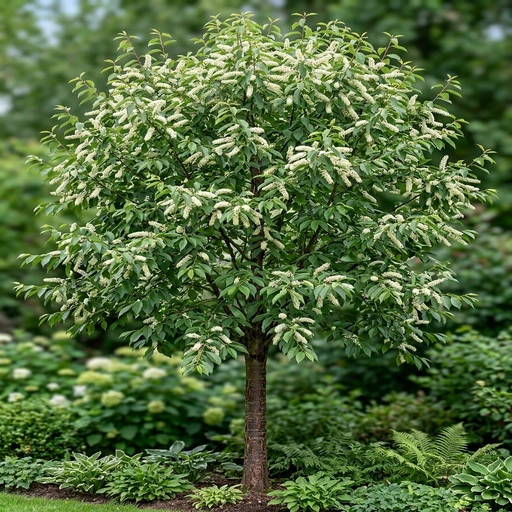
Black Cherry
Prunus serotina
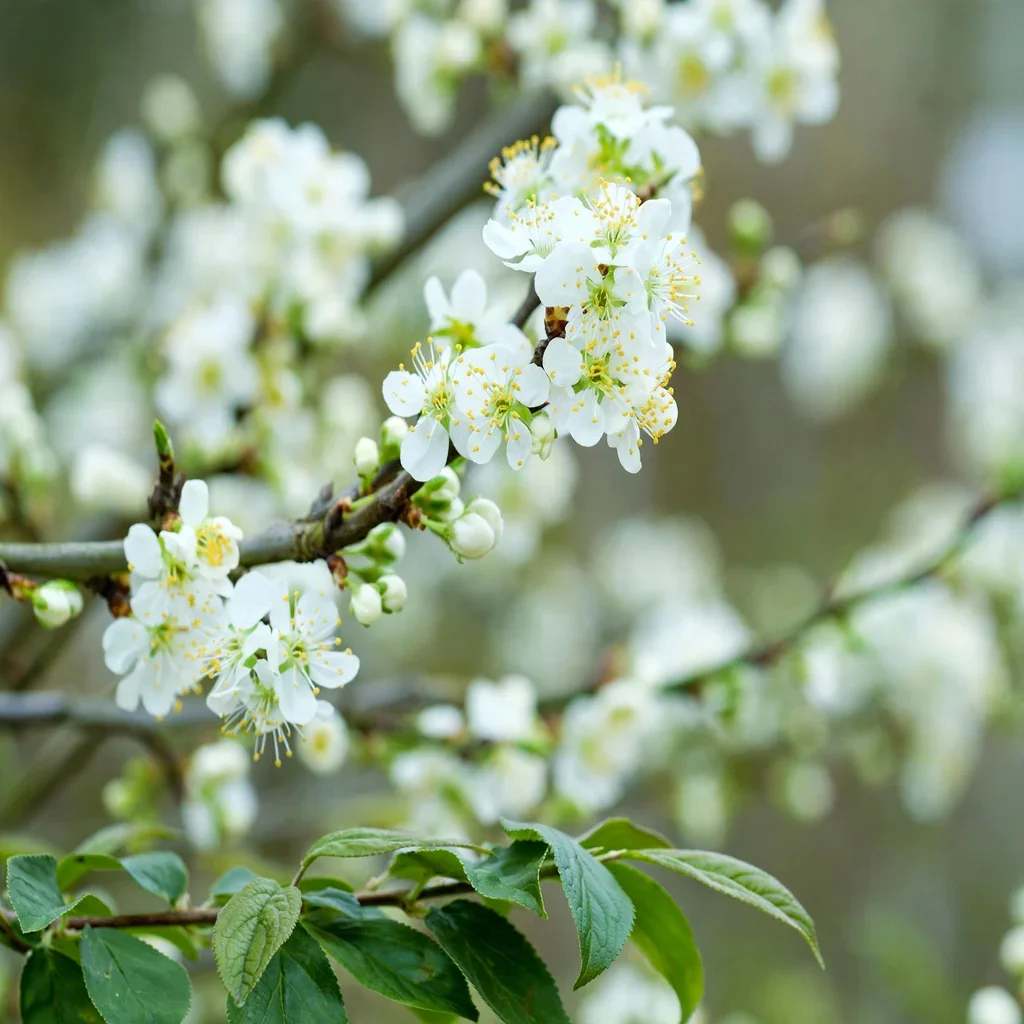
Sugar Plum
Prunus domestica 'Sugar Plum'
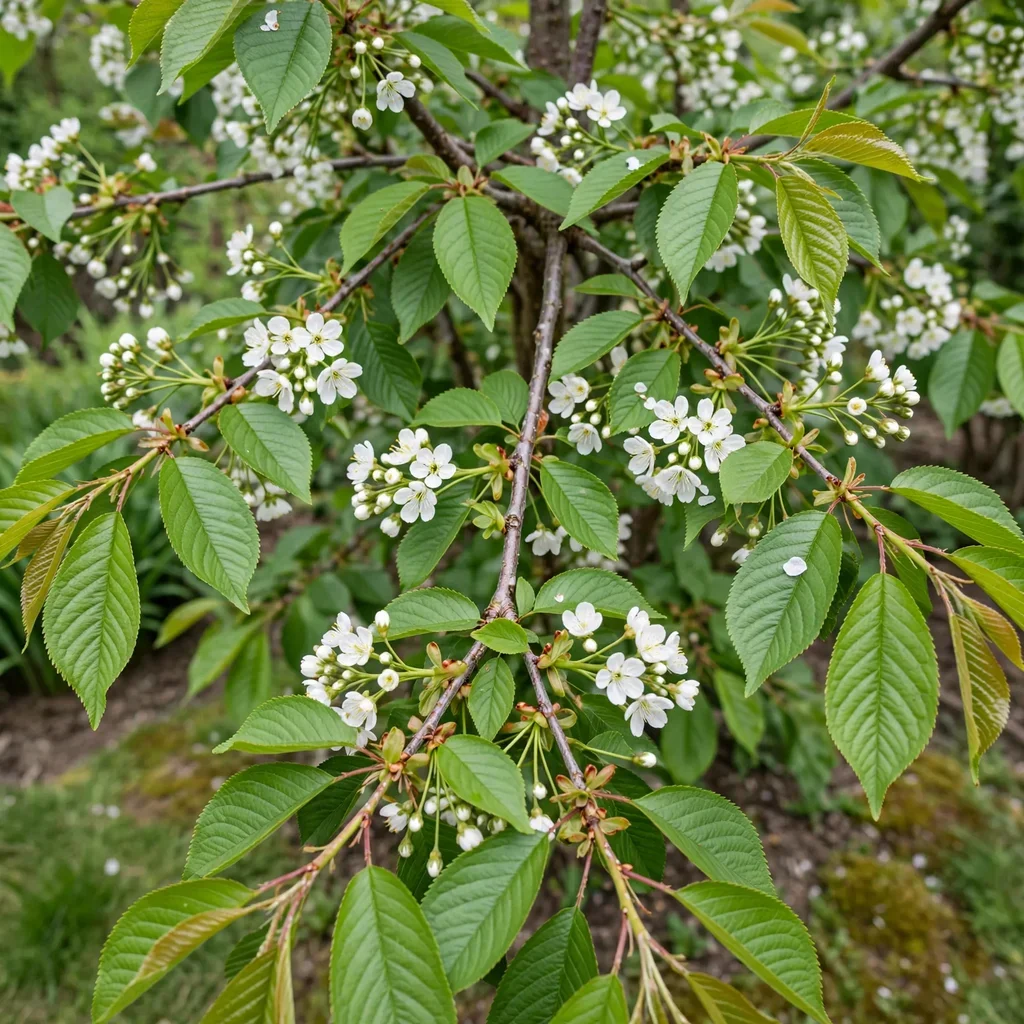
Sweet Cherry
Prunus avium 'Mix'
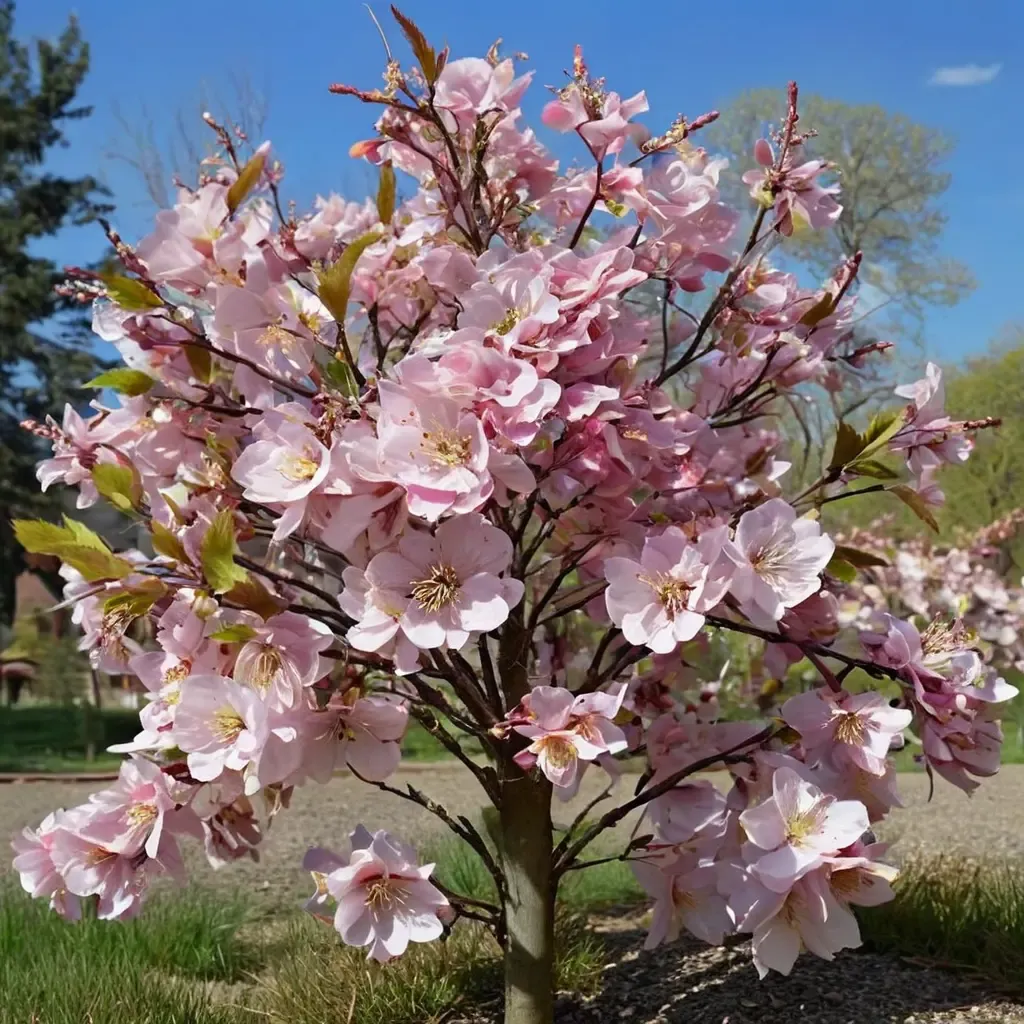
Japanese Flowering Cherry
Prunus serrulata
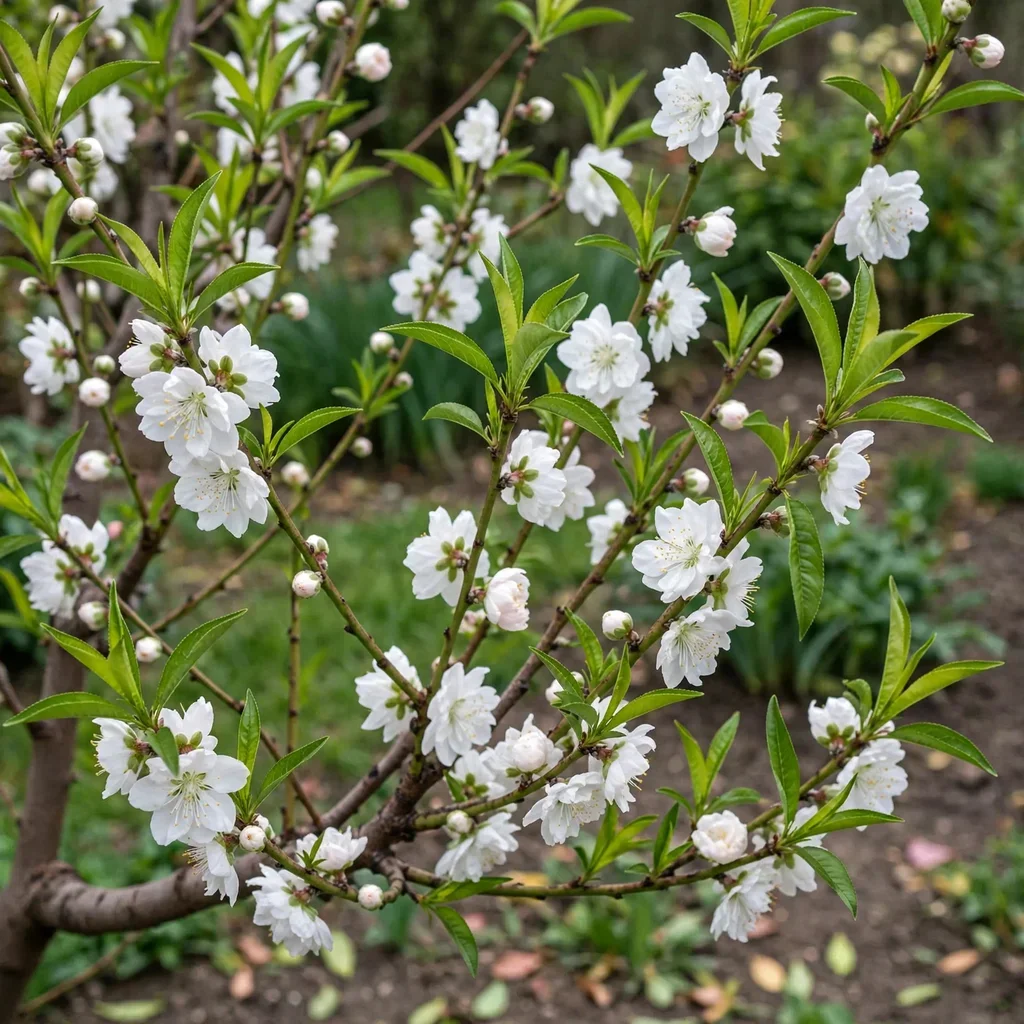
Feiching Tao White Peach
Prunus persica 'Feiching Tao White'
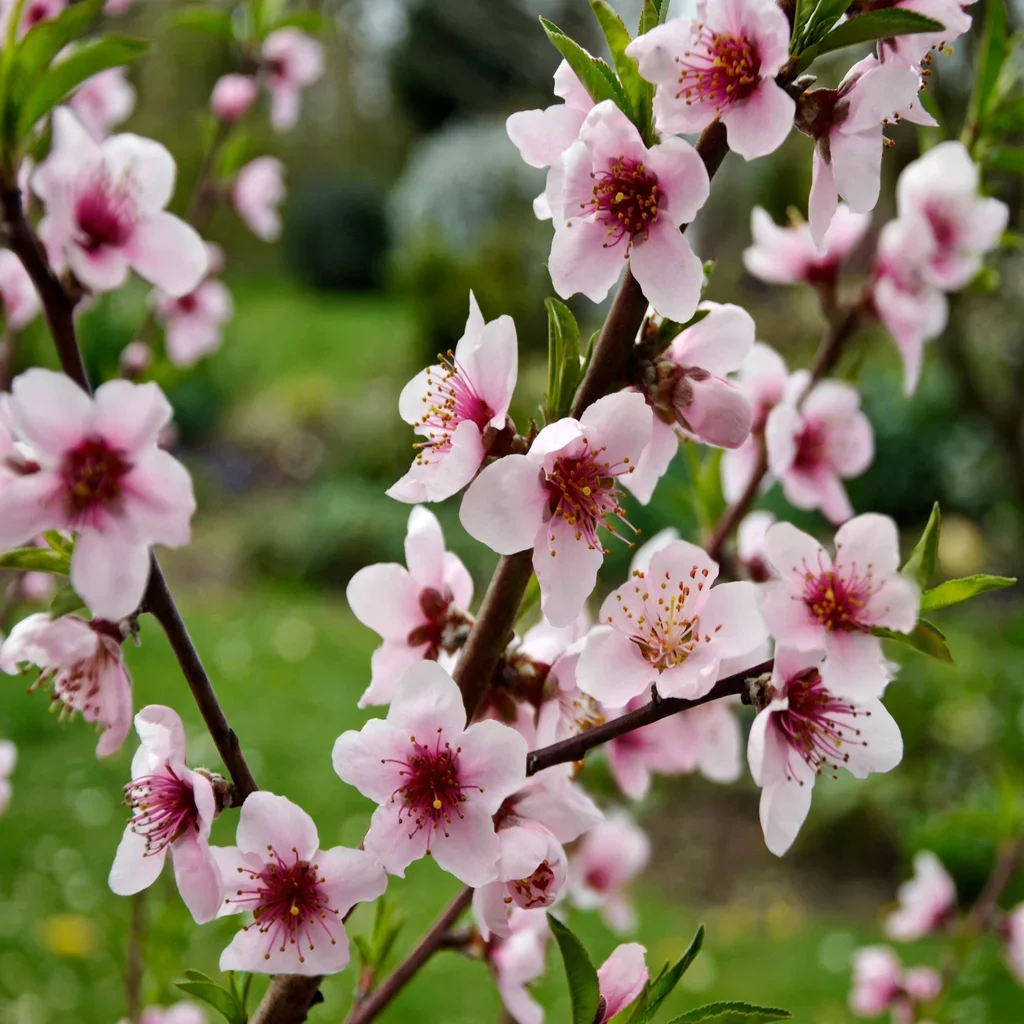
Hale Haven Peach
Prunus persica 'Hale Haven'
Keep exploring
Explore the genus
Hardy in your zone?
Grow Sargent Cherry with confidence
See it in a design of your actual yard, get zone-matched care reminders, and track it season by season in your garden journal.