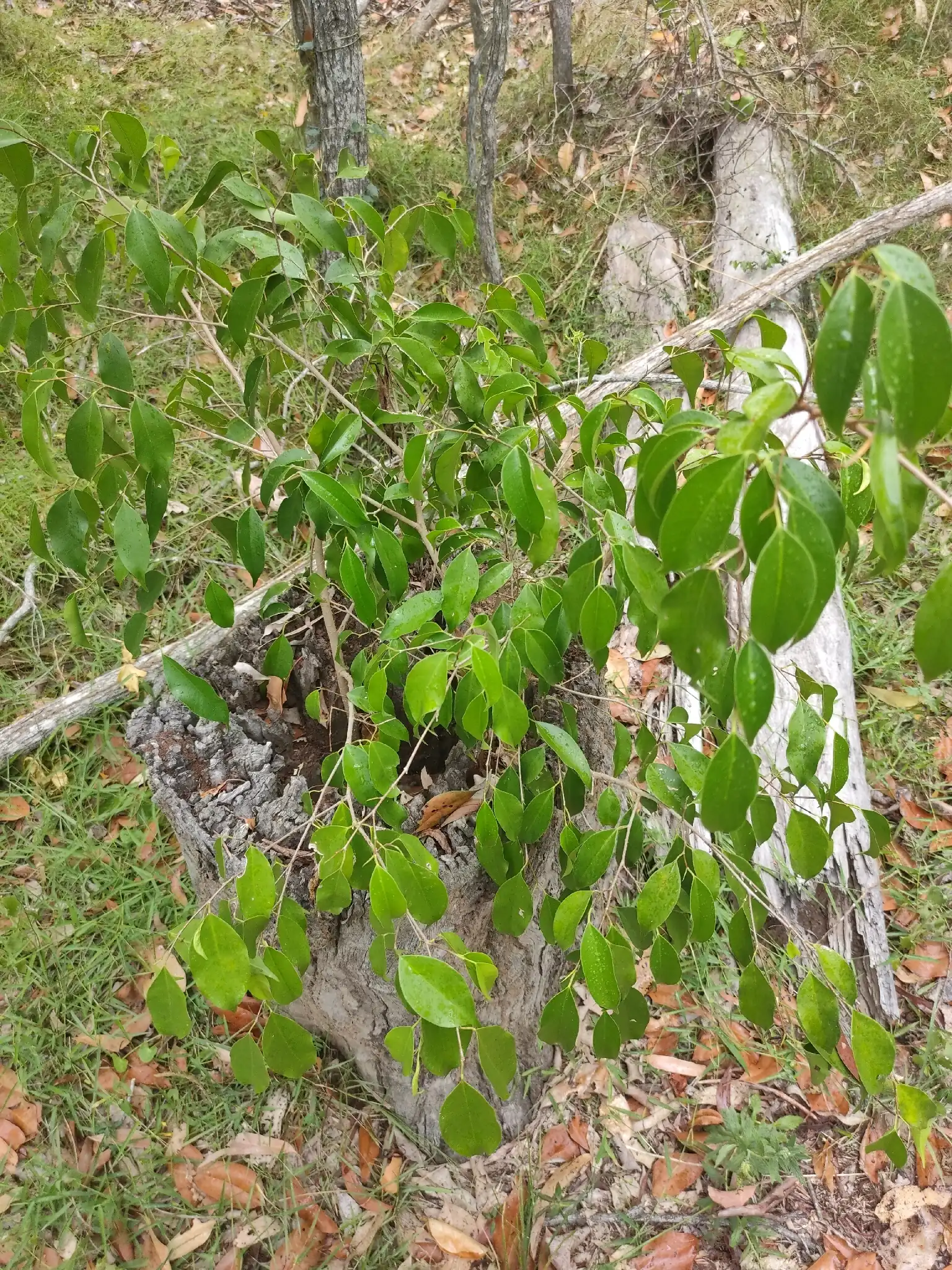
The Story
Plant Bio
Ficus benjamina, the weeping fig, is a broadleaf evergreen tree reaching two to ten feet in container cultivation, featuring a graceful, spreading canopy of arching branches. The leathery, glossy dark green leaves are ovate with a distinctive acuminate drip-tip, while new growth emerges in a contrasting bright lime-green.
The tiny, unisexual flowers are entirely enclosed within hollow, pear-shaped green receptacles known as syconia, which function as specialized figs. This species is highly sensitive to environmental shifts, readily shedding its foliage in response to sudden changes in light, temperature, or drafts.
Uses & Benefits:
Essentials
At a Glance
Plant Type
Tree
Height
118"
Width
59"
Light
Full Sun, Partial Sun
Zones
10
Water
Moderate
Humidity
Medium to high
Lifespan
Long-lived
Native To
Southeastern Asia, southern China, Southeast Asia, and northern Australia
Toxicity
Toxic to dogs, cats, and humans
Bloom period
Spring – Summer
In flower about 6 months of the year
Marketplace
Where to Buy
Shipping costs Year-round shipping Free shipping
Planting
How to Grow
- Position the plant in bright, filtered indirect light near an east- or west-facing window.
- Plant in a rich, highly organic, loamy potting mix with excellent drainage.
- Water thoroughly when the top inch of soil dries, ensuring the pot drains completely to prevent root rot.
- Maintain a stable indoor temperature and protect the plant from cold drafts or heating vents.
Pro Tip
Maintain a highly stable environment and avoid moving the container, as sudden relocation or drafts trigger rapid, extensive leaf drop.
Keep It Thriving
Care Guide
Do
- Keep the plant in a consistent location to prevent stress-induced leaf drop.
- Clean dust off the leaves periodically using a damp sponge.
- Use pots with unobstructed drainage holes to prevent waterlogging.
- Feed monthly during spring and summer with a balanced, water-soluble foliage fertilizer.
Don't
- Do not allow the soil to become waterlogged or let the pot sit in standing water.
- Do not prune heavily back into old, bare wood as it may fail to shoot back.
- Do not fertilize during the fall and winter dormancy periods.
- Do not place the plant in deep shade, which triggers severe leaf drop.
Seasonal Care Calendar
| Task | Jan | Feb | Mar | Apr | May | Jun | Jul | Aug | Sep | Oct | Nov | Dec |
|---|---|---|---|---|---|---|---|---|---|---|---|---|
| Fertilize | ||||||||||||
| Pest Check | ||||||||||||
| Propagate | ||||||||||||
| Prune |
Watch Out For
Pests & Diseases
Common Pests
Common Diseases
In the Garden
Landscape Uses & Companions
Landscape Uses
Companion Plants
Multiply
Propagation Methods
Good to Know
Common Questions
Weeping Fig questions
What zones can Weeping Fig grow in?
Weeping Fig is hardy in USDA Zone 10. Inside that range it survives winter in the ground; outside it, grow it as an annual or a container plant you protect.
When does Weeping Fig bloom?
Weeping Fig typically blooms in spring through summer. Exact timing shifts a week or two with your zone — Sow's bloom calendar maps it to your garden.
Does Weeping Fig need full sun?
Weeping Fig does best in full sun to part shade. In hot climates, afternoon shade keeps blooms fresher longer.
More Ficus to compare
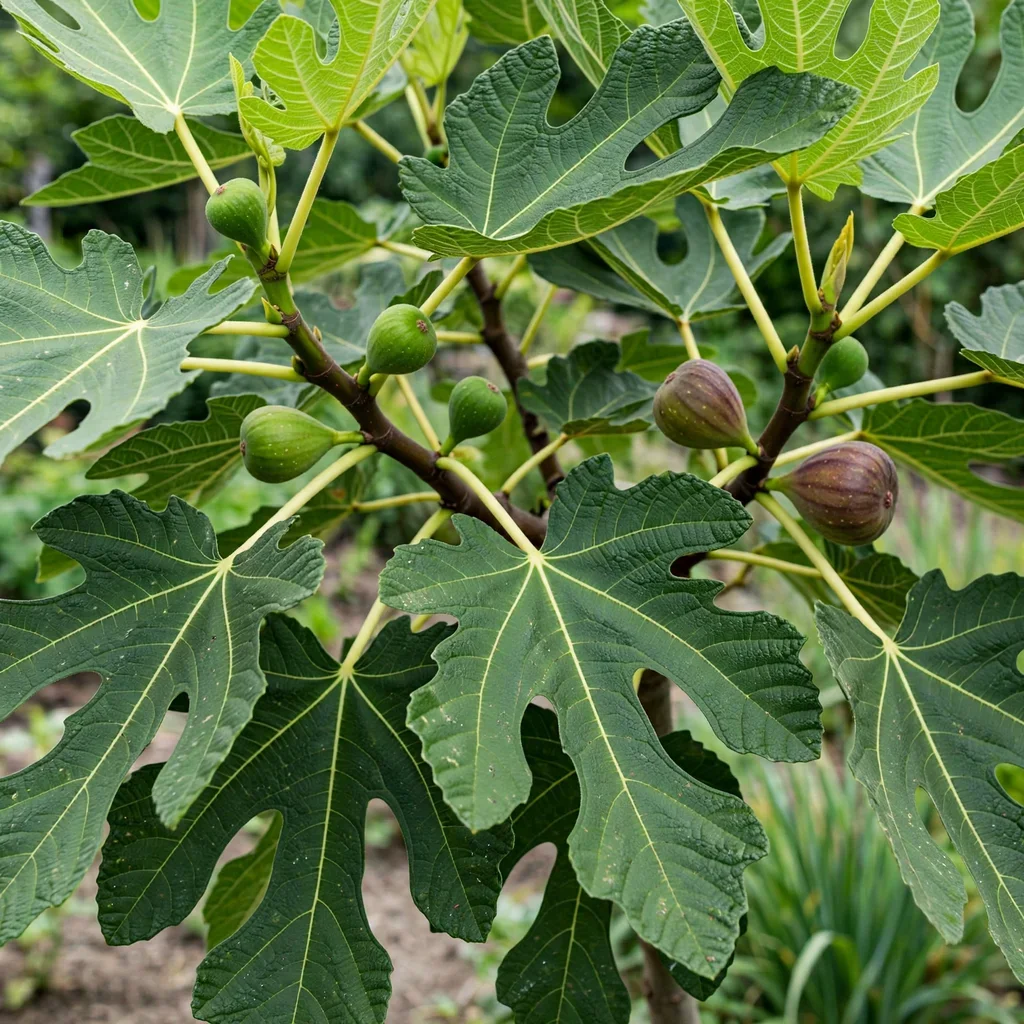
Fig Tree Brown Turkey
Ficus carica 'Brown Turkey'
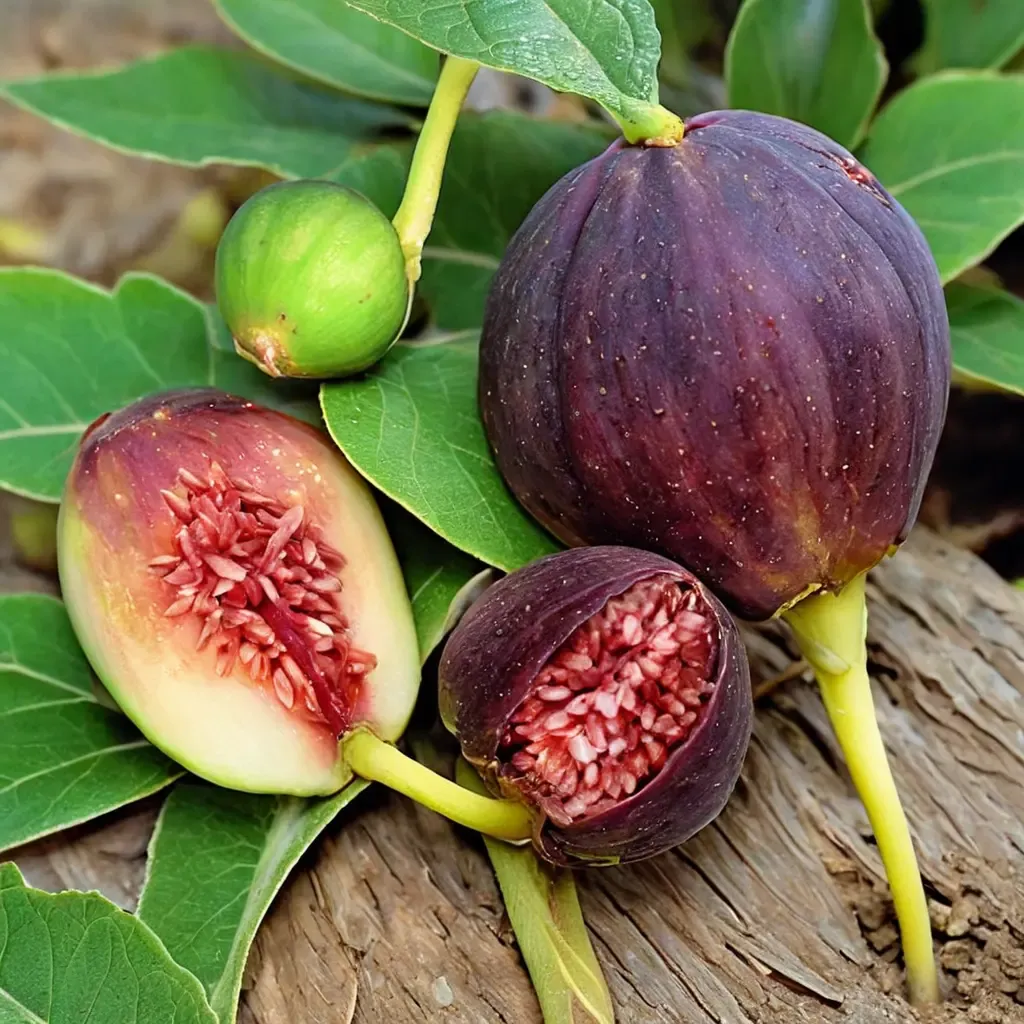
Improved Brown Turkey Fig
Ficus carica 'Improved Brown Turkey'
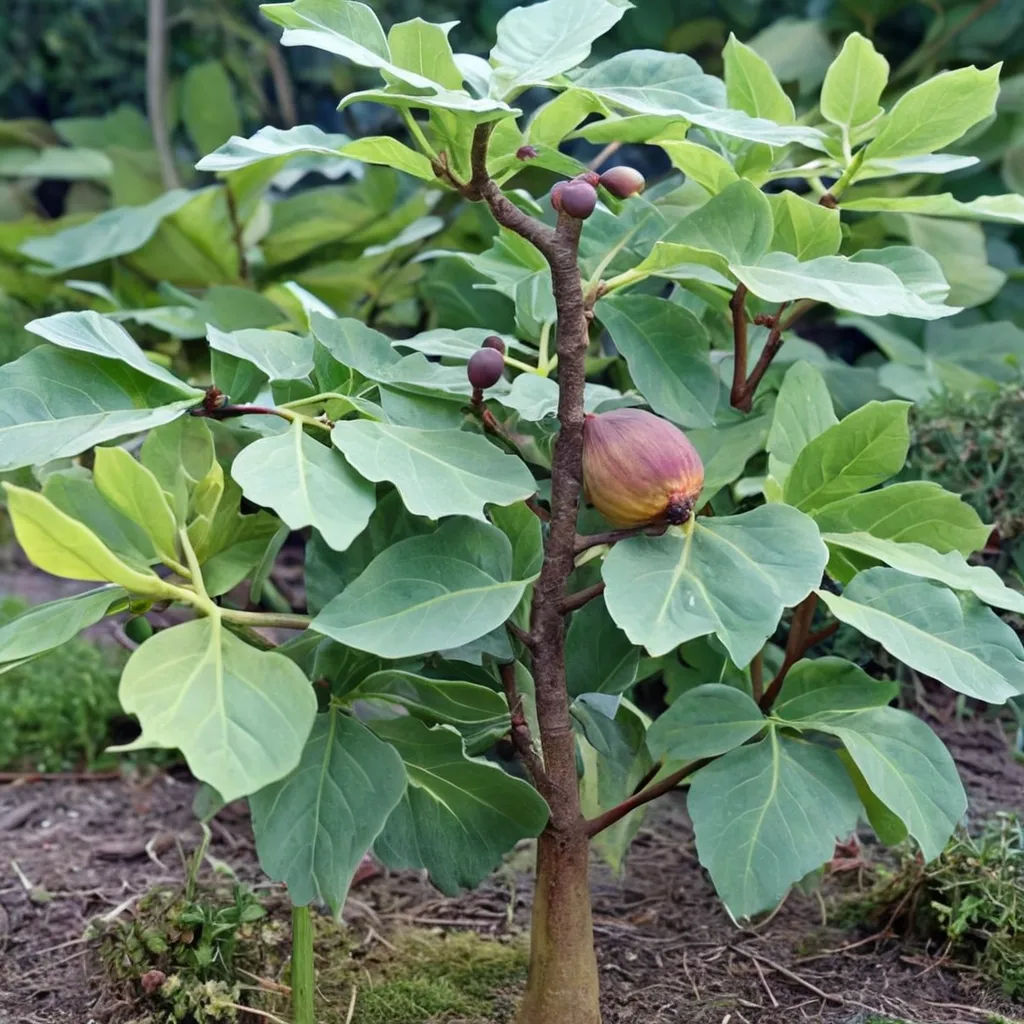
Chicago Hardy Fig
Ficus carica 'Chicago Hardy'
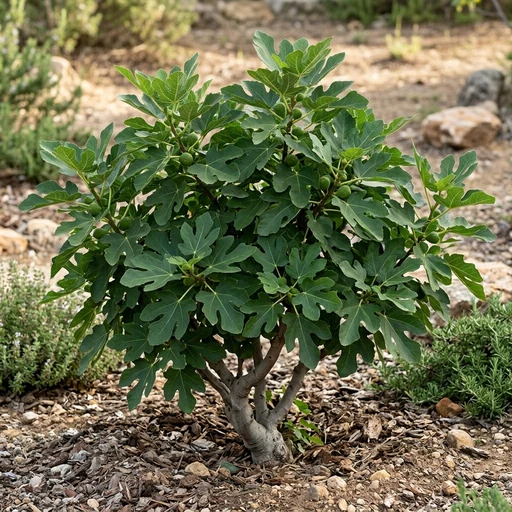
Little Miss Figgy Dwarf Fig
Ficus carica 'Little Miss Figgy'
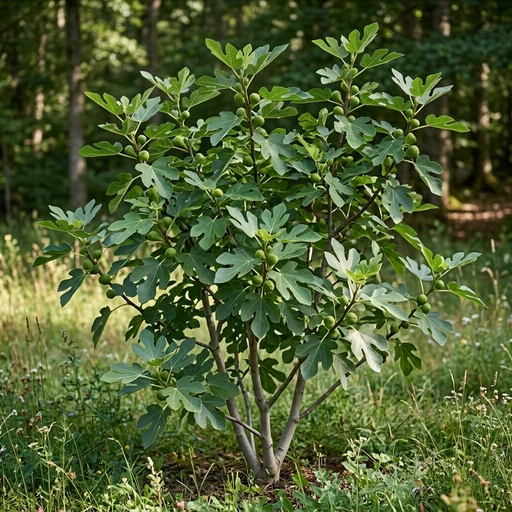
Celeste Fig
Ficus carica 'Celeste'
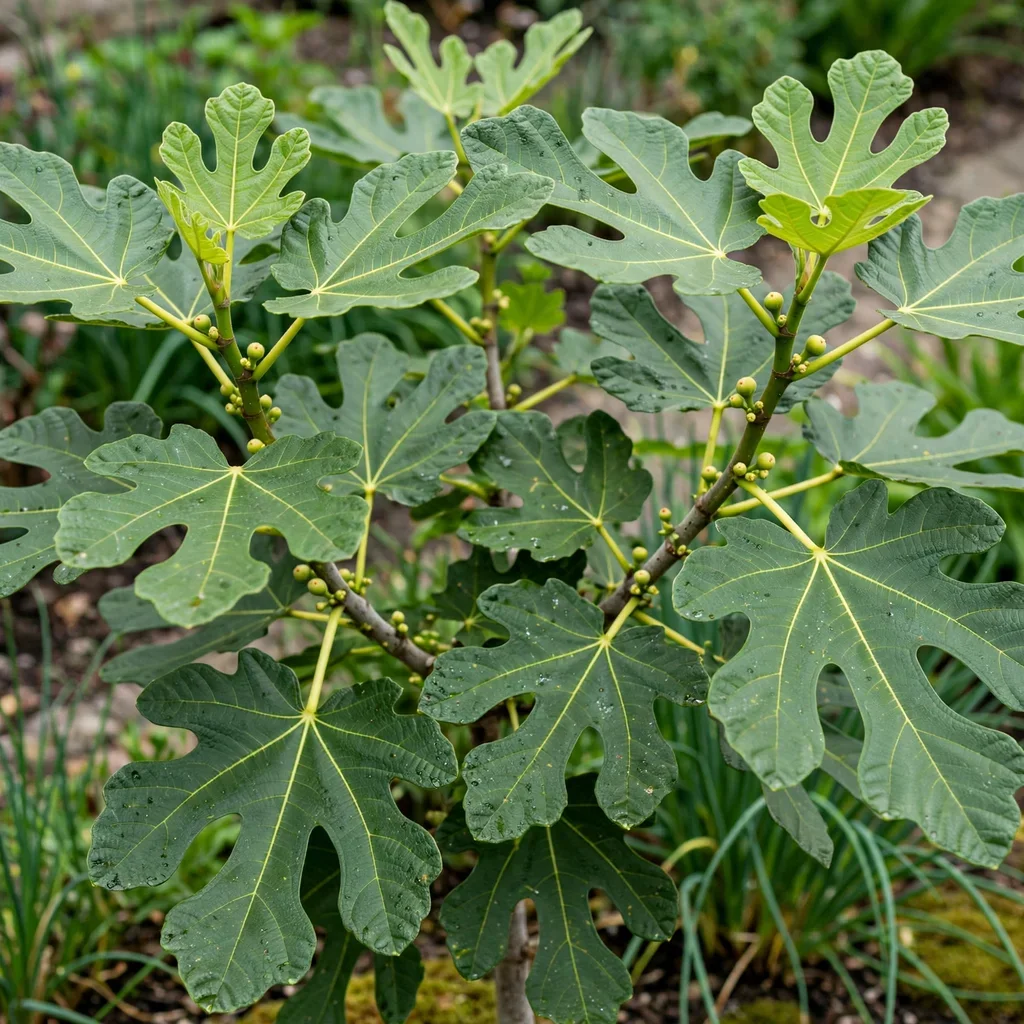
Champagne Fig
Ficus carica 'Champagne'
Keep exploring
Explore the genus
Hardy in your zone?
Grow Weeping Fig with confidence
See it in a design of your actual yard, get zone-matched care reminders, and track it season by season in your garden journal.