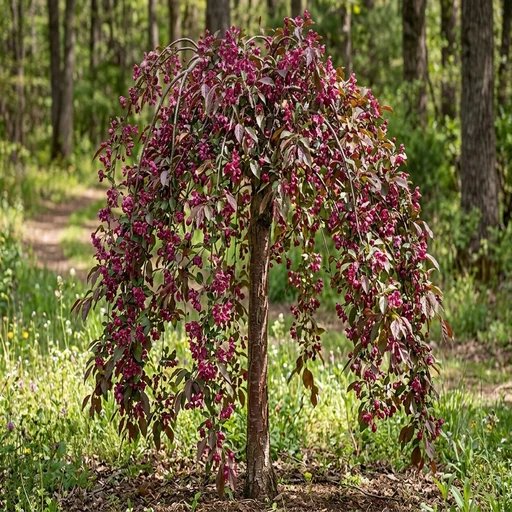
Garden hybrid
This is a garden hybrid, bred from more than one wild species, so it has no single species page of its own.
29 other cultivars
 ‘Profusion’Profusion Crabapple
 ‘Perfect Purple’Perfect Purple Crabapple
 ‘Prairifire’Prairifire Crabapple
 ‘Louisa’Louisa Crabapple
 ‘Cardinal’Cardinal Crabapple
 ‘Purple Prince’Purple Prince Crabapple
 ‘Jfs Kw213Mx’Jfs Kw213Mx Royal Raindrops Crabapple
 ‘Jfs-Kw5’Jfs-Kw5 Royal Raindrops Crabapple
 ‘Jfs Kw214Mx’Jfs Kw214Mx Royal Raindrops Crabapple
 ‘Velvet Pillar’Velvet Pillar Crabapple
 ‘Red Barron’Red Barron Crabapple
 ‘Jfs-Kw207’Jfs-Kw207 Royal Raindrops Crabapple
 ‘Snowdrift’Snowdrift Crabapple
 ‘Jewelcole’Red Jewel Crabapple
 ‘Radiant’Radiant Crabapple
 ‘Pink Spires’Pink Spires Crabapple
 ‘Harvest Gold’Harvest Gold Crabapple
 ‘Rejoice’Rejoice Crabapple
 ‘Robinson’Robinson Crabapple
 ‘Shotizam’Show Time Crabapple
 ‘Adirondack’Adirondack Crabapple
 ‘Coralcole’Coralburst Crabapple
 ‘Adams’Adams Crabapple
 ‘Donald Wyman’Donald Wyman Crabapple
 ‘Red Jade’Red Jade Crabapple
 ‘Spring Snow’Spring Snow Crabapple
 ‘Sutyzam’Sugar Tyme Crabapple
 ‘Jeflite’Starlite Flowering Crabapple
 ‘John Downie’John Downie Crabapple
The Story
Plant Bio
Crabapple trees are small to medium-sized deciduous trees highly valued for their spectacular spring flower display, attractive fruit, and often colorful foliage. They are adaptable and available in a wide range of forms and sizes.
'Ruby Tears' (Malus 'Bailears') is a naturally weeping crabapple that creates a graceful, cascading fountain of foliage. It features fragrant pink blossoms, deep burgundy-green summer leaves, and sparkling red, persistent fruit, along with excellent disease resistance.
Uses & Benefits:
Bred from more than one wild species, so it has no species page of its own.
Essentials
At a Glance
Plant Type
Tree
Height
108"
Width
160"
Light
Full Sun
Zones
4, 5, 6, 7
Water
Medium
Humidity
Moderate
Lifespan
30-50 years
Native To
Cultivated origin
Toxicity
Fruit is non-toxic but sour
Bloom period
Mid-spring – Late spring
In flower about 2 months of the year
Planting
How to Grow
- Choose a site that receives at least 6 hours of direct sun.
- Ensure the soil is well-drained; amend heavy clay if needed.
- Dig a hole twice as wide as the root ball.
- Set the tree in the hole with the root flare at ground level.
- Backfill with soil and water deeply to settle.
- Apply mulch around the base, avoiding contact with the trunk.
Pro Tip
Avoid pruning the weeping branches unless they are dead or damaged, as this will ruin the plant's natural, graceful form.
Keep It Thriving
Care Guide
Do
- Water regularly during the first growing season to establish roots.
- Provide good air circulation to maintain healthy foliage.
- Remove any suckers that may appear from the rootstock.
- Enjoy the year-round interest from flowers, foliage, fruit, and form.
Don't
- Do not plant in a shaded or waterlogged location.
- Avoid heavy pruning, which can destroy its weeping habit.
- Don't allow grass to grow right up to the trunk.
- Refrain from overhead watering to help prevent fungal diseases.
Seasonal Care Calendar
| Task | Jan | Feb | Mar | Apr | May | Jun | Jul | Aug | Sep | Oct | Nov | Dec |
|---|---|---|---|---|---|---|---|---|---|---|---|---|
| Fertilize | ||||||||||||
| Mulch | ||||||||||||
| Plant | ||||||||||||
| Prune |
Watch Out For
Pests & Diseases
Common Pests
Common Diseases
In the Garden
Landscape Uses & Companions
Landscape Uses
Companion Plants
Multiply
Propagation Methods
Good to Know
Common Questions
Ruby Tears Crabapple questions
What zones can Ruby Tears Crabapple grow in?
Ruby Tears Crabapple is hardy in USDA Zones 4–7. Inside that range it survives winter in the ground; outside it, grow it as an annual or a container plant you protect.
Is Ruby Tears Crabapple deer resistant?
Not reliably. Deer may browse Ruby Tears Crabapple, especially tender spring growth — plan on repellents or fencing where pressure is high.
When does Ruby Tears Crabapple bloom?
Ruby Tears Crabapple typically blooms in mid-spring through late spring. Exact timing shifts a week or two with your zone — Sow's bloom calendar maps it to your garden.
Does Ruby Tears Crabapple need full sun?
Ruby Tears Crabapple does best in full sun (6+ hours).
More Malus to compare
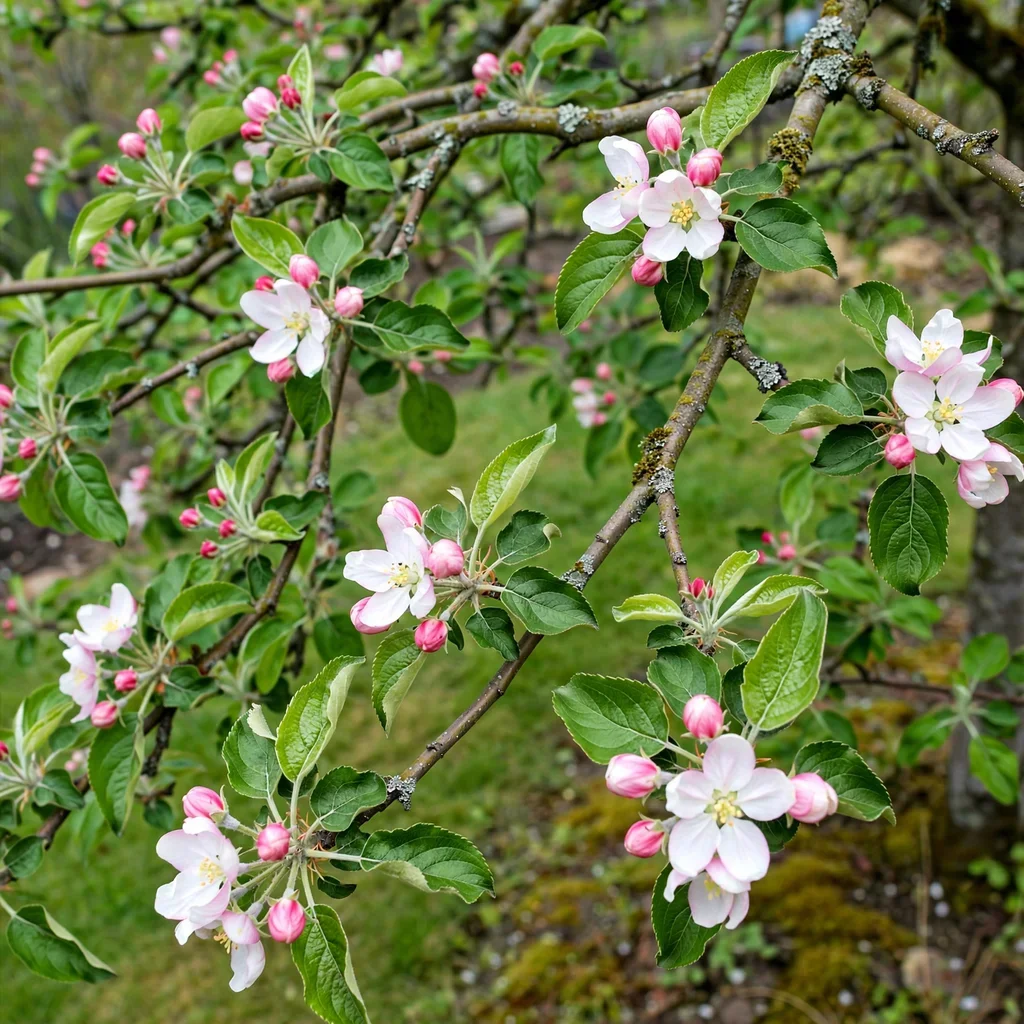
Honeycrisp Apple
Malus domestica 'Honeycrisp'
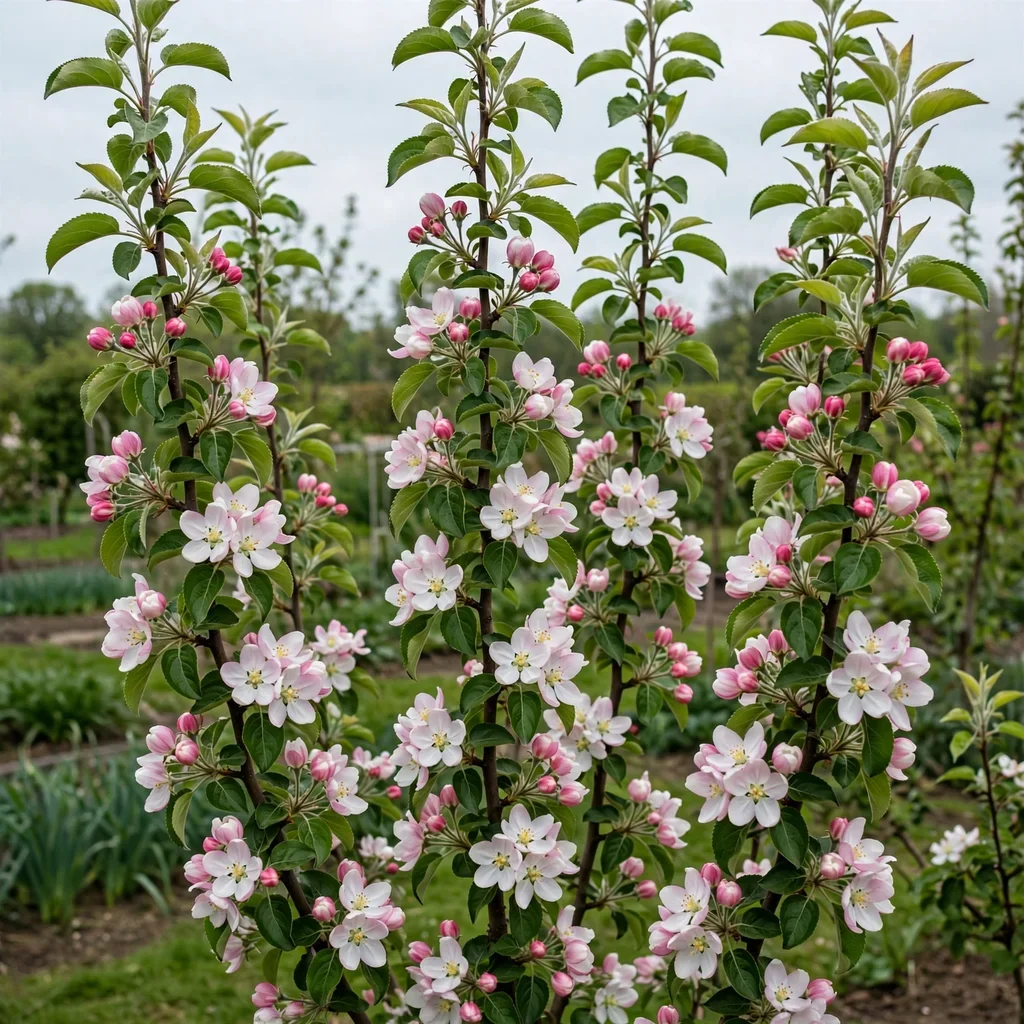
Golden Treat Apple
Malus domestica 'Golden Treat'
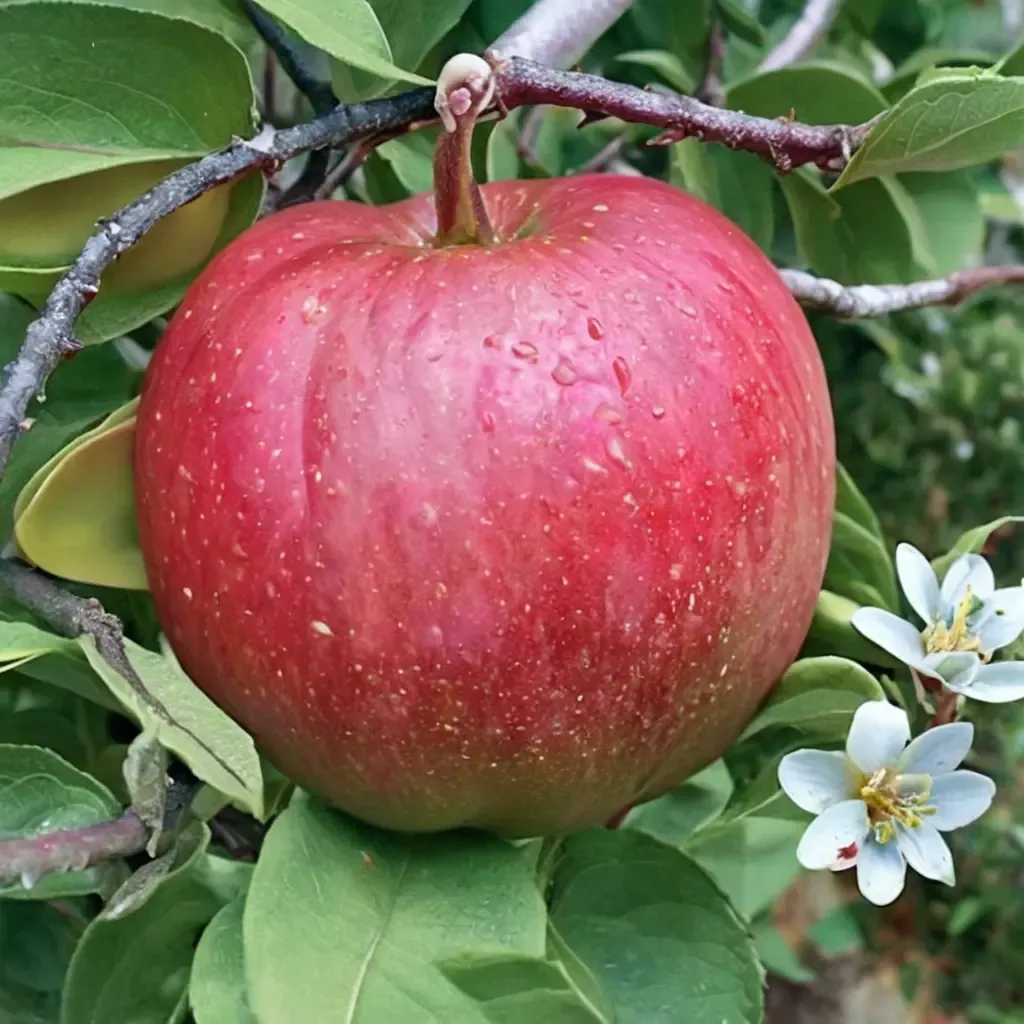
Pixie Crunch Apple
Malus domestica 'Pixie Crunch'
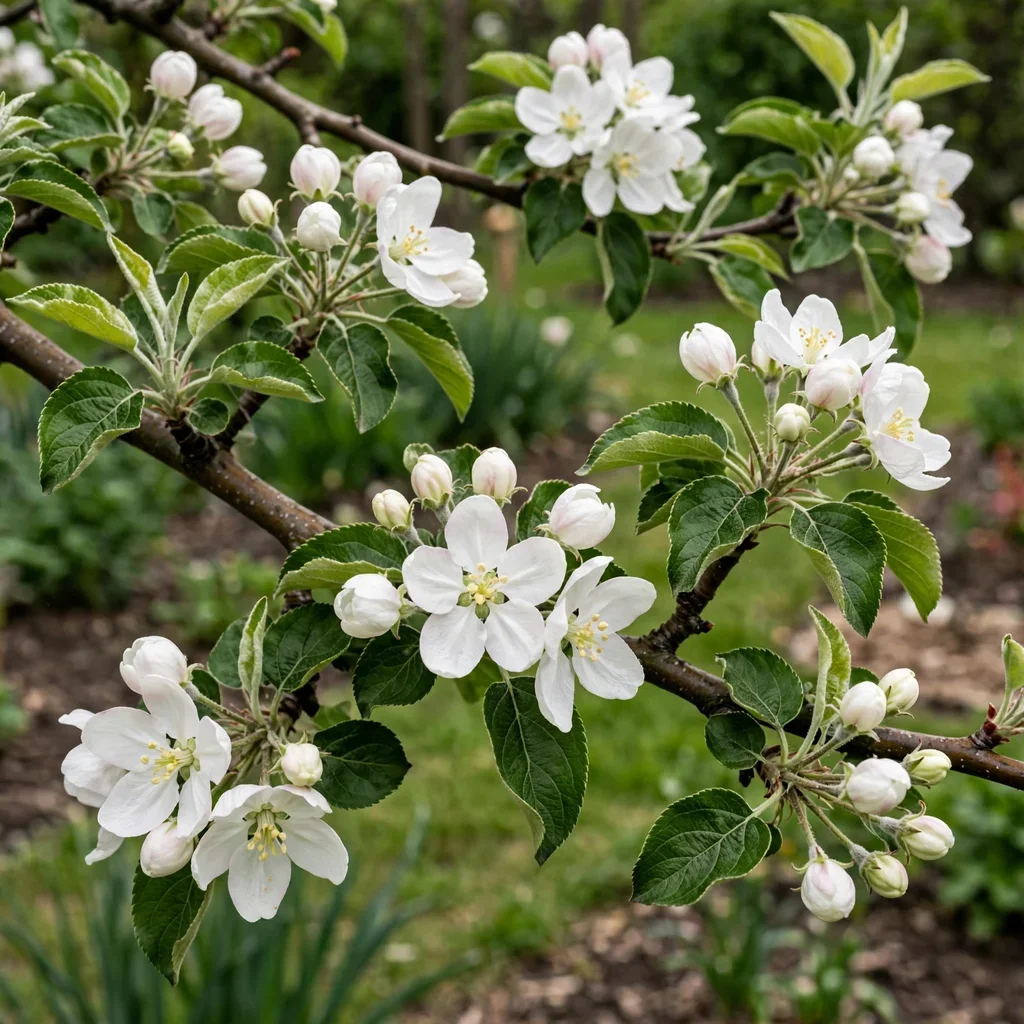
Apple
Malus domestica
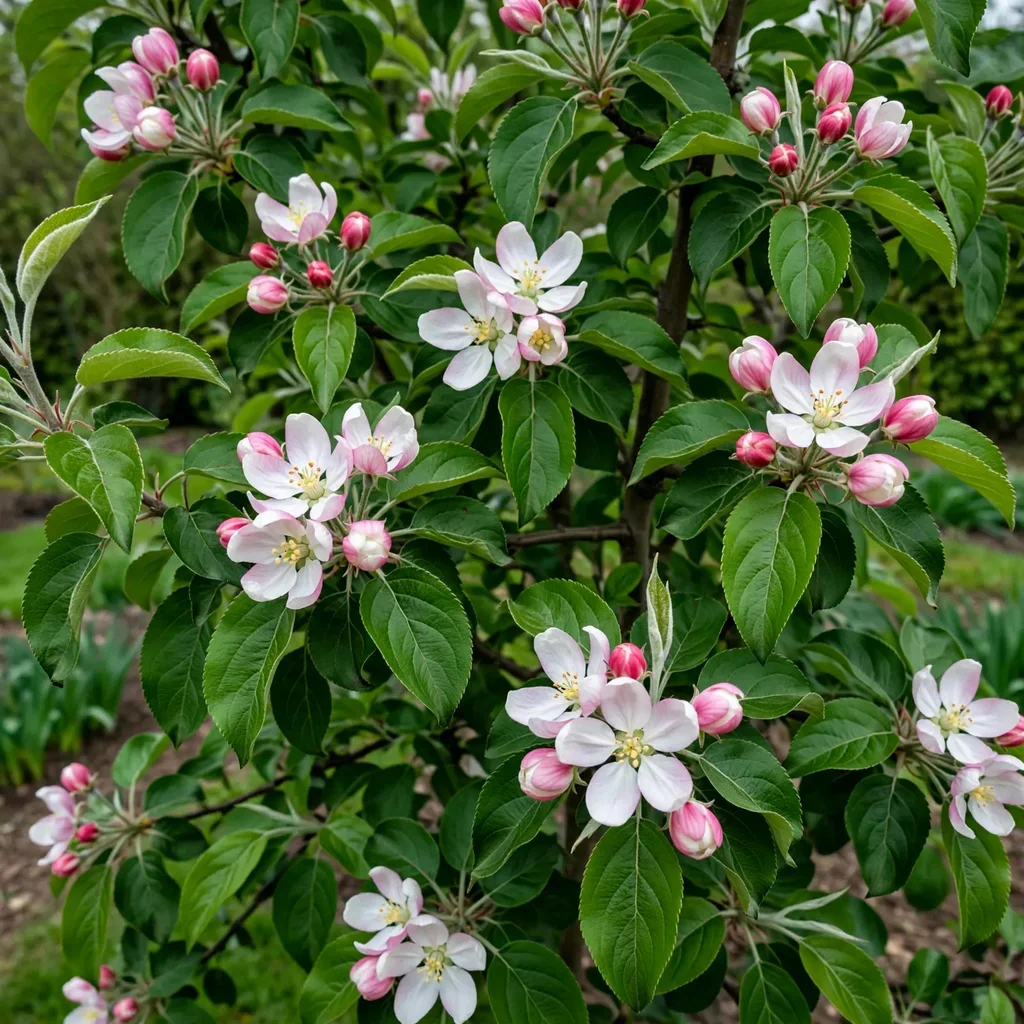
Blushing Delight Apple
Malus domestica 'Blushing Delight'
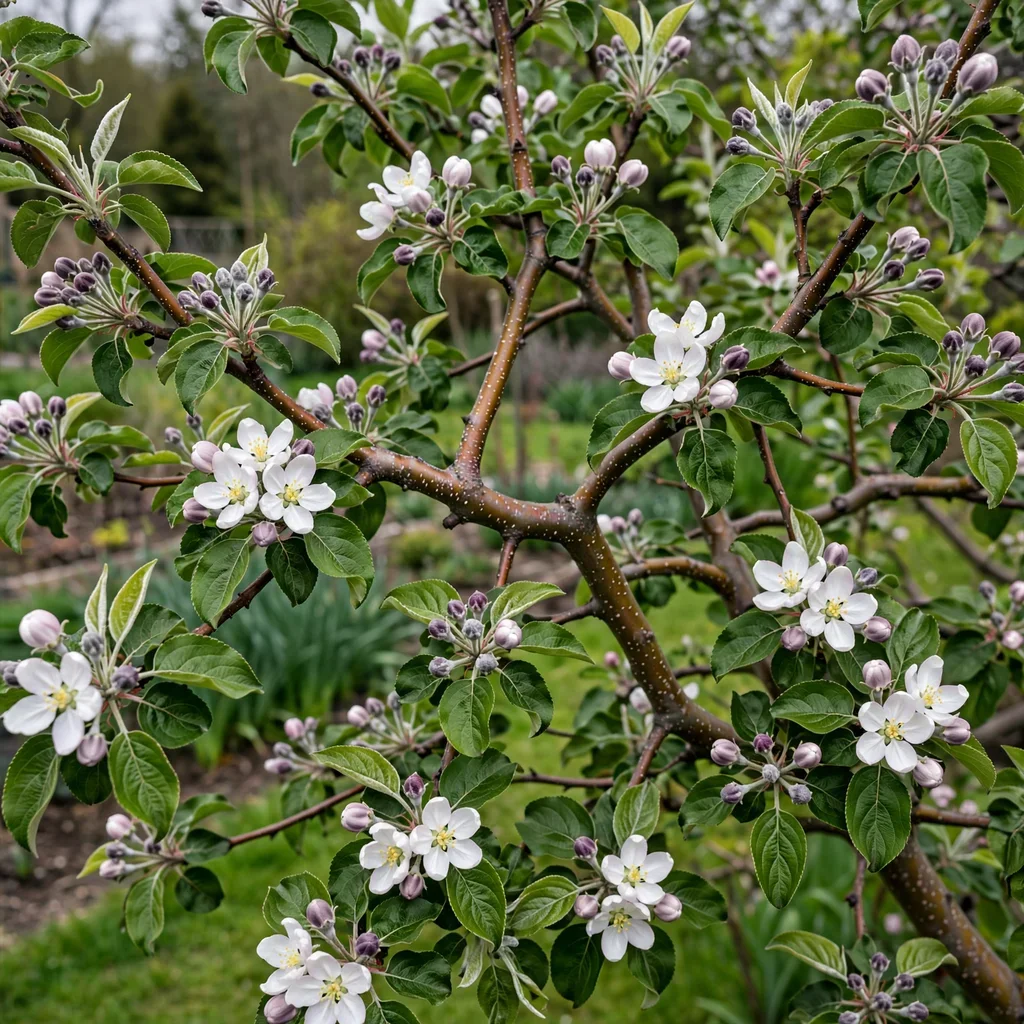
Reachable Apple
Malus domestica 'Reachables'
Keep exploring
Explore the genus
Hardy in your zone?
Grow Ruby Tears Crabapple with confidence
See it in a design of your actual yard, get zone-matched care reminders, and track it season by season in your garden journal.