1 named cultivar

The Story
Plant Bio
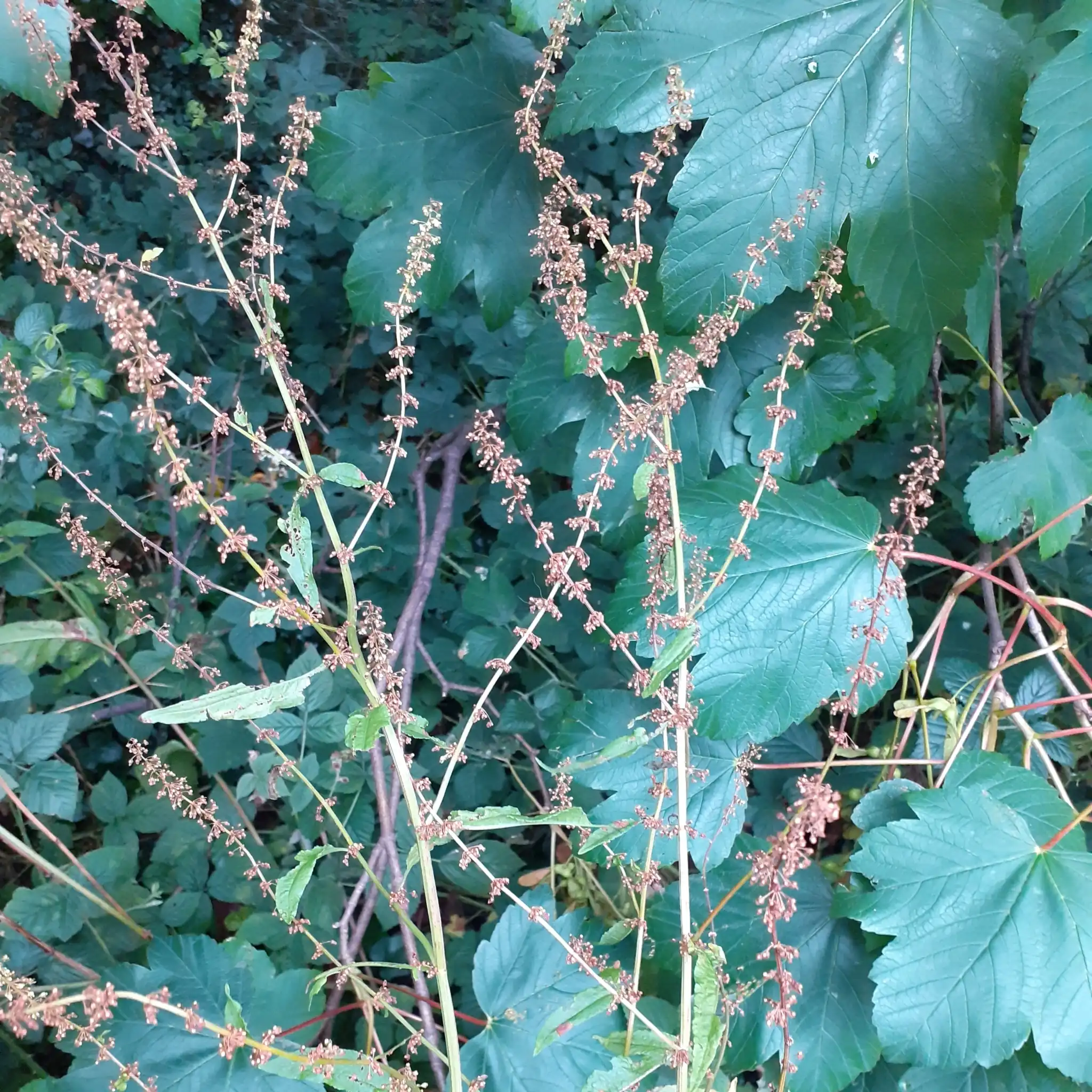
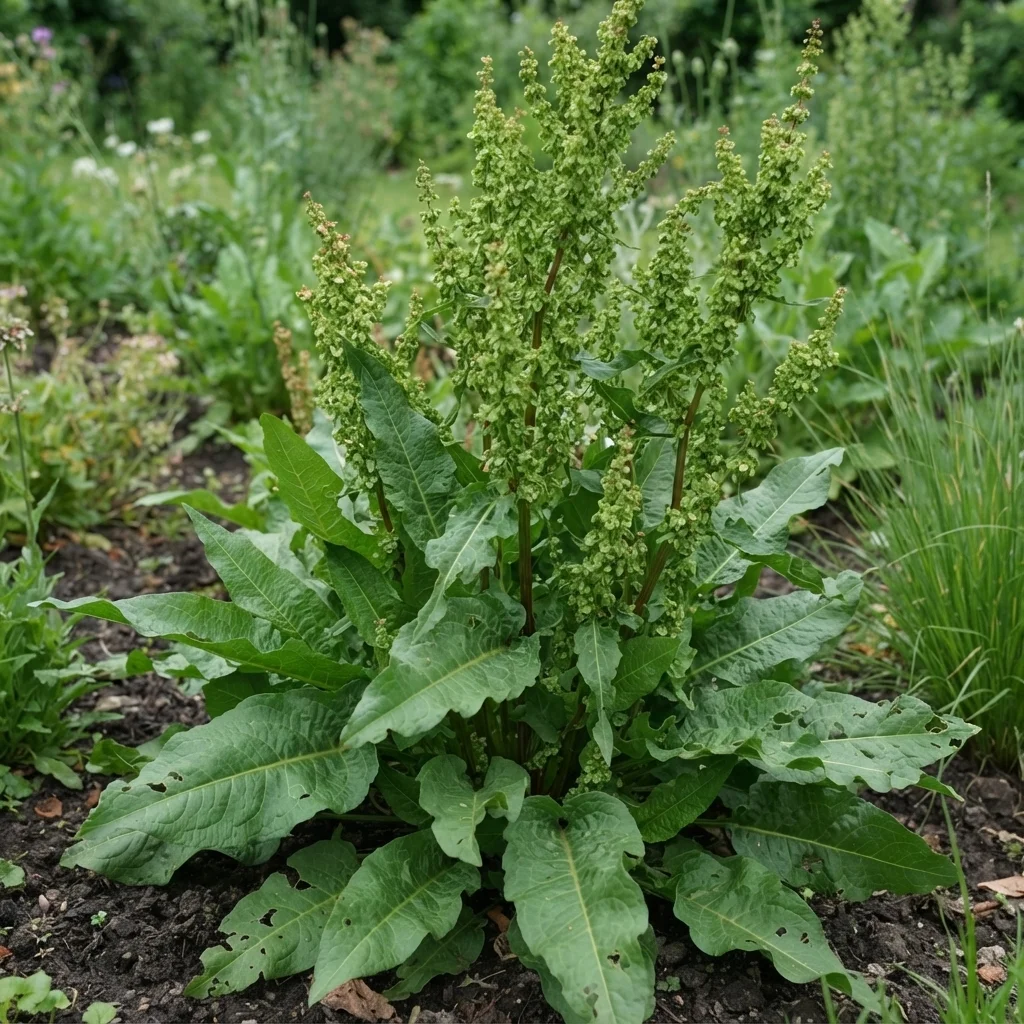
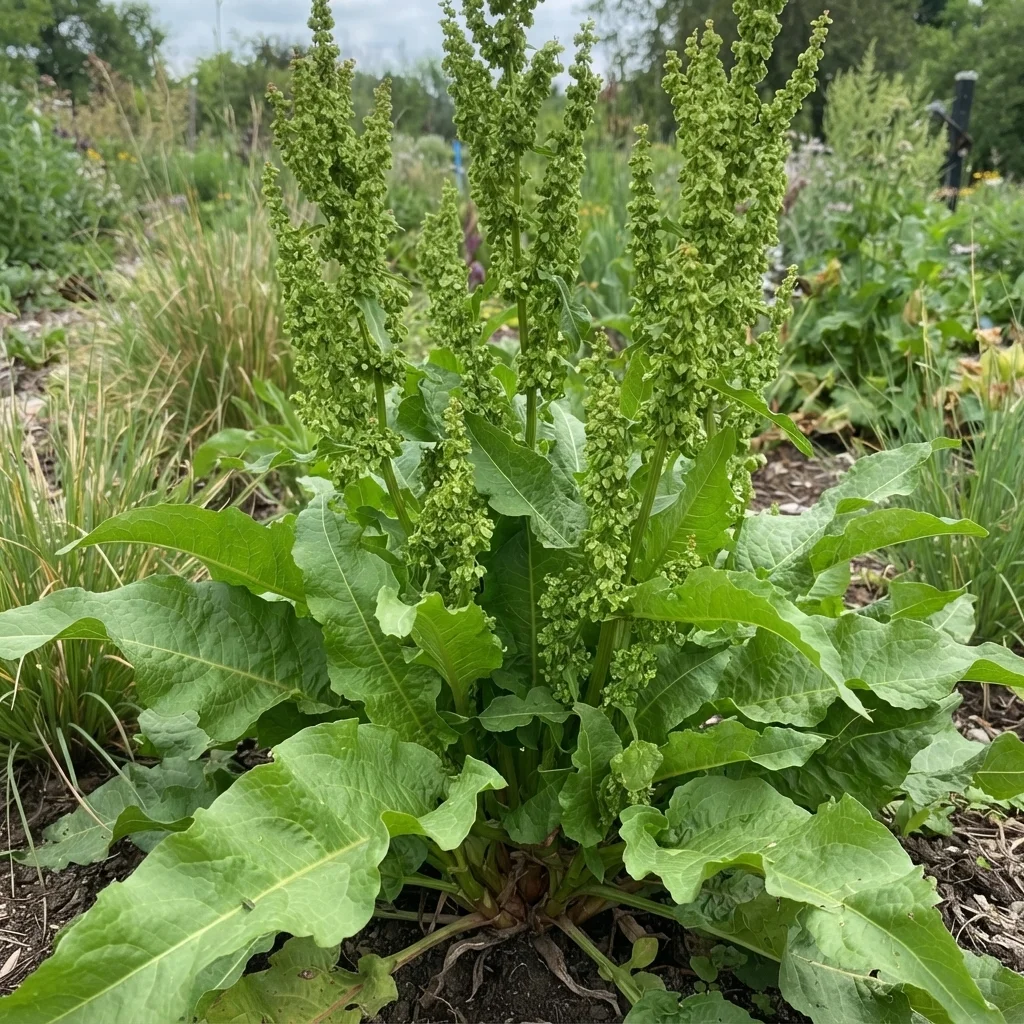
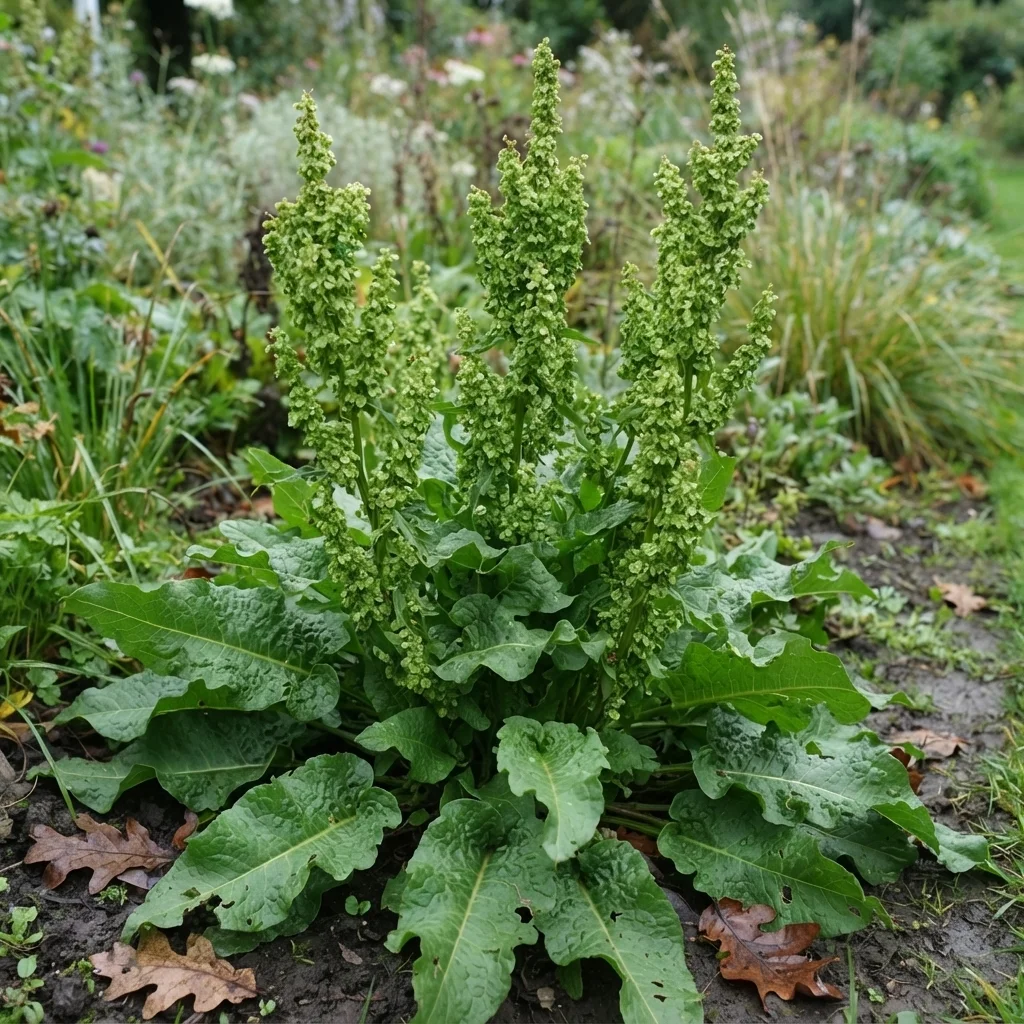
Rumex sanguineus, bloody dock, is a clumping perennial from Europe and northern Iran, twelve to eighteen inches high. It is grown for its foliage: upright lance-shaped green leaves veined in vivid blood red, forming a low rosette. Slim spikes of small greenish flowers rise above in summer and are usually removed.
The red veining is the whole point, and it is strongest on young leaves in cool weather, so cut the plant back in midsummer for a fresh flush rather than letting it go over. Cut the flower spikes out before they seed: it self-sows freely and the seedlings revert to a plainer, weedier plant. Young leaves are a salad crop, older ones too sharp.
Uses & Benefits:
Essentials
At a Glance
Plant Type
Fruit Vegetable
Height
15"
Width
18"
Light
Full Sun, Partial Sun, Shade
Zones
4, 5, 6, 7, 8
Water
Moderate
Humidity
Moderate
Lifespan
Perennial
Native To
Europe and northern Iran
Toxicity
Young leaves edible; harmful in quantity
Marketplace
Where to Buy
Shipping costs Year-round shipping Free shipping
Planting
How to Grow
- Plant in full sun or partial shade in moist soil.
- Cut flower spikes out before seed sets.
- Shear the clump in midsummer for fresh red leaves.
- Harvest young leaves only for salads.
- Keep it away from grazing animals.
- Divide congested clumps in spring.
Pro Tip
Shear the whole clump in midsummer — the red veining is far stronger on the young leaves that follow than on tired old ones.
Keep It Thriving
Care Guide
Do
- Cut flower spikes before they seed ✂️
- Shear in midsummer for fresh colour 🍃
- Harvest only the young leaves 🥗
- Keep the soil moist 💧
Don't
- Let it self-seed unchecked ❌
- Eat older leaves in quantity ❌
- Let livestock graze it ❌
Seasonal Care Calendar
| Task | Jan | Feb | Mar | Apr | May | Jun | Jul | Aug | Sep | Oct | Nov | Dec |
|---|---|---|---|---|---|---|---|---|---|---|---|---|
| Deadhead | ||||||||||||
| Shear |
Watch Out For
Pests & Diseases
Common Pests
Common Diseases
In the Garden
Landscape Uses & Companions
Landscape Uses
Multiply
Propagation Methods
Good to Know
Common Questions
Red Veined Sorrel questions
What zones can Red Veined Sorrel grow in?
Red Veined Sorrel is hardy in USDA Zones 4–8. Inside that range it survives winter in the ground; outside it, grow it as an annual or a container plant you protect.
Is Red Veined Sorrel deer resistant?
Yes — Red Veined Sorrel is rated deer-resistant. Deer typically pass it over, though extreme hunger can override any plant's defenses.
When does Red Veined Sorrel bloom?
Red Veined Sorrel typically blooms in summer through early summer. Exact timing shifts a week or two with your zone — Sow's bloom calendar maps it to your garden.
Does Red Veined Sorrel need full sun?
Red Veined Sorrel does best in full sun to part shade. In hot climates, afternoon shade keeps blooms fresher longer.
More Rumex to compare
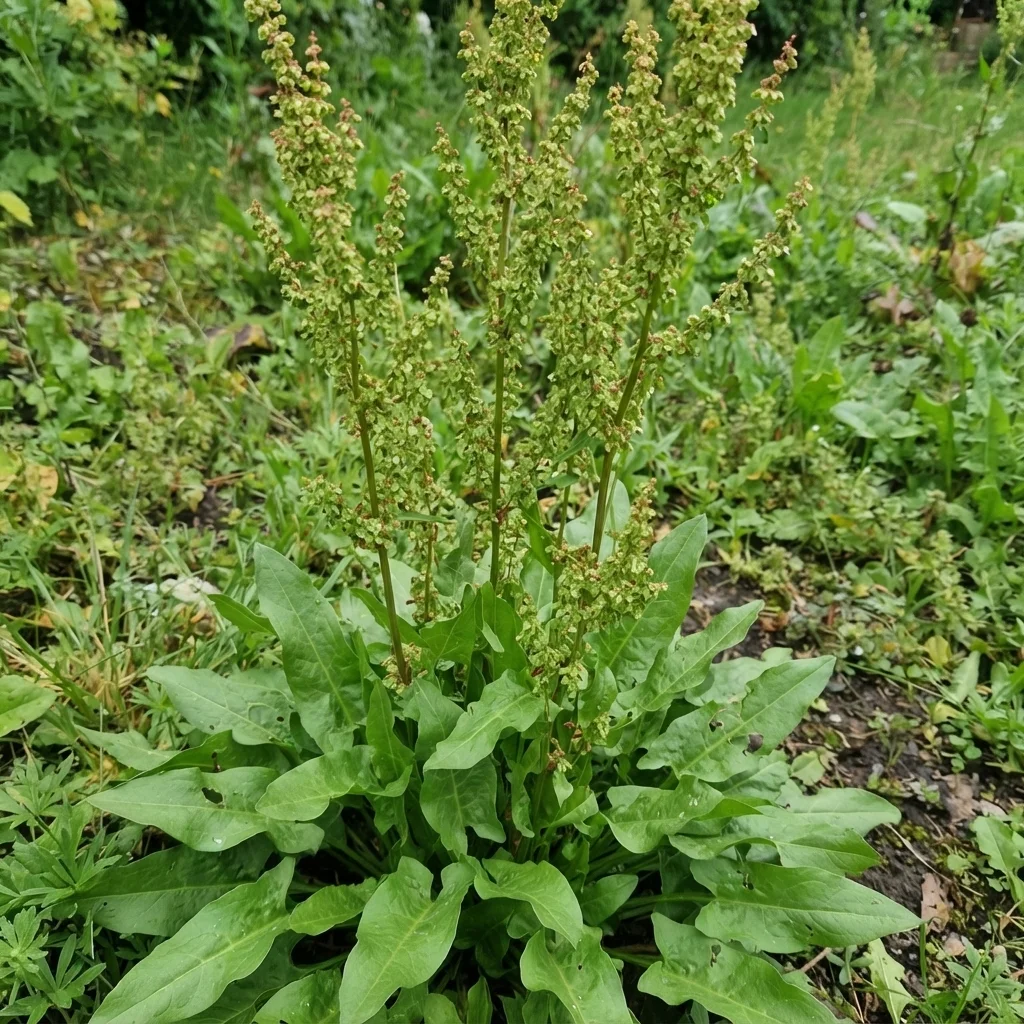
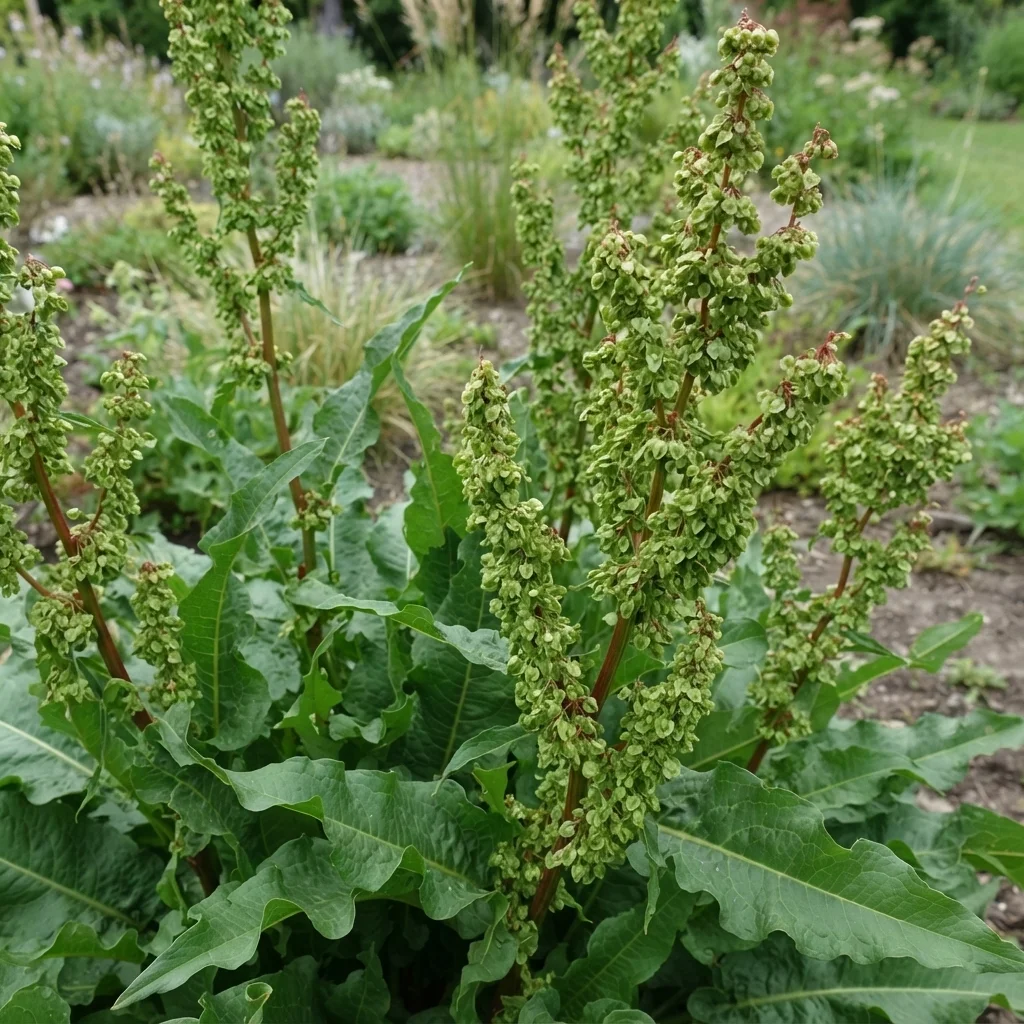
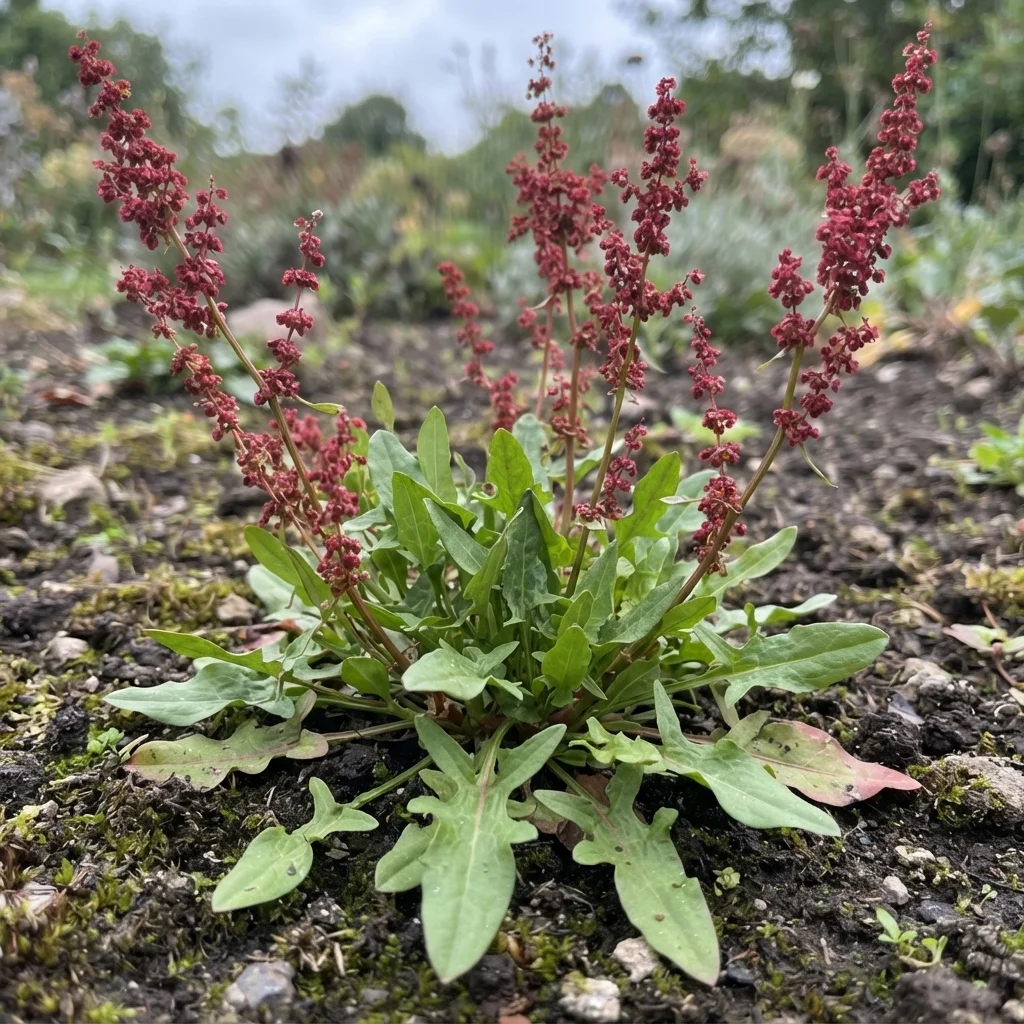
Keep exploring
Explore the genus
Hardy in your zone?
Grow Red Veined Sorrel with confidence
See it in a design of your actual yard, get zone-matched care reminders, and track it season by season in your garden journal.