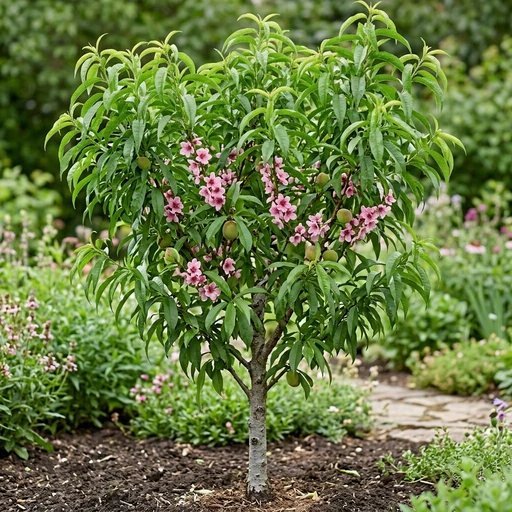
Species
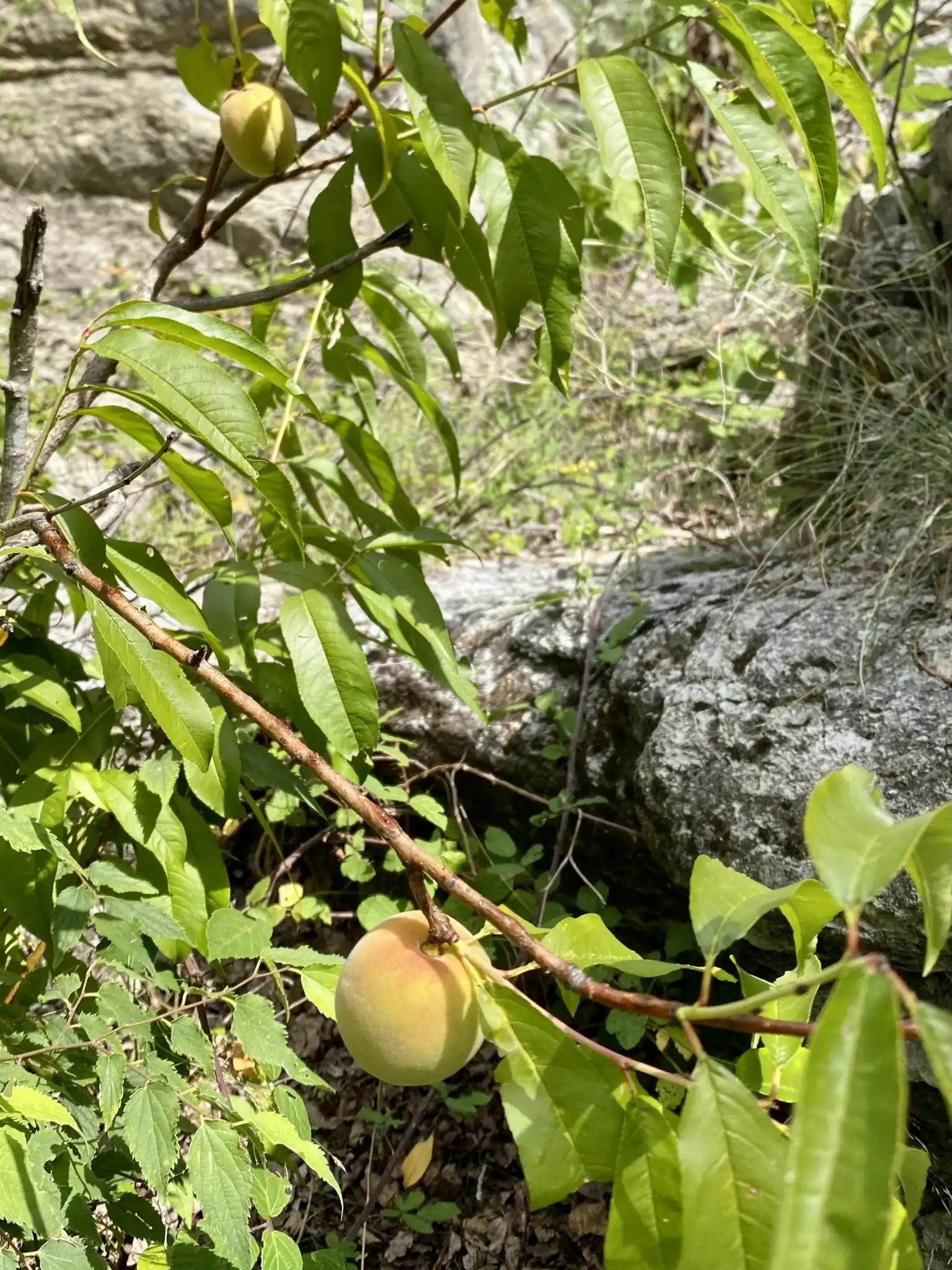 Prunus persicaPeach
15 other cultivars
 ‘Feiching Tao White’Feiching Tao White Peach
 ‘Hale Haven’Hale Haven Peach
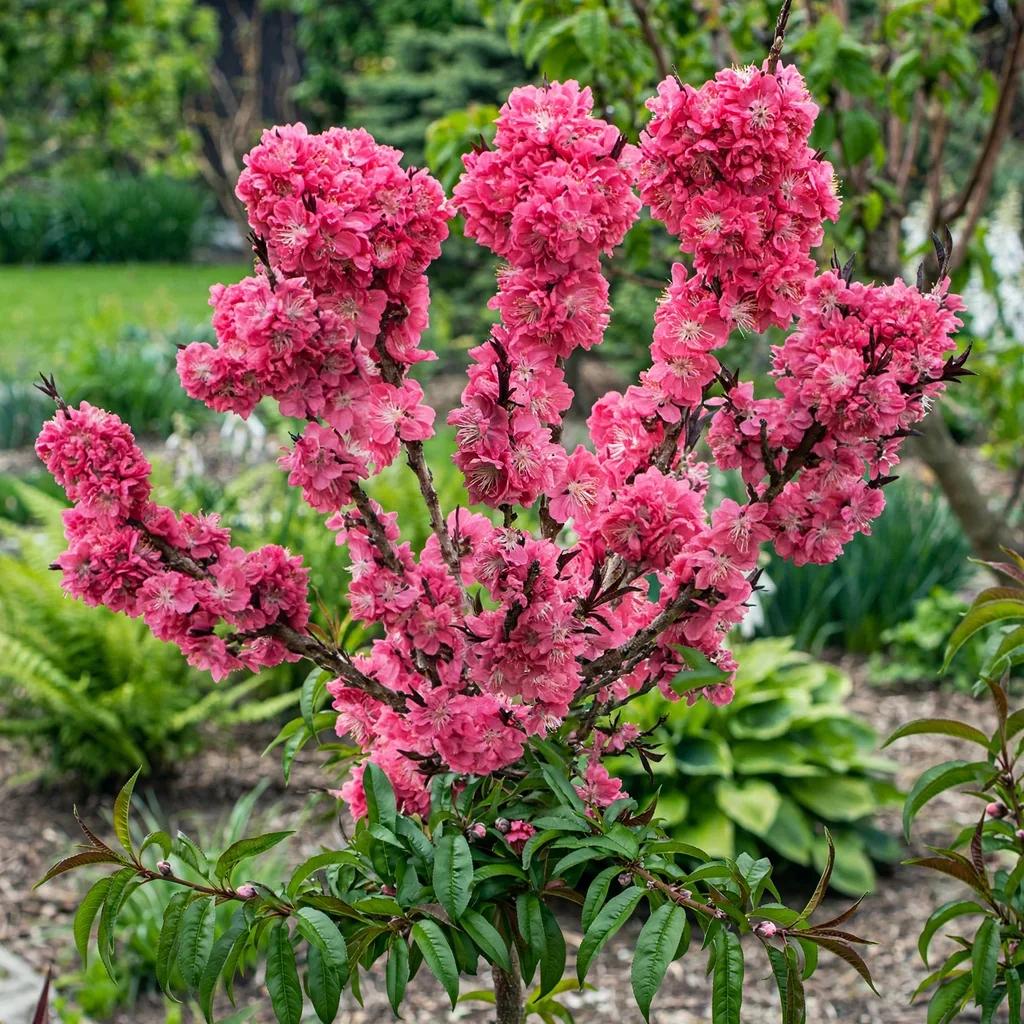 ‘Ruby Ruffle’Peach Ruby Ruffle
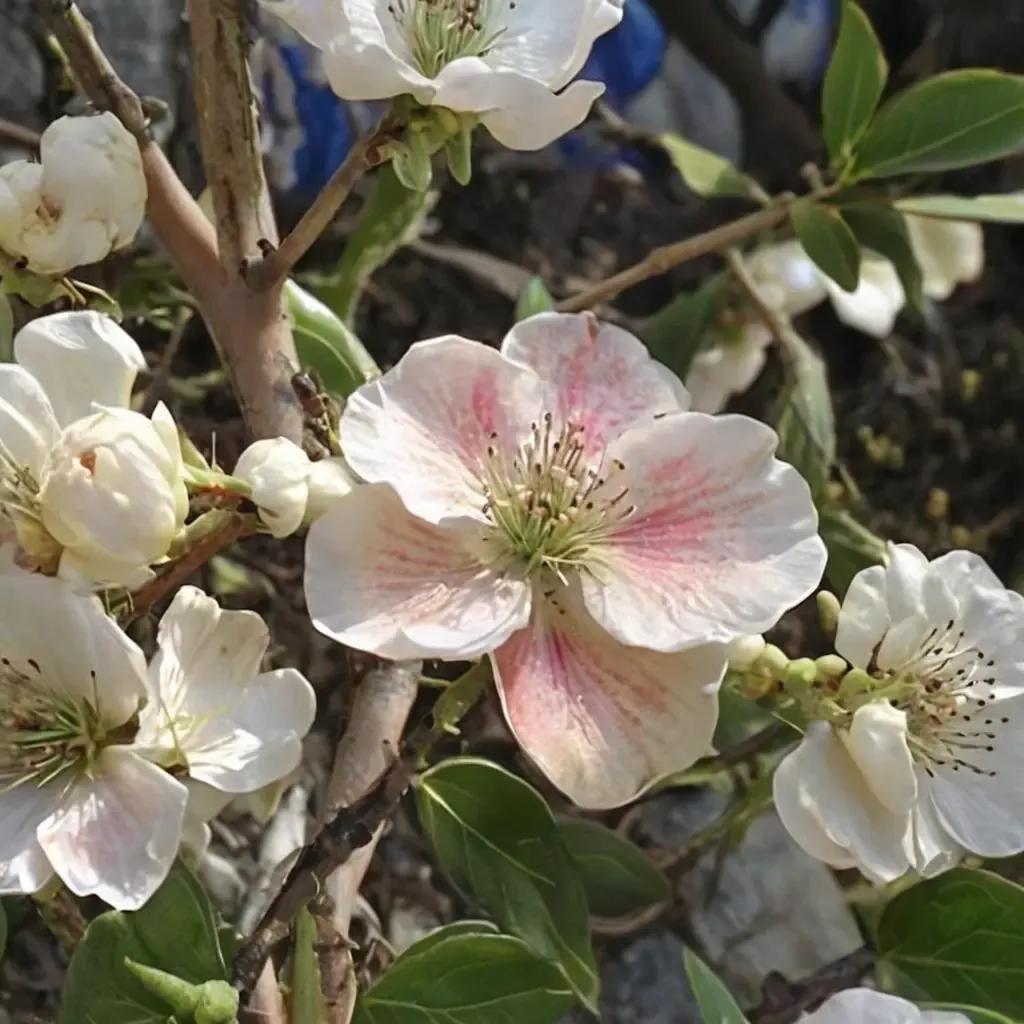 ‘Snow White’Snow White Peach
 ‘Peachy Keen’Peachy Keen Peach
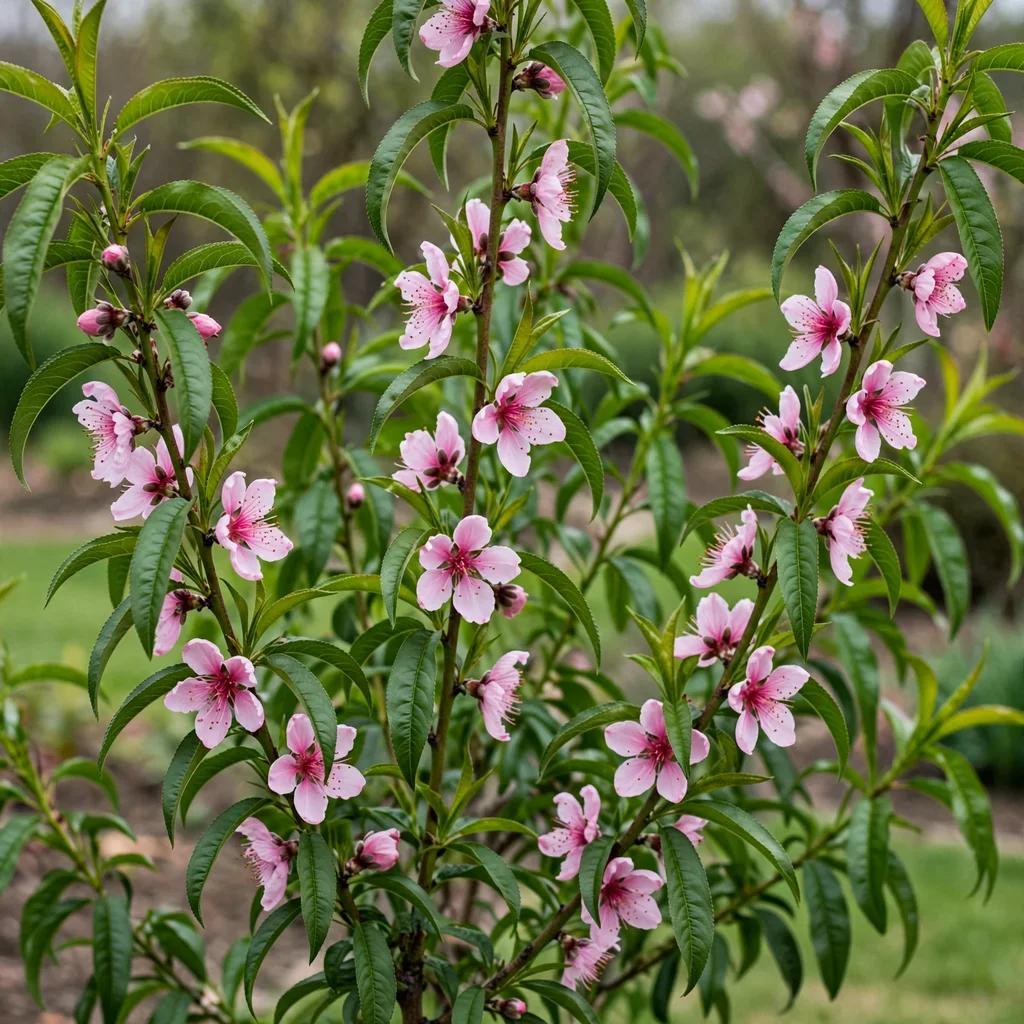 ‘John Fanick’John Fanick Peach
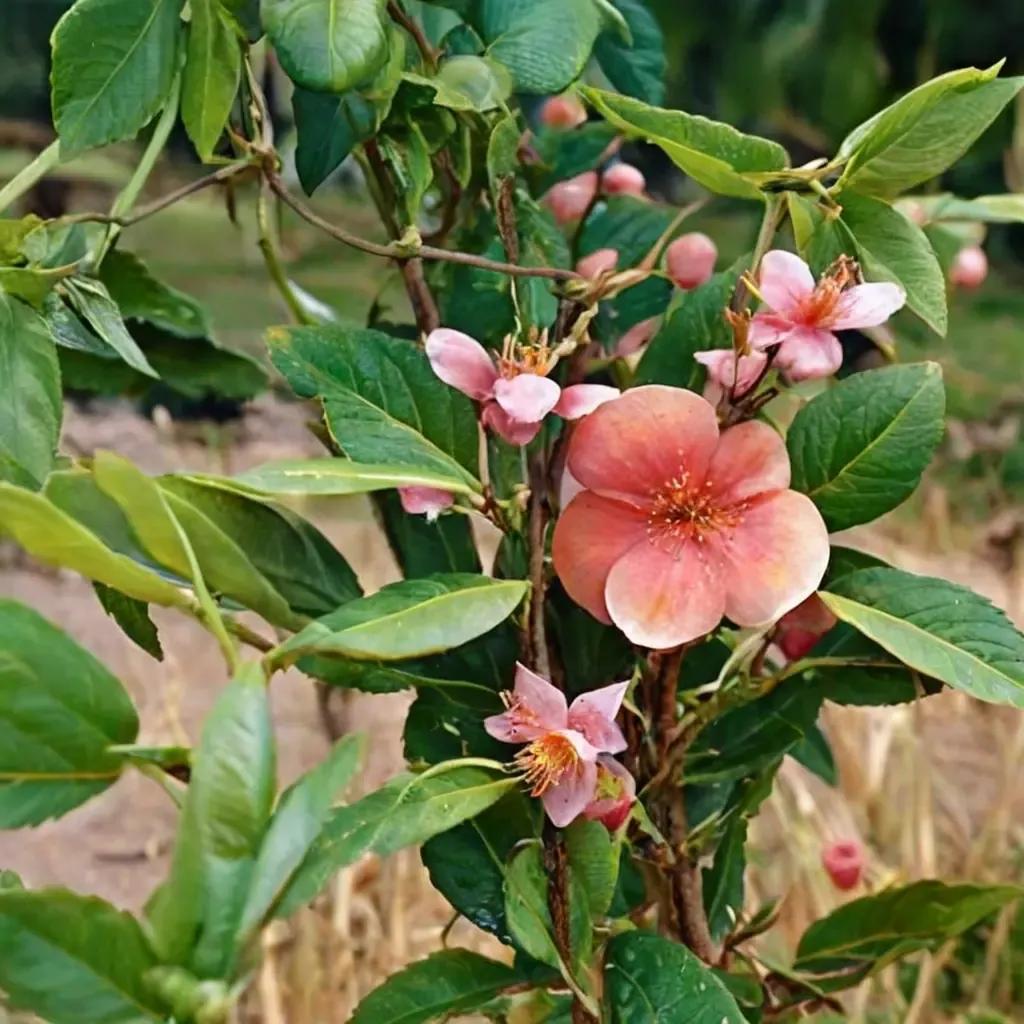 ‘Flambe’Flambe Peach
 ‘Corinthian Rose’Peach Corinthian Rose
 ‘Flat Wonderful’Flat Wonderful Peach
 ‘Elberta’Elberta Peach
 ‘Reliance’Reliance Peach
 ‘Red Haven’Red Haven Peach
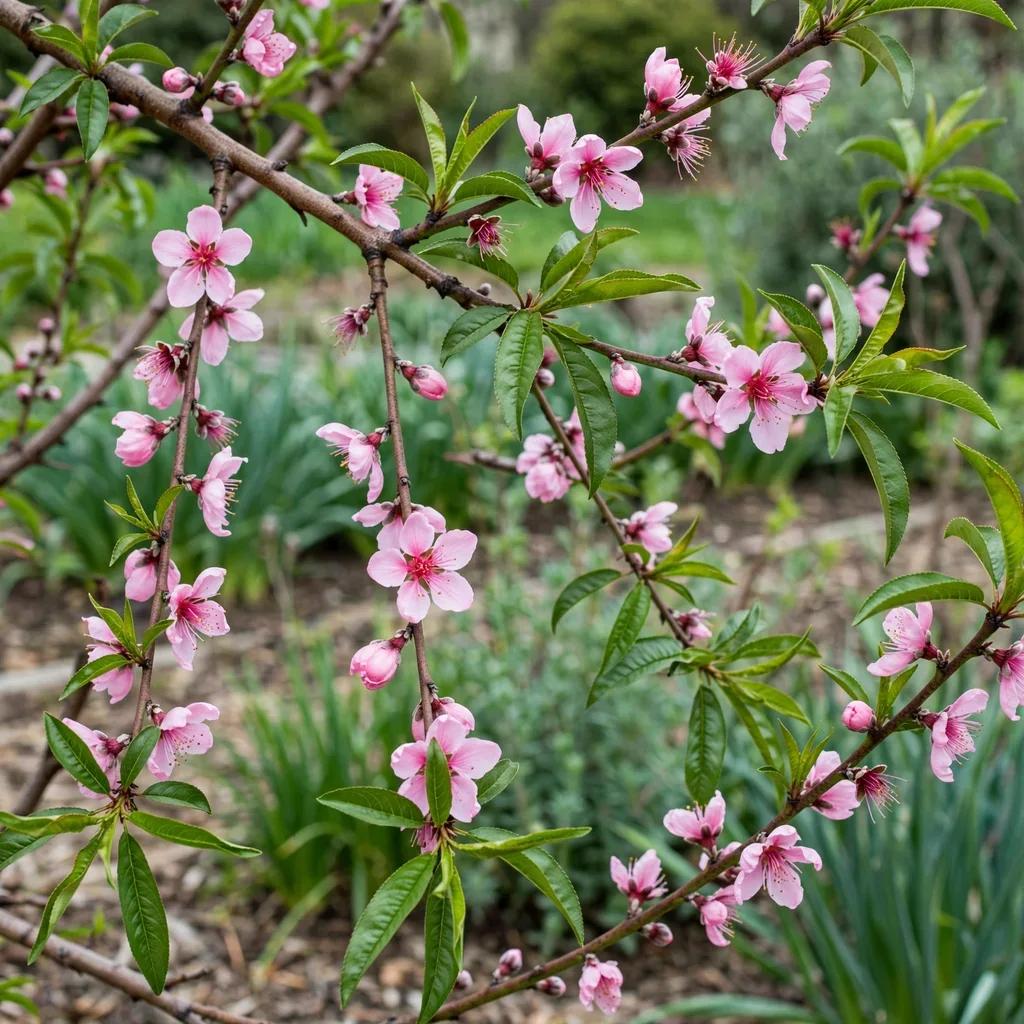 ‘Santa Barbara’Santa Barbara Peach
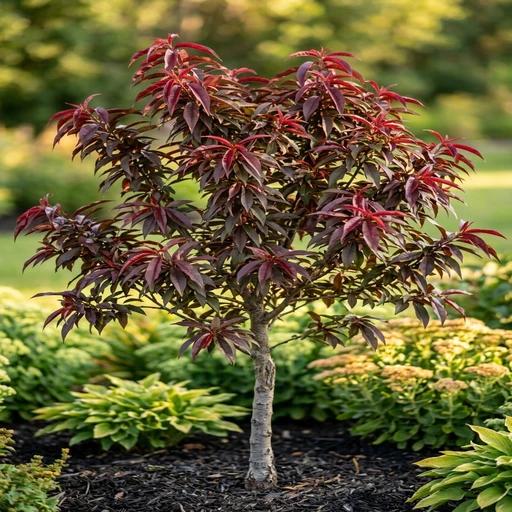 ‘Bonfire’Bonfire Peach
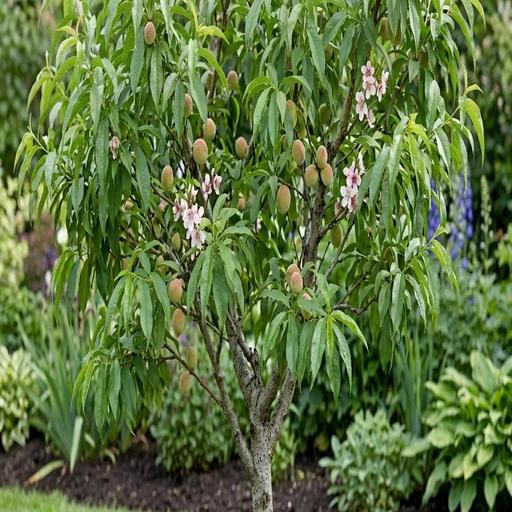 ‘Belle Of Georgia’Belle of Georgia Peach
The Story
Plant Bio
A deciduous fruit tree prized for its sweet, juicy peaches and showy pink spring flowers. It requires regular pruning and care for best fruit production.
'Contender' was developed for its exceptional cold-hardiness, reliably producing fruit even after late spring frosts that damage other varieties. It yields large, sweet, yellow-fleshed freestone peaches that are resistant to bacterial spot.
Uses & Benefits:
Essentials
At a Glance
Plant Type
Tree
Height
156"
Width
156"
Light
Full Sun
Zones
4, 5, 6, 7, 8
Water
Moderate
Humidity
Moderate to high
Lifespan
15-20 years
Native To
China (species)
Toxicity
Leaves, stems, and fruit pits are toxic if ingested.
Bloom period
Mid-spring – Late spring
In flower about 2 months of the year
Marketplace
Where to Buy
Shipping costs Year-round shipping Free shipping
Planting
How to Grow
- Choose a sunny, elevated site with good air circulation.
- Amend soil to ensure it is fertile and drains excellently.
- Dig a hole wide enough to accommodate roots without bending.
- Set the tree so the graft union is above the soil line.
- Backfill with soil, tamp lightly, and water in well.
- Prune the top back to encourage low scaffold branching.
Pro Tip
Its late-blooming tendency helps it avoid frost damage, making it a top choice for northern growers.
Keep It Thriving
Care Guide
Do
- Maintain an open-center pruning style for best fruit production.
- Thin fruit heavily to one per 6-8 inches for better size and quality.
- Water consistently, especially during the final swell of the fruit.
- Monitor for pests and diseases and treat proactively.
Don't
- Do not plant in heavy clay or wet soil.
- Avoid fertilizing late in the season, which can inhibit dormancy.
- Do not neglect a preventative spray program for common peach issues.
Seasonal Care Calendar
| Task | Jan | Feb | Mar | Apr | May | Jun | Jul | Aug | Sep | Oct | Nov | Dec |
|---|---|---|---|---|---|---|---|---|---|---|---|---|
| Fertilize | ||||||||||||
| Harvest | ||||||||||||
| Prune | ||||||||||||
| Spray |
Watch Out For
Pests & Diseases
Common Pests
Common Diseases
In the Garden
Landscape Uses & Companions
Landscape Uses
Companion Plants
Multiply
Propagation Methods
Good to Know
Common Questions
Contender Peach questions
What zones can Contender Peach grow in?
Contender Peach is hardy in USDA Zones 4–8. Inside that range it survives winter in the ground; outside it, grow it as an annual or a container plant you protect.
Is Contender Peach deer resistant?
Not reliably. Deer may browse Contender Peach, especially tender spring growth — plan on repellents or fencing where pressure is high.
When does Contender Peach bloom?
Contender Peach typically blooms in mid-spring through late spring. Exact timing shifts a week or two with your zone — Sow's bloom calendar maps it to your garden.
Does Contender Peach need full sun?
Contender Peach does best in full sun (6+ hours).
Is Contender Peach drought tolerant?
Yes — once established (usually after the first full season), Contender Peach handles dry spells with minimal watering. Water deeply its first year to build the root system that makes that possible.
More Prunus to compare
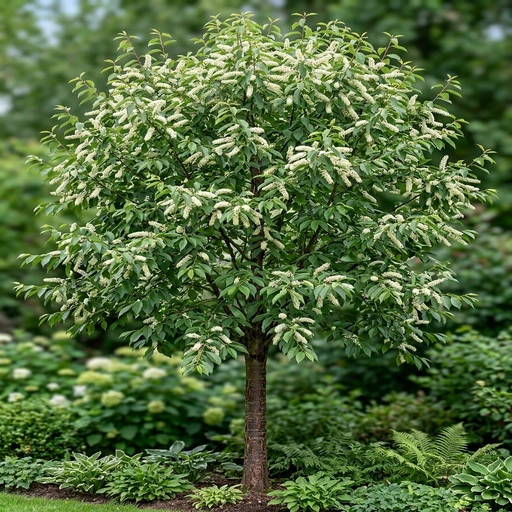
Black Cherry
Prunus serotina
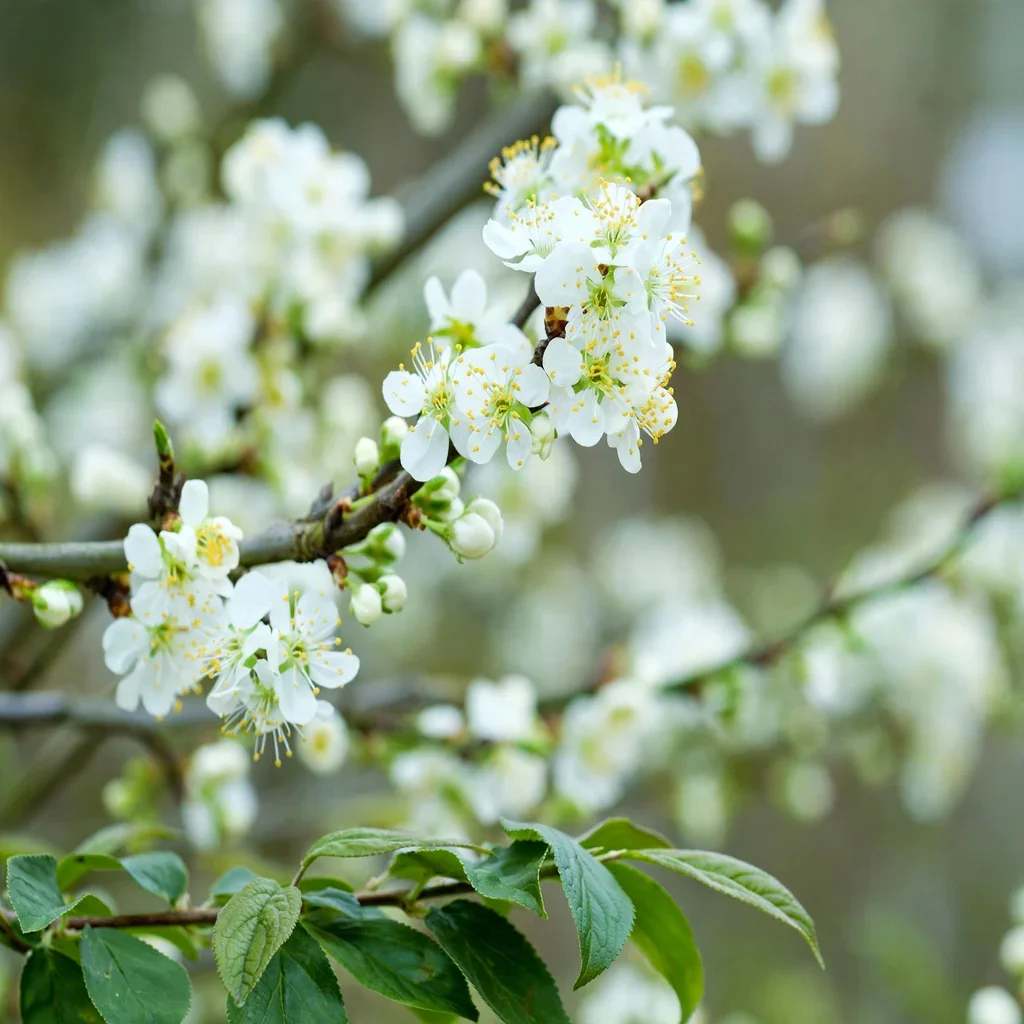
Sugar Plum
Prunus domestica 'Sugar Plum'
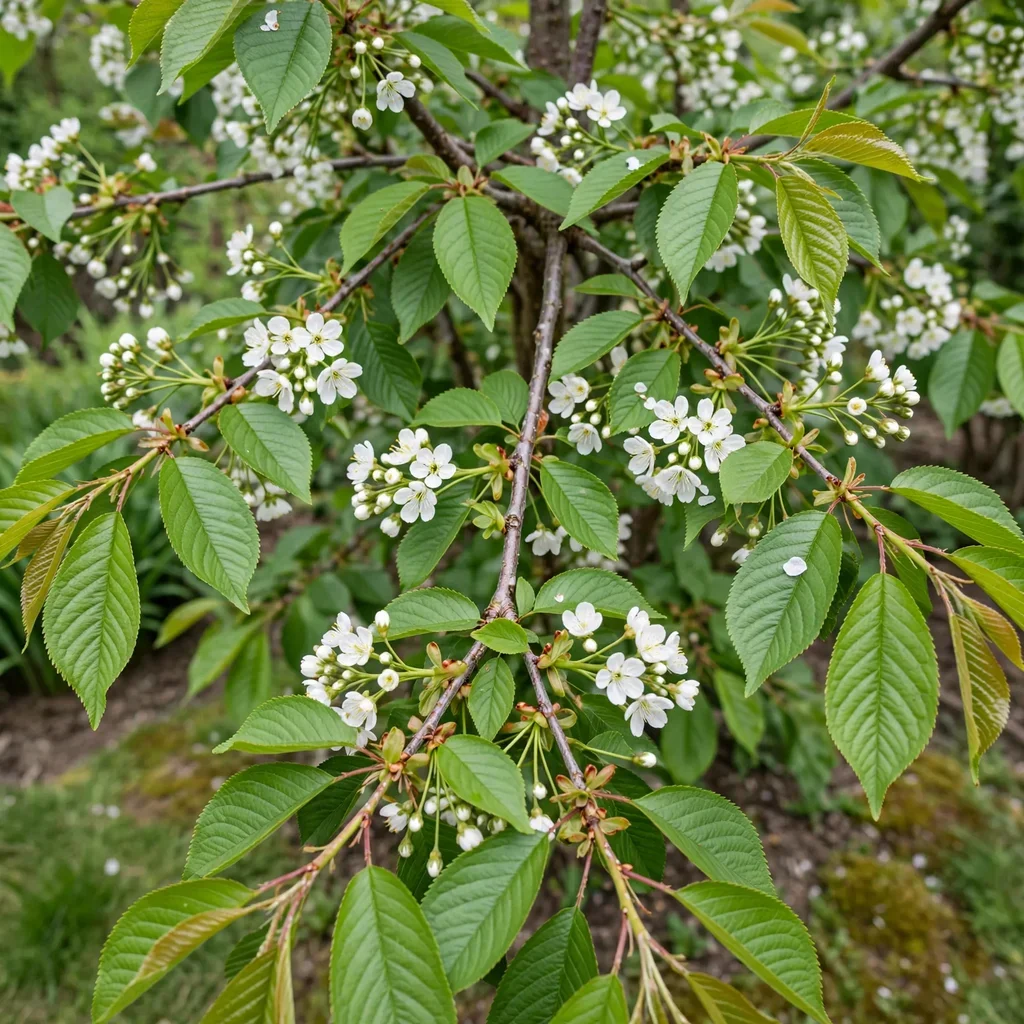
Sweet Cherry
Prunus avium 'Mix'
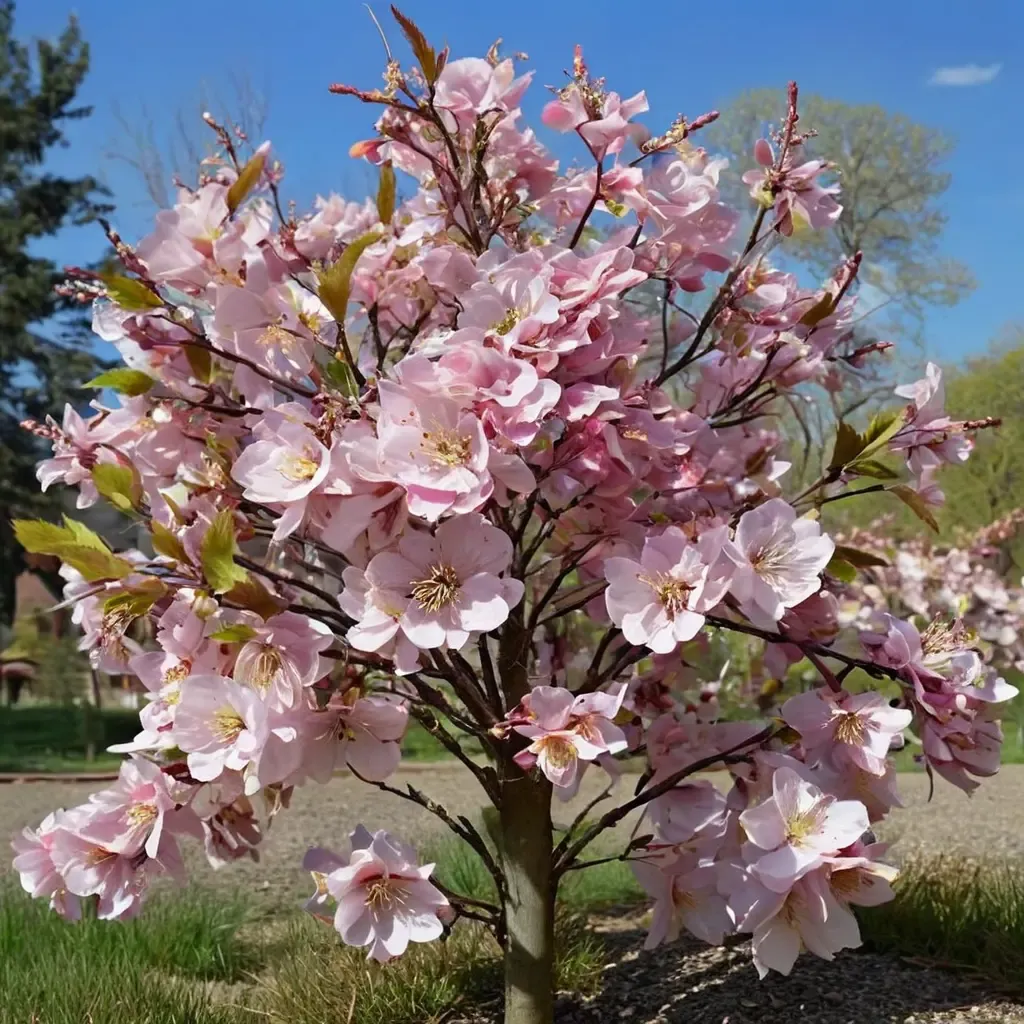
Japanese Flowering Cherry
Prunus serrulata
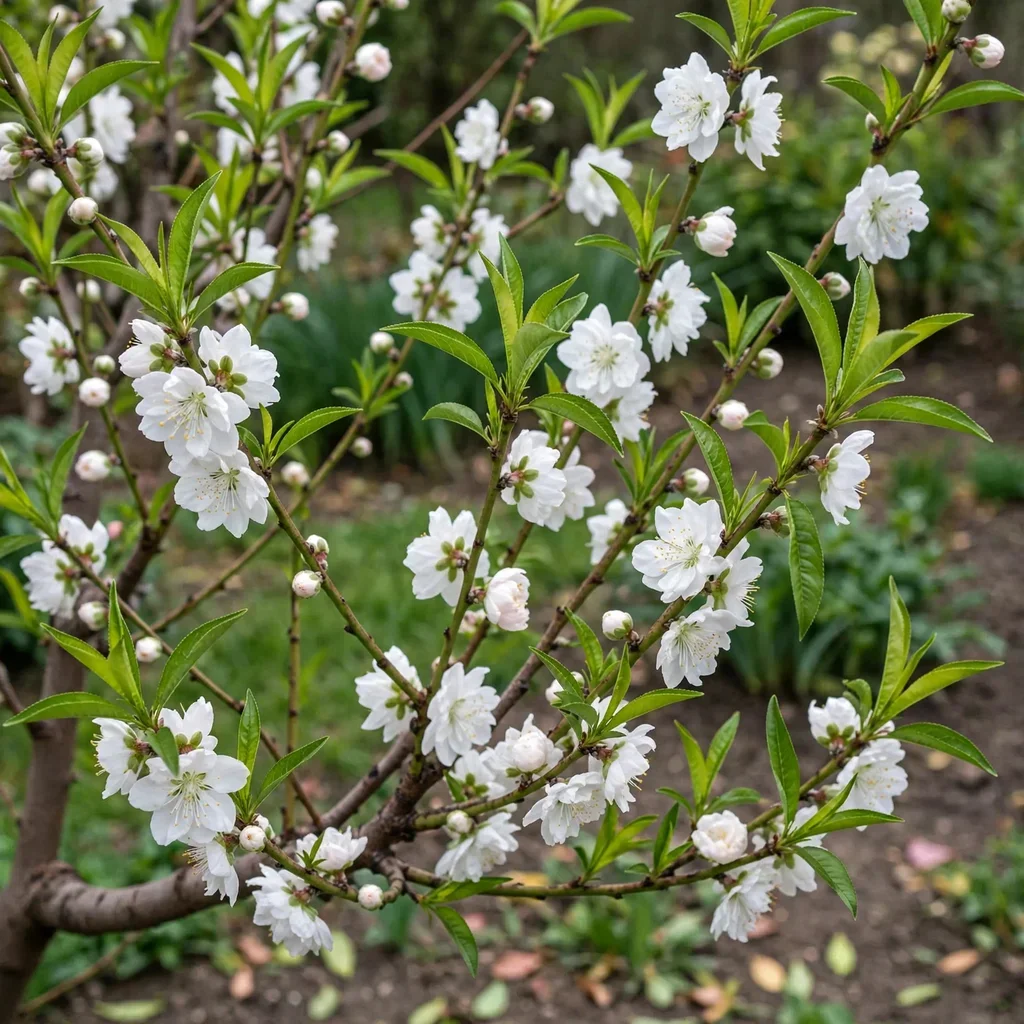
Feiching Tao White Peach
Prunus persica 'Feiching Tao White'
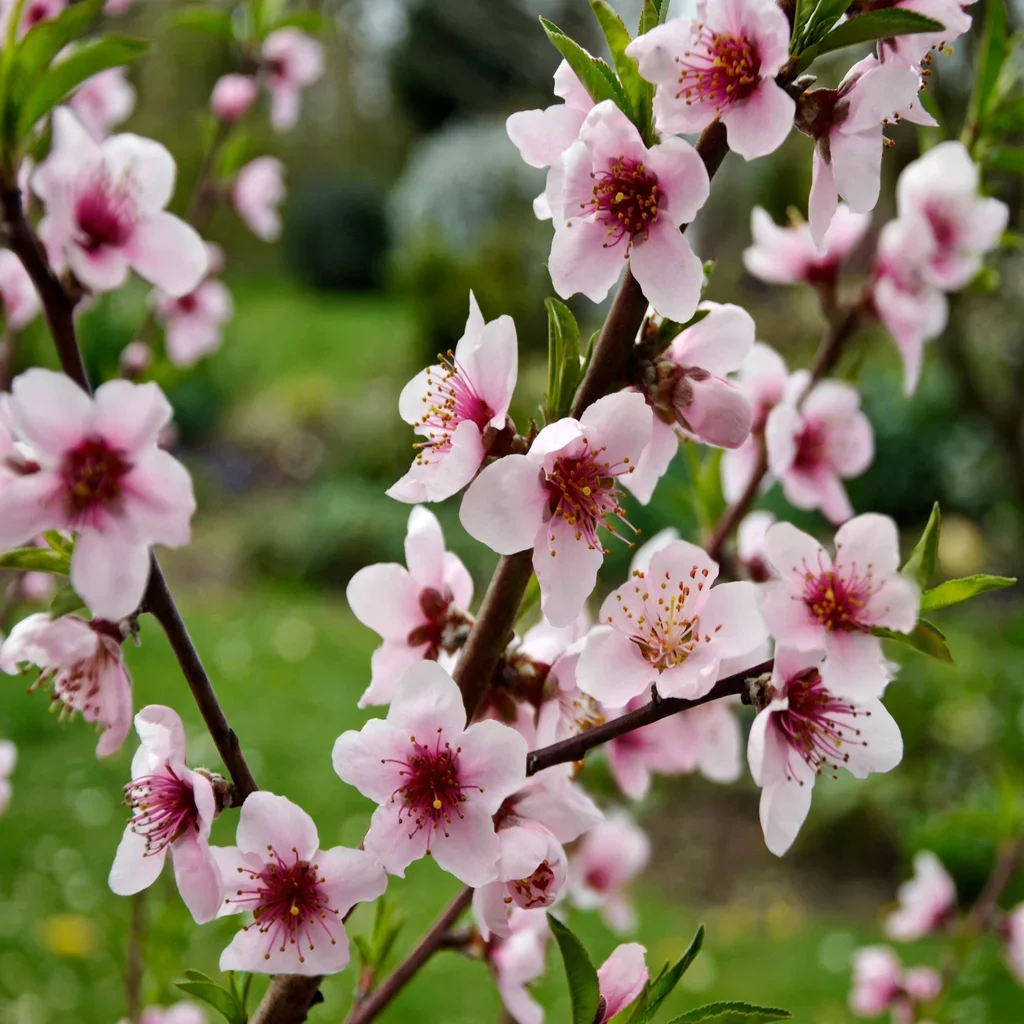
Hale Haven Peach
Prunus persica 'Hale Haven'
Keep exploring
Explore the genus
Hardy in your zone?
Grow Contender Peach with confidence
See it in a design of your actual yard, get zone-matched care reminders, and track it season by season in your garden journal.