The Story
Plant Bio
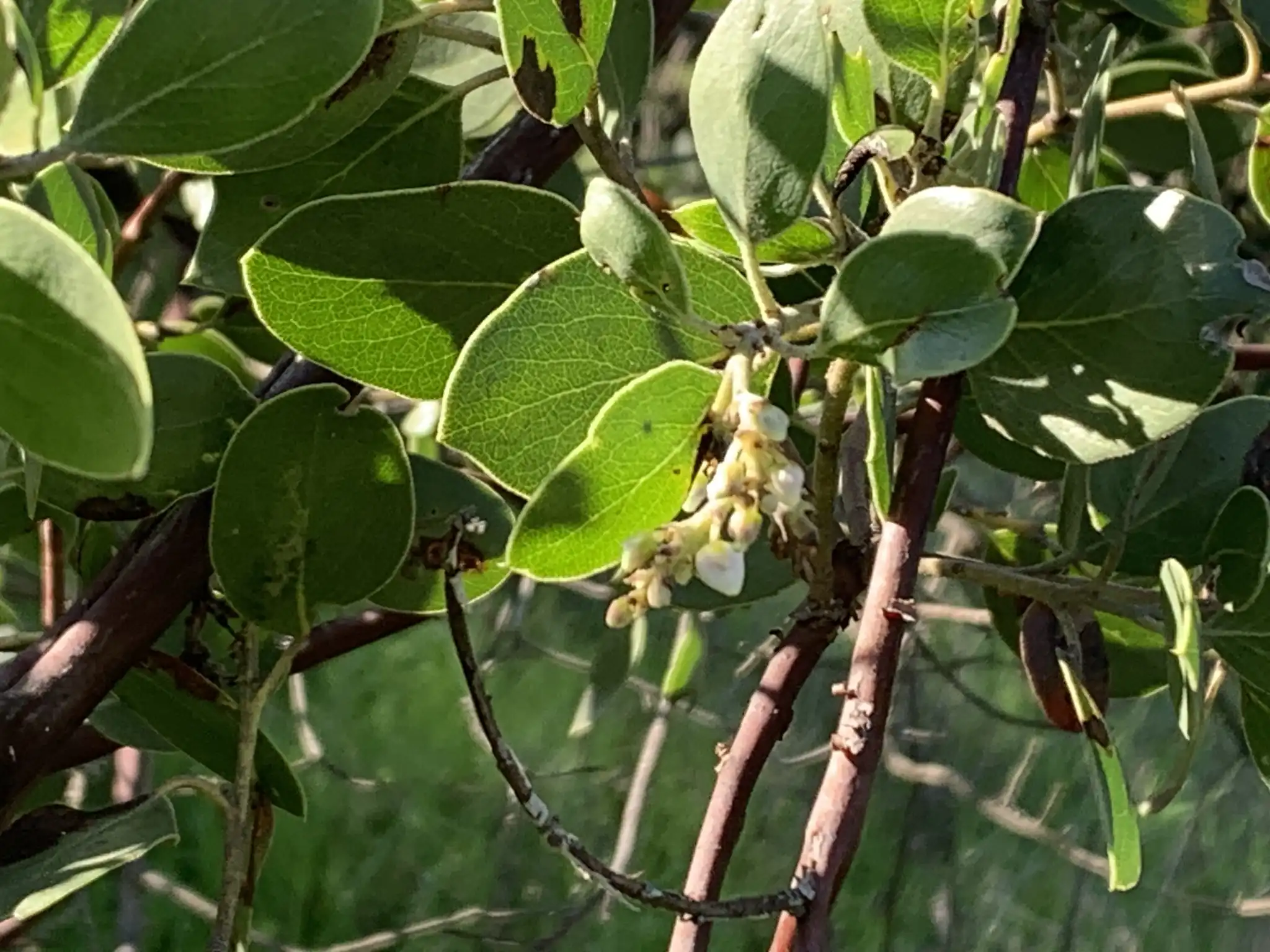
Arctostaphylos manzanita is a large evergreen shrub or small tree native to California, characterized by its smooth, dark mahogany-red exfoliating bark and crooked, twisting branches. The simple, ovate leaves are a glaucous gray-green, providing a structural backdrop for drooping clusters of white to pale pink, bell-shaped flowers that appear from late winter into spring.
This species is highly drought-tolerant once established and serves as a vital early-season nectar source for native bees and hummingbirds. The flowers mature into dry, mealy red berries that persist into summer and are consumed by local wildlife.
Uses & Benefits:
Essentials
At a Glance
Plant Type
Shrub
Height
144"
Width
120"
Light
Full Sun
Zones
7, 8, 9
Water
Low
Humidity
Low
Lifespan
Long-lived
Native To
California
Toxicity
Non-toxic
Bloom period
Winter – Spring
In flower about 6 months of the year
Marketplace
Where to Buy
Shipping costs Year-round shipping Free shipping
Planting
How to Grow
- Select a planting site in full sun with exceptionally well-drained soil, preferably on a slope or mound if clay is present.
- Dig a hole twice as wide as the root ball but exactly the same depth to prevent the crown from settling below the soil line.
- Gently slide the plant from its container, avoiding any disturbance, shaking, or tearing of the sensitive root system.
- Backfill with native soil without adding compost or organic amendments, tamp lightly, and water deeply to settle.
Pro Tip
Never enrich the planting hole or apply summer drip irrigation; manzanitas thrive on neglect and are easily killed by warm, wet soils which promote fatal Phytophthora root rot.
Keep It Thriving
Care Guide
Do
- Water deeply but infrequently during the first summer to establish the root system.
- Mulch with a thin layer of gravel or wood chips, keeping the mulch several inches away from the main stem.
- Prune dead or crossing branches in late summer when fungal pathogens are least active.
Don't
- Do not apply nitrogen-rich fertilizers, which cause weak, disease-prone growth.
- Never shear the shrub or cut back into old, leafless wood, as it lacks dormant buds to resprout.
- Do not install drip emitters near the root crown or water during the hot summer months once established.
Seasonal Care Calendar
| Task | Jan | Feb | Mar | Apr | May | Jun | Jul | Aug | Sep | Oct | Nov | Dec |
|---|---|---|---|---|---|---|---|---|---|---|---|---|
| Mulch | ||||||||||||
| Pest Check | ||||||||||||
| Propagate | ||||||||||||
| Prune |
Watch Out For
Pests & Diseases
Common Pests
Common Diseases
In the Garden
Landscape Uses & Companions
Landscape Uses
Multiply
Propagation Methods
Good to Know
Common Questions
Common Manzanita questions
What zones can Common Manzanita grow in?
Common Manzanita is hardy in USDA Zones 7–9. Inside that range it survives winter in the ground; outside it, grow it as an annual or a container plant you protect.
Is Common Manzanita deer resistant?
Not reliably. Deer may browse Common Manzanita, especially tender spring growth — plan on repellents or fencing where pressure is high.
When does Common Manzanita bloom?
Common Manzanita typically blooms in winter through spring. Exact timing shifts a week or two with your zone — Sow's bloom calendar maps it to your garden.
Does Common Manzanita need full sun?
Common Manzanita does best in full sun (6+ hours).
Is Common Manzanita drought tolerant?
Yes — once established (usually after the first full season), Common Manzanita handles dry spells with minimal watering. Water deeply its first year to build the root system that makes that possible.
More Arctostaphylos to compare
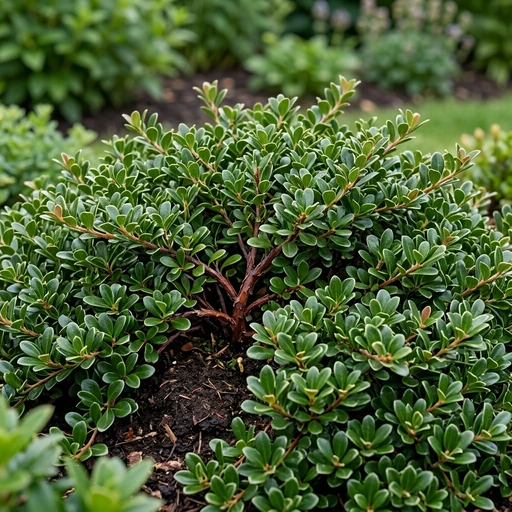
Massachusetts Common Bearberry
Arctostaphylos uva-ursi 'Massachusetts'
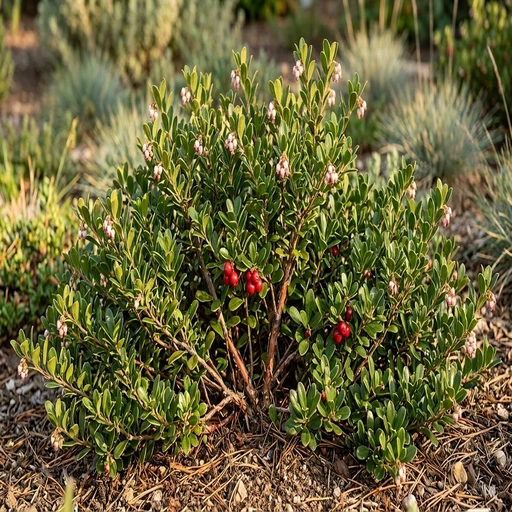
Bearberry
Arctostaphylos uva-ursi
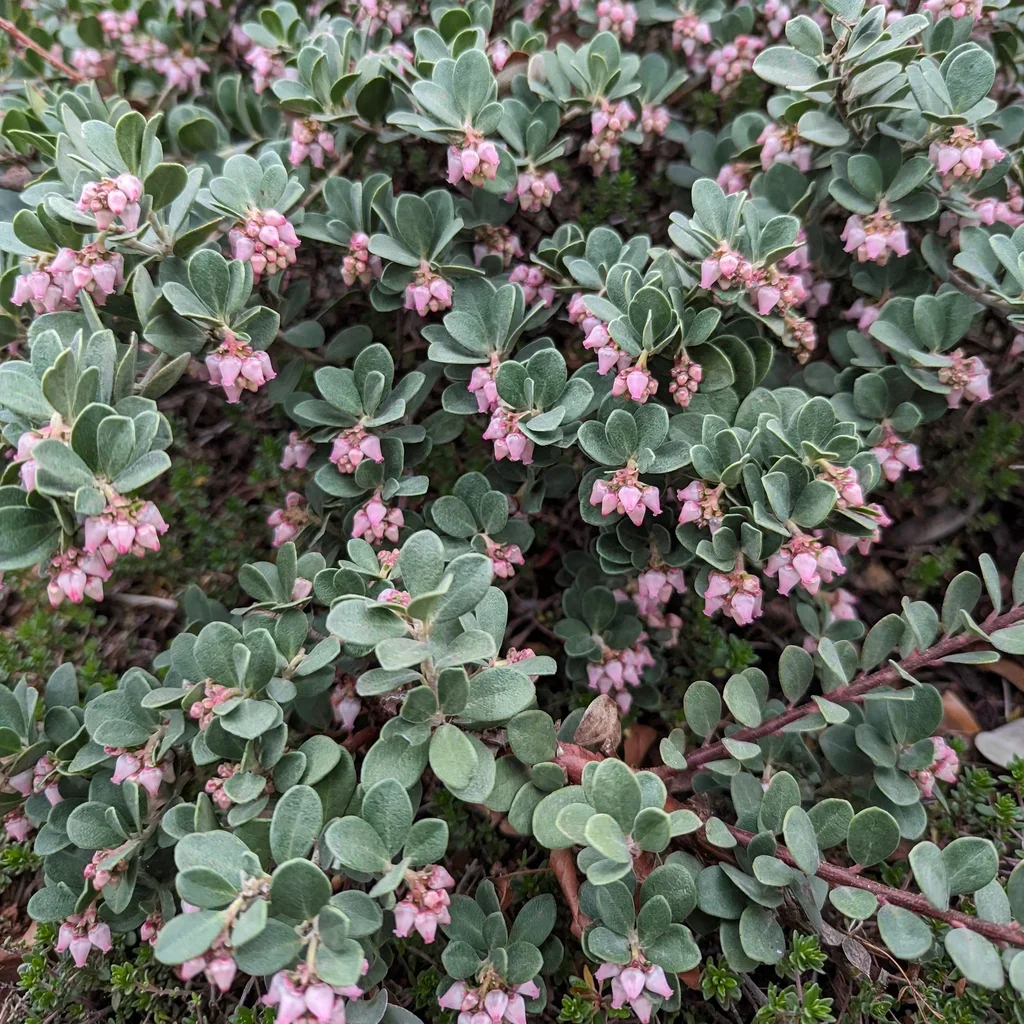
Ron Clendenen Manzanita
Arctostaphylos x media 'Ron Clendenen'
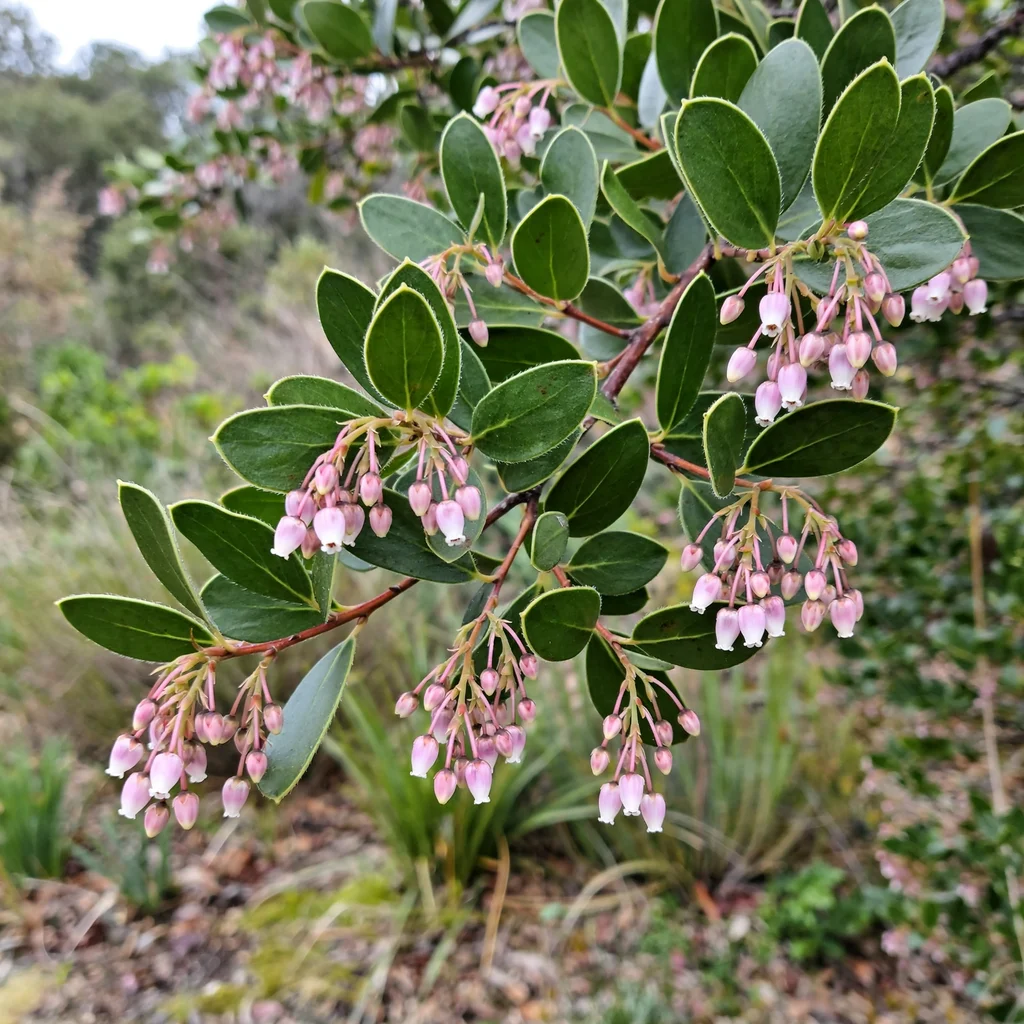
Vine Hill Manzanita
Arctostaphylos densiflora
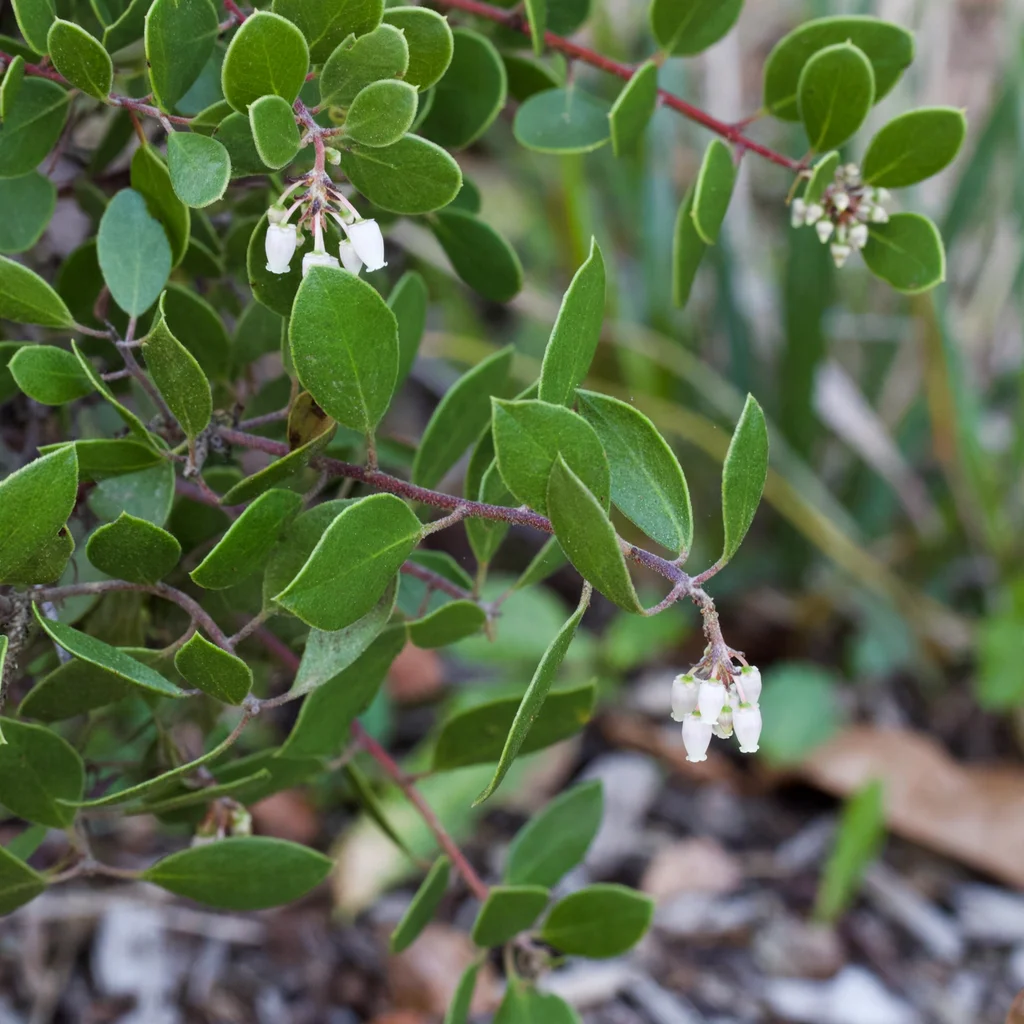
Hooker's Manzanita
Arctostaphylos hookeri
Keep exploring
Explore the genus
Hardy in your zone?
Grow Common Manzanita with confidence
See it in a design of your actual yard, get zone-matched care reminders, and track it season by season in your garden journal.