The Story
Plant Bio
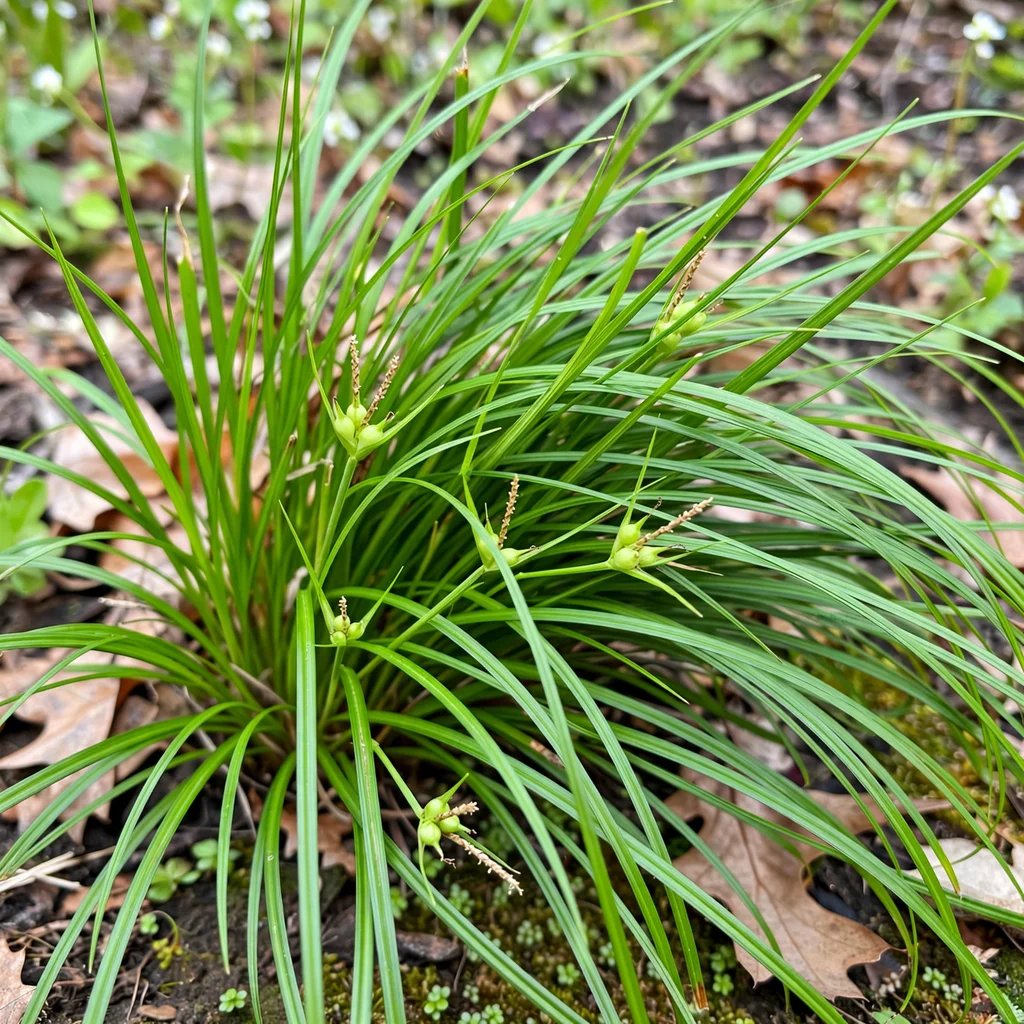
Carex jamesii is a cool-season, fine-textured sedge native to rich moist woodlands across central and eastern North America. It forms low, arching mounds of bright green foliage that grow six to twelve inches high.
Unlike spreading sedges, this species grows in tight, non-aggressive tufts with distinctive leaf-like scales that extend beyond the subtle spring flower spikes. Native ants disperse its heavy seeds, making it a valuable ecological component in shade restorations.
Uses & Benefits:
Essentials
At a Glance
Plant Type
Grass
Height
12"
Width
12"
Light
Partial Sun, Shade
Zones
4, 5, 6, 7, 8
Water
Medium
Humidity
Moderate
Lifespan
Perennial
Native To
North America
Toxicity
Non-toxic
Bloom period
Spring – Early summer
In flower about 4 months of the year
Planting
How to Grow
- Select a site in partial to full shade with rich, moist, well-draining soil.
- Space plants 8 to 12 inches apart to allow individual tufts room to arch.
- Water regularly after planting until roots establish a strong hold.
- Apply a light layer of leaf mold or organic mulch to retain soil moisture.
Pro Tip
Trim back winter-weary foliage in late winter before fresh shoots emerge; cutting deep into the crown in mid-summer weakens growth.
Keep It Thriving
Care Guide
Do
- Plant in moist, humus-rich woodland soils.
- Prune old foliage back in late winter before spring growth begins.
Don't
- Do not plant in poorly drained, waterlogged bogs.
- Avoid over-fertilizing, which causes soft and floppy leaves.
Seasonal Care Calendar
| Task | Jan | Feb | Mar | Apr | May | Jun | Jul | Aug | Sep | Oct | Nov | Dec |
|---|---|---|---|---|---|---|---|---|---|---|---|---|
| Divide | ||||||||||||
| Mulch | ||||||||||||
| Plant | ||||||||||||
| Prune |
Watch Out For
Pests & Diseases
Common Pests
Common Diseases
In the Garden
Landscape Uses & Companions
Landscape Uses
Multiply
Propagation Methods
Good to Know
Common Questions
James's Sedge questions
What zones can James's Sedge grow in?
James's Sedge is hardy in USDA Zones 4–8. Inside that range it survives winter in the ground; outside it, grow it as an annual or a container plant you protect.
Is James's Sedge deer resistant?
Yes — James's Sedge is rated deer-resistant. Deer typically pass it over, though extreme hunger can override any plant's defenses.
When does James's Sedge bloom?
James's Sedge typically blooms in spring through early summer. Exact timing shifts a week or two with your zone — Sow's bloom calendar maps it to your garden.
Does James's Sedge need full sun?
James's Sedge does best in part shade.
Is James's Sedge drought tolerant?
Yes — once established (usually after the first full season), James's Sedge handles dry spells with minimal watering. Water deeply its first year to build the root system that makes that possible.
More Carex to compare
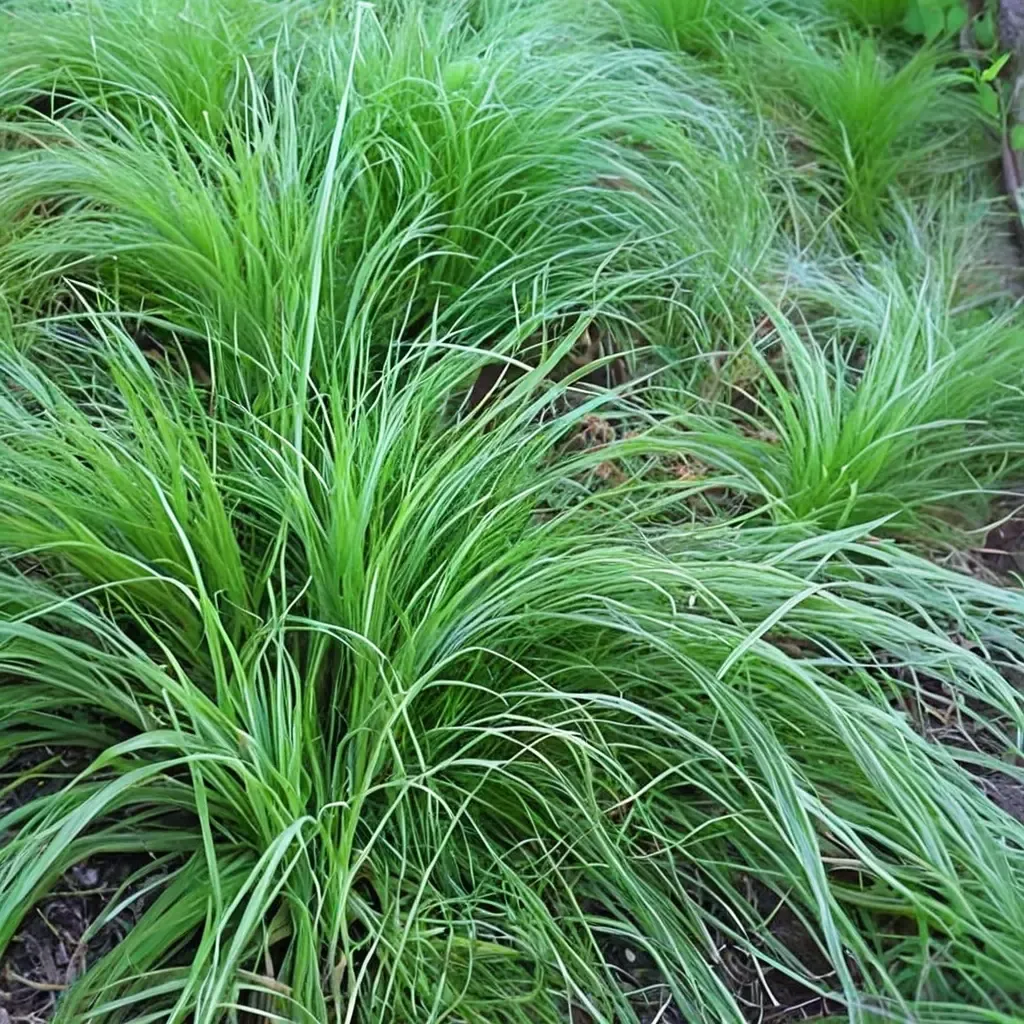
Pennsylvania Sedge
Carex pensylvanica
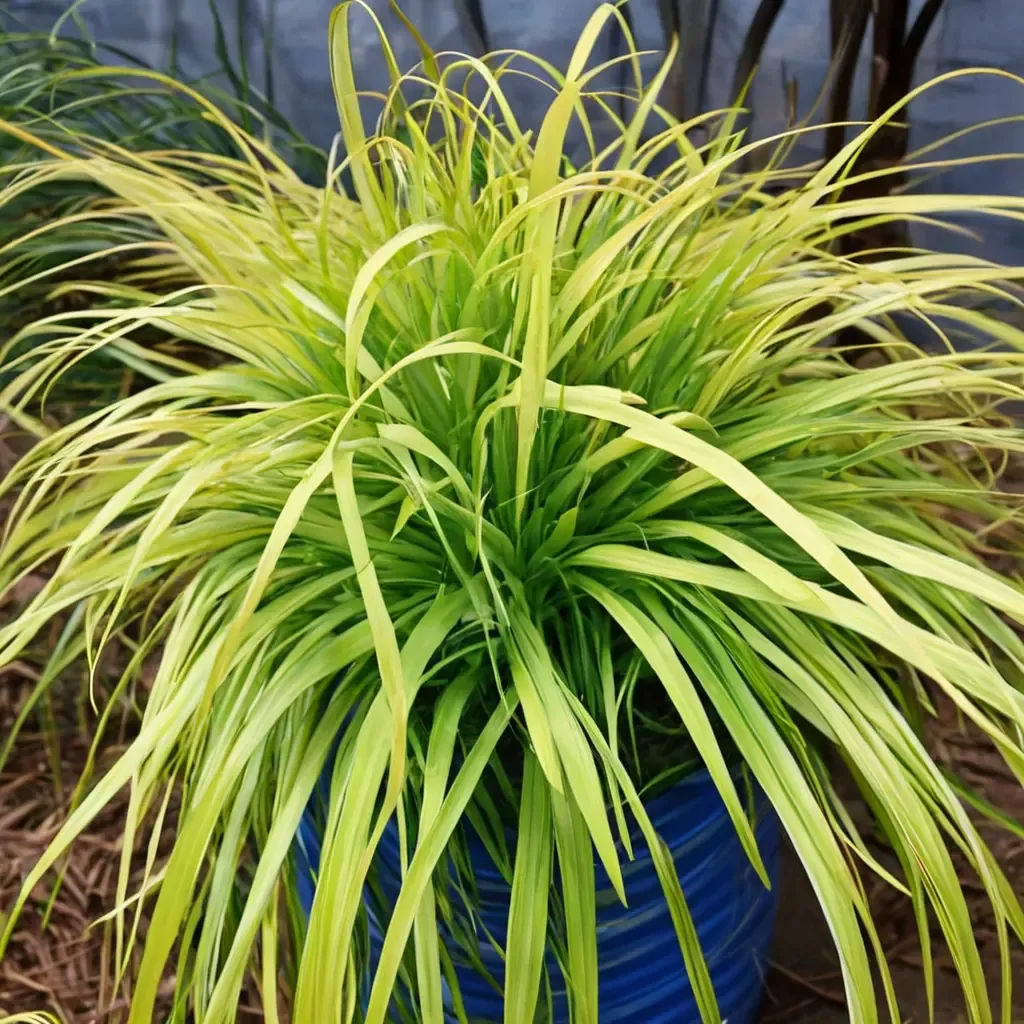
Everillo Sedge
Carex oshimensis 'Everillo'
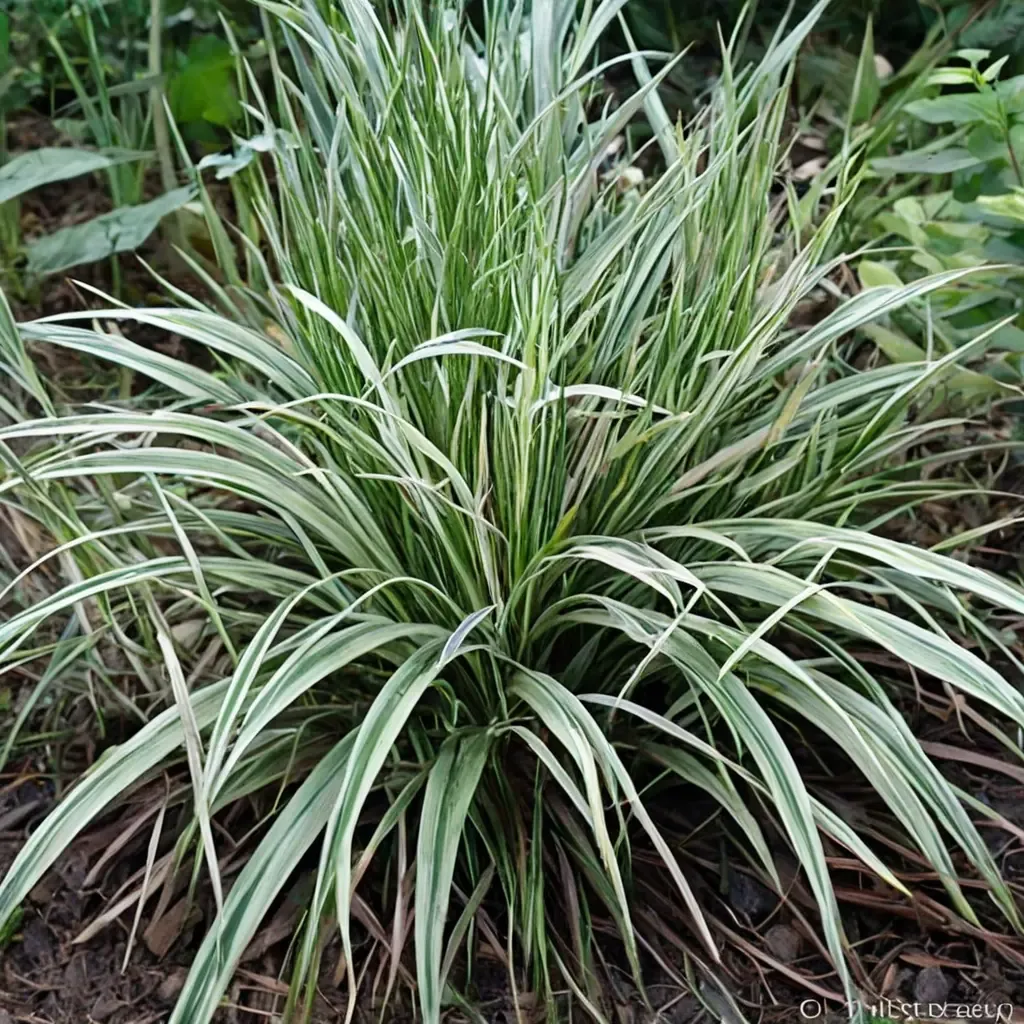
Japanese Sedge
Carex morrowii
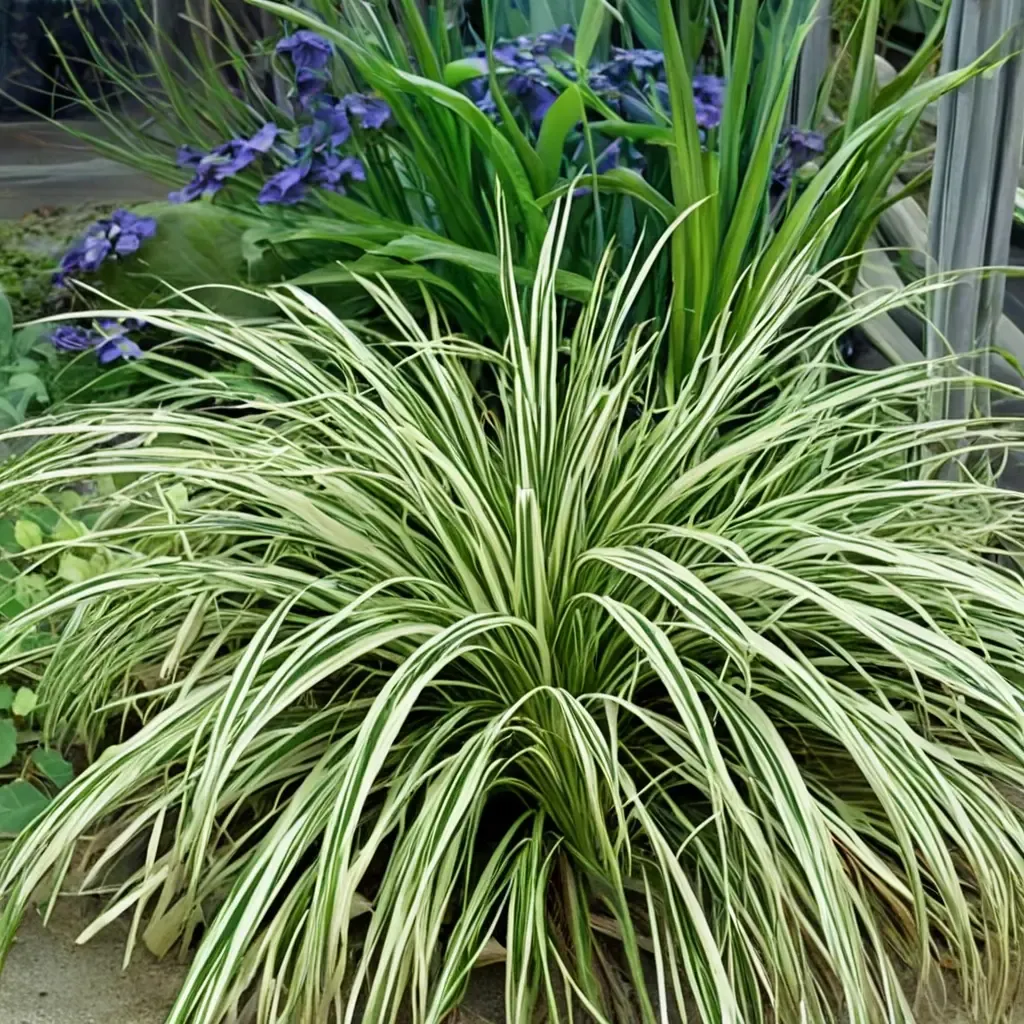
Evergold Japanese Sedge
Carex oshimensis 'Evergold'
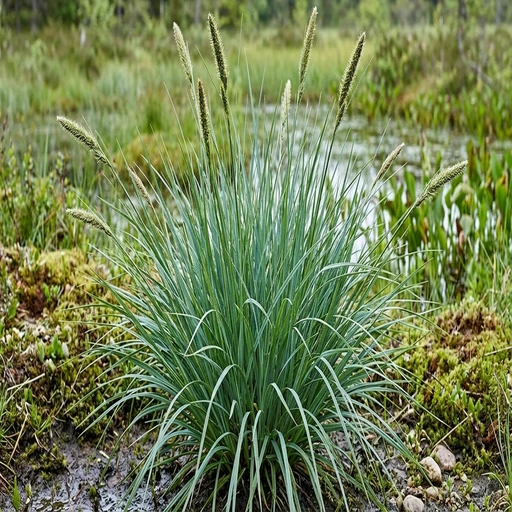
Comosa Sedge
Carex comosa
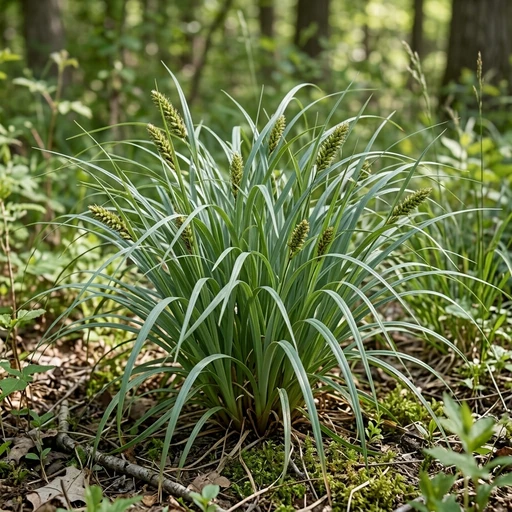
Shortbeak Sedge
Carex brevior
Keep exploring
Explore the genus
Hardy in your zone?
Grow James's Sedge with confidence
See it in a design of your actual yard, get zone-matched care reminders, and track it season by season in your garden journal.