2 named cultivars

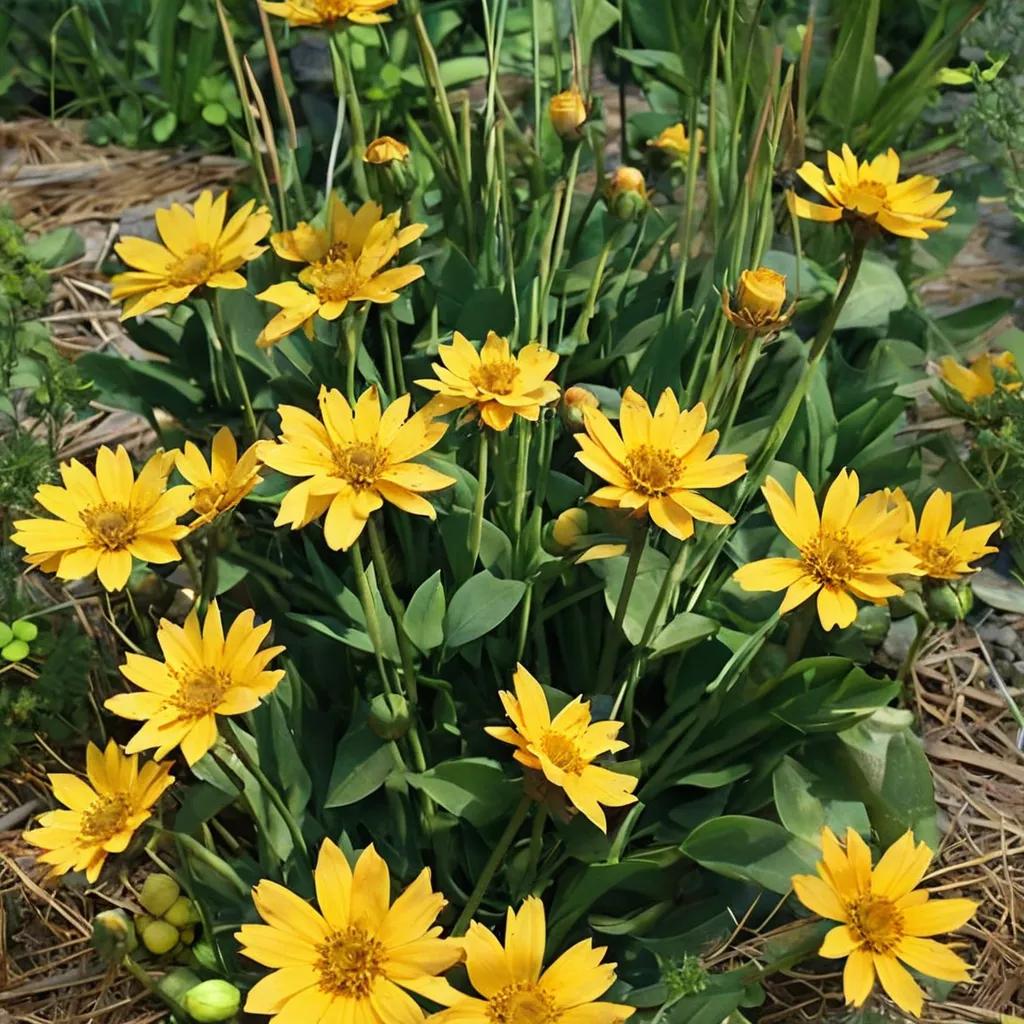
The Story
Plant Bio
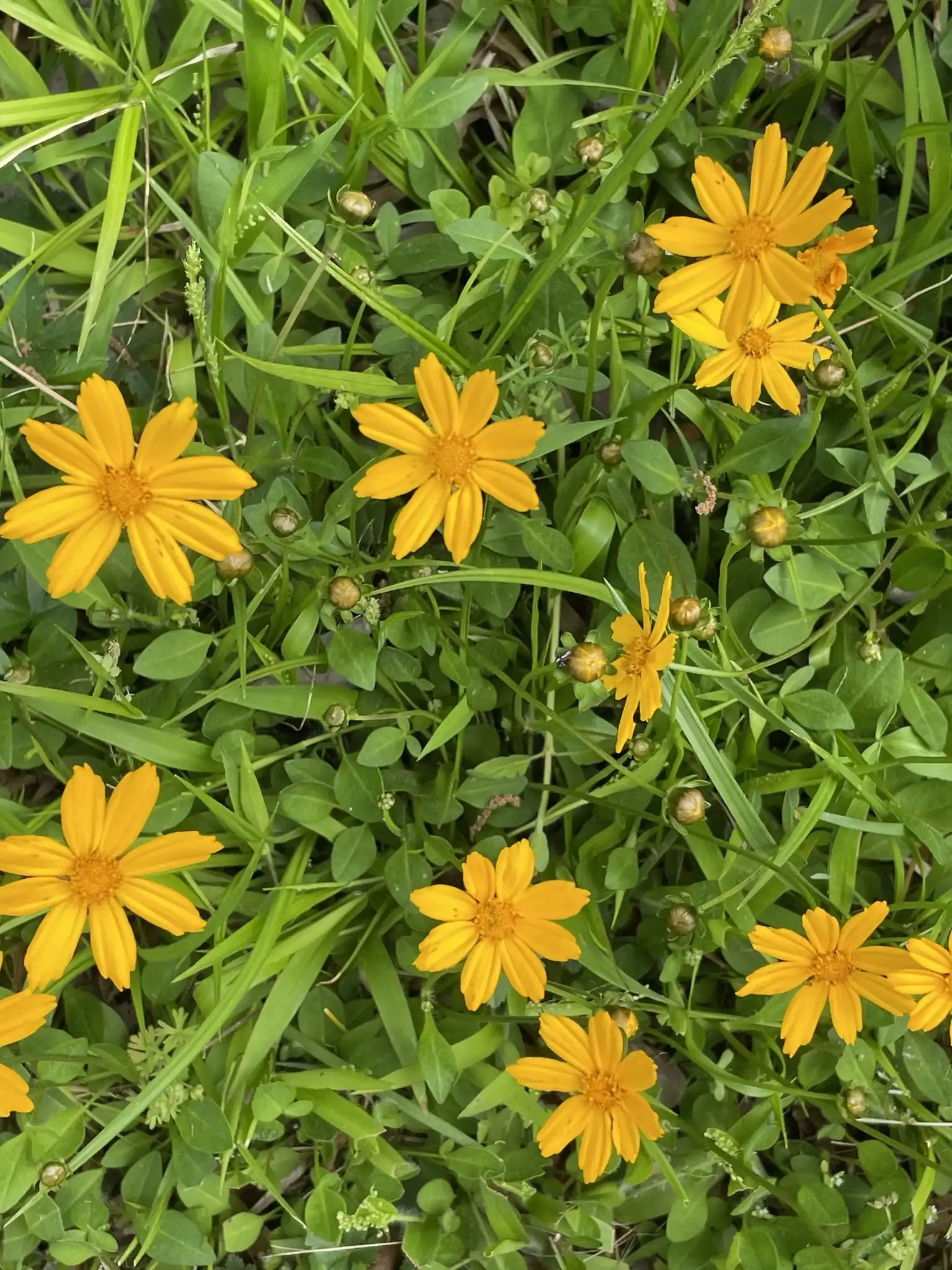
Coreopsis auriculata, mouse-ear coreopsis, is a low native perennial of the southeastern states, spreading slowly by short stolons into a mat of small paddle-shaped leaves, most with a pair of little lobes at the base that give it its name. Golden-yellow daisies one to three inches across rise on slender stems from late spring into summer.
It is one of the few coreopsis that tolerates partial shade rather than demanding full sun, which makes it useful at a woodland edge. Deadhead it and it keeps flowering for months instead of a few weeks; leave the last flush and songbirds take the seed. Deer and rabbits generally leave it alone.
Uses & Benefits:
Essentials
At a Glance
Plant Type
Perennial
Height
18"
Width
8"
Light
Full Sun, Partial Sun
Zones
4, 5, 6, 7, 8, 9
Water
Low to moderate
Humidity
Moderate
Lifespan
Perennial
Native To
Southeastern United States
Toxicity
Non-toxic
Planting
How to Grow
- Plant in full sun or partial shade.
- Give it well-drained soil; it dislikes winter wet.
- Deadhead regularly to extend the flowering season.
- Leave the final flush of seedheads for the birds.
- Divide congested clumps every few years in spring.
- Water in prolonged drought, though it is tolerant.
Pro Tip
Deadheading turns a three-week display into a three-month one, so shear the spent flowers off every couple of weeks.
Keep It Thriving
Care Guide
Do
- Deadhead every couple of weeks ✂️
- Give it free-draining soil 🌱
- Leave late seedheads for songbirds 🐦
- Divide clumps every few years 🔁
Don't
- Plant it in wet winter ground ❌
- Feed it richly — it flops ❌
- Cut every seedhead off in autumn ❌
Seasonal Care Calendar
| Task | Jan | Feb | Mar | Apr | May | Jun | Jul | Aug | Sep | Oct | Nov | Dec |
|---|---|---|---|---|---|---|---|---|---|---|---|---|
| Deadhead | ||||||||||||
| Divide |
Watch Out For
Pests & Diseases
Common Pests
Common Diseases
In the Garden
Landscape Uses & Companions
Landscape Uses
Multiply
Propagation Methods
Good to Know
Common Questions
Mouse-eared Coreopsis questions
What zones can Mouse-eared Coreopsis grow in?
Mouse-eared Coreopsis is hardy in USDA Zones 4–9. Inside that range it survives winter in the ground; outside it, grow it as an annual or a container plant you protect.
Is Mouse-eared Coreopsis deer resistant?
Yes — Mouse-eared Coreopsis is rated deer-resistant. Deer typically pass it over, though extreme hunger can override any plant's defenses.
When does Mouse-eared Coreopsis bloom?
Mouse-eared Coreopsis typically blooms in late spring to summer through late summer. Exact timing shifts a week or two with your zone — Sow's bloom calendar maps it to your garden.
Does Mouse-eared Coreopsis need full sun?
Mouse-eared Coreopsis does best in full sun to part shade. In hot climates, afternoon shade keeps blooms fresher longer.
Is Mouse-eared Coreopsis drought tolerant?
Yes — once established (usually after the first full season), Mouse-eared Coreopsis handles dry spells with minimal watering. Water deeply its first year to build the root system that makes that possible.
More Coreopsis to compare
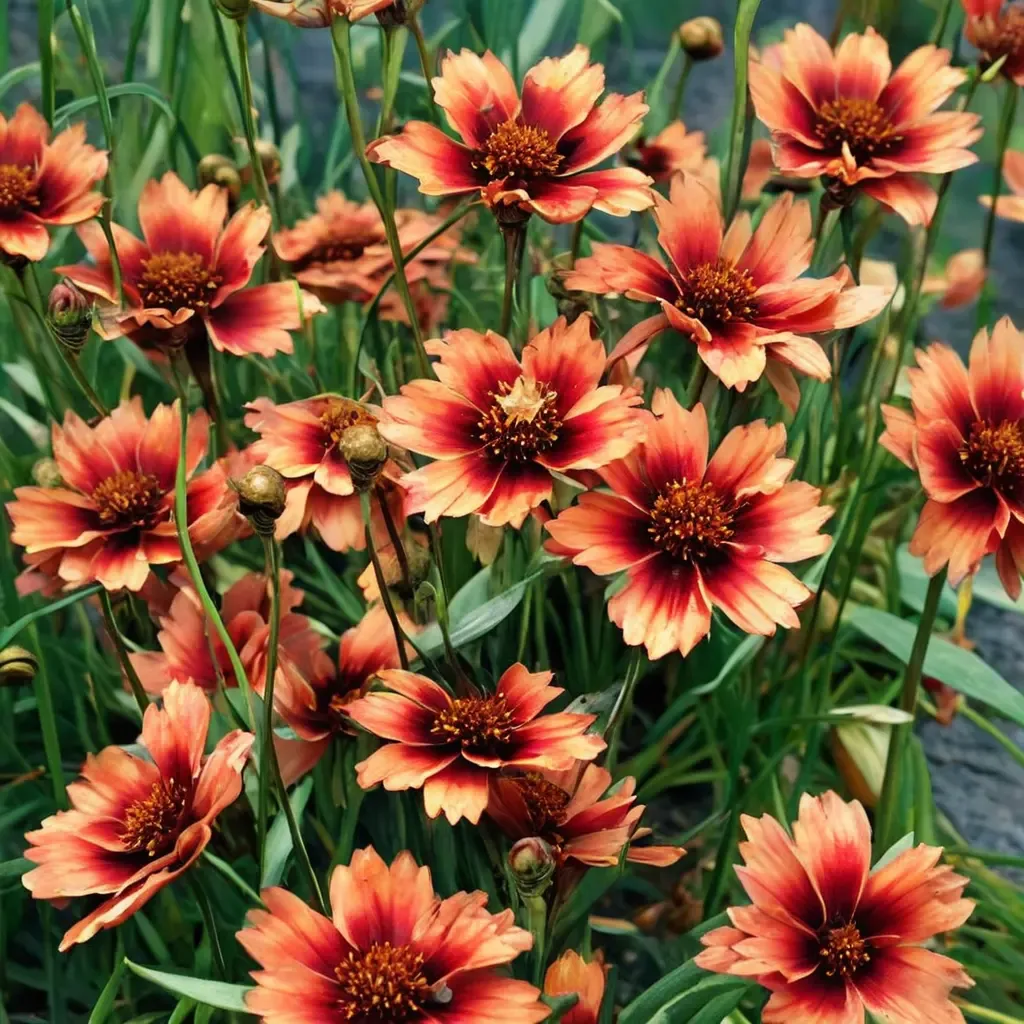
Plains Coreopsis
Coreopsis tinctoria 'Desert Coral'
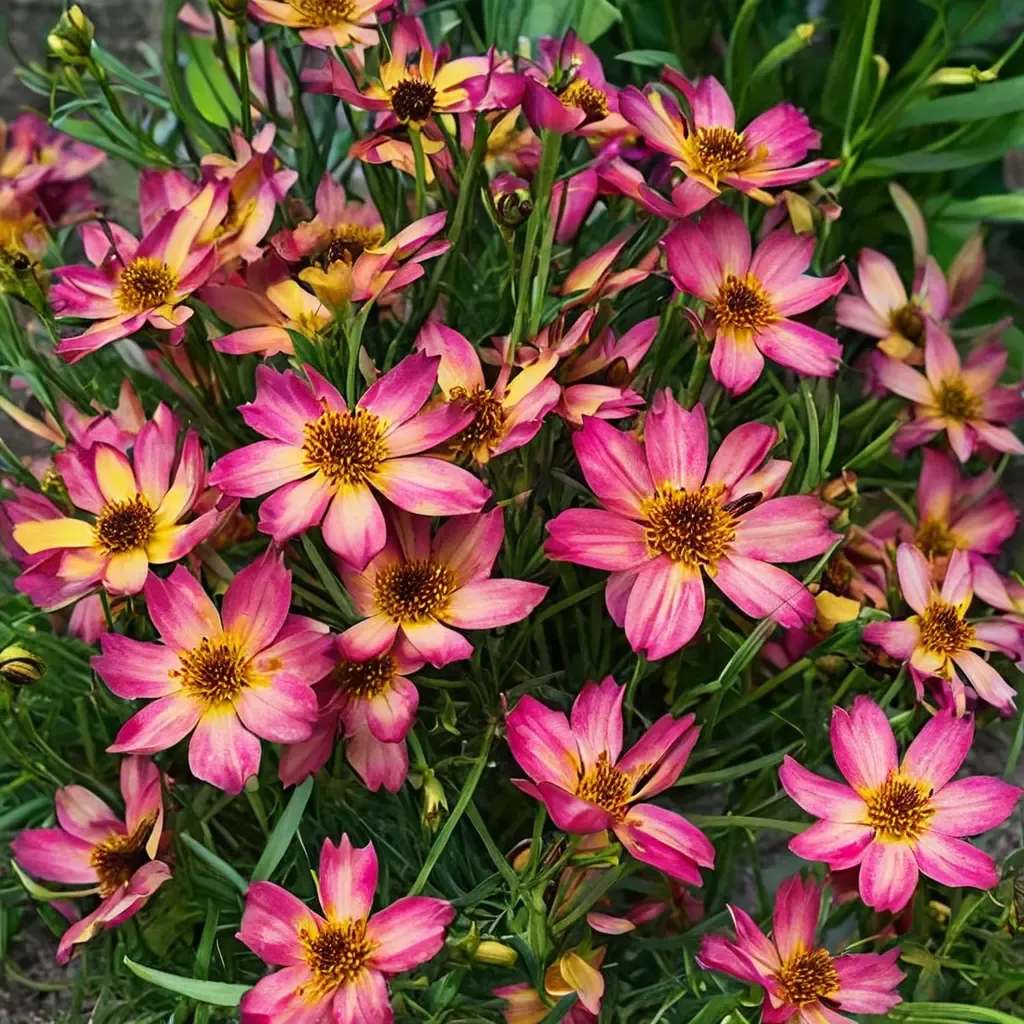
Tickseed 'Sweet Tart'
Coreopsis tinctoria 'Sweet Tart'
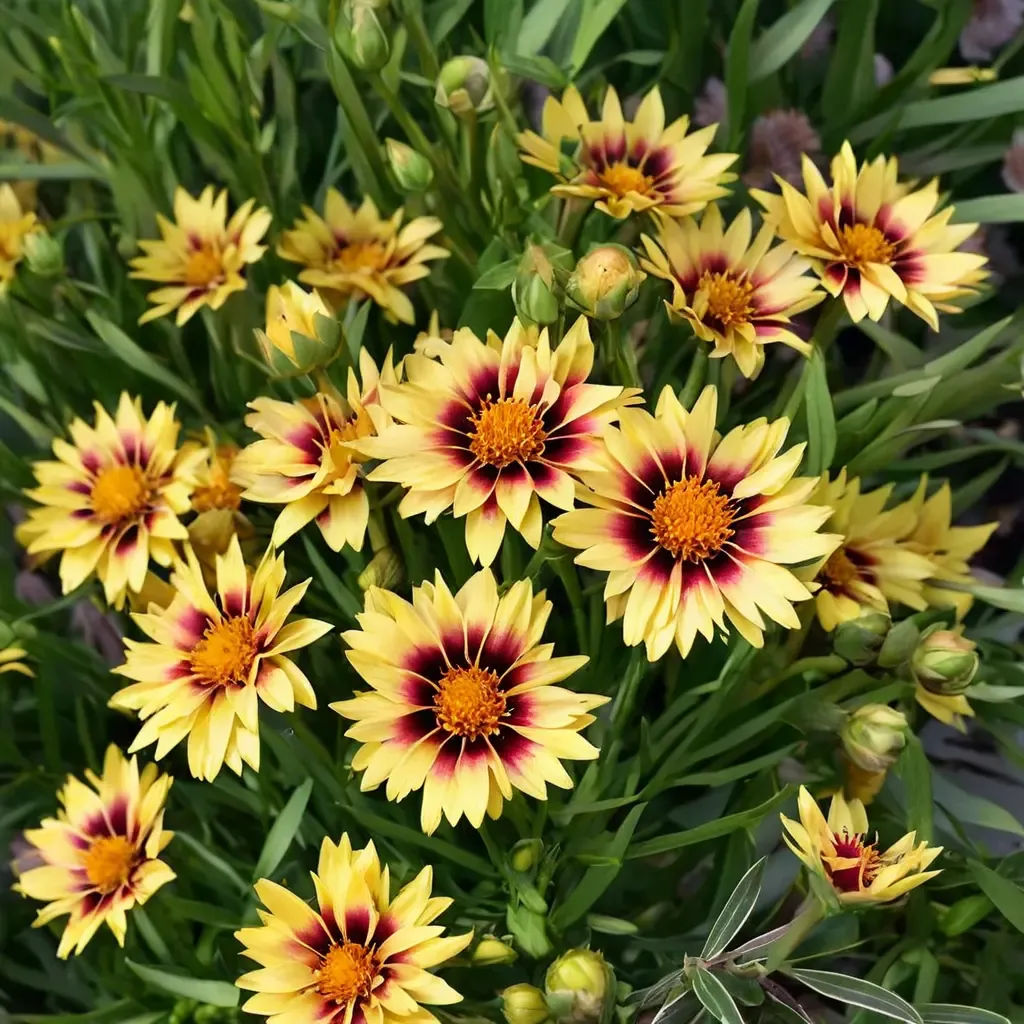
Enchanted Eve Li'l Bang Tickseed
Coreopsis grandiflora 'Enchanted Eve Li'l Bang'
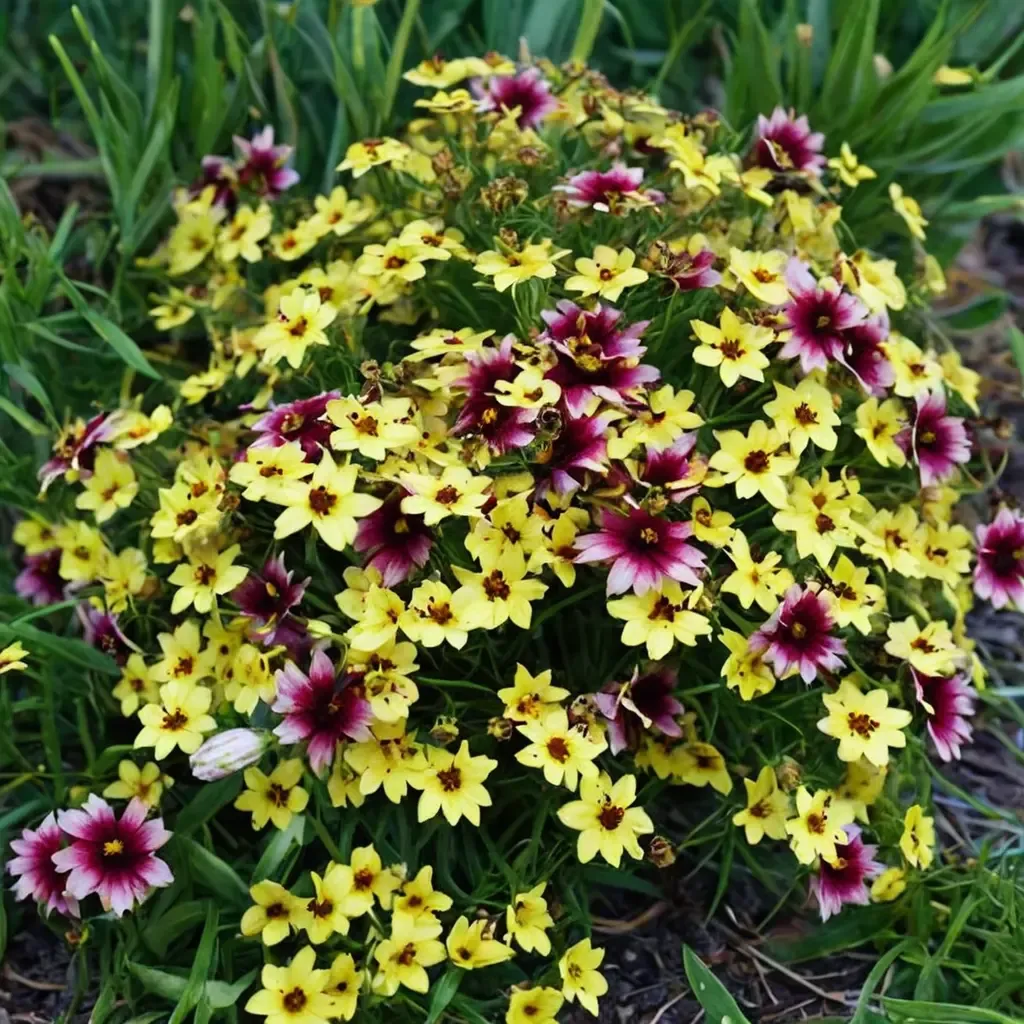
Sassy Saffron Tickseed
Coreopsis grandiflora 'Sassy Saffron'
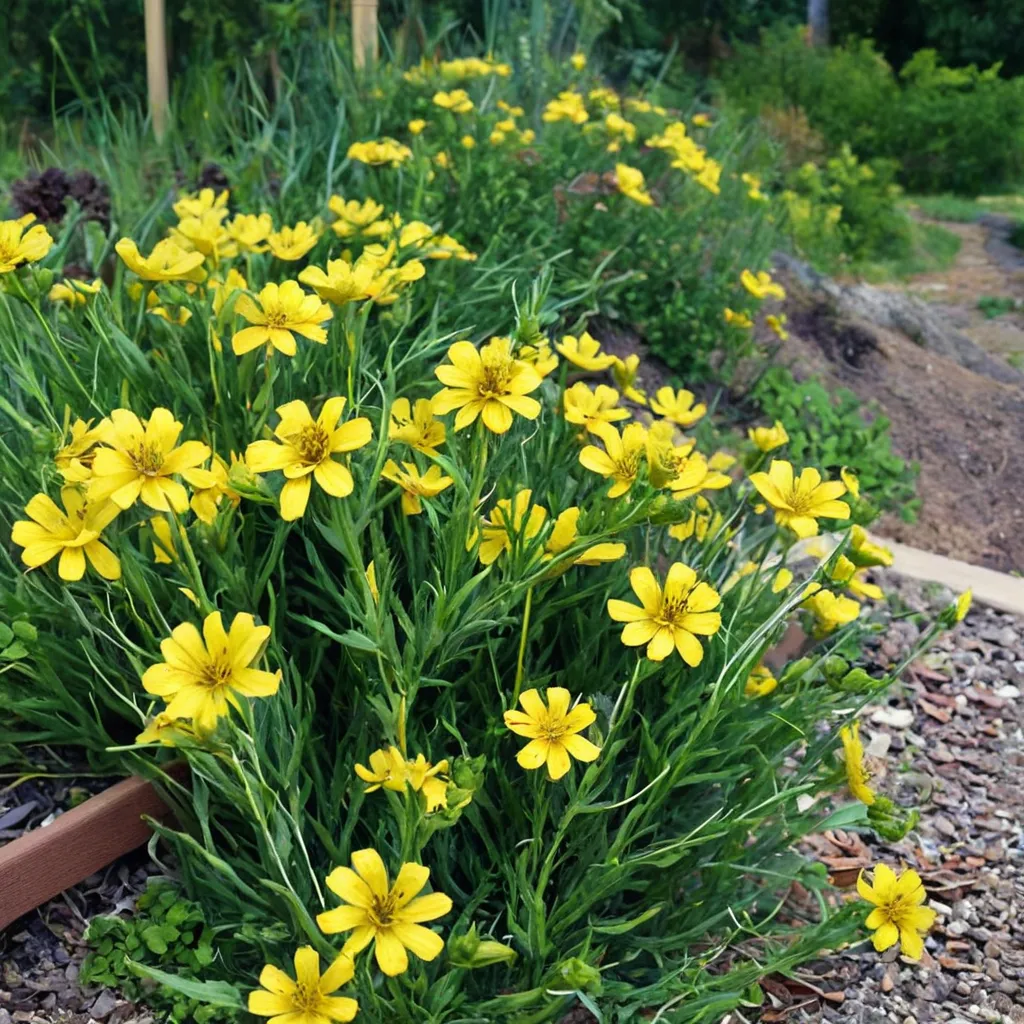
Prairie Coreopsis
Coreopsis palmata
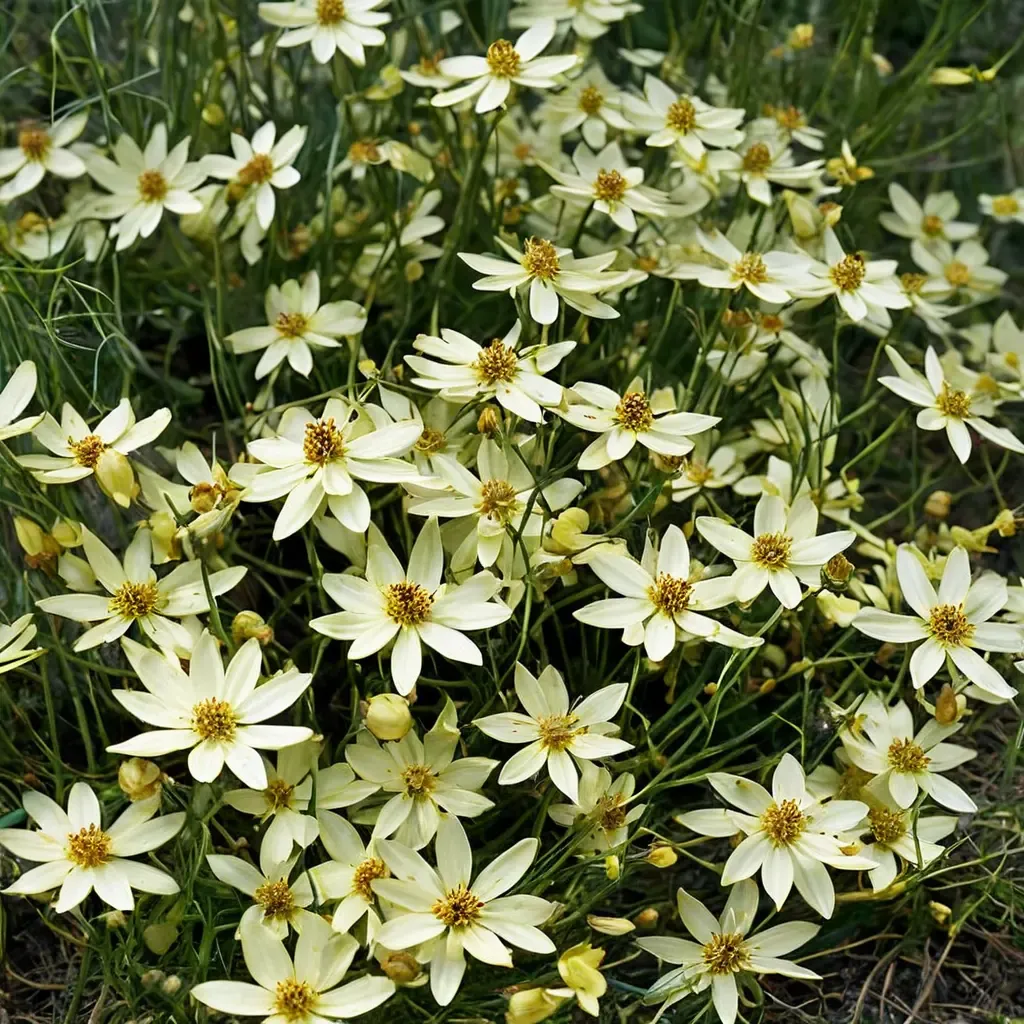
Moonbeam Tickseed
Coreopsis verticillata 'Moonbeam'
Keep exploring
Explore the genus
Grow Mouse-eared Coreopsis with confidence
See it in a design of your actual yard, get zone-matched care reminders, and track it season by season in your garden journal.