The Story
Plant Bio
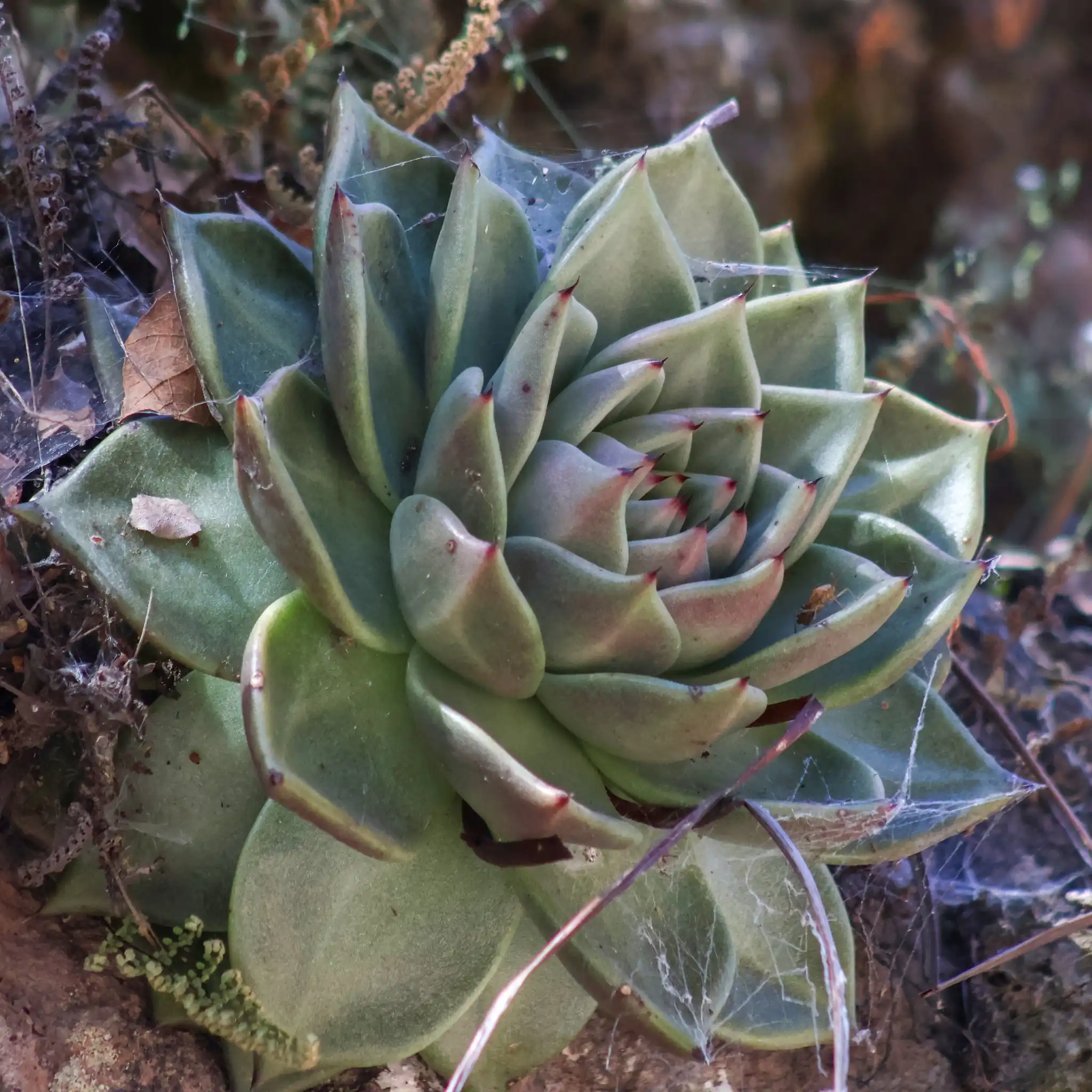
Echeveria agavoides is an acaulescent, slow-growing succulent native to the rocky, arid regions of Mexico. It forms a highly symmetrical, star-like rosette of thick, fleshy leaves that closely resembles a miniature agave.
The apple-green leaves terminate in sharp, reddish-pink tips that intensify in color when the plant is exposed to bright sunlight or mild drought stress. In spring, it produces slender, nodding flower scapes bearing red, urn-shaped blossoms with yellow interiors.
Uses & Benefits:
Essentials
At a Glance
Plant Type
Cactus Succulent
Height
6"
Width
12"
Light
Full Sun, Partial Sun
Zones
9, 10
Water
Low
Humidity
Low to moderate
Lifespan
Perennial
Native To
Mexico
Toxicity
Non-toxic
Bloom period
Spring – Early summer
In flower about 4 months of the year
Planting
How to Grow
- Select a container with ample drainage holes and fill it with a sandy, gravelly succulent potting mix.
- Position the plant in a location receiving at least six hours of direct sunlight daily to maintain its compact shape and vibrant leaf margins.
- Water thoroughly only when the potting medium has dried completely through to the bottom of the pot.
- Protect the rosette from freezing temperatures, moving container-grown specimens indoors before the first frost.
Pro Tip
Provide exceptional drainage and restrict watering to when the soil is completely dry; overwatering during the winter dormancy period is the primary cause of fatal root rot.
Keep It Thriving
Care Guide
Do
- Use a highly porous, gritty soil mix to ensure rapid drainage.
- Expose the plant to bright sunlight to bring out the red leaf tips.
- Remove completely dried, paper-like lower leaves from the base of the rosette.
- Water deeply but infrequently, allowing the soil to dry out entirely between waterings.
Don't
- Do not let water sit in the center of the rosette, which encourages rot.
- Avoid fertilizing during the winter dormancy period.
- Do not plant in heavy, moisture-retaining clay soils.
- Never prune into green, living leaf tissue.
Seasonal Care Calendar
| Task | Jan | Feb | Mar | Apr | May | Jun | Jul | Aug | Sep | Oct | Nov | Dec |
|---|---|---|---|---|---|---|---|---|---|---|---|---|
| Fertilize | ||||||||||||
| Pest Check | ||||||||||||
| Propagate | ||||||||||||
| Winter Prep |
Watch Out For
Pests & Diseases
Common Pests
Common Diseases
In the Garden
Landscape Uses & Companions
Landscape Uses
Companion Plants
Multiply
Propagation Methods
Good to Know
Common Questions
Molded Wax Agave questions
What zones can Molded Wax Agave grow in?
Molded Wax Agave is hardy in USDA Zones 9–10. Inside that range it survives winter in the ground; outside it, grow it as an annual or a container plant you protect.
Is Molded Wax Agave deer resistant?
Not reliably. Deer may browse Molded Wax Agave, especially tender spring growth — plan on repellents or fencing where pressure is high.
When does Molded Wax Agave bloom?
Molded Wax Agave typically blooms in spring through early summer. Exact timing shifts a week or two with your zone — Sow's bloom calendar maps it to your garden.
Does Molded Wax Agave need full sun?
Molded Wax Agave does best in full sun to part shade. In hot climates, afternoon shade keeps blooms fresher longer.
Is Molded Wax Agave drought tolerant?
Yes — once established (usually after the first full season), Molded Wax Agave handles dry spells with minimal watering. Water deeply its first year to build the root system that makes that possible.
More Echeveria to compare
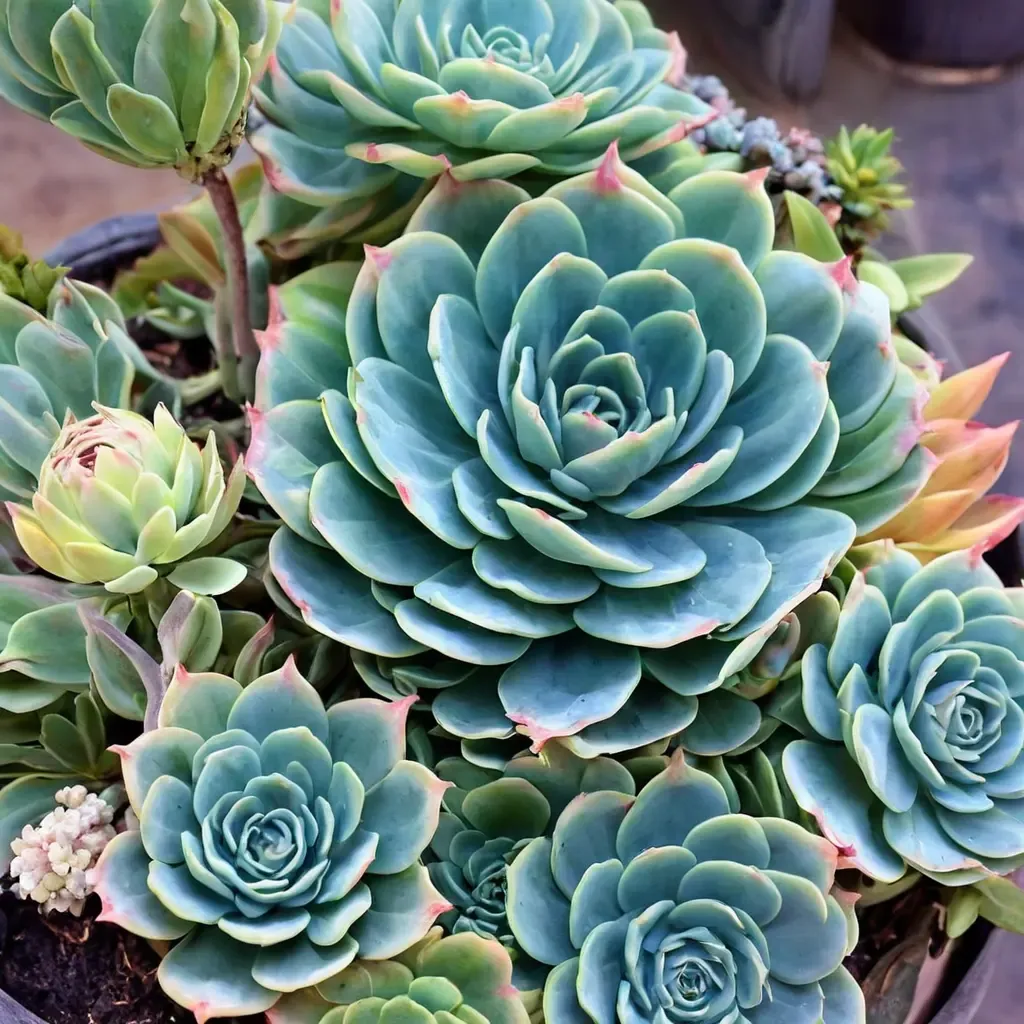
Blue Rose Echeveria
Echeveria imbricata
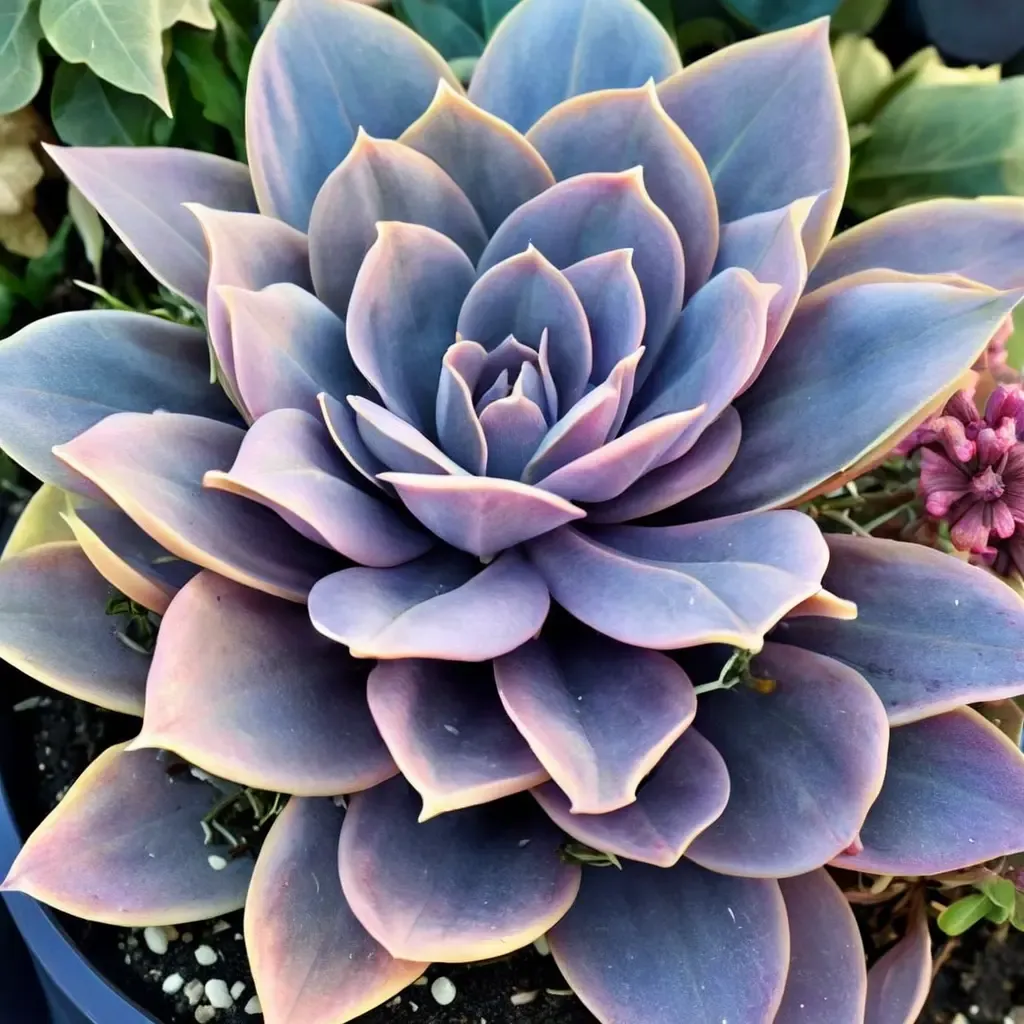
Perle Von Nurnberg
Echeveria secunda 'Perle Von Nurnberg'
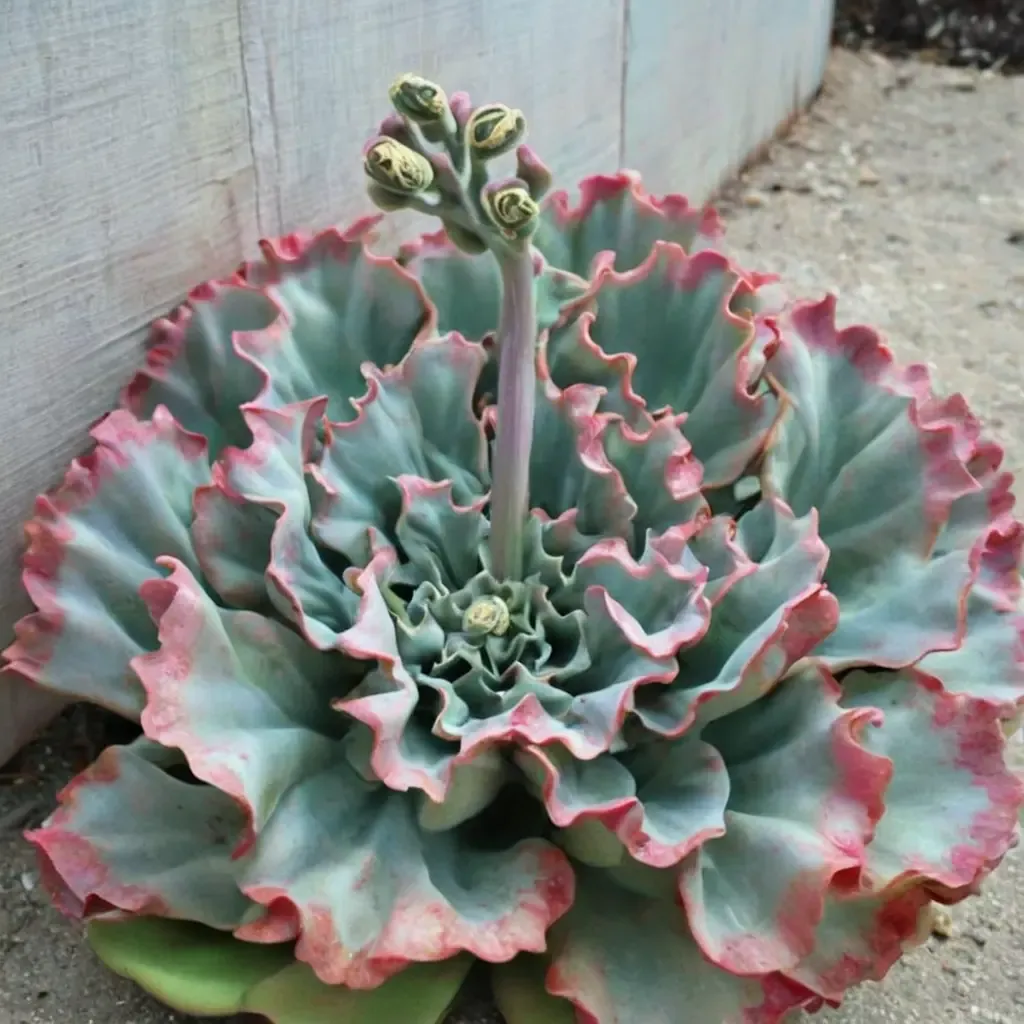
Lady Aquarius Echeveria
Echeveria gibbiflora 'Lady Aquarius'
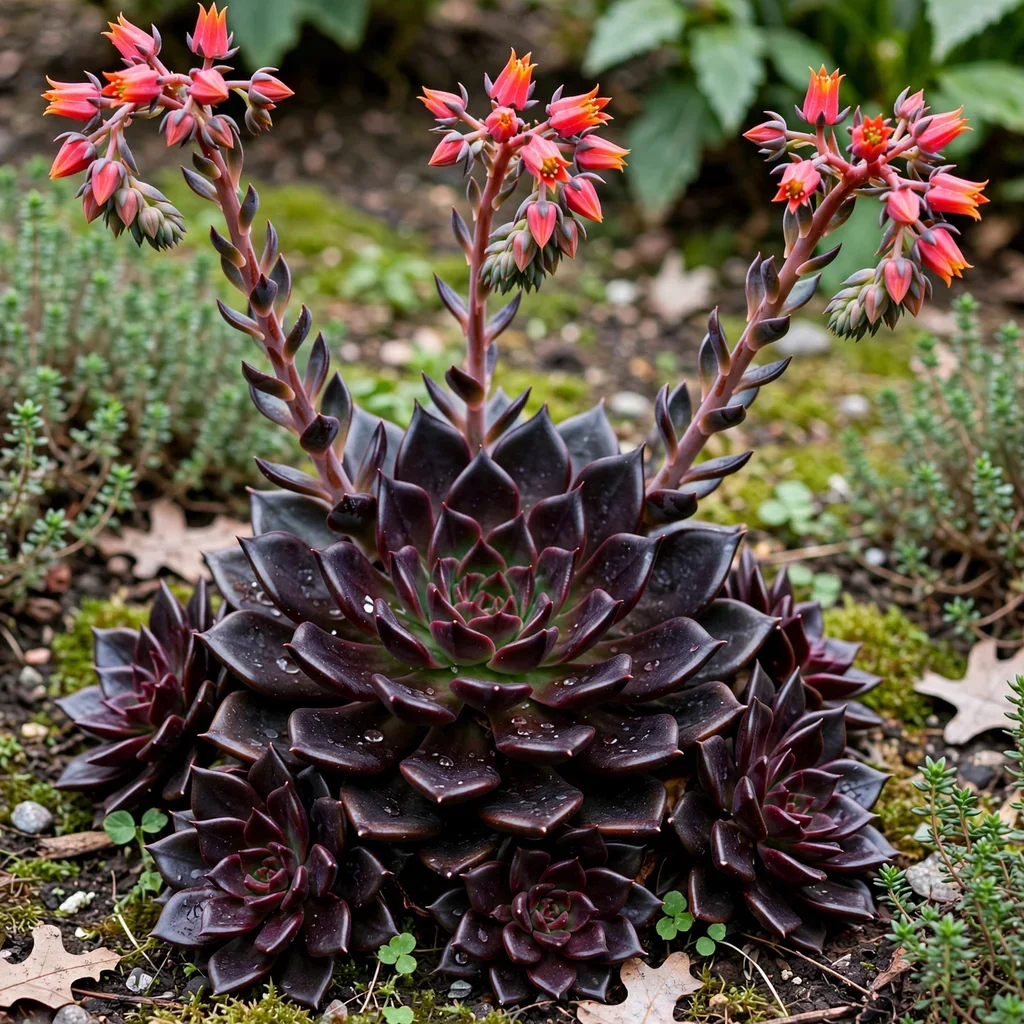
Echeveria Black Prince
Echeveria secunda 'Black Prince'
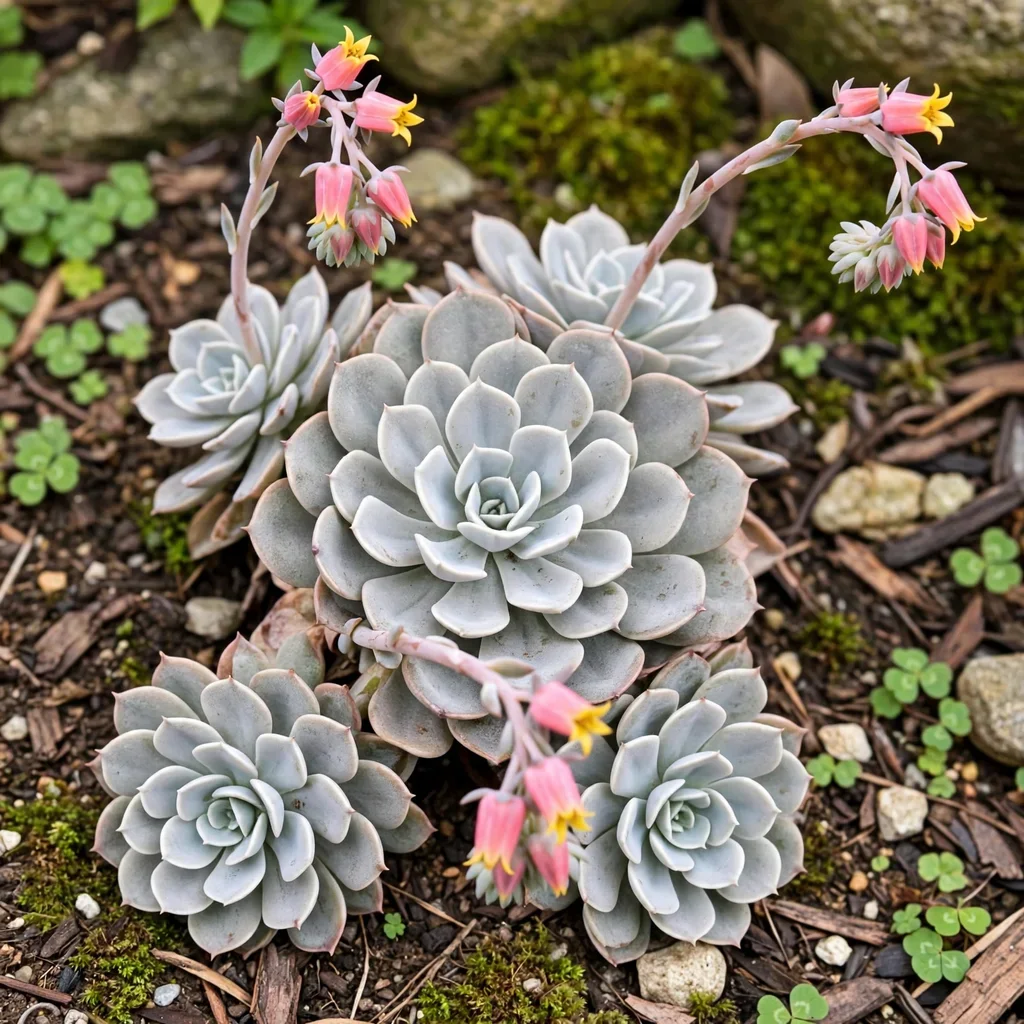
Mexican Snowball
Echeveria elegans 'Mexican Snowball'
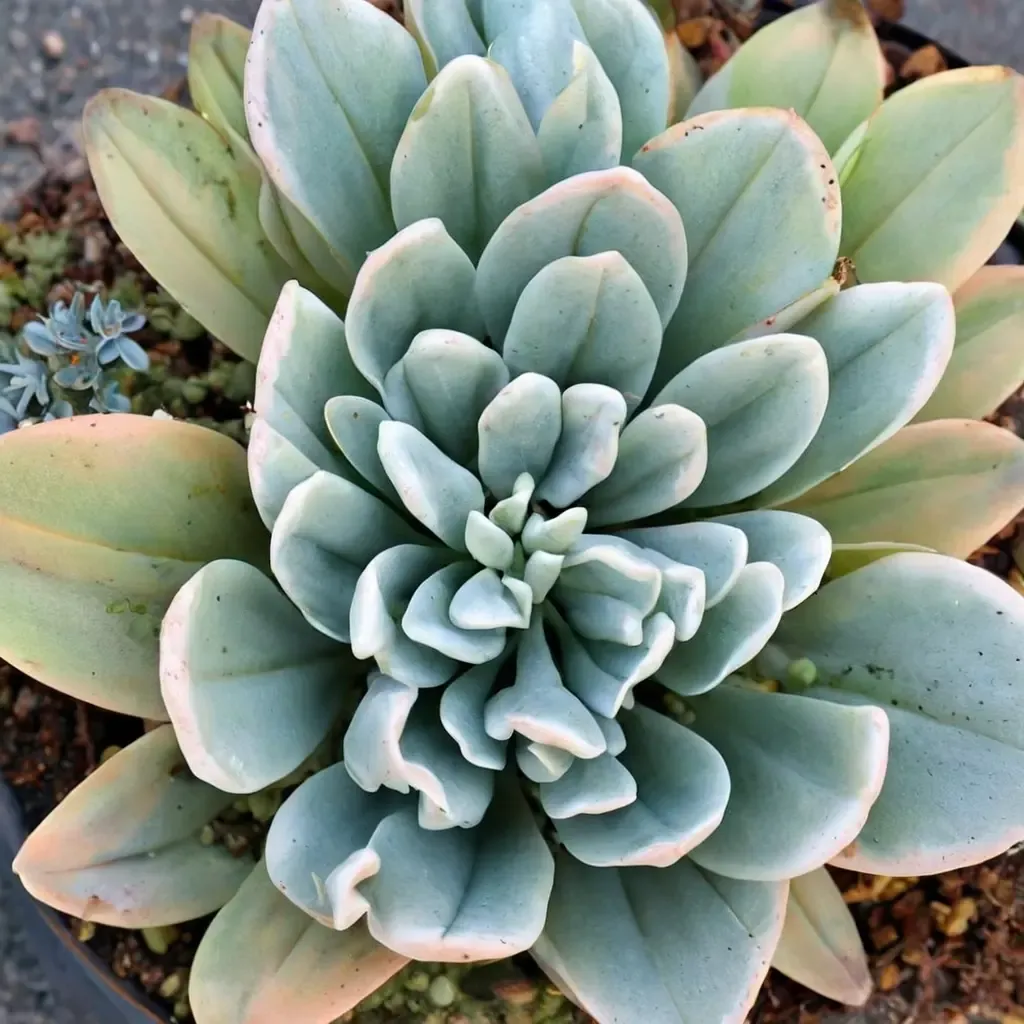
Caribbean Echeveria Echeveria Caribbean
Echeveria runyonii 'Caribbean'
Keep exploring
Explore the genus
Hardy in your zone?
Grow Molded Wax Agave with confidence
See it in a design of your actual yard, get zone-matched care reminders, and track it season by season in your garden journal.