The Story
Plant Bio
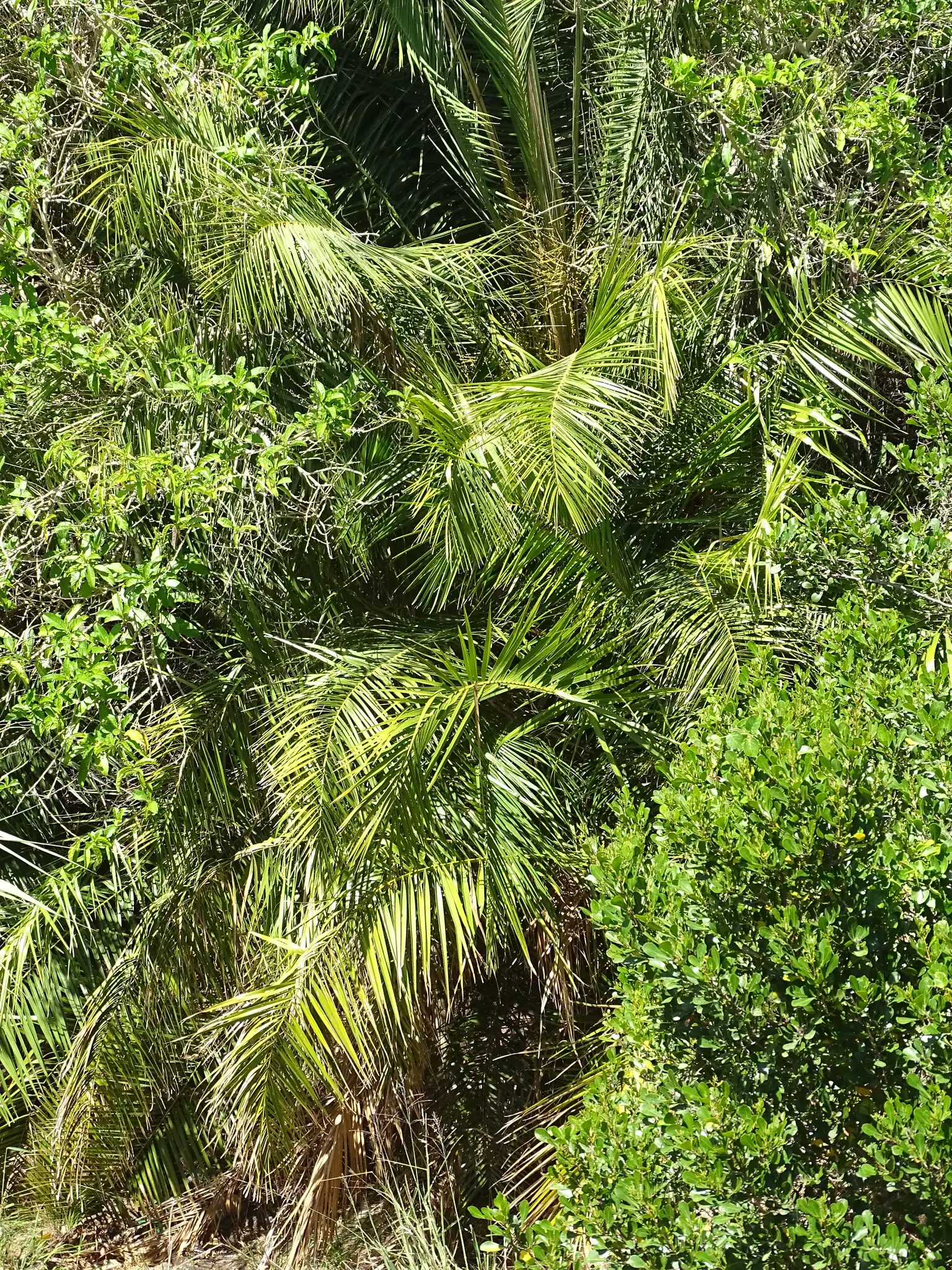
Phoenix reclinata, the Senegal date palm, is a multi-trunked, clustering evergreen palm that forms dense, wide clumps of slender, gracefully curved light-gray trunks. The open crown features arching, pinnately compound fronds up to fifteen feet long, with the lowest leaflets modified into long, rigid, and extremely sharp spines.
This species is highly adaptable to coastal conditions, tolerating high salt spray, sandy soils, and periods of both drought and seasonal flooding. In summer, separate male and female plants produce branched inflorescences that, on female specimens, develop into heavy, hanging clusters of small, edible orange-brown dates.
Uses & Benefits:
Essentials
At a Glance
Plant Type
Tree
Height
590"
Width
240"
Light
Full Sun, Partial Sun
Zones
9, 10
Water
Moderate
Humidity
High
Lifespan
Long-lived
Native To
Africa, Madagascar, Arabian Peninsula
Toxicity
Non-toxic (spines pose physical hazard)
Bloom period
Summer
In flower about 3 months of the year
Planting
How to Grow
- Select a planting site with full sun to partial shade and ample clearance to accommodate the wide, clustering footprint.
- Plant in well-draining sand, loam, or clay, ensuring the root ball sits level with the surrounding soil surface.
- Water deeply and regularly during the first growing season to establish a deep, drought-tolerant root system.
- Apply a balanced, slow-release palm fertilizer containing magnesium, manganese, and potassium two to three times during the spring and summer.
Pro Tip
Avoid 'hurricane cuts' that strip upward-pointing green fronds, as this practice severely weakens the palm's vigor; instead, prune only completely dead, brown fronds and old spent inflorescences.
Keep It Thriving
Care Guide
Do
- Wear heavy protective leather gloves and safety glasses when working near the sharp petiole spines.
- Apply a balanced, slow-release palm-specific fertilizer with micronutrients during the active growing season.
- Prune away only completely dead, brown fronds to maintain plant health.
Don't
- Do not plant this wide-spreading, spiny palm close to walkways, patios, or structures where the spines pose a hazard.
- Never perform heavy 'hurricane cuts' or prune into healthy green fronds.
- Do not overwater in poorly drained soils to prevent root rot.
Seasonal Care Calendar
| Task | Jan | Feb | Mar | Apr | May | Jun | Jul | Aug | Sep | Oct | Nov | Dec |
|---|---|---|---|---|---|---|---|---|---|---|---|---|
| Fertilize | ||||||||||||
| Pest Check | ||||||||||||
| Propagate | ||||||||||||
| Prune |
Watch Out For
Pests & Diseases
Common Pests
Common Diseases
In the Garden
Landscape Uses & Companions
Landscape Uses
Multiply
Propagation Methods
Good to Know
Common Questions
Senegal Date Palm questions
What zones can Senegal Date Palm grow in?
Senegal Date Palm is hardy in USDA Zones 9–10. Inside that range it survives winter in the ground; outside it, grow it as an annual or a container plant you protect.
When does Senegal Date Palm bloom?
Senegal Date Palm typically blooms in summer through summer. Exact timing shifts a week or two with your zone — Sow's bloom calendar maps it to your garden.
Does Senegal Date Palm need full sun?
Senegal Date Palm does best in full sun to part shade. In hot climates, afternoon shade keeps blooms fresher longer.
Is Senegal Date Palm drought tolerant?
Yes — once established (usually after the first full season), Senegal Date Palm handles dry spells with minimal watering. Water deeply its first year to build the root system that makes that possible.
More Phoenix to compare
Keep exploring
Explore the genus
Hardy in your zone?
Grow Senegal Date Palm with confidence
See it in a design of your actual yard, get zone-matched care reminders, and track it season by season in your garden journal.